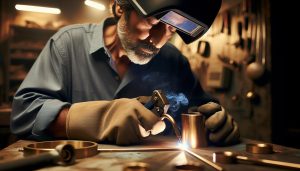
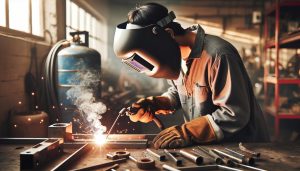
Did you know that plasma cutting is one of the most efficient methods for slicing through metal? With the ability to cut through steel, aluminum, and more with precision, mastering this technique can transform your welding projects from ordinary to extraordinary. Whether you’re a skilled welder seeking to refine your craft or a beginner eager to learn, understanding how to effectively operate a plasma cutter is essential for achieving professional results. In this guide, we’ll break down the necessary steps, safety protocols, and techniques that will empower you to make clean, accurate cuts every time. Get ready to elevate your metalworking skills and unlock a world of possibilities in your workshop.
Understanding Plasma Cutting: The Basics
Plasma cutting is a versatile and effective method utilized in a variety of industries, offering precision cutting capabilities that surpass traditional methods in speed and quality. At its core, plasma cutting involves creating an arc of electricity between an electrode and the workpiece, transforming compressed gas into plasma, which is capable of melting through metal at high temperatures. This process is particularly advantageous for cutting electrically conductive materials, including steel, aluminum, copper, and brass, making it a favored choice among fabricators, metalworkers, and artists alike.
One of the defining advantages of plasma cutting is its ability to produce clean and precise cuts with minimal heat distortion compared to other cutting methods like oxy-fuel cutting or mechanical saws. The plasma arc can be finely controlled, allowing it to navigate intricate designs and contours without leaving significant burrs or requiring extensive post-cut finishing. Moreover, the cutting speed is significantly faster, allowing for increased productivity whether in a professional shop or a DIY workspace.
Understanding the basics of plasma cutting also involves familiarizing oneself with the technology’s capabilities and limitations. Plasma cutters are available in a range of sizes and powers, suitable for both light and heavy-duty applications. The choice of equipment often hinges on factors such as material thickness, type of metal, and the precision required for the task. As the plasma cutter operates, the operator must maintain the correct distance from the workpiece to ensure optimal arc performance-a critical factor that will influence the quality of the cut. With a grasp of these fundamentals, users can move forward confidently into the intricacies of plasma cutting, paving the way for superior results in both simple and complex projects.
Essential Plasma Cutter Equipment You Need
To achieve professional results with plasma cutting, having the right equipment is essential. A well-equipped workstation not only increases efficiency but also enhances safety and the quality of your cuts. An essential component of any plasma cutting setup is, of course, the plasma cutter itself. Depending on your needs, you have various options from portable models suitable for light work to industrial-grade machines capable of handling heavy-duty applications.
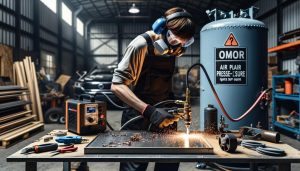
In addition to the plasma cutter, certain accessories can optimize your cutting experience. A reliable air compressor ensures a steady supply of compressed air, critical for converting gas into plasma. Protective gear is also vital, including welding gloves, a quality helmet with a suitable lens shade for eye protection, and flame-resistant clothing to protect your skin from sparks and heat. Furthermore, a well-maintained workspace with stable tables or workstations will help keep your materials steady while cutting, improving precision.
Another critical piece of equipment is the cutting torch, which often comes with various tips designed specifically for different thicknesses and types of metals. Selecting the right tip can significantly influence the cut quality. Additionally, having a set of consumables, such as nozzles and electrodes, on hand is crucial for maintaining optimal performance. A good practice is to keep track of your usage and replace these parts regularly to avoid downtimes caused by wear.
Finally, consider investing in a plasma cutting cart, especially if you’re working with larger pieces. These carts can hold the plasma cutter, air compressor, and even provide space for tools, making it easier to move your equipment throughout your workspace. Ultimately, understanding your specific needs and selecting the appropriate equipment will set the foundation for exceptional plasma cutting results.
Safety First: Plasma Cutting Precautions
Engaging in plasma cutting requires not just skill but a serious commitment to safety. The process involves high-voltages and intense heat; thus, neglecting proper precautions can lead to serious injuries or damage. Understanding and implementing key safety measures is essential not just for personal protection but also to ensure a safe working environment for those around you.
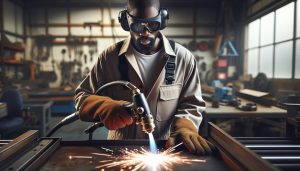
To start, always wear appropriate personal protective equipment (PPE). This includes a quality helmet with the correct shade to protect your eyes from harmful UV radiation and bright light, flame-resistant clothing to shield your skin from sparks and heat, and heavy-duty gloves designed for welding. Additionally, consider using safety shoes to protect your feet from heavy equipment or falling objects, and hearing protection if you’re working in a particularly noisy environment.
Another crucial aspect of safety is maintaining a clutter-free work area. Ensure that all combustible materials are removed from the vicinity before you begin cutting. Sparks generated during plasma cutting can ignite flammable substances quickly, leading to potentially catastrophic fires. Likewise, verify that your workspace is well-ventilated. Toxic fumes may be produced when cutting certain metals, and proper airflow helps mitigate health risks associated with inhaling these substances.
Training and preparation also play vital roles in safety. Make sure you fully understand the plasma cutter’s manual and operational guidelines. If you are new to plasma cutting, seek guidance from experienced professionals or take a course to familiarize yourself with safe practices. Understanding the equipment, how it functions, and the specifics of handling it correctly will significantly reduce the risk of accidents. By prioritizing safety, you not only protect yourself but also enhance your overall efficiency and quality of work in plasma cutting projects.
Choosing the Right Consumables for Optimal Cuts
Choosing the right consumables for plasma cutting can significantly impact the quality and efficiency of your cuts. Using the correct electrodes, nozzles, and shields tailored to your specific material and application ensures that the plasma arc is stable and precise. Focus on selecting consumables that not only fit your plasma cutter’s specifications but also match the type and thickness of the material you are working with.
- Nozzles: Choose nozzles based on the thickness of the material being cut. For thinner materials, standard nozzles perform well, while cup-type nozzles can be advantageous for thicker metals, as they help to focus the plasma arc more effectively.
- Electrodes: Electrodes are crucial for maintaining arc stability. Consider using a swirl ring if your machine supports it; it aids in gas flow, enhancing arc quality. Different electrode materials such as copper or hafnium also provide varying performance characteristics based on the application.
- Shielding: Proper shielding is essential to protect both the cutting area and the plasma arc from external contamination. Ensure that you are using the right type of shield for your nozzle to avoid unnecessary wear on the components.
Additionally, always look for high-quality consumables from reputable manufacturers. Low-cost options may seem appealing but can lead to inconsistent cuts and frequent replacements, ultimately increasing your production time and costs. Familiarizing yourself with the characteristics and requirements of different consumables will empower you to make informed decisions that enhance performance.
By taking the time to select the appropriate consumables, not only will you achieve cleaner cuts and smoother edges, but you will also increase the lifespan of your plasma cutter components. This not only enhances your overall project results but also contributes to a more efficient and safer working environment.
Mastering Plasma Cutter Settings for Different Materials
Mastering the settings of your plasma cutter for different materials is crucial in achieving precision and quality in your cuts. Each type of material, whether it’s mild steel, stainless steel, aluminum, or copper, requires specific adjustments to voltage, amperage, and cutting speed. Understanding these parameters will not only enhance your results but will also prolong the life of your equipment.
When cutting mild steel, a common choice for many projects, a good starting point is to set the amperage to around 30 to 50 amps for thicknesses up to 1/4 inch. Ensuring the machine is set to a higher voltage for thicker sections-often between 60 and 80 amps-can help maintain a stable arc and provide a clean cut. However, adjusting the cutting speed is equally essential: too slow can lead to excessive heat and warping, while too fast might result in poor penetration and a rough edge.
In contrast, aluminum, known for its thermal conductivity, often requires different settings. Opting for a lower voltage and slightly higher cutting speed can compensate for the material’s heat dissipation. For example, cutting 1/8-inch aluminum typically works best at about 20 to 30 amps, allowing the plasma arc to maintain focus while preserving the integrity of the material. A dedicated aluminum nozzle can further improve the quality of the cuts and reduce the risk of dross formation.
General Guidelines for Plasma Cutter Settings
- Mild Steel: 30-50 amps for <1/4 inch; 60-80 amps for thicker cuts.
- Stainless Steel: Start at 20-40 amps, adjusting for thickness.
- Aluminum: 20-30 amps for 1/8 inch, with higher speeds and lower voltage.
- Copper: Range from 30 to 50 amps depending on thickness, generally requiring a slower cut to manage heat.
As you gain experience, don’t hesitate to experiment within these guidelines. Factors such as your specific plasma cutter’s capabilities, the quality of consumables, and even environmental conditions can influence performance. By meticulously adjusting the settings based on material type and thickness, you’ll increase accuracy and achieve those professional-looking results you aim for in your projects.
Step-by-Step Guide: How to Execute Perfect Cuts
To achieve flawless and precise cuts using a plasma cutter, it’s essential to follow a systematic approach that encompasses preparation, execution, and cleanup. Mastering this process not only enhances your results but also boosts your confidence as you tackle various projects.
Start by preparing your workspace: ensure it’s clean, well-ventilated, and free from flammable materials. Gather all necessary equipment, including your plasma cutter, safety gear (gloves, goggles, and protective clothing), and the appropriate consumables. It’s crucial to make sure you’ve selected the right nozzle and electrode for your intended material and thickness. Double-check your plasma cutter settings based on the specific metal type, thickness, and desired cut quality, as articulated in earlier sections.
When you begin the actual cutting process, follow these crucial steps:
- Arc Ignition: Hold the cutting torch at a slight angle, typically around 45 degrees, and initiate the arc to allow it to stabilize.
- Engagement: Once the arc is established, slowly bring the torch down to the material, allowing the plasma jet to make contact at the desired starting point without rapidly thrusting down, which could cause a rough start.
- Movement: Maintain a steady and consistent speed as you move the torch along the planned cut line. This steady motion is paramount: if you cut too quickly, you risk inadequate penetration and jagged edges, while moving too slowly can overheat the material and result in warping. Adjust your speed, especially when changing thicknesses or material types, as required.
- Edge Control: Keep the torch at an appropriate height above the surface, ideally about 1/8 inch to 1/4 inch for the best results. Too high or too low can lead to poor arc stability and cut quality.
After you complete the cut, allow the material to cool naturally; avoid rapid cooling methods, such as water, as they can cause warping or cracking. Inspect your cut edges-look for dross or roughness, which can be minimized with adjusted settings in future projects, and ensure to perform any necessary cleanup.
In summary, executing perfect cuts with a plasma cutter involves meticulous preparation, controlled execution, and careful post-cut inspection. Believe in your ability to adapt and improve with each use of the tool, and you’ll find achieving professional results becomes increasingly effortless.
Techniques for Advanced Plasma Cutting Projects
When it comes to elevating your plasma cutting projects to a new level of precision and creativity, understanding advanced techniques can make all the difference. Whether you’re working with intricate patterns or thick materials, applying refined methods can enhance both the efficiency and quality of your work. One notable technique is contour cutting, where you guide the plasma arc around predefined shapes. This requires a steady hand and strong familiarity with the plasma cutter’s movement dynamics. Using a template or stencil can help in maintaining accuracy, especially on detailed designs.
Another valuable skill to develop is piercing, which involves starting the cut from the middle of a material rather than at the edge. This technique is ideal for creating holes or openings in thick materials where traditional edge cutting is impractical. To pierce effectively, adjust your settings to a higher amperage for a brief moment when you initiate the cut, allowing the arc to penetrate before pulling back and moving forward along the cut line. This method can significantly reduce the heat-affected zone and improve the final cut quality.
For those working predominantly with non-ferrous metals like aluminum, mastering the art of angle cutting can set you apart. When cutting at steep angles, pay close attention to your torch positioning and speed-these factors greatly influence the arc stability and overall cut quality. Maintaining an optimal distance from the workpiece is crucial; generally, keeping the torch about 1/4 inch away works well. Using a guide or rail system can also help ensure consistent angles and prevent drift during intricate cuts.
Finally, consider the use of multi-pass cutting for thicker materials. Instead of trying to cut through a substantial thickness in one go, executing multiple lighter passes can yield cleaner edges and reduced material warping. On each pass, gradually adjust your cutting speed and pressure, observing how the metal reacts to the heat. Monitoring the material and being adaptive to its behavior during this process will provide you with insights that enhance your technique for future projects.
Incorporating these advanced techniques into your plasma cutting arsenal not only boosts the quality of your cuts but also encourages creativity and innovation in your projects. Keeping safety protocols in mind while experimenting with these methods will ensure that you achieve professional results without compromising on technique or security.
Troubleshooting Common Plasma Cutting Issues
A plasma cutter can dramatically enhance your metalworking projects with speed and precision, but like all tools, it’s not without its challenges. Addressing common plasma cutting issues can save time, reduce material waste, and improve your overall results. One frequent problem encountered is inconsistent arc stability. This can often be attributed to improper settings or worn consumables. If the arc flickers or fails to strike, check the following:
- Electrode Condition: Ensure the electrode is not worn down or contaminated. Replace it if necessary to restore optimal performance.
- Amp Setting: Adjust the amperage settings according to the material thickness; insufficient amperage can lead to arc instability.
- Distance to Workpiece: Maintain the correct standoff distance, typically around 1/8 inch, to optimize arc stability.
Another common issue is excessive dross formation on cut edges. Dross can complicate finish work and require additional cleanup, but you can mitigate this problem. Start by refining your cutting speed; too slow can lead to more dross formation. Additionally, ensure that your nozzle and electrode are in good condition, as worn components can lead to poor cutting quality. For thicker materials, consider using a multi-pass cutting technique to improve edge quality and reduce dross.
Lastly, if cuts are exhibiting a poor edge finish or inconsistent width, the root cause is often a combination of settings and technique. Properly aligning the torch and maintaining a steady hand is essential for achieving uniform cuts. Employing guides or templates can help ensure that the cuts follow the desired path consistently. If you encounter a burn-through, it may indicate that your cutting speed is too slow or your amperage is too high. Experimenting with settings while carefully observing the results can aid in fine-tuning your approach for different materials.
In summary, troubleshooting plasma cutting issues involves a methodical approach: regularly inspect consumables, adjust settings based on material and thickness, and refine techniques through practice. By understanding and addressing these common challenges, you can ensure that your plasma cutting projects are both efficient and effective, leading to high-quality professional results.
Comparing Plasma Cutting with Other Cutting Methods
When considering cutting methods in metal fabrication, plasma cutting stands out due to its speed and versatility, but it’s essential to understand how it compares to other techniques like oxy-fuel cutting, MIG welding, and laser cutting. Each method has unique advantages and limitations that impact their suitability for various projects.
Plasma cutting utilizes a concentrated jet of ionized gas to cut through electrically conductive materials, making it exceptionally effective for metals such as steel, aluminum, and even copper. It is capable of producing clean cuts with minimal dross and allows for intricate shapes due to its precision. In contrast, oxy-fuel cutting, which relies on a flame to melt the metal, is typically slower and less precise, making it more suitable for thicker materials but less effective for delicate, detailed work.
Comparative Advantages
- Speed and Efficiency: Plasma cutting is generally faster than both oxy-fuel and laser cutting when dealing with thicker metal, allowing for quicker turnaround times on projects.
- Material Thickness Range: While plasma can handle various thicknesses, oxy-fuel is better for extremely thick metals (over 1 inch). Laser cutting excels on thin sheets, providing a superior edge quality.
- Cost-Effectiveness: Plasma cutting machines are often more affordable to purchase and operate than laser systems, making them suitable for smaller workshops and hobbyists.
However, laser cutting provides unparalleled precision and edge finish for thin materials where tolerances are critical. It also produces very little heat-affected zone (HAZ), reducing thermal distortion. Despite this, laser cutting machines can be significantly more expensive and require a careful setup, making them less accessible for casual users.
Material Compatibility
When deciding on a cutting method, the type of material should significantly influence your choice:
| Cutting Method | Best for Materials | Limitations |
|---|---|---|
| Plasma Cutting | Steel, Aluminum, Copper | Not suitable for non-conductive materials (like ceramics) |
| Oxy-Fuel Cutting | Thick Steel | Less effective on thin metals and materials with high melting points |
| Laser Cutting | Thin Steel, Aluminum, Plexiglass | Expensive equipment; not ideal for very thick metals |
In conclusion, choosing the appropriate cutting method involves weighing factors like speed, precision, material type, and cost. Plasma cutting is a go-to option for many professionals due to its versatility and efficiency, while other methods provide specific benefits that might align better with the fabrication needs of certain projects. Understanding these differences can significantly enhance the productivity and quality of your metalworking endeavors.
Maintenance Tips for Your Plasma Cutter
The longevity and efficiency of a plasma cutter heavily depend on regular maintenance, which is often overlooked in busy workshops. Proper upkeep not only extends the life of your equipment but also ensures consistent, high-quality cutting performance. As with any precision tool, a small oversight in maintenance can lead to significant issues down the line, such as reduced cutting effectiveness or increased operational hazards.
One of the critical aspects of maintaining a plasma cutter involves checking and replacing consumables. Electrodes and nozzles wear out over time due to the intense heat and pressure they endure. It’s advisable to inspect these parts regularly and replace them when you notice signs of wear, such as discoloration or pitting. Having spare parts on hand can save time and prevent work delays. Additionally, regularly cleaning the gas fittings and torch parts can help prevent the buildup of dirt and debris, which can impair performance and lead to cutting issues.
Cleaning and Cooling
Keeping your plasma cutter clean is equally important. After prolonged use, metal shavings and dust can accumulate around the cooling vents and torches. Regularly blowing out these areas with compressed air can help maintain optimal airflow and prevent overheating. Furthermore, ensuring that your plasma cutter is stored in a dry, dust-free location will protect it from environmental contaminants that can affect its functionality.
One often-overlooked component is the filter and cooling system. Since plasma cutting requires an adequate supply of compressed air or gas, ensure that the filters are clean and functioning correctly. Clogged filters can reduce air pressure and lead to inefficient cuts. It is recommended to replace filters according to the manufacturer’s specifications or whenever you notice a drop in cutting performance.
By implementing these maintenance practices, you can significantly improve the reliability and efficacy of your plasma cutting operations, ultimately leading to professional-grade results in your projects. Remember, investing time in maintenance today can save both time and costs in the future, paving the way for a successful welding endeavor.
Exploring Creative Applications of Plasma Cutting
The versatility of plasma cutting makes it an invaluable tool across various industries and creative projects. From intricate artistic sculptures to precision industrial components, the applications of plasma cutting stretch far beyond simple metal fabrication. One captivating aspect of plasma cutting is its ability to create detailed and complex designs that are difficult to achieve with traditional cutting methods. Whether you are crafting custom metal signs or artistic furniture pieces, the precision and speed offered by a plasma cutter can dramatically enhance the creative process.
In decorative applications, artists often utilize plasma cutting to transform sheets of metal into striking visual statements. This can involve cutting elaborate patterns or engravings that showcase personal or thematic motifs. Additionally, plasma cutting enables the creation of three-dimensional structures by layering cut pieces to produce dynamic artworks. Many artists have turned to plasma cutting not just for artistic expression but to incorporate functional aspects into their designs, merging aesthetics with utility.
Industrial and Repair Applications also benefit from the unique capabilities of plasma cutting. Repair specialists use plasma cutters for the swift removal of damaged components in machinery or vehicles, allowing for easier replacements without extensive disassembly. In shipbuilding and construction, plasma cutting is employed to create precise joint sections, ensuring that parts fit together seamlessly, which is critical for structural integrity.
Moreover, plasma cutting has found its way into the world of DIY projects. Hobbyists and makers are leveraging this technology to fabricate everything from custom tools to intricate home decor. The combination of affordability and accessibility of plasma cutting equipment means that even those with limited experience can create professional-quality results with the right guidance and techniques.
Overall, the creative applications of plasma cutting are limited only by the imagination and skill of the user. With a solid understanding of the equipment and materials, anyone can harness the power of plasma cutting to produce unique, high-quality results, affirming its role as a transformative tool in both artistic and industrial environments.
Future Trends in Plasma Cutting Technology
As technology continues to evolve, the field of plasma cutting is undergoing significant transformations that promise to enhance precision, efficiency, and accessibility. One of the most exciting trends is the integration of automation and robotics. Automated plasma cutting systems are becoming increasingly sophisticated, allowing for faster operations with minimal human intervention. These systems not only reduce production time but also improve precision in complex cutting tasks, which is especially beneficial in large-scale industrial applications.
Another promising development is the advancement of plasma cutter technology itself. Newer models are equipped with smart features such as digital displays and real-time data analysis, which help operators monitor performance and make adjustments on the fly. For instance, some machines can automatically calculate optimal cutting speeds based on material thickness and type, which enhances user experience and cut quality.
In parallel, green technology is making its way into plasma cutting practices. As industries strive to reduce their environmental impact, manufacturers are developing plasma cutters that consume less energy and produce fewer harmful fumes. Innovations in consumable materials, like the use of more efficient electrodes and nozzles, not only extend the life of the plasma cutter but also improve cutting efficiency while minimizing waste.
Finally, the rise of digital fabrication is reshaping how plasma cutting is utilized in design and manufacturing. Tools such as Computer-Aided Design (CAD) software now seamlessly integrate with plasma cutting equipment, enabling designers to translate intricate digital designs into physical cut-outs with greater accuracy. This synergy allows for more customized projects and facilitates a smoother workflow from conception to completion.
Overall, as plasma cutting technology continues to evolve, it opens new avenues for creativity and efficiency across various sectors, making it an exciting field for both novices and seasoned professionals alike. Keeping abreast of these trends is crucial for anyone looking to enhance their plasma cutting skills and capabilities.
Faq
Q: What materials can I cut with a plasma cutter?
A: A plasma cutter can effectively cut through a variety of materials, including steel, aluminum, stainless steel, copper, and brass. Each material requires different settings and techniques, which are covered in detail in the section on mastering plasma cutter settings for different materials.
Q: How do I set the amperage on my plasma cutter?
A: To set the amperage, gauge the thickness of the material you plan to cut. Generally, thicker materials require higher amperage. Most plasma cutters have a dial or digital setting indicating the amperage; we’re providing more specifics on adjusting settings in the relevant guide section.
Q: Can I use a plasma cutter indoors?
A: Yes, but you must ensure proper ventilation to avoid inhaling harmful fumes and gases. Always follow safety precautions outlined in the safety first section of the article when using a plasma cutter indoors.
Q: How do I maintain my plasma cutter for longevity?
A: Regular maintenance involves cleaning air filters, checking consumables, and inspecting electrical connections. Setting up a maintenance schedule can be beneficial, as explained in the maintenance tips section of the article for optimal performance.
Q: What are common issues when using a plasma cutter?
A: Common issues include poor cut quality, excessive slag, and inconsistent arc stability. Many of these troubleshooting tips can be found in the troubleshooting common plasma cutting issues section of the article, which provides solutions to enhance your cutting experience.
Q: How do I choose the right plasma cutter for home projects?
A: When choosing a plasma cutter for home use, consider factors such as power requirements, portability, and the thickness of materials you’ll be cutting. Check out the essential plasma cutter equipment section for a deeper dive into selecting the right model.
Q: Why is airflow important in plasma cutting?
A: Airflow is crucial for maintaining a stable arc and effective cutting. Proper airflow also helps prevent overheating and prolongs the life of consumables. More about this is discussed in the mastering plasma cutter settings for different materials section.
Q: What safety gear should I wear when using a plasma cutter?
A: Essential safety gear includes safety goggles, gloves, and protective clothing to guard against sparks and heat. Ensure to review the safety first section for a complete list of recommended PPE to keep yourself protected while cutting.
To Conclude
Now that you understand how to achieve professional results with a plasma cutter, it’s time to put this knowledge into action. Remember, precision is key, so practice regularly to master your technique. Still have questions? Check out our detailed guides on MIG welding and TIG welding for additional insights that can enhance your cutting projects.
Don’t miss out on the opportunity to elevate your skills-subscribe to our newsletter for expert tips and exclusive content delivered right to your inbox. If you’re ready to take the next step, explore our recommended plasma cutter models and safety gear in our tools section. Your path to becoming a plasma cutting expert starts today! Share your projects or ask questions in the comments below; we love hearing from our community.