

Did you know that the right plasma cutter can elevate your welding projects from ordinary to extraordinary? Whether you’re a novice enthusiast or a seasoned professional, mastering the art of plasma cutting can unlock new possibilities in metalworking, providing precision and efficiency that traditional methods can’t match. In this comprehensive guide, we’ll navigate the essential aspects of acquiring a plasma cutter-from understanding the different types and their capabilities to practical tips on purchasing and safety protocols. By the end, you’ll be well-equipped to make informed decisions that enhance your welding skill set and project outcomes. Discover how choosing the right plasma cutter can transform your approach to material cutting, enabling you to tackle diverse projects with confidence and ease. Let’s dive in!
Choosing the Right Plasma Cutter for Your Needs
Selecting the right plasma cutter for your needs is critical to achieving quality results in your metalworking projects. With various options available, it’s essential to understand the different features and specifications that will influence your choice. The primary factors to consider include the cutting capacity, portability, power consumption, and additional features such as built-in air compressors or automated height control.
Start by assessing the materials you’ll be working with. For example, a cutter with a higher amp rating is necessary for thicker steel, while those dealing with lighter gauges of aluminum may not require as much power. Additionally, consider how frequently you’ll be using the cutter. For occasional use, a smaller, more portable model may suffice, but professionals or those tackling large projects frequently might benefit from a more robust machine designed for heavy-duty tasks.
Another vital aspect to consider is the types of cuts you need to perform. If intricate designs are a major part of your work, look for a plasma cutter that offers precise cutting with minimal dross. Features such as torch design, arc stability, and duty cycle can significantly affect your cutting quality and efficiency. Always read reviews and possibly test models if possible to determine which unit feels the most intuitive and comfortable for you.
Lastly, remember that safety should never be compromised. Ensure that any plasma cutter you consider meets safety standards and has necessary features like thermal overload protection and adjustable cutting speeds. Exploring these factors will help you make an informed decision and select a plasma cutter that not only meets your immediate needs but also adapts to your future projects.
Understanding Plasma Cutter Technology
A plasma cutter is a powerful tool that utilizes a high-velocity jet of ionized gas, or plasma, to cut through metal with precision and speed. This technology works by generating plasma, which is created when electrical energy is transmitted through a gas, stripping electrons from the gas molecules. The result is a hot, electrically conductive channel of plasma that effectively melts the metal at the cutting point while simultaneously blowing away the molten material. This efficient process allows for clean, accurate cuts on a variety of materials, making plasma cutters a favorite among metal fabricators and hobbyists alike.
Understanding the intricacies of plasma cutter technology is essential for anyone looking to invest in this equipment. There are primarily two types of plasma cutting systems: transferred arc and non-transferred arc. Transferred arc systems, often found in industrial applications, create a continuous electrical arc from the torch to the workpiece, allowing for deeper cuts. In contrast, non-transferred arc systems use a pilot arc to create plasma before transferring it to the workpiece, commonly utilized for cutting thin materials or delicate designs.
To achieve optimal performance, several key factors contribute to the effectiveness of a plasma cutter. The cutter’s amperage rating plays a crucial role, as higher amperage allows for cutting through thicker metals. Additionally, the type of nozzle and electrode used can impact cut quality and lifespan. Up-to-date models often feature advanced technologies, such as high-frequency starting systems and automatic height control, which enhance precision and consistency in cuts. Familiarizing yourself with these components will ensure that the plasma cutter you select aligns with your specific cutting needs.
When delving into plasma cutter technology, safety and maintenance are paramount. Plasma cutting generates intense heat and UV radiation, so proper protective gear, including gloves, helmets, and protective clothing, is essential to safeguard against burns and eye damage. Regular maintenance of the torch and consumables is necessary to maintain cutting efficiency, which includes inspecting and replacing worn electrodes and nozzles. By understanding these elements, you’ll be better equipped to utilize plasma cutter technology safely and effectively in your metalworking projects.
Key Features to Look for in Plasma Cutters
When selecting a plasma cutter, understanding the key features that differentiate models can be the decisive factor in achieving optimal cutting performance. Not all plasma cutters are created equal, and being equipped with the right knowledge will help you make an informed decision tailored to your specific needs, whether you’re a hobbyist or a seasoned professional.
One of the primary specifications to consider is the amperage rating. Plasma cutters with higher amperage can handle thicker materials, thus expanding their versatility across different projects. For instance, a cutter with a 40-amp rating can efficiently slice through materials up to ⅜ inch thick, making it ideal for medium-duty tasks. In addition to amperage, the cutting speed is another crucial feature; it dictates how quickly you can make cuts without sacrificing quality. Generally, models that can maintain high speeds while producing clean edges will significantly boost your productivity.
The type of plasma cutter is also paramount. You will find two main styles: transferred arc and non-transferred arc. Transferred arc systems create a continuous arc from the torch to the workpiece, suitable for industrial applications. In contrast, non-transferred arc systems are ideal for lighter tasks, using a pilot arc to preheat the material before transferring the plasma. Depending on your typical projects, you might prioritize one over the other.
Furthermore, pay attention to the technology features integrated into the cutter. Advances like high-frequency starting or automatic height control not only enhance safety but also improve cut precision. These features can dramatically simplify your workflow, reducing the need for manual adjustments and ensuring consistent results.
When evaluating plasma cutters, it may also be wise to consider accessories and maintenance needs. Options like integrated air filters, cooling systems, and easy-access consumable compartments can make the difference in long-term usability and maintenance. Regular inspections and things like electrode and nozzle replacements are essential for maintaining a plasma cutter’s efficiency.
In summary, choosing a plasma cutter requires careful consideration of various features, including amperage, cutting speed, type of system, and advanced technology. Investing time in understanding these aspects ensures that you select the right plasma cutter tailored to meet your specific cutting requirements, enhancing both your safety and effectiveness in metalworking projects.
Top Brands and Models: A Comparative Overview
When considering a plasma cutter, the choice of brand can significantly impact your cutting experience and results. Not only do established brands provide reliable performance, but they also often come with enhanced customer support and access to replacement parts. This overview highlights some leading plasma cutter brands and popular models, allowing you to make an informed decision tailored to your specific needs.
Notable Brands and Their Offerings
- Hypertherm: Renowned for its high-quality plasma cutting systems, Hypertherm offers models like the Powermax series. The Powermax45 XP is particularly favored for its portability and versatility, handling materials up to ⅝ inches thick while maintaining high cutting speeds and efficiencies.
- Lincoln Electric: A staple in the welding and cutting industry, Lincoln Electric provides robust options such as the Tomahawk 1000. This model stands out for its ease of use and is well-suited for both beginners and experienced professionals needing reliable performance on light to medium metals.
- Miller Electric: Known for its durable and innovative products, Miller’s Spectrum series, especially the Spectrum 625, offers exceptional cutting capabilities. Its Auto-Set feature simplifies setup, making it an ideal choice for quick adjustments on the job site.
- ESAB: With a reputation for innovation, ESAB’s RoboCut series provides excellent cutting quality with user-friendly features, catering to both novice and expert welders. This model shines in various applications, particularly in automated systems.
Choosing the Right Model
Selecting the right model depends on your specific cutting requirements and how often you plan to use it. For professionals needing high production rates, heavy-duty models like the Hypertherm Powermax105 might be more suitable, capable of cutting through thicker materials while maintaining output quality. Conversely, hobbyists or less frequent users may prefer compact models like the Miller Spectrum 375, which still deliver outstanding performance but at a lower cost and with greater portability.
Being aware of the features that different brands and models provide can help you gauge their effectiveness for your tasks. Look for those equipped with advanced cutting technologies, such as automatic cut height adjustments and easy-to-read digital displays, which aid in achieving greater precision and efficiency. As you explore your options, it’s essential to balance features with your project needs and budget, ensuring you make a choice that will deliver reliable results over time.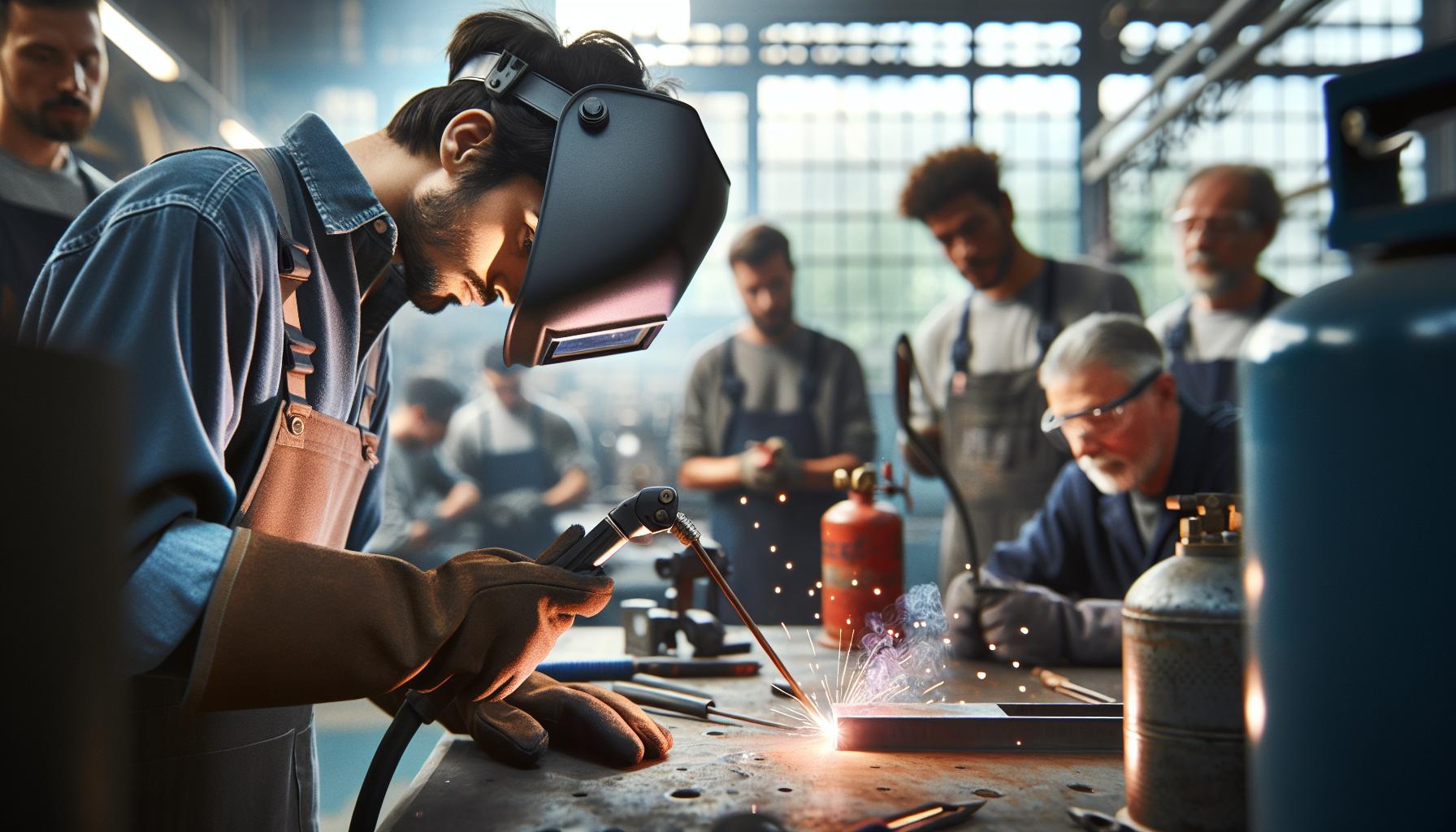
Where to Buy: Retailers and Online Options
When it comes to purchasing a plasma cutter, the choice of where to buy can significantly influence your overall experience, affecting not just the quality of the equipment but also the level of support you receive. Various retailers, both physical and online, offer a range of options suitable for all budgets and skill levels. Knowing where to look can save you time and help you find the best deals on the right plasma cutter for your needs.
Local hardware stores and welding supply shops are excellent places to start. These retailers often carry a selection of popular brands and models, allowing you to see the equipment firsthand and speak with knowledgeable staff who can provide insights tailored to your specific applications. Look for stores that offer demonstrations, as this can give you a better feel for a cutter’s capabilities and ergonomics. Not only can you observe the machines in action, but you can also inquire about service plans and warranty options, which are crucial for protecting your investment.
Online platforms have transformed the way equipment is purchased, providing access to a vast selection of plasma cutters with just a few clicks. Websites such as Amazon, eBay, and specialized welding equipment suppliers offer competitive pricing, customer reviews, and often feature bundle deals that include essential accessories. When shopping online, take advantage of filters to narrow your search based on your preferred features and budget. Additionally, consider checking the return policy and warranty information before making a purchase to mitigate any post-purchase concerns. Many online retailers provide customer support via chat or phone, ensuring you have assistance readily available for any questions about installation or operation.
For those seeking the best balance between price and reliability, consider exploring used plasma cutters. Many welding shops or contractors upgrade their equipment frequently, leading to a robust market for quality used tools. Platforms like Craigslist or Facebook Marketplace can yield great deals, but always inspect the equipment and verify its condition before finalizing the purchase. Reputable suppliers often include service histories and even warranties for used equipment, ensuring you get a reliable machine at a fraction of the cost of new ones.
Whether you choose a local store or an online marketplace, prioritizing reputable sources will ensure not just a quality product but also important post-purchase support. This strategic approach will empower you to select a plasma cutter that not only meets your current needs but also stands the test of time in your workshop.
Cost Considerations: Budgeting for Your Plasma Cutter
When considering the acquisition of a plasma cutter, understanding the associated costs is crucial for making a sound investment. Prices for plasma cutters can range widely, from a few hundred dollars for entry-level units to several thousand for high-end machines capable of cutting through thick metals. This variance is determined not just by the brand and model, but also by factors like power output, features, and intended applications. For instance, a basic starter plasma cutter designed for hobbyists might cost around $300-$600, while professional-grade units suitable for industrial applications can easily exceed $2,000.
Assessing Your Budget
Before committing to a purchase, it’s essential to have a clear budget in mind. This budget should not only encompass the cost of the plasma cutter itself but also consider additional expenses such as:
- Consumables: Electrodes, nozzles, and shielding gas can add up quickly, especially with regular use.
- Accessories: Items such as a plasma cutting table, safety equipment, and proper ventilation systems should be factored into your overall investment.
- Maintenance: Routine maintenance will be necessary to keep your plasma cutter in optimal working condition, including replacing worn parts.
Estimating these costs in conjunction with the plasma cutter price will provide a more comprehensive understanding of your total investment.
Financing Options
For those on a tighter budget or looking to manage costs effectively, there may be financing options available through equipment retailers or manufacturers. Many offer payment plans that allow you to spread the cost over time, making a high-quality machine more accessible. Alternatively, consider looking into used plasma cutters, which can offer significant savings and still provide reliable performance, especially if sourced from reputable sellers.
Ultimately, being well-informed about the costs associated with plasma cutters and considering both immediate and long-term expenses will facilitate a decision that aligns with your needs and budget. By approaching your purchase strategically, you’re more likely to invest in a unit that not only meets your current requirements but will also serve you effectively in the future.
Used vs. New: Making the Right Purchase Decision
When deciding between purchasing a new or used plasma cutter, it’s vital to consider various factors that can significantly impact your investment and operational efficiency. New plasma cutters typically come with the latest technology, improved energy efficiency, and comprehensive warranties. This investment guarantees reliability and the longevity of the equipment, ensuring that you can handle demanding cutting tasks with confidence. Furthermore, a new unit often provides access to updated safety features and user-friendly controls, making it an ideal choice for both beginners and seasoned professionals.
On the other hand, buying a used plasma cutter can present considerable savings, especially if you’re working within a tight budget. However, this option necessitates diligence and caution. Before making a purchase, it’s crucial to assess the condition of the machine, including its parts and components. Checking for wear and tear, confirming the operational history, and if possible, testing the unit are essential steps to ensure it’s reliable. Additionally, consider the availability of replacement parts for older models; sourcing these can sometimes be challenging or expensive.
Evaluating Your Usage Needs
Determining how you intend to use the plasma cutter is a key factor. If you’re planning to use it for extensive industrial projects that require consistent performance over time, investing in a new unit may provide peace of mind and reliability. In contrast, for hobbyists or those engaging in occasional work, a used model might suffice, as long as it meets your cutting requirements and is maintained well.
Ultimately, whether you choose new or used depends on your specific needs, budget, and how much you’re willing to invest upfront versus potential maintenance costs down the line. Making a well-informed decision requires balancing these elements while keeping in mind the importance of safety and efficiency in all plasma cutting applications.
Installation and Setup: Getting Started with Your Cutter
To harness the full potential of your plasma cutter, a meticulous installation and setup process is crucial. This step is not merely about placing the machine on a workbench; it’s an integral part of ensuring optimal performance and safety. First, familiarize yourself with the manufacturer’s manual, as it provides essential guidelines tailored to your specific model. Every plasma cutter has its unique requirements regarding power supply, gas connections, and workspace setup.
Consider your workspace’s environment. Ideally, your cutting area should be well-ventilated to mitigate gas buildup and fume inhalation, particularly if you’re working with metals like aluminum or stainless steel. An ideal setup involves:
- A stable workbench that accommodates the cutter and your materials.
- Proper electrical connections, ensuring that your plasma cutter is compatible with the existing power supply, and it has the appropriate amperage for safe operation.
- Gas supply setup where you need to connect the compressed air or nitrogen supply, making sure to check for any leaks.
After positioning the plasma cutter and making the necessary connections, it’s important to perform a thorough check on all connections and power settings. Before applying power, inspect the cutting torch and consumables for any damage or wear, as these parts are crucial to achieve clean cuts and prevent equipment malfunction.
Once everything is set up, conduct a test cut on scrap material to familiarize yourself with the cutter’s settings and performance. This practice will not only provide insights into the cutter’s capabilities but also help you adjust the settings for different material thicknesses and types. Take note of the technique to ensure a steady hand and consistent motion, as these factors significantly affect the quality of the cuts. Doing a test run also allows you to identify any issues in your setup before you move on to more critical projects.
In conclusion, careful setup and testing can significantly impact the efficiency and safety of your plasma cutting operations. Following these guidelines will enable you to maximize your machine’s performance, ensuring quality cuts and a smoother workflow.
Safety Protocols for Plasma Cutting
Plasma cutting is a powerful method for slicing through metal with precision, but it also comes with distinct hazards that should never be overlooked. One of the foremost dangers is exposure to intense heat and molten metal, which can lead to severe burns if not properly managed. Furthermore, the high-energy arc creates ultraviolet (UV) radiation, which poses risks of eye damage akin to welding flash. To safeguard against these potential injuries, proper safety protocols are essential.
Start by wearing appropriate personal protective equipment (PPE). This includes a well-fitting welding helmet with a suitable shade to filter UV and infrared radiation, flame-resistant clothing, gloves, and safety boots. In addition, a respiratory mask may be necessary to protect against harmful fumes produced during cutting processes. Ensure that your workspace is free of flammable materials; metal debris should be regularly cleaned up to minimize any fire hazards.
Environmental Safety Measures
Ventilation is another critical aspect to consider. Optimal airflow helps disperse toxic gases generated from the cutting process, reducing the risk of inhalation. If working in an enclosed space, invest in an appropriate ventilation system or exhaust fan. Additionally, always conduct pre-operation checks on your plasma cutter and the surrounding area. Inspect electrical connections, gas supplies, and the state of the cutting torch. Ensure all components are in proper working order and free of obstructions.
Emergency preparedness is vital; be familiar with the layout of your workshop, including the locations of emergency exits, fire extinguishers, and first-aid kits. In the event of an accident, acting swiftly can make a substantial difference in outcomes. Regularly practicing safety drills can prepare you for unexpected incidents, helping to maintain a culture of safety awareness in your workspace.
In conclusion, mitigating risks during plasma cutting involves a comprehensive approach encompassing personal safety gear, environmental controls, equipment checks, and emergency readiness. By establishing and adhering to rigorous safety protocols, welders can achieve high-quality cuts while safeguarding their health and well-being.
Essential Accessories and Consumables for Plasma Cutters
When it comes to plasma cutting, having the right accessories and consumables can significantly enhance both your efficiency and the quality of your cuts. Essential accessories not only support the functionality of your plasma cutter but also play a critical role in achieving precise and clean cuts. Understanding these components is vital for both novice and seasoned welders seeking to optimize their cutting experience.
One of the primary consumables for plasma cutters is the cutting torch. The torch is essential for directing the plasma arc onto the workpiece. It’s crucial to choose a torch that matches your specific plasma cutter model. Additionally, the electrode and nozzle within the torch require regular replacement. The electrode generates the plasma arc, and the nozzle shapes the arc. Over time, these components can wear down, affecting performance and cut quality. Consider keeping a supply of various nozzle sizes handy to accommodate different materials and thicknesses.
Key Accessories and Consumables
- Air Filter/Regulator: Ensuring clean air supply is crucial, as moisture and contaminants can adversely affect the plasma cutting process. An air filter helps eliminate impurities.
- Ground Clamp: A reliable ground connection is vital for the efficiency of your plasma cutter. A high-quality clamp prevents inconsistent cuts and electrical hazards.
- PPE (Personal Protective Equipment): Beyond basic gear, consider specialized gloves and sleeves designed for plasma cutting to provide better protection against sparks and heat.
- Work Clamp: An additional clamp can improve grounding when cutting large or irregularly shaped pieces, ensuring better arc stability.
For those involved in intricate cutting projects, a plasma cutter cart can streamline your workflow by providing organized storage for your cutter and accessories. Furthermore, investing in consumable kits that include a variety of electrodes and nozzles can ensure you’re always prepared for your next job without unplanned downtime due to the absence of necessary parts.
In summary, equipping yourself with the right accessories and consumables for your plasma cutter can lead to improved safety, efficiency, and quality in your work. Prioritizing these components not only supports your cutting needs but also enhances the overall longevity of your equipment, making your investment worthwhile in the long run.
Maintenance Tips to Extend Equipment Lifespan
Maintaining your plasma cutter is crucial to ensuring its longevity and effectiveness. Proper care can dramatically reduce the need for repairs and replacements, allowing for smoother operation and enhanced performance. One of the most significant aspects of maintenance is regular inspection. After each session, check the cutting torch for any signs of wear, especially the electrode and nozzle, which directly affect cut quality. Replace them if they show signs of pitting or excessive wear; a worn nozzle can lead to an erratic arc and inconsistent cuts.
In addition to component checks, keeping the plasma cutter clean is essential. Dust, metal shavings, and other debris can obstruct airflow and cooling systems, causing overheating and potential damage. A simple compressed air blowout can help you maintain clear vents and prevent overheating. Moreover, ensure that your work area is clean and organized, which not only enhances safety but also minimizes contaminants getting into the machine.
Another vital maintenance tip is to ensure that the air supply used with your cutter is as clean as possible. An air filter/regulator system is highly recommended for preventing moisture and dirt from entering the plasma torch, which can degrade performance over time. Regularly check and replace filters as needed to maintain optimal air quality.
Lastly, always consult your plasma cutter’s manual for specific maintenance recommendations and schedules. Adhering to these guidelines can significantly extend the lifespan of your equipment and keep it operating at peak performance. Emphasizing these maintenance practices not only saves money in the long run but also enhances your cutting capabilities and the quality of your work.
Common Troubleshooting Issues and Solutions
When operating a plasma cutter, encountering issues is a common part of the process, yet these challenges can often be quickly resolved with a bit of troubleshooting knowledge. Identifying the symptoms of a problem is essential for determining the root cause and implementing an effective solution. Here are some frequent issues plasma cutter users may face, along with practical solutions to keep your cutting sessions smooth and efficient.
Erratic Cutting or Inconsistent Arc
One of the most common complaints is an erratic arc or inconsistent cutting performance. This issue can often be traced back to two main culprits: the condition of the consumables and the air supply quality.
- Consumable Condition: Inspect the nozzle and electrode for wear. If you notice pitting or excessive wear, replace them. A worn nozzle can lead to an erratic arc, significantly affecting cut quality.
- Air Quality: Poor air quality can introduce moisture or particulates into the plasma torch. Ensure that your air supply is clean by using an air filter and regularly checking for moisture. A simple air filter regulator can significantly improve performance.
Poor Cut Quality
Another sign of trouble is poor cut quality, manifested as rough or jagged edges. This can often be attributed to improper cutting speed or incorrect settings for the material thickness.
- Cutting Speed: Slow down if the cut is too rough-speeding up the cutting process can lead to decreased performance. Always refer to the manufacturer’s guidelines for the correct speed for specific materials.
- Setting Adjustments: Ensure that you are using the right settings on your plasma cutter for the thickness and type of material. Incorrect amperage can cause burns or ineffective cuts.
Overheating
Overheating is another common issue, particularly when cutting thicker materials or using the machine for extended periods.
- Cooling Time: Allow your plasma cutter to cool down between cuts, especially after intensive use. Frequent short breaks can help prevent thermal overload.
- Airs and Debris: Dust and debris can obstruct airflow and cooling systems. Regularly clean your cutter and its components to maintain optimal cooling.
In summary, by staying proactive and attentive to your plasma cutter’s performance and settings, many common issues can be preemptively identified and resolved. Regular maintenance checks, meticulous observation during operation, and immediate corrective actions will enhance the longevity and effectiveness of your plasma cutting capabilities.
Q&A
Q: How do I choose the right plasma cutter for my projects?
A: To choose the right plasma cutter, consider your material type, thickness, and frequency of use. Look for units offering adjustable cutting speeds and power output. Assess features like portability, duty cycle, and whether you need a pilot arc for improved performance. For detailed factors, refer to the section on choosing the right plasma cutter in your guide.
Q: What accessories are essential for using a plasma cutter?
A: Essential accessories for plasma cutting include a quality grounding clamp, a compatible air compressor, and various cutting tips and electrodes. A protective helmet is crucial for safety, along with proper gloves and coveralls. Explore the accessories section of your guide for comprehensive recommendations.
Q: Are there any safety tips specific to plasma cutting I should know?
A: Yes, always wear appropriate personal protective equipment (PPE) like flame-resistant clothing and a welding helmet. Ensure good ventilation to avoid fumes and sparks. Familiarize yourself with the plasma cutter’s safety protocols in your guide, especially around electrical hazards and proper machine handling.
Q: What should I consider when comparing plasma cutter brands?
A: When comparing brands, evaluate factors such as warranty, customer support, and availability of replacement parts. Research product reviews to gauge user satisfaction. Your guide’s section on top brands offers insights to help make an informed decision.
Q: How can I troubleshoot common plasma cutting issues?
A: Common issues include inconsistent arc quality and excessive dross. Check for proper power settings and ensure that your consumables are in good condition. Regular maintenance and cleaning can prevent many problems. For troubleshooting tips, refer to the dedicated section in your guide.
Q: What is the difference between air plasma cutters and water plasma cutters?
A: Air plasma cutters use compressed air to create the plasma arc, making them ideal for general use. Water plasma cutters, which use water injection, provide cooler cuts and reduced fumes, suited for more specialized applications. Your guide compares these technologies for further clarity.
Q: When should I consider buying a used plasma cutter?
A: Consider a used plasma cutter if you are on a tight budget or starting out. Look for models with low hours of use, check for wear on consumables, and ensure it has been well-maintained. Your guide’s section on used vs. new purchases gives detailed advice on making this choice.
Q: How do I maintain my plasma cutter for optimal performance?
A: Regular maintenance of your plasma cutter includes cleaning the air filter, checking for wear on consumables, and inspecting electrical connections. Follow the maintenance tips outlined in your guide to ensure your cutter remains efficient and has a long lifespan.
In Summary
In summary, acquiring a plasma cutter is a pivotal step for both aspiring and seasoned welders, enhancing your capability to tackle a variety of projects with precision. Ensure you explore our detailed comparisons of MIG and TIG welding techniques, as well as our comprehensive safety protocols, to further elevate your skills. Don’t miss out on the opportunity to refine your craft-join our newsletter for exclusive tips and updates directly related to your welding journey.
If you have any lingering questions or concerns about selecting or using your plasma cutter, our community is here to support you. Dive deeper into our resources and discover the perfect accessories and materials, like aluminum and steel, to optimize your cutting experience. Your next project awaits, so take action today and elevate your welding skills to new heights!


