In the world of welding, the plasma cutter stands out as a vital tool, offering precision and versatility for cutting various materials like steel and aluminum. Whether you’re a seasoned professional or a DIY enthusiast, understanding how to acquire a plasma cutter tailored to your needs is essential. This guide not only simplifies the acquisition process but also highlights key considerations, empowering you to make informed decisions that enhance your welding projects. With technology advancing rapidly, choosing the right cutter can significantly impact your workflow and safety. As you navigate through this guide, you’ll discover valuable insights that will make your journey towards mastering plasma cutting both efficient and rewarding. Stay tuned, as we explore essential tips and resources that will elevate your skills and streamline your equipment selection!
How the Plasma Cutter Works: A Breakdown
The plasma cutter is a remarkable tool that utilizes the fourth state of matter-plasma-to cut through various metals with precision. Using a jet of high-temperature plasma, the cutter heats the material to its melting point and blows it away, allowing for clean and efficient cuts. Unlike traditional cutting methods that rely on mechanical force, plasma cutting harnesses ionized gas, which is created by generating an electrical arc between an electrode and the workpiece. This process transforms the gas, typically air or plasma gas, into a superheated, electrically conductive state, making it ideal for penetrating thick materials.
Understanding how a plasma cutter works involves recognizing its core components: the power supply, the plasma torch, and the air compressor. The power supply generates the electrical arc, while the plasma torch directs the flow of gas, ensuring it is heated appropriately. The air compressor is critical for producing the necessary pressure to maintain the cutting arc. When the plasma cutter is activated, the electricity ionizes the gas flowing through the torch, forming plasma. As this plasma is expelled at high speed, it effectively melts the workpiece while a high-velocity airflow removes the molten material, resulting in a precise cut.
For effective plasma cutting, consistency in technique is paramount. Proper settings for amperage, travel speed, and distance from the workpiece significantly influence the quality of the cut. A steady hand and controlled movement will yield cleaner edges and prevent excessive melting or warping of the material. Additionally, using the right type and thickness of metal will enhance performance and prolong the life of the consumables, including the nozzle and electrode. This attention to detail not only improves the efficiency of the cutting process but also reduces material waste, positioning the plasma cutter as an invaluable asset in a welder’s toolkit.
Essential Features of the Plasma Cutter
The efficiency and versatility of plasma cutters make them indispensable tools in metalworking, but understanding their essential features can be the key to maximizing their capabilities. At the core of any plasma cutter is its plasma torch, where the conversion of gas into plasma occurs. This torch must be robustly constructed to withstand the intense heat of the plasma, usually made from high-quality materials to ensure durability and consistent performance. The torch design often incorporates a nozzle that focuses the plasma jet, enabling precise cuts in a variety of materials, ranging from stainless steel to aluminum.
Another critical component is the power source, which can vary widely in terms of output and energy consumption. Depending on the specific job requirements, welders must pay attention to the amperage rating of the plasma cutter, as this dictates the thickness of metal that can be cut effectively. Many modern plasma cutters come equipped with adjustable amperage settings, allowing users to tailor their equipment to different cutting tasks.
An often-overlooked feature is the air compressor or the mechanism for producing the gas used in plasma cutting. High-pressure air is typically utilized to help cool the torch and maintain the stability of the plasma arc. Some systems use dedicated plasma gases, such as nitrogen or argon, which can further improve cutting quality and speed for specific applications. Understanding the gas requirements can enhance cutting efficiency and lead to cleaner finishes, reducing the need for post-cutting cleanup.
Lastly, safety features integrated into plasma cutters significantly enhance user experience. Features such as automatic shutoff, thermal overload protection, and built-in pressure gauges can help prevent accidents and ensure prolonged equipment life. Safety should always be a priority, so it is also essential to invest in appropriate personal protective equipment (PPE), such as gloves and face shields, to guard against potential hazards associated with high-temperature cutting. When evaluating plasma cutters, consider these essential features to find a model that not only meets your cutting needs but also ensures a safer and more efficient working environment.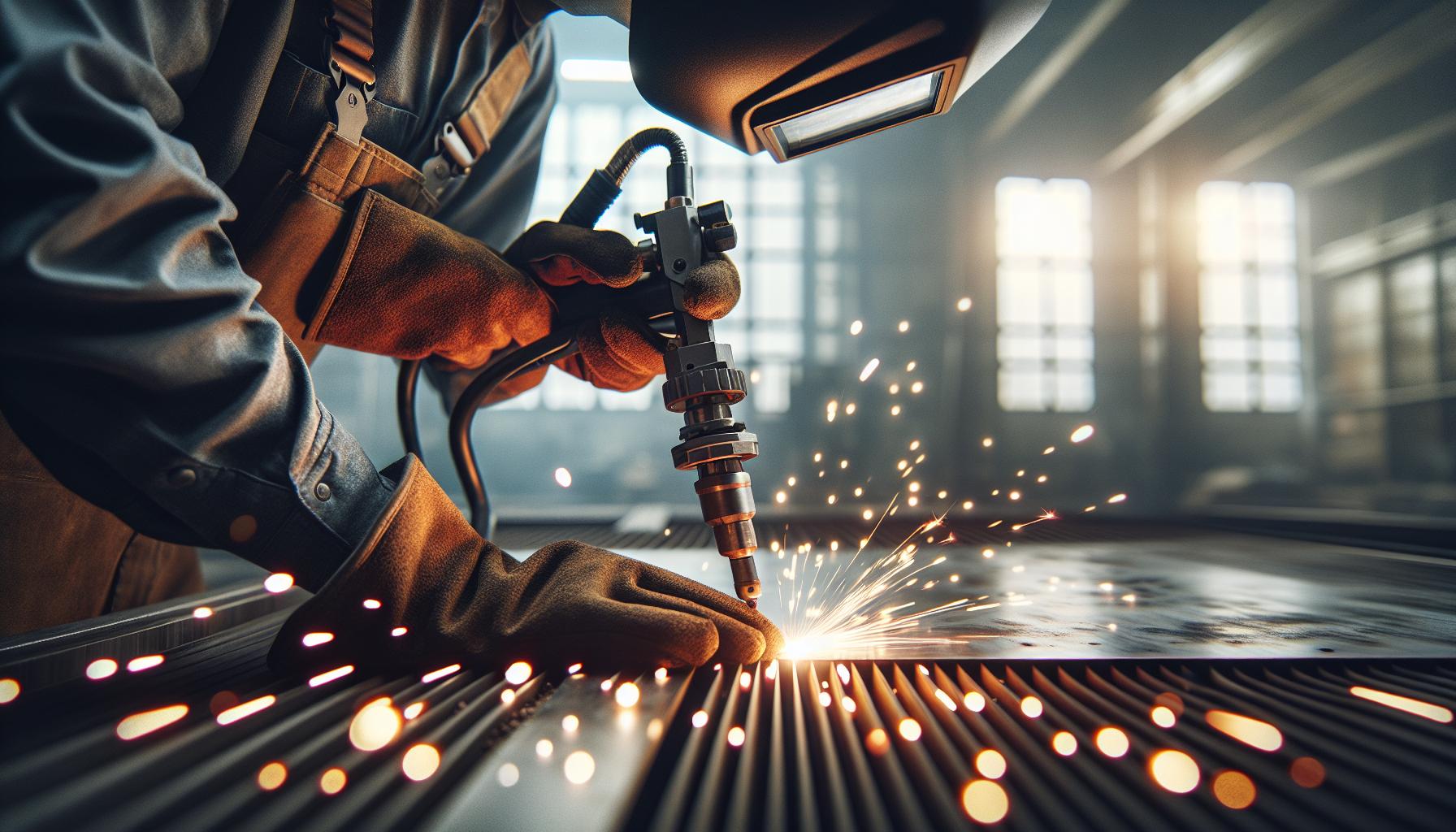
Step-by-Step Guide to Acquiring a Plasma Cutter
Acquiring a plasma cutter can significantly enhance your metalworking skills, as this versatile tool allows for precise cuts across various materials, including stainless steel and aluminum. To ensure that you’re making the best investment, follow a systematic approach that aligns your needs with the right equipment.
Start by assessing your specific cutting requirements. Consider the types of materials you will be working with and the thickness of those materials. This will help you determine the necessary amperage and power requirements. For example, if you plan to cut thicker metals, look for a plasma cutter with higher amperage settings that can handle those jobs. Understanding whether you need a portable unit for onsite work or a stationary model for workshop use is also crucial.
Next, research various brands and models available on the market. Reputable brands often have established trust due to quality and customer service. Take note of user reviews and ratings, which often reveal valuable insights about performance and durability. Make a comparison chart to summarize the features, prices, and performance ratings of different models, highlighting those that best match your specific requirements.
Once you’ve narrowed down your options, check local retailers and online stores for the best deals. Ensure that the supplier offers warranties and return policies, as these can provide peace of mind regarding your investment. Additionally, consider purchasing essential accessories, such as goggles, gloves, and an air compressor, as these will enhance your plasma cutting experience and ensure safety.
Final Steps and Considerations
Before making the final purchase, it’s beneficial to consult with fellow welders or professionals in metalworking forums. They can provide personal recommendations based on hands-on experience, helping you avoid common pitfalls or lesser-known models. Finally, once you acquire your plasma cutter, remember to invest time in proper training to develop your skills and safety practices, enabling you to achieve the best results.
Top Plasma Cutter Brands: What to Consider
When considering the best brands for plasma cutters, it’s crucial to evaluate their reputation, reliability, and the features they offer. A high-quality plasma cutter can significantly enhance your metalworking projects, so knowing the right brands can save you time and money in the long run. Established names in the industry have earned their reputation through consistent performance and excellent customer service, which are vital factors, especially for beginners and professionals alike.
Start by looking into brands like Hypertherm, known for its innovative technology and durable products that provide clean cuts and efficiency. Their Powermax series, for instance, is favored for versatility and high-performance in various metal types and thicknesses. Similarly, Miller Electric is another reputable brand that offers a range of plasma cutters with options catering to both light and heavy-duty jobs. Their Spectrum line is especially popular for its portability and user-friendly features, making it a great choice for both professionals and hobbyists.
Lincoln Electric is also noteworthy, particularly for its value-driven products that balance performance with affordability. Their plasma cutters are robust and follow a strict quality assurance process, which is critical for ensuring consistent results. For those exploring budget-friendly options without sacrificing quality, Eastwood and Lotos Technology have garnered attention for offering reliable performance at competitive prices. They provide essential features that cater to smaller workshops or DIY enthusiasts.
Key Considerations When Choosing a Brand
While brand reputation is key, there are additional factors that should guide your decision:
- Warranty and Support: A solid warranty can provide peace of mind. Look for brands that offer extensive customer support and service options.
- Performance Specifications: Consider the cutting capacity (material thickness, amperage) according to your needs and the type of work you intend to do.
- User Reviews: Research user experiences to uncover any consistent issues or highlighted advantages that could affect your choice.
- Accessories and Compatibility: Check whether the brand offers compatible accessories or consumables, as this can save future costs.
By taking these aspects into account, you will be better equipped to make an informed decision that aligns not only with your current needs but also with your future projects in plasma cutting.
Pricing Spectrum: Understanding Plasma Cutter Costs
The cost of plasma cutters can vary significantly, making it crucial for buyers to understand what factors influence pricing and how to select a machine that meets their specific needs without exceeding their budget. Typically, plasma cutters can range from a few hundred dollars for entry-level models to several thousand for high-end industrial machines. Entry-level plasma cutters generally cost between $300 and $800, suitable for hobbyists or small workshops aiming for basic cutting tasks. These machines are often user-friendly, making them ideal for those new to plasma cutting.
On the upper end, professional-grade plasma cutters can range from $1,000 to $5,000 or more. These units often offer advanced capabilities, such as higher amperage ratings for cutting thicker materials, faster cutting speeds, and better duty cycles, making them suitable for industrial applications. For instance, a contractor frequently working with stainless steel or aluminum in a commercial environment would benefit from investing in a more robust plasma cutter that ensures precision and efficiency.
Factors Influencing Pricing
Several factors play a role in determining the cost of a plasma cutter, including:
- Amperage: Higher amperage machines can cut through thicker materials but come at a premium cost.
- Brand Reputation: Established brands often charge more due to their reliability and performance history.
- Included Accessories: Look out for additional nozzles, hoses, and consumables, as a complete kit can provide better value.
- Portability: Lightweight models designed for ease of transport may be priced higher due to their convenience.
It’s essential to balance features against the specific applications you intend to pursue with the plasma cutter. For example, if you primarily work with sheet metal under 1 inch thick, opting for a mid-range cutter might be ideal, allowing you to save costs for more critical upgrades or consumables.
Ultimately, understanding the pricing spectrum not only aids in budgeting but also ensures that you invest in a plasma cutter that aligns with your cutting needs, performance expectations, and long-term goals in metal fabrication.
Where to Buy Plasma Cutters: Best Retailers
Navigating where to purchase a plasma cutter can be as critical as the choice of the unit itself. Understanding the options available not only simplifies the buying process but also ensures that you obtain a machine that meets your needs while possibly saving you money in the long run. Numerous retailers offer plasma cutters, ranging from local hardware stores to specialty welding supply companies and online marketplaces. Each option has its pros and cons, and selecting the right one can significantly impact your overall experience.
Local hardware and welding supply stores often provide the advantage of immediate availability and the opportunity to see the equipment firsthand. This direct interaction allows you to ask knowledgeable staff questions, get a feel for the equipment, and sometimes even test it before purchase. Additionally, local retailers may have promotions or bundles that online shops do not offer. However, keep in mind that local pricing can vary, and it’s wise to compare these rates with online options.
Online retailers such as Amazon, Home Depot, and welding-specific e-commerce sites like Weldfabulous or TIG Welders offer extensive selections of plasma cutters, often at competitive prices. Shopping online can provide access to customer reviews and ratings, helping you gauge the reliability and performance of different models. Be sure to consider shipping costs and return policies; these can significantly affect the final price and your satisfaction.
When sourcing a plasma cutter, consider reputable brands known for their durability and performance. Brands like Hypertherm, Miller Electric, and Lincoln Electric frequently receive positive feedback from users and professionals. Always verify warranties and after-sales support, as these can be pivotal in ensuring the longevity of your equipment.
In summary, whether you choose to shop locally or online, research is essential. Assess different retailers, read product reviews, and weigh your options to find the best fit for both your budget and your plasma cutting needs. The right purchase experience can elevate your metalworking endeavors, ensuring that you have a reliable tool to tackle any project confidently.
Key Accessories to Enhance Plasma Cutting
A plasma cutter can significantly elevate your metalworking tasks, but the right accessories can take your capabilities even further. Investing in quality supplementary tools not only enhances the precision and efficiency of your cuts but also improves safety and reduces wear on your plasma cutter. Here’s a look at some essential accessories to consider for optimizing your plasma cutting experience.
Protective Gear
Safety is paramount when working with plasma cutters due to the high temperatures and intense light produced. Choosing the right protective gear ensures your wellbeing. Key items include:
- Welding Helmet: A quality auto-darkening helmet can adjust to the light levels automatically, providing protection for your eyes and face from sparks and intense light.
- Leather Gloves: Durable gloves will protect your hands from heat and sharp edges while providing dexterity.
- Flame-Resistant Clothing: Wearing long-sleeved shirts and pants made from flame-resistant materials adds an extra layer of protection.
Consumables
Plasma cutting relies on specific consumables that must be regularly replaced for optimal results. These components include:
- Nozzles: The cutting nozzle directs the plasma flow and determines the quality of the cut. Regularly inspect and replace worn nozzles to maintain cutting efficiency.
- Electrodes: These are crucial for initiating the arc. Using quality electrodes can enhance the cutter’s performance and lifespan.
- Shield Caps: Shield caps protect the nozzle and extend its life by reducing wear caused by the high-velocity gas flow.
Material Support Accessories
Efficiency in plasma cutting isn’t just about the cutter itself; how you support your materials can impact your results. Consider adding:
- Cutting Tables: A dedicated table for plasma cutting improves stability and offers better support for large sheets, allowing for more precise cuts.
- Clamps and Fixtures: These tools hold your workpiece securely, preventing movement during cutting and enhancing safety.
- Slag Removal Tools: Tools for cleaning up slag ensure your workspace remains tidy and that follow-up processes, like finishing, can proceed smoothly.
By incorporating these accessories into your plasma cutting setup, you not only enhance performance but also ensure a safer and more efficient working environment. Each accessory serves a specific purpose that contributes significantly to the overall quality of your work, making them well worth the investment.
Plasma Cutter Safety Tips: Best Practices
When working with plasma cutters, understanding and implementing safety protocols is essential not just for personal safety, but also for the integrity of your work. The intense heat and light produced during the cutting process can pose significant hazards. Therefore, proper precautions must be put in place to ensure safe operation and effective work practices.
One of the most critical aspects of safety in plasma cutting involves personal protective equipment (PPE). Always wear a high-quality welding helmet with proper shade settings to shield your eyes from damaging UV light and glare. It’s also important to don flame-resistant clothing, as even small sparks can ignite flammable materials. Additionally, a pair of insulated leather gloves will protect your hands from heat and sharp metal edges, ensuring that you can work comfortably and securely.
Maintaining a clean and organized workspace is another vital safety measure. Keep flammable materials away from your cutting area, and ensure that all surfaces are free from clutter. This not only minimizes the risk of fire but also allows for quick response should an emergency arise. Make it a habit to regularly inspect and maintain your equipment, checking for wear and tear on cables, hoses, and connectors. This practice reduces the likelihood of accidents caused by equipment failure.
Familiarize yourself with the plasma cutter’s operational manual and adhere to all recommended practices. Understanding the specific limitations and requirements of your machine can prevent mishaps that occur from improper use. Always work in a well-ventilated area to mitigate the inhalation of harmful fumes or gases generated during cutting. If you’re working in confined spaces, consider using a respirator designed to filter out particulate matter and gases.
In conclusion, emphasizing safety in plasma cutting not only protects the individual operator but also elevates the overall quality of your work. By investing in the right protective gear, maintaining a tidy workspace, and understanding equipment functionality, you create a secure environment conducive to skillful plasma cutting. Remember, safety is not just an option; it’s a fundamental requirement for successful machining.
Common Plasma Cutter Issues and Solutions
When navigating the world of plasma cutting, users often encounter a variety of common issues that can hinder their work. Understanding these problems and their solutions not only enhances operational efficiency but also fosters a safer working environment. From poor output quality to equipment malfunctions, troubleshooting these concerns can make a significant difference in the overall plasma cutting experience.
One prevalent issue is inconsistent cutting performance, which is often a symptom of a worn or contaminated consumable, such as the nozzle or electrode. If the cut begins to exhibit wavering edges or uneven penetration, it’s essential to check these components. Regular replacement and maintenance of consumables are crucial, as they directly affect the quality of the cut. Moreover, ensuring the proper settings for the thickness and type of material being cut can prevent unnecessary wear and achieve smoother edges.
Another common concern is arc instability, which can be caused by various factors, including improper air pressure, faulty connections, or material conductivity. To address this, ensure that your plasma cutter is set to the correct air pressure as specified by the manufacturer. It’s also advisable to inspect all connections and hoses for leaks or blockages that may disrupt airflow. Staying vigilant regarding material preparation-removing rust, paint, or oil-can significantly improve the stability of the cutting arc.
In the case of electrical issues, such as the plasma cutter tripping breakers or failing to power on, checking your power source and connections is the first step. Make sure that the power supply matches the cutter’s specifications and that all connections are secure. If frequent tripping occurs, it might indicate an overload or a need for a dedicated circuit. Consulting the user manual can provide additional insight into the specific electrical requirements of your plasma cutter.
Lastly, troubleshooting fume extraction issues is vital for safety and comfort. Plasma cutting generates harmful fumes and particulates, and if your extraction system is not functioning properly, it can lead to reduced visibility and respiratory hazards. Regularly inspect and clean the extraction system, ensuring that filters are changed as needed and that there’s unobstructed airflow. Working in a well-ventilated space and utilizing personal protective equipment (PPE) can further enhance safety during operation.
By being proactive in identifying and resolving these common issues, plasma cutter users can maintain optimal performance and ensure a safer working environment. Regular maintenance, proper settings, and understanding the equipment will empower welders of all experience levels to produce high-quality results consistently.
User Reviews: Real Experiences with Plasma Cutters
User reviews frequently unveil the real-world experiences of plasma cutter users, providing invaluable insights into both the pros and cons of various models. With plasma cutting becoming an essential technique in metalworking, understanding what fellow welders and fabricators have to say can guide both new and seasoned professionals in making informed decisions.
Many users praise the versatility of plasma cutters, particularly when it comes to cutting various materials. For example, a common highlight among reviews is the ability of these tools to cut through thick steel and aluminum with precision. Reviewers often mention that machines like the Hypertherm Powermax series not only deliver clean cuts but also minimize the amount of post-processing required, saving time in professional settings. This efficiency is crucial for professionals handling repetitively demanding tasks.
However, not all feedback is positive. Some users report frustrations with setup and maintenance. Issues like arc instability, which we discussed in the previous section, often stem from inconsistent air pressure settings or the quality of consumables. A user noted that while the cutter performed well initially, they experienced performance drops after extended use, which prompted them to invest in higher-quality consumables. Others have shared tips on maintaining optimal performance, such as regularly cleaning air filters and ensuring the equipment is used within recommended specifications.
Safety is another recurrent theme in user feedback. Many reviews stress the importance of proper ventilation and fume extraction systems to mitigate health risks associated with plasma cutting. Welders often emphasize the effectiveness of investing in a good extraction unit, suggesting that this not only enhances the work environment but also improves cutting visibility. Additionally, reviews highlighting the importance of personal protective equipment (PPE) illustrate the commitment of users to maintaining safe operating conditions.
Ultimately, user reviews collectively serve as a rich source of practical advice and shared experiences. By considering these insights-from standout features to common challenges-users can approach purchasing decisions with greater confidence, ensuring they select a plasma cutter that aligns well with their specific needs and project requirements.
Advanced Techniques for Skilled Plasma Cutting
Mastering advanced techniques in plasma cutting can significantly elevate your metalworking capabilities, allowing you to tackle a wider range of projects with precision and efficiency. One key technique is adjusting the cutting speed and amperage based on the material thickness and type. While it may seem straightforward, understanding the optimal settings can make a substantial difference in the quality of your cuts. For instance, cutting thicker steel may require a lower speed and higher amperage to achieve clean edges without excessive burn marks.
Another advanced method involves utilizing the drag cut technique, where the torch is held at a slight angle to the workpiece. This approach minimizes the likelihood of the torch losing its arc when cutting complex shapes or intricate details. Particularly in applications where visual aesthetics are essential, such as art installations or custom automotive parts, this technique can help achieve smoother edges and refined finishes. Moreover, skilled welders often employ the “pierce and drag” technique when beginning a cut-drilling through the material first before dragging the torch along to make cleaner initial penetrations.
Incorporating proper consumables is paramount to achieving the best results in plasma cutting. Opt for high-quality electrodes and nozzles specific to your plasma cutter model. Not only do premium consumables enhance the lifespan and performance of your equipment, but they also contribute to superior cut quality and precision. Regularly inspecting and replacing worn consumables ensures consistent output and minimizes downtime during projects.
Lastly, enhancing your plasma cutting skills may also include investing time in mastering the use of CNC plasma cutting systems. Automation can significantly increase cutting speeds and accuracy, particularly for complex designs requiring repetitive cuts. Understanding how to set up and operate a CNC plasma cutter effectively can open new avenues in your metalworking operations, enabling you to take on larger projects or produce components with higher tolerances.
By integrating these advanced techniques into your skill set, you can transform your plasma cutting proficiency, leading to cleaner cuts, greater efficiency, and broader capabilities in your work.
Upgrading Your Plasma Cutter: When and Why
Upgrading your plasma cutter can significantly enhance your cutting capabilities, efficiency, and overall results. Whether you’re a seasoned professional or a hobbyist, recognizing when to upgrade is essential for staying competitive and meeting evolving project demands. One of the clearest indicators that an upgrade is necessary is when you frequently find your current machine struggling with thicker materials or demanding cuts. For instance, if you’re consistently cutting through metal over ½ inch thick and your plasma cutter is unable to maintain a clean edge or stable arc, it’s time to consider a model with higher amperage and advanced features designed for heavy-duty use.
Another compelling reason to upgrade is to take advantage of technological advancements that were not available when you first purchased your cutter. Modern plasma cutters often feature improved arc stability, faster cutting speeds, and enhanced portability. For example, models equipped with inverter technology can provide better performance at lower amperages, making them more efficient for a range of materials, from aluminum to stainless steel. Advanced machines also offer features like CNC compatibility, which allows for automated and intricate designs. This can be a game changer if you’re looking to increase production efficiency or expand your project capabilities.
When contemplating an upgrade, it’s also prudent to assess your specific needs and how they may evolve. If your workload has increased, or if you’re planning to expand into new materials or applications that require precise cuts, investing in a more capable unit can pay dividends. Evaluating the features of a new plasma cutter against your project requirements ensures you select the right tool for the job. Furthermore, consider potential operating costs such as consumables and maintenance; higher-end models may be more cost-effective in the long run due to enhanced durability and performance.
In summary, the decision to upgrade your plasma cutter should be driven by performance demands, technological advancements, and future project needs. By staying proactive about your equipment, you not only enhance your cutting quality but also gain a competitive edge in your metalworking endeavors. Always research and compare various models, ensuring you make an informed choice that aligns with both your current and future needs.
Faq
Q: What factors should I consider when purchasing a plasma cutter?
A: When purchasing a plasma cutter, consider the material thickness you’ll be cutting, the cutter’s amperage range, portability, power supply type, and the quality of the manufacturer’s customer support. Researching top brands and user reviews can guide your choice effectively.
Q: How do I choose the right plasma cutter for my needs?
A: To choose the right plasma cutter, assess your typical projects and material types. Opt for a unit with sufficient cutting capacity, adjustable settings for precision, and reliable safety features. Comparing features and user feedback can guide you in finding the best match.
Q: What accessories do I need for my plasma cutter?
A: Essential accessories for plasma cutting include protective goggles, a grounding clamp, additional cutting tips, and an air compressor if your plasma cutter requires external air supply. Investing in high-quality consumables can improve cutting performance and longevity.
Q: How much should I budget for a quality plasma cutter?
A: A quality plasma cutter typically ranges from $300 to $3,000, depending on features and brand. Allocate a budget that includes additional costs for accessories and consumables to ensure a comprehensive setup for efficient cutting operations.
Q: Where can I find plasma cutter deals and discounts?
A: Plasma cutter deals can often be found at major home improvement stores, online marketplaces like Amazon, and manufacturer websites. Subscribe to newsletters and check seasonal sales to potentially save on your purchase.
Q: What are the common problems associated with plasma cutters?
A: Common issues with plasma cutters include inconsistent cutting quality, nozzle wear, and difficulty starting the arc. Regular maintenance, such as checking consumables and ensuring proper air supply, can help avoid these problems.
Q: How can I safely operate a plasma cutter?
A: To operate a plasma cutter safely, always wear appropriate personal protective equipment (PPE) like gloves and visors, ensure a clear workspace, and maintain proper ventilation. Refer to the safety tips section for best practices to minimize risks further.
Q: What are the benefits of upgrading my plasma cutter?
A: Upgrading your plasma cutter can improve cutting speed, precision, and efficiency. Advanced models offer better technology, increased amperage, and enhanced features that can significantly enhance your work quality and ease of use. Assess if your current model meets your growing needs.
In Retrospect
Now that you have all the essential steps for acquiring the Plasma Cutter, take the plunge and incorporate this powerful tool into your welding arsenal today! Whether you’re tackling intricate projects or enhancing your workshop’s capabilities, the Plasma Cutter is a game-changer. Remember, diving deeper into related techniques such as MIG and TIG welding will elevate your skills even further-explore our comprehensive guides here and here for expert tips and safety protocols.
Don’t hesitate to share your thoughts in the comments below or connect with our community on social media. If you found this guide valuable, consider signing up for our newsletter to stay updated on the latest tips and tools in the welding industry. Your journey towards becoming a welding expert begins now-let’s keep the momentum going!