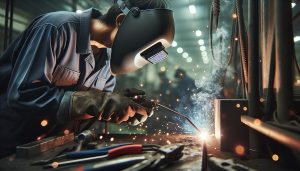
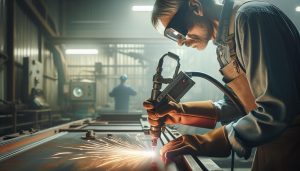
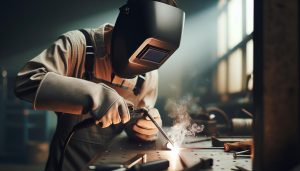
Plasma cutting is a transformative technique in metal fabrication, offering speed and precision that traditional methods can struggle to match. Did you know that plasma is the most abundant state of matter in the universe, composed of energized particles that can effectively slice through various materials like steel and aluminum? For hobbyists and professionals alike, understanding how to successfully hook up a plasma cutter is crucial for achieving optimal performance and ensuring safety. Whether you’re a seasoned welder or just starting out, this complete setup guide will equip you with the knowledge to handle your plasma cutter confidently, address common concerns, and elevate your welding projects to the next level. Get ready to unlock the full potential of your equipment and elevate your capabilities in the workshop.
Essential Tools and Equipment for Plasma Cutting
To effectively engage in plasma cutting, having the right tools and equipment is crucial, not just for safety but also for achieving precision in your work. A plasma cutter operates by passing a high-velocity jet of ionized gas, known as plasma, through a nozzle to melt and blow away the material being cut. It’s essential to have a complete setup that incorporates proper accessories designed to optimize this unique cutting technique.
Required Tools and Equipment
- Plasma Cutter: The heart of your operation, the plasma cutter should be chosen based on the thickness of the metal you intend to cut. Popular brands to consider include Hypertherm and Miller, which offer a range suited for both beginners and professionals.
- Compressor: A suitable air compressor is vital as it supplies the compressed air necessary for the plasma jet. Ensure it has adequate capacity to keep up with your cutter’s requirements.
- Protective Gear: Safety should never be compromised. Invest in high-quality gear including a welding helmet with appropriate darkening lenses, gloves, and flame-resistant clothing to shield yourself from the intense light and heat.
- Cutting Table: A stable, flat cutting table equipped with clamps can enhance precision and safety, ensuring the material remains secure during the cutting process.
- Workpiece Support: Support stands or jigs help stabilize large materials, making it easier to handle them while cutting.
- Power Supply: Ensure that the power source meets the specifications of your plasma cutter, typically requiring 240V outlets for industrial models.
- Consumables: Keep a stock of nozzles, electrodes, and other consumables handy; these wear out over time and can significantly affect cut quality.
Equipping yourself with these essential tools and understanding their roles will significantly enhance your plasma cutting experience, ensuring not only better results but also a safer workspace. Whether you are a seasoned professional or a beginner diving into the world of cutting metal, investing in effective equipment will set the stage for success.
Understanding Electrical Requirements for Plasma Cutters
Understanding the electrical requirements for plasma cutters is crucial for achieving optimal performance and ensuring safety in your workspace. Plasma cutters operate by creating an electrically conductive arc through a jet of ionized gas, which means they require a reliable and adequately specified power supply to function effectively. While many might assume that any outlet will suffice, the reality is that the electrical specifications can vary significantly depending on the model and usage requirements of the plasma cutter.
Typically, most industrial plasma cutters demand a power supply of at least 240 volts, with some requiring three-phase power for larger operations. Before connecting your plasma cutter, consult the manufacturer’s specifications, as using an incompatible voltage can damage the machine and lead to safety hazards. A dedicated circuit is also recommended; this helps to manage the significant current draw of the plasma cutter without tripping the breaker or causing power fluctuations that could affect performance.
Circuit Requirements and Correct Setup
When setting up your plasma cutter, assess the amperage rating of the circuit. Common ratings are 30 amp or 50 amp circuits, with many machines needing a compatible plug and receptacle designed for this increased load. Failing to match these parameters could result in overheating or complete operational failure. Additionally, check that your circuit wiring is of sufficient gauge to handle the load; for instance, a 6-gauge wire is generally recommended for 50 amp circuits.
To further enhance safety, you should install an adequate circuit breaker and ensure that the circuit is grounded correctly. This not only protects your equipment but also safeguards against electrical shocks. Regularly inspect your cables and connections for wear and tear; damaged cords can create dangerous situations and lead to inefficiencies in your cutting process.
With the right electrical setup in place, you’ll ensure that your plasma cutting operation runs smoothly and safely, allowing you to focus on the craft without the added concern of electrical issues. Always remember, a well-informed approach not only enhances performance but significantly reduces the risk of accidents in your workshop.
Setting Up a Safe and Efficient Workspace
Creating a workspace that is both safe and efficient is essential for maximizing your plasma cutting experience. A well-organized area not only enhances productivity but also significantly reduces the risk of accidents. Begin by selecting a spacious location that allows for adequate movement around the equipment. This space should be well-ventilated to expel harmful fumes generated during the cutting process. Ensuring good airflow can help minimize the accumulation of flammable gases, particularly if you are working with materials that may ignite.
The surface where you operate should also be non-flammable and resistant to heat. A steel table or welding cart with a fire-resistant mat is ideal for supporting your materials and equipment. Moreover, consider using a dedicated workbench that can withstand the dynamic environment of plasma cutting, providing a stable platform for your machine and materials. Clear away any unnecessary clutter and ensure that your cutting tools, materials, and safety gear are easily accessible, creating an efficient workflow.
Organizing Tools and Gear
Efficient workspace organization can prevent mishaps and improve workflow. Use toolboxes or pegboards to neatly store your plasma cutter accessories, such as nozzles, electrodes, and protective gear. Label storage areas to minimize search time, enabling you to quickly find what you need. Always have a fire extinguisher within reach and familiarize yourself with its usage. Additionally, ensure that your first-aid kit is stocked and easily accessible, as this is paramount for any safety-critical environment.
Establishing Safety Zones
Designate safety zones within your workspace to further enhance protection. These should include areas where flammable materials are stored, ensuring they are distanced from your cutting operations. Establish a ‘clear zone’ around your cutter where no one should stand during operation. This helps to avoid injury from inadvertently moving parts or sparks. Consider implementing hazard signs and barriers to diligently mark these zones, serving as constant reminders for safety.
Setting up a workspace with a focus on safety and efficiency is not merely a matter of personal preference; it’s indispensable for professional practice in welding and plasma cutting. By taking the time to curate such an environment, you are investing in both the quality of your work and the overall safety of your operations.
Step-by-Step Guide to Connecting a Plasma Cutter
Connecting a plasma cutter correctly is crucial to achieving optimal performance and ensuring safety during operation. A common tool among metalworkers, plasma cutters operate by creating an electrical arc that ionizes gas, enabling it to cut through metals with precision. Before engaging in this process, it’s imperative to follow a systematic approach to connect the equipment properly.
Begin by positioning your plasma cutter on a sturdy, non-flammable surface in your designated workspace. This setup should be close to your power source while allowing enough movement space around the machine. Next, check that the cutter is powered off and unplugged before making any connections.
Connecting the Electrical Supply
– Locate the plasma cutter’s power input port and ensure it matches your power supply specifications. Most cutters require a specific voltage (usually 120V or 240V), so it’s essential to consult the manufacturer’s manual.
– Use a suitable power cord that can handle the required amperage, ensuring it is rated for continuous use with your equipment.
– Plug the power cord directly into the appropriate outlet, or use a properly rated extension cord if necessary, ensuring that there are no frayed wires or signs of damage.
Hooking Up Compressed Air
After connecting power, focus on the compressed air supply, which is vital for the plasma cutting process.
– Attach the air supply hose to the air inlet on your plasma cutter. Make sure the connection is tight to prevent any leaks which could impact cutting efficiency.
– Set your air compressor to the recommended pressure specified in the user manual (typically between 60-100 PSI). Insufficient pressure can lead to poor cutting performance and uneven edges.
Linking the Torch and Ground Clamp
The next step involves connecting the torch and ground clamp to ensure proper electrical grounding and functionality.
– Connect the torch lead to the designated port on the plasma cutter. Ensure it’s secure and free of wear, as any damage can lead to electrical issues.
– Attach the ground clamp to your workpiece or a dedicated ground point. This serves not only for safety but also ensures accurate cuts by providing a reliable return path for the electrical circuit.
Following these steps carefully will prepare your plasma cutter for operation, helping to enhance your cutting accuracy and safety. Once everything is connected, double-check all fittings and connections before turning on the machine and starting your project.
Common Mistakes to Avoid During Setup
During the setup of a plasma cutter, it’s crucial to avoid common pitfalls that can severely impact both performance and safety. One prevalent mistake is neglecting to verify electrical supply specifications. Ensure that the cutter matches the power supply voltage; using a 120V device with a 240V outlet can lead to equipment damage or worse. Always double-check the manufacturer’s manual for precise requirements before making connections.
Additionally, overlooking air pressure settings can deteriorate cutting accuracy. Many users simply plug in their air supply and forget to regulate the pressure. If the air compressor is set too low, the cutting process will be inefficient, leading to rough edges and extended project time. Conversely, too high a pressure can cause additional wear on the equipment and produce unnecessary noise. Always take a moment to calibrate and confirm that the pressure falls within the recommended range specified in your user manual.
Another frequent error is incorrectly linking the torch and ground clamp. A loose connection can result in arcing or erratic performance, severely compromising the quality of cuts. It’s essential to secure these connections firmly and inspect for signs of wear and tear. Ensure that the ground clamp is attached to a clean, rust-free surface to establish a solid electrical return circuit; this not only enhances operational efficiency but also keeps safety risks to a minimum.
Finally, overlooking the workspace environment can lead to accidents or equipment malfunctions. Make sure your setup area is free from flammable materials and ensures adequate ventilation. Organizing tools nearby aids in efficiency but keeping the area uncluttered also helps avoid mishaps. A well-prepared workspace contributes significantly to a smoother and safer cutting process, fostering an environment where precise work can flourish.
Adjusting Settings for Different Materials
Adjusting the settings of a plasma cutter according to the materials being worked on is vital for achieving optimal results. Each material has its own properties that affect how it interacts with the plasma arc. For instance, cutting steel requires different settings than aluminum, not only due to the variations in melting points but also because of the thermal conductivity and oxidation properties of the materials.
When transitioning between materials, start by consulting the cutter’s manual for recommended settings for each type-this usually includes parameters like voltage, amperage, and air pressure. For example, steel cutting generally requires higher amperage settings to ensure a clean cut through denser material, while aluminum often benefits from lower amperage to prevent warping and excessive melting. Fine-tuning air pressure is equally important; a typical setting ranges from 60 to 100 psi, but this can vary based on the thickness and type of material.
Material-Specific Settings
Using a well-prepared chart can streamline the setup process. Here’s a simple guideline:
| Material | Thickness (inches) | Amperage Setting | Air Pressure (psi) |
|---|---|---|---|
| Steel | 1/8 | 30-40 | 60-80 |
| Steel | 1/4 | 40-50 | 80-100 |
| Aluminum | 1/8 | 25-35 | 60-100 |
| Stainless Steel | 1/4 | 35-50 | 80-100 |
Properly adjusting the settings not only improves cutting quality but also extends the life of consumables like torches and electrodes. If cuts appear rough or if you notice excessive dross, revisit your settings and make necessary adjustments. Regular trials and adjustments may be required until you find the perfect balance, especially when working with thicker materials or mixed types.
In addition to settings, tool position and speed play a crucial role. Too slow an approach can burn the material, while cutting too fast could lead to poor penetration. It’s advisable to perform practice cuts on scrap pieces to refine your technique and settings before starting on the actual project. Balancing proper adjustments with technique will ensure high-quality results while minimizing wastage and defects.
Safety Protocols for Using a Plasma Cutter
The intense arc of a plasma cutter emits temperatures that can exceed 20,000 degrees Fahrenheit, making it critical for users to adhere to stringent safety protocols. The risks involved in plasma cutting are significant; without proper precautions, operators may face electrical hazards, burns, and exposure to toxic fumes and particulates. Being mindful of safety not only protects the user but also enhances the efficiency and quality of the cutting process.
Before beginning any plasma cutting task, it’s essential to equip yourself with the right personal protective equipment (PPE). This includes a welding helmet with appropriate filter lenses, flame-resistant clothing, and gloves designed to protect against heat and electrical burns. A well-ventilated workspace is equally crucial, as plasma cutting releases various harmful fumes and gases. Ensure that your area has adequate airflow, and consider using a local exhaust ventilation system to minimize inhalation risks.
Preparation and Workspace Safety
Creating a safe workspace involves more than just PPE. Ensure your cutting area is free from flammable materials and clutter. Keeping a fire extinguisher nearby is a good practice. It’s also vital to inspect equipment, cables, and connections before starting. Look for signs of wear or damage that could lead to electrical hazards. When working in a team, always communicate clearly, using hand signals or voice commands to indicate any changes or requirements during the cutting process.
Finally, understanding your plasma cutter’s operational procedures is essential. Review the manufacturer’s guidelines carefully, and ensure that all operators are trained in the equipment’s safe use. Familiarize yourself with emergency procedures, such as how to quickly turn off the machine or access first aid in case of an accident. Taking the time to establish these safety protocols can make the difference between a successful project and a preventable incident.
Maintenance Tips for Long-Lasting Performance
To maximize the efficiency and lifespan of your plasma cutter, regular maintenance is crucial. Plasma cutters operate under extreme conditions, and neglecting their upkeep can lead to decreased performance, costly repairs, or even unsafe operating conditions. Simple maintenance routines can significantly enhance the reliability and precision of your cutting equipment over time.
Start by routinely checking the consumables-the nozzle, electrode, and retaining cap. These components wear with use and can drastically affect cutting quality. Inspect them for signs of wear or damage, and replace them when necessary. Keep a set of spare consumables on hand to minimize downtime during projects. Additionally, clean the torch after each use to remove slag and debris that can interfere with performance. A simple cleaning solution and a soft cloth can make a significant difference in maintaining the torch’s integrity.
Ensuring that your plasma cutter is free from dust and debris is equally important. Accumulated particles can cause overheating and internal damage. Use compressed air to blow out any contaminants from the machine’s vents, and wipe down external surfaces to maintain cleanliness. Furthermore, check the electrical connections and power supply regularly. Loose or frayed connections can create resistance, leading to poor performance or potential hazards.
Finally, don’t forget to refer to your manufacturer’s maintenance guidelines, which provide specific recommendations tailored to your model. Keeping a maintenance log can also be beneficial, helping you track when parts were last checked or replaced. This proactive approach to maintenance not only prolongs the life of your plasma cutter but also ensures safer and more effective operation as you tackle various cutting tasks.
Troubleshooting Common Plasma Cutter Issues
When working with plasma cutters, encountering issues is not uncommon, especially for novices or those transitioning from other welding techniques. Understanding how to troubleshoot these problems effectively ensures not only safety but also enhances the performance of your equipment. A clean, well-calibrated plasma cutter is your best ally, but even the most meticulous setups can face hiccups.
One of the most frequent issues is inconsistent arc stability, which can manifest as sputtering or jumping of the arc. This problem can often trace back to the consumables. Check the condition of the nozzle, electrode, and retaining cap. Worn or damaged consumables can disrupt the gas flow, negatively impacting arc performance. Ensure you have spare parts readily available; replacing worn components promptly can save time and improve cutting quality.
Another typical complication is an improper voltage supply, which can lead to weak cuts or the inability to initiate an arc. Verify that the electrical supply matches the requirements specified by the manufacturer. If you’re using an extension cord, make sure it’s adequately rated to handle the current draw of the cutter. Always look out for any loose connections, as they can cause power fluctuations that impact performance.
Additionally, if you notice that the plasma cutter is not cutting through materials as expected, it may help to adjust the cutting speed or the distance from the torch to the workpiece. Different materials require different settings; for instance, cutting aluminum often demands faster speeds compared to thicker steel. Utilize the manufacturer’s guidelines as a crucial reference point for making these adjustments.
Lastly, regular maintenance checks can preempt many common issues. Keeping the machine clean, checking the air pressure if it’s an air plasma cutter, and ensuring filters are free from debris can significantly mitigate performance problems. By familiarizing yourself with these troubleshooting strategies, you can maintain optimal operation and enhance your efficiency and safety while plasma cutting.
Enhancing Precision with Advanced Techniques
To achieve optimal precision when working with plasma cutters, advanced techniques can significantly enhance your cutting performance and the quality of your finished products. A crucial factor that influences precision is the torch angle during cutting. Maintaining a consistent angle-the recommended range is typically between 60 to 90 degrees-ensures a cleaner cut and minimizes the risk of warping the material. The goal is to have the plasma arc remain perpendicular to the workpiece, allowing the energy to penetrate uniformly.
Another effective method for enhancing cut precision is the integration of CNC (Computer Numerical Control) systems. By employing CNC technology, you can automate your cuts with exact dimensions and patterns, reducing human error and ensuring repeatable accuracy. This level of precision is particularly beneficial in complex jobs, such as intricate designs or when working with multiple identical pieces. Additionally, using CAD (Computer-Aided Design) software to generate cutting paths can complement CNC integration, enabling you to visualize and optimize your designs before cutting.
Moreover, the choice of consumables plays a critical role in maintaining cutting accuracy. Utilizing high-quality electrodes and nozzles tailored to the specific thickness and type of material can improve arc stability. Proper maintenance of these components-such as timely replacements and regular cleaning-ensures consistent performance. Establishing a routine to inspect your equipment, and keeping records of usage can help you identify when your consumables are starting to degrade.
Lastly, consider multiple passes for thicker materials. While a single pass might seem efficient, taking multiple shallow passes can lead to cleaner edges and less distortion. Adjusting the cutting speed according to the material type and thickness can also contribute to higher precision levels. For instance, cutting aluminum often requires faster speeds as compared to steel, so being mindful of these adjustments can tremendously impact the final outcome of your project.
Incorporating these advanced techniques into your plasma cutting practices not only enhances the immediacy of precision in your cuts but also establishes a foundation for achieving high-quality results consistently. By leveraging technology, thorough maintenance, and a thoughtful approach to cutting practices, you can elevate your plasma cutting expertise significantly.
Comparing Plasma Cutters: Which One is Right for You?
When choosing a plasma cutter, understanding the right model for your specific needs is crucial to maximizing efficiency and achieving quality results. Plasma cutters come in a variety of styles and power ratings, each designed for different applications, material types, and thicknesses. From hobbyist-grade models to industrial machines, knowing the key features and specifications can help guide your decision-making process.
One of the first considerations should be the cutting capacity. If primarily working with thin metals, a model with lower amperage (20-40 amps) may suffice. Conversely, for cutting thicker materials, look for units that can handle at least 50 amps or more. The thickness of the material also dictates the required cutting speed; therefore, a plasma cutter with adjustable amp settings can provide versatility across different projects. For example, a 40-amp cutter can typically handle steel sheets up to 3/8 inch thick, while a 60-amp model may cut through 3/4 inch steel effectively.
Another critical aspect is portability and power requirements. If your projects require mobility, investing in a lightweight, inverter-based plasma cutter can make transportation easier. These models often run on standard household current, making them practical for home workshops or job sites. However, for heavy-duty industrial applications, a unit that operates on three-phase power may be necessary for sustained performance at high cutting speeds.
Your budget will also play a significant role in your choice. While budget models may offer satisfactory performance for light tasks, investing in higher-grade units can provide durability and superior cutting capabilities, ultimately saving you money through enhanced reliability and reduced maintenance costs. Always consider the long-term value of the equipment rather than merely the upfront price.
Lastly, do not overlook brand reputation and customer support options. Established manufacturers often provide comprehensive warranties and robust customer service, which can be a lifesaver when troubleshooting or seeking parts. Performing thorough research, reading user reviews, and potentially speaking to experienced welders can help ensure that you choose the best plasma cutter to meet your needs. By carefully considering these factors, you can find a plasma cutter that aligns perfectly with your performance requirements and professional aspirations.
Integrating Plasma Cutting with Other Welding Methods
Incorporating plasma cutting into your welding repertoire can dramatically enhance your versatility and efficiency on the job. Plasma cutters excel at delivering clean, precise cuts, particularly on conductive materials like steel and aluminum. By understanding how to effectively integrate plasma cutting with other welding methods-such as MIG, TIG, stick, and flux core welding-you expand your capabilities, allowing you to tackle a broader range of projects and meet varying material requirements.
Plasma cutting is especially effective for preparing metal parts before welding. For instance, when working with thicker steels, you might opt to plasma cut the edges to remove excess material and ensure clean weld joints. This is a crucial step when transitioning to MIG or TIG welding, where a clean surface is essential for strong, reliable welds. Here’s a framework to consider:
Synergy Between Welding Methods
- MIG Welding: Use plasma cutting to create precise cut edges on sheets that will be joined using MIG. The clean edges reduce the need for excessive grinding or finish work.
- TIG Welding: Since TIG welding allows for detailed work on thin sheets, utilize plasma cutting for initial cuts that require high precision. This is particularly useful when working with stainless steel or aluminum.
- Stick Welding: Plasma cutting can be employed to remove impurities from the metal surface before stick welding, ensuring better penetration and adhesion during the weld.
- Flux Core Welding: In situations where portability is crucial, use plasma cutting for on-site jobs where precise cuts on heavier gauge metals optimize the flux core’s efficiency.
To ensure compatibility between processes, consider the following practical tips:
- Material Compatibility: Always verify that the materials you cut with plasma are suitable for subsequent welding techniques. Certain alloys may require specific settings and consideration during welding.
- Heat Considerations: Both plasma cutting and welding introduce heat to the materials involved. Be conscious of warping that can occur from excessive heat. Proper pre-and post-weld treatment can mitigate warping.
- Post-Cutting Preparation: After plasma cutting, cleaning the cut edges is vital. Removing dross and oxidation will improve fusion during the welding process. Options include using a wire brush or grinder to prep edges for TIG or MIG welding.
Effective integration of plasma cutting with other welding techniques not only enhances productivity but also elevates the quality of the final product, making this a valuable addition to any welder’s skill set. By mastering the interplay among these processes, welders can optimize project outcomes and expand their creative solutions across a diverse array of applications.
Frequently Asked Questions
Q: What safety precautions should I take when hooking up a plasma cutter?
A: Always wear appropriate personal protective equipment (PPE), including gloves and a face shield. Ensure your workspace is well-ventilated and free from flammable materials. Additionally, confirm that all electrical connections are secure before power on, as detailed in the safety protocols section of our guide.
Q: How do I determine the right plasma cutter for my needs?
A: Consider factors such as material type, thickness, and the frequency of use when choosing a plasma cutter. Check the cutting capacity and power output specifications to ensure they match your project’s requirements. Refer to our comparison section for guidance on selecting the right model.
Q: Can I use a plasma cutter indoors?
A: Yes, you can use a plasma cutter indoors, but proper ventilation is essential to avoid harmful fumes. Always ensure that the area is well-ventilated and equipped with fire extinguishing materials, as outlined in our safe workspace setup section.
Q: How do I troubleshoot poor cutting performance with a plasma cutter?
A: If you experience poor cutting performance, first check the consumables for wear and ensure they are replaced regularly. Verify that the air pressure is set correctly and adjust the settings based on the material. Consult our troubleshooting section for more detailed steps.
Q: What types of materials can I cut with a plasma cutter?
A: Plasma cutters can efficiently cut through various metals, including mild steel, stainless steel, aluminum, and copper. Some machines may also cut non-ferrous materials. For material-specific tips, refer to our adjusting settings section in the guide.
Q: How often should I perform maintenance on my plasma cutter?
A: Routine maintenance should be performed after every major project or weekly for frequent use. This includes cleaning the torch, replacing worn consumables, and checking air filters. For detailed maintenance guidance, see our maintenance tips section.
Q: What is the importance of the air compressor in the plasma cutting setup?
A: The air compressor provides the necessary pressure for the plasma cutting process. Ensuring a consistent airflow is critical for producing clean cuts. Refer to our understanding electrical requirements section for proper air compressor specifications and setup.
Q: How do I connect a plasma cutter to a generator?
A: When connecting a plasma cutter to a generator, ensure the generator can provide the required wattage. Use the proper cables, following the specifications in the setup guide. Always test your connections before starting the cutter to ensure stability and safety.
The Conclusion
Now that you’re equipped with the essential steps to hook up your plasma cutter, it’s time to take action. Remember, mastering the setup not only enhances your welding projects but also increases your safety and efficiency. If you have any lingering questions or specific welding scenarios to tackle, don’t hesitate to explore our in-depth resources on MIG and TIG welding techniques, or check out our comprehensive guide on safety protocols-all crucial for honing your skills.
Ready to dive deeper? Don’t forget to subscribe to our newsletter for the latest tips and industry insights. Engaging with our community can provide you with valuable support as you continue your journey in welding. Share your thoughts in the comments below, and let us know how your plasma cutting projects turn out! Your journey to welding excellence has just begun, so keep exploring and creating.