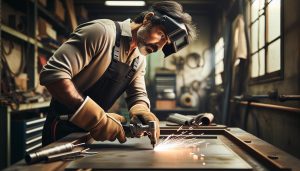
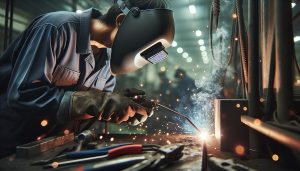
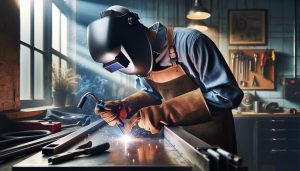
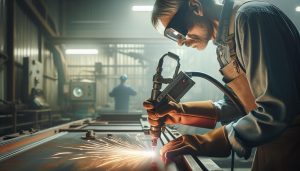
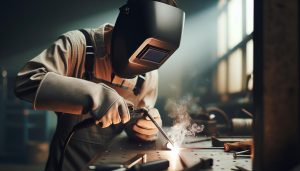
In today’s rapidly evolving manufacturing landscape, mastering a plasma cutter can open doors to lucrative profit opportunities. This powerful tool not only allows you to create intricate designs from various metals but also enables you to tap into a growing market for custom fabrication services. Whether you’re an experienced welder or just starting out, understanding how to monetize your plasma cutting skills can significantly enhance your income potential and career prospects. Imagine transforming scrap metal into sought-after art pieces or functional items that businesses need. As you explore the possibilities in this article, you’ll discover essential techniques, market insights, and creative applications that can help you turn your plasma cutter into a reliable source of revenue. Dive in to unlock the value of your equipment and skills, and see how you can make a remarkable impact in your community and beyond.
Understanding Plasma Cutters: A Comprehensive Overview

Plasma cutters are revolutionary tools that have significantly enhanced the efficiency and precision of metal cutting across various industries. Utilizing a high-velocity jet of ionized gas or plasma, they can cut through conductive materials with unparalleled speed and accuracy, making them a preferred choice for professionals in welding, fabrication, and artistic metalwork. One captivating aspect of plasma cutting is its versatility; it can efficiently handle materials ranging from thin sheet metal to thicker plates, broadening the scope of potential projects.
When considering how to make money with a plasma cutter, it’s essential to understand the technology behind it. Plasma cutting works by creating an electrical arc between an electrode and the metal workpiece, which is then blown out by compressed air or gas. The high temperature (up to 30,000°F) generated by the arc melts the metal, allowing for clean and precise cuts. This technology not only boosts productivity but also minimizes the need for secondary finishing processes, which can further enhance profitability.
For those looking to invest in a plasma cutter, it’s vital to evaluate the available options. Many plasma cutters on the market cater to both hobbyists and professionals, with features varying by complexity, cutting capacity, and portability. Beginners may opt for entry-level machines that offer basic functions, while seasoned welders will benefit from high-end models capable of intricate cuts and higher duty cycles. Additionally, understanding the consumables-such as electrodes and nozzles-is crucial, as they can impact both the cutting performance and operational costs of the plasma cutting process.
As you delve into the world of plasma cutting, consider its broad applications beyond traditional metalworking. Artists are incorporating plasma cutting techniques to create stunning sculptures, while businesses utilize it for both prototyping and intricate design. Establishing a thorough knowledge of plasma cutting not only prepares you to tackle a variety of projects but also positions you to leverage these capabilities for profitable ventures in diverse markets.
Essential Safety Measures for Plasma Cutting

When it comes to plasma cutting, understanding and implementing safety measures is essential for both efficiency and profitability. The intense heat and moving parts inherent in plasma cutting pose significant risks, thus prioritizing safety not only protects individuals but also minimizes costly accidents that can halt operations. Among the most critical steps in ensuring a safe working environment is wearing appropriate personal protective equipment (PPE). This includes a quality welding helmet with the correct shade, fire-resistant clothing, gloves, and steel-toed boots. Proper eye protection is particularly vital as the light from the plasma cutting arc can be damaging to the eyes, leading to both immediate and long-term vision problems.
Environmental Safety Considerations
Ensuring a safe environment extends beyond personal protective equipment. Adequate ventilation is crucial, as plasma cutting produces smoke and fumes that can be harmful when inhaled. Implementing an effective exhaust system helps to eliminate hazardous fumes, while keeping the workspace clean and organized reduces the risk of accidents. Always ensure that flammable materials are stored away from the cutting area, as sparks from the plasma cutter can ignite combustible substances, leading to severe accidents.
Equipment Handling and Maintenance
Understanding the operation of the cutting equipment is another critical aspect of safety. Regular maintenance checks, including inspecting cables, hoses, and consumables, can prevent equipment failures that might lead to accidents. Operators should be trained comprehensively not only in how to use the plasma cutter effectively but also in recognizing and responding to potential hazards that may arise during use. Additionally, maintaining a safe distance from the cutting zone when operating the machine ensures that others are kept out of harm’s way while work is in progress.
Emergency Preparedness
Finally, having an emergency response plan is essential in any working environment involving plasma cutting. This includes having fire extinguishers easily accessible, as well as ensuring that all personnel are trained in first aid and know how to respond to an emergency. Regular drills and safety meetings can foster an environment where safety protocols are prioritized, creating a culture of awareness and preparedness. By incorporating these safety measures, not only does it protect workers and equipment, but it also enhances productivity and profitability, ultimately leading to a successful plasma cutting business.
Exploring Profit Opportunities in Plasma Cutting
Plasma cutting technology has revolutionized the metal fabrication industry, creating a myriad of profit opportunities for skilled operators. With the ability to cut through various materials such as steel, aluminum, and copper with precision and speed, businesses can maximize their profit margins by offering a range of services tailored to diverse client needs. Those looking to enter the realm of plasma cutting can leverage this technology to generate income in several lucrative ways.
One of the most straightforward avenues is offering plasma cutting services for custom projects. Industries such as automotive, aerospace, and construction frequently require bespoke metal components, and the demand for skilled plasma cutting is growing. By establishing a service that provides tailored parts, from signage to intricate designs, businesses can cater to both individual customers and large-scale manufacturers. Additionally, creating a portfolio showcasing previous work can attract clients and showcase expertise, further driving demand.
Incorporating plasma cutting into small-scale manufacturing can also yield attractive profit margins. Producing items such as furniture, decorative pieces, or custom equipment solutions allows operators to sell directly to consumers or other businesses. Expanding into e-commerce platforms to market these products can significantly boost visibility and sales, providing a steady stream of revenue. Participating in local craft fairs or trade shows can also enhance market presence, offering direct interaction with potential customers.
Furthermore, the education and training aspect of plasma cutting represent another rich area for profit. Many individuals and businesses are interested in learning this skill, especially in related fields such as welding and metalworking. By offering workshops, courses, or certifications, operators can establish themselves as experts while providing a much-needed service to the community. This educational approach not only diversifies income streams but also fosters relationships within the industry, as trained individuals may return for custom projects or services.
Lastly, a focus on maintenance and repair services can drive additional profit in a competitive landscape. Equipment used in industries like manufacturing and construction requires regular upkeep to maintain operational efficiency. By providing plasma cutting maintenance services, businesses can create long-term partnerships, ensure customer loyalty, and further secure their revenue streams. All these avenues, combined with an effective marketing strategy, can transform a plasma cutting operation into a thriving business endeavor with multiple income sources.
Top Industries that Utilize Plasma Cutters
The versatility of plasma cutting technology makes it indispensable across various industries, paving the way for lucrative opportunities for skilled operators. Whether it’s for precision cutting, fabrication, or maintenance, plasma cutters are highly sought after in fields ranging from automotive to construction.
In the automotive industry, plasma cutting is frequently utilized to fabricate custom parts, repair damaged components, and create prototype designs. With the rise of electric vehicles and the constant demand for innovative automotive solutions, skilled plasma cutters can cater to specialized projects that require intricate shapes and cuts.
The construction sector also greatly benefits from plasma cutting, as it allows for efficient and accurate metalwork for frameworks, exteriors, and other structural elements. Plasma cutters enable contractors to remove excess material from large sheets, leading to reduced waste and improved project timelines. In this fast-paced industry, speed and precision are paramount, making plasma cutting a valuable asset.
Furthermore, the aerospace industry leverages plasma cutting for its ability to handle lightweight alloys and exotic materials essential for aircraft manufacturing. High tolerances are crucial in this field, and plasma cutting meets these requirements effectively. Operators skilled in plasma cutting can find opportunities in creating parts like brackets, engine components, and even custom fittings.
Additionally, small businesses specializing in art and decorative metalwork are increasingly incorporating plasma cutting into their product offerings. From designing custom signage to unique decorative pieces, the creative potential is virtually limitless. Artists and craftsmen utilize plasma cutters to turn raw materials into visually striking products, which can be sold both locally and online.
In summary, understanding the key industries that utilize plasma cutting can help aspiring operators target their services effectively. By focusing on these sectors-automotive, construction, aerospace, and decorative arts-those skilled in plasma cutting can harness the technology’s full potential, driving business success and profitability.
Setting Up Your Plasma Cutting Business
Starting a business in plasma cutting can be both an exciting and lucrative venture. With the right setup, operators can meet the diverse demands of several industries, from automotive to art. The initial stage of establishing your plasma cutting business requires careful planning and consideration of various factors to ensure long-term success.
To begin with, identifying a suitable location for your plasma cutting operations is crucial. Look for a space that is conveniently accessible for clients yet offers sufficient room for equipment setup and material handling. The area should comply with local zoning regulations for industrial activities and have the appropriate electrical supply to support high-power plasma cutting machines.
Next, investing in quality equipment is a key aspect. Choose a plasma cutter that suits your anticipated workload and material types. Consider factors such as cut thickness, torch size, and the type of power source (usually either single-phase or three-phase). Complement your plasma cutting machine with essential tools and safety gear, including protective clothing, gloves, ventilation systems, and fire extinguishers, to create a safe working environment. Additionally, a well-organized workspace with adequate storage for materials and finished products will enhance operational efficiency.
Once your facility and equipment are in place, focus on establishing your brand and marketing your services. Create a professional website showcasing your capabilities, past projects, and client testimonials. Utilize social media to reach potential clients within industries like construction, automotive, or custom metalwork. Networking with local businesses and attending trade shows can also provide valuable exposure, helping to build relationships and trust within the community.
Finally, setting competitive pricing structures will determine your profitability. Research the market rates for plasma cutting services in your area and adjust your prices based on the complexity of the projects and the quality offered. Offering introductory discounts or package deals can also attract new clients. By meticulously selecting your location, investing in quality tools, marketing effectively, and pricing wisely, you can set a strong foundation for a successful plasma cutting business.
Effective Marketing Strategies for Plasma Cutting Services
Establishing a successful marketing strategy is crucial for any plasma cutting service, especially in a competitive landscape. With industries ranging from construction to automotive and artistic metal fabrication seeking high-quality cutting solutions, it’s essential to carve out a unique place in the market. Utilizing a blend of digital and traditional marketing techniques can effectively reach your target audience, showcasing your capabilities and building trust.
Developing an engaging online presence should be a priority. Building a professional website that highlights your services, showcases previous projects, and includes client testimonials can substantially enhance your credibility. Optimize your site for search engines (SEO) by incorporating relevant keywords and phrases related to plasma cutting services. Consider adding a blog featuring tips, tutorials, and industry trends; this not only positions you as an authority but also improves your site’s visibility.
Social media platforms provide another powerful avenue. Use visually appealing posts showcasing your work, including before-and-after images or videos demonstrating plasma cutting in action. Platforms like Instagram, Facebook, and LinkedIn can help you connect with potential clients and industry peers. Additionally, joining relevant groups or forums can facilitate networking, allowing you to build relationships that may lead to project referrals.
Networking with local businesses and attending trade shows is equally beneficial. Engaging in face-to-face interactions helps build personal connections, enhancing long-term partnerships. Offering demos of your plasma cutting capabilities can showcase the precision and efficiency of your services, attracting new clients interested in custom metalwork or large-scale industrial projects.
Lastly, consider implementing promotional strategies to entice new clients. Special introductory offers or package deals can provide a compelling reason for potential customers to choose your services over competitors. By integrating these marketing strategies, plasma cutting services can effectively attract and retain clients, laying the groundwork for a profitable venture.
How to Price Your Plasma Cutting Work
Setting competitive prices for plasma cutting services is not just an exercise in mathematics; it’s a strategic move that can make or break your business. Understanding the various factors that contribute to pricing can help ensure profitability while also attracting and retaining clients. Considerations such as material costs, labor, overhead, and market demand play pivotal roles in establishing a comprehensive pricing strategy.
First, assess the cost of materials involved in each project. This includes not only the metal being cut-be it aluminum, stainless steel, or carbon steel-but also consumables like plasma cutting tips and gases, which can vary significantly in price. Keep a record of these costs to ensure precise calculations in your quotes.
Secondly, labor costs must be factored in. Calculate the total amount of hours you, or your employees, expect to spend on the project. Ensure that you account for your expertise and skills, as more complex projects may warrant higher labor rates. Pricing can be structured either by the hour or by the job, depending on which method aligns better with the type of work and customer expectations.
Overhead expenses-including equipment rental or purchasing, electricity, insurance, and other operational costs-should also be part of your pricing equation. Analyzing these aspects can prevent you from undervaluing your services.
Next, research your competition. Understanding what others in your area or niche charge will help you position your pricing effectively. Emphasizing unique aspects of your service-such as faster turnaround times, advanced technology, or exceptional craftsmanship-can help justify a higher price point if applicable.
Lastly, be flexible and open to adjusting your prices based on market demand and client acquisition strategies. Offering a discount or promotional rate for first-time customers can be an effective strategy to build a portfolio and establish credibility. As your business grows, revisiting and refining your pricing strategy will ensure that you remain competitive while also maximizing your profit margins.
By considering these factors, you create a well-rounded pricing strategy that caters not only to your business needs but also appeals to potential clients seeking quality plasma cutting services.
Common Plasma Cutting Projects for Profit
Engaging in plasma cutting opens up a world of profit opportunities across various sectors, as this versatile tool excels in precision and efficiency for a multitude of projects. Whether crafting custom parts for mechanical applications or creating artistic metal sculptures, there are ample avenues to explore. Notably, plasma cutting is not limited to industrial uses; it can also cater to hobbyists and small businesses looking to create unique products.
Common projects that can lead to profitable returns include:
- Metal Fabrication: Custom metal parts for machinery and vehicles are always in demand. This can include brackets, chassis components, or even specialized tools, where accuracy is crucial.
- Artistic Creations: Plasma cutting allows for intricate designs and sculptures, which can fetch higher prices at craft fairs or through galleries. Items like decorative wall art or garden sculptures can be particularly appealing.
- Signage Production: Businesses often require custom metal signs for branding or functional purposes. Plasma cutting can produce sharp, clean edges suitable for both indoor and outdoor use.
- Repurposing Projects: Many individuals and businesses seek unique items created from scrap metal. Projects like custom furniture, fire pits, and outdoor decorations can sell well in niche markets.
- Automotive Modifications: Car enthusiasts frequently look for custom parts to modify their vehicles. Plasma cutting can help fabricate unique brackets, body pieces, or enhancement components.
By diversifying into these various project types, plasma cutters can effectively streamline production processes while maintaining profitability. Each project not only showcases the capabilities of the plasma cutter but also allows for creativity and innovation, thereby attracting a wider range of clients. As demand grows, ensuring quality and efficiency through adept handling of the plasma cutter will set your offerings apart in this competitive field.
Innovative Applications of Plasma Cutting Techniques
Engaging with plasma cutting technology opens up numerous avenues for creativity and profitability. Beyond traditional fabrication, innovative applications are transforming industries and allowing entrepreneurs to explore new markets. For instance, the fusion of plasma cutting with digital design software has revolutionized how metal art and custom signage are produced. Engraving intricate patterns, logos, or even personalized messages directly onto metal materials not only enhances aesthetic appeal but also allows for mass customization without significant overhead costs.
The automotive sector stands out with the demand for unique aftermarket parts, where plasma cutting can play a significant role. Car enthusiasts often seek personalized enhancements, such as custom grill designs, lightweight components, or intricate decorative pieces, showcasing their individuality. By leveraging the capabilities of plasma cutting, businesses can provide tailored solutions that cater to this niche market, fostering client loyalty and enhancing profit margins.
In addition to these applications, the integration of plasma cutting in the furniture design space is gaining traction. Designers are increasingly utilizing plasma cutters to create complex metal frames and unique pieces that blend industrial and artistic styles. This trend can significantly elevate the perceived value of products in a competitive market. From custom outdoor settings to bespoke interior furnishings, offering such specialized services can attract a clientele willing to invest in high-quality, distinctive items.
Furthermore, collaborations with other creative fields, such as architecture and interior design, can lead to innovative projects. For instance, architectural firms often need custom metal installations, railings, and decorative elements that require precision-cut designs. Establishing a partnership with these professionals can broaden the scope of services offered and provide a sustainable income stream, particularly in regions undergoing construction and redevelopment.
In summary, the versatility of plasma cutting extends far beyond basic metal fabrication. By exploring collaborations, integrating innovative design techniques, and tapping into niche markets, businesses can significantly enhance their offerings and capitalize on new profit opportunities. Embracing these applications not only fosters creativity but also establishes a competitive edge in the ever-evolving landscape of metalworking.
Maximizing Efficiency in Plasma Cutting Operations
Maximizing productivity in plasma cutting operations not only enhances efficiency but also significantly contributes to profitability. One effective way to achieve this is by optimizing the setup and maintenance routine of your plasma cutting equipment. Regularly checking and maintaining the plasma cutter can prevent downtime and improve cutting quality. For instance, ensuring that the torch is clean and properly aligned, and that consumables are in good condition, will result in a smoother operation. Investing in high-quality consumables specific to your plasma cutter model can also minimize wear and tear, thereby extending the lifespan of the unit and maintaining a consistent cutting performance.
Another crucial aspect is the implementation of efficient workflow practices. Organizing the workspace and material stock can drastically reduce time spent searching for tools or materials. Utilizing a well-thought-out layout can facilitate an uninterrupted flow of work, allowing operators to transition between tasks seamlessly. You can set up designated areas for different types of operations, such as a cutting zone, inspection space, and storage, which minimizes the distance materials must travel from one process to another. Moreover, employing techniques like lean manufacturing can help in identifying waste within processes, ensuring that all steps provide value to the operation.
Training and Skill Development: Continuous training for operators on the latest plasma cutting techniques and safety protocols can enhance both efficiency and output quality. Skilled operators can adjust settings swiftly for different materials and thicknesses, optimizing cutting speed and reducing scrap material. Consider holding regular workshops or training sessions to keep teams updated on best practices and new technologies, such as automated plasma cutting systems or CAD software integration, that can further streamline operations.
Ultimately, advanced software solutions can play a significant role in maximizing operational efficiency. Employing CAD/CAM software allows businesses to design intricate cuts before the operational execution, which can be directly fed into the plasma cutting machine. This not only reduces setup times but also minimizes the potential for human error, leading to more precise and productive cutting operations. By focusing on these critical components, you can significantly enhance the efficiency of your plasma cutting operations, ultimately driving profitability and improving competitiveness in the market.
Tools and Equipment That Enhance Plasma Cutting
In the competitive world of plasma cutting, the right tools and equipment can significantly enhance productivity and profitability. Investing in high-quality gear not only improves the quality of work but also decreases maintenance costs and downtime. A well-chosen selection of equipment allows plasma cutting operations to execute intricate designs and high-volume tasks efficiently. Consider the following essentials that can elevate your plasma cutting capabilities.
Essential Plasma Cutting Equipment
- Plasma Cutter: The heart of any plasma cutting operation, selecting a plasma cutter with suitable amperage and features for your specific materials is crucial. High-quality models provide better arc stability and faster cutting speeds, which directly impacts production rates.
- Air Compressor: A reliable air compressor ensures a steady supply of compressed air, which is essential for effective plasma cutting. Look for models that offer consistent pressure and are capable of delivering air flow at the required volume for your chosen plasma cutter.
- Cutting Table: Investing in a dedicated cutting table can enhance ergonomics and efficiency. A table with integrated clamps allows for secure material handling and positioning, while features like a built-in downdraft system control fumes and debris, creating a safer workspace.
- Consumables: High-quality torches, nozzles, and electrodes are critical for maintaining optimal performance. Using brand-specific or premium consumables helps achieve cleaner cuts and longer lifespan, minimizing overall operating costs.
- Personal Protective Equipment (PPE): Safety gear, including helmets with appropriate shade lenses, gloves, and flame-resistant clothing, is vital for protecting operators from sparks and arc flashes. Ensure that the PPE is comfortable and compliant with safety standards.
Advanced Tools for Enhanced Performance
For those looking to push their plasma cutting operations to the next level, consider incorporating these advanced tools:
- Automated CNC Plasma Cutting Machines: These systems provide precision and repeatability for complex cutting tasks while reducing labor costs. CNC machines allow operators to pre-program designs, maximizing efficiency and minimizing human error.
- CAD/CAM Software: Implementing software that can design and optimize cutting patterns before the actual job can save material costs and time. This technology also enables easier adjustments for various projects, providing greater flexibility.
- Welding Positioners: These devices aid in stabilizing and rotating materials, facilitating easier and more accurate cutting. Positioners reduce fatigue while allowing operators to focus on precision and quality.
Investing in these tools and equipment not only enhances operational efficiency but can also lead to increased profitability by allowing for more intricate work, improved cycle times, and enhanced safety measures. By continuously evaluating and upgrading your equipment specifications, you can remain competitive and responsive to market demands in the ever-evolving field of plasma cutting.
Client Testimonials: Success Stories in Plasma Cutting
In the world of plasma cutting, success stories abound, showcasing how businesses and individuals have transformed their passion for cutting into profitable ventures. One notable example is a small fabrication shop in Texas that began using plasma cutting to diversify its offerings. Initially focused on simple welding services, the introduction of a high-quality plasma cutter allowed the shop to cut complex shapes and designs with precision. Within a year, they reported a 60% increase in client inquiries, as word spread about their ability to provide intricate metal art and custom parts that other competitors could not match.
Another inspiring testimonial comes from a mobile plasma cutting service based in Colorado. The proprietor shared how investing in a portable plasma cutter enabled him to service remote locations, catering to industries such as construction and agriculture. By providing on-site cutting services, he not only reduced overhead costs but also increased convenience for his clients. This approach allowed him to establish long-term relationships with several businesses, leading to repeat contracts and a steady revenue stream. His ability to adapt and meet customer needs directly translated into better profit margins.
Additionally, a welding instructor at a community college highlighted the importance of training in plasma cutting techniques. Students who graduated from the program often left with the skills necessary to start their own businesses. Many have successfully launched fabricating companies focused on custom projects, where precision cutting is critical. Their testimonials consistently point back to how professional training and hands-on experience with plasma cutting set them apart in a competitive job market, giving them the confidence to pursue entrepreneurship.
These stories illustrate that with the right equipment, training, and responsiveness to market demands, anyone can carve out a niche in the plasma cutting industry. Entrepreneurs should not only focus on the technical aspects but also on developing strong client relationships and continuously evolving to meet new challenges in their craft.
Frequently asked questions
Q: How can I start a plasma cutting business with little investment?
A: You can start a plasma cutting business on a budget by investing in a quality plasma cutter and basic protective equipment. Focus on a niche market, such as custom fabrication, art, or repairs, to minimize overhead. Leverage social media and local networking to attract clients without spending excessively on marketing.
Q: What types of materials can I cut with a plasma cutter for profit?
A: Plasma cutters are versatile and can cut through various materials, including steel, aluminum, brass, and stainless steel. Focus on high-demand materials that align with your target market’s needs to maximize profit opportunities.
Q: How can I price my plasma cutting services competitively?
A: To price your plasma cutting services, research competitor rates, factor in your material and operational costs, and consider your desired profit margin. Offering tiered pricing based on complexity or bulk discounts can also attract different customer segments and increase sales.
Q: What are some common projects that can be profitable with a plasma cutter?
A: Common profitable projects include custom metal signs, furniture, artwork, and automotive repair parts. Focusing on unique, high-demand items or services can help differentiate your business and increase profitability.
Q: How can I market my plasma cutting services effectively?
A: Utilize online platforms like social media, e-commerce, and local classifieds to showcase your work. Attend trade shows and local markets to network and demonstrate your capabilities. Building a strong online portfolio can also attract clients searching for specific plasma cutting services.
Q: What safety measures should I take when operating a plasma cutter?
A: Essential safety measures include wearing appropriate personal protective equipment (PPE) like gloves, goggles, and flame-resistant clothing. Ensure proper ventilation and be mindful of your surroundings to prevent fire hazards. Familiarize yourself with operation protocols to ensure safe use.
Q: How can I scale my plasma cutting business once it gets established?
A: To scale your plasma cutting business, consider investing in additional equipment to increase production capacity. Expand your services by offering complementary products or entering new markets. Employing a team to manage larger projects can also help you take on more work efficiently.
Q: Are there specific industries that particularly require plasma cutting services?
A: Industries such as automotive, construction, manufacturing, and artistic metalwork frequently require plasma cutting services. Targeting these industries can lead to steady work and lucrative contracts, enhancing your business’s growth potential.
Final Thoughts
As you venture into the world of plasma cutting, remember that the potential for profit is significant when you harness the right techniques and approaches. By diving into opportunities, whether it’s crafting custom metal art or providing fabrication services, you can unlock a rewarding income stream. Don’t hesitate-explore our guide on enhancing your welding skills with MIG, TIG, and stick techniques to elevate your craftsmanship and expand your business offerings.
For more insights, be sure to check out our equipment reviews for the best plasma cutters on the market and essential safety protocols that keep you and your workspace secure. If you have questions or wish to share your experiences, we’d love to hear from you in the comments below. Subscribe to our newsletter for the latest updates and tips tailored for both aspiring and seasoned welders. Seize this opportunity today to turn your plasma cutter into a profitable venture!