Are you ready to unlock the power of precision cutting with a plasma cutter? This versatile tool, capable of slicing through metal like butter, is a game changer for fabricators and DIY enthusiasts alike. Setting it up doesn’t have to be daunting; in just five minutes, you can have your plasma cutter ready to go. Whether you’re working with steel, aluminum, or other materials, the right setup ensures safer operation and cleaner cuts. As you embark on your cutting journey, understanding the setup process is crucial for maximizing efficiency and quality. This guide will walk you through the steps, so you can tackle your projects with confidence and skill. Let’s dive in and transform your cutting experience!
How Plasma Cutters Work: A Quick Overview
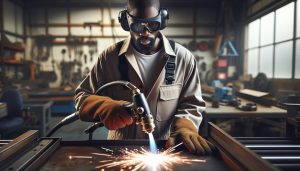
Plasma cutting, a versatile and fast method of metal cutting, operates on the principle of transforming electrical energy into thermal energy with the aid of ionized gas, or plasma. When the plasma cutter is activated, it generates a concentrated arc of electricity that travels from the torch to the workpiece. This arc heats and melts the metal, while the pressurized gas-typically air, nitrogen, or argon-blows the molten metal away, creating a clean and precise cut.
The technology behind plasma cutting allows it to cut through various metals, including steel, aluminum, and stainless steel, with thicknesses ranging from thin sheets to heavier materials. The efficiency of this process can be attributed to its speed and precision, which significantly reduces the need for secondary finishing operations. Additionally, plasma cutting produces minimal heat-affected zones, making it less likely to compromise the integrity of the surrounding material.
To achieve optimal performance with a plasma cutter, understanding the components is essential. Key elements include the power supply, plasma torch, and gas supply. The power supply provides the necessary electricity, while the plasma torch channels the gas and electricity to create the cutting arc. Adjusting the gas flow and current settings based on the type and thickness of the material can vastly impact cutting quality. Thus, mastering these variables will enable users to achieve superior results.
In summary, the mechanics of plasma cutting hinge on the effective combination of electricity, gas, and precise control over the cutting parameters. This knowledge is vital for both beginners and seasoned professionals aiming to enhance their metalworking capabilities and maximize the benefits of this innovative cutting technology.
Essential Plasma Cutting Equipment You’ll Need
The success of plasma cutting hinges not only on the operator’s skill but also critically on the equipment used. Before you can achieve clean, precise cuts, it’s essential to gather the right tools and gear. Investing in high-quality equipment not only amplifies your precision but also enhances safety and efficiency in your work.
To start, you will need a reliable plasma cutter. There are various models available, ranging from portable units suitable for small projects to heavy-duty cutters designed for industrial applications. Look for a unit equipped with adjustable settings to control amperage and gas flow, which can greatly influence cut quality depending on the material thickness and type.
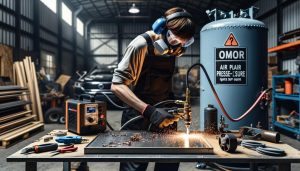
In addition to a plasma cutter, essential components include a plasma torch, which directs the flow of plasma and needs to be compatible with your cutter model. Don’t overlook the gas supply, typically air or inert gases like nitrogen or argon, which is crucial for maintaining the cutting arc. You’ll also need a compressor for supplying the proper pressure, as inconsistent gas flow can lead to erratic cutting.
Safety gear is paramount when setting up for plasma cutting. Ensure you have appropriate protective gear such as a leather jacket, welding gloves, and safety goggles-preferably with shaded lenses to protect your eyes from the intense glare of the arc. Don’t forget that a fire extinguisher should be on hand in your workspace.
Finally, consider gathering some additional items that can enhance your setup, such as a table or cutting surface to support larger pieces, ground clamps for effective grounding of your equipment, and cleanup tools to handle any slag or debris produced during the cutting process.
In summary, the right equipment not only empowers your plasma cutting but also safeguards your health as you tackle various metalworking projects. Investing in these essential tools is a foundational step toward achieving high-quality, efficient, and safe plasma cutting results.
Setting Up Your Plasma Cutter: Step-by-Step Guide
Setting up your plasma cutter effectively is crucial for ensuring smooth and precise operations right from the start. With a few simple steps, you can be ready to cut in just a few minutes. Begin by locating a suitable workspace that is clean, well-ventilated, and free of flammable materials. Make sure your work area is large enough to accommodate your materials, as well as any accessories you may need.
Start the setup process by connecting your plasma cutter to the power supply. Ensure that the correct voltage and amperage settings are selected according to your machine specifications. Next, connect the plasma torch to the device, ensuring it is securely fitted to avoid any air leaks. Once the torch is in place, attach the appropriate gas supply line, making sure it is compatible with your plasma cutter model. If your machine uses compressed air, connect it to the built-in compressor or to your external air source.
Now, you will need to set up the proper grounding for your plasma cutter. Attach the ground clamp to your workpiece or to a nearby metal surface. This is essential to complete the circuit and prevent erratic cutting behavior. After ensuring that everything is securely connected, you can power on the cutter. Adjust the pressure settings on your gas supply to the recommended level, and test the torch for proper gas flow.
Before you dive into cutting, it’s wise to perform a quick test cut on scrap materials to calibrate your settings and familiarize yourself with handling the equipment. This step allows you to make any necessary adjustments to the speed and amperage settings, ensuring that you achieve optimal results when you begin your actual work. With these steps, your plasma cutter will be set up efficiently, allowing you to transition smoothly into cutting projects.
Tips for Achieving Precise Cuts with a Plasma Cutter
Achieving precise cuts with a plasma cutter can be the difference between a professional-looking job and a disappointing outcome. One of the critical factors influencing the quality of your cuts is the speed at which you move the torch. For most materials, maintaining a consistent speed will help prevent issues such as excessive slag formation, warping, or burn-through. A good rule of thumb is to practice moving at the same pace you would use with a hand-held cutting tool, adjusting as necessary based on your cut quality and material thickness.
Another essential aspect is the cutting distance. The distance between the nozzle and the workpiece, known as the standoff distance, should generally be around 1/8 inch (3 mm). Maintaining this distance is vital to achieving a focused arc that generates the cleanest cuts. Conversely, if the nozzle is too close, it may create a rounded edge, while being too far can cause an inconsistent cut and dross accumulation. Always consult your plasma cutter’s manual for the specific recommended standoff distance based on the nozzle size and material used.
In addition to speed and distance, the choice of consumables can significantly impact your cutting performance. Using the right type and size of nozzle, electrode, and shield cap is crucial. Be sure to match these components to the material thickness you’re cutting; thinner materials typically require smaller consumables for sharper cuts. Regularly check and replace worn-out tips, as a dull nozzle can impair the quality of cuts, making them less precise and more labor-intensive.
Lastly, always keep your work surface clean and free of rust, paint, or oil. Contaminated surfaces can lead to poor plasma arc stability and unclean cuts. Regular maintenance of both your plasma cutter and your workspace ensures minimal interruptions and maximizes your cutting quality.
By following these tips and maintaining an attentive approach to your techniques, you can achieve sharp, accurate, and professional results in all your plasma cutting projects.
Safety Precautions When Using Plasma Cutters
When working with plasma cutters, safety should always be your top priority; understanding the inherent risks can significantly mitigate potential hazards during operation. Plasma cutters generate extremely high temperatures, producing an intense arc that can reach temperatures exceeding 20,000 degrees Fahrenheit. This extreme heat not only poses a burn risk but also creates flying sparks and molten metal that can cause injuries or ignite flammable materials. Thus, ensuring a safe work environment is crucial for both novice and experienced welders.
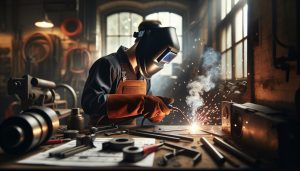
To protect yourself, it is essential to wear appropriate personal protective equipment (PPE). A proper welding helmet equipped with a dark, auto-darkening filter is vital to shield your eyes from harmful UV and infrared radiation emitted by the plasma arc. Additionally, wear flame-resistant clothing, gloves, and steel-toed boots to safeguard against sparks and falling objects. It is highly recommended to avoid wearing synthetic fabrics, as they can melt and stick to the skin in case of fire. In a workshop setting, ensuring good ventilation is necessary, as plasma cutting can generate hazardous fumes; using an extraction system can help manage this risk effectively.
Furthermore, maintaining a clean and organized workspace can prevent accidents. Always remove any flammable materials from the cutting area and ensure that your tools and equipment are in good working condition. Familiarize yourself with the operation manual of your plasma cutter and conduct a safety check before starting work. This includes examining power leads for damage and ensuring that the gas supply is free from leaks. Implementing a buddy system is another effective safety measure; having a colleague nearby can provide the necessary support in case of an emergency.
In addition to personal safety measures, being mindful of your surroundings and other workers is crucial. Make sure to communicate clearly with those around you, especially when sparks or other hazards are present, ensuring everyone is aware of the cutting activities. Establish a safety perimeter to keep bystanders at a safe distance and utilize appropriate signage to alert others in the vicinity of your work. By adhering to these safety precautions, you can effectively minimize risks, allowing you to focus on achieving precise and high-quality cuts with your plasma cutter.
Common Mistakes to Avoid During Setup
Setting up a plasma cutter might seem straightforward, but many operators overlook critical details that can lead to inefficiencies or unsafe conditions. A common pitfall is neglecting to check the gas supply and connections. Ensuring that the gas line is secure and free from leaks is paramount, as even a minor leak can not only affect cutting performance but also pose significant safety risks. Always test the gas lines before commencing work by using a soap solution to detect bubbles, which indicate leaks.
Another frequent mistake is inadequate grounding of the plasma cutter. Improper grounding can lead to erratic arc stability and increased risk of electrical shock. Ensure that the workpiece and plasma cutter are properly grounded by connecting the ground clamp securely. This grounding is essential for safe operation and will enhance the precision of your cuts.
Additionally, users often overlook the importance of selecting the right torch length and nozzle size for their specific cutting job. Using an incorrect configuration can lead to inconsistent cuts and unnecessary wear on the equipment. Always consult the manufacturer’s guidelines or cutting chart to select the appropriate consumables for the material thickness and type.
Lastly, many first-time users rush through the setup process and fail to calibrate their plasma cutter. This oversight can lead to poor performance. Spend a few extra moments adjusting the amperage settings based on material thickness and type. Proper calibration not only ensures high-quality cuts but also prolongs the lifespan of the consumables and enhances overall cutting efficiency. By taking the time to avoid these common setup mistakes, operators can achieve seamless and safe plasma cutting experiences.
Troubleshooting Your Plasma Cutter: Quick Fixes
Experiencing issues with your plasma cutter can be frustrating, especially when you’re eager to get started on your project. However, understanding common problems and their solutions can save you time and ensure smoother operations. Many plasma cutter users often encounter issues such as erratic arcs, inconsistent cutting, or even the machine failing to start altogether. By familiarizing yourself with quick troubleshooting techniques, you can enhance your cutting efficiency and maintain a safer work environment.
One of the first things to check is the air supply and pressure settings. Ensure your compressor is functioning correctly and that the air pressure is set according to the plasma cutter’s specifications. Inconsistent air can cause poor arc stability, leading to jagged cuts. If the machine still struggles, inspect the air hoses for blockages or leaks, as a compromised line can affect the cutter’s performance. Also, remember to purge the line of any moisture, which can disrupt flow and affect cut quality.
Another critical aspect to review when troubleshooting is your torch and consumables. Worn or damaged tips and electrodes can lead to a decreased cutting performance. If the arc is unstable or is not cutting through materials efficiently, it may be time to replace these components. Additionally, ensure that the torch is properly assembled and that all parts are tightly secured. Loose connections can lead to intermittent performance and hazards.
For more complex issues, it’s advisable to revisit the machine’s settings. If the cutter is not producing satisfactory cuts, verify that the amperage is correctly adjusted for the material thickness. Too low of an amperage can lead to incomplete cuts, while excessive amperage may cause burn-through or excessive beveling. Consulting the manufacturer’s guide can provide valuable insight into the ideal settings for various materials.
Lastly, don’t underestimate the importance of grounding. An inadequate ground connection can lead to erratic cuts or even damage to your machine. Ensure that both your workpiece and plasma cutter are properly grounded. By following these straightforward troubleshooting steps, you can resolve common issues and keep your plasma cutter operating at peak performance. Remember, a well-maintained machine not only delivers better results but also contributes to a safer operational environment.
Enhancing Your Skills: Techniques for Better Cuts
Plasma cutting is not just about turning on the machine and cutting through metal; it’s an art that combines skill, technique, and an understanding of the equipment. Achieving clean, precise cuts requires practice, but there are several techniques that can significantly enhance your skills right from the start. One of the most crucial aspects is understanding the settings of your plasma cutter, particularly the amperage. Selecting the appropriate amperage for the material thickness is key-too low can lead to incomplete cuts, while too high can cause excessive burn-through. Always refer to the manufacturer’s recommendations for detailed settings based on the material you are working with.
Another essential technique is mastering the correct cutting speed. If you move the torch too quickly, the arc may not penetrate effectively, leading to jagged edges and a poor finish. Conversely, moving too slowly can create excessive heat, warping the material and compromising the integrity of the cut. It’s advisable to practice on scrap pieces first, allowing you to find the optimal speed that achieves a steady and clean cut. Keeping a consistent distance between the torch and the workpiece also contributes to better arc stability and quality cuts.
Maintaining Torch Angle and Distance
Equally important is the angle at which you hold the torch. A proper torch angle enhances the flow of plasma, leading to smoother cuts. Ideally, keep the torch at a 45-degree angle; this allows the molten metal to be pushed away from the cut rather than being sucked back into the arc. Maintaining the right distance from the surface, usually around 1/8 inch, is also crucial for the quality of the cut. Too far can cause the arc to weaken, while too close can lead to excessive wear on the torch.
Real-World Application: Practice Makes Perfect
To develop proficiency, consider integrating different materials into your practice regimen. Cutting aluminum, for instance, behaves differently than mild steel. Each material will require slight adjustments in technique, including amperage settings and cutting speed. Take notes while you practice, documenting what settings work best for various metals, as this will serve as a personalized reference guide that contributes to your growth as a skilled plasma cutter operator.
Ultimately, enhancing your cutting skills involves a combination of practice, understanding settings, and adjusting techniques to suit the specific requirements of each job. Over time, you will find that these insights translate into more sophisticated and professional results, mitigating the risk of mistakes and ensuring cleaner cuts every time.
Choosing the Right Plasma Cutter for Your Needs
When selecting a plasma cutter for your projects, it’s essential to consider various factors to ensure the equipment meets your specific needs. Understanding your own requirements can significantly impact the quality of your cuts, the efficiency of your work, and the safety of your operation. Plasma cutters vary widely in terms of power, capacity, and functionality, making it crucial to match your selection to the materials you plan to work with and the types of cuts you intend to perform.
One of the foremost considerations is the cutting capacity, which refers to the maximum thickness of the material your plasma cutter can handle effectively. For instance, if you primarily work with sheet metal, a machine rated for cutting up to 1/4 inch may suffice. However, for heavier gauge metals or more demanding applications, look for cutters designed for 1/2 inch or thicker materials. Amperage output is another key aspect; generally, higher amperage allows for faster cutting through thicker materials but may require a more robust power supply, so ensure your workshop can accommodate it.
Additionally, assess the portability of the unit if you’re working in a location with limited space or require flexibility to move the cutter around. Lightweight, compact models are available and are particularly advantageous for small workshops or job sites. Also, consider the duty cycle, which indicates how long a machine can operate before it needs to cool down. Higher duty cycles are preferred for jobs requiring extended cutting sessions, as they can handle workloads without overheating.
Lastly, review the brand reputation and customer support options available. Opting for reputable manufacturers often ensures higher quality and better service, which can be invaluable for maintenance and troubleshooting. Look for customer reviews and consider warranty offers as part of your decision-making process, as this not only reflects the reliability of the equipment but also provides peace of mind for your investment.
By carefully evaluating these factors, you can make an informed decision that will enhance your plasma cutting projects, ensuring efficient, precise cuts while maintaining safety and ease of use. Whether you’re a beginner or a seasoned welder, choosing the right plasma cutter is pivotal in achieving exceptional results in your metalworking tasks.
Maintenance Tips for Longevity of Your Plasma Cutter
Regular maintenance of your plasma cutter is vital to ensure longevity and optimal performance. With the right care, your equipment can operate efficiently, providing clean cuts while reducing downtime due to repairs. One of the primary areas to focus on is keeping the torch assembly clean. After each use, inspect the consumables: the electrode, nozzle, and swirl ring for signs of wear or damage. If you notice any degradation, replacing these parts promptly will prevent further damage and improve cut quality.
Additionally, it’s essential to maintain your air supply system. Ensure that your compressor is clear of contaminants and that the air being supplied is moisture-free. Moisture can lead to problems such as inconsistent cutting performance and internal corrosion. Regularly drain condensate from your air compressor and check filters to prevent impurities from entering your plasma cutter.
Another aspect to consider is the electrical connections and grounding. Inspect interconnecting cables and connections regularly for wear or loose fittings. Proper grounding is crucial for safety and optimal operation; therefore, verify that all cables are secured, and connections are clean and free of oxidation. Also, ensure that the cutter is kept in a clean, dry environment away from dust, debris, and extreme temperatures, which can negatively affect its operation.
For extended operational periods, monitor the duty cycle. Staying within the manufacturer’s recommended duty cycle reduces the risk of overheating and prolongs the lifespan of your machine. When necessary, allow time for the unit to cool down between sessions. Keeping your plasma cutter well-organized in a designated workspace, complete with all necessary accessories, can also streamline your workflow while protecting your investment. By implementing these maintenance practices, you’ll enhance your equipment’s performance and reliability, ensuring you achieve the best results every time you cut.
Exploring Additional Accessories for Plasma Cutters
Utilizing additional accessories with your plasma cutter can significantly enhance performance, efficiency, and versatility, making your cutting tasks easier and more precise. Beyond the basics of the cutter itself, the right accessories can help in achieving optimal results, whether you’re cutting metal for fabrication, art projects, or repairs. Investing in these supplementary tools not only extends the capabilities of your plasma cutter but also promotes safety and efficiency in your workspace.
One essential accessory is a plasma cutting cart. This portable, wheeled cart allows you to easily transport your plasma cutter and keep all necessary tools organized. A good cart typically features compartments for storing consumables like electrodes and nozzles, air hoses, and protective gear, helping to maintain an efficient workflow. Alongside the cart, consider adding a plasma cutting table. A dedicated table designed for plasma cutting provides stability and support, ensuring that sheets of metal are held securely during the cutting process. Many tables even come with integrated clamps and built-in grids to assist with measurements and accuracy.
Another often-overlooked accessory is a high-quality air filter and drier. Moisture in the air supply can lead to poor cutting quality and equipment damage. A proper filtration system ensures that only clean, dry air reaches your plasma cutter, improving cut quality and extending the lifespan of your consumables. Moreover, a torch extension cable can greatly enhance your cutting ability, especially when working on larger pieces or in hard-to-reach areas. Extensions allow for greater flexibility and precision in positioning the torch without needing to reposition the main unit.
Finally, embracing protective gear is paramount in ensuring safety during plasma cutting. High-quality helmets with proper shading, flame-retardant gloves, and protective clothing not only safeguard you against sparks and heat but also increase comfort during prolonged use. By equipping yourself with these accessories, you not only enhance your cutting efficiency but also ensure a safer working environment, allowing you to focus on precision and quality in your projects.
Incorporating these practical accessories into your plasma cutting setup can transform your cutting experience, making it safer, more efficient, and widely versatile to meet diverse project needs.
Q&A
Q: How long does it take to set up a plasma cutter?
A: Setting up a plasma cutter typically takes around 5 to 10 minutes, provided you have all the necessary equipment ready. Follow the setup guide closely to ensure all connections are secure and the cutter is calibrated correctly for efficient cutting.
Q: What safety gear do I need when using a plasma cutter?
A: Essential safety gear includes a welding helmet with a suitable shade, leather gloves, protective clothing, and safety goggles. Additionally, ensure good ventilation in your workspace and have a fire extinguisher nearby for safety.
Q: What type of material can I cut with a plasma cutter?
A: Plasma cutters are versatile and can cut through various materials, including steel, aluminum, copper, and stainless steel. Always adjust the settings based on the thickness and type of material for optimal results.
Q: How do I maintain my plasma cutter for best performance?
A: Regular maintenance includes cleaning the torch and nozzle, checking gas levels, and inspecting electrical connections. Follow your owner’s manual for specific maintenance tasks to prolong your plasma cutter’s lifespan and efficiency.
Q: Why is my plasma cutter cutting unevenly?
A: An uneven cut can be caused by a dirty nozzle, incorrect air pressure, or improper torch handling. Ensure the nozzle is clean, adjust the air pressure to the manufacturer’s specifications, and practice steady movement during cutting.
Q: Can I use compressed air instead of nitrogen with my plasma cutter?
A: Yes, compressed air is commonly used with plasma cutters and is effective for most materials. However, nitrogen can provide cleaner cuts on certain metals. Check your plasma cutter’s specifications for compatibility.
Q: How do I troubleshoot a plasma cutter that won’t start?
A: If your plasma cutter won’t start, check the power supply, inspect the gas connections, and ensure all switches are functioning correctly. Additionally, refer to the troubleshooting section of your manual for specific solutions.
Q: What should I do if my plasma cutter overheats?
A: If your plasma cutter overheats, stop using it immediately and allow it to cool down. Check for blocked air vents, excessive duty cycle, and ensure you’re using the right settings for the material thickness. Regular maintenance can prevent overheating issues.
The Conclusion
Now that you’re equipped to set up your plasma cutter in just five minutes, it’s time to unleash your creativity and transform your projects with precision cuts. Don’t let uncertainty hold you back-dive into your next welding task with confidence! If you enjoyed this guide, check out our detailed articles on MIG and TIG welding techniques or explore essential safety protocols to enhance your expertise.
We invite you to share your experiences or questions in the comments below, as we love hearing from our community. For even more welding tips, tools, and materials-like in-depth reviews of the best plasma cutters for aluminum and steel-subscribe to our newsletter to stay updated. Remember, every great project begins with the right setup, so keep exploring and refining your skills!