

Plasma cutting is a game-changing technique in metalworking, allowing you to slice through conductive materials with precision and speed. Whether you’re a DIY enthusiast or a professional welder, mastering this skill can significantly enhance your projects, helping you create intricate designs or perform repairs efficiently. Many newcomers feel intimidated by the process, fearing that they might not achieve clean cuts or might compromise safety. However, understanding the essentials of plasma cutting can empower you to tackle a variety of applications confidently. In this guide, we will break down the art of using a plasma cutter into five simple steps, ensuring that you can operate like a pro, regardless of your skill level. Join us as we explore the tips and techniques that will elevate your metal fabrication game and meet your creative goals.
What is a Plasma Cutter and How Does it Work?
A plasma cutter is a versatile tool that revolutionizes the way metal can be processed. This device utilizes a high-temperature jet of ionized gas-known as plasma-to cut through various materials, making it an essential instrument for professionals in welding and metalworking. The ability to swiftly cut through materials like steel, aluminum, and copper with precision and minimal distortion is a game-changer. At its core, a plasma cutter operates by generating an electrical arc that heats and melts the metal while the plasma stream expels the molten material, allowing for clean and efficient cuts.
The technology behind plasma cutting is fascinating. It begins with the transformation of gas, often air or inert gas, into plasma through a process called ionization. When the gas is subjected to a high electrical voltage, the atoms become ionized, creating a conducting path for electric current. This not only generates intense heat but also produces a forceful stream of plasma that can reach temperatures exceeding 20,000 degrees Fahrenheit (11,000 degrees Celsius). As such, plasma cutting is favored for its speed, allowing for intricate designs and shapes to be cut with smooth edges.
This cutting method has distinct advantages over other traditional cutting techniques, such as oxy-fuel cutting. Plasma cutters are notably faster and can penetrate thicker materials, making them suited for a wide range of applications-from industrial fabrication to automotive work. Furthermore, their portability and ease of use appeal not only to seasoned professionals but also to hobbyists and DIY enthusiasts. As the technology continues to evolve, newer plasma cutters are becoming more efficient, lightweight, and integrated with advanced features like computer controls, which enhance their versatility and accuracy in various welding projects.
Essential Safety Gear for Plasma Cutting
Welding enthusiasts and professionals alike should never underestimate the importance of safety gear when using a plasma cutter. Given the extreme temperatures involved-often exceeding 20,000 degrees Fahrenheit-the risk of burns, electric shock, and harmful fumes is significant. Adhering to safety protocols is not just advised; it is essential for ensuring a safe working environment.
To begin with, protective clothing is a fundamental component of safety gear. Opt for long-sleeved shirts and pants made of cotton or wool to mitigate burn risks, complemented by leather gloves that provide both protection and dexterity. It’s also wise to consider an apron designed for welding, as it adds an extra layer of defense against sparks and heat.

Alongside clothing, your choice of eye protection cannot be overlooked. Safety goggles must meet ANSI Z87.1 standards, as they shield your eyes from bright plasma arcs and flying debris. In addition, using a welding helmet with appropriate filter shade is crucial for preventing eye damage from the intensity of the arc light.
Moreover, hearing protection is equally important. The noise generated during plasma cutting operations can exceed 120 dB, so using earmuffs or earplugs will help prevent long-term hearing loss. If you are near operations where this kind of noise is generated, always prioritize your auditory safety.
In a workshop environment, consider utilizing a respirator or mask, especially if your project involves cutting materials that can emit toxic fumes. Air quality is often compromised by the high temperatures and the gases released during the cutting process. Therefore, having effective respiratory protection will safeguard your health and enhance your ability to work efficiently.
By ensuring that the right protective gear is not only worn but also properly maintained, you can significantly reduce the risks associated with plasma cutting. In doing so, you create a safer workspace that allows for creativity and precision in your projects-a true mark of a professional welder.
Choosing the Right Plasma Cutter for Your Project
Choosing the right plasma cutter for a specific project can significantly impact the quality and efficiency of your work. With a wide range of models available, understanding the differences in capabilities and features is essential to select the machine that best suits your needs. For instance, an entry-level plasma cutter may suffice for light-duty home projects such as creating artwork from thin metal sheets, while industrial applications may require a high-performance machine capable of cutting thicker materials with speed and precision.
When shopping for a plasma cutter, consider key specifications such as cutting capacity, amperage, and power supply type. Cutting capacity will determine the thickness of material you can effectively cut; typically, plasma cutters can handle materials ranging from 16 gauge up to 1 inch or more, depending on the model. Amperage rating is also critical; higher amperage allows for faster cuts and the ability to tackle thicker materials. For instance, a machine offering 30A to 50A can be ideal for most DIY and small project needs, whereas a unit that reaches 70A or higher will cater to industrial-grade cutting.
Additionally, think about the type of materials you intend to work with. Plasma cutters excel with steel, aluminum, and stainless steel, but not all models perform equally well across different materials. Some machines are optimized for non-ferrous metals and may include features that reduce dross on cuts, enhancing overall cut quality. Furthermore, the power source can also influence your choice-models that operate on 110V outlets are more convenient for home use, while 220V models offer enhanced performance for heavier applications.
Ultimately, it is wise to assess additional features that may enhance your cutting experience. Features such as automatic air pressure control, pilot arc technology, and built-in safety mechanisms can be invaluable for both novice and experienced welders. By taking the time to evaluate these aspects, you will ensure that you invest in a plasma cutter that not only meets the demands of your current project but also adapts to future needs, enabling you to execute your work with confidence and precision.
Pre-Cutting Preparation: Materials and Setup
Plasma cutting is not just about wielding the machine; it’s also about the proper preparation beforehand. Setting up for a plasma cutting project can dramatically influence your results, from ensuring clean cuts to maintaining safety throughout the process. Before powering up your plasma cutter, consider several critical steps to prepare both your materials and your workspace, ultimately impacting your efficiency and quality of work.
First, ensure the materials you plan to cut are clean and free from rust, paint, and any debris that could interfere with the cutting process. Residue on the metal surface can lead to poor cuts and excess dross. For instance, if you’re working with steel, a wire brush or grinder can help clean the metal edges. If you’re aiming to cut aluminum, a careful inspection for oils or other coatings is essential, as they can compromise your cut quality. Uneven surfaces can also pose a risk; ensure your materials are flat and securely clamped down.
Next, organize your workspace to facilitate an efficient cutting process. Arrange your workstation so that tools, safety equipment, and the plasma cutter are easily accessible, minimizing the risk of accidents or interruptions. Consider the layout: clear a safe area around your cutting zone free from flammable materials and distractions. Having a dedicated workbench with sufficient lighting helps identify the cutting line clearly, allowing for more precision. In addition, ensure that your power supply is stable and appropriate for the plasma cutter’s requirements, as fluctuations can lead to inconsistent cutting performance.
Lastly, it’s crucial to take safety measures seriously during your preparation. Equip yourself with the necessary personal protective equipment (PPE) such as gloves, goggles, and flame-resistant clothing. Accessible emergency equipment, like fire extinguishers and first aid kits, should also be part of your setup. By taking these pre-cutting precautions and establishing an organized, clean workspace, you not only improve cut quality but also promote a safer environment to unleash your plasma cutting skills to the fullest.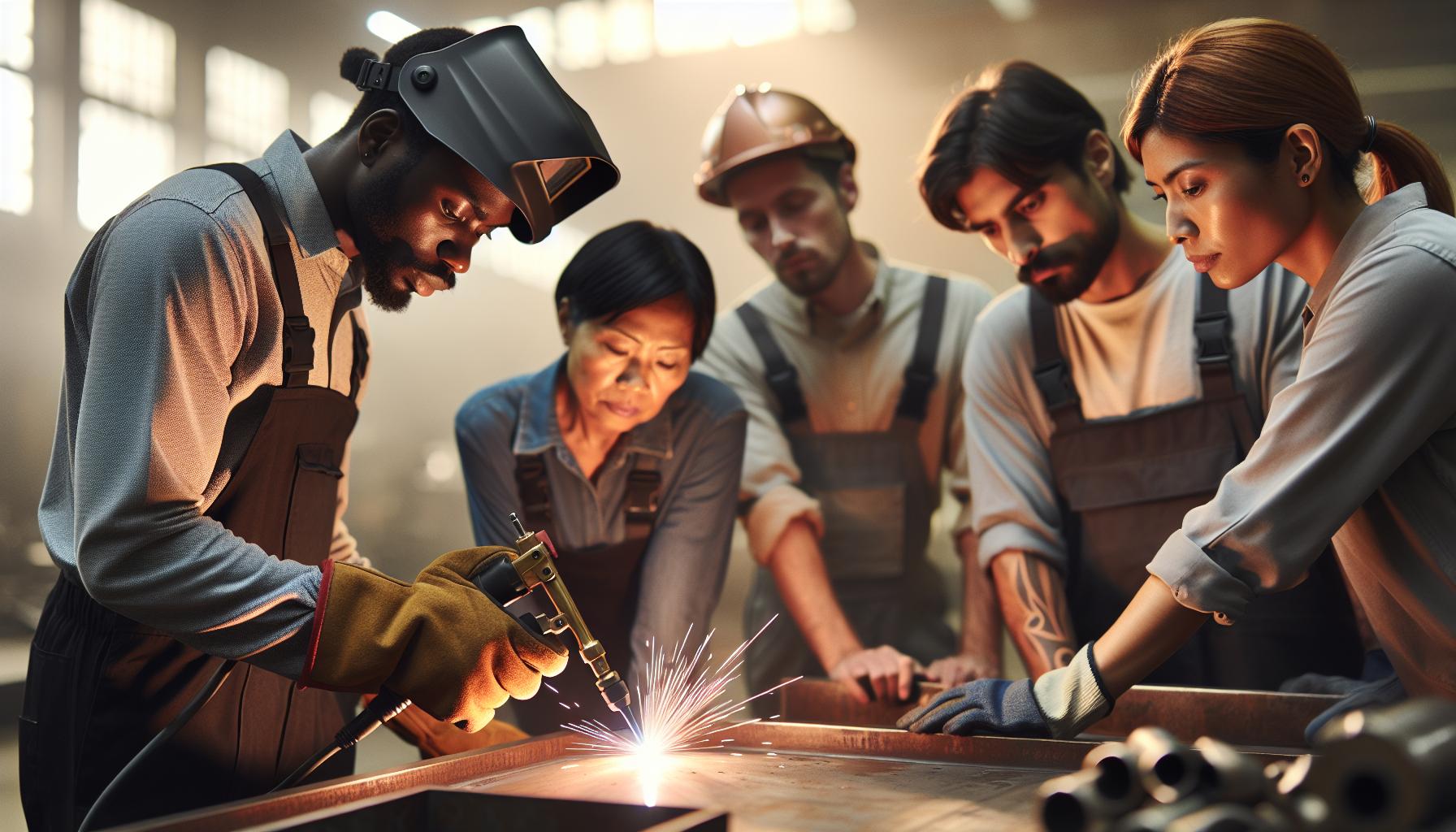
Mastering Plasma Cutting Techniques
Mastering plasma cutting requires not only good technique but also an understanding of how the equipment interacts with different materials. Plasma cutting utilizes a high-temperature plasma arc to melt through metals, making it an efficient tool for both professionals and enthusiastic DIYers. To achieve precision and quality in your cuts, you need to practice essential techniques, maintain a steady hand, and adjust your parameters according to the materials being cut.
One fundamental technique is maintaining a consistent speed as you move the torch along the cutting line. An even pace ensures that the arc can precisely cut through the material without creating excessive dross or slag, which can compromise the integrity of your cuts. For instance, moving too quickly may leave uncut areas, while moving too slowly can result in burn-throughs or ragged edges. Beginners often find it beneficial to visualize their path before starting the cut, taking time to reposition the torch if necessary and ensuring a smooth line of sight.
Another critical aspect is the distance between the cutting torch and the workpiece. Ideally, the torch should remain as close as possible to the surface without touching it. Most plasma cutters are designed to operate effectively at a specific height, so consult your cutter’s manual for the recommended distance. Adapting the height during cutting based on the material thickness can dramatically improve the quality of your cuts. For example, thinner metals require closer proximity to remain effective without creating excessive heat.
Lastly, developing the skill of control during the arc ignition is vital. Initiate the cut by pulling the trigger to ignite the arc, then gradually lower the torch to the material without hesitation. A quick start followed by a well-planned entry can enhance the beginning of the cut, ensuring no material is wasted or damaged. As you gain experience, consider experimenting with different angles and torch positions to see how they affect the cut quality. These techniques, combined with proper equipment choice and setup, will empower you to take on plasma cutting projects like a pro.
Advanced Tips for Precision Cuts
Achieving precision cuts with a plasma cutter can set your work apart from the competition, transforming raw materials into finely crafted pieces. One of the most critical factors in achieving clean, accurate cuts is to utilize the correct amperage settings for the material you’re working with. Thicker materials require higher amperage to ensure that the plasma arc can penetrate effectively, while thinner materials need a lower amperage to prevent burn-throughs. Always refer to your cutter’s manual for specific guidelines on amperage settings paired with the material thickness.
Maintaining a steady hand is paramount, but it’s equally important to consider the angle and position of your plasma cutter. An ideal cutting angle is typically around 45 degrees but can vary based on the application. A consistent angle helps maintain a uniform cut width and depth. Additionally, using a guide or template for intricate cuts can significantly enhance accuracy. For example, using a straight edge or clamping down a jig can stabilize the plasma cutter and produce a clean line, reducing the risk of wandering.
It’s also beneficial to monitor and adjust the air pressure of your plasma cutter’s compressor. The recommended pressure is often specified in the user manual, and working within that range can optimize the plasma arc. Too low pressure can cause inconsistent cutting and increased dross, while too high pressure may create a wider kerf than desired. Regularly checking the air filter for blockages is also crucial, as clean air flow is essential for delivering a stable and powerful arc.
Finally, don’t overlook the finish of your cut; after cutting, a light pass with a flap disc or grinder can remove any minor dross or slag, resulting in a polished finish that enhances the overall quality of your work. By incorporating these advanced tips into your plasma cutting practice, you’ll not only enhance your precision but also expand your creative possibilities in metalworking.
Troubleshooting Common Plasma Cutting Issues
Troubleshooting issues with your plasma cutter can often feel daunting, but understanding the common challenges can streamline your repair efforts and enhance overall cutting performance. One prevalent problem is the absence of an arc, which can render the equipment unusable. This typically stems from a poor ground connection or issues with the torch itself. Ensure that your ground clamp is securely connected to clean, bare metal, as a bad ground can interrupt the electrical flow necessary for the arc to form. Moreover, inspecting the torch for a cracked ceramic cap or damaged swirl ring can be crucial; any physical imperfections can disrupt the plasma flow and arc stability. Replacing these components is a straightforward task that can significantly improve performance.
Another common issue is inconsistent cut quality, which can manifest as rough edges or excessive dross. This is often influenced by the amperage settings relative to the material thickness. If the amperage is too low, it may not penetrate sufficiently, while too high can lead to burn-through. Regularly refer to the manufacturer’s guidelines for ideal settings based on the materials you’re working with. Additionally, maintain even speed while moving the cutter; a steady motion ensures a more uniform cut and reduces the risk of creating slag or other imperfections.
Air pressure plays a critical role in the plasma cutting process as well. Low pressure can lead to weak arcs, while excessive pressure may widen the kerf and diminish the clean cut you’re aiming for. Regular maintenance checks on your compressor and ensuring the air filter is clear are essential to avoid these pitfalls. If you notice an inconsistent flame or burning, recalibrating the air pressure can often correct the issue.
Lastly, unexpected interruptions can be traced back to the internal wiring or switch sub circuitry of the plasma cutter. If the machine suddenly stops or doesn’t respond at all, check the electrical connections and ensure there are no loose wires or faulty switches. Regular inspection and maintenance of these components can prevent larger issues down the line and prolong the life of your plasma cutter. By vigilantly addressing these common problems, you can ensure a reliable cutting experience and achieve professional-quality results every time.
Maintaining Your Plasma Cutter for Long Life
Regular maintenance can significantly extend the life and performance of a plasma cutter, ensuring that it remains a reliable tool for all your cutting needs. One essential practice is to clean the internal components regularly, as built-up debris can affect performance. For instance, using an air compressor to blow out any dust or metal particles from the input and output areas is highly recommended. Additionally, inspect the torch and consumables, such as electrode and nozzle, for wear and replace them as necessary to maintain optimal cutting quality.
Another crucial aspect of maintenance is ensuring that the air supply system is functioning correctly. Low air pressure can compromise arc stability, while dirty filters can lead to inconsistent performance. Regularly check and replace air filters, and maintain the compressor to ensure it’s operating at the right pressure for your specific plasma cutter model. Keeping air hoses free of kinks and damage will also prevent airflow restrictions that could lead to a subpar cutting experience.
Monitoring electrical connections within the plasma cutter is vital for safety and functionality. Loose wiring or corroded contacts can lead to performance issues or even equipment failure. Conduct periodic inspections of connectors and wires, tightening any that have become loose and cleaning corroded contacts. This proactive approach can prevent electrical faults that might otherwise disrupt operation.
Lastly, following the manufacturer’s guidelines for maintenance intervals is crucial. These guidelines often include recommendations for cleaning, inspecting, and testing different components, which can help you stay on track and avoid major repairs down the line. By dedicating time to care for your plasma cutter, you ensure not only its longevity but also consistently high-quality cuts for your projects, enabling you to work like a pro every time.
Exploring Creative Plasma Cutting Projects
Exploring the artistic side of plasma cutting can unlock an array of creative opportunities for hobbyists and professionals alike. This versatile tool not only excels in metal fabrication but also lends itself beautifully to artistic projects. From intricate signage to stunning sculptures, understanding how to leverage the precision and speed of a plasma cutter can help you transform basic sheets of metal into eye-catching works of art.
One engaging project idea involves crafting custom wall art. By using software to design a unique pattern or image, you can then translate this sketch into a plasma cutting template. Materials like mild steel offer a rustic aesthetic, while stainless steel can yield a modern finish when polished. Experimentation with different thicknesses can also unveil various design possibilities; thicker metals provide bold silhouettes, whereas thinner options allow for finer detailing. Once your artwork is cut, consider finishing techniques such as painting or patina treatments to enhance the metal’s natural beauty.
Another exciting direction is fabricating functional items that double as art. Think beyond traditional projects like tables and chairs. For instance, a plasma cutter can be employed to create decorative privacy screens or garden trellises. Incorporating nature-inspired motifs within these designs can blend functionality with artistry beautifully. This approach not only showcases your craftsmanship but also helps personalize outdoor spaces with unique attributes.
When embarking on creative plasma cutting projects, such as those mentioned above, it’s crucial to maintain a focus on safety. Always wear appropriate protective gear, which includes gloves, goggles, and a welding jacket. Additionally, ensure that your workspace is well-ventilated and free from flammable materials, as the heat generated can pose risks if not managed properly.
Ultimately, venturing into creative plasma cutting offers endless possibilities. By combining technical skills with artistic intent, you can not only enhance your craft but also express your individuality through metalwork. Engaging in such projects not only results in tangible creations but also deepens your understanding of the tool’s capabilities, pushing the boundaries of what can be achieved with plasma cutting.
Comparing Plasma Cutting with Other Cutting Methods
While plasma cutting is renowned for its precision and versatility, understanding how it stacks up against other cutting methods is crucial for selecting the right approach for your project. Each technique brings unique strengths and weaknesses, making it vital to evaluate your specific needs before diving into a cutting task.
Plasma cutting excels in speed and precision, particularly when working with thicker materials such as stainless steel and aluminum. Its ability to cut through materials up to 1 inch thick with clean edges and minimal finishing needed sets it apart from traditional methods. In contrast, methods like MIG (Metal Inert Gas) welding are primarily used for joining metals rather than cutting. MIG welding does facilitate some level of cutting in its dual capability, but it lacks the accuracy that plasma cutting can achieve, especially with intricate designs.
Another common method is Oxy-Fuel cutting, which uses a flame produced by burning gas, typically acetylene, to cut through metals. This technique works well for ferrous metals but can be slower and less precise compared to plasma cutting, especially on thin gauge materials. Oxy-fuel requires a significant amount of setup time and is less effective on non-ferrous metals. Conversely, plasma’s speed and ability to handle various materials make it more desirable in fast-paced environments where efficiency and accuracy are paramount.
Additionally, TIG (Tungsten Inert Gas) welding can also function in metal cutting scenarios, yet it’s generally slower and used predominantly for more detailed work and thinner sheets. While TIG offers exquisite control and finish, plasma cutting wins when it comes to broader applications and material thickness versatility. For projects that involve both artistic and structural elements, plasma cutters provide a combination of aesthetic appeal and robust cutting capabilities.
When selecting between these methods, consider factors such as material type, thickness, desired speed, and the nature of the cuts required. For instance, if quick, clean cuts on thicker materials are your priority, plasma cutting is likely your best choice. A comparative understanding of these methods can enhance not only the effectiveness of your projects but also ensure a safer and more productive working environment.
Q&A
Q: What is the best way to practice using a plasma cutter for beginners?
A: The best way for beginners to practice using a plasma cutter is to start with scrap metal. Set up different cutting angles and materials to understand the machine’s handling. Gradually work on more complex cuts as you gain confidence, ensuring to follow safety protocols throughout.
Q: How do I adjust the settings on a plasma cutter for different materials?
A: To adjust settings on a plasma cutter for different materials, consult the manufacturer’s guide for specific amperage and pressure recommendations. Typically, thicker metals require higher amperage. Test your settings on scrap pieces to ensure optimal performance and clean cuts.
Q: Why is it important to maintain my plasma cutter?
A: Maintaining your plasma cutter is crucial for ensuring consistent performance and extending its lifespan. Regular cleaning, checking for wear on consumables, and ensuring proper gas flow can prevent cutting issues and improve safety during operations.
Q: What safety precautions should be taken when using a plasma cutter?
A: Key safety precautions when using a plasma cutter include wearing appropriate personal protective equipment (PPE), such as gloves, a welding helmet with proper shade, and fire-resistant clothing. Ensure proper ventilation and keep flammable materials away from the cutting area to enhance safety.
Q: Can plasma cutting be used for intricate designs?
A: Yes, plasma cutting is well-suited for intricate designs due to its precision capabilities. Use fine tips and a steady hand, along with a well-planned template, to achieve detailed shapes. Practice on scrap metal to refine your techniques before tackling complex projects.
Q: What common mistakes do beginners make when plasma cutting?
A: Common mistakes include incorrect settings adjustment, improper distance between the torch and workpiece, and lack of preparation that can lead to poor cuts. Beginners should pay attention to machine settings and practice techniques to improve their results.
Q: How can I ensure clean cuts when plasma cutting?
A: To ensure clean cuts, maintain a consistent speed and angle while cutting, and use the appropriate amperage for the material thickness. Properly managing the distance between the nozzle and the workpiece also contributes to cleaner edges.
Q: What types of projects are ideal for plasma cutting?
A: Ideal projects for plasma cutting include metal art, signage, and custom brackets. Its versatility allows for a range of applications, from automotive repairs to fabrication of metal structures, making it useful for both hobbyists and professionals.
Key Takeaways
Congratulations on mastering the essential techniques to use a plasma cutter like a pro! From understanding your equipment to practicing safety protocols, you’re now equipped to tackle projects with precision. Don’t let today’s insights end here-dive deeper into our detailed guides on MIG and TIG welding to further enhance your skills. Also, consider exploring our equipment reviews to ensure you’re using the best tools for your needs.
If you have questions or successes to share, drop them in the comments! We love hearing from our community and supporting your journey. Don’t forget to subscribe to our newsletter for more expert tips and exclusive resources. Act now and elevate your metalworking game-your next project awaits!


