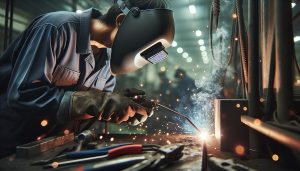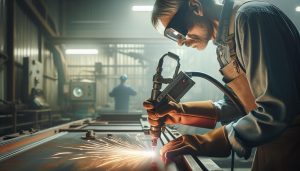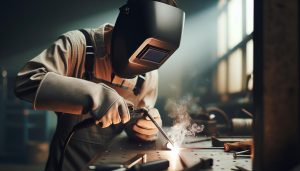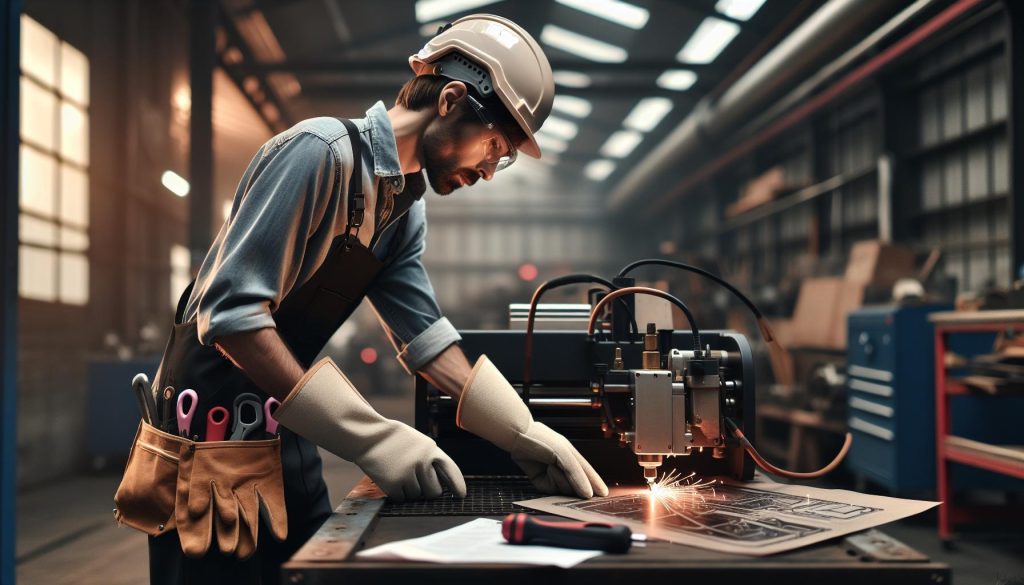
Plasma cutters are invaluable tools for metalworking, but when they intermittently stop during operation, it can be frustrating and disruptive. Whether you’re a beginner or a seasoned welder, understanding the common reasons behind these stoppages is crucial for maintaining your workflow and ensuring safety. Frequent interruptions not only hamper productivity but can also compromise the quality of your work. In this article, we will explore seven quick fixes to help you diagnose and resolve the issues that cause your plasma cutter to halt unexpectedly. By addressing these problems, you’ll gain greater control over your projects, enhance your efficiency, and ultimately achieve smoother cuts and better results. Let’s dive in and troubleshoot your plasma cutter to keep it running at peak performance!
Common Reasons for Plasma Cutter Shutdowns
Experiencing unexpected shutdowns with a plasma cutter can be frustrating and often points to specific underlying issues that require attention. One of the most prevalent reasons for these interruptions is thermal overload. Plasma cutters generate significant heat during operation, and if this heat exceeds the device’s safe threshold, it will automatically shut down to prevent damage. This thermal protection mechanism can be triggered by prolonged use without breaks or inadequate ventilation, emphasizing the necessity for proper cooling and planned downtime.
Another common culprit is air supply inconsistency. Plasma cutters rely on a steady airflow to sustain the arc and efficiently cut through materials. If there are leaks in the air supply lines, insufficient air pressure, or incorrect gas types being used, it can lead to erratic performance and eventual shutdown. Regularly inspecting air hoses for wear and ensuring that the compressor is functioning optimally can help mitigate this issue.
In addition, electrical problems such as loose connections, frayed wires, or faults in the power supply can lead to operational failures. Ensuring that all electrical connections are secure and checking for signs of wear in cables are essential steps in maintaining reliable performance. Lastly, wear and tear on consumables like nozzles and electrodes can diminish effectiveness over time, which may cause the cutter to stop abruptly. Regularly checking these components and replacing them when necessary can significantly reduce the likelihood of sudden shutdowns.
By addressing these factors-thermal protection, air supply integrity, electrical connections, and consumable wear-operators can enhance the reliability and efficiency of their plasma cutters, reducing the frequency of interruptions and improving the overall cutting experience.
Understanding the Plasma Cutter Operating Cycle
The operating cycle of a plasma cutter is engineered for efficiency and precision, yet understanding this cycle is fundamental to troubleshooting issues like unexpected shutdowns. Plasma cutters work by generating a high-temperature arc that ionizes gas, transforming it into plasma capable of cutting through conductive materials. This process occurs in distinct phases: initiation, cutting, and cooling. Each phase has specific requirements and indicators that operators should be aware of to maintain optimal performance and prevent distress signals indicating a potential shutdown.
During the initiation phase, the plasma cutter’s arc is established. This is where the power supply must deliver a significant surge of electricity to ionize the gas and ignite the arc effectively. If the torch fails to start, factors such as incorrect settings or issues in voltage can impede this phase. Ensuring the right parameters are set according to the material thickness and type being cut is essential. Operators should regularly verify the integrity of their electrical connections, as loose connections can cause fluctuations that jeopardize this crucial step.
Once the arc is established, the cutting phase begins. Here, maintaining proper air supply and pressure is vital for a stable arc. Inconsistent air supply can lead to poor performance, erratic cutting, or even premature shutdowns due to overheating. Proper airflow cools the system and aids in efficient cutting. Regular maintenance of air hoses and pressure regulators is recommended to prevent leaks and ensure optimal function. Monitoring the use cycle, including cutting time versus rest periods, is necessary to avoid thermal overload – a leading cause of automatic shutdowns.
The final phase, cooling, is often overlooked but is critical for longevity. After extended use, plasma cutters need adequate downtime to cool off, preventing thermal shutdowns. Operators should establish a routine that includes rest intervals, especially during heavy workloads, to allow the system to dissipate heat effectively. Regular maintenance checks and an active approach to understanding the operating cycle empowers operators to address potential issues proactively, keeping their plasma cutting operations running smoothly and efficiently.
Signs of Overheating and Thermal Protection
Overheating is a common yet critical issue that can severely impact plasma cutter performance. Not only does it pose risks to the machine itself, but it can also lead to compromised safety for the operator. Knowing the signs of overheating and understanding the thermal protection mechanisms within plasma cutters can help prevent unexpected shutdowns and prolong the life of the equipment.
One of the first indicators of overheating is a significant drop in cutting efficiency. If the plasma cutter struggles to maintain an arc or the cut quality deteriorates, it may be the result of excessive heat buildup. Additionally, operators may notice unusual smells or the sounds of the unit straining under the heat, which are clear signals that action should be taken. Check for the following signs of overheating:
- Temperature Warning Lights: Many plasma cutters are equipped with thermal protection features that trigger warning lights or indicators when temperatures exceed safe operating levels.
- Automatic Shutdowns: In most cases, the plasma cutter will automatically shut down to prevent damage, especially if it exceeds its thermal limits.
- Physical Hot Spots: Touching the casing or components can reveal hot spots, particularly after extended cutting sessions, indicating that cooling may be insufficient.
Most plasma cutters feature robust thermal protection systems that automatically engage when overheating occurs. These systems are designed to safeguard the internal circuitry and components, ensuring that the machine shuts down before significant damage can occur. For effective thermal management, follow these practical tips:
Maintaining Optimal Operation
- Monitor Use Cycles: Implement a regular pattern of cutting and cooldown periods, particularly during intensive jobs. Allow the cutter to rest and dissipate heat effectively.
- Ensure Proper Air Supply: Inadequate airflow can exacerbate overheating. Regularly inspect air hoses and pressure levels to maintain an uninterrupted supply of cool air to the system.
- Perform Regular Maintenance: Keeping components clean and in good condition will enhance airflow and reduce heat buildup. Check filters, clean out any carbon buildup, and inspect for signs of wear in critical parts.
By understanding these signs and implementing strong preventative measures, operators can maintain the reliability of their plasma cutting equipment while enhancing their overall cutting performance. Addressing overheating issues not only protects the machine but also ensures high-quality, safe work in the workshop.
How Air Supply Issues Affect Performance
Air supply is an essential factor in the performance of plasma cutters, often determining the success and efficiency of your cutting tasks. Inadequate or inconsistent air pressure can lead to a host of problems, including a weakened plasma arc, increased operating temperatures, and even the total failure of the cutter to start. The quality of the airflow directly affects the creation of the plasma arc, which is crucial for cutting through various materials effectively. If you’re experiencing unexpected shutdowns or a lack of cutting precision, assessing your air supply may be your first step.
The air supply system’s integrity is paramount. Issues such as clogged air filters or damaged hoses can restrict airflow, preventing the plasma cutter from achieving optimal pressure levels and, consequently, a strong arc. Regularly inspecting and replacing air filters when they become dirty is a best practice that can prevent performance degradation. Similarly, ensure that hoses are free from kinks and leaks, and maintain a clear flow from the compressor to the plasma cutter. It’s worth noting that the type of air used can also impact performance; dried, filtered compressed air is recommended to avoid moisture accumulation in the system that could lead to misfiring or internal rusting.
For those cutting thicker materials or working in industrial settings, the air pressure requirement may increase. A common guideline is to maintain an air pressure of around 90 to 125 psi, depending on your specific plasma cutter model and the material being cut. Constant monitoring of the pressure gauge can provide instant feedback on whether the supplied air is within the required range. If the gauge indicates low pressure, even for brief moments, the plasma cutter may automatically shut down to protect its internal components, leaving you frustrated and halting progress.
To enhance the longevity and reliability of your plasma cutter, consider implementing a routine maintenance schedule for the air supply system. This includes checking for leaks, cleaning filters regularly, and ensuring the compressor is functioning optimally. Utilizing an oil-water separator can also remove moisture from the air supply, ensuring that your plasma cutter operates smoothly and efficiently under various conditions. Following these steps not only improves cutting performance but also reduces downtime, allowing you to work seamlessly without interruptions.
Troubleshooting Electrical Connections and Cables
Electrical connections and cables are the lifeblood of plasma cutters, powering the essential components that make precise cuts possible. Without proper maintenance and troubleshooting of these electrical systems, welders may find their machines abruptly shutting down or experiencing inconsistent performance. Regular inspections and a keen eye for electrical integrity can make all the difference in ensuring optimal operation.
Start by checking the power source to confirm it is supplying the required voltage. Fluctuations in power can result in the plasma cutter shutting down unexpectedly. If you suspect undulations, using a multimeter to measure voltage at the outlet can help identify issues. Additionally, inspect the primary power cables for signs of wear, such as fraying or cracking, which can lead to electrical shorts or inconsistent power delivery. Remember to ensure all connections are tight, as loose terminals can create resistance, causing overheating and potential failure.
It’s also crucial to examine the ground connections as improper grounding can lead to erratic performance or even hazardous conditions. Make sure the ground clamp is securely attached to a clean, unpainted metal surface. Lack of a solid ground connection can not only diminish cutting efficiency but can also pose a safety risk.
Moreover, consider the condition of internal components such as circuit boards and connections. If the cutter has been exposed to extreme conditions, such as excessive heat or moisture, inspect for corrosion or damage. Even small amounts of corrosion at connections can significantly impact performance by introducing resistance. Should you find any damaged components, replacing them promptly will help maintain the longevity of your machine.
By methodically examining these areas, you can address electrical issues before they lead to significant downtime. Regular maintenance and proactive troubleshooting of electrical connections and cables not only keeps your plasma cutter running smoothly but also enhances performance and safety in your workspace.
Inspecting Consumables for Wear and Damage
The efficiency and performance of a plasma cutter greatly depend on the condition of its consumables. Worn or damaged parts, such as nozzles, electrodes, and swirl rings, can lead to erratic cuts, reduced speed, or even complete shutdowns of the machine. Regular inspection of these components is essential for maintaining optimal cutting performance and preventing downtime. Ignoring wear can not only diminish cutting quality but can also pose safety risks.
One of the first things to examine is the electrode. This component is critical as it generates the arc needed for cutting. Over time, electrodes can become pitted or eroded due to the intense heat during operation. If you notice any noticeable wear, such as a rounded tip or discoloration, it’s time for a replacement. A simple test is to check the arc stability; if the cutter struggles to maintain a consistent arc, inspected electrodes may be at fault.
Next, turn your attention to the nozzle. As the piece that directs the plasma flow, a clogged or damaged nozzle can significantly affect cutting performance. Inspect for any signs of overheating or deformation. If the hole is not perfectly round or appears enlarged, it may be time to change it out. Additionally, consider keeping a spare set of nozzles on hand, as they can wear out quicker than anticipated.
Swirl rings, which help stabilize the plasma arc, should also be examined. A malfunctioning swirl ring can cause turbulence in the gas flow, leading to an unstable arc and possibly contributing to erratic cutting performance. Check for cracks or wear around the edges, as these can disrupt the gas flow and affect cutting results.
To systematically inspect consumables, consider implementing a checklist:
- Electrodes: Check for pitting, erosion, or discoloration.
- Nozzles: Look for clogs, roundness, and melting.
- Swirl Rings: Inspect for cracks and wear.
By maintaining a routine for inspecting these components, you can ensure your plasma cutter remains reliable and efficient. Regular replacement of worn consumables not only extends the lifespan of the equipment but also maximizes cutting efficiency and enhances the overall safety of your welding operations.
Adjusting Settings for Optimal Cutting Performance
Achieving optimal cutting performance with a plasma cutter hinges on the precise adjustment of various settings tailored to the task at hand. Ensuring that parameters such as amperage, voltage, and cutting speed are correctly set can greatly increase the effectiveness of cuts and prevent unscheduled shutdowns of the machine. Each plasma cutter model may feature different settings, but understanding the fundamental principles can guide effective adjustments.
One of the primary factors to consider is the thickness and type of material being cut. Materials like steel require different settings than aluminum due to their varied thermal conductivity and melting points. Often, the ideal approach is to consult the plasma cutter’s user manual for specific recommendations on cutting settings per material. Adjusting amperage is crucial; too low amperage may lead to incomplete cuts, while too high can cause excessive heat and motor strain, leading to shutdowns. It’s also important to experiment with cutting speeds. A slow cutting speed can produce a cleaner edge but might overheat the torch, while cutting too quickly can result in a rough finish.
Additionally, proper adjustment of the air pressure and flow rate helps maintain an efficient cutting arc. For most plasma cutters, the optimal air pressure is typically between 60 to 75 psi. High pressure can cause arcing issues, leading to erratic cutting, while low pressure can create a weak plasma stream, resulting in poor cutting performance. Regularly checking and calibrating these settings can reduce the risk of machine failure.
In practice, keeping a log of your settings during various jobs can provide insights into which configurations yield the best results for specific applications. This empirical data can serve as a valuable reference for future projects, mitigating the trial and error process. Furthermore, maintaining communication with other welders or accessing forums can unveil tips and tricks used by professionals to optimize equipment settings based on collective experiences.
Keep in mind that the integrity of the plasma cutter’s components also plays a role in how effectively it operates under adjusted settings. Continuously monitor the arc stability and cut quality after making changes, ensuring that any adjustments not only enhance performance but also keep the machine running smoothly without unexpected interruptions.
What to Do When the Torch Fails to Ignite
When a plasma cutter’s torch fails to ignite, it can be frustrating, especially when you’re in the middle of a project. Understanding the possible causes and solutions is essential to getting back on track. The ignition process is crucial for producing the plasma arc that cuts through materials, and numerous factors might contribute to the failure. Commonly, issues can stem from electrical connections, air supply problems, or even malfunctions within the torch itself.
First, verify the power supply. A faulty electrical connection can easily disrupt ignition. Check that your plasma cutter is correctly plugged in and that the power switch is in the ON position. Look for any signs of damage on the power cord or connectors. If you’re using an extension cord, ensure it’s suitable for the power requirements of the plasma cutter to prevent voltage drops that may impede operation.
Next, inspect the air supply. A properly functioning plasma cutter requires a consistent air flow, typically provided by a designated air compressor. Air pressure should be checked; if it’s too low, the torch may not be able to create the necessary arc. Ensure the air filter is clean and free of debris, as blockages can restrict airflow. Additionally, if your torch includes a built-in moisture separator, confirm that it is functioning correctly to avoid any water contamination that can lead to ignition issues.
Moreover, don’t overlook the condition of the consumables-specifically, the electrode and nozzle. These components are integral to the ignition process. If they are worn or damaged, they must be replaced to restore effective performance. Regular inspection of these parts can prevent unexpected downtime and keep your cutting operations smooth.
If all these initial checks are in order and the torch still doesn’t ignite, you might need to delve deeper into the electronics of the machine. Consult the manufacturer’s manual for specific troubleshooting steps related to your plasma cutter model. In certain cases, it may require specialized knowledge to address electronic components safely. Should the problem persist, seeking professional repair services could help avoid further damage and ensure a more permanent solution.
Maintaining Proper Grounding Techniques
is crucial for the reliable operation of a plasma cutter. Grounding not only ensures a safe working environment by preventing electrical shock, but it also plays a significant role in the performance and stability of your welding equipment. A well-grounded system minimizes the chances of voltage spikes and interference, which can lead to erratic cutting behavior and premature shutdowns.
To begin with, always connect the ground clamp directly to the workpiece you are cutting. This connection should be made on clean, unpainted metal to ensure maximum conductivity. If the metal is dirty, rusty, or coated with paint, it can create resistance that disrupts the arc stability and introduces complications in performance. Here are some essential tips for achieving effective grounding:
- Choose the Right Location: Attach the ground clamp as close to the cutting area as possible. The distance from the grounding point can affect the arc’s stability.
- Inspect Ground Cables: Regularly check your grounding cables for frays, wear, or corrosion. Any damage can hinder the grounding effectiveness, increasing the likelihood of electrical issues.
- Use Adequate Grounding Equipment: Depending on the power capacity of your plasma cutter, ensure that you are using the recommended gauge wire for your grounding setup. Thicker cables can carry more current and reduce resistance.
Another important aspect of grounding is ensuring that your plasma cutter itself is properly isolated from other electrical devices to reduce ground loops. Ground loops can create unwanted pathways for current, which can affect performance and cause inconsistent cutting. To mitigate these risks, dedicated circuits for high-power equipment like plasma cutters can be beneficial, isolating them from other power sources.
By committing to rigorous grounding practices, you not only enhance the functionality of your plasma cutter but also contribute to a safer work environment. Familiarize yourself with the grounding specifications outlined in the manufacturer’s manual and integrate regular checks into your maintenance routine. This proactive approach can significantly reduce the frequency of operation disruptions and ensure your equipment performs at its best.
Preventative Maintenance Tips for Longevity
Regular maintenance of your plasma cutter is essential for ensuring longevity and consistent performance. A well-maintained machine not only enhances cutting quality but also minimizes the risk of unexpected shutdowns, which can halt production and lead to costly repairs. Simple preventative measures can greatly extend the lifespan of your equipment and keep it running smoothly.
Start by establishing a routine cleaning schedule; plasma cutters often accumulate dust, metal shavings, and slag that can obstruct airflow and cause overheating. After each use, ensure that the air filter and vent areas are clean. This simple step can prevent blockages that may lead to overheating and system failures. Additionally, inspect the torch and its components regularly. Look for signs of wear or damage, such as a cracked nozzle or electrode, and replace them promptly to avoid cutting inefficiencies and potential machine damage.
Keep an eye on the air supply as well. Ensure that the compressor and hoses are free from moisture and contaminants, as these can affect cutting quality and lead to erratic operation. Regularly change the air filters according to the manufacturer’s recommendations to maintain optimal performance. Moreover, periodically check all electrical connections and cables for signs of corrosion or wear. Loose or damaged connections can disrupt power flow, resulting in malfunctions during operation.
Lastly, adjust the machine settings based on the material being cut. Every material, whether aluminum or steel, requires specific amperage and speed settings for optimal cutting performance. Refer to the manufacturer’s guidelines to determine the appropriate settings for different materials and thicknesses. Implementing these preventative maintenance strategies will not only enhance the reliability of your plasma cutter but will also significantly reduce downtime, keeping your operations efficient and productive.
When to Seek Professional Repair Services
When experiencing frequent shutdowns with a plasma cutter, several symptoms may signal that professional repair services are required. Relying solely on DIY troubleshooting can lead to more significant issues if the underlying problem is complex or unfamiliar. Recognizing when to engage a qualified technician can save time and prevent further damage to your equipment, ensuring your operations remain seamless.
One of the first indicators that professional help is necessary is persistent failure to ignite the torch despite all standard troubleshooting methods being exhausted. If basic issues like checking gas flows, inspecting consumables, and adjusting settings have been addressed and the torch still won’t ignite, it may point to more intricate electrical or ignition system failures. Issues such as malfunctioning control boards or faulty ignition components can often require specialized knowledge and tools to repair.
Another key sign is if the plasma cutter demonstrates erratic cutting behavior, such as inconsistent arc stability and severe fluctuations in amperage that cannot be resolved through standard adjustments. These symptoms could indicate deeper mechanical or electronic faults, such as damaged internal wiring or issues within the power supply unit. Attempting to fix these problems without the appropriate expertise can lead to further complications and potentially hazardous situations.
Additionally, excessive overheating that persists even after addressing air supply and thermal protection issues should prompt a call for professional service. Overheating can be indicative of a failing cooling system, inadequate airflow due to internal blockages, or even coolant leaks. A technician can assess these conditions safely and effectively, ensuring that all aspects of the cooling system are thoroughly evaluated and repaired.
Engaging professional repair services not only ensures that your plasma cutter is fixed correctly but also allows for a comprehensive review of your equipment. A technician can offer valuable insights into achieving optimal performance and may suggest upgrades or routine maintenance tips tailored to your specific needs. Always prioritize safety and efficiency by recognizing when it’s time to seek expert assistance, allowing your business to maintain productivity without the risk of further equipment failure.
Faq
Q: Why does my plasma cutter turn off randomly?
A: A plasma cutter may turn off randomly due to overheating or thermal protection activation. Check the cooling system and ensure adequate airflow. Also, inspect the power supply and connections for consistency. If the issue persists, consult the troubleshooting section of your manual.
Q: How do I check if the air supply is causing my plasma cutter to stop?
A: To verify that air supply issues aren’t causing your plasma cutter to stop, ensure the compressor is functioning correctly and check for kinks in the hose. Monitor air pressure and flow, referring to your cutter’s specifications. Problems with air supply can directly impact cutting performance.
Q: What are signs my plasma cutter’s consumables need replacing?
A: Signs that your plasma cutter’s consumables need replacing include inconsistent cutting quality, increased nozzle drag, and a rough cut edge. Regularly inspect the electrode and nozzle for wear or damage. Replacing worn consumables can enhance cutting efficiency and prevent further shutdowns.
Q: How can improper settings affect my plasma cutter?
A: Incorrect settings on your plasma cutter can lead to poor cutting performance and increased likelihood of shutdowns. Ensure the voltage and amperage match the material thickness you are cutting. Adjusting the settings for optimal performance is crucial for avoiding interruptions.
Q: What should I do if my plasma cutter sparks but won’t ignite?
A: If your plasma cutter sparks but won’t ignite, check the torch assembly for blockages or damage. Inspect the electrode and nozzle for proper alignment. Ensure the air supply is stable. Cleaning or replacing consumables can often resolve ignition problems.
Q: How often should I perform maintenance on my plasma cutter?
A: Regular maintenance on your plasma cutter should be performed every few sessions or after extensive use. This includes cleaning filters, checking consumables, and ensuring electrical connections are secure. Preventative maintenance helps extend the life of your equipment and reduces unexpected failures.
Q: When should I seek professional repair for my plasma cutter?
A: You should seek professional repair for your plasma cutter if troubleshooting fails to resolve recurring issues, especially if electrical components appear damaged or you notice persistent overheating. Regular inspections by a technician can prevent costly repairs down the line.
Q: Why might my plasma cutter make unusual noises while operating?
A: Unusual noises from your plasma cutter can signal air supply issues, loose components, or damaged consumables. Inspect the machine thoroughly to identify the source of the sound. Addressing mechanical issues promptly will prevent further complications.
In Conclusion
Resolving issues with your plasma cutter is crucial to maintaining efficiency in your projects. By applying the quick fixes outlined, you can prevent future interruptions and keep your work running smoothly. Don’t let minor setbacks derail your progress-take action today! If you’re keen to dive deeper, check out our guide on essential welding equipment reviews to better understand what tools can enhance your cutting experience or explore our safety protocols to ensure you’re operating at peak performance.
For more insights, consider subscribing to our newsletter for ongoing tips and updates tailored to your welding needs. Your feedback matters, so share your experiences or questions in the comments below-we’re here to help! By staying engaged with our resources, you can boost your skills and confidence, making every project a success.