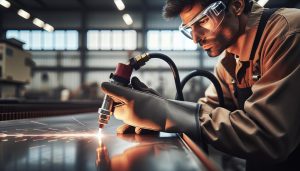
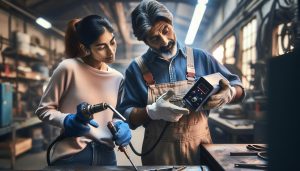
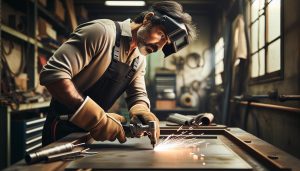
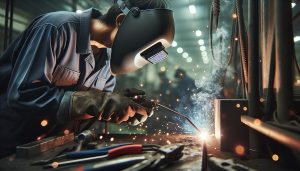
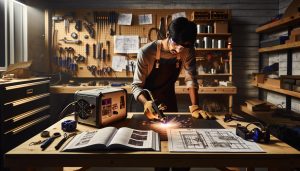
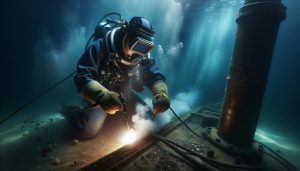
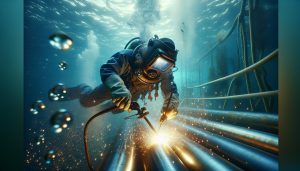
Underwater welding is one of the most challenging and high-stakes professions in the world, often described as a fusion of artistry and engineering performed in extreme conditions. Operatives must not only master traditional welding techniques such as MIG and TIG but also adapt them to the unique challenges of working beneath the water’s surface. This profession ensures the safety and integrity of vital infrastructure like pipelines and ships, making it essential for our modern economy. With the right skills and safety protocols, underwater welders can turn hazardous environments into productive workplaces, addressing crucial repairs or installations. Whether you’re considering a career in this field or simply want to understand the intricate processes involved, exploring underwater welding promises to unveil a world where precision meets peril, ensuring you appreciate the value of this extraordinary craft. Join us as we dive deep into how underwater welding works and discover what it takes to excel in one of the most demanding jobs out there.
How Underwater Welding Works: A Technical Overview
Underwater welding is one of the most technically demanding welding processes, combining the skills of a diver with the precision of welding technology. The essential principle behind underwater welding involves creating an electric arc under water to melt and fuse metals. This is achieved through two primary methods: wet welding and dry welding. Wet welding, commonly done at depths up to 400 feet, utilizes flux-coated electrodes that help protect the weld from water. In contrast, dry welding involves sealing the work area in a chamber where the pressure and conditions mimic that of a dry environment, allowing for a more traditional approach similar to above-water welding.
In wet welding, the diver uses a specially designed waterproof electricity supply connected to the electrode holder. As the diver enters the water, they create an electric arc by bringing the electrode into contact with the workpiece, which emits intense heat to melt the base metal, forming a weld pool. The unique challenges of water add complexities, such as increased cooling rates that can lead to brittleness in welds. Therefore, welders are trained to manipulate the arc characteristics and the electrode feed to achieve strong and reliable welds while maintaining safety and efficiency.
The choice of materials during underwater welding is critical due to the aquatic environment. Common materials welded underwater include steel and aluminum. Each material demands different techniques and settings, ensuring that the final weld adheres to structural integrity standards. Achieving proper fusion requires not just technical skill but also an understanding of how different metals respond to heat and water. Moreover, the diver’s ability to work with precision in often challenging environments-a skill honed through extensive training-is paramount for successful outcomes.
This extreme job requires welders to possess certifications in both diving and welding, enabling them to manage both the technical aspects of welding and the physical demands of underwater work. The combination of these skills is essential to produce high-quality welds that meet industrial standards while ensuring the safety and efficiency of operations at great depths. As technology continues to evolve, underwater welding techniques will likely improve, incorporating advanced tools and equipment that enhance safety and effectiveness in this demanding profession.
The Science Behind Underwater Welding Techniques
Underwater welding operates at the intersection of advanced welding techniques and the unique challenges presented by aquatic environments. The core principle revolves around creating an electric arc underwater that allows for the melting and fusing of metals, which is achieved through various welding methods. This specialized skill set not only demands high-level technical proficiency but also an intricate understanding of the behavior of materials under water.
The two predominant methods employed in underwater welding are wet welding and dry welding, each with its specific conditions and applications. In wet welding, which occurs at depths typically up to 400 feet, skilled divers utilize flux-coated electrodes that protect the weld from water contamination. The diver initiates an electric arc by contacting the electrode with the workpiece, generating enough heat to fuse the metals. This process, however, comes with significant challenges, such as rapid cooling due to water, which can lead to brittleness in the weld. Effective underwater welders must adeptly adjust their techniques to ensure proper heat management and weld integrity.
In contrast, dry welding is performed in specially designed chambers that allow for a dry atmosphere, which closely resembles traditional above-water welding conditions. This method is particularly advantageous for intricate repairs or in situations where high structural integrity is critical. By controlling environmental variables such as pressure and temperature, dry welding permits the use of standard welding techniques applicable to common materials like steel and aluminum. Mastery of these materials is crucial; each requires unique settings and approaches, demonstrating the need for profound material science knowledge among divers.
To excel in underwater welding, practitioners must balance both the art of welding and the complexities of diving. This includes a comprehensive training regimen that covers safety protocols, equipment handling, and technical skills. As technology advances, the tools available for underwater welding are evolving, promoting greater efficiency and safety. Maintaining certification through recognized training programs not only enhances the welder’s skills but also ensures adherence to industry standards, making their expertise indispensable in underwater construction and repair sectors.
Essential Equipment for Underwater Welding
Underwater welding is an intricate process that relies heavily on specialized equipment to ensure both effectiveness and safety. Diving into the depths of ocean environments presents unique challenges that standard welding gear simply cannot accommodate. Therefore, the underwater welder’s toolkit is composed of advanced technologies and materials designed specifically for tackling the rigors of submerged operations.
A key component of any underwater welder’s equipment is the dive suit, which is essential for protecting the welder from cold temperatures and potential hazards in the water. Most divers utilize a dry suit, allowing for thermal insulation while keeping the water out. Combined with a reliable dive helmet that provides communication capabilities and breathing gas, this gear forms the foundation for safe underwater work. Additionally, various lights and cameras are often employed to enhance visibility and monitor the welding process.
In terms of welding machinery, the two common methods employed – wet and dry welding – require different setups. Wet welding typically involves a portable welding machine that can function underwater. These machines must be water-resistant and often come with flux-coated electrodes that help expel moisture from the weld area. For dry welding, which requires a controlled environment, welders depend on complex saturation systems that include a dry chamber to maintain a favorable atmosphere. This setup allows for the use of traditional welding techniques, involving sophisticated equipment such as gas-shielded MIG or TIG welding machines for high-precision tasks.
Moreover, the choice of welding rods and materials plays a significant role in underwater operations. Most underwater welders utilize electrodes specifically designed for marine environments, capable of fusing materials such as steel and aluminum effectively. Proper selection and handling of these materials are critical since different metals require varying welding techniques and settings. Strong attention to detail during the setup and execution of each welding project is essential to ensure structural integrity and safety.
In summary, the encompasses not only the welding machinery itself but also crucial protective gear and operational aids that enhance functionality and safety. Mastering the use of this specialized equipment allows underwater welders to effectively meet the demands of their challenging vocation while ensuring high standards of safety and precision in their craft.
Safety Protocols for Extreme Underwater Work
Ensuring safety during underwater welding is paramount, given the unique hazards posed by working in submerged environments. The complex interplay of high pressure, low temperature, and potential for electrical hazards creates a setting where meticulous planning and adherence to protocols can mean the difference between life and death for welders.
Before any underwater engagement begins, a thorough risk assessment must be conducted. This involves evaluating the work environment for potential hazards, such as strong currents, poor visibility, and marine life presence. Regular safety drills are essential to prepare the welding team for emergency situations, ensuring they can react swiftly and effectively. Proper training in emergency protocols, including the use of diver emergency gas systems (DEG), is critical. Each diver should have a buddy system in place, which allows for constant communication and safety checks throughout the operation.
Moreover, the equipment used must meet stringent safety standards. Regular inspections of welding machines, diving gear, and buoyancy control devices ensure they are functioning correctly and are safe to use. It’s vital that welders wear appropriate personal protective equipment (PPE), including dive suits capable of withstanding high pressures, helmets with built-in communication systems, and gloves designed for thermal protection against hot welds. When working at significant depths, divers should be mindful of decompression sickness; thus, employing dive tables or computers to track ascent rates and necessary safety stops is crucial.
Proper electrical safety measures must be implemented, particularly when using underwater welding machines. The use of insulated equipment minimizes the risk of electrical shock, and grounding of welding machines is required to prevent stray currents. Welders must be trained in recognizing and mitigating electrical hazards specific to the marine environment, including ensuring that all electrical connections are watertight and that tools are used within their specified ranges to prevent failures.
In summary, prioritizing safety in underwater welding involves detailed planning, rigorous training, and adherence to strict equipment maintenance. By understanding and preparing for the inherent risks associated with extreme underwater work, welders can execute their tasks effectively while ensuring their safety and that of their teammates.
Types of Underwater Welding: MIG, TIG, and More

Underwater welding is an extraordinary fusion of art and science, where welders harness the principles of traditional welding techniques in one of the planet’s most challenging environments. The main methods employed-MIG (Metal Inert Gas), TIG (Tungsten Inert Gas), stick welding, and flux-cored welding-each have distinct characteristics that make them suitable for various underwater tasks, ranging from repair work to the construction of subsea structures.
MIG Welding
MIG welding, known for its speed and versatility, is a popular choice for underwater applications. This technique utilizes a continuous wire feed as an electrode and an inert gas, typically argon or helium, to protect the weld pool from atmospheric contamination. Underwater, the use of MIG welding requires modification to the equipment to ensure watertight connections and prevent electrical hazards. As a result, specially designed MIG torches and power supplies are essential to accommodate pressures and conditions below the surface.
TIG Welding
TIG welding is recognized for producing high-quality, precise welds, especially on materials like aluminum and stainless steel that are commonly used in marine environments. This method employs a non-consumable tungsten electrode and a separate filler material, which allows for greater control over the weld pool. Underwater welding with TIG often requires preheating the materials to combat the thermal shock caused by cold water. Furthermore, the welder must wear a specialized helmet that can accommodate wet or hazardous conditions while maintaining visibility.
Stick Welding and Flux-Cored Welding
Stick welding, or SMAW (Shielded Metal Arc Welding), remains an effective option for underwater projects, particularly when working in conditions where mobility is limited. It utilizes a consumable electrode coated in flux, which generates a shielding gas and slag to protect the weld from contamination. This method is particularly advantageous for its simplicity and equipment portability, making it suitable for various underwater repair applications.
Flux-cored welding combines the benefits of MIG and stick welding by using a tubular wire filled with flux, which can be effective even in adverse conditions like underwater. It provides better penetration and is less affected by surface contaminants, making it an excellent choice for repair work on pipelines and other submerged structures.
Practical Considerations
Each welding technique presents unique challenges under the water’s surface, such as visibility issues, water pressure, and the potential for electrical hazards. In practice, welders must be proficient in multiple techniques to adapt to the specific requirements of each job site. Regular equipment checks and maintenance, alongside proper training in each method, ensure safety and efficiency in these extreme conditions.
By understanding the capabilities and applications of MIG, TIG, stick, and flux-cored welding techniques, underwater welders can select the most appropriate method for their tasks, ultimately resulting in high-quality, reliable repairs and constructions in marine environments.
Challenges Faced by Underwater Welders
Underwater welding presents a formidable array of challenges, making it one of the most demanding occupations. The unique underwater environment introduces factors that are seldom encountered in standard welding tasks. For instance, low visibility is a persistent issue, often worsened by water turbidity and depth. Welders must often rely on their tactile senses to guide their techniques, which can complicate precision work significantly. The need to perform in low-light or murky conditions necessitates specialized lighting equipment and often relies on their familiarity with the materials being worked on.
In addition to visibility challenges, underwater welders must contend with extreme water pressure that increases with depth. This pressure can impact tools and welding equipment, potentially leading to equipment failure if not properly maintained. The risk of electrical hazards is ever-present, considering the combination of water and electrical tools. As such, welders require not only precise equipment but also a rigorous understanding of electrical safety and the implementation of waterproof technology to ensure their safety.
Another significant challenge is dealing with thermal gradients. The cold water can rapidly cool down the weld area, affecting the integrity of the weld. Welders often utilize techniques like preheating materials or adapting their welding speeds to compensate for the rapid heat loss. Each type of welding-be it MIG, TIG, or flux-cored-carries its own specific complications that must be navigated expertly. For example, using TIG welding underwater necessitates careful attention to maintaining the weld pool’s stability despite the disruptive effects of the surrounding water.
Moreover, environmental factors such as strong currents can significantly affect the welder’s ability to perform tasks. These currents can make simple maneuvers difficult and require welders to have excellent physical conditioning and training to maintain their position while working. The combination of these challenges not only demands a high level of technical skill and adaptability but also emphasizes the need for continuous training and safety protocols to manage the inherent risks associated with underwater welding. Thus, preparation, thorough knowledge of equipment and techniques, and experience are vital for success in this extreme field.
Career Pathways in Underwater Welding
Underwater welding is not just an extreme job; it’s a gateway to numerous promising career pathways that attract skilled tradespeople with a sense of adventure and technical acumen. These pathways often begin with basic training in welding techniques and evolve into specialized roles that require a blend of underwater diving skills and advanced welding expertise. Many professionals in this field start as traditional welders, gaining experience in MIG, TIG, and stick welding on land before transitioning to underwater operations. This foundational knowledge is crucial, as the principles of welding remain constant, though the environment dramatically changes.
As you consider potential career pathways, you can explore roles such as commercial diver, underwater inspection diver, or marine construction technician. Each role has its unique requirements and responsibilities:
- Commercial Diver: These divers often work in a variety of underwater environments, performing tasks such as maintenance, repair, and inspection of platforms, pipelines, and other structures.
- Underwater Inspection Diver: Specializing in inspections, these professionals use their welding skills to fix issues that arise during routine inspections of underwater structures.
- Marine Construction Technician: Professionals in this field not only weld but also assist in constructing underwater facilities and installations, often collaborating with engineers and project managers.
Furthermore, professionals in underwater welding can advance their careers by gaining certifications in advanced diving techniques or underwater welding standards, such as those offered by the American Welding Society (AWS) or the Association of Diving Contractors International (ADCI). These certifications not only increase employability but often lead to opportunities in management roles or specialized projects, potentially leading to higher pay and job stability.
Real-world examples illustrate the career prospects in underwater welding. Many welders find themselves in lucrative contract positions working for oil and gas companies, underwater construction firms, or even government agencies focused on infrastructure in marine environments. The ability to navigate through the complexities of underwater welding, including understanding the oceanic conditions and their impacts on the work, can set professionals apart in an evolving job market with ongoing technological advancements.
As you navigate your career in underwater welding, continuous education and adaptation to new equipment and techniques will be invaluable. Staying engaged in professional communities, participating in workshops, and obtaining further certifications can greatly enhance career longevity and satisfaction in this challenging yet rewarding field.
The Future of Underwater Welding Technology
Rapid advancements in technology are set to revolutionize underwater welding, a field that combines the complexities of both welding and deep-sea operation. As industries increasingly depend on underwater structures-ranging from oil rigs to underwater pipelines-the need for efficient, safe, and innovative welding solutions is becoming more critical. Emerging technologies such as robotic welding, remotely operated vehicles (ROVs), and advanced materials are reshaping traditional practices, significantly improving safety and effectiveness.
Robotic systems are at the forefront of this transformation. These machines can perform precise welding tasks in hazardous environments, minimizing risk to human divers. For instance, ROVs equipped with advanced welding capabilities can be deployed in deep waters where human access is limited, allowing for the maintenance and repair of underwater structures without endangering divers. Additionally, training programs are evolving to incorporate simulation technologies that provide prospective underwater welders with a realistic and safe environment to practice their skills.
In conjunction with robotics, real-time data analytics and monitoring systems are becoming integral to underwater welding operations. These systems provide operators with immediate feedback on the welding process, detecting issues such as temperature fluctuations or improper current levels. Incorporating this level of precision not only enhances the quality of welds but also extends the lifespan of underwater structures by ensuring that repairs and constructions meet stringent engineering standards.
Furthermore, advancements in materials science are yielding new welding rods and fluxes specifically designed for underwater use. These innovations allow for better adhesion and increased resistance to environmental stresses, significantly enhancing the durability of underwater welds. Professionals will benefit from staying informed about these materials, as they offer improved performance over traditional options, paving the way for longer-lasting underwater installations.
As the future unfolds, continuous education in the latest technologies and techniques will be paramount for underwater welders. Engaging with professional organizations and participating in ongoing training initiatives will not only keep welders abreast of industry developments but also provide them with essential skills to thrive in this dynamic field. By embracing these advancements, underwater welding professionals can look forward to a future marked by increased job safety and enhanced operational efficiency, propelling their careers into uncharted waters.
Real-Life Applications of Underwater Welding

Underwater welding is a critical process that plays a pivotal role in the maintenance and construction of various underwater structures, particularly in the oil and gas, marine, and construction industries. The application of welding beneath the surface is not merely a niche operation; it serves as a backbone for vital infrastructure such as pipelines, ship hulls, and underwater cables. This high-stakes environment necessitates specialized techniques and equipment to ensure efficiency and safety.
The most common applications of underwater welding include:
- Pipelines: Underwater welders are often tasked with the repair and installation of pipelines that transport oil and gas. Given the corrosive nature of seawater, using appropriate welding techniques and materials is crucial for long-lasting seals.
- Ship Repairs: Damage to ship hulls can occur from various factors, including collisions, corrosion, and marine growth. Underwater welding allows for prompt repairs, preventing further damage and ensuring vessel safety.
- Offshore Oil Platforms: Maintenance and construction of offshore oil rigs involve welding components like the legs and support structures, which are subject to continuous stress and environmental challenges.
- Bridge and Dock Construction: Underwater welding facilitates the construction of essential components for bridges and docks, ensuring structural integrity while exposing workers to minimal risk from surface conditions.
- Marine Salvage: In the event of shipwrecks or underwater accidents, professional divers utilize welding techniques to stabilize and salvage remains, playing a crucial role in environmental protection and recovery operations.
While underwater welding is indispensable, it comes with challenges unique to its environment. The diver must navigate strong currents, low visibility, and temperature variations, all while ensuring that their welding equipment functions effectively. Techniques such as submerged arc welding, used for MIG or TIG processes, can mitigate many of these challenges, allowing for precise and durable welds.
With advancements in technology, including ROVs equipped for underwater welding, professionals can conduct repairs in difficult-to-reach areas, minimizing risks to human divers. The future of underwater welding is promising, with innovations continuously shaping how these essential tasks are performed. By staying informed and embracing technological advancements, underwater welders can enhance their skills and ensure the resilience of underwater infrastructure.
Training and Certification for Underwater Welders
Training for underwater welders is a multi-faceted journey that combines specialized technical skills, safety awareness, and diving competencies. Aspiring welders not only need to become proficient in various welding techniques such as MIG, TIG, flux core, and stick welding but also must complete rigorous diving certifications. A strong foundation in both areas is essential for success in one of the most demanding and potentially hazardous work environments.
Typically, training begins with obtaining a commercial diving certification from accredited institutions, where candidates learn essential diving safety protocols, emergency rescue procedures, and underwater navigation. This is often followed by specialized underwater welding courses, which focus on the unique challenges of performing welds at significant depths and under varying environmental conditions. Classroom instruction is complemented by hands-on practice in controlled underwater settings, where students can refine their techniques while adhering to safety standards.
Certification Pathways
Achieving certification as an underwater welder typically involves several key stages:
- Commercial Diver Certification: This foundational qualification is necessary before beginning specialized welding training. It includes rigorous training in diving safety, theory, and practical skills.
- Underwater Welding Training: This specialized coursework teaches candidates about different welding methods suitable for underwater environments, as well as the specific equipment, techniques, and materials used.
- Certification Exams: Successful candidates must pass both practical welding examinations and safety assessments to receive their underwater welding certification.
- Continuous Education: Many employers require ongoing training and recertification to ensure welders remain up-to-date with the latest techniques and equipment.
Essential Skills and Equipment
Proficiency in various welding techniques is critical for underwater welders, as different materials and conditions dictate the appropriate method. Familiarity with equipment, such as underwater welding machines and safety gear, ensures that work can be performed efficiently and safely. Additionally, welders must understand the properties of different metals, including aluminum and steel, to select the right materials and techniques for each project.
This rigorous training regimen prepares underwater welders not only to perform their jobs effectively but also to navigate the complexities and challenges inherent in underwater environments. With careful preparation and continued education, these professionals can thrive in their extreme and rewarding careers.
Comparing Underwater Welding with Conventional Methods
Underwater welding is often regarded as one of the most challenging niches within the welding profession, each dive presenting unique hazards and operational nuances that differentiate it significantly from conventional welding methods. While traditional welding can take place in controlled environments-on land, in workshops, or alongside heavy machinery-underwater welding occurs in unpredictable marine settings, adding a layer of complexity that demands specialized training and equipment.
In conventional welding, techniques such as MIG (Metal Inert Gas), TIG (Tungsten Inert Gas), and stick welding rely on well-defined parameters, such as temperature, gas flow, and electrical current, which can be finely adjusted to the conditions of the job. However, underwater welders must contend with additional variables including water temperature, salinity, and pressure, which can significantly affect the welding process. For instance, while TIG welding provides excellent precision and control on land, its effectiveness can diminish underwater due to the cooling effect of water, requiring adjustments in technique and equipment.
Techniques and Equipment Differences
In underwater environments, the choice of welding technique can greatly influence the outcome of the work performed. Here’s how some key welding methods differ:
- MIG Welding: Not commonly used underwater due to potential issues with wire feeding and the need for an inert gas shield. However, specialized underwater MIG systems do exist, often equipped with a flux cored wire to provide sufficient shielding.
- TIG Welding: Preferred for its cleanliness and precision, TIG welding underwater often requires careful management of the tungsten electrode and may necessitate changes in filler material to ensure effectiveness.
- Stick Welding (SMAW): Typically favored for underwater applications due to its versatility and the ability to produce quality welds in various conditions. The use of waterproof electrodes is crucial to prevent moisture-related issues.
- Flux Core Welding: This method can be adapted for underwater use, as the flux within the wire aids in shielding the weld from the surrounding environment, making it a viable option for deeper or more turbulent conditions.
Safety Considerations
Safety is paramount in both welding scenarios; however, the stakes are exponentially higher underwater. Risks such as decompression sickness (the bends), electrical hazards, and entanglement are ever-present. Conventional welding may have risks associated with fumes, overheating, and equipment malfunctions, yet the underwater environment introduces complexities such as depth and visibility challenges. To mitigate these risks, underwater welders are required to adhere to stringent safety protocols, including using dive equipment suited for the specific underwater conditions, employing umbilicals for safety tethering, and utilizing remote monitoring systems when performing high-risk operations.
Ultimately, the choice to pursue underwater welding calls for a deep understanding of both welding principles and diving safety. Those intrigued by the unique challenges presented by this extreme profession should prepare for rigorous training and constant adaptation to varying marine environments, ensuring they remain capable of delivering high-quality work in one of the most demanding settings imaginable.
Frequently asked questions
Q: What are the main types of underwater welding?
A: The primary types of underwater welding include Wet Welding and Dry Welding. Wet Welding involves working directly in water, using specialized rods, while Dry Welding takes place in a hyperbaric chamber where the welders are isolated from water, allowing for a more controlled environment.
Q: How do underwater welding techniques differ from standard welding?
A: Underwater welding techniques differ mainly in environmental adaptations. Welders must account for water pressure, visibility, and potential hazards. Techniques like using specialized electrodes for wet welding and gas mixtures in dry welding are tailored to overcome these unique challenges.
Q: What safety measures are necessary for underwater welders?
A: Safety measures for underwater welders include proper training in emergency procedures, using personal protective equipment (PPE), and ensuring thorough checks of diving gear. They should also monitor pressure levels and maintain communication with surface teams to ensure safety during operations.
Q: What equipment is essential for underwater welding?
A: Essential equipment for underwater welding includes underwater welding machines, specialized welding rods, a wetsuit or drysuit, oxygen tanks, and communication devices. This gear ensures both effective welding and the safety of the welder in challenging underwater environments.
Q: How is training for underwater welding conducted?
A: Training for underwater welding typically involves a combination of classroom instruction and hands-on practice in controlled environments. Certifications often require completing courses in diving safety, welding techniques, and understanding underwater hazards to ensure competence and safety in the field.
Q: What is the average depth at which underwater welders work?
A: Underwater welders typically work at depths ranging from 30 to 300 feet, depending on the project. The depth directly impacts the welding method and equipment used due to variations in water pressure and visibility.
Q: Are there specific challenges faced by underwater welders?
A: Yes, underwater welders face challenges such as limited visibility, strong currents, and the effects of pressure on the body. They must also contend with the risk of electric shock and potential marine life hazards, necessitating advanced skills and precautions.
Q: How does underwater welding impact marine environments?
A: Underwater welding can contribute to marine disruption, such as localized temperature changes and potential habitat damage. It is crucial for welders to adhere to environmental protection guidelines to mitigate these effects during underwater construction or repairs.
In Summary
Understanding how underwater welding works opens up a gateway to one of the most challenging and rewarding careers in the welding industry. As we’ve seen, the techniques specific to underwater environments, such as the use of MIG and TIG welding, demand specialized skills and equipment. If you’re inspired to explore this field further, consider diving into our guides on welding safety protocols and repair solutions to ensure you’re fully prepared for these extreme conditions.
Don’t miss out on the chance to enhance your welding expertise! Subscribe to our newsletter for the latest tips and trends in MIG and stick welding, or connect with our community of professionals to share experiences and advice. Remember, every weld tells a story – are you ready to start yours? Share your thoughts in the comments, and let’s keep the conversation about underwater welding and its incredible opportunities alive!