

Welding is a skill that opens up a world of possibilities, from crafting intricate projects to making essential repairs. Among the various welding methods, the flux welder stands out for its versatility and ease of use, making it an ideal choice for both beginners and seasoned professionals. This technique not only simplifies the welding process but also enhances portability and efficiency, allowing you to work with a variety of materials like steel and aluminum. With the right guidance, mastering flux welding can lead to impressive results and broaden your capabilities in metalworking. In this article, we’ll delve into the fundamentals of flux welding, exploring its benefits, techniques, and tips to help you harness its full potential. Whether you’re looking to start your welding journey or enhance your skills, understanding the principles of flux welding is your gateway to making your projects come to life with precision and confidence.
What is a Flux Welder and How Does It Work?
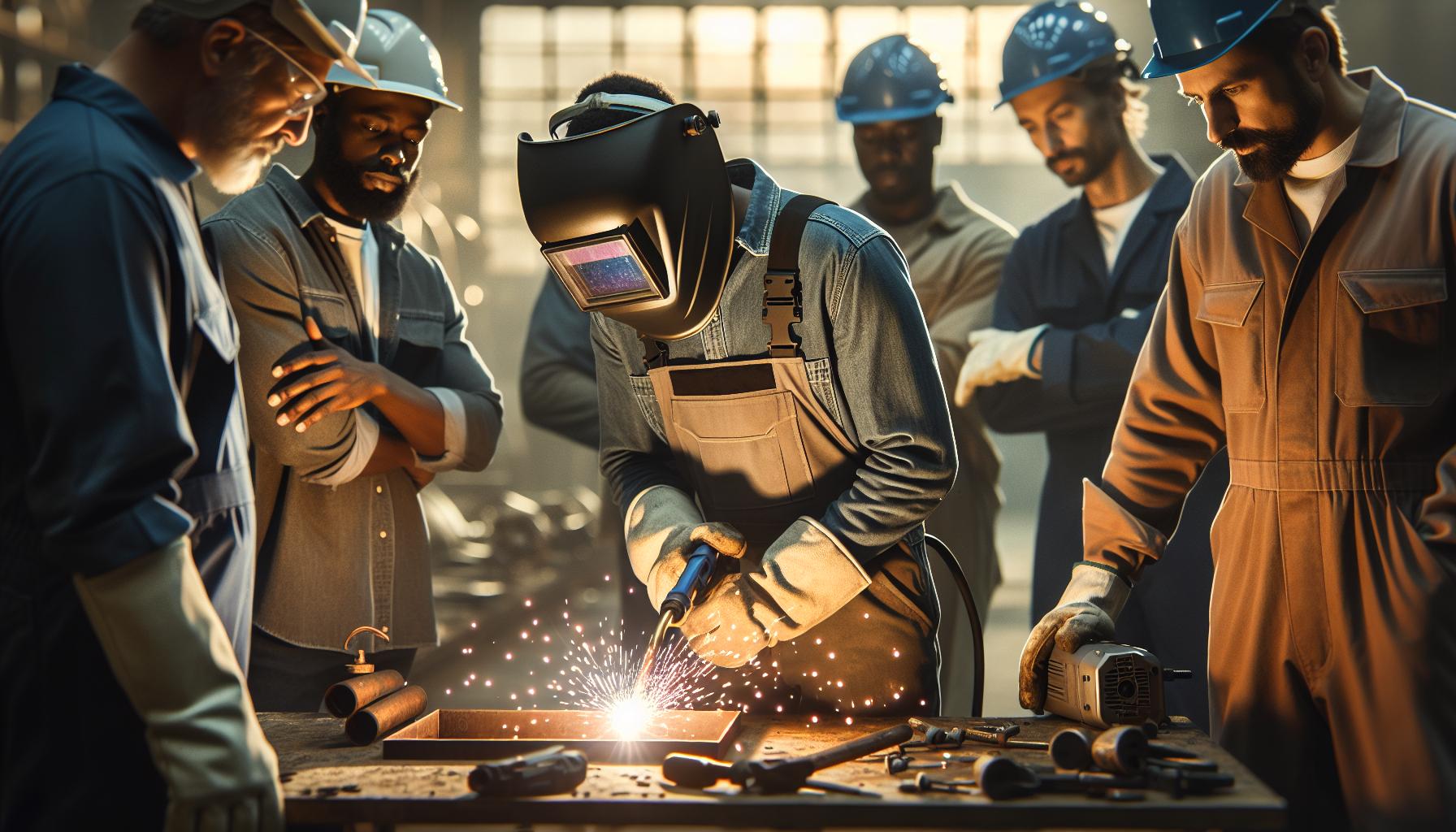
Welding can be a daunting task for beginners, but understanding the role of a flux welder provides a gateway to easy and effective welding. A flux welder is designed to use a specific type of welding wire that contains a flux core, which assists in the welding process by protecting the molten weld pool from contaminants in the air. This essential process creates a shield around the weld, which is crucial for achieving strong, reliable joints, particularly when working with materials like steel and stainless steel.
Flux welding primarily operates on the principle of creating a heat source that melts the flux-cored wire and the base metals to form a bond. The process usually involves a welding machine that feeds the flux wire through a nozzle while an electric arc generates the high temperatures needed for melting. As the wire melts, the flux produces gases that displace the air around the weld pool, preventing oxidation and impurities from weakening the weld. This operation allows for versatility in working conditions, making flux welding suitable for outdoor projects or in environments with high wind, where traditional MIG or TIG welding may be less effective.
The versatility of flux welders also extends to their ability to work with thicker materials and their compatible range of welding wires. For instance, while the welding wire’s diameter can vary, flux core wires are available with different formulations, including gas-shielded and self-shielded options. This selection can affect the penetration and strength of the weld, making it vital to choose the correct type to suit your specific project needs. As you delve into flux welding, observing the specific settings on your welder, such as voltage and wire feed speed, will further enhance your welding skills and outcomes.
Benefits of Using a Flux Welder for Projects
The adaptability of a flux welder makes it a popular choice among both novice and seasoned welders. One of the top benefits lies in its capability to perform well in less-than-ideal conditions. Unlike traditional welding methods that require specific environments, flux welding excels outdoors or in windy locations where shielding gas can be blown away, making it a versatile option for many projects. This feature is particularly advantageous for those who frequently work on field projects or in unconfined areas.
In addition to environmental adaptability, flux welding provides considerable penetration power, allowing it to weld thicker materials effectively. The molten metal produced by the flux-cored wire creates strong, durable bonds, essential in industries that demand robust constructions, such as automotive or structural welding. Furthermore, the self-shielded variety of flux-cored wires eliminates the need for external shielding gases. This saves both time and costs, as welders can operate without the hassle of gas tanks and regulators, streamlining their workflow during projects.
Another significant advantage is the ease of use and learning curve associated with flux welders. Beginners find them easier to handle due to the forgiving nature of flux welding, which reduces the effects of operator errors. The ability to produce sound welds even with varying skill levels encourages more individuals to engage in welding, thus expanding opportunities for both personal projects and professional ventures.
Lastly, the cost-effectiveness of flux welding cannot be overlooked. Flux-cored wires are generally more affordable than other welding consumables, allowing users to complete more projects within budget constraints. This aspect makes flux welding an attractive option for hobbyists and small business owners looking to maximize efficiency without compromising quality. Whether tackling home repairs, custom fabrications, or larger construction jobs, choosing a flux welder can lead to impressive results and substantial savings.
Key Components of a Flux Welding Machine
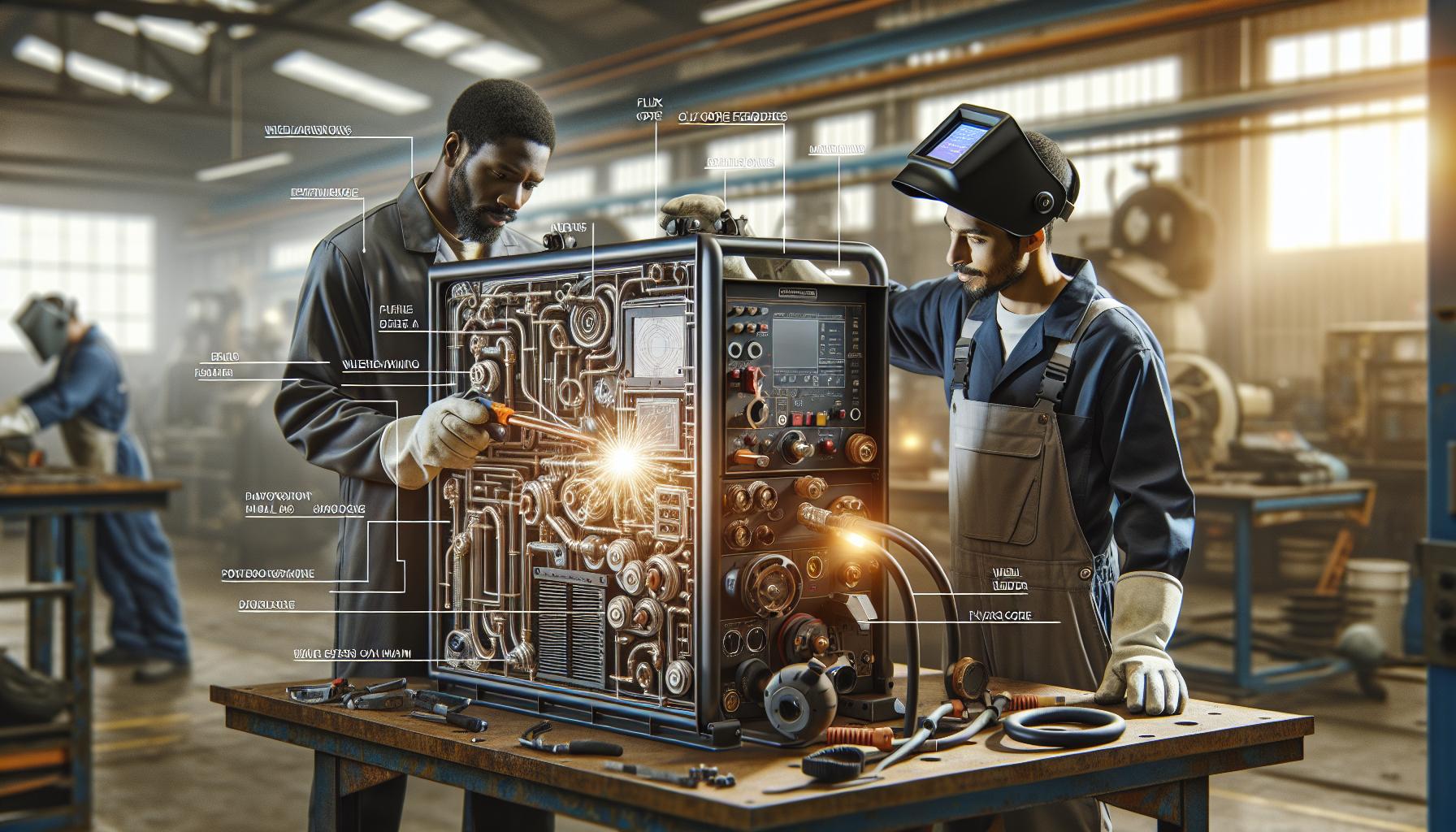
The efficiency and versatility of a flux welder stem from several essential components that work in harmony to deliver high-quality welds. Understanding these parts is crucial for both aspiring welders looking to start their journey and seasoned professionals seeking to enhance their skills. At the heart of every flux welding machine is the flux-cored wire, which serves as both the electrode and the filler material. This wire is designed to melt during the welding process, creating a molten metal pool that fuses the base materials together while also providing a shielding mechanism against contaminants in the air.
Another vital component is the welding machine itself, which typically comprises a power source that delivers the necessary amperage and voltage. This machine features various settings that can be adjusted based on the thickness of the materials being welded and the specific welding technique employed. Many flux welding machines also include adjustable feed rates, allowing welders to control the speed at which the flux-cored wire is fed into the welding pool. This customization is essential for adjusting to different project requirements and ensuring optimal penetration and weld quality.
Control Mechanisms
The control mechanisms of a flux welder include the trigger or control switch, which allows the welder to start and stop the welding process easily. Some advanced models come equipped with integrated digital displays, providing real-time feedback on voltage and amperage, which helps in maintaining consistent welding parameters. Additionally, some systems feature synching technologies that automatically adjust settings based on the wire feed speed, facilitating easier operation.
Protective Gear
Safety is paramount when welding, making protective gear an indispensable component of the setup. Essential items include a welding helmet equipped with an auto-darkening shade, gloves designed to resist high temperatures, and protective clothing made from flame-resistant materials. These pieces not only safeguard the welder from burns and sparks but also enable a clear line of sight for better precision.
Understanding and using the is essential for achieving successful welds. By familiarizing yourself with these elements, you’ll be better prepared to tackle a range of projects, ensuring both safety and quality in your welding endeavors.
Flux Welding Techniques: A Beginner’s Guide
Mastering flux welding techniques is essential for producing strong, high-quality welds, especially for beginners eager to establish a solid foundation in this versatile welding method. Flux welding uniquely relies on a tubular wire filled with flux, which not only acts as a filler material but also generates a shielding gas when melted. This shielding effect is invaluable as it protects the molten weld pool from contamination by the surrounding atmosphere, making flux welding particularly effective outdoors or in windy conditions.
A fundamental technique to grasp is the stringer bead, characterized by a straight line of weld metal applied without weaving the torch. This method is particularly useful for thin materials and requires steady hand movement to maintain a consistent bead. Conversely, the weave technique involves moving the torch in an oscillating motion, allowing welders to distribute heat evenly across wider joints or thicker materials. Mastering these movements not only enhances your control over the weld but also helps prevent defects such as undercutting or poor penetration.
As you progress, understanding the importance of travel speed and wire feed rate will further enhance your welding proficiency. For instance, too fast a travel speed can lead to inadequate penetration, resulting in weak joints, while a slow pace may cause excessive heat input, leading to warping or burn-through, especially in thinner materials. Beginners should experiment with different settings on their machines, documenting how adjustments affect weld quality.
Finally, practicing on various materials, from mild steel to austenitic stainless steel, will help solidify these techniques. Each material behaves differently under an arc, so adaptability is key. With time and practice, you’ll gain the confidence to approach more complex projects while ensuring that safety practices are always at the forefront of your welding endeavors.
Choosing the Right Flux Core Wire for Your Needs
Selecting the appropriate flux core wire for your welding projects can significantly influence the quality and strength of your welds. Different wires are designed for various applications, and understanding their characteristics ensures you make an informed choice. For instance, you’ll encounter two primary wire types: E71T-11 and E71T-GS. The former is often used for welding in all positions, while the latter is tailored for flat and horizontal welding, making it essential to align the wire type with your specific needs and welding position.
When assessing flux core wires, consider factors such as the type of metal you are welding, the environment (indoors vs. outdoors), and the desired penetration and bead appearance. For outdoor use or in windy conditions, wires with additional flux content may provide better shielding against atmospheric contamination. Moreover, it’s vital to assess the diameter of the wire; common sizes range from .030 to .045 inches. Thicker wires are generally recommended for heavier materials, while thinner wires work best for light-duty applications.
Common Types of Flux Core Wire
- E71T-11: Versatile wire suitable for different positions, effective for welding mild steel.
- E71T-GS: Ideal for flatter welds, typically used in sheet metal applications.
- E81T1-Ni1: Designed for nickel alloy welding, particularly useful in harsher environments.
- E71T-8: Known for better impact properties in low temperatures, enhancing strength under duress.
Before committing to a specific wire, conduct a test weld on scrap material. This practice allows you to assess the bead shape, penetration, and overall quality. Additionally, always be aware of the manufacturer’s specifications regarding the wire’s compatibility with your welder settings. Adjusting the voltage and wire feed speed appropriately will help optimize the wire’s performance, resulting in a cleaner and more robust weld. By paying attention to these details when selecting your flux core wire, you can ensure successful outcomes in your welding projects, contributing to your ongoing development as a skilled welder.
Safety Practices for Flux Welding Success
Proper safety practices are essential for anyone engaged in flux welding, as this process presents unique hazards that can lead to injuries if not managed correctly. One of the most critical aspects of flux welding safety is personal protective equipment (PPE). Welders must always wear appropriate gear, including a welding helmet with a proper shade lens to shield against harmful ultraviolet (UV) and infrared (IR) radiation. In addition, gloves, long sleeves, and flame-resistant clothing are vital to protect against spatter and heat. Steel-toed boots not only provide foot protection but also support stability in work environments where equipment and materials can be hazardous.
Creating a safe workspace is equally important. The area should be well-ventilated to disperse harmful fumes generated during welding. Ensure that flammable materials are kept at a safe distance from the welding area, as sparks can easily ignite them. Additionally, having a fire extinguisher within reach is a smart precaution, as it allows for quick action in the event of an emergency. Regularly inspect your equipment for signs of wear and malfunction; this can prevent unexpected failures that might lead to accidents.
Furthermore, understanding and adhering to safe operational practices can significantly reduce risks. Always follow the manufacturer’s instructions for your specific welding machine and be trained in its use. When setting up your equipment, check for proper grounding to divert electrical issues. It’s also advisable to avoid working in confined spaces without proper safety protocols in place, as these conditions can exacerbate exposure to toxic fumes and reduced oxygen levels.
To enhance situational awareness, welders should maintain a clear communication channel with others in the vicinity. Always inform coworkers about ongoing welding operations, especially when working in teams, to prevent accidental injuries. Conducting regular safety meetings can foster a culture of safety, ensuring that all team members remain vigilant and informed about best practices. By prioritizing safety, welders can focus on enhancing their skills while minimizing risks in a challenging yet rewarding field.
Common Mistakes to Avoid in Flux Welding
Mistakes in flux welding can have significant consequences, affecting both the quality of the weld and the safety of the welder. One common error is the inadequate selection of flux core wire. Flux core wires differ in their properties and applications, and using the wrong type can lead to weak welds, excessive spatter, or the presence of slag that is difficult to remove. It is crucial to understand the specifications of the wire being used, including its composition and intended use. For example, choosing a wire designed for steel when welding aluminum can result in a lack of fusion and poor adhesion.
Another frequent pitfall involves insufficient preparation of the base material. Many welders underestimate the importance of cleaning the surfaces to be welded. Contaminants such as rust, grease, or paint can cause defects in the weld and lead to structural weaknesses. Taking the time to properly clean the pieces with a wire brush or appropriate solvent not only improves the quality but also enhances the durability of the weld.
Welders also often overlook the correct settings on their machines. Each project may require different amperage and voltage settings depending on the thickness and type of material being welded. Failing to adjust these parameters correctly can result in issues such as burn-through or poor penetration, leading to an ineffective weld. A good practice is to consult the machine’s manual and perform test welds to dial in the perfect settings before starting the actual project.
Lastly, neglecting to monitor the travel speed during welding can lead to further complications. Moving too quickly can result in undercutting and poor fusion, while moving too slowly may introduce excessive heat, causing warping or burn-through. Maintaining a consistent and appropriate travel speed is vital for achieving strong and reliable welds. Proper training, regular practice, and attention to these common mistakes will not only enhance the welder’s skills but also ensure successful and high-quality welding outcomes.
Understanding Flux Core vs. MIG Welding
The choice between flux core and MIG welding often raises questions, especially for those new to fabrication and metalwork. At its core, both processes aim to join metals, but they utilize different methods and materials that can significantly impact the quality and efficiency of the welding task.
One of the primary distinctions lies in the shielding mechanism. Flux core welding employs a tubular wire filled with flux, which melts during the welding process to create a shielding gas that protects the molten weld pool from oxidation and contamination. This makes flux core an excellent choice for outdoor projects or in windy conditions, as it does not rely on a separate shielding gas like MIG welding does. MIG welding, or Metal Inert Gas welding, utilizes a continuously fed solid wire and an external shielding gas such as argon or CO2, making it ideal for clean and controlled environments.
When it comes to versatility, flux core welding excels with thicker materials and in various positions, offering a deeper penetration which can be advantageous for structural applications. Conversely, MIG welding is generally favored for thinner materials and provides a more aesthetically pleasing finish due to reduced spatter and cleaner welds. For those starting in welding, consider the specifics of your projects; if you’re working with heavier steel or outdoors, flux core may suit your needs better. However, for precision tasks or lighter metals like aluminum, MIG could provide the quality and finesse required.
Ultimately, the choice between flux core and MIG welding comes down to project requirements, skill level, and intended applications. Understanding these differences not only enhances your welding capability but also enables you to successfully tackle a broader range of projects, ensuring stronger joins and higher-quality finishes.
Materials You Can Weld with a Flux Welder
Welding offers an exciting opportunity for both hobbyists and professionals alike, particularly when it comes to the versatility of flux welding. A flux welder can effectively join a wide array of materials, making it a valuable tool in various applications. Understanding what not only enhances your skill set but also allows for the completion of diverse projects, ranging from home repairs to more elaborate constructions.
Steel is the most common material welded using flux-cored arc welding (FCAW). This includes both mild steel and carbon steel, which are ubiquitous in construction and manufacturing. The ability to fuse thick sections of steel seamlessly is one of the major advantages of flux welding. It is particularly suitable for structural elements such as beams, frames, and automotive parts due to its deep penetration capabilities. Additionally, flux welding rules in environments where the weather can be unpredictable; it can be performed outdoors without the need for complicated gas shielding.
Aluminum and stainless steel can also be welded using flux core techniques, though they require more specific approaches and materials. Aluminum, known for its lightweight and corrosion resistance, can be more challenging, so using the appropriate flux-cored wire designed for aluminum is essential. Stainless steel, often used in food processing and chemical industries, benefits from flux welding due to its ability to maintain protective properties and structural integrity. However, it’s crucial to use the right types of flux and electrode combinations to avoid contamination and ensure a clean, strong weld.
When considering the types of metals to work with, remember these key points:
- Mild Steel: Excellent for general welding tasks and structural applications.
- Carbon Steel: Ideal for heavy-duty parts and construction.
- Stainless Steel: Used in applications that require resistance to rust and corrosion.
- Aluminum: Requires specific electrodes; great for lightweight applications.
Utilizing flux welders expands the horizons in the field of metalworking, enabling welders to tackle a wide variety of materials efficiently. Embracing this technique can open doors to numerous projects, improving both skills and project outcomes. However, it is imperative to consider the specific requirements and compatibility of the materials being welded to ensure safety and quality results.
Essential Maintenance Tips for Flux Welding Equipment
To ensure optimal performance and longevity of your flux welding equipment, regular maintenance is paramount. Proper care not only enhances the efficiency of your welder but also ensures safety during operations. Start by keeping your machine clean; accumulated spatter and debris can affect the welding process. After each use, take a moment to clean the nozzle and tip. A buildup can lead to inconsistent arcs and affect weld quality. The manufacturer’s recommendations should guide you in using the right cleaning agents that won’t damage the machine.
Another crucial maintenance step is to check and maintain electrical connections. Loose or damaged cables can not only disrupt performance but may also create safety hazards. Inspect the leads and connectors for signs of wear and replace them if necessary. Additionally, ensure that the drive roller and feed mechanism are functioning properly. Regularly cleaning and lubricating these components will facilitate smooth wire feeding and reduce the chances of wire jams, which can be particularly annoying during lengthy tasks.
Additionally, checking the shielding gas levels and replacing gas cylinders when necessary can support high-quality welds, especially when transitioning between different welding techniques, such as from flux core to MIG welding. It’s wise to establish a checklist for routine inspections to track the condition of filters, gas hoses, and even the welder’s power supply. Staying proactive can prevent issues that might arise during a project, saving you both time and resources.
Lastly, consider the importance of protective gear and workspace. A clean, well-ventilated area not only enhances comfort but also safety. Ensure that your welding area is free from flammable materials, and invest in quality gear-including gloves, masks, and jackets-to protect yourself from sparks and UV radiation. By prioritizing maintenance and safety practices, you not only extend the life of your flux welding equipment but also elevate the quality of your work and mitigate risks on the job.
Career Opportunities in Flux Welding
In today’s fast-paced industrial landscape, the demand for skilled welders is ever-increasing, and flux welding is a prominent area offering abundant career opportunities. With its versatility, ability to work in various environments, and suitability for different materials, mastering flux welding techniques can set professionals apart in sectors such as construction, automotive, and manufacturing. In fact, the U.S. Bureau of Labor Statistics anticipates an 8% growth in welding jobs over the next decade, making it a promising career path for those willing to invest time in developing their skills.
Entering the field often begins with a high school diploma followed by specialized training or apprenticeships. Educational programs in welding technology cover essential techniques, safety protocols, and equipment maintenance, which are vital for any aspiring welder. Completing a program can also provide opportunities for certifications that enhance job prospects within the industry. Many employers favor candidates with American Welding Society (AWS) certifications, which demonstrate a commitment to high-quality welding standards and safety practices.
Working as a flux welder opens the door to various roles, such as fabrication technician, maintenance welder, or welding inspector. Each position requires a varying level of skill and expertise, allowing individuals to choose a career path that aligns with their interests and strengths. For seasoned professionals looking to advance, roles in management or specialized fields such as underwater welding can provide exciting and lucrative opportunities. Continuous education and staying updated with the latest technologies and methods can further enhance career advancement prospects in flux welding and related disciplines.
In addition to traditional job markets, the rise of small businesses and startups in metal fabrication and repair services increases the demand for skilled welders. Flux welding, known for its efficiency and effectiveness, makes it an attractive option for entrepreneurs looking to establish a niche service. Networking with industry professionals and joining welding communities can lead to mentorship opportunities and collaborations, further enhancing professional growth and job security in this rewarding career field.
Advanced Flux Welding Techniques for Professionals
In the realm of flux welding, elevating your skills beyond the basics can significantly enhance your efficiency and quality of work. Advanced techniques allow professional welders to tackle more complex projects, improve the structural integrity of their work, and optimize their welding processes. One of the most essential skills is travel speed adjustment, which varies based on the thickness of the material and the type of joint being welded. Mastering the art of controlling your travel speed not only reduces the risk of burn-through but also enhances penetration and bead appearance.
Additionally, utilizing multiple pass welding can be a game changer, especially for thicker materials. Instead of attempting to weld everything in a single pass, applying several layers allows for greater control over heat input and weld pool stability. Each layer can be tailored to address specific issues, such as incomplete fusion or inconsistent bead size. Moreover, understanding the impact of electrode angle is crucial; a slight tilt can alter the bead shape and penetration depth. A 15-degree angle to the workpiece often improves gas shielding and helps attain a more uniform weld pool.
To further enhance your capabilities, consider adopting backstepping techniques during your workflows. This method involves welding in reverse order, which can help control distortion and improve the overall aesthetics of the finished joint. Such advanced techniques make it imperative to practice regularly, as muscle memory and situational awareness are vital for executing high-quality welds consistently.
Focus on regularly evaluating your setup and equipment, as well. Investing in premium flux cored wires specific to the metals and environments you frequently work in can make a notable difference. Factors like deposition rate and alloy composition are critical; selecting the right flux core wire not only affects the weld quality but also impacts production efficiency. By adopting these advanced techniques and continuously refining your skills, you can position yourself as a proficient and sought-after flux welder in the industry.
Frequently Asked Questions
Q: What are the main types of flux used in flux welding?
A: The main types of flux used in flux welding include metallic and non-metallic types. Metallic fluxes help produce a smoother bead and reduce spatter, while non-metallic fluxes control slag formation, protecting the weld from contamination. Each type plays a crucial role in improving weld quality.
Q: How do I choose the right flux welder for my projects?
A: To choose the right flux welder, consider factors such as the material types you’ll be welding, the thickness of the materials, and the available power supply. Additionally, evaluate the welder’s portability and ease of use, especially if you’ll be working in various settings.
Q: What are some common applications of flux welding?
A: Flux welding is commonly used in construction, automotive repair, and manufacturing. It is ideal for welding thicker materials like steel and is utilized in outdoor environments where wind can disrupt shielding gases used in other welding methods.
Q: Can I use a flux welder for aluminum?
A: While flux welders are primarily designed for steel and iron, specialized flux core wires can be used for aluminum. However, it requires careful selection of the right wire and settings to ensure effective welding, as aluminum has different properties than ferrous materials.
Q: What safety gear is required for flux welding?
A: Essential safety gear for flux welding includes a welding helmet with appropriate lens shade, gloves, and flame-resistant clothing. Additionally, ensure proper ventilation in the workspace to avoid harmful fumes and always keep a fire extinguisher nearby.
Q: How can I improve my flux welding technique?
A: To improve your flux welding technique, practice maintaining a consistent travel speed and angle while welding. Experiment with different settings and wire feed speeds to find what works best for your specific project. Regularly review your welds for quality and adjust accordingly.
Q: What maintenance practices should I follow for my flux welder?
A: Regular maintenance for your flux welder includes cleaning the nozzle, checking for wear on cables and connectors, and ensuring proper gas flow. Additionally, inspect the drive rolls and replace any worn components to maintain optimal performance and prevent issues during welding.
Q: How does flux welding compare to other welding methods?
A: Flux welding is often simpler and more versatile than methods like MIG and TIG welding, especially for outdoor use. It does not require external shielding gas, making it effective in windy conditions but may produce more slag, which requires clean-up after welding.
The Way Forward
Whether you’re a novice looking to start your welding journey or a seasoned expert seeking reliable techniques, understanding the role of a flux welder is crucial. This versatile tool simplifies the welding process across various materials, including aluminum and steel, ensuring strong and clean joints. Now is the time to enhance your welding skills-explore our detailed guides on MIG and TIG welding, or dive into our safety protocols to ensure your projects are completed confidently.
Don’t miss out on improving your craft! Subscribe to our newsletter for expert tips and the latest equipment reviews, or browse our product pages for recommended tools tailored to your needs. Join our community by sharing your experiences or asking questions in the comments section below. Let’s keep the conversation going and help each other excel in the art of welding!


