

Plastic welding may seem daunting, but it’s an essential skill in today’s manufacturing and repair industries. Did you know that millions of products, from everyday household items to complex machinery parts, rely on effective plastic welding for durability and performance? Whether you’re a beginner itching to learn or a seasoned professional looking to refine your technique, understanding how to effectively weld plastic can elevate your projects, ensuring strong, reliable bonds that last. In this guide, we’ll explore revolutionary methods of plastic welding that truly work, addressing your questions and concerns. Discover the practical tips, essential techniques, and safety protocols that can enhance your welding prowess and lead to successful outcomes. Let’s dive into the world of plastic welding and unlock the potential of this vital skill!
Understanding the Science Behind Plastic Welding
The process of welding plastic hinges on a fundamental understanding of thermodynamics and material properties. Plastic welding involves the joining of thermoplastic materials through the application of heat and pressure, which causes the plastic at the interface to melt and fuse together. The importance of surface preparation cannot be overstated; contaminants must be removed to ensure a clean bond. This meticulous attention to detail often makes the difference between a weak joint and a robust one. As thermoplastics have the unique ability to remelt upon heating, controlling the right temperatures across the various stages of welding is critical.
Mechanisms at Play
The science behind plastic welding can be categorized into three essential phases: surface preparation, heat application, and cooling. This triad represents a sequential approach to achieving a successful weld. First, the surfaces to be joined must be aligned and cleaned. Then, heat is applied via various methods such as hot air, ultrasonic, or laser welding, depending on the type of thermoplastic involved, which then allows the surfaces to melt slightly. After achieving proper fusion, the plastic is allowed to cool, solidifying the weld. Each method has unique applications and is influenced by the specific type of thermoplastic being used, making knowledge of the material essential for best results.
Temperature and Pressure Control
Moreover, managing the temperature and pressure during the welding process is crucial. Too much heat can lead to material degradation, while insufficient heat may result in inadequate bonding. For instance, common thermoplastics such as polypropylene and polyethylene have varied melting points that demand precise temperature regulation. In practice, achieving the correct balance may involve adjusting tool speeds, distance from the welding source, and using real-time monitoring equipment to ensure optimal conditions are maintained.
In conclusion, not only equips welders with the knowledge needed to select appropriate methods and materials but also enhances the overall quality and integrity of the final product. With attention to detail and a solid understanding of the properties of the materials being worked with, welders can achieve strong, durable results that stand the test of time.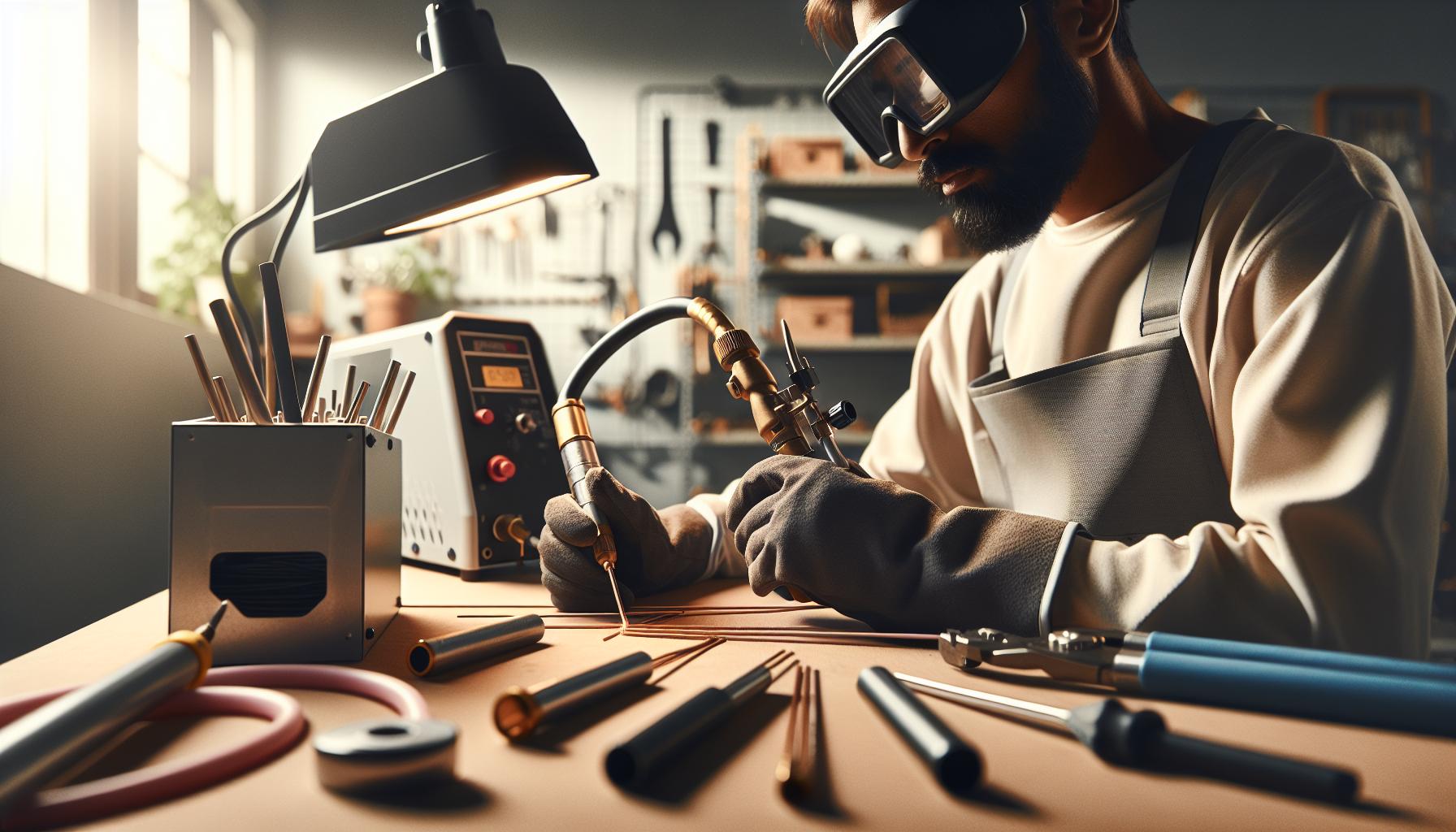
Key Tools and Equipment for Effective Plastic Welding
To achieve successful results in plastic welding, the selection of appropriate tools and equipment is crucial. Effective welding not only hinges on skill but also on having the right apparatus to ensure precision and quality. With a diverse range of thermoplastics and welding techniques available, understanding the specific tools designed for these applications can greatly enhance the welding process.
A key component of plastic welding is the welding gun or nozzle. These devices deliver heat directly to the plastic material. Newer models often feature adjustable temperature controls, which allow operators to customize heat settings according to the type of plastic being welded. For instance, hot air plastic welders such as those from brands like Leister and Weldy are popular for their ease of use and versatility across different materials. Additionally, nozzle size can influence the amount of heat applied, so having interchangeable nozzles for different applications is beneficial.
Another essential tool is the plastic welding rod, which serves as a filler material during the welding process. The choice of welding rod should align with the base materials, as compatibility is vital for achieving strong bonds. For example, when welding polyethylene, using polyethylene rods is necessary to prevent issues related to material incompatibility. These rods come in various diameters and can be solid or hollow, depending on the type of weld and application requirements.
For those employing advanced techniques like ultrasonic or laser welding, specialized equipment such as an ultrasonic welder or laser welder is required. Ultrasonic welders use high-frequency sound waves to create a vibration that melts the plastic at the joining edges, while lasers provide highly focused energy for precise melting. While these machines tend to be more expensive, they offer significant advantages in producing high-quality, strong joints rapidly and with minimal thermal distortion.
Alongside these primary tools, safety equipment is paramount. Protective gloves, safety glasses, and good ventilation are essential to safeguard against fumes generated during welding and to prevent burns from hot tools. A well-ventilated workspace equipped with an exhaust system minimizes inhalation risks, ensuring a secure environment for the operator.
In summary, the arsenal of tools and equipment for plastic welding spans welding guns, compatible rods, specialized machines for advanced techniques, and ample safety gear. Mastery of these tools not only improves the quality of finished work but also enhances the welder’s efficiency, resulting in reliable and robust joints that meet the stringent demands of various applications.
Step-by-Step Guide: How to Weld Plastic
Successful plastic welding combines technical know-how with an understanding of materials and equipment, creating reliable and durable joints. Whether you are working on a DIY project at home or involved in industrial applications, following a systematic approach ensures optimal results. Begin by preparing your workspace. A clean, organized area free from contaminants such as dust or grease can significantly influence the quality of the weld. Good lighting also helps you maintain precision throughout the welding process.
Next, select the appropriate type of plastic and welding rod, ensuring compatibility. For instance, using a polyethylene rod for welding polyethylene parts is crucial to achieving a robust bond. Once you have your materials ready, set up your welding equipment, making sure that the welding gun and nozzle are clean and in good working order. Adjust the temperature settings according to the specific plastic you are welding-this may involve consulting a material datasheet for guidance.
The actual welding process begins with preheating the area of the plastic that will be welded. This step softens the material, making it more receptive to the welding rod. Hold your welding gun at a consistent angle and distance from the workpiece, typically around 0.5 to 1-inch. As the plastic begins to melt, introduce the welding rod into the joint area, ensuring that it fuses seamlessly with both the base materials and itself. Continuously monitor your movements-working too quickly can lead to weak joints, while being too slow might cause overheating and burning of the materials.
After completing the weld, allow the joint to cool undisturbed, as movement during cooling can lead to defects such as warping or cracking. Inspect the weld for uniformity and strength; a properly executed weld should exhibit a smooth finish with no gaps or irregularities. If any issues arise, consider re-evaluating your temperature settings or technique to improve future results. Following this structured approach not only enhances your skill with plastic welding but also ensures high-quality outcomes in every project.
Revolutionary Methods: Comparing Techniques for Success
Plastic welding is a growing field that employs various techniques to create strong, durable joints in plastic materials. Each method has its advantages and is suited to specific applications. Understanding these techniques allows welders to make informed decisions to enhance their projects effectively.
Common Plastic Welding Techniques
Among the most popular methods, hot air welding stands out due to its versatility and simplicity. This process involves directing a stream of heated air onto the plastic surfaces, which are then joined through the addition of a filler rod. The benefit of hot air welding is its ability to weld thermoplastics without requiring extensive pre-treatment.
Another notable technique is ultrasonic welding, which utilizes high-frequency sound waves to generate heat at the weld interface. This method is highly efficient and generates minimal thermal impact on surrounding materials, reducing the risk of thermal distortion. Ultrasonic welding is especially useful for thin-walled plastics and applications where precision is paramount.
Advancements in Technology
Emerging technologies are also redefining plastic welding processes. Laser welding is gaining popularity for its speed and accuracy. It works by focusing laser light on the plastic surface, creating a precise and clean weld. This method is advantageous in applications involving delicate materials and where detailed control over the heat-affected zone is necessary.
Vibration welding is another advanced technique where two plastic parts are brought together and vibrated at high frequency, generating frictional heat that joins the materials. This method is effective for larger parts and is often used in manufacturing automotive components and electronic housings.
Choosing the Right Method
When selecting a technique, it is essential to consider factors such as the type of plastic, required strength of the joint, and production volume. Here are a few considerations:
- Material Compatibility: Ensure the chosen method is suitable for the specific plastic types being welded.
- Joint Design: Certain techniques work better with specific joint designs, such as butt joints or lap joints.
- Production Speed: For high-volume projects, methods like laser and ultrasonic welding may offer faster cycle times.
By understanding these techniques and their potential applications, welders can select the best practices for their projects, leading to stronger and more reliable plastic joints.
Common Challenges in Plastic Welding and Solutions
Plastic welding can often present unique challenges that, if not addressed, may lead to weak joints or complete failure of the weld. One significant issue is the inconsistency of heating. During the welding process, uneven distribution of heat can lead to inadequate melting of the plastic material, causing weak or incomplete joints. To combat this, ensure that the welding equipment is properly calibrated, and use techniques like hot air welding that allow for better control over the temperature distribution. Incorporating temperature indicators can also help monitor the heat levels during the process.
Another common challenge is contamination of the weld area. Oils or dust particles on the plastic surface can prevent proper bonding, leading to failures in the joint. Thoroughly cleaning the surfaces to be welded is critical, using suitable solvents and ensuring the surfaces are dry before proceeding. Utilize dedicated cleaning tools and environmentally safe solvents to maintain the integrity of the material.
The type of plastic being welded also plays a pivotal role in the success of the operation. Different plastics have varying melting points and welding characteristics, which can complicate the welding process. For example, materials like polyethylene and polypropylene require specific techniques that cater to their unique properties. Familiarize yourself with the specific type of plastic you are working with, and choose the welding method that best suits that material-whether it’s ultrasonic, hot air, or laser welding.
Managing Warp and Distortion
Warping and distortion of the plastic can occur due to rapid cooling or insufficient support during the welding process. To mitigate this issue, consider pre-heating the workpieces before welding to reduce the temperature gradient and alleviate stress. This can be especially important in large components where the thermal mass can lead to significant warping. Additionally, using fixtures to hold the pieces in place during the cooling phase can help maintain alignment and prevent distortion.
Finally, achieving consistent penetration depth and proper joint design is crucial for strength. Different welding techniques offer distinct advantages depending on joint geometry-lap joints, butt joints, and corner joints each may require specific considerations. Incorporating well-documented joint designs and welding parameters based on the application ensures reliability and longevity of the weld.
By recognizing these challenges and implementing targeted solutions, welders can enhance the effectiveness of their plastic welding projects, achieving strong and durable results.
Safety Protocols: Protecting Yourself While Welding Plastic
Welding plastic can produce a range of hazards that practitioners need to be acutely aware of. One of the most significant dangers arises from the fumes generated during the melting process, which can contain volatile organic compounds (VOCs) that are harmful when inhaled. This makes it crucial for welders to work in well-ventilated areas and use appropriate respiratory protection, such as N95 masks or respirators equipped with organic vapor cartridges. Additionally, creating a designated workspace that allows for ample airflow can mitigate risks significantly.
Protective gear is equally important in ensuring safety while welding plastic. A full-face shield or safety goggles are necessary to shield the eyes from sparks and hot plastic droplets. Wearing flame-resistant gloves can help prevent burns and protect the hands from sharp edges of plastic. While natural materials are not as common in plastic welding, synthetic clothing should be avoided since it can melt onto the skin in the event of heat exposure. Consider wearing long-sleeved shirts and long pants made from cotton or another breathable, natural fabric to enhance safety.
Another often-overlooked safety protocol involves proper equipment handling and storage. It’s imperative to keep all tools and welding equipment in good working condition, as defects can lead to accidents. Ensure that the welding gun, for instance, is stored properly to prevent any accidental activation, which might cause burns or start fires in flammable surroundings. Regular maintenance and inspection also extend the life of equipment and ensure safety during operation.
Lastly, awareness of your surroundings is paramount. Ensure that combustible materials are kept at a safe distance from the welding site. A fire extinguisher fitting for plastic fires should also be readily accessible and checked regularly to ensure it is fully charged and functional. By adopting these comprehensive safety protocols, welders can significantly reduce the risks associated with plastic welding, enabling a safer and more productive workspace.
Tips and Tricks for Achieving Strong Welds
To achieve strong welds in plastic, a systematic approach that combines technique, material knowledge, and equipment proficiency is essential. A notable key is ensuring surfaces are clean and properly prepared. Contaminants such as grease, oils, or dust can severely weaken the bond. Before beginning, clean the welding area with a suitable solvent, like isopropyl alcohol, and allow it to dry fully. Ensuring a clean work surface prepares the plastic for optimal fusion and minimizes any risk of weak spots in the weld.
The choice of welding method greatly influences the strength of the weld. For instance, using the hot air welding technique is effective for most thermoplastics, such as PVC and HDPE. This process involves heating both surfaces to the melting point, allowing them to fuse together effectively. When employing this method, keep the nozzle at an appropriate distance-usually between 4 to 6 inches to prevent overheating and warping. Maintaining consistent speed and angle of the nozzle helps ensure an even melt and a robust joint. For even better results, consider using a filler rod made from the same material during the welding process. This reinforces the joint as it fuses and encourages a more cohesive bond.
Temperature control is another critical factor. Use an adjustable hot air welder capable of reaching the necessary temperatures specific to the plastic type. Most thermoplastics require a working temperature between 350°F and 600°F. Using the correct temperature prevents overheating, which can lead to burn-through, or underheating, which results in inadequate fusion. Additionally, a temperature-controlled environment aids in consistent results, making the welding process more predictable.
Lastly, patience and practice cannot be overstated. If you’re new to plastic welding or exploring different materials, conducting test welds can help build confidence and skill. Experiment with different settings and techniques on scrap materials before tackling your main project. As you gain experience, you will develop a feel for the right techniques and adjustments necessary to achieve strong, lasting welds. Always remember, strong welds are not solely a product of technique but also the understanding of your materials and equipment.
Repair Solutions: Fixing Common Plastic Welding Issues
Successful plastic welding can sometimes lead to unexpected issues, but understanding these common challenges allows for effective repair and restoration. One frequent problem welders encounter is inadequate bonding, which can often be traced back to insufficient cleanliness or improper temperature settings during the weld. If a joint appears to be weak or fails to hold, inspect the surfaces for contaminants and re-clean them with a suitable solvent. Re-attempt welding at the correct temperature, ensuring that you consistently monitor both the distance from the nozzle and the materials’ melting points.
Another common issue is warping, which typically occurs when too much heat is applied in a localized area. This can lead to dimensional changes in the plastic, resulting in a poor-quality weld. To remedy this, consider using a heat sink-a material designed to absorb excess heat away from the welded areas-or adjust your technique to distribute heat more evenly. You might also explore alternative welding methods, such as using a continuous weld bead instead of a spot weld, which can help mitigate the risk of warping by spreading heat across a broader surface area.
In cases of incomplete fusion, where the individual layers do not adequately bond, a common fix is to increase the welding speed. Slower operation can lead to overheating of the top layer, which prevents proper adhesion to the substrate. A quick pass allows the upper layer to melt just enough to bond without oxidizing or burning. Additionally, if you notice bubbling during the process, it indicates trapped air or moisture. To address this, ensure that the materials are perfectly dry and free of debris before welding begins-this step is crucial in achieving a clean bond.
Finally, for repairs on previously welded joints that have failed, consider using filler rods made from the same type of plastic. This not only reinforces the joint but also provides a more cohesive structural integrity. When dealing with larger repairs, professional-grade adhesive specifically designed for plastics may also be applied to the joint after re-welding, enhancing the overall strength. Achieving expertise in fixing plastic welding issues combines material science with technique precision, ensuring high-quality outcomes in various applications.
Advanced Techniques: Beyond Basic Plastic Welding
To fully unlock the potential of plastic welding, one must explore advanced techniques that go beyond standard methods. One such technique is ultrasonic welding, which utilizes high-frequency ultrasonic vibrations to generate localized heat at the interface of two plastic parts. This method is particularly advantageous for thin-walled and small components, as it allows for rapid processing without the need for additional adhesives or solvents. Ultrasonic welding can achieve strong, permanent joints in mere seconds, making it ideal for high-volume manufacturing in industries such as automotive and electronics.
Another innovative approach is laser welding, where a focused laser beam melts the joint between two pieces of plastic. This technique offers precise control and minimal thermal distortion, making it advantageous for complex shapes and thermally sensitive materials. By using different wavelengths, welders can adapt this method to a variety of plastics, providing versatility in applications from medical devices to consumer products. As the laser’s energy is concentrated on a small area, this minimizes the heat affected zone, preserving the integrity of surrounding materials.
When engaging in more demanding projects, friction stir welding emerges as a powerful advanced technique. This method involves rotating a tool that stirs the materials together, generating heat through friction until they become malleable enough to bond. Friction stir welding is particularly effective with thermoplastics and non-ferrous metals and can be deployed for applications requiring robust joints, such as in transportation and structural components.
Considerations for Advanced Techniques
While these advanced welding methods offer enhanced performance, they also require specialized equipment and trained personnel to ensure effective implementation. It is crucial to use high-quality tools and follow ongoing training to stay updated with evolving technology. In addition, the selection of the right type of plastic for each welding technique is essential; compatibility can significantly influence the longevity and strength of the weld.
By combining traditional and advanced techniques, welders can create customized solutions tailored to specific manufacturing needs, ensuring both excellence in product quality and efficiency in production. Understanding these options empowers welders to innovate, streamline operations, and tackle challenges previously deemed difficult, ultimately pushing the boundaries of what can be achieved in the realm of plastic welding.
Real-World Applications of Plastic Welding
In today’s world, the versatility of plastic welding has unlocked innovative solutions across various industries. This technique is not only essential for creating strong, durable joints in plastic components but also impacts product reliability and performance, influencing everything from consumer goods to critical engineering applications. One notable application of plastic welding is in the automotive sector, where it is used to assemble anything from exterior body panels to intricate interior components. These welded parts often contribute to vehicle safety and weight reduction, key factors in modern automotive engineering that enhance fuel efficiency.
Another significant area is the medical device industry, where precision and sterility are paramount. Here, methods such as laser welding are frequently employed to create tight, reliable seals for components that will house sensitive electronic equipment or biofluids. This ensures the functionality of devices such as infusion pumps and portable medical monitors while maintaining necessary health and safety standards. Ultrasonic welding is also gaining traction here, allowing for quick, environmentally-friendly assembly processes that eliminate the need for adhesives, simplifying manufacturing while reducing contamination risks.
The consumer product market has seen a surge in the application of plastic welding technologies as well. Products like toys, containers, and electronic devices often require strong, aesthetically pleasing joints. The aesthetic component is crucial in design-driven sectors, where the visual continuity of plastic components can significantly affect consumer acceptance. Techniques such as vibration welding and hot plate welding are routinely used to manufacture attractive yet durable consumer goods, which are vital in a competitive marketplace.
Furthermore, industries involved in sustainability efforts are exploring welding methods to recycle plastics effectively. Techniques like extrusion welding are utilized to forge new products from recycled plastic materials, promoting a circular economy. This not only reduces waste but also conserves resources-offering environmentally-conscious solutions that align with global efforts to minimize plastic pollution.
By embracing these diverse applications of plastic welding, industries can not only enhance their product offerings but also improve operational efficiencies and sustainability. As technology continues to evolve, the potential for new methods and applications is boundless, indicating a progressive future for plastic welding in various sectors.
Choosing the Right Type of Plastic for Welding
can significantly impact the success of your project, ensuring strong, durable joints. Different types of plastics possess unique characteristics that affect their weldability, making it essential to understand the materials at your disposal. Commonly used plastics in welding applications include polypropylene (PP), polyethylene (PE), polyvinyl chloride (PVC), and acrylic (PMMA). Each material requires specific techniques and conditions for achieving effective welds.
When selecting a plastic, consider factors such as weldability, temperature resistance, and application compatibility. For example, polypropylene is known for its chemical resistance and flexibility, making it ideal for automotive and packaging applications. In contrast, acrylic offers superior clarity and aesthetic appeal, often used in displays or windows where visual integrity is essential. Understanding these attributes helps in making an informed decision based on the performance requirements of your project.
Guide to Plastic Types for Welding
| Plastic Type | Weldability | Applications |
|---|---|---|
| Polypropylene (PP) | Good, requires heating | Automotive, packaging |
| Polyethylene (PE) | Moderate, needs specific techniques | Containers, chemical storage |
| Polyvinyl Chloride (PVC) | Excellent, easy to weld | Pipes, medical devices |
| Acrylic (PMMA) | Very good, often uses solvent welding | Displays, lighting fixtures |
It’s also essential to assess the environmental conditions the welded joints will face, such as exposure to chemical agents, UV light, or extreme temperatures. This evaluation will guide your choice of plastic, ensuring that the materials can withstand the intended operational environment without compromising the integrity of the weld. For beginners, consulting with suppliers or referring to technical datasheets can provide additional insights into material properties and suitability for welding.
In practice, gaining familiarity with the welding techniques compatible with your chosen plastic can further enhance welding outcomes. For instance, while polyester may require hot air welding, acrylic may be best suited for solvent bonding. By carefully selecting the right type of plastic and employing appropriate welding methods, you create the foundation for strong, reliable plastic joints suitable for a wide range of applications.
Maintaining Your Equipment for Optimal Performance
To ensure optimal performance in plastic welding, maintaining your equipment is crucial. Regular upkeep not only extends the lifespan of your tools but also enhances the quality of your welds, reducing the risks of defects that can compromise the integrity of your projects. A well-maintained plastic welding gun or a hot air welder, for example, will provide consistent heat and flow, critical parameters in achieving strong bonds.
Start with cleaning your welding tools after each use. Residue from previous projects can affect heat distribution and lead to uneven welding. Use a cloth soaked in mineral spirits or a similar solvent to wipe down the nozzle and other contact points. Inspect your equipment regularly for wear and tear, particularly on components like heat guns and welding rods. If you notice any damage-such as frayed wires or damaged nozzles-replace these parts immediately to avoid equipment failure during critical tasks.
Additionally, calibrating the temperature settings on your welding equipment is essential. Different types of plastics require specific welding temperatures to achieve optimal results. Refer to the manufacturer’s guidelines for temperature settings based on the plastic being used, and consider investing in a digital temperature gauge for accurate measurements. This practice helps ensure that you are always operating within the ideal temperature range for every project you undertake.
Lastly, organize and store your equipment properly. Keep your welding rods and tools in a clean, dry place to avoid contamination from dust, moisture, or chemicals that can degrade their performance. Using labeled bins or drawers can help you quickly find the right materials as needed, streamlining your workflow while minimizing setup time for each project. Following these maintenance tips will help you achieve not only better welding results but greater overall efficiency in your plastic welding tasks.
Frequently Asked Questions
Q: What types of plastics can be welded using revolutionary methods?
A: Most thermoplastics, such as polypropylene, polyethylene, and polyvinyl chloride (PVC), can be effectively welded using revolutionary methods. Understanding the properties of these materials is crucial for successful welding. Refer to the section on “Choosing the Right Type of Plastic for Welding” for more guidance.
Q: How do I prepare plastic for welding?
A: Proper preparation involves cleaning the surfaces to remove dirt, grease, and contaminants. Ensure the plastic is free from moisture and roughen the surfaces slightly for better adhesion. This preparation helps achieve a stronger weld, as outlined in the “Step-by-Step Guide: How to Weld Plastic” section.
Q: What are the common mistakes in plastic welding?
A: Common mistakes include inadequate surface preparation, incorrect temperature settings, and using inappropriate welding techniques. These errors can lead to weak joints or weld failure. For solutions to these challenges, see “Common Challenges in Plastic Welding and Solutions.”
Q: Can plastic welding be done at home?
A: Yes, plastic welding can be performed at home using basic tools and materials like a heat gun or plastic welding rod. Ensure proper safety measures and ventilation are in place. More tips are available in the “Safety Protocols: Protecting Yourself While Welding Plastic” section.
Q: What is the difference between hot air and extrusion welding?
A: Hot air welding uses heated air to melt the edges of plastic parts together, while extrusion welding involves feeding molten filler material into the joint. Choosing the right method is crucial for different applications. For an in-depth comparison, check the “Revolutionary Methods: Comparing Techniques for Success” section.
Q: How long does it take for welded plastic to cure?
A: The curing time for welded plastic can vary depending on the type of plastic and welding method used, typically ranging from a few minutes to several hours for full strength. Be sure to follow specific guidelines for the materials you’re working with.
Q: What is the best welding technique for thin plastic?
A: For thin plastic, techniques such as ultrasonic welding or hot air welding are preferred, as they provide precision and minimize the risk of burning. Explore the “Advanced Techniques: Beyond Basic Plastic Welding” section for more techniques.
Q: What safety gear should I use when welding plastic?
A: When welding plastic, it’s essential to wear safety goggles, gloves, and a respirator to protect against fumes and heat. Always work in a well-ventilated area. Refer to the “Safety Protocols: Protecting Yourself While Welding Plastic” section for comprehensive safety measures.
To Conclude
Mastering the art of plastic welding opens up endless possibilities for both repairs and creative projects. By applying the revolutionary techniques shared in our guide, you can confidently tackle any plastic welding challenge while saving time and money. If you’re eager to dive deeper, explore our detailed articles on the various plastic welding methods and essential tools to enhance your skills further.
Don’t miss out on the opportunity to elevate your craftsmanship-check out our recommended resources or consider subscribing to our newsletter for exclusive content and tips tailored for both beginners and seasoned professionals. Your journey into the world of plastic welding is just beginning, and with the right knowledge and tools, you can achieve remarkable results. Join the community of makers and get inspired-share your thoughts in the comments, or explore our related guides on MIG and TIG welding next!


