

Plastic welding is a crucial skill in various industries, as it allows for the effective repair and joining of plastic materials, which are prevalent in everything from automotive parts to household items. With plastic production on the rise, understanding how to properly use a plastic welder not only saves you money but also reduces waste. Whether you’re a DIY enthusiast tackling home repairs or a professional looking to enhance your skill set, mastering the art of plastic welding can open doors to new opportunities and solutions. By following simple steps and adhering to safety protocols, you can elevate your projects and ensure durable results. Continue reading to uncover essential techniques and tips that will guide you toward success in your plastic welding endeavors.
Understanding Plastic Welders: Types and Uses
Plastic welding is an essential technique used across various industries to create durable and resilient joints in plastic materials. Understanding the different types of plastic welders and their specific uses is crucial for both novice and experienced welders aiming to produce high-quality results. Plastic welders come in several forms, primarily determined by the welding method and application.
Some of the most common types of plastic welders include:
Hot Air Welders
Hot air welders utilize a stream of heated air to soften the edges of plastic parts, allowing them to be fused together. This method is particularly effective for thermoplastics such as PVC and polyethylene.
Ultrasonic Welders
Ultrasonic welding employs high-frequency sound waves to create frictional heat, which melts the plastic at the joint. This type is ideal for small, intricate parts often found in the automotive and electronics industries due to its speed and precision.
Infrared Welders
Infrared welders use infrared heating elements to heat the plastic surfaces. This method is highly effective for larger components and offers excellent control over the welding temperature.
Spin Welders
Spin welding involves one part being rotated against another fixed part, generating friction that melts the plastic at the joint. It’s commonly used for cylindrical components.
The choice of welder typically depends on the specific application, the materials involved, and the desired joint characteristics. For instance, hot air welders are widely used in outdoor and construction applications due to their versatility, whereas ultrasonic welders are preferred in medical device manufacturing because of their clean and efficient operation.
Understanding the nuances of these welding methods enables welders to select the most suitable equipment for their projects, ensuring better joint strength and efficiency in production. As you delve deeper into plastic welding, recognizing these differences and applications will equip you with the knowledge to achieve professional results.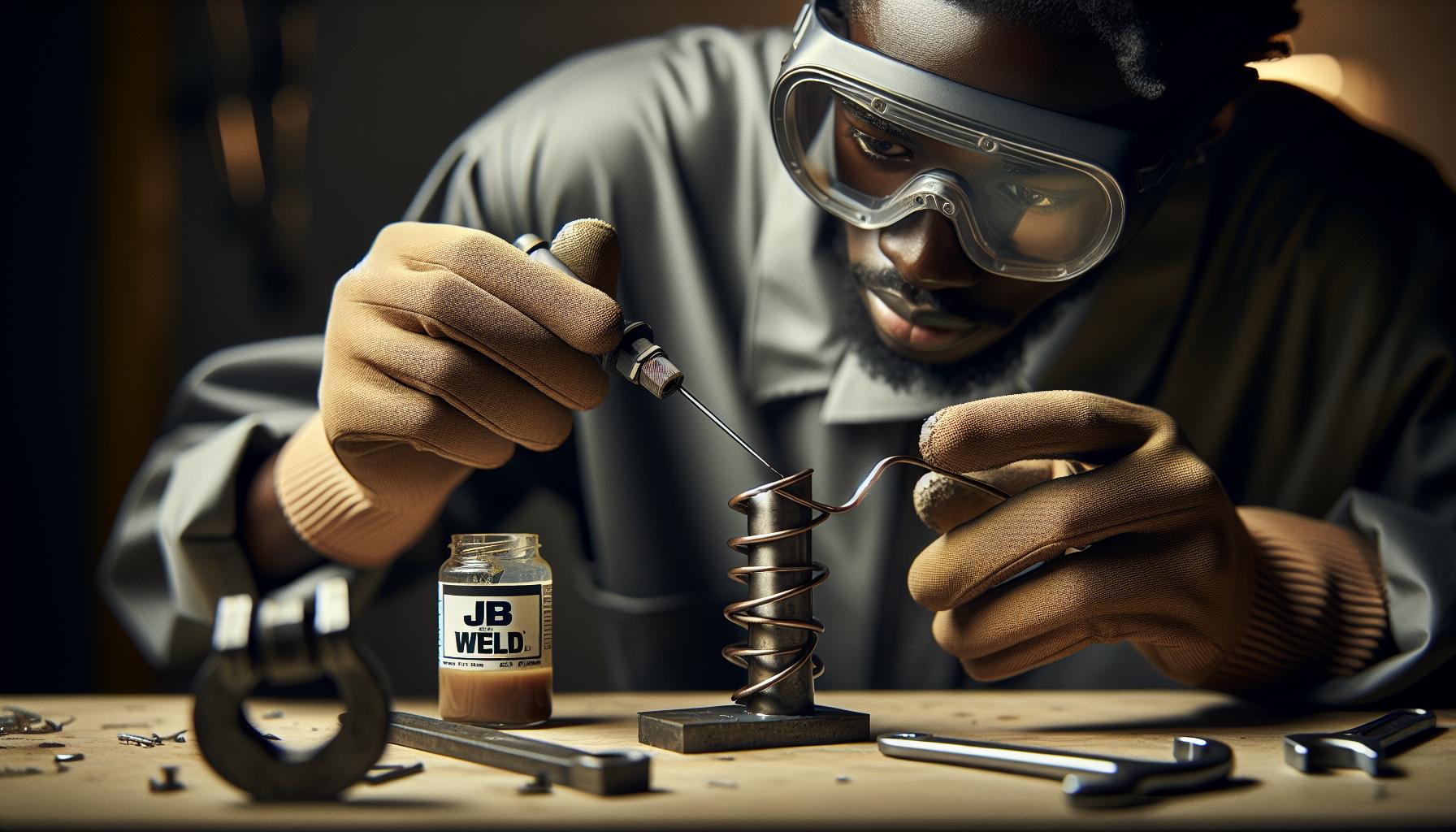
Essential Tools and Equipment for Plastic Welding
To achieve successful plastic welding, having the right tools and equipment is crucial. The selection of these items can significantly affect the quality of the welds, the efficiency of the process, and ultimately, the durability of the finished product. Understanding what is essential can help both beginners and seasoned professionals navigate the complexities of plastic welding.
A solid foundation for any plastic welding project starts with a reliable welder. Depending on the selected technique, this might be a hot air welder, ultrasonic welder, infrared welder, or spin welder. Hot air welders are versatile and ideal for larger surfaces, while ultrasonic welders offer precision for intricate components, making them perfect for industries such as automotive and electronics. Beyond the welder itself, accessories play a significant role in the process.
Key Accessories for Plastic Welding
- Welding Rods: Matching the welding rod material with the plastic type being joined is crucial for achieving strong joints. For example, polypropylene rods for polypropylene materials can enhance compatibility.
- Temperature Controllers: These are essential for ensuring that the welding process is conducted at the correct temperature, thereby preventing damage to the plastic or inadequate fusion.
- Nozzles and Tips: Specialized nozzles can help concentrate the airflow in hot air welding, improving efficiency and control.
- Safety Gear: Personal protective equipment (PPE) such as gloves, goggles, and face shields should always be worn to protect against heat and fumes.
Workspace Setup
Having a designated workspace equipped with the necessary tools will facilitate a smooth welding process. A stable workbench is vital for holding materials securely and should be cleared of any unnecessary items to avoid distractions. Utilizing clamping devices can also ensure that parts remain in the right position during the welding process, which is particularly important for aligning edges in larger components.
Regular maintenance of the equipment is also critical for achieving consistent results. Regularly inspect the welding tips for wear and tear, clean the components to remove any residue from previous jobs, and ensure the workspace is well-organized to maximize your efficiency when setting up for new projects. Investing in high-quality tools and maintaining them properly not only enhances performance but also extends the longevity of your plastic welding equipment.
Step-by-Step Guide to Using a Plastic Welder
To achieve high-quality welds with a plastic welder, following a methodical approach is essential. Whether you’re joining plastic components for a manufacturing project or repairing a household item, these steps will guide you through the process to ensure effective and durable results.
Start by preparing your workspace. Ensure the area is clean and organized, with all necessary tools at hand. A well-lit environment can minimize errors and improve precision. Before you begin, double-check that your welder is functional and that you have the appropriate rods or filler materials ready. For effective welding, it’s crucial to align the pieces properly. Use clamps if needed to keep the parts stable during the welding process.
Once your setup is complete, proceed to technical pre-welding preparations. First, clean the surfaces of the plastic pieces to remove any dirt, grease, or moisture-this is vital for a good bond. Next, if necessary, preheat the welding rod and the plastic to help facilitate the fusion process. Depending on the plastic type and thickness, you might want to use a temperature controller to avoid overheating, which could damage the materials.
When you are ready, begin the welding process. Position the welder’s nozzle at the junction of the two pieces. For hot air welders, start moving the nozzle slowly back and forth to heat the area evenly. Once the plastic begins to soften, introduce the welding rod into the joint-be sure to feed it in gradually and maintain consistent pressure. If using ultrasonic or infrared techniques, follow the specific operational guidelines for those methods.
After welding, allow sufficient cooling time before handling the pieces. This step is crucial as it allows the materials to solidify and form a strong bond. Finally, inspect the weld for any gaps or weaknesses and consider post-weld finishing techniques such as trimming excess material or smoothing edges for a cleaner appearance.
By adhering to these carefully structured steps while maintaining a focus on safety and precision, you can optimize your plastic welding results, leading to durable and professional-grade joints.
Common Challenges When Plastic Welding and Solutions
When engaging in plastic welding, several challenges can arise that may hinder the quality of the welds or lead to the failure of joints. One common difficulty is overheating. If the welder is set to a temperature that is too high, it can result in melting the plastic too rapidly or burning it, leading to weak joints. To avoid this, always verify the optimal welding temperature for the specific type of plastic you are using. Investing in a reliable temperature controller can also help maintain consistent heat levels during the process.
Another prevalent issue is poor surface preparation. Contamination from dirt, grease, or moisture can significantly weaken the bond. The solution is straightforward: always thoroughly clean the surfaces before welding. Using appropriate solvents or scrubbing tools to remove any debris ensures that the weld achieves maximum effectiveness. Additionally, if the plastic has been previously welded, ensure that any remnants of old material are removed to provide a smooth surface for the new bond.
Misalignment of the plastic pieces can lead to inconsistent welds. If the two parts are not properly aligned, it could cause uneven pressure and affect the integrity of the joint. To counter this, utilize clamps and alignment tools to secure the materials in place before starting the welding process. Ensuring that the pieces are perfectly aligned reduces the risk of gaps and strengthens the joint.
Lastly, achieving the right feed rate of the welding rod can be tricky. If too much rod is introduced too quickly, it may lead to saturation and messiness, while too little can result in inadequate material for a strong weld. An effective approach is to maintain a steady, moderate pace when introducing the filler rod, ensuring that it melds seamlessly with the base materials. Practicing these techniques will help enhance your skills over time and lead to better outcomes in your plastic welding projects.
Choosing the Right Plastic Materials for Welding
Choosing the right plastic material for welding is crucial, as different plastics possess unique properties that influence how they behave during the welding process. Understanding the characteristics of these materials can enhance the quality and durability of the welded joints, ultimately determining the success of your plastic welding projects. For instance, thermoplastics like polyethylene (PE) and polyvinyl chloride (PVC) are commonly used due to their excellent weldability and adaptability, but they require different approaches depending on their thickness and the end application.
When selecting a plastic to weld, consider factors such as the intended use, environmental exposure, and the mechanical stresses the final product will encounter. For example, ABS (Acrylonitrile Butadiene Styrene) is noted for its strength and toughness, making it ideal for applications requiring mechanical resilience, such as automotive parts. In contrast, polypropylene (PP) offers chemical resistance and is commonly used in containers and packaging. Each of these plastics also has specific welding temperatures and techniques best suited to them, so always refer to manufacturer guidelines and technical data sheets before beginning a project.
The compatibility of materials is another critical aspect. When welding, ensure that the filler rods and base materials are of the same type of plastic. Mixing different plastics can lead to weak joints that may fail under stress. For instance, welding polyethylene with a polypropylene filler can result in inadequate bonding due to differing melting points and chemical properties. Moreover, the use of non-compatible materials can compromise the integrity and safety of the final product.
Materials Commonly Used in Plastic Welding
| Plastic Type | Features | Applications |
|---|---|---|
| Polyethylene (PE) | Flexible, resistant to chemical damage | Containers, plumbing systems |
| Acrylonitrile Butadiene Styrene (ABS) | High impact resistance, good strength | Automotive components, consumer products |
| Polyvinyl Chloride (PVC) | Durable, fire-resistant | Building and construction materials |
| Polypropylene (PP) | Lightweight, high chemical resistance | Packaging, automotive parts |
Selecting the appropriate plastic not only affects the welding process but also the performance and longevity of the finished product. By understanding the properties and best practices for each type, welders can ensure high-quality results, leading to stronger, more reliable joints that meet the demands of their specific applications.
Safety Protocols for Plastic Welding Success
Proper safety protocols are crucial for ensuring the well-being of anyone involved in plastic welding. As this process often involves high temperatures, the risk of burns, exposure to fumes, and other hazards increases significantly. Adhering to established safety guidelines not only protects the welder but also enhances the quality of the work performed.
Before commencing any welding task, it’s essential to equip oneself with the right personal protective equipment (PPE). This includes wearing heat-resistant gloves, a protective apron, and safety goggles to safeguard against splatters and UV radiation emitted during welding. Additionally, a properly fitted respirator or mask is vital to prevent inhalation of harmful fumes that can be released when certain plastics are melted.
The workspace should also meet specific safety criteria. Ensure that it is well-ventilated to disperse potentially toxic fumes. Keep flammable materials at a safe distance from the welding area to minimize fire hazards. Moreover, having a fire extinguisher readily accessible is a prudent precaution that can prove invaluable in the event of an incident.
Lastly, always stay vigilant and focused while working. Distractions can lead to mistakes, which may result in injuries or poor weld quality. Establishing a clear understanding of the tools and materials being used, as well as adhering strictly to manufacturer instructions and safety data sheets associated with plastics, will promote safe and efficient welding practices. Emphasizing these elements can create a safer working environment and lead to more successful outcomes in plastic welding endeavors.
Maintenance Tips for Longevity of Plastic Welders
Ensuring the longevity of your plastic welder is crucial for maintaining its efficiency and reliability, especially in demanding environments. Regular maintenance not only extends the life of the equipment but also enhances the quality of the welds produced. A well-maintained welder performs consistently and can significantly reduce downtime, which is critical in both professional and hobbyist settings.
To begin with, always keep the welder clean. After each use, remove any plastic residues or dust from the unit, particularly around the heating element and nozzle. A soft brush or cloth can be employed for this task. Additionally, inspect and clean the air filters, if applicable, as any obstruction can lead to overheating and a potential failure of the welding machine.
Another essential maintenance tip involves the regular checking of electrical connections and cables. Look for signs of wear, fraying, or damage, and replace any faulty components immediately. This not only prevents unexpected breakdowns but also safeguards against electrical hazards. Moreover, ensure that all screws and fastenings are tight to maintain structural integrity.
Periodic Calibration and Testing
It’s advisable to periodically calibrate your welder according to the manufacturer’s specifications. This helps in achieving precise welding parameters essential for different plastics. Additionally, conducting test welds can help identify any performance issues early on. If the quality of welds begins to decline, a comprehensive inspection of the heating element, temperature controls, and tooling should be performed.
Finally, storing the welder in a cool, dry place when not in use helps prevent degradation of components due to humidity or extreme temperatures. Consider using a protective case or cover to shield it from dust and accidental damage. By attentively caring for your plastic welder and following these practical maintenance steps, its longevity and performance can be maximized, ensuring reliable operation for all your welding projects.
Advanced Techniques for Enhanced Plastic Welding
Plastic welding isn’t just about joining pieces together; it’s about mastering techniques that elevate the strength and integrity of the weld. Employing advanced techniques can result in more durable, aesthetically pleasing joins and open up new possibilities for various applications. One such technique involves stringer bead welding, which uses a continuous bead of thermoplastic material that not only fuses the pieces but also adds additional material to the joint, enhancing its strength. This technique is particularly useful for high-stress applications where the welded area needs to withstand significant load.
Another effective method is using oscillation during the welding process. By moving the welding tool in a side-to-side motion, the heat distribution becomes more uniform, reducing the risk of weak spots and promoting a stronger bond across a wider area. This technique is advantageous for larger or thicker materials, ensuring that the heat penetrates well and achieves proper fusion without overheating adjacent areas.
Utilizing Inserts and Reinforcements
Incorporating metal inserts or additional reinforcements can further enhance the strength of plastic welds. This technique is especially beneficial when working with applications that will experience substantial wear and tear. For instance, when welding two plastic components that will be prone to stress, embedding a metal insert within the joint can provide exceptional durability. The strategic placement of these reinforcements not only absorbs stress but also adds structural integrity to the assembly.
Thermal Management Techniques
One common challenge in plastic welding is managing heat effectively to prevent warping or residual stresses. Advanced welders can use thermal management techniques such as preheating the base materials to a controlled temperature before applying the weld. This reduces thermal shock and helps achieve a more uniform melt, ensuring a smoother and more reliable weld. Additionally, using temperature monitoring tools to maintain optimal welding conditions contributes to consistent results across various projects.
Enhancing your plastic welding skills through these advanced techniques can significantly improve your work’s quality and longevity. Implementing methods like stringer bead welding, oscillation, strategic reinforcements, and proper thermal management can set you apart from novice welders and boost your confidence in tackling even the most challenging welding tasks. With practice and attention to detail, these techniques can be mastered, enabling the creation of resilient, high-performance plastic welds suitable for various applications.
Troubleshooting Common Plastic Welding Issues
In the world of plastic welding, even the most experienced welders can encounter unexpected challenges that can disrupt their projects. Identifying and troubleshooting these common issues is essential for achieving strong and reliable joints. For example, one of the most prevalent problems involves inadequate fusion, which can lead to weak welds that fail under stress. This often occurs due to improper heat settings or inadequate surface preparation. To combat this, ensure that the materials are clean and free of contaminants, and adjust the temperature setting on your welder based on the specific type of plastic being used. Conduct small test welds to fine-tune your approach before proceeding with larger components.
Another frequent issue is warping, which can compromise the alignment and integrity of the finished product. Warping tends to happen when heat is applied unevenly or excessively. To mitigate this, consider using a heat gun with adjustable settings to preheat the surrounding areas gradually before welding. Employing a jig can also help hold pieces in place and maintain alignment throughout the welding process. Additionally, utilizing techniques such as oscillation can provide more uniform heat distribution, further reducing the risk of warping.
Adhesion problems can also arise, particularly when welding dissimilar plastics or older materials that may have degraded over time. In these instances, it may be necessary to utilize a plastic-specific adhesive or ensure that both components are compatible. Testing smaller samples can provide insights into adhesion strength and compatibility, allowing adjustments before tackling larger projects. Keeping a detailed record of which materials work well together can save time in future applications.
Maintaining proper ventilation is crucial during plastic welding as fumes can be hazardous, and failure to do so may lead to respiratory discomfort or health issues. Regularly checking your workspace and ensuring there is adequate airflow can make a significant difference. If exposure occurs, take immediate action by moving away from the area and ventilating thoroughly. With careful attention to these potential pitfalls, welders can enhance their skills and achieve consistently high-quality results in their plastic welding endeavors.
Innovative Plastic Welding Applications You Should Know
Innovations in plastic welding are expanding the applications of this versatile technique, offering new possibilities across various industries. From automotive manufacturing to the construction of sustainable home products, the methods employed in plastic welding are constantly evolving. For instance, advancements in laser welding technology allow for the joining of plastics without direct contact, minimizing heat distortion and offering precise control over the welding process. This innovation not only enhances the quality of the joints but also significantly improves efficiency, making it ideal for high-speed production environments.
Moreover, the rise of 3D printing has opened up new avenues for plastic welding applications. As printed components gain popularity, innovative welders are utilizing hot air tools and ultrasonic welding to join complex geometries that traditional methods struggle to accommodate. This synergistic relationship between 3D printing and plastic welding enables the fabrication of custom parts for specialized purposes, allowing manufacturers to create tailored solutions that were previously unattainable.
Another significant application is found in the recycling industry, where plastic welding plays a crucial role in re-manufacturing processes. By fusing together reclaimed plastic materials, companies can reduce waste and improve sustainability. This not only presents a new life for old plastics but also enhances resource efficiency in product development. The ability to effectively weld recycled materials reflects a growing demand for eco-conscious manufacturing practices and gives rise to innovative product designs that prioritize environmental responsibility.
In specialty sectors, such as medical device manufacturing, where hygiene and precision are paramount, advanced plastic welding methods are being employed to create secure, sterile joints. Techniques like solvent bonding and heat staking are becoming commonplace, allowing manufacturers to produce reliable, high-quality components that meet stringent health regulations. This focus on innovation ensures that the medical industry can benefit from both advanced technology and effective adhesive bonding strategies, ultimately contributing to improved patient care.
In summary, the landscape of plastic welding is rapidly transforming, driven by technological advancements and a shift towards sustainability. By staying abreast of these innovations, welders can broaden their skills and enhance their application versatility, making significant contributions to emerging industries and eco-friendly practices. As these methods continue to advance, the potential for new applications and improved welding techniques is limitless.
Comparison of Plastic Welding Methods: Pros and Cons
Understanding the intricacies of various plastic welding methods can significantly impact your project’s success. Each technique offers distinct advantages and disadvantages that can sway your choice depending on the specific needs of your application. Here’s a detailed comparison of popular plastic welding methods, emphasizing their pros and cons to aid in your decision-making process.
Ultrasonic Welding
This method utilizes high-frequency sound waves to generate heat at the joint interface, creating a strong bond rapidly without any additional materials.
- Pros:
- Fast production rates; suitable for mass manufacturing.
- Minimal thermal impact on surrounding materials prevents warping.
- No need for adhesives or fillers, ensuring cleaner joints.
- Cons:
- Equipment can be expensive and requires trained operators.
- Not effective for thicker materials or complex geometries.
Hot Air Welding
This process involves using a stream of hot air to melt the plastic surfaces before they are pressed together.
- Pros:
- Highly versatile; can be used on a wide variety of thermoplastics.
- Good for thicker materials and larger joint areas.
- Provides flexibility in controlling the heat applied.
- Cons:
- Slower than ultrasonic welding, which may not be suitable for high-volume needs.
- Operator skill is crucial to avoid overheating and warping.
Laser Welding
A method that employs laser beams to heat and fuse plastic materials with pinpoint accuracy.
- Pros:
- Precise control over the welding process, which minimizes heat distortion.
- Ideal for joining complex shapes and delicate components.
- Can be automated for high-speed production lines.
- Cons:
- High initial equipment costs.
- Not suitable for all types of plastics, limiting material choices.
Friction Welding
This method generates heat through mechanical friction between the materials being joined.
- Pros:
- Creates strong bonds with minimal thermal impact, ideal for many applications.
- Works well with various thermoplastics and can create durable joints.
- Cons:
- Requires specialized equipment and proper setup.
- Limited to joining parts that can effectively generate friction.
Each welding method has unique attributes that make it more suitable for certain applications. Understanding these pros and cons will help you select the most appropriate technique for your project, ensuring precision and quality in the final result. Careful consideration of the materials, desired speed, and joint strength will guide you toward the best plastic welding method for your needs.
Q&A
Q: How do you prepare plastic before welding?
A: Preparing plastic for welding involves cleaning the surfaces thoroughly to remove dirt, grease, and contaminants. Use isopropyl alcohol or a similar solvent. Additionally, roughening the surfaces with sandpaper can enhance adhesion during the welding process, ensuring a stronger bond.
Q: What types of plastics can be welded using a plastic welder?
A: Commonly welded plastics include polyethylene (PE), polypropylene (PP), and polystyrene (PS). Each type may require specific temperature settings and techniques, so it’s crucial to verify compatibility with your plastic welder before starting the project.
Q: Can you weld ABS plastic with a plastic welder?
A: Yes, ABS (Acrylonitrile Butadiene Styrene) can be welded using a plastic welder. It’s essential to set the welder to the appropriate temperature and use the correct filler material compatible with ABS to achieve a strong and durable weld.
Q: What is the best technique for welding small plastic parts?
A: For small plastic parts, the vibration welding technique is highly effective. It generates friction and heat to bond the pieces without the need for additional filler. This method is precise and minimizes the risk of damaging the components.
Q: How long does it take for a plastic weld to cure?
A: The curing time for a plastic weld can range from a few minutes to several hours, depending on the material and environmental conditions. Allow the weld to cool completely before handling to ensure a strong bond. Refer to the manufacturer’s guidelines for specific times based on your materials.
Q: What common mistakes should be avoided when plastic welding?
A: Avoid overheating the plastic, which can cause distortion or burning. Also, neglecting to clean surfaces or using incompatible materials can lead to weak welds. Always follow the proper techniques and safety protocols to achieve successful results.
Q: How do you know if the weld is strong enough?
A: A strong weld should feel firm upon cooldown, with no visible gaps or cracks. You can test the strength by gently applying pressure; if the joint holds firm without flexing, it’s likely a strong weld. For critical applications, consider conducting a pull test.
Q: What are some advanced techniques for improving plastic welding?
A: Advanced techniques include using hot air tools for better control over temperatures, or incorporating ultrasonic welding for enhanced precision. Additionally, exploring multi-layer welding or specific joint designs can provide improved strength and appearance in complex projects.
Concluding Remarks
Mastering the art of plastic welding can open new doors for your projects, ensuring durability and efficiency. By following the simple steps outlined in our guide, you’ll build confidence in your skills and achieve impressive results. Don’t wait to start your next project-dive into plastic welding today and see the difference for yourself!
For further learning, explore our related resources on welding techniques, including MIG, TIG, and safety protocols. Interested in deepening your expertise? Check out our equipment reviews to ensure you have the right tools for the job and consider signing up for our newsletter for tips and exclusive content that keeps you ahead in the welding game. Your journey into the world of welding can lead to endless possibilities-embrace it now!


