

MIG welding aluminum can initially seem daunting, yet it holds the key to creating strong, lightweight structures in various projects. Unlike steel, aluminum requires specific techniques to prevent oxidation and contamination, which can compromise weld integrity. This guide reveals pro secrets to mastering aluminum MIG welding, ensuring you achieve flawless results every time. Whether you’re a beginner eager to tackle your first weld or an experienced welder aiming to refine your skills, understanding the nuances of MIG welding aluminum can enhance your capabilities and open doors to new possibilities. Dive into practical tips, essential equipment recommendations, and expert techniques that will prepare you for success and instill confidence in your welding journey. With the right knowledge, you can transform aluminum from a challenging material into one of your go-to favorites, elevating your projects to new heights.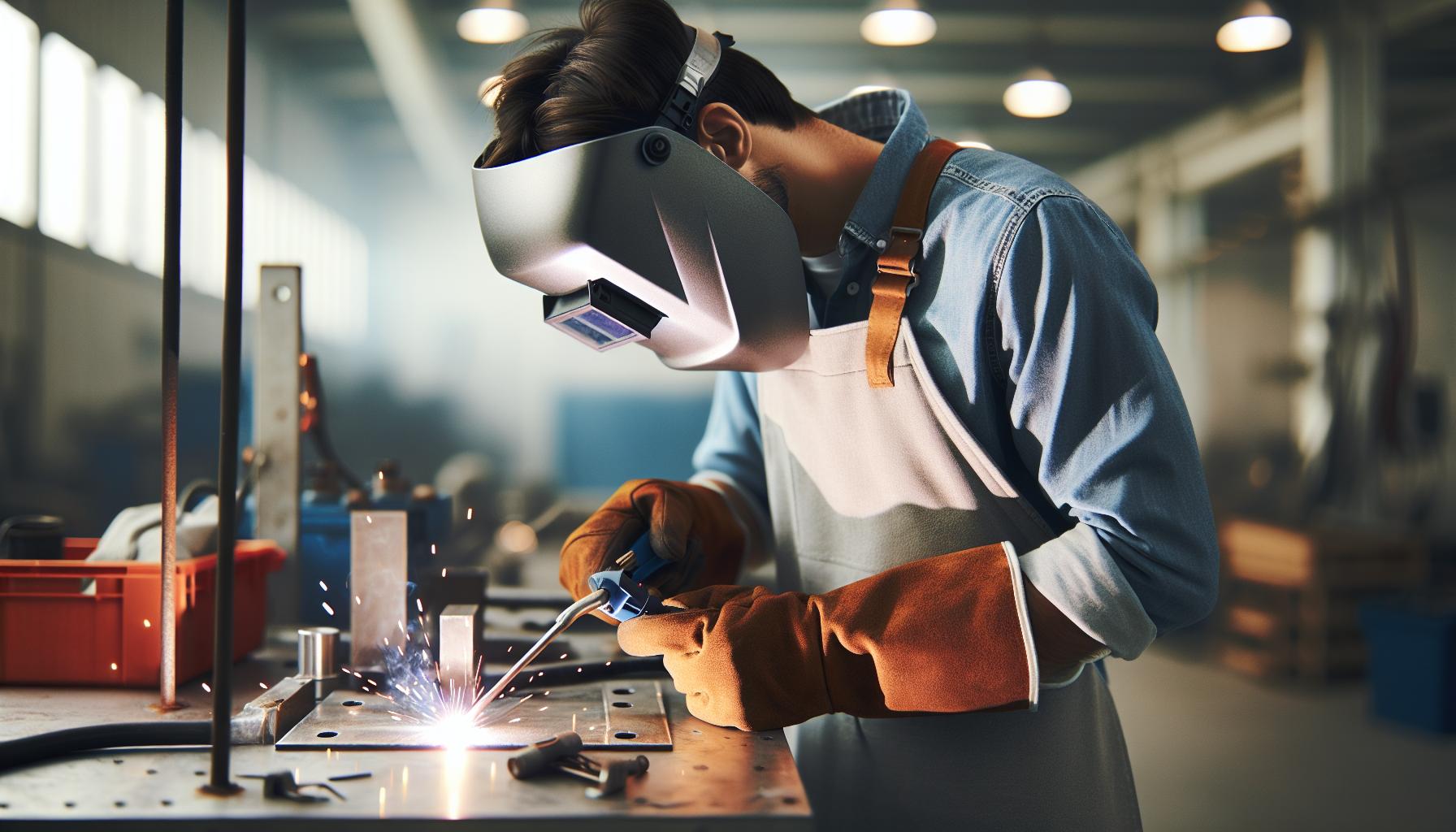
Can MIG Welding Be Used for Aluminum?
MIG welding can indeed be utilized for aluminum, making it a versatile choice for many projects involving this lightweight metal. Unlike traditional steel, aluminum has unique characteristics that present both challenges and opportunities for welders. It heats up quickly and can warp with ease, which means that a welder must adjust their techniques to prevent distortion. Additionally, aluminum has a tendency to oxidize, forming a layer of aluminum oxide that can interfere with the welding process if not properly managed.
To successfully MIG weld aluminum, the welder must focus on a few critical factors. Firstly, the choice of filler material is vital; 4047 and 5356 alloys are commonly used due to their excellent corrosion resistance and weldability. Secondly, the setup parameters are crucial. Proper voltage and travel speed must be established; typically, a higher travel speed combined with correct heat settings will yield the best results. It’s also worth noting that when welding aluminum, maintaining a push technique rather than a pull is advisable. This helps to minimize the inclusion of oxides in the weld pool, enhancing the quality of the weld.
Moreover, the use of shielding gas, such as argon or a mix of argon and helium, plays a significant role in shielding the weld area from atmospheric contamination. For beginners and seasoned welders alike, practicing on scrap pieces of aluminum before tackling a final project can help refine skills and settings, ultimately leading to better and more consistent welds.
Understanding the Unique Properties of Aluminum
Aluminum is a fascinating metal that presents a unique set of challenges and advantages to welders. One of its most remarkable properties is its lightweight nature, providing excellent strength-to-weight ratios, which makes it a preferred choice in industries ranging from aerospace to automotive. However, these advantageous characteristics also bring complexities, particularly when it comes to welding. Aluminum has a high thermal conductivity, meaning it dissipates heat faster than steel. This property demands precise control over welding parameters to avoid issues such as warping or burn-through, especially in thinner materials.
Another critical aspect of aluminum is its tendency to form an oxide layer that can interfere with the welding process. This oxide forms quickly upon exposure to air and can significantly impede the quality of the weld if not addressed. To ensure effective welding, it’s essential to remove this oxide layer before welding; techniques such as wire brushing or using chemical cleaners can be effective in preparation. Furthermore, during the MIG welding process, the welder should use a pushing technique rather than pulling. This technique helps keep the shielding gas flowing into the weld pool effectively, minimizing the risk of oxide contamination.
The behavior of aluminum also necessitates careful control over the welding environment. Variations in temperature and humidity can impact the weld quality, making it vital for welders to be mindful of these factors. For instance, performing welding in a consistent temperature environment can lead to better results, as sudden temperature changes can cause the metal to expand or contract unpredictably. Understanding these unique properties not only enhances a welder’s capability to work with aluminum but also significantly contributes to producing clean, strong welds that withstand the demands of various applications.
Essential MIG Welding Equipment for Aluminum
When it comes to successfully MIG welding aluminum, having the right equipment is paramount to achieving clean, strong welds. Unlike steel, aluminum requires specific tools and settings to accommodate its unique characteristics such as high thermal conductivity and the formation of an oxide layer. Investing in quality equipment not only makes the welding process more manageable but also significantly enhances the durability of the completed welds.
A fundamental component for MIG welding aluminum is a high-quality welding machine capable of delivering the required output for aluminum’s specific settings. Look for a MIG welder with adjustable amperage and voltage controls. This versatility allows for finer adjustments, enabling welders to adapt to various aluminum thicknesses while maintaining optimal heat control. Ideally, a machine that also features a spool gun is beneficial, as it feeds the aluminum wire smoothly and reduces the risk of wire kinks or binding, which is common with standard MIG guns.
Additionally, the selection of the appropriate filler material is crucial. Aluminum welding wire, usually ER4047 or ER4046, should be chosen based on the type and thickness of aluminum being welded. These wires are designed to melt at lower temperatures and create solid bonds with the base material. Always ensure that the wire is stored properly to prevent oxidation before use.
Shielding gas plays a vital role as well. Argon is the standard choice for MIG welding aluminum, often mixed with a small percentage of helium for added stability and penetration. Using the right gas setup not only protects the weld pool from contamination but also influences the arc stability, which is crucial during the welding process.
Lastly, ensure you have essential safety gear, including welding gloves, a helmet with a suitable shade for aluminum, and protective clothing to shield against UV radiation and metal spatter. Proper ventilation or extraction systems are also necessary to mitigate the risks associated with fumes released during the welding process. With the right equipment and safety measures in place, welders can tackle aluminum projects with confidence and precision.
Preparing Aluminum for MIG Welding Success
To achieve successful MIG welding on aluminum, meticulous preparation is crucial. Aluminum’s unique properties, such as its lightweight nature and high thermal conductivity, warrant specialized attention before starting the welding process. One of the primary steps is to thoroughly clean the aluminum surfaces to be welded. Any contaminants, including oil, dirt, and paint, can adversely affect the quality of the weld. Utilize a degreaser or a suitable solvent and a clean cloth to ensure that the surfaces are free from any debris. For optimal results, consider using a stainless steel wire brush specifically designed for aluminum to remove the oxide layer formed on the metal.
Once cleaned, assess the aluminum’s configuration and fit-up. Proper alignment of the pieces being welded can significantly reduce the risk of warping due to heat. If applicable, using clamps or fixtures to secure the aluminum parts in place can enhance stability during welding. Additionally, consider preheating the workpieces if they are particularly thick. This helps to reduce the thermal gradient and prevents cracking during the welding process, allowing for a smoother flow of the molten weld pool.
It’s also beneficial to ensure that the welding environment is as ideal as possible. Shielding the work area from drafts can prevent contamination of the weld pool by unwanted gases. Lighting the workspace well will help in visibility, allowing for precise control during the welding. While preparing for MIG welding, always keep in mind that having a clear and organized work area not only improves efficiency but also prioritizes safety.
By adhering to these preparation steps, welders can set the stage for successful and high-quality MIG welds in aluminum projects, minimizing the likelihood of defects and enhancing both the structural integrity and aesthetic appeal of the final product.
Choosing the Right Filler Material for Aluminum
Selecting the appropriate filler material is essential when welding aluminum, as it greatly influences the integrity and performance of the final weld. Unlike steel, aluminum requires specific alloys for successful fusion, particularly due to its tendency to warp, crack, and oxidize. Most common aluminum alloys fall into two categories: 4000 series and 5000 series, each with distinct properties suitable for different applications.
For instance, filler rods like ER4047, which falls under the 4000 series, are used primarily for welding aluminum-silicon alloys. This alloy has a lower melting point, which helps in reducing distortion and improves fluidity, making it ideal for thin materials and intricate designs. On the other hand, ER5356 from the 5000 series is a popular choice for filling aluminum-magnesium alloys, often utilized in marine environments due to its superior corrosion resistance and high strength. When selecting the filler, it’s imperative to consider the base material’s composition to ensure compatibility and performance consistency.
Welders must also pay attention to the diameter of the filler wire; standard sizes range from 0.030 to 0.045 inches, depending on the thickness of the base material being welded. A larger diameter is advantageous for thicker sections as it allows for higher deposition rates, while smaller diameters are favored for fine work. Furthermore, the choice can be narrowed down by the specific welding technique employed-MIG welding typically utilizes continuous spool-fed filler wire, promoting efficiency and ease of use during the welding process.
In addition to the alloy selection, welders should also keep in mind that maintaining the filler material’s integrity is crucial. Aluminum filler rods should be stored properly to prevent contamination; moisture and contaminants can diminish the quality of the weld. By ensuring that the right filler material is chosen and handled correctly, welders set themselves up for success, achieving stronger joint performance and enhancing the longevity of their aluminum constructs.
The Importance of Shielding Gas in MIG Welding
The selection of shielding gas plays a pivotal role in achieving optimal results when MIG welding aluminum. Unlike other materials, aluminum is particularly susceptible to oxidation, which can adversely affect the integrity of the weld. When exposed to atmospheric oxygen during the welding process, aluminum forms a thin layer of aluminum oxide on its surface. This oxide layer can create defects in the weld, leading to poor quality and strength. Utilizing the right shielding gas can significantly mitigate this issue, ensuring that the weld pool remains protectively shielded from such environmental contaminants.
In MIG welding of aluminum, the most common shielding gas is argon, often used in a pure form or blended with a small percentage of helium. Argon, being heavier than air, provides an effective barrier against oxidation while promoting a stable arc. It also contributes to better arc stability and a smoother weld bead. Helium, when mixed with argon, not only enhances the heat input-which is especially beneficial for thicker materials-but it also can help improve the fluidity of the molten weld pool, resulting in more aesthetically pleasing welds. Thus, the combination of argon and helium is particularly favored for applications demanding high quality and aesthetic finishes.
When setting up the MIG welder for aluminum, it is important to adjust the flow rate of the shielding gas appropriately. A flow rate typically falling between 15 to 25 cubic feet per hour (CFH) is standard, but this can vary based on environmental conditions, such as wind or draft, which might disperse the shielding gas. For indoor operations, ensuring an adequate flow rate will prevent contamination from air currents. Meanwhile, for outdoor applications, increased flow rates might be necessary to counteract the wind effects.
Understanding the importance of shielding gas is not just about preventing oxidation; it directly influences the quality, appearance, and strength of the weld. Proper gas selection and setup can make the difference between a successful aluminum weld and one riddled with defects and weaknesses, emphasizing the necessity for welders to pay careful attention to the choice of shielding gas in their MIG welding processes.
MIG Welding Techniques for Perfect Aluminum Joints
Achieving perfect aluminum joints through MIG welding requires a combination of the right techniques, proper setup, and an understanding of the material’s properties. Aluminum is a lightweight, highly conductive metal that poses unique challenges in welding. A systematic approach can help both novice and experienced welders to create strong, aesthetically pleasing joints.
First, maintaining a consistent travel speed is essential. Traveling too fast can result in a weak weld due to insufficient penetration, while moving too slowly may lead to burn-through, especially in thinner sections. A good rule of thumb is to keep the torch at a 10 to 15-degree angle relative to the workpiece, moving at a steady rate to maintain control over the weld pool. This angle helps in directing the heat into the joint more effectively.
The technique of weaving can be particularly beneficial when welding aluminum. By using a steady side-to-side motion, you can create a broader weld bead, which helps in distributing heat more evenly and prevents the melting of the base metal edges. Additionally, experimenting with different patterns can optimize the weld quality. For example, using a circular motion or a zigzag pattern can help in achieving better fusion with wider joints.
Proper joint preparation is also key to successful MIG welding on aluminum. Ensuring that the surfaces are clean and free from contaminants-like grease, grime, and the aluminum oxide layer-is vital. Using a stainless steel brush is effective for surface cleanup just before welding. Moreover, preheating thicker parts can reduce thermal distortion and improve flow characteristics of the weld metal.
Lastly, adjusting your welder settings to suit different thicknesses of aluminum is crucial. Amperage settings should be based on the thickness of the material, typically following guidelines of 1 amp per thousandth of an inch. Always consult the material and filler metal specifications to ensure optimal settings. Using the correct diameter filler rod is equally important; smaller rods work better for thin materials, while larger rods are preferable for thicker sheets. By mastering these techniques and maintaining attention to detail, you can produce perfect aluminum joints every time.
Common Challenges When MIG Welding Aluminum
When working with aluminum in MIG welding, many welders encounter a range of challenges that can complicate the process and affect the quality of the final product. One of the most significant issues is the high thermal conductivity of aluminum, which allows it to dissipate heat quickly. This property makes it essential to use the correct settings on your welder; if the heat is insufficient, it can result in a weak bond and poor penetration; conversely, excessive heat can lead to burn-through or warping. Therefore, understanding the nuances of your MIG welder and adjusting the voltage and amperage accordingly can make a substantial difference.
Another common challenge is the presence of aluminum oxide on the surface of the metal. This layer can significantly inhibit weld quality, as aluminum oxide has a melting point that is roughly 1,100°F (593°C) higher than that of aluminum itself. To address this, it is crucial to achieve a clean surface before welding. Welders should use a stainless steel brush or a dedicated aluminum cleaning solution to remove any contaminants. Additionally, implementing preheating techniques can help to break through the oxide layer, ensuring a better bond and reducing the risk of defects.
Welders may also struggle with maintaining a consistent travel speed and angle. Given aluminum’s tendency to warp under heat, any fluctuations during the welding process can lead to uneven joints or structural weakness. Using a steady hand and keeping the torch at the optimal angle-typically between 10 to 15 degrees-can help in controlling heat distribution and achieving a uniform bead. Additionally, employing weaving techniques can distribute heat more evenly and improve joint strength, especially in larger or thicker sections.
Lastly, the selection of filler material plays a crucial role in overcoming potential issues when MIG welding aluminum. The wrong filler can lead to weak joints or corrosion in the weld area. It is critical to match the filler material to the specific grade of aluminum being welded. Often, experienced welders recommend using ER4047 or ER5356 filler rods, depending on the application and needed strength characteristics. Keeping these factors in mind will not only enhance your skills but also ensure cleaner, stronger joints in your aluminum welding projects.
Troubleshooting MIG Welding Aluminum Issues
When it comes to troubleshooting issues in MIG welding aluminum, understanding the common problems can empower welders to achieve optimal results. One frequent challenge is inconsistency in the weld bead. This issue may arise from fluctuations in wire feed speed or improper torch angle. Welders should maintain a steady hand and practice proper technique, ensuring the torch maintains an angle of about 10 to 15 degrees from the workpiece. Adjusting the wire feed speed to match the welding speed can also promote a more uniform bead and avoid undercutting.
Another significant point of concern is porosity, which manifests as tiny holes within the weld. This can be caused by moisture in the shielding gas or even contamination from oils and dirt on the aluminum surface. To mitigate this, a thorough cleaning of the aluminum before welding is crucial. Using a stainless steel brush or dedicated cleaning solutions to remove oxides and debris will help ensure that the weld joint is as clean as possible. Additionally, checking the shielding gas for moisture and ensuring consistent pressure can vastly reduce porosity issues.
In instances of burn-through, the welder should reassess their settings. Aluminum’s high thermal conductivity means it requires quicker travel speeds compared to other materials. If burn-through occurs, reducing travel speed or adjusting the electrical settings can help. Implementing a weaving technique allows the heat to be distributed more evenly across the joint, which is particularly useful when dealing with thicker materials or decreasing the intensity of the heat applied to the base metal.
Lastly, ensuring the right filler material is selected to match the specific grade of aluminum being welded is crucial for achieving strong, durable joints. Each type of aluminum may perform differently under heat, necessitating specific filler choices such as ER4047 or ER5356. By understanding the unique properties of aluminum and remaining attuned to the dynamics of your welding setup, one can troubleshoot and rectify issues effectively, resulting in clean, professional-grade welds every time.
Safety Protocols for Aluminum MIG Welding
When engaging in aluminum MIG welding, the importance of strict safety protocols cannot be overstated. Aluminum is a lightweight metal known for its high thermal conductivity, which presents unique challenges in welding environments. One critical safety concern involves exposure to harmful fumes that can arise during the welding process. These fumes not only pose health risks but can also lead to dangerous workplace environments if proper ventilation measures are not taken. By employing effective safety protocols, welders can protect themselves and ensure a secure working atmosphere.
- Protective Gear: Always wear appropriate personal protective equipment (PPE) including a welding helmet with an appropriate shade, flame-resistant gloves, and clothing. Safety glasses should also be worn when grinding or cutting aluminum, as metal particles can cause eye injuries.
- Ventilation: Ensure your workspace is well-ventilated. Use exhaust systems or fans to disperse fumes and smoke generated during welding. This can significantly minimize inhalation risks and promote safer air quality.
- Fire Safety: Aluminum can ignite during welding, leading to fire hazards. Keep a fire extinguisher nearby and ensure that flammable materials are removed from the welding zone. An understanding of fire protocols is essential.
- Electrical Safety: MIG welding equipment uses high voltage, which presents shock hazards. Check all cables and connections for wear, and make sure the equipment is grounded properly to reduce the risk of electrical shock.
Training and awareness are also paramount. Ensure that all personnel involved in the welding process understand potential hazards and proper safety practices. Regular safety drills and promoting a culture of safety can reduce accidents and enhance the overall work environment. Additionally, familiarize yourself with any relevant Material Safety Data Sheets (MSDS) for the aluminum and any additional materials involved. This knowledge provides essential insight into safe handling, potential hazards, and appropriate first-aid measures should an incident occur.
By reinforcing these safety protocols, welders can minimize risks and focus on achieving superior results in their aluminum MIG welding projects. Always prioritize safety as an integral part of the welding process, ensuring not only your well-being but also that of those around you.
Advanced Tips from Welding Experts for Outstanding Results
Achieving outstanding results in MIG welding aluminum requires not just technical skill but also an understanding of advanced techniques that can elevate your work. One of the most effective strategies is to ensure that your aluminum pieces are properly cleaned before welding. Aluminum oxide can form on the surface, which can impede the quality of the weld. Use a dedicated wire brush or a chemical cleaner designed for aluminum to ensure a clean surface, enhancing the bond strength and overall appearance of your weld.
An essential element in aluminum MIG welding is the welding machine settings. Unlike steel, aluminum requires a different approach when it comes to amperage and wire feed speed. Adjust your machine to a higher voltage and maintain a clear arc length, as this will help you achieve better penetration and prevent issues such as burn-through. Experimenting with different settings on scrap pieces can give you a better feel for how the material responds.
Additionally, the technique used during the welding process matters significantly. A common recommendation from experts is to maintain a steady travel speed and work at a slight angle. This angled approach allows for better gas coverage and reduces the likelihood of contamination. Moreover, practicing a weave pattern can distribute heat more uniformly, helping to manage distortion and improve the aesthetics of the finished joint.
Finally, proficient welders understand the importance of shielding gas in aluminum MIG welding. Utilizing a mixture of 100% argon gas or a blend with helium can enhance your shielding capabilities, especially when welding thicker materials. It creates a larger and smoother arc, leading to cleaner welds with fewer defects. Always be mindful of gas flow rates and ensure adequate coverage while avoiding turbulence, which can introduce oxidation and contaminate the weld area. By integrating these expert tips into your practice, you can significantly improve your MIG welding results on aluminum projects.
Real-life Applications of MIG Welding in Aluminum Projects
are vast and diverse, showcasing the technique’s versatility and efficiency. This method not only provides strong, durable welds but also allows for quick production and repairs, making it invaluable in various industries. From automotive to aerospace, and even in crafting artistic structures, MIG welding has proven to be a reliable choice for fabricating aluminum components.
In the automotive sector, for instance, MIG welding is frequently utilized to construct frames, various body parts, and even custom modifications. This application is particularly advantageous because aluminum’s lightweight nature enhances fuel efficiency without sacrificing strength. Manufacturers often employ MIG welding for its speed and flexibility, allowing for rapid assembly of parts while ensuring structural integrity.
Applications in Other Industries
The aerospace industry also benefits significantly from MIG welding, employing it to fabricate critical components like aircraft fuselages and wings. Aluminum’s high strength-to-weight ratio is essential in aircraft design, and MIG welding allows for precise, clean seams that are vital for maintaining aerodynamic efficiency and safety. Furthermore, the capability to produce welds with minimal distortion is crucial in achieving the exact tolerances required in aerospace applications.
Beyond these industrial uses, MIG welding is also prevalent in marine applications, where aluminum hulls and components must withstand harsh saltwater environments. Corrosion resistance is a crucial factor in these projects, and MIG welding, combined with appropriate surface treatments, can provide lasting solutions for building and repairing boats and ships.
Creative Applications
In the realm of art and design, metal artists increasingly turn to MIG welding for aluminum sculptures and installations. The speed of this welding method allows artists to experiment with various designs, and the ability to produce aesthetically pleasing welds without extensive finishing work makes it appealing for artistic expression. Whether for functional art pieces or purely creative endeavors, MIG welding opens up a world of possibilities for makers in the creative fields.
In summary, MIG welding’s applications in aluminum projects illustrate its essential role across diverse fields. By understanding these practical uses, welders at all skill levels can leverage this technique to enhance their projects, drive innovation, and meet the specific demands of various industries effectively.
Q&A
Q: Can MIG welding aluminum produce strong welds?
A: Yes, MIG welding can produce strong welds on aluminum when done correctly. Using the right filler materials and shielded gas is crucial to ensure a durable connection. Proper preparation and technique will enhance the strength and integrity of the welds, making them suitable for various applications.
Q: What type of filler wire should I use for MIG welding aluminum?
A: For MIG welding aluminum, the commonly used filler wire is 4047 or 5356, depending on the specific alloy you’re welding. It’s essential to choose a filler that matches the parent metal to achieve optimal bonding and strength, as discussed in the article under “Choosing the Right Filler Material for Aluminum.”
Q: Why is shielding gas important in MIG welding aluminum?
A: Shielding gas protects the molten weld pool from contaminants in the air, which can cause defects. Typically, a mix of 100% argon or argon with a small percentage of helium is optimal for aluminum, as outlined in the “Importance of Shielding Gas in MIG Welding” section of the article.
Q: How can I avoid problems when MIG welding aluminum?
A: To avoid common MIG welding problems with aluminum, ensure proper surface preparation and clean the metal to remove oxide layers. Using the correct settings on your welder and practicing techniques can mitigate issues, as mentioned in the “Common Challenges When MIG Welding Aluminum” section.
Q: What settings should I use for MIG welding aluminum?
A: Adjust voltage and wire feed speed according to the thickness of the aluminum and type of filler material used. Generally, lower voltage and higher wire speed are effective for thinner metals, while thicker materials may require increased voltage and lower feed rates. See “MIG Welding Techniques for Perfect Aluminum Joints” for detailed guidelines.
Q: Is it difficult to learn MIG welding aluminum?
A: While MIG welding aluminum presents unique challenges, with practice and the right equipment, it can be mastered. Focusing on proper technique and using the appropriate tools will significantly ease the learning curve, as explored in the “Preparing Aluminum for MIG Welding Success” section.
Q: What are the safety precautions for MIG welding aluminum?
A: Safety precautions for MIG welding aluminum include wearing appropriate personal protective equipment (PPE) like gloves and a welding helmet. Ensure proper ventilation to avoid inhaling fumes and maintain a clean workspace to reduce fire hazards, as highlighted in the “Safety Protocols for Aluminum MIG Welding” section.
Q: Can I weld aluminum with a regular MIG welder?
A: Yes, you can weld aluminum with a regular MIG welder, but it must be equipped with a spool gun or a feeder capable of handling softer aluminum wire. Ensure that the machine settings are properly configured for aluminum welding to achieve the best results. Refer to “Essential MIG Welding Equipment for Aluminum” for more details.
In Retrospect
Now that you’ve discovered the secrets to successfully MIG welding aluminum, it’s time to put that knowledge into action. Remember, mastering aluminum requires practice and patience, but with the right techniques and tools, you’ll achieve perfect results every time. Don’t hesitate to revisit our previous guides on welding techniques and equipment reviews to ensure your setup is optimized for success.
Feeling inspired? Dive deeper into the world of welding by exploring our comprehensive resources on TIG welding and best practices for safety protocols, which are crucial for every welder, whether you’re just starting out or have years of experience. Your next perfect weld is just a click away!
Join the conversation in the comments below-share your experiences or ask questions! Don’t forget to subscribe for the latest updates and tips on improving your welding skills. Let’s keep pushing the boundaries of what you can achieve with aluminum welding!


