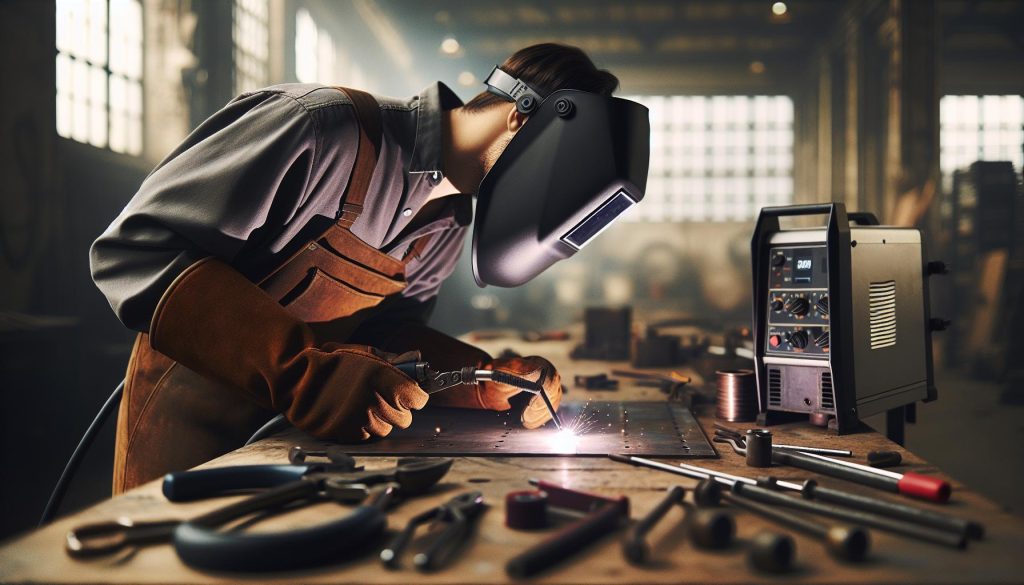
Welding, particularly MIG (Metal Inert Gas) welding, is an essential skill that plays a critical role in various industries, from automotive to construction. Whether you’re a hobbyist looking to tackle home projects or a professional aiming to enhance your expertise, mastering MIG welding opens a world of possibilities. Did you know that MIG welding is one of the most widely used welding processes due to its versatility and efficiency? As you navigate the complexities of this technique, it’s vital to understand the fundamental skills and safety practices involved. This guide not only addresses common challenges faced by beginners but also offers valuable insights for seasoned welders seeking to refine their craft. Prepare to dive into the essential skills every welder must master to elevate their MIG welding abilities and achieve high-quality results.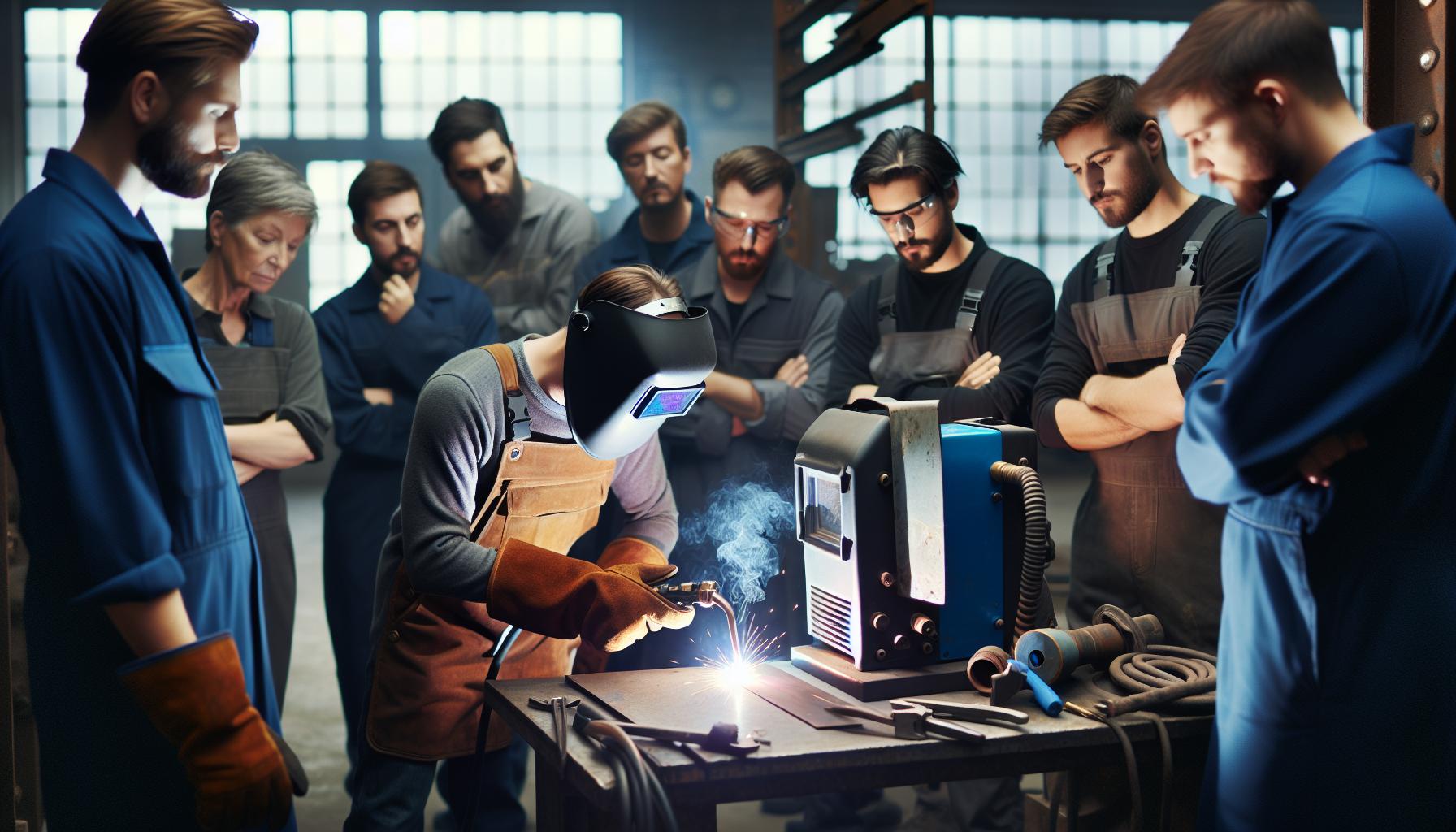
Understanding MIG Welding: Key Concepts and Terminology
Understanding MIG welding can significantly enhance your ability to create strong, lasting joints in metals. MIG, or Metal Inert Gas welding, is a popular process in welding because of its versatility and ease of use. It employs a continuous wire feed as an electrode, emitting a shielding gas that protects the weld pool from oxidation and contamination. This process allows for faster welding speeds and is suitable for various materials, including steel, aluminum, and stainless steel.
Key terminology in MIG welding includes arc (the electric discharge that occurs between the electrode and the workpiece), weld pool (the molten metal during welding), and inert gas (typically argon or a mix of gases that shields the weld). Understanding these concepts is crucial for mastering MIG welding, as they influence the quality and characteristics of the weld. Welders often refer to the voltage, amperage, and travel speed as essential parameters that must be adjusted to suit different welding tasks.
A fundamental aspect of MIG welding operation is knowing how to set up the equipment properly. This includes selecting the correct wire diameter, determining the appropriate gas flow rate, and adjusting the welder settings based on the material thickness. Moreover, welders should be aware of common defects such as porosity, undercutting, and lack of fusion, which can arise from improper settings or techniques. By familiarizing yourself with these key concepts and terminology, you lay the groundwork for successful MIG welding, ensuring stronger welds and reducing the risk of errors during your projects.
Key Terms
- Arc: The electric discharge between the electrode and workpiece.
- Weld Pool: The molten metal created during the welding process.
- Inert Gas: Gases used to shield the weld from contamination.
- Voltage & Amperage: Electrical settings that affect the heat and penetration of the weld.
Understanding these core terms and concepts will enable welders, whether beginners or seasoned professionals, to approach MIG welding with confidence and precision.
Essential MIG Welding Equipment: A Complete Guide
To achieve exceptional results in MIG welding, a solid understanding of essential equipment is paramount. The capability to produce strong, clean welds hinges on not only skill but also the right tools at your disposal. A MIG welding setup typically consists of several key components, each serving a unique purpose essential for effective welding.
The primary tool in your arsenal is the MIG welder itself, which can either be a dedicated MIG unit or a multi-process machine capable of TIG and stick welding as well. When selecting a welder, consider factors such as the maximum output, duty cycle, and whether it supports the specific types and thicknesses of metals you will be working with. Alongside the machine, you will need a reliable wire feeder, which ensures a consistent flow of filler wire into the weld pool, crucial for achieving uniform beads.
Another crucial element is the shielding gas, primarily argon or a mix of argon and carbon dioxide. This gas is vital for protecting the molten weld pool from atmospheric contamination, ensuring the integrity and quality of the weld. Always choose the right gas mix based on the materials and conditions; for instance, pure argon is often recommended for aluminum, whereas a mix is better for steel.
Additionally, invest in appropriate welding wires. MIG wires come in various diameters and compositions, including ER70S-6 for steel, ER4047 for aluminum, and specialized wires for stainless steel or dual-shield applications. Selecting the right filler material enhances compatibility with the base metals and assists in achieving optimal weld characteristics.
Don’t overlook the importance of safety gear. Protective equipment such as helmets with auto-darkening lenses, heavy-duty gloves, flame-resistant clothing, and appropriate footwear are essential to safeguard against heat, sparks, and harmful UV and infrared radiation generated during welding.
In summary, a successful MIG welding setup encompasses a quality welder, effective wire feeder, suitable shielding gas, the right filler wires, and essential safety gear. By assembling this vital equipment meticulously, you lay the groundwork for proficient welding and optimal results in your projects.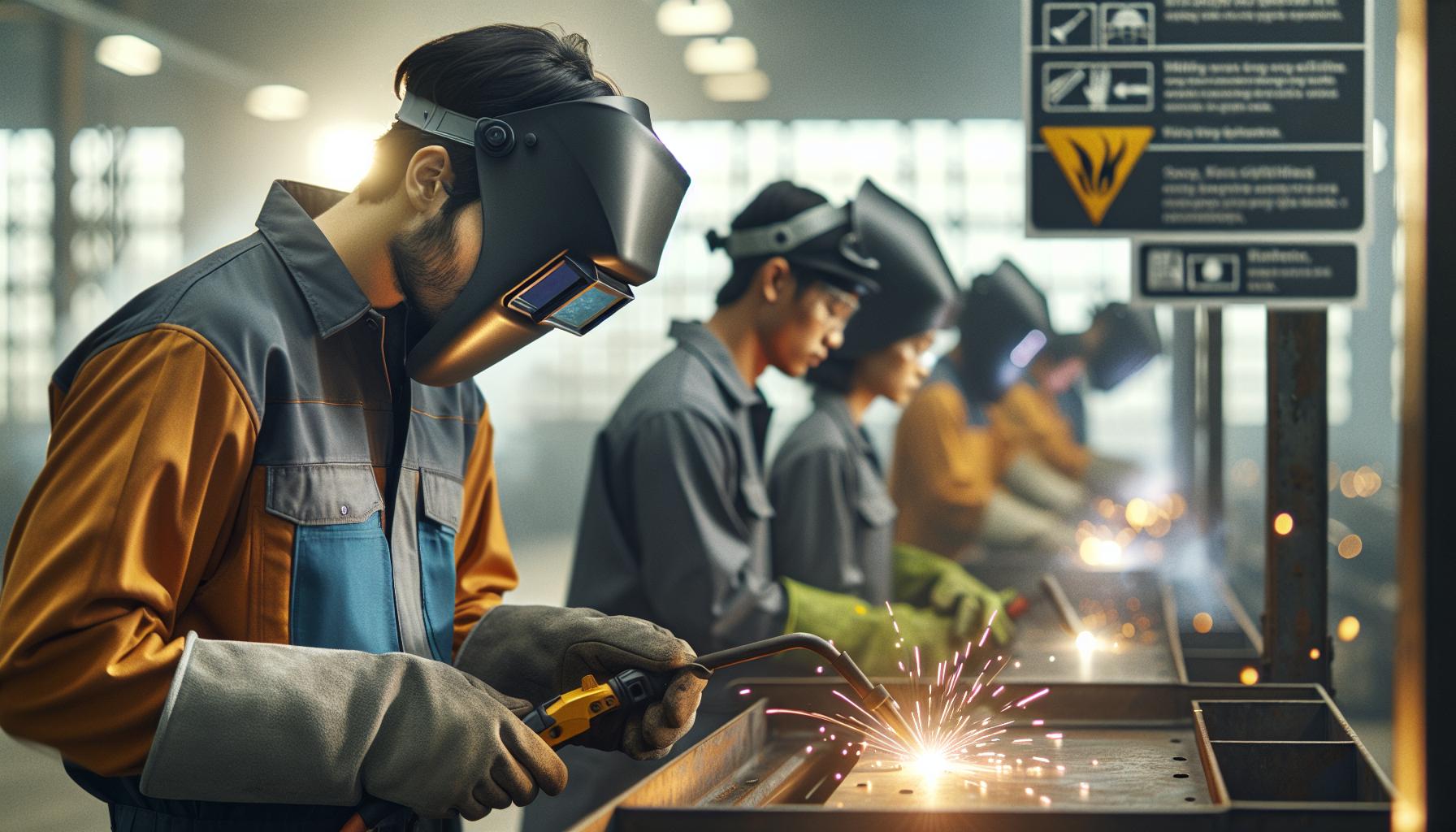
Safety Protocols for MIG Welding: Protecting Yourself and Others
In the realm of MIG welding, understanding and implementing safety protocols is paramount. The welding process generates intense heat, sparks, and harmful emissions that pose significant risks not just to the operator but also to those nearby. A captivating statistic is that more than 5,000 welding-related injuries occur annually due to inadequate safety measures; thus, ensuring a safe working environment is non-negotiable.
To safeguard yourself and others, begin by donning appropriate personal protective equipment (PPE). This includes a welding helmet featuring auto-darkening filters to protect your eyes from the intense light produced during the welding process. Complement this with flame-resistant clothing to shield your skin from molten metal splatter. Heavy-duty gloves, specifically made for welding, are essential for protecting your hands from heat and abrasions. Steel-toed boots can further enhance safety, preventing foot injuries from dropped equipment or hot materials.
Work Area Safety
Maintaining a clean and organized workspace is crucial in minimizing accidents. Keep flammable materials away from your welding area, and ensure adequate ventilation to disperse potentially harmful fumes. This is especially important when using certain gases, such as argon or carbon dioxide, which can displace oxygen in poorly ventilated spaces. Setting up welding curtains or screens can also protect others from dangerous UV radiation and flying sparks.
Regularly inspect your welding equipment, including hoses and cables, for any signs of wear or damage. Faulty equipment can lead to electrical hazards or gas leaks. Adhering to these safety protocols not only protects you but also creates a culture of safety in the workplace, encouraging others to prioritize protective measures and responsible practices.
Emergency Preparedness
Being prepared for emergencies is another vital element of welding safety. Always have a fire extinguisher nearby that is rated for metal fires (Class D) and ensure it’s easily accessible. Familiarize yourself with the emergency exit routes and establish a protocol for reporting accidents or unsafe conditions. Conducting regular safety drills can instill a sense of readiness among your team, making sure everyone knows how to respond in case of an emergency.
By following these safety guidelines, welders can not only enhance their own safety but also contribute to a safer work environment for everyone involved. Each of these elements plays an integral role in transforming your MIG welding experience from a potential risk into a structured and secure undertaking.
Preparing Your Materials: Steel, Aluminum, and Beyond
Preparing your materials optimally is a crucial step in achieving high-quality MIG welds. The choice of metal significantly impacts the welding process, as different materials-like steel and aluminum-require unique handling and preparation practices to ensure successful joins. For instance, when working with steel, it is vital to clean the surface thoroughly, removing any rust, oil, or paint that could contaminate the weld and weaken the joint. A clean substrate not only promotes better penetration of the weld but also prevents defects like porosity and undercut.
When welding aluminum, the preparation process becomes even more critical due to aluminum’s tendency to oxidize quickly. Before welding, the oxide layer must be removed using a chemical cleaner or a stainless-steel brush to expose the pure metal beneath. This step ensures strong fusion between the aluminum pieces. Additionally, maintaining a proper heat input is essential, as aluminum dissipates heat more rapidly than steel, which can lead to warping or burn-through if not carefully controlled.
Material Thickness and Joint Design
The thickness of the materials being welded plays a significant role in selecting the correct MIG settings and techniques. For thinner materials, a smaller diameter filler wire may be necessary to prevent excessive heat and distortion, while thicker materials generally require higher amperage and possibly multiple passes to achieve full penetration. Proper joint design, including the angle and gap, should also be considered based on the material’s characteristics and thickness.
Using appropriate backing bars can also enhance the quality of welds on thicker sections by helping retain heat and providing additional support during the welding process. Understanding these nuances will equip you with the skills to prepare and execute welds that not only look great but also have the strength and durability required for their intended applications. Preparing your materials correctly sets the foundation for every successful MIG welding project.
MIG Welding Techniques: From Basics to Mastery
Mastering MIG welding involves understanding various techniques that allow welders to achieve strong, clean, and aesthetically pleasing joints. Beginning with the fundamentals, it is essential to grasp the concept of polarity; using the correct polarity-with DCEN (Direct Current Electrode Negative) for MIG welding-ensures optimal heat generation. Furthermore, effective control of the welding speed, torch angle, and gun travel can significantly influence the quality of the weld. For instance, aiming for a travel angle of 10 to 15 degrees improves bead appearance and penetration by directing the arc more effectively.
Basic Techniques
As one progresses, the technique of “weaving” becomes a vital skill. This involves moving the welder’s torch in a zigzag pattern rather than a straight line, which can improve the fusion between metal pieces and fill larger gaps or joints. Maintaining a steady hand and consistent speed is key-an erratic motion can result in inconsistent bead width and penetration. Additionally, the “stringer bead” technique, where the weld is made in a straight line without weaving, is beneficial for welding thin materials where precision is paramount.
- Weaving Technique: Best for gaps and thicker materials.
- Stringer Bead Technique: Ideal for thin metals for precision.
Advanced Techniques
For those looking to elevate their skills, more advanced methods like pulse welding offer improved control over heat input, reducing distortions in thin materials like aluminum. This technique alternates between high and low current settings, allowing the welder to adapt to the material’s characteristics dynamically. Learning to effectively use filler materials is equally important, as choosing the right type can enhance the overall integrity of the weld. Factors such as the base metal, environment, and intended use of the welded piece should dictate the choice of filler material.
Moreover, consistent practice is essential to mastering these techniques. Setting aside time for hands-on training is invaluable. Engaging in projects that challenge your current skill level while experimenting with various techniques can accelerate your learning curve. Finding a mentor or joining a welding community can also provide support and valuable insights, enabling both beginners and experienced welders to refine their approaches.
In summary, from basic to advanced techniques, mastering MIG welding requires a blend of knowledge, practice, and adaptability. By focusing on torch control, understanding essential techniques such as weaving and stringer beads, and exploring advanced methods like pulse welding, welders can significantly enhance their skill set and produce high-quality welds suitable for any project.
Controlling Heat and Speed: Achieving Perfect Welds
Achieving the perfect weld is akin to mastering a delicate balance; too much heat can burn through materials, while too little can lead to weak joints. Understanding how to control both heat and speed is crucial for any welder, especially when working with different materials like steel and aluminum. These two factors not only influence the quality and integrity of the weld but also determine the overall appearance of the finished product.
Heat control starts with selecting the appropriate settings on your MIG welder. A misjudged voltage can lead to various defects, from excessive spatter to blow-through. For instance, when welding thin gauge metals, a lower voltage and a faster travel speed are essential to prevent warping and distortion. Conversely, thicker materials require more heat and slower travel speeds to ensure proper penetration. A rule of thumb is to adjust your heat settings based on the material thickness: for metals under 1/8 inch, lower settings are often ideal, while materials thicker than 1/4 inch will need higher settings for effective fusion.
Speed also plays a pivotal role in achieving strong, clean welds. Travel speed should be consistent; too fast can result in weak welds with poor penetration, while too slow can introduce excessive heat, leading to burn-through. Maintaining a steady hand and a uniform angle can improve bead appearance and ensure even weld penetration throughout the joint. A practical method to gauge your speed is to observe the arc’s “pinging” sound-an even, steady sound typically indicates that you are traveling at an optimal speed.
- Adjust Voltage: Higher for thicker materials, lower for thinner.
- Maintain Consistency: Speed and travel angle affect weld quality.
- Listen to the Arc: An even sound can signal proper speed.
Incorporating these strategies not only enhances the strength of your welds but also bolsters your confidence as a welder. Utilizing techniques such as testing on scrap materials can further aid in fine-tuning your approach, allowing you to practice varying heat settings and travel speeds until achieving your desired weld quality. Ultimately, mastering the nuances of heat and speed empowers welders to tackle diverse projects with precision and ease.
Troubleshooting Common MIG Welding Issues
Welding can sometimes feel like a delicate art, where even the slightest deviation in technique can lead to significant problems. Troubleshooting common issues in MIG welding is essential for both novice and experienced welders to ensure high-quality results. Knowing how to identify and resolve these challenges can prevent costly mistakes and enhance the overall efficiency of your projects.
One of the most frequent issues encountered is poor arc stability, which can manifest as erratic arc behavior or difficulty in maintaining a consistent weld bead. This can often be traced back to improper settings on your equipment. Make sure your wire feed speed and voltage settings are appropriate for the thickness and type of material you’re welding. A good starting point is to consult your MIG welder’s manual or manufacturer guidelines. Additionally, inspect your gas supply; insufficient flow rates can affect arc quality. If the shielding gas is not covering the weld properly, consider checking for leaks in your hose and connections, or look into adjusting the flow rate to ensure adequate coverage.
Another common complication is excessive spatter. This typically occurs when the voltage is too high for the material thickness or when wire feed speed is too high. While some spatter is normal in MIG welding, an excessive amount can lead to time-consuming cleanup work. To minimize spatter, decrease your voltage and wire feed speed, adjusting them incrementally until an optimal balance is struck. Also, ensure that your welding surface is clean and free from contaminants, as rust or grease can contribute to spattering.
Burn-through and Warping
Burn-through is a frustrating issue often seen when welding thinner materials. This happens when the heat is too intense for the material, leading to holes or seams that compromise structural integrity. To mitigate this, start with a lower voltage setting and increase your travel speed. Employing the “weaving” technique-moving the torch back and forth while advancing-can also help distribute heat more evenly. It’s essential to practice on scrap pieces to fine-tune your approach before working on your primary materials.
Weld Appearance and Penetration Issues
If you notice that your welds have inconsistent appearance or insufficient penetration, this may be indicative of incorrect travel speed or inadequate heat. A solid weld should have a pleasing, uniform bead with smooth transitions. If it’s too shallow or has a rippled appearance, slow down and increase your heat slightly. On the other hand, if the weld appearance shows signs of excessive buildup or lack of fusion, reduce your heat and increase your travel speed.
By recognizing and addressing these common MIG welding issues proactively, you can improve both the function and appearance of your welds, ultimately leading to better outcomes in your projects. Maintaining a mindset of continuous learning and adaptation not only enhances your skills but also ensures you can tackle challenges with confidence as they arise.
Advanced MIG Welding Techniques for Professionals
Advanced MIG welding techniques not only enhance the quality of your work but also expand your capabilities as a welder, allowing you to tackle more complex and challenging projects. One of the fundamental skills professionals often refine is the use of different welding positions, including flat, horizontal, vertical, and overhead. Mastering these positions requires practice and an understanding of how gravity affects the molten pool, ensuring strong, consistent welds regardless of angle.
Weaving Techniques
Advanced welders often use weaving techniques to control heat input and improve weld penetration. For example, techniques such as the “C,” “Z,” or “whip” patterns allow welders to manipulate the bead profile and control the width and penetration of the weld seam. A consistent back-and-forth motion can help distribute heat evenly, reducing the risk of burn-through, especially on thinner materials. Practicing these weaving patterns on scrap metal is invaluable to develop muscle memory and achieve the desired results.
Utilizing Pulse MIG Welding
Pulse MIG welding is another advanced technique that has gained popularity for its ability to improve weld quality and control in challenging positions or materials. This method involves varying the voltage between high and low levels, creating a pulsating effect that allows for better control over the heat input and decreased distortion. This is particularly beneficial when working with thin materials, as it minimizes burn-through while maintaining a strong weld. As you become comfortable with this technique, experimentation with pulse frequency and balance can lead to unique weld appearances and performance characteristics.
Material Considerations
Different materials require specific approaches in MIG welding. For aluminum, for instance, the use of a spool gun can simplify wire feeding and minimize issues like birdnesting. When welding stainless steel, understanding the importance of shielding gas selection-often a mix of argon and helium-can greatly affect the weld’s appearance and structural integrity. Advanced welders should be well-versed not only in the material properties but also in the filler metals used, as different alloys can affect corrosion resistance and overall strength.
- Advanced Planning: Before starting a project, carefully plan your weld path to ensure the best technique and settings for your specific application.
- Understanding Heat Input: Calculate the heat input for each application to ensure proper penetration without compromising the material’s integrity.
- Practice Consistency: Work on maintaining consistent travel speed and technique to produce uniform bead profiles.
By integrating these advanced techniques into your workflow, you can elevate your MIG welding skills, improve the quality of your work, and expand the types of projects you can confidently undertake. Continuous learning and adaptation in these highly specialized methods position you as a more versatile and skilled professional in the welding industry.
Maintaining Your MIG Welder: Tips for Durability
Proper maintenance of your MIG welder is crucial for ensuring its longevity and optimal performance, allowing you to consistently produce high-quality welds. A welder that’s cared for not only upgrades your work efficiency but also ensures safety in your welding environment. By committing to regular maintenance routines, you can avoid significant repairs down the line and maximize your investment in this essential tool.
Start by routinely cleaning your MIG welder. Dust, debris, and spatter can accumulate, potentially affecting internal components and overall performance. Use a dry cloth to wipe down the exterior and compressed air to clear out any dust from the internal parts. Pay particular attention to the contact tips and the nozzle; these components should be free of buildup as they directly influence the quality of the arc and the weld bead. Consider replacing the contact tips regularly, as worn tips can lead to poor welding performance and increased spatter.
Next, inspect the welding cables and connections frequently. Look for any signs of wear or damage, such as fraying or corrosion, particularly in the areas most exposed to movement or heat. Faulty cables can lead to inefficient welding and pose safety risks. Ensure that all electrical connections are tight and corrosion-free to maintain a strong electrical current during operation. Additionally, check the drive roller mechanism for proper tension; if it is too loose or too tight, it can cause feeding issues with the welding wire.
Lastly, ensure that the shielding gas levels are adequate and that the hoses are free of leaks. Regularly inspecting and replacing the gas cylinder assures that you will not face interruptions during critical fabrication projects. Pay attention to the regulator and hoses for any signs of wear; replace them if necessary to prevent gas escapes or pressure drops that could affect weld quality. Keeping a maintenance log can help track your welder’s service history and remind you of upcoming maintenance tasks.
By maintaining your MIG welder properly, you enhance its durability and ensure a consistent welding experience. As you integrate these maintenance practices into your routine, you will not only protect your investment but also improve your welding craft significantly.
The Role of Welding Filler Materials Explained
To achieve strong, lasting welds, understanding the role and selection of welding filler materials is crucial. Filler materials act as the bridge connecting two pieces of metal, and their compatibility with the base metals significantly influences weld integrity and strength. For MIG welding, various filler wires are available, each designed for specific applications and metal types. Whether you are working with steel, aluminum, or other metals, selecting the right filler material can make the difference between a successful weld and a catastrophic failure.
In MIG welding, solid wire and flux-cored wire are the two primary types of filler materials. Solid wires, often coated with a thin layer of deoxidizers, provide a smooth welding process and are most commonly used for welding mild steel and stainless steel. Examples include ER70S-6 for mild steel, which offers good impact properties and is often used in construction and automotive applications. On the other hand, flux-cored wires, which contain a special flux within their core, are ideal for all-position welding and can be used in outdoor conditions where wind might otherwise disrupt shielding gas. They are particularly useful for welding thicker sections and can accommodate contaminants on the workpiece, making them versatile in challenging environments.
When selecting a filler material, consider factors like the base metal composition, desired mechanical properties of the weld, and the working environment. For instance, when welding aluminum, using ER4047 filler rods-known for their fluidity-enhances the quality of the weld bead and reduces the risk of cracking. Additionally, it’s essential to match the filler material carefully with the base metals to prevent issues such as poor fusion or brittleness in the welds, which can arise from mismatched material properties.
Furthermore, proper storage of welding filler materials is paramount to maintaining their integrity. Filler wires should be kept dry and free from contaminants, as moisture and debris can affect weld quality. Properly understanding and utilizing the right welding fillers not only enhances the strength and durability of your welds but also ensures safety and reliability in structural applications. As you progress in your MIG welding skills, developing a comprehensive knowledge of available materials will greatly enhance your craftsmanship and project outcomes.
Career Paths in Welding: Opportunities and Growth
Welding stands as a cornerstone of the manufacturing and construction industries, creating numerous avenues for career advancement and specialization. With the push towards modernization and technological integration in welding processes, such as MIG welding, the demand for skilled professionals continues to rise. A career in welding not only promises job stability but also offers lucrative salaries and opportunities for personal and professional growth in various sectors.
Career Opportunities
The scope of welding careers is expansive, encompassing roles that range from entry-level positions to specialized technician roles. Some well-known paths within the industry include:
- Welder Fabricator: These professionals combine welding skills with fabrication techniques to create components or structures. They often work in manufacturing, automotive, or construction industries.
- Certified Welding Inspector (CWI): CWIs assess weld quality and compliance with industry standards. They play a critical role in maintaining safety and quality assurance, making this a respected and often high-paying position.
- Welding Engineer: With advanced knowledge in welding processes and materials, welding engineers design welding procedures and select appropriate methods and materials, often working closely with product development teams.
- Underwater Welder: This specialized role involves performing welding tasks underwater, often in challenging and hazardous conditions, and is known for its high-risk and high-reward nature.
Each of these roles requires specific skills and certifications, providing a clear pathway for those interested in furthering their education and training within the welding profession.
Professional Growth and Specialization
The welding field allows for continuous learning and specialization, enabling individuals to enhance their skills and adapt to the evolving landscape. As technology advances, welders have the opportunity to expand their expertise into areas such as robotic welding, automation, and additive manufacturing, which are increasingly employed in the industry for efficiency and precision.
Training programs, workshops, and industry certifications-such as those offered by the American Welding Society (AWS)-can significantly bolster a welder’s professional credibility and increase job prospects. Engaging in networking through trade associations and attending industry conferences can also open doors to new opportunities and collaborations.
The Future of Welding Careers
As industries focus on sustainability and innovative product development, the role of welders is changing, making adaptability crucial. The integration of green technologies and the rising demand for sustainable manufacturing processes present fresh challenges and opportunities for welders. Upskilling in areas such as environmental compliance and new material welding techniques can give professionals a competitive edge.
In summary, a welding career today not only provides job security but also offers a dynamic environment filled with opportunities for learning, advancement, and specialization. Whether entering the field or seeking to climb the professional ladder, understanding these career paths lays the foundation for a fulfilling and prosperous journey in the world of welding.
Essential Resources for Continuous MIG Welding Learning
To excel in MIG welding, continual education and skill enhancement are pivotal. The welding landscape is constantly evolving with advancements in technology and techniques, making it essential for both new and seasoned welders to stay updated. A myriad of resources exists to facilitate this journey, providing both foundational knowledge and specialized training that cater to different learning styles and professional goals.
Online Courses and Webinars
Numerous platforms offer extensive online courses on MIG welding, covering everything from the basics to advanced techniques. Websites like Coursera, Udemy, and the American Welding Society (AWS) provide structured curricula that often include videos, quizzes, and interactive assignments. Additionally, participating in live webinars can offer real-time engagement with experts, allowing for immediate clarification of concepts and techniques. These resources are particularly beneficial for those who prefer self-paced learning or cannot access in-person training.
Books and Publications
Books remain a reliable source for in-depth understanding. Titles such as “Welding: Principles and Applications” by Larry Jeffus provide valuable insights into various welding processes, including MIG welding. Industry publications and magazines like “Welding Journal” often highlight new techniques, equipment reviews, and practice tips. Subscribing to these resources ensures regular updates on industry trends and best practices.
Hands-On Workshops and Certification Programs
While online resources are invaluable, hands-on experience cannot be underestimated. Many community colleges, trade schools, and private welding facilities offer workshops and certification programs. Engaging with instructors who have extensive field experience allows for practical application of learned theories. Obtaining certifications, like those offered by AWS, enhances credibility and can significantly impact career advancement opportunities.
Forums and Networking Opportunities
Joining forums and industry networks provides the chance to connect with other professionals, share experiences, and exchange practical advice. Platforms such as WeldingWeb and Reddit’s welding community are conducive for discussing challenges and solutions. Moreover, participating in industry trade shows and conferences can broaden professional networks and expose welders to the latest technology and methodologies in MIG welding.
Regularly engaging with these resources will not only refine MIG welding skills but also foster a deeper appreciation for the craft. By committing to continuous learning, welders can enhance their proficiency, navigate the complexities of modern welding demands, and remain competitive in the field.
Faq
Q: What are the common mistakes beginners make in MIG welding?
A: Beginners often struggle with settings like voltage and wire feed speed, leading to poor weld quality. Other mistakes include improper material preparation and inadequate safety measures. Refer to the “MIG Welding Techniques: From Basics to Mastery” section for tips on avoiding these errors.
Q: How can I improve my MIG welding skills quickly?
A: To enhance your MIG welding skills, practice consistently with different materials and settings. Joining welding workshops or online courses can provide valuable hands-on experience and expert feedback. Check out the “Essential Resources for Continuous MIG Welding Learning” for further learning opportunities.
Q: What is the best position for MIG welding?
A: The best position for MIG welding typically depends on the joint configuration, but flat and horizontal positions are usually easiest for beginners. Maintaining a steady hand and good posture can improve weld quality. Refer to “MIG Welding Techniques: From Basics to Mastery” for more on positions.
Q: How do I select the right filler material for MIG welding?
A: Selecting the right filler material depends on the base metals being welded and the application’s requirements. For steel, ER70S-6 is commonly used, while ER4047 works well for aluminum. More details can be found in the “The Role of Welding Filler Materials Explained” section.
Q: Why is shielding gas important in MIG welding?
A: Shielding gas protects the molten weld pool from oxidation and contamination, which can weaken welds. The choice of gas, such as argon or carbon dioxide, influences the weld’s characteristics. For gas selection, see “Essential MIG Welding Equipment: A Complete Guide.”
Q: When should I replace MIG welding wire?
A: Replace MIG welding wire when you notice signs like excessive spatter or inconsistent feed. Regular maintenance and checking for contamination can also prolong wire life. The “Maintaining Your MIG Welder: Tips for Durability” section emphasizes proper care practices.
Q: What are the safety protocols to follow while MIG welding?
A: Essential safety protocols for MIG welding include wearing protective gear like gloves, helmets, and fire-resistant clothing. Ensure proper ventilation and use fire extinguishers nearby. Visit the “Safety Protocols for MIG Welding: Protecting Yourself and Others” section for comprehensive guidelines.
Final Thoughts
Mastering MIG welding is just the beginning of your journey in metalworking. By implementing the essential skills and techniques outlined, you are not only enhancing your craft but also opening doors to exciting career opportunities. Don’t let uncertainty hold you back; start practicing today and transform your welding capabilities into a valuable asset. For further learning, check out our comprehensive guides on TIG welding and safety protocols to deepen your expertise.
Ready to elevate your welding skills? Explore our resources on equipment reviews and tips for working with aluminum and steel to find the perfect tools for your next project. Don’t forget to sign up for our newsletter for regular updates and expert insights. Share your experiences in the comments-your journey might inspire others in the welding community! Keep learning, keep welding!