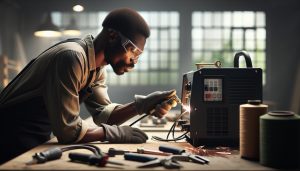
When it comes to repairs and bonding, JB Weld is a go-to solution for many DIY enthusiasts and professionals alike. However, waiting for the glue to cure fully can be a daunting task that delays your project. Fortunately, there are effective techniques to speed up the curing process without compromising the bond’s strength. By understanding factors like temperature, humidity, and application methods, you can significantly reduce wait times. This guide will explore expert strategies to achieve faster results with JB Weld, helping you complete repairs efficiently and get back to what matters most. Whether you’re fixing a critical component or completing a simple craft project, these pro tips will enhance your workflow and results. Stay tuned to unlock the secrets of accelerating JB Weld curing for all your bonding needs.
Understanding JB Weld: Types and Applications
JB Weld is known for its versatility and remarkable bond strength, making it a popular choice for various applications in both professional and DIY settings. It comes in two primary types: epoxy adhesive and high-strength epoxy. The standard formulation, which cures to a strong, resilient bond, is ideal for a range of materials including metal, wood, ceramics, and plastic. Specialty formulations, such as JB Weld WaterWeld, are specifically designed for underwater applications or repairs involving water-damaged items, broadening JB Weld’s utility across multiple industries.
When it comes to practical applications, JB Weld excels in numerous scenarios. It can effectively repair broken pipes, fill gaps and cracks in machinery, attach materials that are difficult to weld, and reinforce structures subject to stress. This adaptability allows users to apply JB Weld in automotive, marine, and even household repairs, making it an indispensable tool for both novices and seasoned professionals. With proper surface preparation and application techniques, it can significantly reduce repair costs while extending the life of various components.
Understanding the properties and types of JB Weld empowers users to choose the right formulation for their specific repair needs. The commitment to safety when using JB Weld cannot be overstated; users should always wear protective gear and work in well-ventilated areas to mitigate any potential hazards. In an environment where efficiency is key, knowing how to maximize JB Weld’s performance can lead to quicker and more durable repairs, ensuring both reliability and safety in the final results.
Factors Affecting JB Weld Cure Time

The curing time of JB Weld can vary considerably depending on a variety of factors that directly affect its performance. Understanding these elements is essential for anyone looking to optimize their repair projects, whether it’s sealing a leak in a water pipe or bonding metal components in automotive restoration. Key influences on JB Weld’s curing process include the temperature of the environment, the thickness of the applied adhesive, and the humidity levels present during application.
Temperature plays a critical role in accelerating the curing process. JB Weld is designed to cure faster in warmer conditions, ideally between 50°F (10°C) and 90°F (32°C). When temperatures fall below this range, chemical reactions that solidify the epoxy slow down, extending the overall curing time. For instance, when working in colder environments, using a heat lamp or a heating pad can help maintain optimal conditions to promote faster curing.
Another significant factor is the thickness of the epoxy layer. Applying JB Weld in thinner layers can dramatically speed up the curing time. When JB Weld is spread thinly over a surface, it allows for a more efficient transfer of heat and moisture, which are critical for the curing chemical reactions to occur. Thick applications, on the other hand, can trap cooler air and moisture within the epoxy, slowing down the process. Therefore, for optimal results, it’s advisable to apply JB Weld in multiple thin layers, allowing each layer to cure partially before applying the next.
Humidity also impacts how well JB Weld cures. High humidity can introduce moisture that interferes with the bonding process, potentially leading to weaker bonds and longer cure times. To mitigate this effect, ensure that your workspace is dry and to consider using a dehumidifier if working in particularly humid conditions. For projects where moisture exposure is unavoidable, using specialized formulations designed for wet environments can provide better results.
By being cognizant of these factors-temperature, layer thickness, and humidity-users can enhance the performance of JB Weld and achieve quicker, more reliable results in their repairs.
Temperature Management for Faster Curing

JB Weld performs best within an optimal temperature range, significantly influencing how quickly it cures. Ideally, this temperature range lies between 50°F (10°C) and 90°F (32°C). When the ambient temperature dips below this threshold, the chemical reactions that facilitate the curing process slow down, which can lead to extended repair times. For instance, working in colder conditions can transform a project that should take a few hours into a bottleneck affecting overall productivity.
To effectively manage temperature and accelerate the curing of JB Weld, several techniques can be employed. Utilizing heating elements such as heat lamps or heating pads can help maintain a warmer work environment, enhancing the epoxy’s performance. When applying JB Weld in cooler environments, a consistent temperature can be maintained by placing the workpiece in a heated room or using insulated blankets. Alternatively, in excessively hot conditions, ensure that ventilation is adequate to prevent the epoxy from setting too quickly, which can sometimes lead to weak bonds.
Another practical approach is the method of warming the JB Weld itself before application. By placing the adhesive container in warm water or leaving it in a heated space for a short period, one can reduce its viscosity, allowing for better adhesion and quicker curing. However, it’s critical to monitor the temperature closely to avoid overheating, which could compromise the product’s effectiveness.
Managing the application environment and temperature not only speeds up the curing process but also directly impacts the strength and reliability of the bond, ensuring that repairs are durable and long-lasting. By paying attention to these temperature management strategies, both novice and experienced users can achieve superior results in their JB Weld projects.
Using Thin Layers to Accelerate JB Weld
Applying JB Weld in thinner layers can significantly enhance the curing process, allowing you to achieve stronger bonds in less time. When JB Weld is spread in thicker applications, it takes longer to cure because the heat generated from the chemical reaction is trapped, leading to uneven curing and weaker bonds. By employing thin layers, you facilitate a more efficient curing environment where heat can escape and the epoxy can react more uniformly.
To effectively utilize this technique, it is advisable to apply JB Weld in increments. Start with a very thin layer, ensuring it covers the necessary area completely. Allow this first layer to set slightly before applying subsequent layers if needed. This incremental approach not only speeds up the overall curing time but also improves the adhesion of JB Weld to the surfaces being bonded. Each layer can be brushed on or spread with a spatula, making sure not to exceed a thickness of about 1/16 inch (1.5 mm) at any point to maintain optimal heat dissipation.
Utilizing a methodical approach also enhances surface preparation. Before applying JB Weld, ensure that the surfaces are clean, free from oil, and well-sanded for maximum adhesion. Thin layers naturally reduce the overall weight and stress on the bond, minimizing the chances of separation or failure under load. Moreover, the increased surface area exposed to air can accelerate the curing time, leading to a stronger and more durable repair.
In summary, focusing on thin applications of JB Weld not only expedites the curing process but plays a crucial role in fortifying the integrity of the bond. By using this technique, combined with proper surface preparation, you can ensure that your JB Weld applications are both efficient and effective.
Techniques to Enhance JB Weld Adhesion
To achieve optimal bonding with JB Weld, one must prioritize techniques that significantly enhance adhesion. Proper surface preparation is critical; start by ensuring that surfaces are clean and free from contaminants such as oil, dust, and rust. Use a degreaser or rubbing alcohol followed by sanding the surfaces to increase their roughness. This enhances the surface area available for bonding, allowing JB Weld to grip better and form a more durable joint.
Another effective approach is to utilize heat strategically. Applying a gentle heat source, like a heat gun, prior to mixing and applying the JB Weld can improve the flow of the epoxy, enabling it to seep into microscopic voids on the surfaces being joined. This not only promotes better adhesion but also can act to accelerate the curing process once the epoxy is in place. However, caution must be exercised to avoid overheating the surfaces, which could lessen bonding strength.
Using proper mixing techniques is equally vital in enhancing adhesion. Ensure that the two components of JB Weld are thoroughly mixed until a uniform color and consistency are achieved. Inadequate mixing can result in weak bonds and inconsistent curing. Consider incorporating a small amount of a compatible filler material to the mix for specific applications, as this can bolster the bond strength and tailor the properties of the cured JB Weld for unique project needs.
Lastly, consider the application environment. JB Weld performs best in moderate temperatures and low humidity. If working in an environment with higher humidity, the curing process may be hindered, so it may be beneficial to use a fan to improve air circulation or even utilize a dehumidifier if conditions are extreme. By integrating these techniques, you can significantly improve JB Weld’s adhesion properties and ensure effective, lasting repairs.
Common Mistakes That Slow Down Curing
In the world of adhesives, JB Weld stands out for its ability to create strong, durable bonds under various conditions. However, there are common mistakes that can inadvertently slow down its curing time, leading to frustration for DIY enthusiasts and professionals alike. Recognizing and avoiding these errors is crucial for achieving optimal results.
One major pitfall occurs when users fail to adequately prepare the surfaces before applying the epoxy. Surface contaminants such as dirt, grease, and moisture can impede bonding and extend curing time. To remedy this, thoroughly clean surfaces using a degreaser and sand them to create a rough texture that enhances adhesion. Ignoring this step is a frequent oversight that can lead to weak joints and prolonged curing periods.
Another frequent mistake involves improper mixing of the epoxy components. JB Weld consists of a resin and a hardener, and achieving the correct ratio is essential for effective curing. Often, users neglect to mix the two parts thoroughly, leading to uneven curing and compromised strength. Aim for a uniform color and consistency; insufficient mixing can result in areas that take much longer to harden or may even remain liquid.
Additionally, applying JB Weld too thickly is counterproductive. While it’s tempting to apply a generous amount for better coverage, thick layers can hinder proper curing due to the epoxy’s heat-generating properties. Instead, opt for applying multiple thin layers, allowing each to cure partially before adding more. This layered approach not only speeds up the overall curing process but also enhances the bond strength.
Lastly, environmental factors such as temperature and humidity are often overlooked. JB Weld cures best in moderately warm and dry conditions. High humidity can introduce moisture that disrupts the curing process, while extremely low temperatures may slow down the chemical reaction. Therefore, it’s advisable to monitor the work environment and make adjustments-like using a dehumidifier or moving to a warmer area-when necessary.
By addressing these common mistakes-improper surface preparation, inadequate mixing, overly thick applications, and neglecting environmental conditions-users can significantly improve JB Weld’s curing time and achieve robust, reliable repairs.
How Humidity Influences JB Weld Performance

High humidity can significantly hinder the performance of JB Weld, affecting both the curing process and the adhesive’s ultimate strength. When moisture is present in the environment, it can interact with the epoxy’s chemical composition, potentially leading to a weaker bond and longer cure times. This is particularly crucial for projects where a reliable adhesion is paramount, such as repairs on metal surfaces or assembly in humid climates.
Humidity affects the curing process in two main ways. First, excess moisture can lead to an incomplete chemical reaction between the epoxy resin and hardener, resulting in a weaker bond. The presence of water can interfere with the hardening process, creating a sticky or tacky finish that never fully sets. To illustrate, a user applying JB Weld in a high-humidity environment may find that, despite following recommended mixing ratios, the product does not cure properly, leaving them frustrated and their project incomplete.
To mitigate these effects, maintaining a controlled workspace is essential. Utilizing dehumidifiers can help reduce moisture levels, thus creating a more favorable environment for JB Weld to achieve optimal curing. Moreover, performing application tasks during drier periods of the day, such as late morning or early afternoon when humidity levels might be lower, can also enhance results. If working outdoors, checking local weather conditions before starting a project is advisable.
Additionally, consider the application technique: applying JB Weld in thin layers allows each layer to cure more effectively, regardless of humidity. This method not only minimizes the impact of moisture but also improves overall adhesion strength. When environmental conditions are unfavorable, taking these proactive steps will ensure stronger, more lasting repairs, making it critical to understand and manage the influence of humidity on the performance of JB Weld.
Best Practices for Prepping Surfaces

Properly preparing surfaces is critical for achieving optimal results with JB Weld. The strength and durability of the bond depend significantly on how well the surfaces are cleaned, roughened, and aligned prior to application. Taking the time to prepare the surfaces correctly can drastically reduce the curing time and enhance the adhesive’s performance. Here are some essential best practices to follow.
Before applying JB Weld, ensure that the surfaces are free from contaminants. This includes dust, oil, grease, and moisture. Use a solvent such as isopropyl alcohol or acetone for cleaning; these will effectively remove residues and promote better adhesion. For rougher surfaces, scrub them with a wire brush or sandpaper to create a more textured area for the epoxy to grip. A roughened surface increases the contact area, which enhances the bond strength. Remember that smooth and glossy finishes tend to hinder adhesion, so roughing them up is crucial.
Align the surfaces carefully before application. Ensuring that the parts fit snugly together can help minimize the amount of JB Weld required and reduce potential messiness. It also allows the adhesive to fill in any gaps more effectively, which is essential for a strong bond. If you are working on vertical or overhead applications, consider using clamps or weights to hold the pieces in place while the JB Weld cures, as this prevents slippage and misalignment.
Lastly, consider the ambient conditions where you will apply JB Weld. Ideally, the temperature should be between 50°F and 90°F (10°C and 32°C) for the best results. If the surfaces are cold, heating them slightly with a heat gun or hairdryer can help encourage a better bond. Additionally, if the workspace is too humid, it may interfere with the curing process. Aim for a controlled environment by utilizing dehumidifiers or choosing optimal times for application.
By adhering to these best practices for surface preparation, users can significantly enhance the effectiveness of JB Weld, leading to more rapid and reliable curing times, ultimately resulting in a successful repair or bonding project.
Timing Your JB Weld Application for Success
Timing your application of JB Weld is crucial for achieving optimal results. Applying the adhesive at the right moment can significantly influence the curing process and the strength of the bond. For instance, it is important to consider not only the temperature of the environment but also the physical state of the surfaces to be bonded. Ideally, JB Weld functions best when applied in a controlled atmosphere-between 50°F and 90°F (10°C and 32°C). This range maximizes the effectiveness of the curing agents in the epoxy and minimizes the risk of premature drying or inadequate bonding.
Being mindful of humidity levels is also essential. High humidity can introduce moisture that interferes with the bond formation, while very low humidity can accelerate drying and lead to weaker adhesion. For this reason, choosing the right day for application-preferably one with moderate humidity-can enhance performance. If conditions vary, utilizing tools such as dehumidifiers or heaters can create an ideal setting for application.
Moreover, consider the curing timeline for JB Weld after application. Most formulations will attain a workable bond within around 4 to 6 hours, but full strength may take up to 15 to 24 hours, depending on the specific type of JB Weld used. Checking the product guidelines and factoring in the level of stress that the bond will endure post-curing is wise. If immediate strength is necessary, using a heat gun to gently warm the area can facilitate quicker curing, just be cautious to maintain a safe distance to prevent damaging the epoxy.
Lastly, application timing also extends to the actual process of bonding. When joining two surfaces, ensure they are held tightly together without shift during the initial setting phase. Clamps or weights can be highly effective for achieving stable alignment, thereby ensuring that the epoxy fills in any irregularities between surfaces and maximizing contact area. All these timing considerations culminate in an efficient bonding scenario, allowing JB Weld to achieve the quickest and most robust cure possible.
Equipment and Tools to Speed Up Curing
To achieve a faster curing process with JB Weld, utilizing the right equipment and tools is essential. Proper tools not only improve efficiency but also help ensure that the bond formed is strong and durable. One of the most effective methods for speeding up curing is to incorporate heat in a controlled manner, and there are various tools that can assist with this process.
A heat gun is a versatile tool for rapidly increasing the temperature of the applied JB Weld, promoting a quicker cure time. When using a heat gun, maintain a distance of about 6 to 12 inches from the surface to prevent overheating, which can degrade the epoxy. For those seeking a more precise temperature adjustment, infrared thermometers can be invaluable in monitoring surface temperatures, allowing you to maintain the ideal curing conditions without guesswork.
Additionally, clamps or weights can significantly aid in achieving a strong bond. Holding surfaces firmly together reduces the likelihood of movement during the initial setting phase, which can negatively impact adhesion and curing speed. Consider using rubber-lined clamps to avoid marring the surfaces, ensuring that the pressure applied is uniform and effective.
To create an optimal environment, dehumidifiers or space heaters can help control humidity levels and ambient temperature. These tools work especially well in environments where temperature fluctuates or humidity levels are high, thereby preventing moisture interference with the bonding process.
Lastly, mixing tools such as stir sticks should be considered as well. Proper mixing of the two components of JB Weld is crucial for achieving optimal chemical reactions that influence curing time. Using a dedicated mixing stick ensures consistency in your batches, which is vital for predictable results.
By leveraging these tools and making informed choices about their use, you can significantly enhance the curing speed and quality of your JB Weld applications, leading to efficient and reliable bonding solutions.
Alternative Methods to Cure JB Weld Quickly
To expedite the curing process of JB Weld, utilizing alternative methods beyond conventional heating can be highly effective. One of the most accessible techniques is to employ a light source, such as a halogen work light or an incandescent bulb. Positioning the light close to the bond area can create a warm environment that accelerates curing. Care should be taken to maintain a safe distance to avoid overheating the adhesive. Maintaining a steady near-constant heat source can noticeably reduce the time it takes for JB Weld to reach its full strength.
Another method is utilizing a heated blanket or warm water bath. When using a heated blanket, wrap the item securely, ensuring that the heated elements are in contact with the JB Weld application. Alternatively, for small parts, immersing them in warm water (not exceeding 120°F or 49°C) can provide an excellent means of maintaining elevated temperatures without direct contact. This method is particularly beneficial when working with sensitive electronic components that may be damaged by high heat.
Additionally, for those familiar with chemistry, incorporating accelerators or bonding agents that speed up the curing process can be a game-changer when working with JB Weld. Many manufacturers produce specific additives designed to work alongside epoxies to shorten curing times. However, it is crucial to follow the manufacturer’s instructions closely when using these chemical accelerators, as improper applications can lead to compromised bond integrity or adverse reactions.
Finally, creating a controlled environment that optimizes conditions for curing will yield significant improvements. By using an enclosed space or curing chamber equipped with fans to distribute heat evenly, you can maintain a uniform temperature conducive to drying. This setup minimizes the risk of cold drafts and fluctuating temperatures that can prolong curing times and weaken the bond quality.
Emphasizing these alternative methods not only provides practical solutions to achieve rapid curing but also ensures that users can maintain strong and durable bonds with their JB Weld applications. Efficient utilization of various tools and strategies can greatly enhance the efficacy of bonding operations, making it easier to accomplish complex repairs or projects swiftly.
Real User Tips: Accelerating JB Weld Effectively
Achieving a faster cure time for JB Weld can significantly enhance the efficiency of your repair projects. Many users have discovered practical strategies to expedite the curing process without compromising bond strength. One effective tip is to adjust your working environment. For instance, using a space heater or an infrared heat lamp can create a consistent warm atmosphere around your work area, which is crucial for maintaining the elevated temperatures that speed curing. It’s advisable to monitor the temperature closely, ensuring it stays within a range that promotes curing without overheating the adhesive.
Another unique approach is to modify the application technique. Spreading JB Weld in thinner layers can lead to quicker curing times. Thinner applications reduce the volume of material that needs to harden, which in turn allows heat to penetrate more efficiently. When multiple thin layers are necessary, allow each layer to partially cure before applying the next; this can create a more robust final bond by ensuring each layer adheres well to the one beneath.
Utilizing tools and equipment can also be a game-changer in speeding up the curing time. A simple adhesive curing blanket, designed specifically for this purpose, can maintain a uniform heat application. For small metal components, consider using a warm air gun to direct heat to specific areas without applying too much heat at once, which can risk damaging the assembly. Additionally, incorporating a professional-grade epoxy accelerator into your JB Weld mix can dramatically cut down the overall curing time while maintaining bond integrity-just be sure to follow the manufacturer’s guidelines for compatibility and usage.
Finally, one of the often-overlooked factors is moisture control. Ensure your workspace is as free from humidity as possible, as high humidity levels can slow curing times. Using a desiccant in your workspace can help absorb excess moisture, providing an optimal curing environment. Following these user-tested tips not only makes the curing process of JB Weld faster but can also lead to stronger, more durable repairs that withstand the test of time.
Frequently Asked Questions
Q: How can I speed up the curing time of JB Weld?
A: To speed up the curing time of JB Weld, apply heat using a heat gun or lamp at a safe distance. Ensure the working environment is warm, ideally between 70°F to 100°F, to expedite the process. Using thinner application layers also helps accelerate curing.
Q: What environmental conditions affect JB Weld curing speed?
A: Humidity and temperature significantly influence JB Weld curing speed. High humidity can slow down the curing process, while a warm, dry environment promotes faster curing. Always aim for moderate temperatures and low humidity levels when applying JB Weld.
Q: Can I use a fan to help JB Weld cure faster?
A: Yes, using a fan can help improve air circulation, which may aid in reducing moisture levels around the cured JB Weld. However, avoid direct airflow on the bond during curing, as it could create uneven results.
Q: What are some common mistakes that can slow down JB Weld curing?
A: Common mistakes include applying too thick a layer, working in cold temperatures, and not properly preparing surfaces. Always follow best practices for application and surface preparation to ensure optimal curing speed.
Q: Does using a hairdryer really speed up JB Weld curing?
A: Yes, a hairdryer can effectively speed up JB Weld curing. Use it on a low setting and keep it at a safe distance to prevent overheating the bond, which can negatively affect adhesion.
Q: What techniques enhance JB Weld adhesion while speeding up cure time?
A: Techniques such as roughening the bonding surfaces with sandpaper, applying the weld in thin layers, and preheating components can enhance adhesion and accelerate curing time for a more effective bond.
Q: Is it safe to use JB Weld in high-temperature environments?
A: JB Weld is designed to withstand high temperatures once fully cured. However, using it in extreme heat environments before the cure may compromise its effectiveness. Always allow for complete curing before exposure to harsh conditions.
Q: Can I mix JB Weld with other adhesives to hasten curing?
A: It’s not advisable to mix JB Weld with other adhesives, as this can alter its chemical properties and decrease strength. To effectively speed up curing, follow the manufacturer’s guidelines and use techniques discussed in your main article.
Key Takeaways
Thanks for diving into our guide on how to make JB Weld cure faster! Remember, by utilizing techniques like optimal temperature control and moisture management, you can significantly reduce cure time, ensuring your projects stay on track. Ready to tackle your next repair or crafting project with confidence? Check out our related articles on specialized welding techniques for aluminum and steel, as well as essential safety protocols you should follow.
Don’t forget to sign up for our newsletter to stay updated with the latest tips and tools for all your welding needs. If you have any questions or personal experiences to share, we’d love to hear from you in the comments below! Your welding journey is important-let’s explore it together. For even more in-depth insights, explore our equipment reviews and career guidance resources. Keep creating and welding safely!