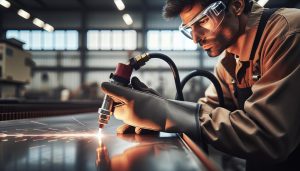
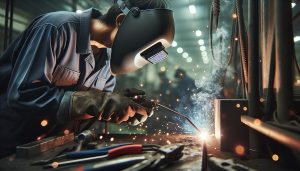
JB Weld is a widely used epoxy adhesive known for its incredible bonding strength; however, when a repair needs to be undone, removing it can become a frustrating challenge. If you’ve ever found yourself in a situation where stubborn JB Weld is holding your project hostage, you’re not alone. Understanding reliable methods to safely and effectively remove this adhesive is crucial for anyone working on home repairs or intricate projects, whether you’re a DIY enthusiast or a seasoned welder. In this guide, we’ll explore five proven techniques that will empower you to tackle JB Weld removal with confidence and efficiency. Say goodbye to the worry of damaging your surfaces and hello to seamless repairs-let’s dive into effective solutions that work every time.
Understanding JB Weld: What It Is and Its Uses
JB Weld is a high-strength epoxy adhesive renowned for its ability to bond a variety of materials, including metals, plastics, ceramics, and even wood. This versatile adhesive has become a staple in both home repairs and professional applications due to its exceptional durability and resistance to temperature fluctuations, chemicals, and water. One of the fascinating aspects of JB Weld is that it can withstand temperatures up to 500°F (260°C) when fully cured, making it suitable for automotive repairs, plumbing fixes, and various DIY projects.
The uses of JB Weld are vast, ranging from simple tasks like fixing broken household items to complex repairs in automotive and aerospace applications. For instance, mechanics often rely on JB Weld to seal engine components or mend cracks in exhaust manifolds. Its ability to fill gaps and adhere to uneven surfaces is a game-changer in situations where traditional welding methods may not be feasible. Additionally, the ease of application-simply mixing the resin and hardener, applying to the surface, and allowing it to cure-makes it approachable for individuals without formal welding training.
However, while JB Weld’s strength and versatility are impressive, its durability can pose challenges when removal is necessary. Understanding its properties and applications is crucial for effectively addressing this aspect. Knowing when and how to remove JB Weld, whether for repairs or adjustments, is essential to avoid damaging the underlying materials. This understanding sets the foundation for employing effective removal techniques, ensuring both safety and efficacy throughout the process.
In summary, JB Weld stands out as a powerful adhesive that not only facilitates a multitude of repairs across various materials but also requires a thoughtful approach to removal when the need arises.
The Science Behind JB Weld: Why It’s Strong
JB Weld’s remarkable strength can primarily be attributed to its unique formulation, which combines epoxy resin and hardeners to create a durable bond. When these components are mixed, a chemical reaction occurs, resulting in a cross-linked structure that provides excellent tensile and shear strength, even under extreme conditions. This makes JB Weld particularly effective for repairs that must withstand high levels of stress, such as automotive parts or plumbing fixtures. The ability of JB Weld to adhere to a variety of surfaces, including metals, plastics, and ceramics, significantly expands its functionality in multiple applications, making it a go-to solution for both DIY enthusiasts and professionals alike.
One of the significant factors contributing to JB Weld’s strength is its resistance to temperature fluctuations and chemical exposure. Once fully cured, it can endure temperatures ranging from -67°F to 500°F (-55°C to 260°C). This thermal stability is vital in settings where thermal expansion or exposure to hot fluids might compromise less capable adhesives. Furthermore, JB Weld exhibits impressive resistance to many common solvents and chemicals, ensuring that its bond will last even in harsh environments, a requirement frequently faced in automotive and industrial scenarios.
Additionally, the application process plays a crucial role in the ultimate performance of JB Weld. For optimum results, surfaces should be thoroughly cleaned and prepared, allowing for better adhesion. When applied correctly, JB Weld fills gaps and imperfections, creating a solid, almost impenetrable barrier once cured. This is particularly beneficial in situations where conventional welding might not be possible, such as when working with non-weldable materials or in confined spaces.
Lastly, it’s essential to recognize that the very properties which make JB Weld a strong and versatile adhesive can also complicate its removal. Understanding these properties is crucial for anyone attempting to detach components bond with JB Weld, as the methods for effective removal require careful consideration to avoid damaging the underlying materials. This background knowledge is key in efficiently employing practical methods designed specifically for this purpose.
Assessing the Damage: How to Determine Removal Needs

Assessing the extent of damage when considering the removal of JB Weld is a critical step that determines the most effective approach. Understanding the bond strength and the types of materials involved will affect the choice of removal method. JB Weld, renowned for its robust adherence, can be a significant challenge to disassemble without causing collateral damage to the bonding surfaces. Therefore, a careful evaluation is essential before initiating the removal process.
To evaluate the damage and removal necessity, consider these factors:
- Type of Material: Examine what materials have been bonded with JB Weld. Different substrates like aluminum, steel, or plastics may require specific techniques to prevent damage during removal.
- Surface Condition: Assess the integrity of the bonded surfaces. If they are already weakened or compromised, extra caution must be exercised to avoid further damage.
- Usage Environment: Consider the environmental factors to which the joint has been exposed. If it has been subject to high temperatures or chemicals, the bond may behave differently and require specialized removal strategies.
- Extent of Bond Strength: Test the bond by gently attempting to pry apart the materials. If there is no movement and the surfaces remain intact, it may indicate a strong bond requiring invasive removal methods.
A visual inspection can reveal the severity of the situation. Look for gaps or signs of wear in the bonded area that may indicate stress or strain. Tools like a magnifying glass can help identify cracks or imperfections. Additionally, if the joint is in a high-stress area or plays a crucial role in the structural integrity of the assembly, professional assessment might be warranted before proceeding with any DIY removal attempts.
Recognizing these elements not only aids in determining the right strategy but also helps prevent unnecessary damage and potential safety hazards during the removal process. Prioritize safety and take the necessary precautions as you evaluate the need for JB Weld removal, knowing that each situation may require a unique approach.
Method 1: Acetone and Heat for Effective Removal
Using acetone in combination with heat is a highly effective method for removing JB Weld, leveraging both the solvent properties of acetone and the physical loosening effects of thermal expansion. This approach works particularly well for adhesive bonds that result from JB Weld’s robust epoxy composition. Acetone is known for its ability to dissolve many types of epoxies, and when applied alongside heat, it can significantly soften and weaken the adhesive bond.
To initiate the removal process, begin by ensuring the workspace is well-ventilated. Safety precautions are paramount; wear gloves and safety goggles to protect against chemical exposure. Apply acetone generously to the bonded area, allowing it to penetrate and work on the JB Weld. Depending on the thickness and amount of adhesive, you may want to let it sit for several minutes. This dwell time helps the acetone to break down the epoxy more effectively.
Next, apply heat to the area using a heat gun or a hairdryer set on high. Aim to warm the material gradually, focusing on the bond and being careful not to overheat the surrounding surfaces, which could cause warping or damage. The heat will expand the materials slightly, further loosening the JB Weld’s grip. You will often notice a change in the adhesive’s texture, indicating it is becoming pliable.
Once adequately heated, attempt to gently pry apart the bonded materials. If they do not separate easily, reapply acetone and heat as necessary. Repeat this process until the JB Weld loosens sufficiently. It’s important to take your time and avoid using excessive force, which could damage the materials involved. By executing this method, you not only enhance the chances of effective removal but also minimize potential damage to your project.
Method 2: Mechanical Techniques: Scraping and Sanding
When faced with the challenge of removing the notoriously strong JB Weld, mechanical techniques such as scraping and sanding can prove to be effective methods. Both techniques rely on physical abrasion to eliminate the adhesive bond, allowing you to tackle residual JB Weld without relying solely on chemical solvents. This method is especially useful when dealing with large areas or excessive layers of JB Weld where chemical removal methods might be impractical or slow.
To begin scraping, use a specialized tool like a putty knife or a flat chisel. These tools allow for precise control and minimize the risk of damaging the surfaces beneath the JB Weld. A lighter touch is critical; applying too much pressure can lead to unwanted gouging or damage of the underlying material. For tricky spots or deeper grooves, consider a scraper with a curved edge to conform to the shape of the bonded materials better. Engage in a gentle back-and-forth motion, gradually applying more pressure as needed until you see the adhesive begin to lift away. Once the bulk of the JB Weld has been removed, follow up using sandpaper.
Switching to sanding is essential when working with any remaining JB Weld residue. Start with a coarser grit sandpaper, such as 80-grit, to remove the last bits of adhesive. After the majority is stripped away, progress to finer grits, like 220-grit, to smooth the surface and prepare it for any subsequent finishing work. Using a sanding block can help maintain even pressure and avoid inconsistencies. It’s also important to regularly check your progress to prevent over-sanding, which could alter the surface profile of the base materials you are working with.
As with any mechanical technique, safety precautions cannot be overlooked. Always wear appropriate personal protective equipment (PPE), including safety goggles and a dust mask to safeguard against flying debris and airborne particles. Additionally, choose your tools wisely-high-quality, well-maintained tools can enhance effectiveness and prolong the life of your equipment. This process, though seemingly manual, requires a cohesive combination of technique, precision, and safety awareness, making it a reliable choice for welders and DIY enthusiasts alike.
Method 3: Using Chemical Dissolvers Safely

Using chemical dissolvers can be an effective approach to remove JB Weld, especially when dealing with hard-to-reach areas or intricate shapes. These solvents work by breaking down the chemical bonds in the adhesive, making it easier to scrape off the residue. However, it’s paramount to select and use these substances with caution to ensure safety and effectiveness.
When choosing a chemical dissolver, look for products specifically designed to break down epoxy adhesives. Common options include acetone, dedicated adhesive removers, or even paint thinners. Before starting, always read the manufacturer’s instructions and assess the compatibility of the solvent with the materials around the JB Weld. Some solvents may react negatively with plastics or certain metals, causing further damage. It’s advisable to conduct a small patch test on an inconspicuous area to confirm there are no adverse effects.
Application Technique
To apply the dissolver safely and effectively, use a clean cloth or a brush to saturate the area with the chosen solvent. Allow the chemical to penetrate the JB Weld for the recommended time; this can vary from a few minutes to several hours, depending on the type of adhesive and the solvent used. During this waiting period, ensure that the area is well-ventilated. Many solvents emit harmful vapors, so employing adequate ventilation-like opening windows or using a fan-is crucial. Additionally, employing PPE such as gloves and safety goggles can provide an essential barrier against skin or eye irritation.
Once the adhesive has softened, use a plastic scraper to gently remove the JB Weld. Avoid metal tools, as they can scratch or gouge the underlying surface. After most of the adhesive has been removed, clean the area with warm soapy water to remove any lingering solvent residues. If stubborn spots remain, you may need to repeat the application and scraping process.
Remember, while chemical dissolvers can significantly ease the removal of JB Weld, patience and care are key to avoiding damage to the base materials. This method, when performed correctly, can save time and effort compared to more abrasive removal techniques.
Method 4: Heat Gun Application for Better Results

Using a heat gun can be an incredibly effective way to soften and remove JB Weld, especially for intricate applications or larger surfaces. This method leverages controlled heat to break down the adhesive’s structure, making it easier to scrape away the residue without damaging the underlying material. Utilizing a heat gun effectively requires some understanding of both the tool and safety precautions, so you can achieve the best results while minimizing risks.
Start by prepping the work area; cover surfaces that may be susceptible to heat damage, and ensure that you have adequate ventilation. Turn on the heat gun and set it to a medium or low setting to begin with, as too much heat can scorch or warp the materials involved. Hold the heat gun at least a few inches away from the JB Weld, moving it in a circular motion to distribute the heat evenly and prevent any localized overheating. This technique minimizes the risk of damaging the surface while allowing the adhesive to soften gradually.
Once the JB Weld begins to soften-usually indicated by color change or a slight bubbling-use a plastic scraper to gently peel it away. It’s important to remain patient during this process, as rushing can lead to damage or ineffective removal. If resistance is encountered, simply apply more heat until the adhesive loosens further. In cases where the JB Weld is particularly stubborn, revisiting the heat source multiple times may be necessary, but continual monitoring will ensure that other surfaces do not inadvertently get overheated.
Safety is paramount when using a heat gun. Always wear heat-resistant gloves and safety goggles to protect against accidental burns or eye injuries. Maintain a cautious distance from flammable materials, and never leave the heat gun unattended while it’s on. Following these guidelines will not only enhance your effectiveness in removing JB Weld but also create a safer working environment, allowing you to focus on achieving optimal results.
Method 5: Combining Methods for Stubborn Adhesives
When dealing with particularly stubborn JB Weld, combining multiple removal methods can be highly effective. This technique leverages the strengths of different approaches, allowing the user to tackle tough adhesion issues that single-method attempts might not resolve. For instance, one can begin with mechanical scraping to remove the bulk of the JB Weld before introducing chemical dissolvers. This reduces the workload on the chemicals, allowing them to penetrate and break down the remaining adhesive more effectively.
It’s essential to start with the safest and least invasive method, such as heat application. Using a heat gun can soften the JB Weld, making it more pliable for scraping. Once you achieve some success with the heat, there are several strategies to enhance the overall effectiveness of your removal efforts:
- Utilize Acetone: After the initial scraping with heat, apply acetone to the remaining adhesive. This solvent can help dissolve the remaining adhesive residue as you continue to scrape.
- Follow Up with Mechanical Techniques: Once acetone has had a chance to work, return to your scraper for a renewed effort or employ a fine-toothed wood file for harder areas.
- Repeat Heat Application: If some JB Weld persists, using the heat gun again can re-soften the adhesive, making further removal easier.
Incorporating this multi-faceted approach not only enhances efficiency but minimizes potential damage to the underlying surfaces. Each method’s contribution plays an integral role: heat makes tough adhesives easier to manage, while solvents can penetrate and dissolve tougher bonds. Furthermore, the physical scraping reduces the volume of adhesive before chemical treatment, ensuring that solvents work most effectively where they are most needed.
While engaging in this combined approach, safety should always remain a priority. Use protective gear, including gloves and goggles, to guard against harmful fumes from solvents or heat exposure. This careful balance between methodical removal and personal safety ensures a successful JB Weld extraction process while preserving the integrity of your workpiece.
Essential Safety Precautions When Removing JB Weld

When tackling the removal of JB Weld, prioritizing safety is essential, given the sealant’s strength and the methods involved in its removal. Whether you’re using heat, solvents, or mechanical tools, various safety measures can mitigate the risks associated with exposure to fumes, burns, and physical injuries.
First and foremost, always work in a well-ventilated area. If you’re using solvents like acetone, the fumes can be harmful when inhaled in a confined space. Additionally, it’s imperative to wear personal protective equipment (PPE), including chemical-resistant gloves and safety goggles. This gear protects against potential skin contact with solvent chemicals and shields your eyes from airborne particles or splashes during the scraping and sanding processes.
When using heat as a removal method, be aware of the fire hazards it poses; ensure that there are no flammable materials nearby. Heat guns reach high temperatures and can generate flames if not used appropriately. Consider using a heat-resistant surface and having a fire extinguisher within reach as a precaution.
Another critical aspect is to avoid using metal tools that can slip or fly off during the scraping or sanding process, potentially causing physical injury. Opt for safety tools with molded grips and consider wearing a face shield if you’re working with power tools like a Dremel, which can kick up debris.
Finally, always read and follow the safety data sheets for any chemicals you are using, as these documents provide vital information regarding safe handling, storage, and first-aid measures. By taking these precautions seriously, you can ensure a safer and more effective JB Weld removal process while protecting both yourself and your workspace.
Common Mistakes to Avoid in JB Weld Removal
Removing JB Weld can be a daunting task, especially given its notorious strength and durability. However, many individuals make critical mistakes during this process that can lead to ineffective results or even damage to the surfaces involved. Understanding these pitfalls is essential for achieving successful removal without causing further complications.
One common mistake is underestimating the necessary preparation. Failing to assess the extent of the JB Weld application can lead to improper removal methods being employed. Before proceeding, take the time to evaluate how firmly the adhesive is bonded and whether your chosen method aligns with the material type-whether metal, plastic, or ceramic. Utilizing inappropriate removal techniques for specific surfaces can not only be ineffective but may also damage the substrate.
Another frequent error is neglecting to utilize sufficient safety precautions. Some users rush into the removal process without appropriate personal protective equipment (PPE), exposing themselves to potentially harmful fumes or physical injuries. Always ensure proper ventilation, wear gloves and goggles, and consider using a face shield, especially when involving heat or power tools.
Execution also plays a critical role; many individuals apply heat or solvents too liberally, resulting in burns or unintended exposure to chemicals. It’s essential to follow instructions closely, applying solvents or heat in moderation and allowing adequate time for them to take effect. Rushing the process can lead to frustration if the JB Weld does not yield to force, causing unnecessary strain on the material being worked on.
Lastly, it’s crucial to steer clear of using overly aggressive mechanical methods initially. While scraping and sanding can be effective, starting with too much force or the wrong tools can damage the underlying material. Instead, incrementally increase intensity and use safer tools first, like plastic scrapers or soft brushes, to preserve the integrity of the underlying surface.
By being mindful of these mistakes and adopting a methodical, careful approach to JB Weld removal, you can significantly enhance your chances of a successful and safe operation.
When to Seek Professional Help for Removal
Knowing when to seek professional help for JB Weld removal can save you time, effort, and potential damage to your project materials. Despite the appeal of DIY solutions, certain situations warrant the expertise of professionals, particularly when dealing with complex repairs or valuable items. If you’re considering whether to tackle this task yourself or hire someone, consider the following scenarios.
First, if you are dealing with delicate or expensive components-such as automotive engine parts, intricate machinery, or high-value collectibles-it’s wise to consult a professional. Experts have the experience and specialized tools that can provide a safer and more effective removal process. For example, removing JB Weld from a cast aluminum engine block can easily lead to irreversible damage if improper techniques are applied. A professional will have the knowledge to minimize risks and preserve the integrity of the workpiece.
Safety and Expertise
In addition to preserving material integrity, safety is a crucial factor in deciding to seek help. If you feel uncertain about using heat or chemical methods, or if your removal attempts have resulted in hazardous fumes or physical injury, it’s better to step back and rely on experts. Professionals not only understand the best practices for safe operations but also have the personal protective equipment (PPE) necessary to handle such tasks efficiently.
Another indicator that professional intervention might be needed is the assessment of the bond’s strength. If you find that the JB Weld is exceptionally thick or tightly bonded, conventional methods may not suffice. In cases where grinding or aggressive mechanical removal seems likely, the risk of damaging the underlying surface increases significantly. Professionals are trained to distinguish the proper techniques for such challenging scenarios and can often access industrial-grade equipment designed for difficult jobs.
In summary, while many JB Weld removal tasks can be handled by individuals, recognizing your limitations-whether they be in terms of safety, material value, or bond strength-can lead to significant benefits by engaging a qualified professional for the job. This small investment in expertise can prevent costly mistakes and ensure your projects maintain their value and safety.
Tips for Preventing Future JB Weld Adhesion Issues
When it comes to ensuring that future applications of JB Weld yield reliable results without unwanted adhesion issues, several strategies can significantly enhance your success. Understanding the factors that affect bonding strength can save time, reduce frustrations, and avoid potential damage to components.
To start, surface preparation is paramount. Always clean the areas to be bonded thoroughly, removing any grease, dirt, or old adhesive remnants. Use a degreaser or isopropyl alcohol, followed by a roughening process using sandpaper or a wire brush. This creates a profile that facilitates better adhesion, as JB Weld requires a good mechanical bond to achieve its renowned strength.
Additionally, consider the thickness of the JB Weld application. Applying it in thinner layers allows for quicker curing times and reduces the likelihood of the adhesive becoming overly brittle or creating stress points in the bond. For projects involving thermal expansion-like metal parts that heat up during operation-using less JB Weld or adjusting the formulation to suit specific temperatures can be beneficial.
Lastly, always choose the appropriate type of JB Weld product for your specific application. JB Weld offers various formulations tailored for different materials (e.g., metal, plastic) and conditions (e.g., high-temperature environments). By selecting the right product and following manufacturer recommendations, you can significantly reduce the risk of unwanted adhesion and enhance the longevity of your repairs.
In summary, practicing meticulous surface preparation, managing application thickness, and selecting the correct product are essential steps in preventing future JB Weld adhesion challenges. These practices not only facilitate optimal performance but also steer clear of the complications that lead to difficult removal processes later on.
Q&A
Q: What is the best method to remove JB Weld from metal surfaces?
A: The best method to remove JB Weld from metal surfaces is using a combination of acetone and heat. Apply acetone to soften the adhesive, then use a heat gun to further loosen it, making scraping easier. This method is effective and minimizes damage to the metal.
Q: How long does it take to remove JB Weld using heat?
A: Removing JB Weld using heat can take anywhere from 5 to 30 minutes, depending on the thickness of the adhesive and the temperature applied. Monitor the progress regularly to avoid overheating the underlying material.
Q: Can vinegar dissolve JB Weld?
A: No, vinegar is generally ineffective in dissolving JB Weld. To successfully remove JB Weld, use acetone or specialized chemical removers that penetrate and break down the adhesive’s structure more efficiently.
Q: What are common mistakes to avoid when removing JB Weld?
A: Common mistakes include using excessive force when scraping, which can damage the underlying material, and neglecting to wear protective gear. Always follow safety precautions and use the recommended methods for removal to avoid complications.
Q: How can I prevent JB Weld from adhering too strongly in future projects?
A: To prevent JB Weld from adhering too strongly in future projects, apply a thin layer of petroleum jelly to the surfaces before application. This barrier helps simplify future removal when necessary.
Q: Is it safe to use a propane torch for removing JB Weld?
A: Using a propane torch to remove JB Weld is risky and not recommended, as it can cause damage to surrounding materials and create safety hazards. Stick to heat guns or controlled methods for safer removal.
Q: When should I consider professional help for JB Weld removal?
A: Consider professional help for JB Weld removal if the adhesive is in a hard-to-reach area, damaging the substrate is a concern, or if the removal process poses safety risks. Professionals have the right tools and expertise for effective removal.
Q: How do I know if I can reuse a surface after JB Weld removal?
A: You can assess whether a surface is reusable after JB Weld removal by checking for damage or residue. Clean the area thoroughly, inspect for cracks or surface imperfections, and perform a test bond with a small adhesive before full application.
In Conclusion
Successfully removing JB Weld is not just about following methods; it’s about regaining usability and ensuring the longevity of your projects. With the strategies outlined, you’re now equipped to tackle even the toughest bonds with confidence. If you’re ready for more practical tips on maintenance and repair, don’t miss our guides on MIG welding techniques and essential safety protocols that every welder should know.
For additional resources, explore our comprehensive articles on working with aluminum and steel or check out our latest equipment reviews to enhance your welding toolkit. Have questions about the removal process or specific challenges? Leave a comment below; we love hearing from you!
Remember, every time you revisit, you’re not just boosting your knowledge but also contributing to a community of passionate welders. Subscribe to our newsletter for regular updates and expert insights to fuel your welding journey. Let’s keep pushing the boundaries of what’s possible in welding and repair!