JB Weld is known for its exceptional bonding strength, but when you need to remove it, the challenge can be daunting. Whether you made a mistake during a repair or need to access an underlying surface, understanding effective removal techniques is essential. Many DIYers and professionals alike often face the frustration of stubborn adhesive that seems impossible to budge. Fear not-this guide will equip you with practical solutions and expert insights to safely eliminate JB Weld without damaging the underlying materials. Join us as we explore tried-and-true methods to reclaim your surfaces and ensure your projects can proceed without hindrance. Ready to uncover the best techniques for JB Weld removal? Let’s dive in!
Choosing the Right Removal Method for JB Weld
is essential to ensure a successful and damage-free process. Given that JB Weld is a high-strength epoxy designed for bonding materials, its removal can pose challenges, and the effectiveness of your chosen method can depend on the specific application and the materials involved. Understanding the properties of JB Weld and the environment of the bond will guide you in selecting the best technique.
Start by considering the surface material. For metals, heat or mechanical methods may work best, while for non-metal surfaces, such as plastics, chemical solutions could be more appropriate. For tougher bonds that resist conventional removal methods, introducing a combination of techniques can provide better results-applying heat to weaken the bond before employing scraping or grinding can be particularly effective. Additionally, if you’re concerned about damaging underlying surfaces during removal, weighing the pros and cons of each method becomes critical. Methods such as chemical solutions might be gentler on certain materials compared to grinding.
When evaluating your approach, it’s vital to consider both the strength of the bond and the condition of the surfaces involved. Always be prepared with safety strategies in mind, as some methods may produce fumes or debris. Ultimately, the right removal method is not only about efficiency but also ensuring the integrity of the materials you are working with, leaving a clean and safe workspace.
Essential Tools for Effective JB Weld Removal
To successfully tackle the removal of JB Weld, having the right tools on hand can significantly streamline the process and enhance results. Since JB Weld is renowned for its strength and durability, employing the correct instruments is crucial for effective dismantling without damaging underlying surfaces.
A well-equipped toolbox should include the following essentials:
- Heat Gun or Torch: For methods involving heat, a heat gun is perfect for delicate applications, while a torch can be used for tougher adhesive bonds. The key is to apply heat gradually to avoid overheating adjacent materials.
- Scraper or Putty Knife: A sturdy scraper helps in physically prying away layers of JB Weld once the bond has been weakened. Choose one with a sharp blade for effective scraping.
- Solvent or Chemical Remover: When utilizing chemical solutions, select a high-quality epoxy remover that is compatible with the surface material. Make sure it doesn’t react negatively with the underlying substrate.
- Sandpaper or Grinding Wheel: For hard surfaces such as metal, sandpaper or a grinding wheel can help in breaking down the residue of the JB Weld. Fine-grit sandpaper will help polish the surface afterward to prepare it for future bonding or finishing.
- Safety Gear: Always prioritize safety by wearing appropriate gear. This includes gloves, goggles, and a respirator, especially when working with chemicals or when generating dust from scraping or grinding.
Utilizing these tools in combination with the right techniques will not only ensure a more effective removal process but will also help maintain the integrity of the underlying materials. When planning your approach, consider the specific application of JB Weld and the surface types involved to optimize tool selection and application methods. For instance, heat methods may perform better on metal surfaces compared to plastic ones, where chemical solutions might be more appropriate. Having these tools ready will set you up for success, making the otherwise tedious task of JB Weld removal much more manageable.
Step-by-Step Guide to Removing JB Weld
To effectively remove JB Weld, a renowned epoxy adhesive known for its toughness, a well-structured approach can save time and prevent damage to the underlying materials. Begin by assessing the surface where JB Weld has been applied; understanding the material helps you select the appropriate removal method. Whether the adhesive is on metal, plastic, or ceramic influences whether heat, chemical agents, or mechanical methods will be most effective.
Start the process by carefully heating the JB Weld with a heat gun or torch. Apply heat evenly, ensuring you don’t overheat surrounding areas, which can cause damage. Once you notice the adhesive begins to soften, use a scraper or putty knife to gently pry at the edges. Always work slowly to avoid scratching or gouging the underlying surface. If the bond remains stubborn, repeat the heating process, taking care not to apply too much heat in one go.
If mechanical removal proves insufficient, consider using a chemical solution specifically designed for epoxy removal. Apply the solvent according to the manufacturer’s instructions, allowing it to penetrate effectively before attempting any scraping. Ensure that your workspace is well-ventilated and that you are wearing appropriate safety gear such as gloves and goggles to protect against fumes and debris.
In situations where JB Weld is particularly difficult to remove, combining methods can be advantageous. For example, start with heat to weaken the bond, then follow up with a chemical remover to cleanse any residue left behind. Once the adhesive is removed, inspect the surface for any remaining imperfections. Fine-grit sandpaper can help smooth out any scratches, setting you up for any future bonding or finishings required. Always remember, patience is key; rushing the process can lead to damage and increased difficulty.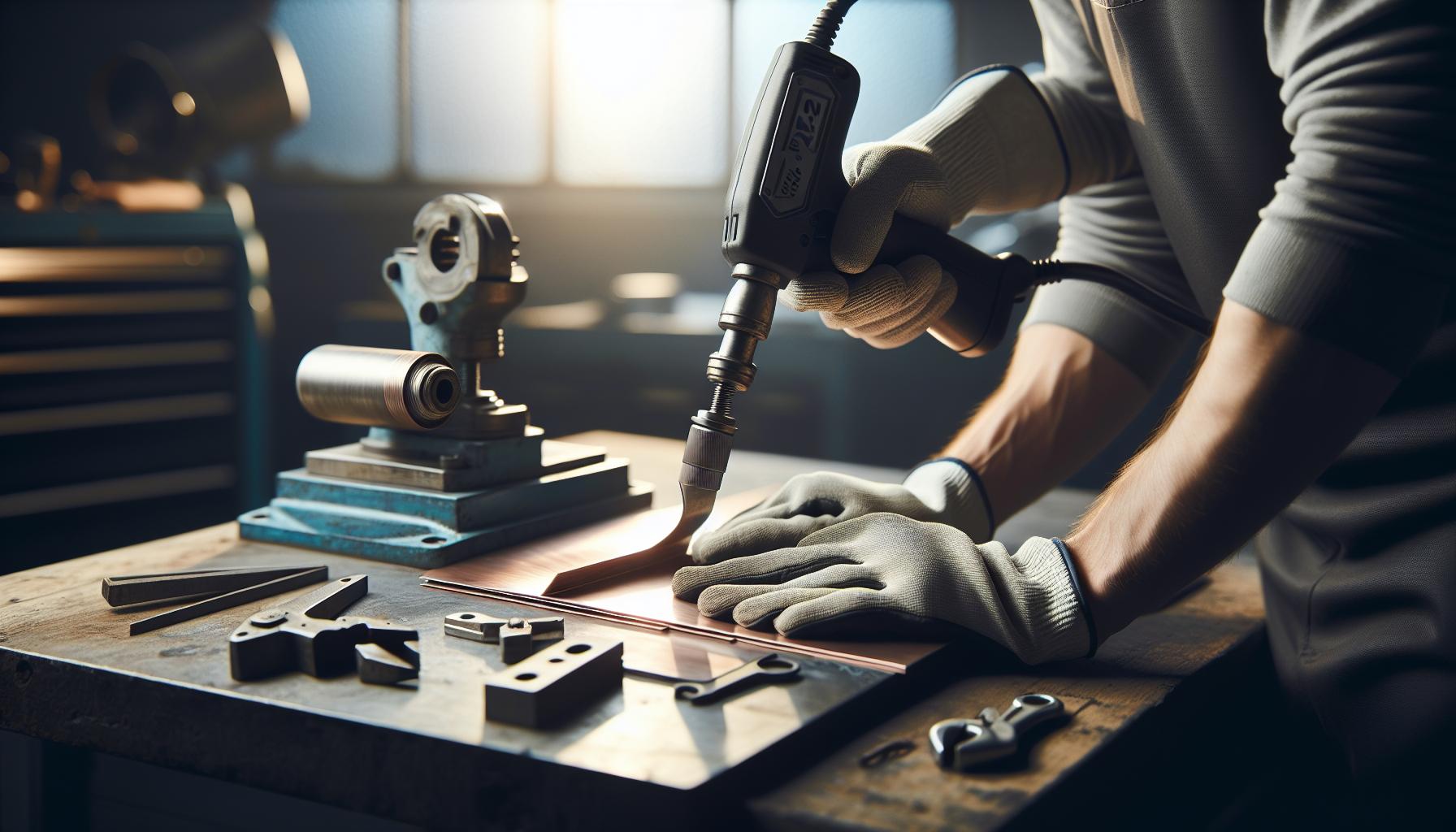
Chemical Solutions: What Works Best?
Removing JB Weld can often be challenging due to its strong adhesion properties, but chemical solutions can significantly ease the process. Various solvents and chemical agents are specifically formulated to weaken or break down the bond of epoxy adhesives like JB Weld. When exploring chemical removal options, it’s crucial to choose the right product that suits the specific materials involved and to approach the task with safety in mind.
Among the most effective chemical solutions for removing JB Weld are specialized epoxy removers. These products often contain strong solvents such as methylene chloride or acetone, which can effectively penetrate the adhesive bond. When using these chemicals, it’s essential to adhere to the manufacturer’s instructions for application and safety precautions. Ensure your workspace is adequately ventilated to reduce inhalation hazards, and always utilize appropriate personal protective equipment (PPE), including gloves and goggles.
Keep in mind that the material of the surface to which JB Weld is adhered can influence the choice of solvent. For instance, while acetone may effectively remove JB Weld from metal surfaces, it can damage plastics and certain finishes. In cases where chemical removers are not suitable due to the surface material, alternatives such as vinegar or baking soda solutions might be explored, although they generally require more time and patience to yield results.
Once the chemical agent is applied, allow it sufficient time to dissolve the bond, as indicated by the product instructions. After the waiting period, thoroughly scrape away the softened adhesive using a plastic scraper or putty knife. Avoid metal tools that might scratch or damage the underlying surface. Should any residue remain, a second application of the chemical solution may be necessary. Recognizing the need for thoroughness in this step is crucial, as incomplete removal can hinder any future bonding efforts.
Using Heat for JB Weld Dissolution
Using heat can be an effective method for dissolving JB Weld, leveraging the thermal properties of the adhesive to facilitate removal. JB Weld is a two-part epoxy that, when cured, forms a remarkably strong bond. However, applying heat can soften the cured epoxy, making it less rigid and easier to scrape away. Understanding the right approach to using heat during the removal process is pivotal for achieving successful results without damaging the underlying materials.
To begin, it is essential to gather the appropriate tools for applying heat. A heat gun is preferred for this task because it allows for precise control over temperature and direction, reducing the risk of overheating nearby surfaces. If a heat gun is unavailable, a household blow dryer can also be used, although it may be less effective due to its lower maximum temperature. When applying heat, focus on moving the heat source in a circular motion over the JB Weld area, ensuring even distribution of heat. Aim for a temperature range of 250°F to 300°F (121°C to 149°C), as this is generally sufficient to soften the epoxy without compromising the integrity of most underlying substrates.
As the JB Weld begins to soften, you may notice a change in texture; it may become tacky or rubbery, indicating it’s ready for removal. At this point, utilize a plastic scraper or putty knife to gently lift and scrape away the softened epoxy. Caution is advised to avoid using metal tools that could scratch or damage the surface underneath. If the JB Weld resists removal, continue to apply heat in small increments and scrape again, repeating this process until you achieve successful removal.
Additionally, once the JB Weld is removed, it can be beneficial to clean the remaining surface with a suitable solvent to eliminate any residual adhesive. This step ensures a clean surface for any future bonding or repairs. As always, remember to wear appropriate safety gear, such as heat-resistant gloves and goggles, during the heat application process to protect against burns and other hazards.
Mechanical Methods: Scraping and Grinding Techniques
When dealing with the challenge of removing JB Weld, mechanical methods can provide effective solutions, especially when precision is required. Scraping and grinding techniques are fundamental approaches to having a successful removal process while minimizing damage to the surfaces beneath the adhesive. It is essential to understand the nuances of each method to choose the right one for your specific situation.
Using a scraper is often the first step in mechanical removal. A plastic or flexible scraper can effectively lift the JB Weld without scratching or gouging the underlying material. Always start at one edge of the adhesive and gradually work your way underneath it, applying steady pressure to weaken the bond. If the JB Weld is particularly stubborn, a metal scraper may be necessary, but it should be used with caution to avoid damaging the surface beneath. Keep the angle of the scraper low against the material to control your depth and create a clean separation.
For more extensive adhesion areas or when scraping alone fails, grinding techniques can be advantageous. An angle grinder equipped with a fine grinding wheel can efficiently remove larger sections of JB Weld. However, this method must be undertaken with care to avoid overheating the underlying substrate, which can lead to warping or other structural damage. It is advisable to maintain a light touch, frequently lifting the grinder to check your progress. Following up with sandpaper, specifically in the 80 to 120 grit range, can help smooth down any remnants of the epoxy for a cleaner finish.
Safety should remain a top priority throughout the removal process. Always wear appropriate personal protective equipment, such as gloves, safety goggles, and a dust mask to protect against debris and particulate matter created during scraping and grinding. Ensuring adequate ventilation if working indoors is also crucial, as it helps to disperse any fumes or dust generated.
In summary, incorporating mechanical methods such as scraping and grinding into your JB Weld removal strategy not only aids in effective adhesion removal but also ensures the integrity of the underlying surfaces is maintained. Choosing the right tool and technique will facilitate a smoother, safer removal process, allowing for subsequent repairs or bonding of other materials.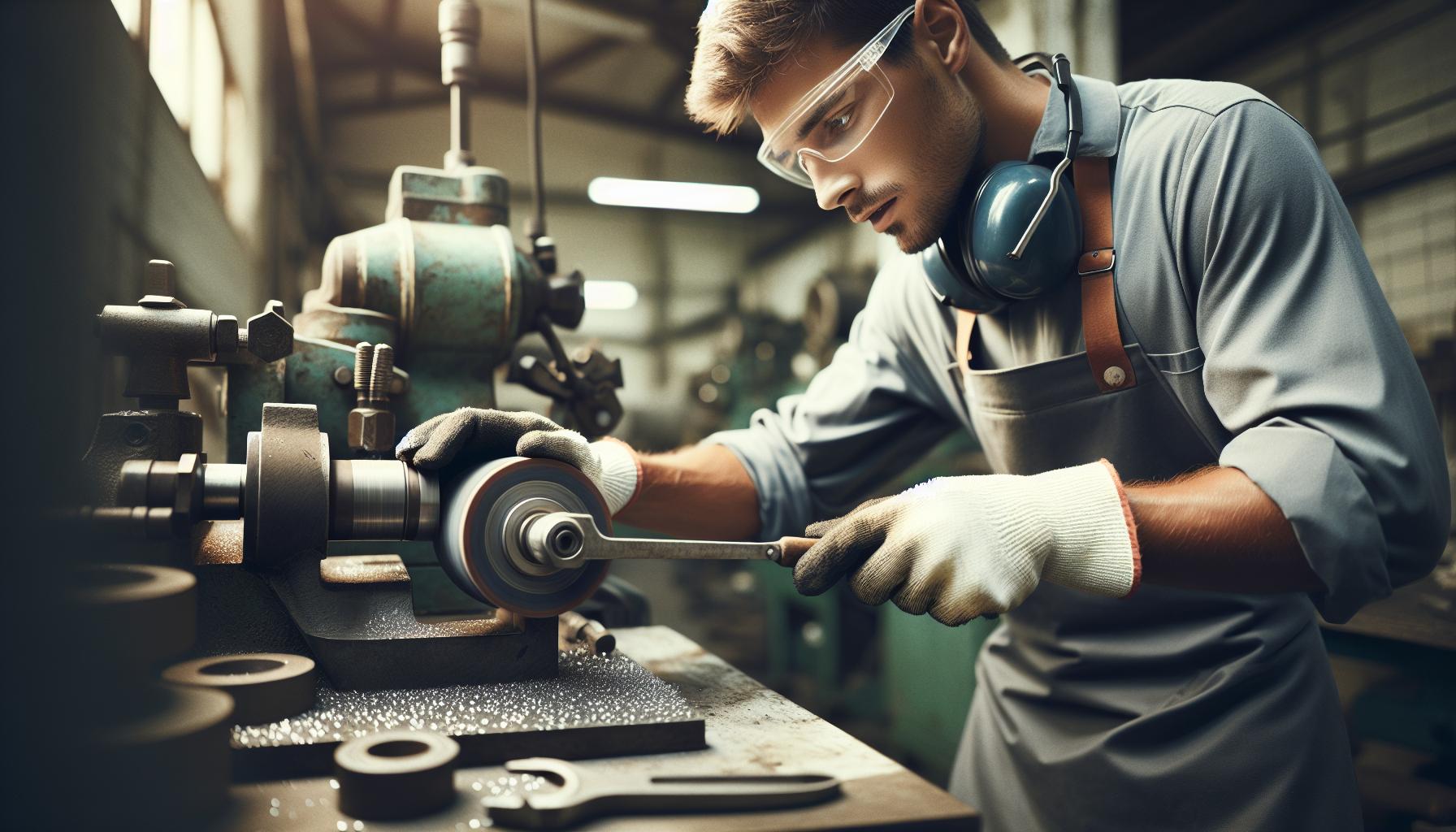
Preventing Damage to Underlying Surfaces
Removing JB Weld effectively requires a careful approach to avoid damaging the surfaces beneath the adhesive. Unlike traditional adhesives, JB Weld creates a robust bond that can be detrimental if improperly handled. Proactive strategies and techniques can minimize the risk of surface damage while ensuring successful removal.
To start, using the right tools is essential. A plastic scraper is an excellent choice for initial removal because it minimizes the chance of scratching the surface. This tool allows for gentle prying without gouging softer materials such as fiberglass or plastics. A steady, controlled pressure is crucial; rather than forcing the scraper under the JB Weld, gradually work along the edges to weaken the bond. This gentle approach protects the underlying material from potential harm caused by excessive force.
When a scraper isn’t sufficient, transition to mechanical methods with care. If employing an angle grinder, opt for a fine grinding wheel and set the grinder to a low speed. High speeds can heat the substrate, leading to warping or other compromises. Maintain frequent checks of the surface condition during grinding to ensure that you are not removing more material than necessary. For final smoothing, using sandpaper in the finer grit range (around 120 grit) can help eliminate any rough patches left by the grinding process, further preserving the underlying surfaces.
Also, consider employing heat as a complementary method during removal. A heat gun can soften JB Weld, making it easier to scrape away. However, the heat application must be controlled; excessive heat can damage paint or trigger material changes in the substrate. Moving the heat gun in a circular motion and at a distance can help regulate temperature and protect delicate surfaces.
In essence, combining careful tool selection with methodical techniques lays the foundation for successful JB Weld removal while safeguarding the integrity of underlying materials. It is imperative to remain attentive and adjust methods based on the specific characteristics of the substrate, ensuring that the removal process is both efficient and respectful of the underlying surface.
Handling Tough JB Weld Situations
In challenging scenarios where JB Weld has formed an exceptionally strong bond, traditional removal techniques may fall short. These situations often occur when JB Weld is applied to porous surfaces or in high-stress applications where the adhesive may have penetrated deeply, creating a tighter grip. Addressing tough JB Weld situations effectively requires a strategic blend of tools and methods tailored to the specific materials involved.
One effective approach is to start with a thorough evaluation of the bonded materials. If the JB Weld is on metal, using a combination of heat and mechanical methods can be particularly effective. Applying a heat gun to soften the adhesive, followed by a gentle scraping with a plastic or metal scraper, can help break the bond without damaging the substrate. For extreme cases, consider using a Dremel tool equipped with a grinding wheel or cutting bit to carefully grind away the JB Weld, ensuring to consistently check the substrate for any signs of heat damage or material loss.
For items that cannot withstand high heat or abrasive methods, utilizing chemical solutions may be a viable alternative. Several commercial solvents specifically designed for epoxy removal, such as acetone or isopropyl alcohol, can help. However, it’s crucial to conduct a patch test on a small area first to assess compatibility with the substrate. Additionally, applying a thick layer of the solvent and allowing it to penetrate for a prolonged period can enhance efficacy, particularly for stubborn bonds.
When dealing with irregularly shaped items or complex joints, adjusting your technique is paramount. Instead of simply scraping, use a combination of twisting motions with a putty knife in tighter areas, allowing the blade to follow the contours of the surface. This technique minimizes stress on the underlying material and increases the chance of successful removal without damage. Employing patience and adapting your approach based on the material characteristics and bond conditions will often yield the best results in tough JB Weld removal situations.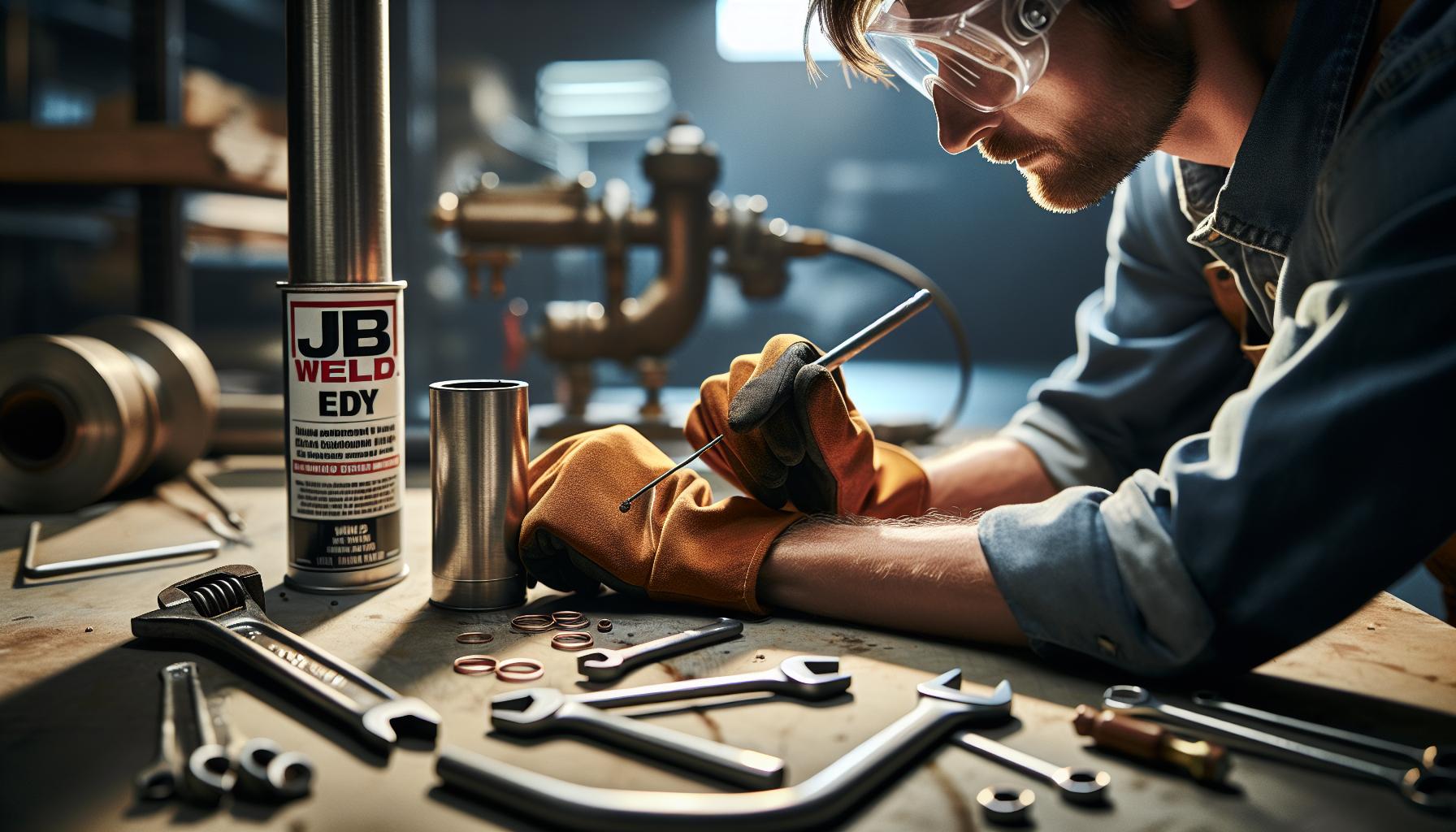
Safety Precautions When Removing JB Weld
When removing JB Weld, safety should always be a top priority, as the processes involved can expose you to various risks, including heat, chemicals, and potential injuries from tools. Understanding these hazards and implementing effective safety measures can significantly minimize risks during the removal process.
First, it is essential to equip yourself with appropriate personal protective equipment (PPE). This includes safety goggles to protect your eyes from flying debris, gloves to shield your hands from chemicals and sharp tools, and a dust mask to prevent inhalation of any harmful particles. If you choose to use heat for removal, consider wearing flame-resistant gloves and long sleeves to protect against burns. Additionally, ensure your workspace is well-ventilated, especially when using chemical solvents, to avoid inhaling toxic fumes.
When dealing with chemical solutions for JB Weld removal, always read the manufacturer’s safety data sheet (SDS) for information about toxicity and proper handling procedures. Acetone and isopropyl alcohol, common solvents for this purpose, can be hazardous if not used correctly and may pose a fire risk due to their flammable nature. Store these solvents away from heat sources and follow their application instructions carefully, including conducting patch tests to ascertain the compatibility of the solvent with the substrate where JB Weld is applied.
Another important aspect is the careful handling of tools, particularly when using mechanical methods for removal. Tools like scrapers, Dremel tools, or grinders should be used with caution to avoid accidental injuries. Ensure that you have a firm grip on your tools and that your focus remains on the task. Set up a stable work surface to prevent slips and falls, and always check for loose clothing or long hair that might get caught in moving parts during mechanical work. By enacting these safety precautions, you can effectively mitigate risks associated with JB Weld removal and ensure a smoother, safer process.
Troubleshooting Common Removal Issues
Removing JB Weld can often feel like a daunting task, particularly when faced with stubborn bonds that seem impervious to your best efforts. If you’re struggling with removal, you aren’t alone; many users encounter common issues that can impede progress. Understanding these challenges-and how to troubleshoot them-can make a significant difference in achieving a successful outcome.
One prevalent issue is the insufficient application of heat when attempting to use thermal methods for JB Weld removal. Radiating focused heat directly to the bonded area is crucial, as it helps to soften the adhesive properties of JB Weld. Utilize a heat gun rather than a regular household hairdryer, as it can generate higher temperatures more effectively. When applying heat, make sure to move the source gradually over the area, which avoids damaging the underlying material. After heating, use a sturdy scraper to lift the softened JB Weld, making sure to handle the tool with care to avoid scratching the surface beneath.
Should you find that traditional solvent methods like acetone or isopropyl alcohol are ineffective, consider other chemical agents designed specifically for adhesive removal. These products often have enhanced formulas that target the specific components within JB Weld. For maximum effectiveness, applying a thick layer of the solvent and allowing it to dwell for a longer period can contribute to better penetration and breakdown of the bond. Testing a small area first to check for any adverse reactions with the surface can help prevent damage.
Lastly, when faced with unexpected difficulties, such as the bond seemingly reforming or persisting despite adequate treatment, patience and persistence are essential. You might need to alternate methods – use thermal application followed by solvent treatment or mechanical scraping if necessary. Document your processes to identify what works best for your particular scenario, and don’t hesitate to seek additional advice from forums or expert resources. With these strategies in mind, common removal issues can be effectively tackled, leading to a successful JB Weld elimination while minimizing damage to your underlying surfaces.
Comparing JB Weld Removal Techniques: Pros and Cons
Comparing different techniques for removing JB Weld can significantly affect both efficiency and the condition of the underlying surfaces after removal. Each method carries with it distinct advantages and drawbacks that should be weighed according to the specific circumstances of your job. Whether opting for thermal, chemical, or mechanical methods, understanding these pros and cons will help you make an informed choice that aligns with your project needs.
Chemical Solutions
Chemical removal methods utilize solvents like acetone or specialized adhesive removers. The primary benefit of chemical solutions is their ability to penetrate the cured JB Weld bond, effectively breaking down the adhesive without the need for aggressive physical force, which can help minimize damage to surrounding materials. On the downside, chemical methods can take time to work and may not be effective on all JB Weld formulations. Additionally, there’s a risk of adverse reactions with specific materials, particularly plastics or painted surfaces, making it essential to perform a test patch first.
Heat Application
Using heat offers a direct way to disrupt the structural integrity of JB Weld, making it one of the most commonly recommended methods. Applying focused heat from a heat gun causes the adhesive to soften, allowing for easier removal with a scraper. This technique is particularly effective for larger bonded areas or when the bond has been in place for an extended period. However, care must be taken to avoid overheating, which can damage the underlying material. Furthermore, this method requires a certain level of expertise to be executed correctly, particularly when determining the right temperature and duration of application.
Mechanical Methods
Mechanical techniques involve scraping, grinding, or using power tools to remove JB Weld. The most significant advantage of this method is its effectiveness in situations where other methods have failed; it can also remove JB Weld quickly. However, mechanical removal is often the most damaging technique and can result in significant surface abrasions or gouges if not handled carefully. This risk makes it essential to consider the nature of the material underneath the bond. For many applications, mechanical methods might only be employed as a last resort after less aggressive techniques have been exhausted.
Summary Table
| Method | Pros | Cons |
|---|---|---|
| Chemical Solutions |
|
|
| Heat Application |
|
|
| Mechanical Methods |
|
|
By evaluating these techniques thoroughly, you can select the most appropriate approach tailored to your particular JB Weld removal scenario, ensuring effective results while minimizing any potential damage to the affected surfaces.
Maintaining Your Tools After JB Weld Removal
Proper maintenance of tools used for JB Weld removal is essential not only for the longevity of the tools themselves but also for ensuring effective and safe usage during future projects. After completing a removal job, it is crucial to clean all tools thoroughly to prevent the build-up of adhesive residues that can impair their functionality. This involves cleaning scrapers, blades, and grinding tools with appropriate solvents, such as acetone, which effectively dissolves residues, allowing tools to function optimally on subsequent jobs.
Another aspect of maintenance is inspecting tools for any signs of wear or damage. Check blades for nicks or dullness, as these can reduce effectiveness and may lead to surface damage during use. Replacing worn-out parts promptly helps maintain efficiency and prevents potential mishaps during JB Weld removal. Additionally, proper storage of tools in a dry, clean environment can prevent rust and corrosion, further extending their lifespan. Using tool organizers or dedicated storage containers can keep tools accessible while minimizing the risk of damage from jostling or exposure to contaminants.
It’s also essential to ensure all power tools are maintained according to manufacturer recommendations. Regular checks of electrical cords, replacement of worn parts, and periodic servicing can prevent malfunction during critical removal processes. By adopting these best practices for tool maintenance, welders and DIY enthusiasts alike can enhance their work’s efficiency while ensuring safe and effective JB Weld removal techniques.
Frequently asked questions
Q: What is JB Weld and what is it commonly used for?
A: JB Weld is a strong epoxy adhesive often used for bonding metals, plastics, wood, and ceramics. It provides a durable bond suitable for repairs in automotive, plumbing, and household applications.
Q: Can you remove JB Weld without damaging the underlying material?
A: Yes, using proper methods like heat application or chemical solvents can help remove JB Weld while minimizing damage to the underlying surface. It’s essential to follow specific techniques outlined in guides to protect delicate materials.
Q: How long does JB Weld take to cure, and can it be removed before that?
A: JB Weld typically cures in 4 to 6 hours and reaches full strength in 15 to 24 hours. Removing it before curing may be difficult and ineffective, as it might not have fully set yet.
Q: What safety precautions should I take when removing JB Weld?
A: Always wear protective gloves, goggles, and masks when using chemicals or heat. Ensure proper ventilation if you’re working indoors, and avoid skin contact with the adhesive and removal agents.
Q: Are there any DIY methods for removing JB Weld?
A: Yes, common DIY methods include using heat guns to soften the adhesive or applying vinegar or acetone as solvents. Scraping with a chisel or plastic scraper can also be effective if done carefully.
Q: How can I prevent JB Weld from sticking to unwanted areas?
A: To prevent unwanted adhesion, apply a mold release agent or petroleum jelly on areas not meant to be bonded. This will create a barrier and help in easy cleanup if any spills occur.
Q: What are the most effective chemical solutions for removing JB Weld?
A: Acetone and isopropyl alcohol can effectively break down JB Weld. Soak the area, then gently scrape or wipe to remove the residue, as mentioned in the chemical solutions section of the guide.
Q: What should I do if JB Weld still won’t come off after trying various methods?
A: If removal attempts fail, consider more aggressive mechanical methods like grinding or sanding. If the bond remains stubborn, consulting a professional may be necessary to avoid damaging the surface beneath the weld.
In Summary
Now that you’ve learned effective techniques for removing JB Weld, you have the confidence to tackle any project without fear of those stubborn adhesives. Remember, the right approach is essential-whether you’re utilizing heat, solvents, or mechanical methods. If you still have questions or concerns, consult our detailed guide on welding safety protocols or explore our section on MIG and TIG techniques for metal repair.
Feel free to leave a comment sharing your experiences or tips, and don’t forget to check out our resources for welding equipment reviews and career guidance to enhance your skills further. For more expert advice and solutions, sign up for our newsletter today and stay informed. Taking this knowledge forward, you’ll not only improve your DIY projects but also refine your welding expertise. Let’s keep the conversation going-your next weld is just around the corner!