Did you know that JB Weld can provide a permanent bond stronger than most materials? Whether you’re a DIY enthusiast fixing a household item or a seasoned pro tackling complex repairs, understanding how to effectively use JB Weld can save you time and money. This powerful epoxy solution has become a go-to in countless applications, from automotive repairs to crafts. Mastering the techniques behind JB Weld isn’t just about fixing things; it’s about empowering yourself to tackle challenges confidently and creatively. In this guide, we will unravel the essential steps and tips to ensure perfect repairs every single time, navigating through its components, curing process, and application techniques. Arm yourself with the knowledge necessary for effective and lasting repairs, and discover how JB Weld can transform your approach to fixing rather than replacing, helping you turn every challenge into an opportunity.
Understanding JB Weld: What You Need to Know
JB Weld has earned its reputation as one of the most versatile and reliable epoxy adhesives on the market, making it a favorite among DIY enthusiasts and professionals alike. This two-part epoxy solution consists of a resin and a hardener that, when mixed together, create a strong, durable bond capable of withstanding a variety of challenging conditions. Understanding the specific properties of JB Weld-from its chemical composition to its intended applications-can significantly enhance your repair capabilities. For instance, JB Weld boasts an impressive temperature resistance, withstanding heat up to 550°F (287°C), and it can be used on various materials, including metals, plastics, ceramics, and even wood.
One key aspect to appreciate is the importance of following manufacturer instructions for mixing and applying JB Weld to achieve optimal results. Unlike traditional adhesives, JB Weld requires a specific mixing ratio-typically 1:1-to ensure that the chemical reaction occurs effectively, facilitating a robust bond upon curing. It’s also essential to factor in environmental conditions, such as humidity and temperature, which can influence the curing process and the strength of the bond.
Additionally, it’s worth noting that JB Weld does not shrink as it cures, ensuring that repairs remain intact over time. Many users have successfully utilized JB Weld in creative ways, from repairing automotive parts to crafting unique projects, illustrating its adaptability beyond conventional uses. Ultimately, understanding JB Weld’s capabilities and proper usage can transform your approach to repairing and crafting, making it an invaluable tool in your toolkit.
Key Benefits of Using JB Weld for Repairs
JB Weld has garnered a reputation as an indispensable ally in both professional and DIY repair scenarios, owing to its unique combination of strength, versatility, and ease of use. This remarkable epoxy adhesive forms an incredibly robust bond that can endure extreme conditions, making it a favorite among those who require reliable repairs. Notably, one of its standout benefits is its resistance to high temperatures; JB Weld remains effective even at temperatures up to 550°F (287°C), making it suitable for applications ranging from automotive repairs to household fixes.
In addition to thermal resilience, jb weld offers a remarkable bonding capability across a wide spectrum of materials, including metals, plastics, ceramics, and woods. This adaptability is crucial for users who often deal with various materials in one project. For instance, when repairing a worn-out radiator, JB Weld can effectively bond metal surfaces while withstanding the heat generated by the engine. Moreover, its non-shrinking formula ensures that repairs remain intact over time, reducing the need for frequent touch-ups or reapplications.
Another key advantage of JB Weld lies in its ease of application. The simple 1:1 mixing ratio allows users to quickly prepare the product without intricate processes, which is especially beneficial for beginners. Its thick consistency minimizes the risk of drips or runs during application, ensuring a clean repair process. Furthermore, once mixed, JB Weld has a working time that gives users ample opportunity to apply, adjust, and ensure an accurate fit before it begins to set.
Ultimately, choosing JB Weld for repair projects translates to time and cost savings due to its durability and performance. The long-lasting nature of the bond means that once a repair is made, it can stand the test of time, allowing users to focus on other tasks without worrying about the integrity of their work. Embracing JB Weld not only enhances repair effectiveness but also simplifies the overall craftsmanship experience, making it a go-to solution in any toolkit.
Step-by-Step Guide to Using JB Weld Effectively
Using JB Weld is a straightforward process that can lead to durable and reliable repairs, provided you follow a systematic approach. One of the most critical aspects of applying JB Weld effectively is preparation. Before starting, ensure that the surfaces to be bonded are clean, dry, and free of any grease or dust. This step is essential because contaminants can weaken the bond. For best results, use a degreaser or rubbing alcohol to clean the area, and allow it to dry completely.
Begin by determining the right amount of JB Weld you need. The general recommendation is to mix equal parts of the epoxy resin and hardener. Using a disposable mixing tray or a piece of cardboard, dispense equal amounts of each component. A common mistake is to mix too much or too little; having a scale can assist in achieving the perfect ratio. Once dispensed, mix the two components thoroughly with a stir stick for about five minutes until the color is uniform and consistent.
Next, apply the JB Weld to one of the surfaces using a small, flat tool or a wooden stick. Make sure to spread it evenly across the bond area. If the surfaces are irregular or have gaps, apply enough adhesive to fill these spaces without excessive overflow. Position the two surfaces together firmly and maintain pressure for a few moments to establish initial adhesion. It’s crucial to avoid moving the parts during this ‘working time,’ which typically lasts about 4 to 6 hours, depending on the specific formula used.
Curing and Final Steps
Once the initial bond is established, let the JB Weld cure undisturbed. The full curing time can vary based on the ambient temperature and humidity, usually ranging from 15 to 24 hours for a complete set. After curing, inspect the bond and, if necessary, sand the surface for a smoother finish or to prepare it for painting or further treatment. For maximum strength and durability, allow the bond to cure fully in a stable environment without any stress or load applied to the repaired area.
By following these steps diligently, users can leverage JB Weld’s outstanding bonding properties, making it an invaluable resource for a variety of repair projects, whether at home or in a professional setting.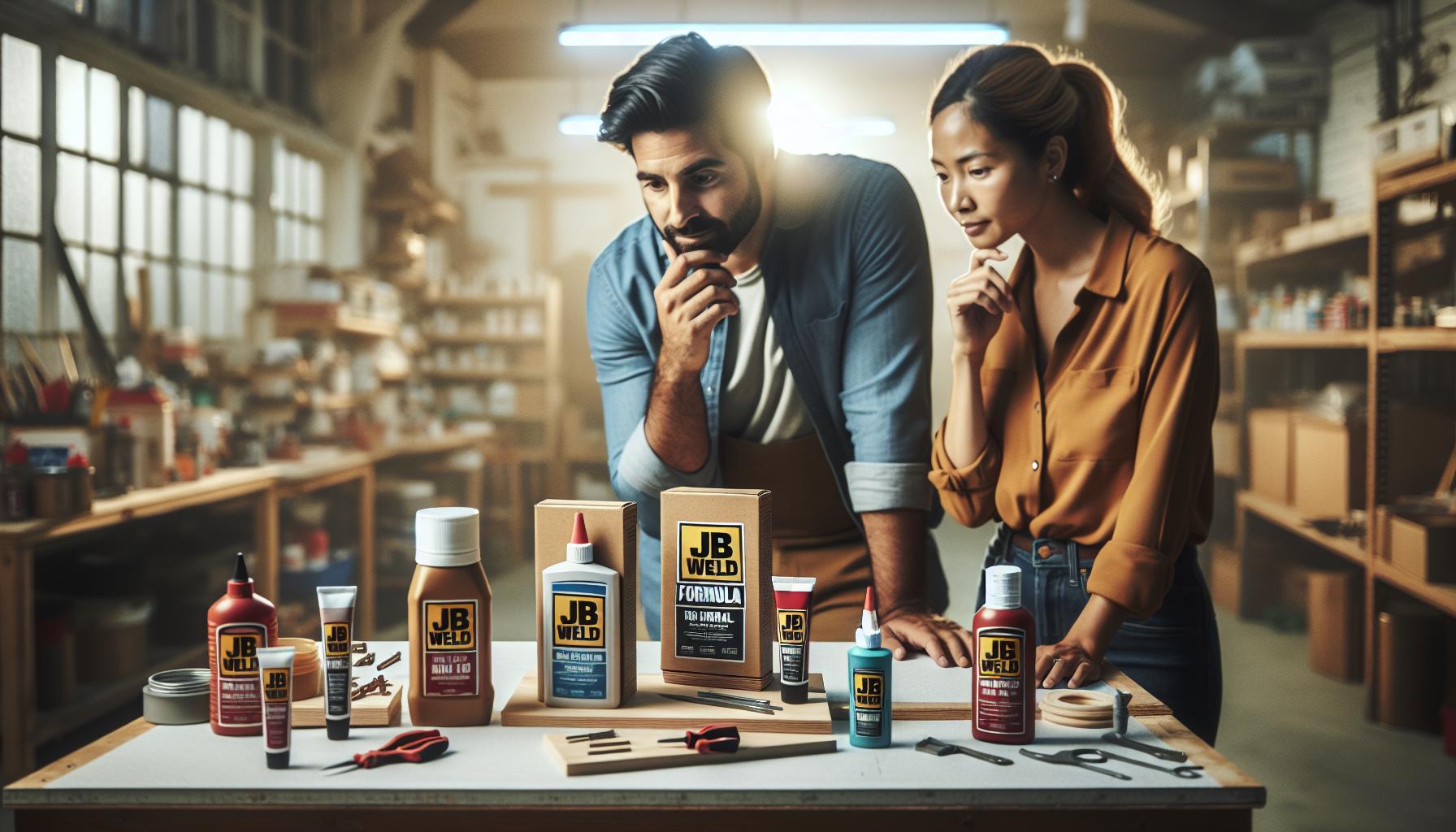
Choosing the Right JB Weld Formula for Your Project
Selecting the proper JB Weld formula for your specific repair needs can significantly influence the outcome of your project. With various formulations available, understanding their unique attributes helps ensure you achieve a strong, lasting bond suitable for your materials and conditions. Depending on factors such as the environment, type of material, and strength requirements, you may choose from options like JB Weld’s original epoxy, Quick Setting formula, or High-Heat version.
For general-purpose repairs, JB Weld Original is a reliable first choice. It provides a high tensile strength of 3960 PSI and can bond to metals, wood, ceramics, and much more, making it incredibly versatile. However, if time is a factor, the JB Weld Quick Setting version offers a faster alternative, achieving a set in as little as 4-6 hours while still maintaining a strong hold, although it sets at a lower tensile strength compared to the original formula.
For high-temperature applications, consider the JB Weld High-Heat variant which withstands temperatures of up to 500°F (260°C) intermittently. This makes it ideal for repairs on exhaust systems, engine components, or other high-temperature areas where standard epoxies might fail. Conversely, for outdoor or submerged applications, JB Weld Marine provides enhanced resistance to water and salt, making it perfect for boat repairs or items exposed to humid environments.
When choosing the right formula, also assess the surface conditions and the intended use post-repair. For large gaps or voids, it may be beneficial to utilize the JB Weld Epoxy Putty which can be molded and shaped, allowing for a more straightforward application in tricky spaces. Remember to read the product labels carefully as each formulation has specific characteristics, mixing ratios, and curing times that could affect your project’s success. By aligning the right JB Weld product with your project requirements, you can confidently tackle repairs that not only meet but exceed expectations.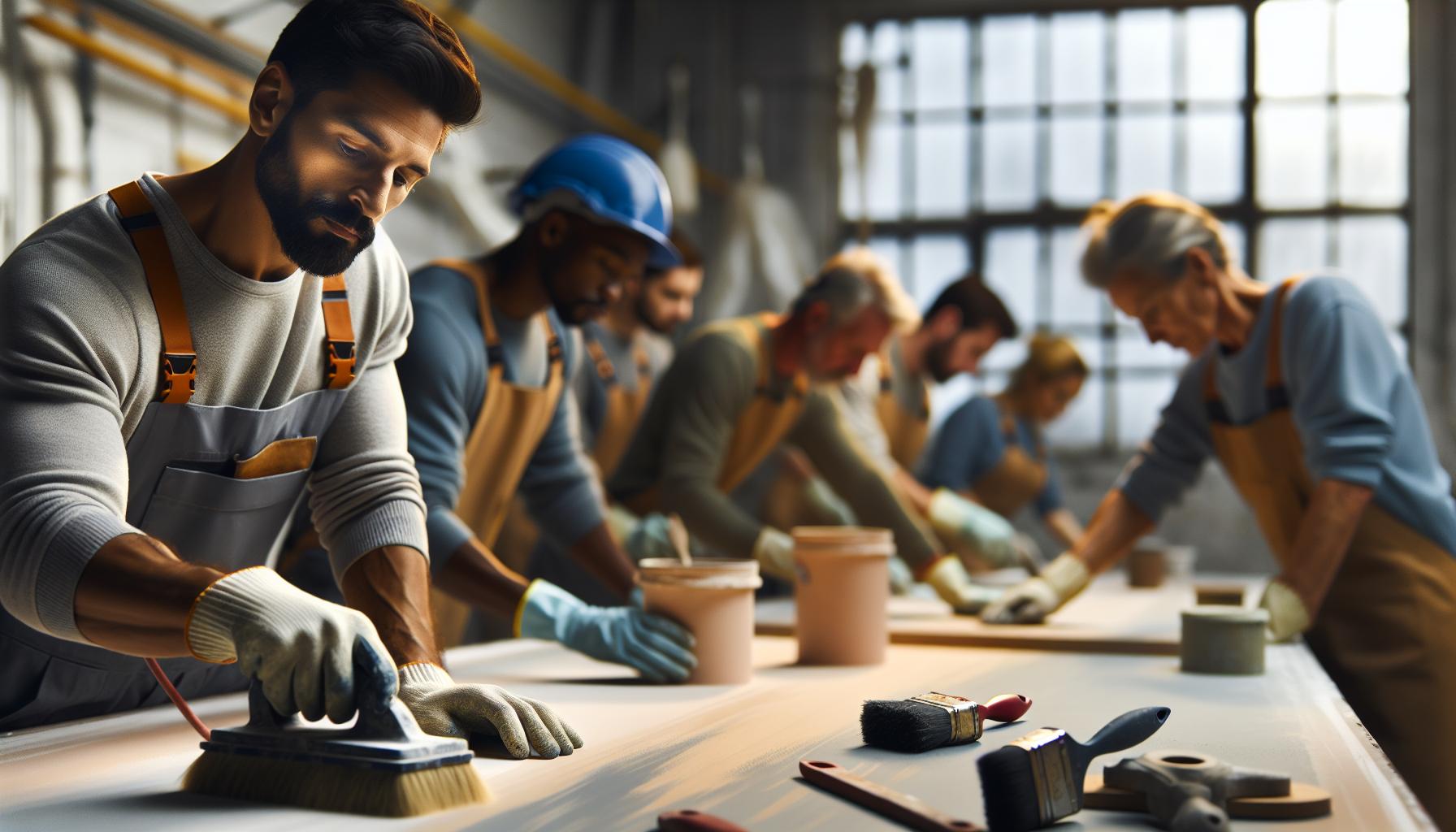
Surface Preparation: Essential Techniques for Best Results
To achieve a robust and enduring bond with JB Weld, the preparation of the surfaces is crucial. Proper surface preparation not only enhances adhesion but also significantly contributes to the longevity of repairs. A clean, well-prepared surface allows the JB Weld to penetrate and bond effectively, creating a solid joint that can withstand considerable stress and environmental conditions.
Start by thoroughly cleaning the surfaces you intend to bond. Remove any dirt, grease, or oil using a solvent like rubbing alcohol or acetone. This step is essential because contaminants can create a barrier that interferes with the chemical bonding process. For smooth surfaces, lightly sanding with fine-grit sandpaper can increase surface area and promote better adhesion. When working with metals, such as aluminum or steel, ensure that all oxidation is removed, as it can hinder the bond. After sanding, wipe down the area again with a solvent to eliminate any dust particles that might remain.
Surface Texture and Gaps
Consider the texture of the surfaces you are working on. JB Weld adheres better to rough surfaces, so if the materials are smooth, a thorough sanding can help. For uneven surfaces or when there are significant gaps, using JB Weld Epoxy Putty can provide better results; it can fill voids and easily shape to form a proper seal. Additionally, when bonding different materials, it’s crucial to assess their compatibility and ensure they don’t react negatively with each other or with the adhesive.
Final Checks Before Application
Before applying JB Weld, double-check that the surfaces are completely dry. Any moisture trapped between the surfaces can prevent proper curing and lead to weaker bonds. After confirming the surfaces are clean and dry, you are poised to mix and apply the JB Weld effectively, maximizing the potential for a flawless repair.
Common Mistakes to Avoid When Using JB Weld
When working with JB Weld, it’s crucial to be aware of common pitfalls that can undermine the reliability of your repairs. One mistake often seen is neglecting the importance of surface preparation. Failing to clean and properly prepare the surfaces can significantly weaken the bond, leading to premature failure of the repair. For instance, if you skip using solvents to remove grease and dirt, you may find that the JB Weld simply does not adhere as intended. Always ensure that surfaces are not only clean but also dry before application.
Another frequent error is surpassing the recommended mixing ratio of the epoxy components. JB Weld requires a precise mix of its resin and hardener to develop optimal strength. Using too much of one component can lead to an inadequate cure, which compromises the bond’s durability. For best practices, use a scale or a measuring device to maintain accuracy in your mixes.
Additionally, rushing the curing process can lead to serious issues. While JB Weld can set in a short period, it requires ample time to fully cure to achieve maximum strength. Attempting to manipulate or stress the joint before it is fully cured can result in a weak bond that won’t hold up in operation. It is advisable to consult the product guidelines for specific curing times and adhere strictly to them.
Overlooking Temperature Conditions
Temperature plays a pivotal role in the performance of JB Weld. Applying the adhesive in extreme temperatures can affect its curing time and bond strength. Ideally, JB Weld performs best in moderate conditions, so be mindful of the environment in which you’re working-too hot or too cold can lead to unsatisfactory results. For outdoor applications or extreme conditions, ensure to use a formula that is specifically designed for such environments.
By recognizing and avoiding these common mistakes, you can improve the longevity and effectiveness of your JB Weld repairs. This attention to detail will ensure your projects stand up to the test of time.
Curing Time: How Long Does JB Weld Take to Set?
When working with JB Weld, understanding the curing time is essential for achieving optimal results. The curing process is when the adhesive transitions from a workable paste to a solid bond, providing the durability needed for effective repairs. Typically, JB Weld sets in about 4 to 6 hours, allowing you to handle the repaired object. However, full cure time, which maximizes the bond’s strength, can extend to 15 to 24 hours depending on environmental conditions.
To optimize curing, consider the surrounding temperature and humidity. JB Weld performs best in conditions where temperatures range between 50°F and 100°F. In colder climates, the curing process may take longer, which can be particularly impactful if repairs are needed for outdoor projects. If the temperature dips below the ideal range, you could employ heat lamps or heaters to maintain a suitable environment, ensuring that the adhesive activates effectively.
Factors Influencing Curing Time
Several factors can influence how quickly JB Weld will set and cure:
- Mixing Ratio: Adhering to the recommended proportions of resin and hardener is crucial. An unbalanced mix can extend curing time or lead to incomplete bonding.
- Thickness of Application: Thicker layers of JB Weld may require additional time to cure properly. Aim for even application for consistent results.
- Environmental Conditions: Conditions like humidity, temperature, and airflow will dictate the efficiency of the curing process.
It’s vital to avoid manipulating the joint during the curing phase. Prematurely stressing the bond can weaken it, potentially leading to failure. Allowing the adhesive sufficient curing time is crucial for durability, especially in applications subjected to stress or movement. Always check JB Weld’s specific recommendations for different formulations, as variations exist, each designed for different conditions and uses. By acknowledging and accommodating these factors, you can ensure that your repairs with JB Weld endure the test of time, providing a lasting solution for various bonding needs.
JB Weld vs. Other Adhesives: A Comparative Analysis
When evaluating JB Weld against other adhesives, it’s essential to consider the unique strengths and weaknesses of each formulation to ensure the best choice for your specific project. JB Weld is renowned for its extraordinary bonding strength and multi-material versatility, which sets it apart in an array of applications. Unlike traditional superglues or epoxy resins, JB Weld can bond both metal and non-metal materials effectively, making it a go-to solution for those requiring robust repairs on diverse surfaces such as metal, wood, ceramics, and more.
One of the primary advantages of JB Weld over standard adhesives is its high-temperature resistance. While many common adhesives weaken or degrade under heat, JB Weld can withstand temperatures of up to 500°F (260°C) when cured properly. This makes it particularly suitable for automotive repairs or high-heat machinery applications, where other adhesives may fail. In terms of curing time, JB Weld provides a unique edge as well; although it takes longer to reach full hardness, its ability to cure effectively under less-than-ideal conditions offers greater flexibility compared to faster-curing options that might not adhere well in suboptimal scenarios.
However, it’s important to compare JB Weld to structural epoxies that offer specialized formulations for certain applications. For instance, while JB Weld excels at bonding metal, some high-performance epoxies can provide even stronger bonds when used on specific substrates, particularly in demanding engineering applications. In addition, these formulations often include features like faster curing times or clear finishes, which may be preferable in aesthetic applications. Ultimately, the best adhesive choice hinges on factors such as materials involved, environmental conditions, and specific performance requirements.
When selecting the right adhesive for your project, consider the following aspects for an informed decision:
- Material Compatibility: Verify that the adhesive is compatible with both the surfaces you are bonding.
- Temperature Resistance: Assess whether you might expose the bond to heat.
- Curing Time: Factor in how quickly you need the bond to set and whether you can allow for longer curing times.
- Cost and Availability: Evaluate the budget for your project and availability of the chosen adhesive.
In conclusion, while JB Weld is a phenomenal option known for its resilience and versatility, understanding the specific features of other adhesive types ensures that you make the best decision for durable and effective repairs across a range of uses.
Tips for Maintaining Bond Strength and Durability
Maintaining the bond strength and durability of your JB Weld application is crucial for ensuring that your repairs stand the test of time. With proper techniques and mindful practices, you can maximize the performance of JB Weld in various applications. One key aspect to consider is the curing environment; JB Weld requires a stable temperature and can benefit from a controlled setting. Ideally, the area should be free from moisture, as excessive humidity can compromise the adhesive’s performance.
Another important factor is applying the product correctly. Before bonding, take time to clean the surfaces thoroughly to remove any dust, grease, or rust. Using a solvent like acetone on metal surfaces can enhance adhesion. Additionally, roughening the surfaces with sandpaper creates more area for the adhesive to grip, thus increasing bond strength. Always ensure that JB Weld is mixed according to the manufacturer’s instructions, as accurate ratios are essential for optimal curing.
When it comes to the final stages of your project, avoid exposing the bonded area to stress, weight, or extreme temperatures until JB Weld has fully cured. This allows the adhesive to reach its full strength, which can take up to 15 to 24 hours depending on conditions. If you anticipate the bond being subjected to extreme temperatures, remember that JB Weld can withstand heat, but prolonged exposure to very high temperatures may still weaken it over time.
For applications exposed to vibration or movement, consider using additional mechanical fastening methods or secondary supports after curing. This will help distribute loads more evenly and reduce stress on the adhesive. By following these guidelines, you can significantly enhance the longevity and effectiveness of your JB Weld repairs, ensuring they perform reliably in their intended roles.
Creative Applications: Innovative Uses for JB Weld
When it comes to versatile repairs, JB Weld stands out not only for its strength but also for its broad range of applications beyond traditional bonding tasks. This epoxy adhesive has earned a reputation for being an incredibly reliable solution in both household projects and professional settings, often surprising users with its innovative uses. From automotive repairs to artistic endeavors, JB Weld proves that its utility extends far beyond simply gluing pieces together.
One notable application of JB Weld is in automotive repairs. Whether it’s fixing a cracked engine block or sealing a leaky radiator, this adhesive can withstand extreme temperatures and pressures, making it ideal for high-stress automotive applications. Users have successfully employed it to bond metal parts that are hard to replace, like transmission cases and exhaust pipes. To maximize effectiveness in these situations, surface preparation is crucial; ensuring that surfaces are clean and properly roughened can significantly enhance the bond.
Additionally, JB Weld finds its place in crafting and DIY projects. Artists and hobbyists use JB Weld to build sculptures or repair ceramics and pottery. Its ability to fill gaps and its longevity make it a favored option for creating durable displays or home décor items. For instance, combining JB Weld with techniques like layering or applying it to intricate patterns can yield robust, eye-catching results. Likewise, in woodworking, it can serve as a fill-in solution for cracks or defects, providing a seamless finish.
Another impressive use involves plumbing repairs-JB Weld offers effective solutions for patching up leaks in pipes or fittings. Its water-resistant properties allow for quick fixes in challenging conditions. Homeowners facing old or corroded pipes can apply JB Weld to restore integrity temporarily while they plan for full replacements.
Using JB Weld creatively requires a bit of ingenuity, but the potential applications are extensive. By leveraging its exceptional strength, users can tackle everyday problems and inventive projects alike. Always remember to follow safety protocols and guidelines to maximize both efficacy and safety during your creative endeavors with JB Weld.
Troubleshooting JB Weld: Addressing Common Issues
When working with JB Weld, encountering issues can be frustrating, especially when expectations are high for a flawless bond. Understanding some common troubleshooting aspects can significantly enhance your experience and ensure that repairs are successful. For example, if the JB Weld hasn’t cured properly, factors such as insufficient mixing, inadequate surface preparation, or environmental conditions (like temperature and humidity) should be examined. JB Weld typically cures efficiently at temperatures above 50°F (10°C); below this, the adhesive may struggle to set properly.
Another common issue arises when users apply too thin a layer of JB Weld, leading to weak bonds. Adequate application is crucial. Typically, a layer of around 1/8 inch is recommended for effective bonding. If you notice that the bond feels weak after curing, consider re-evaluating the thickness applied. For large gaps, utilizing filler material can bolster the bonding structure before applying JB Weld.
Prolonged exposure to moisture before the JB Weld has fully cured can also compromise strength. While JB Weld is known for its water-resistant properties, it is best to keep the bond dry until the curing process is complete. If issues persist, perform a quick adhesion test by attempting to pull apart the join; if it fails, revisiting the preparation and application methods or redoing the task may be necessary.
For minor fixes, remember that setting JB Weld under proper pressure can help achieve a better bond. Ensuring that both surfaces are tight against each other while curing allows the epoxy to flow better into any gaps. Lastly, if all else fails, patience is key. Allowing extra time for curing-even beyond the initial recommendations-can sometimes resolve unforeseen issues. By maintaining careful attention to preparation, application, and environmental conditions, users can effectively troubleshoot JB Weld and achieve the strong, reliable repairs they desire.
Safety Protocols When Using JB Weld
When working with JB Weld, prioritizing safety is vital to ensure a smooth and effective repair process. JB Weld contains epoxy resins and hardeners that can emit fumes during mixing and curing, which can pose health risks if proper precautions are not taken. Always work in a well-ventilated area to minimize inhalation of harmful vapors. If indoors, use fans or open windows, and consider wearing a mask to protect against any irritants.
Protective gear is also essential when handling JB Weld. Use gloves made of nitrile or latex to prevent skin contact, as the chemicals can be irritating. Eye protection, such as safety goggles, is crucial to safeguard against accidental splashes while mixing or applying the adhesive. Additionally, ensure that work surfaces are covered to prevent any accidental spills from contaminating your workspace.
It’s important to familiarize yourself with the Material Safety Data Sheet (MSDS) for the product you’re using. This document provides valuable information regarding the safe use, handling, and disposal of JB Weld. In case of an emergency, such as skin contact or inhalation of fumes, knowing the appropriate first-aid measures is essential. Ingesting JB Weld can lead to serious health complications, so always keep it out of reach of children and pets.
Finally, practice proper disposal methods for any leftover products or unused portions of JB Weld. Cured or unused adhesive should be disposed of according to local regulations, which may vary by location. Many areas have specific guidelines for disposing of chemical products, ensuring they do not harm the environment. By following these safety protocols, you can confidently utilize JB Weld for effective repairs while minimizing risks.
Q&A
Q: What surfaces can JB Weld be used on?
A: JB Weld can be used on various surfaces, including metal, wood, ceramic, plastic, and more. For optimal adhesion, always prepare the surface properly by cleaning and roughening it as outlined in the article’s surface preparation section.
Q: How do you mix JB Weld correctly?
A: To mix JB Weld, combine equal parts of resin and hardener on a clean surface. Use a spatula or stick to blend them thoroughly until the color is uniform, typically taking about 1-2 minutes. This step is crucial for ensuring a strong bond.
Q: Can JB Weld be used for underwater repairs?
A: Yes, specific JB Weld formulas, like JB Marine Weld, are designed for underwater repairs. Ensure the surface is clean and apply the epoxy according to the instructions, allowing extra curing time for underwater applications.
Q: What temperature can JB Weld withstand?
A: JB Weld can withstand temperatures up to 550°F (287°C) when fully cured. Always check the specifications of the particular JB Weld product you are using, as different formulas may have varied temperature tolerances.
Q: How do you remove JB Weld if needed?
A: To remove JB Weld, first chip away as much as possible with a scraper or chisel. Then, apply heat using a heat gun or hairdryer to soften the adhesive. Once softened, it can often be pulled or scraped off more easily.
Q: Does JB Weld expand or contract when cured?
A: JB Weld does not significantly expand or contract during the curing process. However, be mindful that the bond may experience slight movement with temperature changes, so ensure the application area is suitable for such materials.
Q: What should you do if JB Weld is not curing properly?
A: If JB Weld is not curing properly, check the mix ratio and environmental factors like humidity and temperature. Ensure you followed the recommended curing conditions. If issues persist, consider applying a fresh batch and make sure to properly prepare the surface.
Q: Is JB Weld waterproof once cured?
A: Yes, JB Weld is waterproof once fully cured. Certain variants, like JB Marine Weld, are specifically formulated for marine environments, further enhancing their ability to resist water exposure. Always refer to the product details for specific capabilities.
Concluding Remarks
With JB Weld in your toolkit, you have the ultimate solution for any repair job, from home fixes to professional welding projects. Remember, consistency and patience are key to achieving perfect results every time. Take action now-gather your materials and make that repair you’ve been putting off, or dive deeper into our other guides on welding techniques, safety protocols, and equipment reviews to enhance your skills further.
Explore related topics such as “Choosing the Right Welding Techniques” and “Essential Safety Gear for Welders” to stay informed and prepared for any project. If you found this guide helpful, don’t forget to subscribe to our newsletter for expert tips and updates delivered straight to your inbox. Share your thoughts in the comments below and join our community of precision-driven welders. Your next perfect repair is just around the corner!