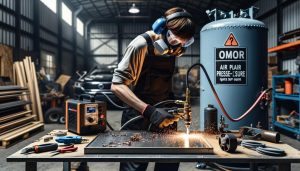
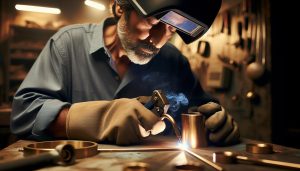
Welding exhaust systems is a valuable skill that can save you money and enhance your vehicle’s performance. Did you know that poorly welded exhausts can lead to severe engine damage and safety issues? Whether you’re a DIY enthusiast or a professional mechanic, mastering exhaust welding techniques is essential. This guide delves into MIG, TIG, and arc welding methods, focusing on materials like stainless steel and aluminum. By understanding the right techniques and safety protocols, you’ll learn how to create durable, effective repairs that withstand the test of time. Join us as we explore expert tips and essential equipment reviews that will elevate your welding knowledge and ensure a seamless, long-lasting exhaust system. Get ready to transform your approach to exhaust repairs and make every weld count!
Understanding Different Welding Techniques for Exhaust Repairs
When it comes to repairing exhaust systems, understanding the different welding techniques is essential for achieving durable and effective results. Among the most commonly employed methods are MIG (Metal Inert Gas) welding, TIG (Tungsten Inert Gas) welding, and stick welding. Each technique has distinct characteristics that make it more appropriate for specific types of exhaust repairs.
MIG welding is known for its speed and ease of use, making it ideal for exhaust work, particularly on thin materials such as stainless steel and mild steel. This technique utilizes a continuous feed of filler wire and an inert gas shield which protects the weld from contamination. Its versatility allows for adjustments in speed and heat, accommodating various thicknesses of exhaust pipes.
In contrast, TIG welding offers greater control and precision, which is particularly beneficial for intricate repairs or when working with alloys like aluminum. While it requires more skill, TIG welding produces high-quality welds that are visually appealing and robust. The method involves a non-consumable tungsten electrode and typically works with a filler rod, providing the welder with fine-tuned control over the weld pool.
Stick welding, or SMAW (Shielded Metal Arc Welding), is another technique used in exhaust repairs, particularly in situations where portability and adaptability are needed. It’s less commonly used for exhaust systems due to its slower speed and potential for a less aesthetic finish, but it remains suitable for outdoor environments where wind may disrupt shielding gases used in MIG and TIG welding.
Using the appropriate technique depends on factors such as material type, pipe thickness, and the specific repair situation. Familiarity with these techniques allows welders to select the right approach, ensuring that exhaust repairs are not only functional but also reliable under varying conditions.
Essential Tools and Equipment for Welding Exhaust
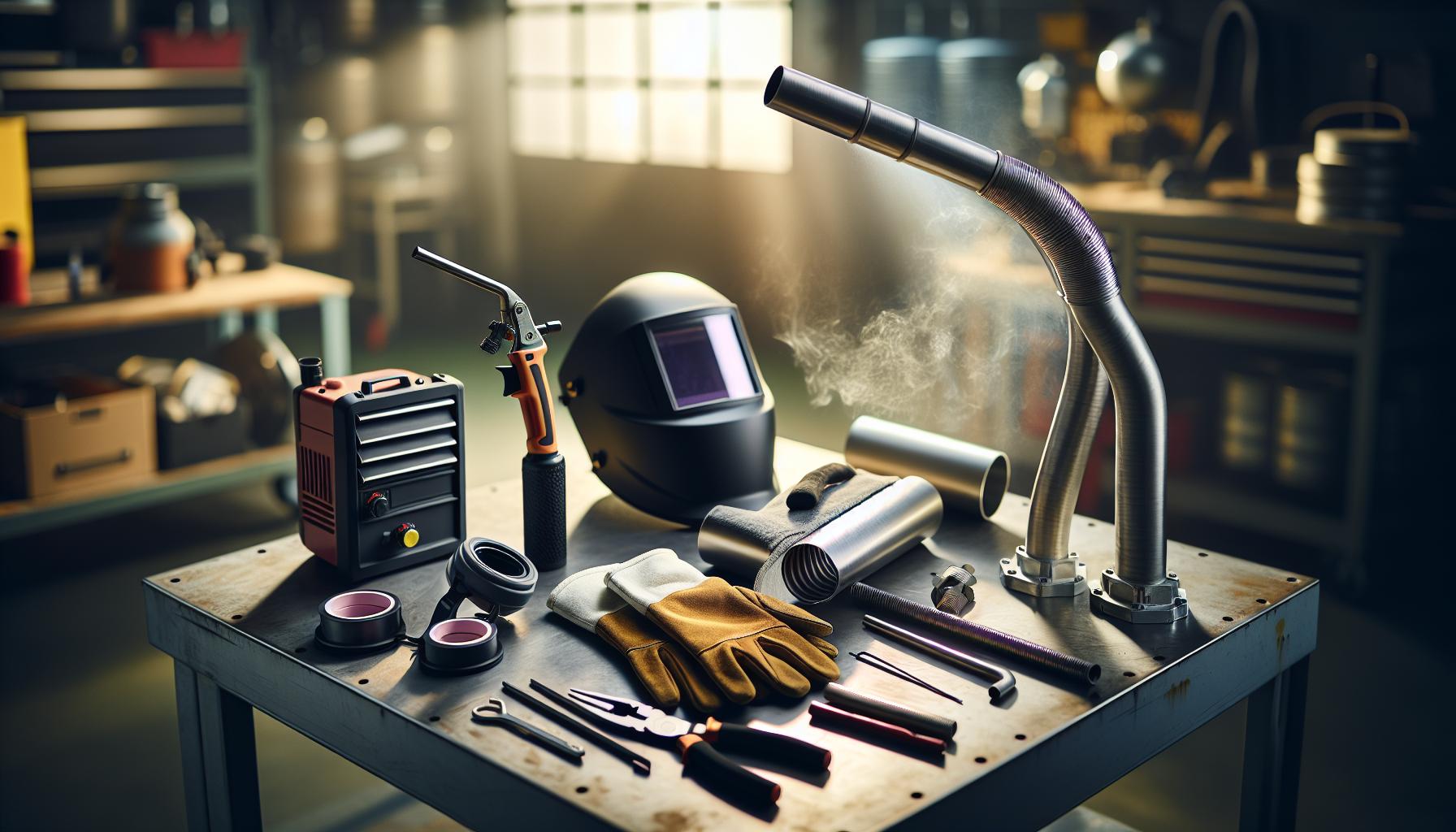
When embarking on exhaust welding projects, having the right tools and equipment is vital for achieving professional results. Whether you’re working on a vehicle’s exhaust system or fabricating custom exhaust parts, using specialized tools not only enhances efficiency but also ensures safety and precision.
One essential piece of equipment is the welding machine-either MIG or TIG-depending on the materials you’re using. For instance, MIG welders offer quick operation, making them suitable for stainless steel and mild steel exhaust systems. On the other hand, TIG welding machines provide the control needed for intricate welds, especially when working with aluminum. It’s crucial to select a welder with adequate amperage for your specific projects, typically between 130 to 200 amps for exhaust work.
Personal protective equipment (PPE) is equally important in welding safety. Always wear a high-quality welding helmet with the appropriate shade-usually between #10 to #14-to protect your eyes from harmful UV light and sparks. Additionally, heavy-duty gloves, long-sleeve shirts, and flame-resistant clothing should be worn to guard against heat and spatter. A good pair of leather welding gloves provides both comfort and protection, allowing for improved dexterity while handling hot materials.
In addition to welding machines and PPE, the following tools can significantly aid in exhaust welding:
- Welding Clamps: These keep exhaust pipes securely in place during welding, ensuring accuracy and stability.
- Angle Grinder: Use this tool for cutting and preparing metal surfaces before welding.
- Welding Filler Rods/Wires: Select the right type of filler material to match the base metals being welded, whether using stainless steel rods for stainless steel pipes or aluminum filler for aluminum components.
- Measuring Instruments: Tools like calipers and tape measures help ensure precise cuts and fitment.
Lastly, investing in a portable work table can facilitate workflows, allowing you to work on exhaust components at a comfortable height, which is especially beneficial when dealing with larger or heavier parts. By assembling and using these essential tools effectively, welders can confidently tackle any exhaust repair project, ensuring lasting, high-quality results.
Steps to Prepare Exhaust Pipes for Welding
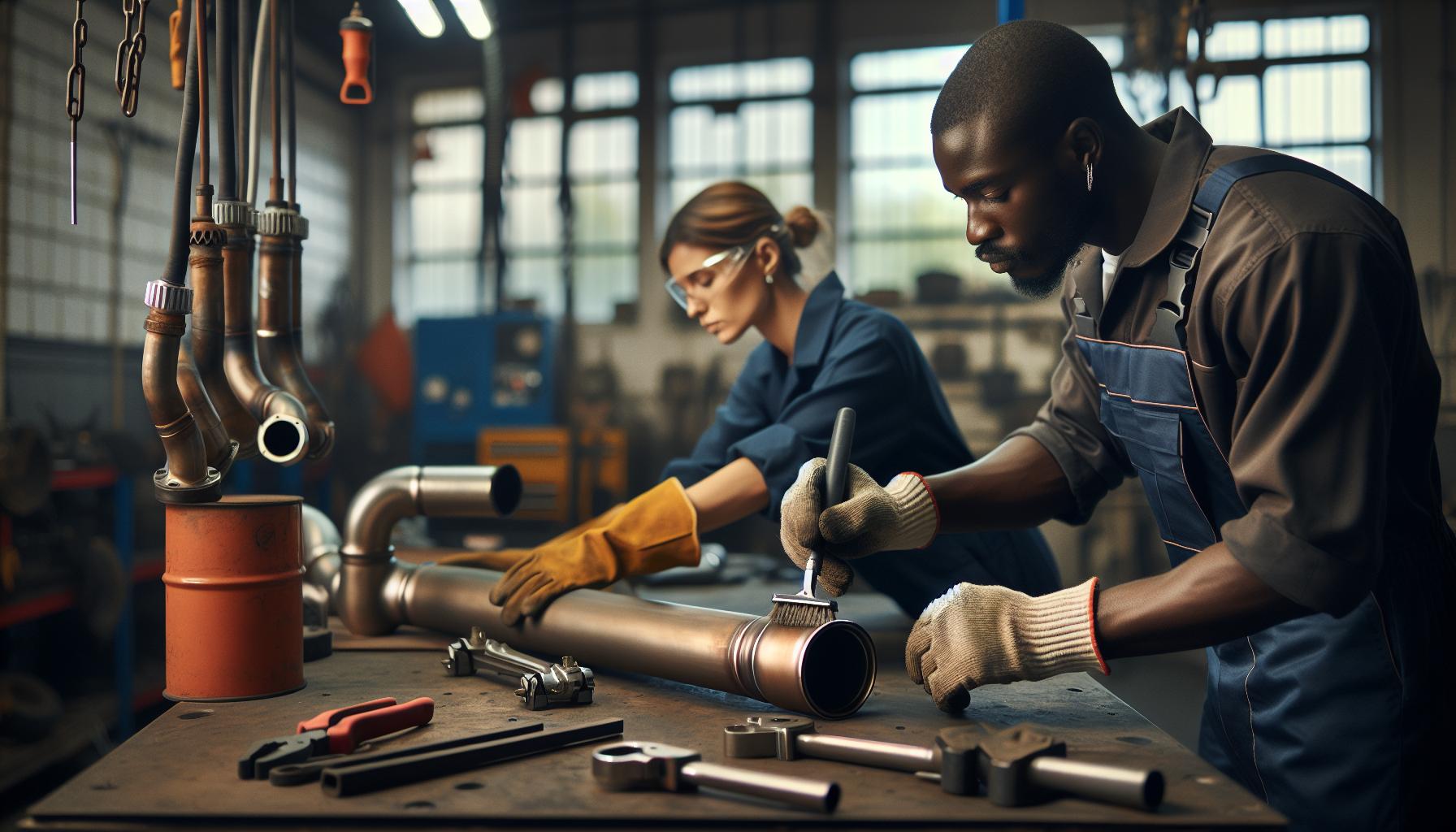
Preparing exhaust pipes for welding is a critical step that sets the foundation for a strong and durable repair. An effective preparation process helps ensure proper fitment and adherence, resulting in a neat and leak-free weld. The first aspect to consider is the condition of the pipes. Inspect them for rust, corrosion, and any physical damage. A clean surface is vital; grime or contaminants can interfere with the welding process. If necessary, clean the affected areas using a wire brush or angle grinder to remove rust and debris.
Once the surfaces are clean, it’s crucial to measure and cut the pipes accurately. Use a measuring tape to determine the required lengths and angles. When cutting, ensure that the cuts are as straight as possible to allow for proper alignment during welding. A skillsaw or a reciprocating saw can be beneficial here, especially for thicker pipe materials. Following this, it’s advisable to perform a dry fit of the components before welding. Align the pipes and use clamps to secure them in place. This step is essential for verifying that everything fits correctly, reducing the likelihood of errors once the welding begins.
Before proceeding with welding, be mindful of the material type. Different materials may require specific preparation methods; for instance, aluminum demands a more delicate approach compared to steel due to its lower melting point. Use specific aluminum cleaning agents to prepare the metal surface, as contaminants like oil or dirt can significantly weaken the joint. If you’re working with stainless steel, always use stainless steel filler rods to maintain material integrity.
Lastly, consider the welding access and position. Having adequate space around the workpiece ensures the welder can effectively access all joint locations, which is particularly important in confined spaces like vehicle exhaust systems. Creating a clear workspace not only enhances efficiency but also contributes to safety. By following these preparation steps, welders can significantly increase their chances of achieving a strong, lasting repair on exhaust pipes.
MIG vs. TIG: Choosing the Right Welding Method
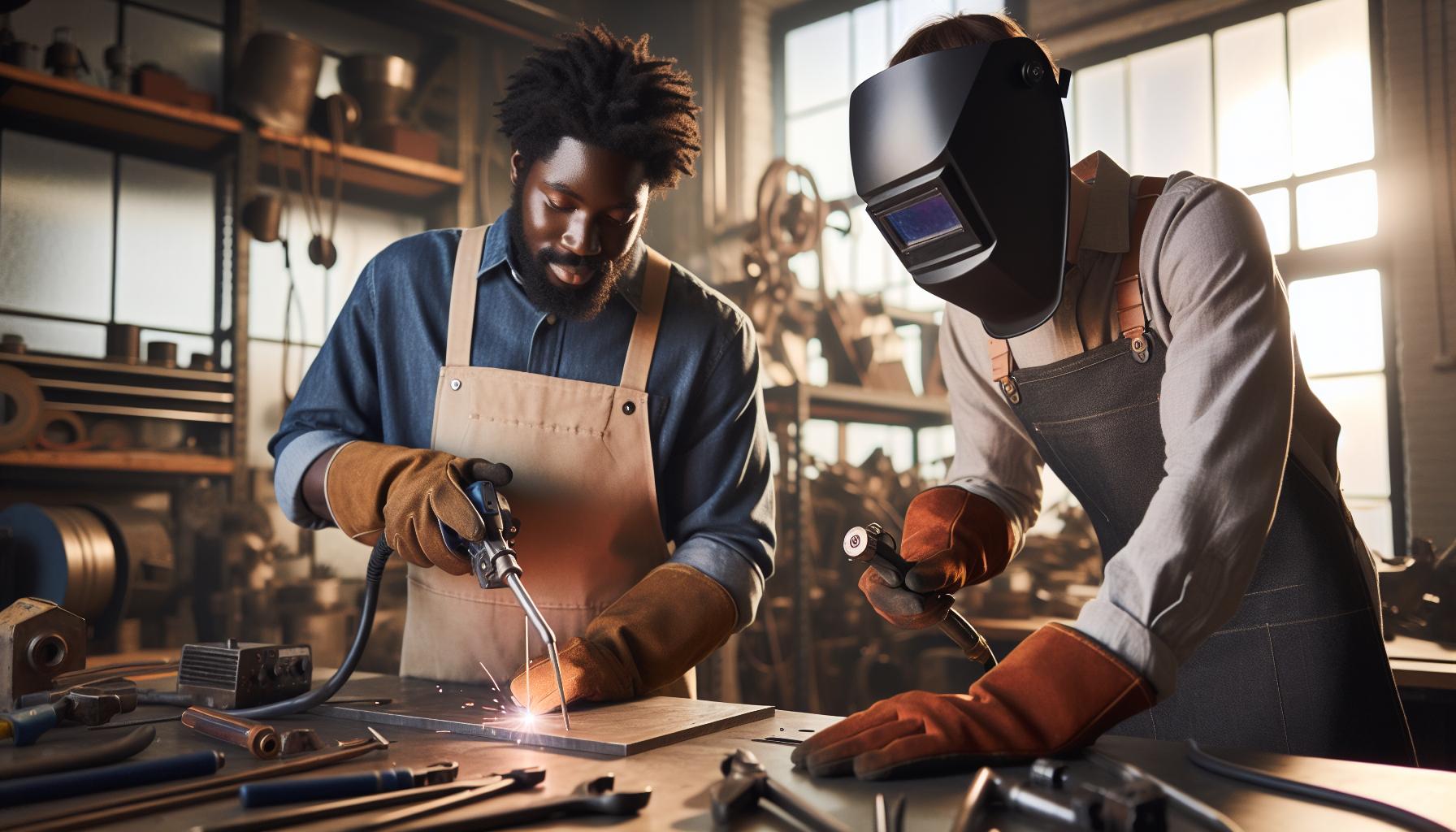
When it comes to welding exhaust systems, the choice between MIG (Metal Inert Gas) and TIG (Tungsten Inert Gas) welding methods can significantly impact the quality and durability of the repair. Each technique offers its unique advantages, making the decision context-dependent based on the specific materials and conditions you encounter. For instance, MIG welding is often favored for its speed and ease of use, particularly when working with thicker sections of steel or stainless steel exhausts. The process utilizes a continuously fed wire and requires less operator skill than TIG, enabling faster welds that are sufficient for many applications.
In contrast, TIG welding excels in providing high precision and superior weld quality, particularly when working with thinner materials or more complex geometries. It employs a non-consumable tungsten electrode, allowing for cleaner and more controlled arcs. This makes TIG an excellent choice for aluminum exhaust components, which can be more challenging to weld due to their heat sensitivity and propensity for warpage. The intricate control that TIG welding offers is invaluable, especially for professional applications where aesthetic and structural integrity are paramount.
Considerations for Selection
When choosing between MIG and TIG for exhaust repairs, consider the following factors:
- Material Type: Steel is commonly welded with MIG, while TIG is often preferred for aluminum and stainless steel.
- Thickness of Material: Thicker materials are easier to weld using MIG, whereas TIG is appropriate for thin-walled pipes.
- Desired Weld Quality: For projects requiring a clean finish without excessive cleanup, TIG may be more suitable.
- Operator Skill Level: MIG is generally more accessible for beginners, making it a popular choice among hobbyists and those new to welding.
Ultimately, the choice between MIG and TIG welding techniques for exhaust repairs should align with both the specific repair needs and the welder’s expertise, ensuring optimal results for a durable, high-quality repair. Understanding these differences arms you with the knowledge needed to make informed decisions, leading to successful welding outcomes that stand the test of time.
Safety Protocols Every Welder Should Follow
Welding is a craft that, while rewarding, carries inherent risks if proper safety protocols are not strictly followed. With risks ranging from exposure to intense heat and harmful fumes to the potential for electrical hazards, adhering to safety measures is essential to create a secure working environment. Whether you’re a seasoned professional or a novice welder, comprehensively understanding and implementing these safety protocols can significantly reduce the likelihood of accidents and injuries.
First and foremost, always wear appropriate personal protective equipment (PPE). This includes a welding helmet equipped with a suitable shade lens to protect your eyes and face from harmful ultraviolet (UV) and infrared (IR) radiation. Additionally, flame-resistant clothing, gloves, and steel-toed boots are crucial to protect against sparks and molten metal. Make sure your workspace is well-ventilated to prevent the buildup of harmful gases and fumes that may arise during the welding process, especially when working with aluminum and other materials that can release toxic byproducts.
Emergency Preparedness
Being prepared for emergencies is as essential as wearing PPE. Ensure that you have access to a fire extinguisher, and keep it in close proximity to your work area. Understand the material safety data sheets (MSDS) for any substances you are working with; these will provide critical information on handling and emergency measures. Having first-aid supplies readily available can also make a difference in preventing minor injuries from escalating. Regularly review emergency procedures with your team to ensure everyone knows how to respond promptly should an incident occur.
Electrical Safety
Care should be taken with the electrical aspects of welding. Ensure that all electrical equipment is well-maintained and inspected regularly for any signs of wear or damage. Using equipment that is properly grounded can significantly reduce the risk of electrical shock. Familiarize yourself with the locations of electrical panels and outlets to avoid unnecessary hazards during your work.
Additionally, remain vigilant regarding your surroundings. Remove any flammable materials from your workspace and use fire-resistant barriers where necessary. Implementing strict housekeeping measures helps prevent trips and falls, a common yet dangerous risk in welding environments. As you focus on creating high-quality welds, never underestimate the importance of maintaining a clean and organized workspace.
By prioritizing safety protocols and adopting a mindset focused on prevention, welders can minimize risks and foster a secure environment, ultimately leading to better outcomes in their work.
Common Exhaust Repair Problems and Solutions
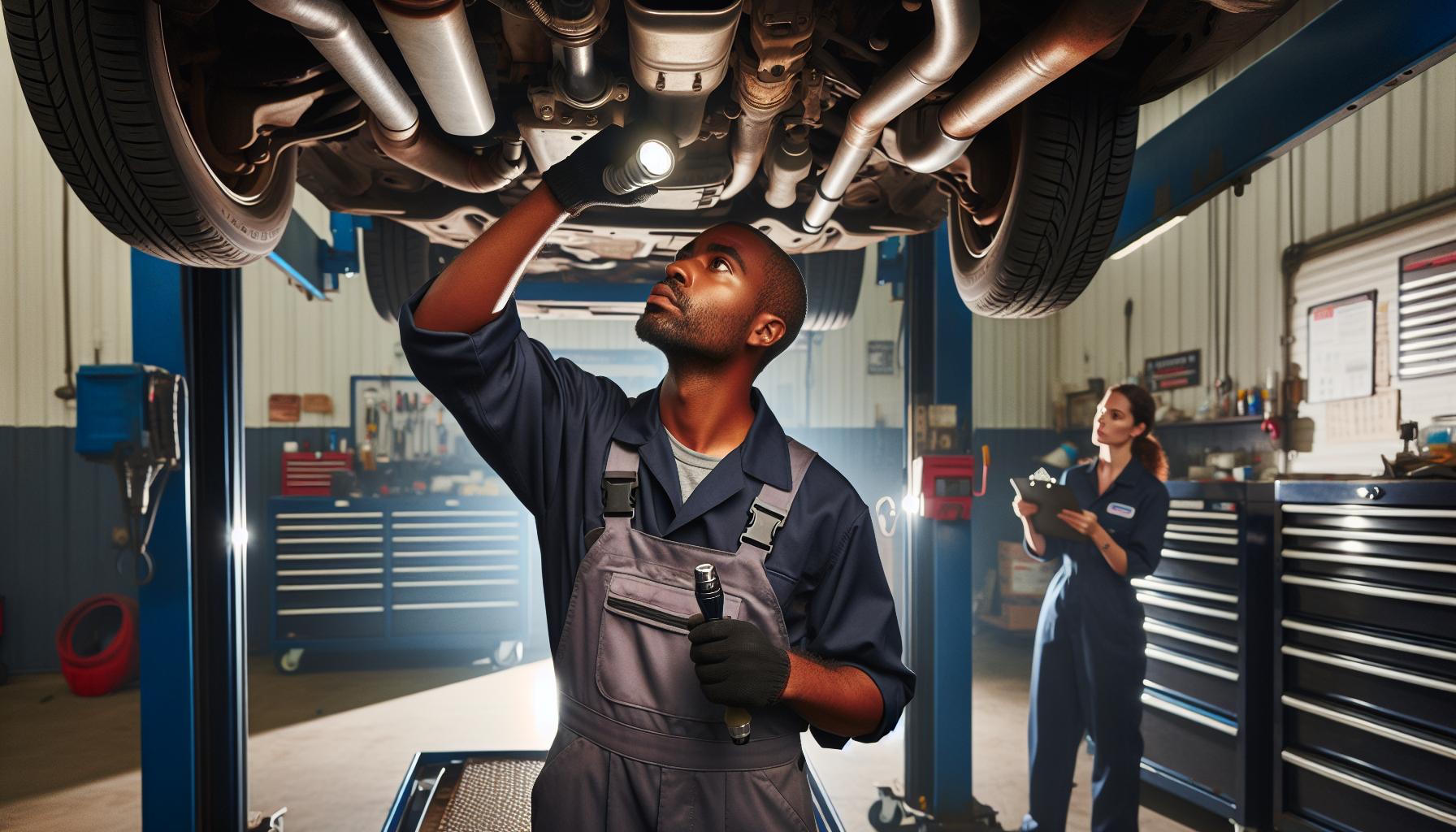
Common issues related to exhaust repairs can vary significantly, but understanding these problems-and their effective solutions-can save time and improve outcomes. One prevalent issue is the presence of leaks in exhaust systems, which usually arise from corrosion or poor initial welding. Such leaks can cause undesirable sounds and loss of engine efficiency. To address this, it is essential to inspect the exhaust pipe thoroughly and utilize methods like the dye test for detecting cracks. Once identified, adequately preparing the surfaces and applying a MIG or TIG welding technique, depending on the material, can ensure a strong, lasting seal.
Another common problem is the misalignment of exhaust pipes, often resulting from improper handling or support during installation. Misalignment can lead to increased stress on joints and greater chances of failure over time. To solve this, proper alignment should be achieved before any welding begins; using clamps or fixtures can help maintain the correct position. Once aligned, it is crucial to use the right filler material and technique to ensure a uniform and durable weld. For steel exhausts, a MIG process is commonly used due to its speed and effectiveness, while TIG is preferred for aluminum due to better control.
Additionally, exhausts made from different materials can pose unique challenges. For instance, when welding steel and aluminum together, different thermal expansion rates can lead to cracking if not accounted for. When faced with this situation, utilizing a hybrid approach, where the aluminum component is joined first using TIG welding, and steel parts are connected afterward with MIG, can help mitigate risks associated with mixed welding.
Every repair scenario will have its peculiarities, but being aware of these common exhaust repair problems-and understanding the appropriate solutions-empowers welders to achieve stronger, more reliable exhaust systems. Maintaining a clean workspace and using quality materials not only enhances the integrity of repairs but also fosters overall safety during the welding process.
How to Weld Different Materials: Steel vs. Aluminum
When dealing with exhaust repairs, understanding how to weld various materials-specifically steel and aluminum-is crucial for achieving durable and effective results. Steel, widely used in exhaust systems for its strength and resistance to heat, requires different welding techniques compared to aluminum, which is lighter and more sensitive to thermal changes. Notably, the welding methods significantly influence the quality and longevity of the repairs, as improper technique can lead to structural weaknesses or failures.
MIG (Metal Inert Gas) Welding is the preferred method for steel exhausts due to its versatility and speed. It allows for deep penetration and is effective in thicker sections, making it ideal for various steel grades used in exhaust systems. Using a shielding gas also helps prevent oxidation during the process, ensuring cleaner welds. When using MIG, it’s important to select an appropriate filler material to match the base metal’s properties, enhancing the joint’s integrity.
On the other hand, TIG (Tungsten Inert Gas) Welding is often recommended for aluminum exhausts. This method provides greater control and precision, which is necessary given aluminum’s tendency to warp and oxidize easily. A key distinction of TIG welding is the use of a non-consumable tungsten electrode, which allows for more efficient heat application to the material. Additionally, the welder can manually feed filler rod into the weld pool, ensuring better fusion with the base material without overheating surrounding areas. Furthermore, achieving a well-prepared surface is essential when welding aluminum; any oxidation should be cleaned off to achieve strong bonds.
When welding mixed materials, such as an aluminum component to a steel pipe, care must be taken due to their differing thermal properties. The thermal expansion coefficient of aluminum is higher than that of steel, which can lead to cracks if not managed correctly. A common strategy is to weld the aluminum section first using TIG, followed by the steel with MIG, allowing for better control over the joint and minimizing the risks of distortions. This hybrid approach not only accommodates the material differences but also enhances the overall strength of the weld joint.
Overall, mastery of these techniques and an understanding of material properties helps welders produce reliable exhaust repairs that withstand the high temperatures and stresses experienced in automotive applications. Proper preparation, correct equipment selection, and adherence to safety protocols will lead to lasting results and satisfied customers.
Post-Welding Techniques for Durable Exhaust Repairs
Completing a successful weld on an exhaust system is only the beginning. To ensure long-lasting repairs that can withstand the rigors of heat and vibration unique to automotive applications, post-welding techniques are critical. These methods not only enhance the integrity of the welded joint but also prevent future issues that can arise from environmental stressors and material fatigue.
One of the first steps after welding is to conduct a thorough inspection of the welds. Look for any signs of defects such as cracks, porosity, or incomplete fusion. Using methods like visual inspection and dye penetrant testing can reveal hidden flaws that could lead to leaks or failures down the line. It’s also advisable to run a bead of weld inspection lubricant or a soap solution over the welds to check for leaks, especially in exhaust systems where gases can escape easily.
After confirming the integrity of the welds, the next phase is proper finishing. For steel exhausts, grinding and smoothing the welds can prevent buildup of contaminants and rust. Using a flap disc can help refine the weld bead and ensure a cleaner look while eliminating sharp edges that could cause injury or snag on other components. Rust prevention treatments or paints specifically formulated for high-temperature applications should be applied to exposed welded areas to enhance their resistance against corrosion. For aluminum pipes, applying a high-temperature ceramic coating can further protect the weld area from thermal fatigue and oxidation.
Once the finishing touches are complete, it’s crucial to re-test the exhaust system under normal operating conditions. Start the vehicle and allow it to reach operating temperature to ensure that everything is functioning correctly. This includes checking for leaks and proper alignment of pipes and hangers. A road test can also help identify any vibrations or noises that may suggest loose fittings or improper alignment, giving you a chance to make adjustments before any further damage occurs.
Finally, documenting the repair with notes on welding parameters, materials used, and any observed anomalies during testing can provide valuable information for future maintenance or repairs. This practice not only promotes accountability but can also facilitate understanding of wear patterns over time, contributing to better repair techniques in the future. By implementing these post-welding techniques, you can ensure your exhaust repairs are both durable and reliable, ultimately extending the life of the vehicle’s exhaust system and enhancing overall performance.
Troubleshooting Welding Issues: Tips from Experts
Welding can be a precise and complex craft, especially when dealing with exhaust systems where the stakes for quality and durability are high. Common issues such as burn-through, deformation, or insufficient penetration can severely impact the effectiveness of your repairs. Understanding how to troubleshoot these problems ensures your welds not only hold up under stress but also maintain safety and functionality.
Start by systematically diagnosing symptoms. For instance, if you’re experiencing excessive spatter or a messy bead, it could indicate incorrect settings for your MIG welder, such as feed speed or voltage. Adjusting these parameters often resolves issues, leading to smoother, more professional-looking welds. Additionally, check your gas flow; insufficient shielding gas can result in oxidation, weakening the strength of the weld. Always consult your equipment manual for specific recommendations related to material thickness and joint configurations.
Another common problem is distortion or warping of the exhaust pipe. This often occurs due to excessive heat input during welding. To counteract this, consider employing a stitch welding technique rather than a continuous weld, which helps control heat distribution. Furthermore, using a heat sink or pre-cooling the workpiece can mitigate thermal expansion and contraction, preserving the integrity of the shape. Regularly checking your work through visual inspection before and after welding will help you identify deformation early, allowing for necessary adjustments.
Finally, maintaining a clean workspace and properly prepping your materials cannot be overstated. Contaminants such as dirt, oil, or rust can lead to contamination during the weld. A thorough cleaning routine that includes scraping and degreasing will help achieve stronger bonds. If you find that you’re still battling issues after these steps, consider seeking insights from a mentor or professional welding forums where experts share troubleshooting tips and experiences. Remember, each welding project contributes to your growing expertise, so document your challenges, solutions, and outcomes for future reference.
Maintaining Your Welding Equipment for Longevity
Maintaining welding equipment is not just a matter of prolonging the lifespan of your tools; it is critical to ensuring the quality, safety, and efficiency of your welding projects, particularly when it comes to exhaust repairs. Over time, wear and tear can lead to equipment malfunction, which can compromise the integrity of your welds. Routine care and inspection of your welding machines and accessories will keep them in optimal condition, enabling you to produce high-quality repairs.
To keep your welding machines performing at their best, it is essential to establish a regular maintenance schedule. This includes checking for electrical issues, ensuring connections are tight, and inspecting for cracks or frayed cables in your MIG, TIG, or stick welding equipment. For gas welding, monitoring gas levels and inspecting hoses for leaks is crucial. Additionally, ensuring that your welding torch and consumables, such as nozzles and electrodes, are clean and properly fitted is key to achieving consistent results. A clean welding tip helps maintain a stable arc and reduces the chance of spatter, enhancing both efficiency and the longevity of your equipment.
Cleaning your tools and workspace is equally important. Accumulated dust, moisture, or metal shavings can lead to premature wear and even failure of your equipment. Regularly clean your welding table and storage areas to prevent contaminants from affecting your work. Furthermore, for MIG and TIG welding, maintain the integrity of your gas lines and regulators; these components are essential for providing the necessary shielding to avoid oxidation during the welding process.
Storage also plays a pivotal role in maintaining your welding equipment. Keep your welders, torches, and tools in a dry, temperature-controlled environment to prevent rusting and corrosion. Utilize protective cases or dedicated storage racks designed to prevent physical damage. It’s advisable to reference the manufacturer’s guidelines for specific storage recommendations, as different tools may have unique requirements.
In summary, safeguarding the longevity of your welding equipment is an investment in your craft. By following a structured maintenance routine, cleaning your tools diligently, and storing them properly, you ensure that each project, especially those demanding precision like exhaust repairs, is executed with the reliability and quality that both the welder and end-user expect.
Exploring Career Opportunities in Exhaust Welding
Welding exhaust systems is a specialty skill within the broader field of welding that offers a multitude of career opportunities. As vehicle emissions standards become increasingly stringent, the demand for skilled welders who can repair and fabricate exhaust components is on the rise. Whether working in independent shops, automotive manufacturing, or industrial facilities, proficient exhaust welders are essential for ensuring compliance with regulations and restoring vehicle performance.
To embark on a career in exhaust welding, it is crucial to possess a solid foundation in various welding techniques, particularly MIG and TIG, as they are commonly used for exhaust repairs. These methods allow for versatility and precision, especially when working with stainless steel and aluminum, which are popular materials for exhaust systems. Prospective welders can enhance their employability by gaining certifications in related welding disciplines and by familiarizing themselves with the specific requirements and challenges that come with exhaust work, such as ensuring proper gas flow and structural integrity.
A career in exhaust welding not only provides opportunities in traditional automotive sectors but also opens doors in custom fabrication and performance modifications. Many enthusiasts seek out specialized welders for custom exhaust systems to optimize performance or achieve a specific sound. Understanding the needs of these clients and possessing the artistry to produce aesthetically pleasing and functional components can set welders apart in this competitive field.
Moreover, welding is a field ripe for advancement. Many successful welders advance to supervisory roles, or even open their own welding businesses. Continuous education plays a key role in this growth; staying updated on new technologies, materials, and methods is vital. Networking within industry circles, and participating in workshops or trade shows can also foster connections that lead to new job opportunities or projects. In sum, pursuing a career in exhaust welding can lead to a fulfilling and lucrative path, especially for those who are passionate about vehicles and skilled in the art of welding.
Learning Resources for Aspiring Welders
Aspiring welders eager to refine their craft in exhaust welding can benefit tremendously from a variety of educational resources that cater to different learning styles, whether through hands-on experiences, video tutorials, or structured coursework. Engaging with these resources not only enhances practical skills but also deepens theoretical knowledge, vital for producing durable and high-quality exhaust repairs.
Online platforms like YouTube offer an array of welding tutorials, where professionals share techniques specifically tailored to exhaust fabrications. Channels focusing on automotive repair often showcase project-based videos that illustrate both common and complex welding scenarios. Additionally, websites such as Weld.com and The Fabricator feature articles and forums that cover various welding techniques, equipment reviews, and troubleshooting tips specifically related to exhaust systems. These communities provide invaluable insights from experienced welders, enabling newcomers to ask questions and share their progress.
Structured Learning Opportunities
For those looking for more formal education, vocational schools and community colleges often offer welding programs that include courses on MIG and TIG welding, specifically focusing on automotive applications. Pursuing certifications through organizations like the American Welding Society (AWS) can greatly enhance a welder’s credentials and employability. Many of these certifications cover essential techniques and safety standards, ensuring that welders are well-prepared for the workforce.
Moreover, many industry professionals recommend utilizing textbooks such as *Welding Principles and Practices* and *Automotive Welding: A Practical Guide to Welders and Fabricators* for in-depth study and reference. These resources not only cover fundamental welding theories but also delve into advanced topics relevant to exhaust repairs, helping readers understand the implications of different materials used in various exhaust systems.
Overall, harnessing a blend of online resources, formal education, and books leads to a comprehensive learning experience. Whether honing skills or embarking on a new career path, a commitment to continuous learning equips aspiring welders with the knowledge and expertise needed to excel in the specialized field of exhaust welding.
Q&A
Q: What are the common mistakes to avoid when welding exhaust pipes?
A: Common mistakes when welding exhaust pipes include poor surface preparation, incorrect heat settings, and inadequate filler material selection. Always clean the surfaces thoroughly and test your settings on scrap metal before the actual weld to ensure quality. Refer to the “Steps to Prepare Exhaust Pipes for Welding” section for detailed guidance.
Q: How can I tell if my exhaust weld is strong enough?
A: To assess the strength of your exhaust weld, visually inspect for uniformity and even penetration. A strong weld will have a consistent bead without gaps or excess splatter. Perform a pressure test if applicable to ensure no leaks. For more tips, see “Post-Welding Techniques for Durable Exhaust Repairs.”
Q: Why is it important to clean exhaust pipes before welding?
A: Cleaning exhaust pipes before welding removes contaminants such as rust, oil, or grease that can weaken the weld bond. Proper surface preparation helps achieve a strong, durable connection, preventing future leaks. Refer to the “Steps to Prepare Exhaust Pipes for Welding” for effective cleaning techniques.
Q: What materials are best for exhaust welding?
A: Steel and stainless steel are the most common materials used for exhaust welding due to their strength and resistance to heat. Aluminum is also used but requires different welding techniques. The section “How to Weld Different Materials: Steel vs. Aluminum” offers detailed insights on these materials.
Q: How do I maintain my welding equipment for exhaust repairs?
A: Regular maintenance of welding equipment involves cleaning, replacing worn parts, and inspecting cables and connections. Scheduled checks will prolong the life of your equipment and ensure safe operation. For a complete guide, see the “Maintaining Your Welding Equipment for Longevity” section.
Q: Can I weld exhaust systems without professional training?
A: While it is possible to weld exhaust systems without professional training, proper knowledge of techniques and safety protocols is crucial for quality work. Beginners should consider taking courses or learning from experienced welders. The section “Learning Resources for Aspiring Welders” provides valuable resources.
Q: When should I consider re-welding my exhaust system?
A: You should consider re-welding your exhaust system when you notice extensive rust, leaks, or the failure of previous repairs. Regular inspection can help identify these issues early. Check the “Common Exhaust Repair Problems and Solutions” section for specific repair recommendations.
Q: What safety gear do I need for welding exhaust systems?
A: Essential safety gear for welding includes a welding helmet, gloves, protective clothing, and a respirator or mask to protect against fumes. Following safety protocols is crucial. Refer to the “Safety Protocols Every Welder Should Follow” section for comprehensive safety practices.
Closing Remarks
Mastering exhaust welding techniques is essential for long-lasting repairs and optimum performance. By utilizing MIG, TIG, or stick welding, you can achieve professional results while ensuring strong joints that withstand the test of time. If you have questions or need assistance, don’t hesitate to explore our detailed guides on equipment reviews and safety protocols to further enhance your skills.
Ready to take your welding expertise to the next level? Check out our in-depth articles on materials like aluminum and steel or dive into repair solutions that could help you tackle various projects. Don’t miss out on valuable insights-sign up for our newsletter to stay updated on the latest welding techniques and industry trends. Share your experiences and tips in the comments below; your engagement helps foster a thriving community of welders, just like you!