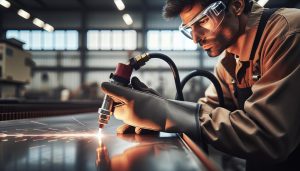
When it comes to repairing a variety of materials, JB Weld stands out as a trusted cold weld solution that many have relied on for decades. This powerful epoxy adhesive is designed to bond metals, plastics, ceramics, and more, making it invaluable for both DIY enthusiasts and professionals alike. Whether you’re faced with a broken tool, a leak in plumbing, or simply need a reliable fix, understanding JB Weld can save you time and money. In this guide, we’ll explore its unique properties, application techniques, and the scenarios where it truly shines. By the end, you’ll discover how JB Weld can become an essential part of your repair toolkit, empowering you to tackle challenges with confidence and expertise.
What is JB Weld and Its Purpose?
JB Weld is a versatile two-part epoxy adhesive widely recognized for its exceptional bonding capabilities across a diverse range of materials. Originally formulated for industrial applications, it has become a go-to solution for DIY enthusiasts and professionals alike due to its strength, durability, and resistance to heat and chemicals. The primary purpose of JB Weld is to provide a reliable, permanent bond for repairs that might traditionally require welding or soldering. This is particularly useful in scenarios where heat may damage the components being joined.
One of the key attributes of JB Weld is its ability to bond dissimilar materials such as metals, plastics, ceramics, and even glass. This makes it an ideal choice for countless applications, from automotive repairs-like fixing engine parts or broken brackets-to household repairs where swift, effective solutions are necessary. For instance, users have reported successful outcomes when using JB Weld to patch aluminum engine cases or repair cracked water jackets in boat motors, showcasing its capability to withstand high-stress environments.
When using JB Weld, it’s vital to understand that it cures chemically as it hardens, forming a solid structure that rivals traditional welding in strength. Users can apply it easily with standard tools, and it sets to a non-shrinking bond, which ensures dimensional stability. This quality makes JB Weld not only a practical adhesive for immediate needs but also a long-term solution for maintenance and repair projects across various industries.
Understanding Cold Welding Techniques
Cold welding techniques offer a fascinating solution for joining materials without the high temperatures or complexities associated with traditional welding methods. This approach is particularly advantageous in scenarios where heat-sensitive components are involved, allowing for repairs that might not be feasible otherwise. JB Weld, as a high-performance epoxy adhesive, embodies the principles of cold welding by providing strong and durable bonds without requiring heat.
Cold welding relies on a combination of pressure and surface preparation to achieve a bond. This means that a clean, adequately prepared surface is essential for optimal adhesion. When using JB Weld, users should meticulously clean the surfaces to remove dirt, grease, or oxidation, which can hinder bond strength. For example, when repairing aluminum or steel components, using a wire brush or sandpaper to create a rough texture enhances the mechanical interlocking of the adhesive, resulting in a more robust bond.
Another critical aspect of cold welding techniques is the cure time. Unlike traditional welding, where heat dissipates quickly and joins are completed almost instantly, cold welding with JB Weld requires sufficient time to cure. Typically, JB Weld will set within 4 to 6 hours, reaching full strength in 15 to 24 hours. During this curing phase, it is essential to ensure that the bond remains undisturbed to prevent defects that could compromise the repair.
In practical applications, cold welding techniques can be seen in various settings, from automotive repairs to household fixes. For instance, users have successfully utilized JB Weld to patch oil leaks in engines or repair broken pipes, demonstrating its versatility and effectiveness under pressure. This approach is especially valuable in DIY projects where traditional welding equipment may be impractical or inaccessible. Thus, understanding and employing cold welding techniques can enhance repair capabilities and offer efficient solutions to a multitude of bonding challenges.
The Science Behind JB Weld: How It Works
JB Weld operates on the principle of cold welding, a process that allows two surfaces to bond without the intense heat typically associated with traditional welding methods. This unique characteristic makes JB Weld a favorite among DIY enthusiasts and professionals alike for its ability to create robust and lasting repairs across a multitude of materials. At its core, JB Weld is an epoxy adhesive composed of two components: a resin and a hardener. When mixed, these components undergo a chemical reaction that produces a strong, impervious bond capable of withstanding significant stress and temperature variations.
The science behind JB Weld’s effectiveness lies in its formulation. Upon application, the adhesive penetrates the microscopic voids and irregularities on the surfaces being joined. This allows for a tight mechanical interlock between the materials, enhancing the overall strength of the bond. The adhesive is engineered to fill gaps effectively, making it suitable for uneven surfaces and various repairs-whether fixing metal, wood, ceramics, or even some plastics. Additionally, JB Weld’s remarkable resistance to water, chemicals, and extreme temperatures ensures that once cured, the repair can withstand demanding conditions without compromising strength.
Moreover, the curing process plays a pivotal role in JB Weld’s performance. While it typically sets within 4 to 6 hours, achieving full strength over a period of 15 to 24 hours, this slower process allows for deeper penetration into the materials. It’s crucial during this phase to maintain stability, as any movement can lead to a weakened bond. Understanding and respecting the curing times is vital for anyone using JB Weld to ensure the longevity of their repairs.
In practical terms, utilizing JB Weld effectively transforms the way one approaches repairs. Its ability to create strong bonds under varying conditions-along with its ease of use-allows both novice and experienced users to tackle repair projects confidently. Whether patching a pipe leak, assembling machinery components, or crafting art projects, JB Weld serves as a formidable solution, combining the science of cold welding with user-friendly application.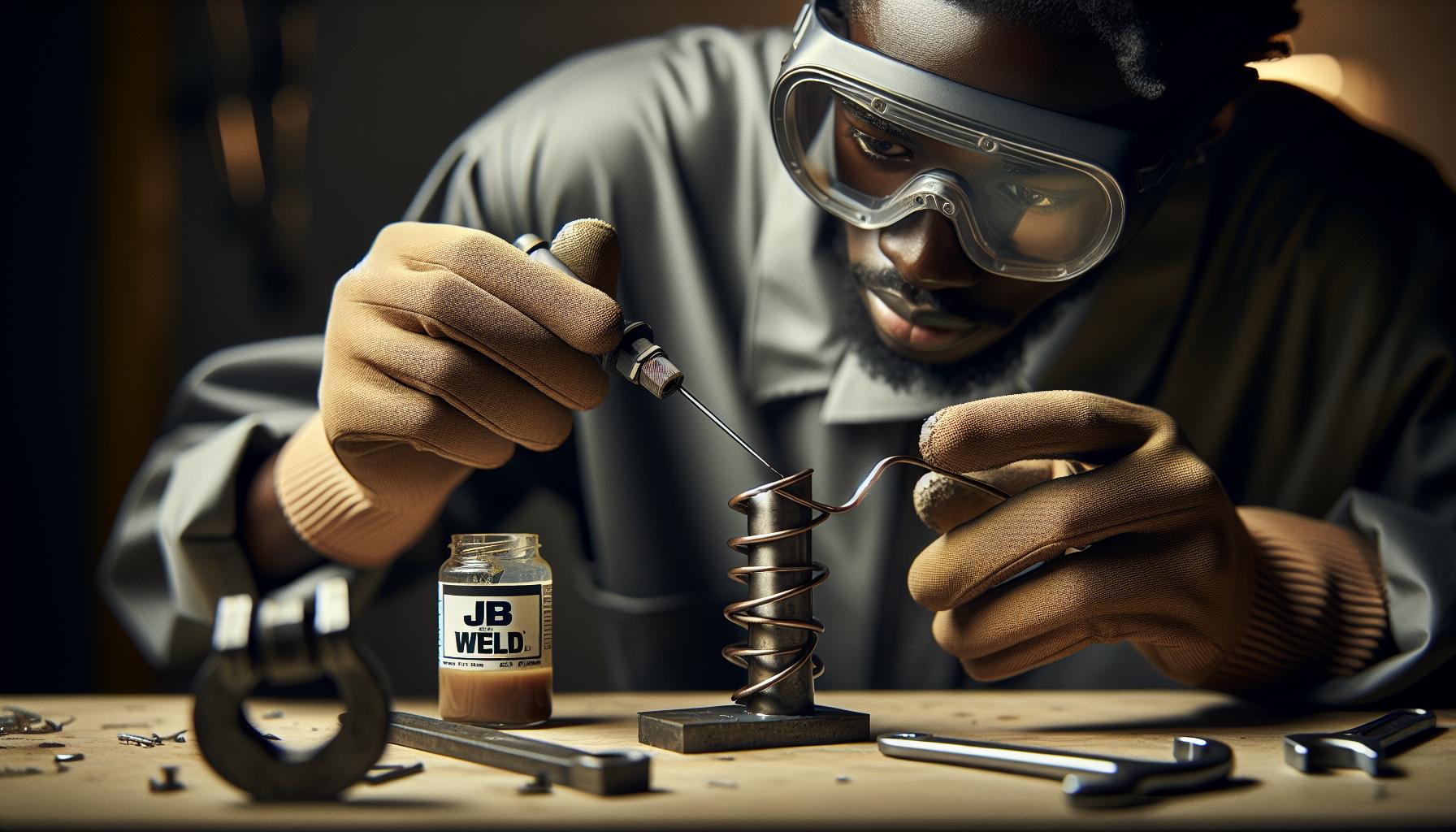
Common Applications of JB Weld in Repairs
JB Weld has gained a reputation for being a go-to solution for repairs across a wide array of applications, serving both the DIY enthusiast and professionals alike. Its versatility is perhaps one of its most compelling features, enabling repairs in environments where more traditional methods are either impractical or impossible. Whether fixing metal components in machinery or sealing a leaky pipe, JB Weld provides robust and long-lasting solutions that stand the test of time.
One of the most common applications is in automotive repairs. From mending cracked engine blocks to filling gaps in exhaust systems, JB Weld can withstand high temperatures and pressures, making it ideal for automotive enthusiasts. The adhesive’s resistance to oils and chemicals-from gasoline to coolant-ensures that repairs endure even the harshest conditions. Additionally, JB Weld is frequently used for household applications, such as restoring broken ceramic fixtures or patching up furniture. By simply mixing the two components, users can tackle a variety of tasks, creating strong bonds that may appear nearly invisible after sanding and painting.
In various industries, including construction and manufacturing, JB Weld is employed for tasks such as assembling machinery components or repairing tools. Its ability to bond dissimilar materials allows for effective repairs of metal to plastic or ceramic, expanding its usability. Professionals often keep JB Weld on hand for quick fixes in difficult-to-reach places where welding or soldering would be inefficient or impossible.
Overall, the adaptability of JB Weld speaks to its essential role in modern repair techniques. Its ease of application and impressive strength allows for repairs that can withstand environmental challenges, making it not just a product for quick fixes but a reliable companion for long-lasting solutions in any repair toolkit.
Step-by-Step Guide: How to Use JB Weld
Using JB Weld effectively involves a straightforward process that ensures strong, long-lasting bonds, adaptable for numerous applications. Whether you’re repairing a metal part or fixing a ceramic item, following this step-by-step guide can help you achieve the best results.
To start, prepare the surfaces you intend to bond. This is critical for maximizing adhesion. Clean the surfaces with a suitable solvent, such as rubbing alcohol, to remove grease, dirt, or rust. Make sure the area is dry before proceeding. For materials like metal, lightly sanding the surface can provide a better grip for the epoxy.
Next, mix the JB Weld components. JB Weld typically comes in two tubes: a resin and a hardener. Use equal parts of each component and combine them on a clean, disposable surface-for instance, a piece of cardboard or plastic. Mix thoroughly with a disposable stick until the color is consistent, which usually takes about a minute. This step is essential, as improper mixing can lead to weak bonds.
After mixing, apply the epoxy. Using a small tool or spatula, carefully spread the mixed JB Weld onto the prepared surface. For vertical repairs or gaps, ensure the epoxy is slightly overfilled; this allows it to seep into crevices and helps create a more substantial bond. Remember that JB Weld has a working time of around 4-6 hours, during which it remains malleable. Take this time to position parts accurately.
Lastly, allow the bond to cure. While JB Weld sets in about 4-6 hours, it reaches its maximum strength after 15-24 hours. It’s advisable to avoid putting stress on the repair during this curing phase. For optimal results in high-stress applications, consider leaving it undisturbed for a full 24 hours. Once cured, JB Weld can be sanded, painted, or heated up to 550°F, making it highly versatile.
In conclusion, the ease of use and effectiveness of JB Weld make it a popular choice among DIYers and professionals alike. By diligently following these steps, users can ensure durable repairs that stand the test of time.
Comparing JB Weld to Other Adhesives
Choosing the right adhesive for a project can be a game-changer, especially when durability and application versatility are paramount. JB Weld, renowned for its strong, cold weld capabilities, stands out among the myriad of adhesives available on the market. When compared to traditional glues and epoxies, JB Weld offers a unique formulation that excels in bonding various materials, providing superior heat and chemical resistance, and maintaining structural integrity under pressure.
One of the primary advantages of JB Weld over standard super glues is its durability. While super glues create quick bonds that may seem effective for light repairs, they often fail under stress or exposure to moisture. JB Weld, on the other hand, sets to a robust, durable finish that withstands temperatures up to 550°F once fully cured and is ideal for heavy-duty applications. Users can tackle repairs on metals, ceramics, and other substrates knowing that the bond will remain intact over time.
In addition to its strength, JB Weld also offers a remarkable advantage in terms of working time. Most quick-drying adhesives set too rapidly, providing little room for adjustments during the application process. JB Weld grants users approximately 4-6 hours of working time, allowing for accurate positioning and proper application to achieve the best results. This can be particularly beneficial in complex repairs where alignment is critical.
For those looking to compare JB Weld’s capabilities, synthesizing its applications next to polyurethane adhesives reveals more about its strengths. Polyurethane adhesives, known for bonding wood and ceramics effectively, may not provide the same level of heat resistance as JB Weld, making it less suitable for automotive or industrial applications. The special epoxy formulation of JB Weld ensures that it not only adheres well but does so under conditions where other adhesives might falter.
By considering these factors-durability, working time, and heat resistance-professionals and DIYers alike can make informed decisions tailored to their projects. Understanding the nuances and advantages of JB Weld compared to other adhesives positions users to select the most effective solution for their specific repair needs.
Tips for Achieving a Stronger Bond with JB Weld
Achieving a strong bond with JB Weld requires attention to detail and a thorough understanding of the materials and conditions involved in the repair process. Whether you’re working on automotive parts, household items, or outdoor gear, there are several tips to optimize the application of JB Weld and ensure the strongest possible bond.
Firstly, surface preparation is crucial. Clean the surfaces to be bonded thoroughly with a degreaser or suitable cleaner to remove any oils, dirt, or contaminants. For metals, lightly sanding the area can enhance the bond by providing a better grip for the epoxy. Ensure that both surfaces are dry before application, as moisture can adversely affect the curing process.
Another essential tip is to mix the JB Weld properly. Following the manufacturer’s instructions, combine equal parts of the resin and hardener thoroughly for about 30 seconds. Inadequate mixing can result in a weaker bond, so be diligent here. Apply the mixed epoxy generously but evenly across the surface; it’s better to use too much than too little to ensure complete coverage and penetration.
Consider the ambient temperature and humidity when applying JB Weld. Ideal conditions are typically between 50°F and 90°F, as extreme cold or wet conditions can delay curing or compromise the bond strength. If necessary, allow the application to cure in a controlled environment. While JB Weld generally sets in 4-6 hours, allowing it to cure for a full 15-24 hours before subjecting it to stress can significantly enhance durability.
Finally, for complex repairs or high-stress applications, using additional mechanical fasteners or providing support during the curing process can help. This strategy ensures that the surfaces remain aligned and under pressure, creating a tight bond as the epoxy cures. By following these practical tips, users can make the most of JB Weld’s capabilities, achieving strong and lasting repairs tailored to their specific needs.
JB Weld for Different Materials: Pros and Cons
When considering JB Weld for repairs, it’s essential to understand its compatibility with various materials. This epoxy adhesive excels in bonding metals, but its performance can vary significantly depending on the material involved. Recognizing the pros and cons of using JB Weld with different substrates can inform more effective repair strategies.
Metal
Pros:
- High Strength: JB Weld creates a bond that can withstand high stress and temperature variations, making it ideal for automotive and industrial applications.
- Versatile Application: Suitable for iron, steel, aluminum, and other metals, JB Weld offers a reliable solution for dissimilar metal bonding.
Cons:
- Surface Preparation Needed: Metals must be cleaned and sometimes sanded to ensure a strong bond; any contaminants can weaken adhesion.
- Susceptible to Vibrations: While strong, JB Weld may not hold as effectively under constant high-frequency vibrations.
Plastic
Pros:
- Adhesion to Thermoplastics: JB Weld can bond certain thermoplastics effectively, providing a waterproof bond.
- Flexible Applications: Useful for automotive parts and household items made from plastic.
Cons:
- Limited Compatibility: JB Weld does not bond well with some plastics, such as polyethylene and polypropylene, often requiring a primer or alternative adhesive for effective bonding.
- Potential for Brittle Bond: The bond may become rigid and brittle over time, especially if exposed to UV light or extreme temperatures.
Wood
Pros:
- Effective Structural Bond: JB Weld works well on wood, creating a strong structural bond suitable for repairs on furniture and outdoor items.
- Water-Resistant: Once cured, the bond is resistant to water, making it suitable for outdoor applications.
Cons:
- Messy Application: The epoxy can be difficult to clean up if it seeps into the wood grain, leading to unsightly finishes.
- Long Cure Time: It can take longer to set than some wood adhesives, delaying project completion.
Glass
Pros:
- Transparent Bonding: JB Weld offers a transparent finish, making it visually appealing for art and glass repairs.
- High Strength: Once fully cured, the bond is quite strong and durable against stress.
Cons:
- Surface Preparation Is Critical: Like metals, glass must be adequately cleaned and prepared, or the bond may fail.
- Brittleness: While it bonds well, JB Weld does not flex, which may lead to cracking if the glass is subjected to impact.
By evaluating these pros and cons, users can choose JB Weld as a powerful adhesive that meets the specific needs of their repairs while avoiding potential pitfalls associated with various materials.
Safety Protocols When Using JB Weld
When embarking on any project involving JB Weld, seriously prioritizing safety should be your first step. The epoxy adhesive, while highly effective for repairs, contains chemicals that can pose health risks if not handled properly. Ensuring a safe working environment not only protects you from immediate hazards but also promotes a more efficient application process.
First and foremost, it’s crucial to wear appropriate personal protective equipment (PPE) to minimize exposure. This includes gloves, preferably nitrile or latex, which create a barrier between your skin and the adhesive. Pair these with safety goggles to shield your eyes from potential splashes during mixing or application, especially if you’re working with a high-speed rotary tool that could cause friction and heat. Additionally, consider wearing a mask or respirator to prevent inhalation of any fumes released during curing or if the adhesive is heated.
Ventilation is another key safety feature in your workspace. Working in a well-ventilated area, ideally outdoors or in a space with a fan, will help disperse hazardous fumes that may be released while mixing or applying JB Weld. If confined to an indoor workspace, open windows and doors to enhance airflow.
Lastly, always familiarize yourself with the material safety data sheet (MSDS) for JB Weld before beginning your project. This document provides essential information about potential hazards, first aid measures, and proper disposal methods. In case of an emergency, knowing how to respond can significantly mitigate health risks and improve outcomes.
By incorporating these safety protocols into your workflow, you can confidently leverage the bonding capabilities of JB Weld while ensuring your personal health and safety are prioritized.
Troubleshooting Common JB Weld Issues
While JB Weld is renowned for its impressive bonding strength, users may occasionally encounter issues during application and curing. Understanding these common problems and their solutions can make the difference between a successful repair and a frustrating experience. One frequent issue is inadequate curing, which can occur if the ambient temperature is too low. JB Weld performs best between 50°F and 90°F. If applied in cooler conditions, try to move the project indoors or use a heat lamp to elevate the temperature around the bond.
Another challenge is improper mixing of the two components, which can lead to weak bonds. It is essential to mix equal parts of the resin and hardener thoroughly until the mixture is uniform in color and consistency. An uneven mix can result in incomplete curing, so use a clean tool for mixing and discard any leftover material to avoid contamination in future uses.
If you find that JB Weld has cured but is still failing, consider the materials you’re working with. Some plastics and oily or dirty surfaces may not bond well with epoxy adhesives. Surface preparation is crucial-clean the area well and consider roughening surfaces with sandpaper to enhance adhesion. For especially challenging materials, select the appropriate type of JB Weld; for instance, JB Weld has special formulas designed for use on specific surfaces like plastics or metals.
Dealing with Bond Failures
If the bond does break or peel after curing, assess whether the application faced any of the aforementioned issues. If repair is needed, break away the old adhesive and thoroughly clean the surface before reapplying JB Weld. Always allow ample curing time according to manufacturer instructions, which typically suggest 4-6 hours for handling and 15-24 hours for full strength. Following these troubleshooting tips can help ensure a strong and long-lasting bond with JB Weld, making it your go-to solution for repairs.
User Reviews: Real-Life Experiences with JB Weld
User experiences highlight the versatility and reliability of JB Weld, making it a favorite among DIY enthusiasts and professionals alike. One user shared a successful story of repairing a broken metal lawnmower deck using JB Weld, emphasizing how the product not only restored functionality but also held up well against outdoor conditions. This user noted that following the application instructions meticulously, particularly regarding surface preparation, was key to achieving a strong bond that has lasted several seasons.
Another user recounted their experience while fixing a cracked ceramic mug. They were initially skeptical, fearing that an epoxy might not adhere effectively to such a porous material. However, after applying JB Weld and allowing for the recommended cure time, they were pleasantly surprised at how well the bond held, even surviving multiple washes without showing signs of failure. This success encouraged them to explore JB Weld for other household repairs, illustrating its potential beyond typical metal fixes.
Feedback from automotive professionals consistently praises JB Weld for its reliability in high-stress applications. Mechanics utilize it for quick repairs, such as mending engine cracks or securing transmission housings. One professional highlighted a time-saving scenario where JB Weld allowed for immediate repairs that would have otherwise required extensive disassembly and reassembly of engine components. This adaptability is a testament to JB Weld’s strong temperature and chemical resistance, further establishing it as an essential tool in their repair arsenal.
While many experiences are overwhelmingly positive, some users note the importance of adhering to application conditions-particularly temperature and mixing ratios-to ensure optimal results. For those new to using epoxy adhesives, it’s advised to start with small projects to build confidence. Each real-world example emphasizes a critical point: with the right approach, JB Weld can serve as a trusted solution for a myriad of repair challenges, enhancing both professional settings and home projects alike.
Innovative Uses for JB Weld Beyond Repairs
JB Weld is commonly recognized for its exceptional bonding capabilities in repairs, but its applications extend far beyond mere fixes. Innovative users have found creative solutions that leverage the unique properties of JB Weld, offering exciting alternatives for a variety of projects. For instance, the high-temperature resistance of JB Weld has made it a popular choice for motorcycle enthusiasts looking to reattach exhaust pipes or repair engine components where traditional welding may not be feasible. The durability of the bond provided by JB Weld allows for continued performance under the vigorous conditions encountered in motorsports.
Another fascinating use of this versatile epoxy is in artistic endeavors. Craftsmen and DIY artists have employed JB Weld to bond disparate materials, such as metal to glass or ceramic, creating striking sculptures and functional art pieces. This method enables artists to experiment with unique material combinations while ensuring that their creations withstand the test of time. Additionally, JB Weld can also be used for DIY jewelry designs, where intricate metal components require a durable bond to hold them together securely. The ability to customize the application allows for limitless creativity in art and fashion.
Functional Innovations
In the realm of home improvement, JB Weld has proven invaluable for projects like custom furniture repairs or DIY home decor. Users have reported successfully fabricating new components for furniture or appliances by combining JB Weld with filler materials, effectively crafting new structures from old parts. The product’s versatility also lends itself well to automotive refurbishments; enthusiasts can create custom mounting brackets or components, providing an effective and cost-efficient way to modify vehicles without the need for professional welding tools.
Utilizing JB Weld in Unexpected Ways
The aqueous properties of JB Weld make it suitable for unexpected applications, such as sealing leaks in plumbing fixtures or repairing cracked bathtub surfaces. In many instances, homeowners have found that applying JB Weld to a leaking pipe offers a quick and effective solution without the need for complete replacement. Additionally, the epoxy’s waterproof nature allows it to seal effectively in wet environments, making it ideal for both indoor and outdoor plumbing repairs.
As the versatility of JB Weld becomes increasingly recognized, it is essential to approach these innovative uses with an understanding of the material properties and application techniques. By doing so, users can unlock potential beyond standard repairs, transforming JB Weld into a multifunctional tool that enhances creativity and effectiveness in both functional and artistic projects. Whether for motor repairs, artistic installations, or practical home improvements, JB Weld continues to showcase its role as an innovative solution in a wide range of applications.
FAQ
Q: What is JB Weld used for?
A: JB Weld is primarily used for bonding and repairing a variety of materials including metal, wood, ceramics, and plastics. Its strong adhesive properties make it ideal for automotive, plumbing, and household repairs. For detailed application methods, check the section on common applications in the main article.
Q: How long does JB Weld take to cure?
A: JB Weld typically cures in about 4 to 6 hours for a strong hold, but full strength is achieved in 15 to 24 hours. For optimal results, allow it to cure undisturbed at room temperature. Refer to the step-by-step guide for best practices.
Q: Can JB Weld be sanded or painted?
A: Yes, once JB Weld is fully cured, it can be sanded to achieve a smooth finish and painted to match surrounding materials. This makes it a versatile choice for repairs requiring a cosmetic touch. See tips for a stronger bond for detailed enhancement strategies.
Q: Is JB Weld waterproof?
A: Yes, JB Weld is waterproof once properly cured, making it suitable for both indoor and outdoor applications, including plumbing repairs. This feature enhances its effectiveness in various repair environments. For usage specifics, see the section on safety protocols when using JB Weld.
Q: Can you use JB Weld on plastic?
A: JB Weld can bond certain types of plastics effectively, but results may vary based on the specific plastic type. For the best outcome, ensure clean surfaces and follow preparation steps outlined in the main topics of the article.
Q: What temperature resistance does JB Weld have?
A: JB Weld can withstand temperatures up to 550°F (287°C) when fully cured, making it suitable for high-heat applications. Always consider material limits and usage scenarios. More details are discussed in the science behind JB Weld section.
Q: Are there any materials JB Weld shouldn’t be used on?
A: JB Weld is not recommended for flexible plastics, rubber, or certain types of polystyrene, as it may not adhere well. Always check the material compatibility before application. Explore the pros and cons of JB Weld for material specifics.
Q: How do you store leftover JB Weld?
A: To store leftover JB Weld, seal the tubes tightly and keep them in a cool, dry place away from direct sunlight. Proper storage can extend the shelf life significantly. Refer to the troubleshooting section for more maintenance tips.
Insights and Conclusions
Now that you understand the powerful benefits of JB Weld as the ultimate cold weld solution, it’s time to put that knowledge into action. Whether you’re tackling repairs around the house or working on intricate welding projects, having the right materials, like JB Weld, can make all the difference. Don’t let hesitations hold you back-explore our expert guides on MIG welding techniques and aluminum repair solutions to enhance your skills further.
For ongoing insights and updates on welding supplies, sign up for our newsletter and never miss out on the latest tools or safety protocols essential for every welder. Interested in discussing your project? Check out our consultation services for personalized guidance. Dive deeper with related content on flux core techniques and steel repairs, and join the conversation in the comments below-your insights could help fellow welders navigate their challenges!
Embrace the confidence that comes with knowledge and ensure your welding projects are successful. Together, we can make repairs easier and safer for everyone.