Cutting stainless steel can seem daunting, but with the right tools and techniques, it’s an achievable task. Plasma cutters are highly effective for this job, providing precision and speed that traditional methods just can’t match. Whether you’re a seasoned professional or a hobbyist looking to tackle your next project, understanding how to utilize a plasma cutter is essential. This guide will demystify the process, addressing common concerns and safety protocols while equipping you with practical tips to enhance your cutting skills. Ready to unlock the potential of your plasma cutter and take on stainless steel? Let’s dive in!
Can Plasma Cutters Be Used on Stainless Steel?
While many may wonder about the feasibility of using plasma cutters on stainless steel, the short answer is a resounding yes. Plasma cutting is one of the most effective methods for cutting this durable material, offering a combination of speed, precision, and versatility unmatched by other cutting techniques. Plasma cutters can handle a wide range of thicknesses, making them suitable for projects ranging from intricate designs to industrial applications.
When cutting stainless steel, it’s essential to consider the type of gas used in the plasma cutter. For optimal performance, especially on thicker pieces (10mm and above), a gas mixture of argon and hydrogen is recommended, often combined with nitrogen as a shield gas. This combination not only improves cut quality but also minimizes oxidation and enhances the overall finish of the cut edge. Therefore, having the right gas setup can significantly impact the results, ensuring that the cut is clean and precise while maintaining the integrity of the stainless steel.
Additionally, utilizing plasma cutting technology allows for a high level of control, which is crucial when working with stainless steel. The plasma arc can be fine-tuned for different thicknesses, allowing welders to adjust speed and current settings accordingly. This adaptability makes plasma cutting an attractive option for both beginners and experienced professionals looking to achieve high-quality results in stainless steel fabrication. By understanding how to leverage the capabilities of plasma cutting, users can achieve professional-grade outcomes in their projects.
Understanding the Benefits of Plasma Cutting
Plasma cutting stands out as one of the most efficient methods for cutting stainless steel, thanks to its blend of speed, precision, and adaptability. Operators can achieve remarkably clean cuts with minimal distortion, a feature essential when working with high-quality materials like stainless steel. This technique leverages high-velocity ionized gas-plasma-to melt metal and blow away the molten material, delivering results that traditional cutting methods often cannot match.
One significant advantage of plasma cutting is its versatility. Unlike other cutting tools, which may struggle with varying thicknesses, plasma cutters can seamlessly handle a wide range. Whether you are working with thin sheets or thicker metal plates, plasma cutting allows for fine control over the speed and current, making it suitable for intricate designs as well as robust, industrial applications. This flexibility not only enhances user productivity but also widens the scope of projects that can benefit from plasma cutting techniques.
Moreover, plasma cutting is generally more cost-effective over time when compared to laser cutting. While initial equipment costs can be high, the operational costs tend to be lower due to the efficiency and speed of the cutting process. Additionally, plasma cutting produces less heat than other methods, mitigating the risk of warping or damaging heat-sensitive materials. For those in industries where precision and quality are paramount, this translates into better end results and lower costs in rework or material waste.
Overall, the benefits of plasma cutting make it a compelling choice for both beginners and experienced fabricators. With proper training and understanding of the equipment, operators can harness the full potential of plasma technology to create high-quality stainless steel products that meet stringent industry standards. Adopting plasma cutting not only enhances the capability of workshops but also positions users advantageously in a competitive market.
Essential Equipment for Plasma Cutting Stainless Steel
To effectively cut stainless steel using plasma cutting technology, a well-considered selection of equipment is essential for ensuring precision, safety, and efficiency. At the core of this setup is the plasma cutter itself. When choosing a plasma cutter, consider the following factors: power output, duty cycle, and the type of gas used for cutting. A robust machine capable of delivering sufficient amperage (typically between 20 to 80 amps) will provide the heat necessary for efficiently cutting through various stainless steel thicknesses. Additionally, selecting a unit with a high duty cycle ensures that you can work on longer projects without overheating the equipment.
Essential Components for Plasma Cutting Setup:
- Plasma Cutter: As mentioned, the cutter should be powerful enough for the thickness of stainless steel you’re working with. Heavy-duty options allow for more lengthy operations with minimal downtime.
- Compressor: A reliable air supply is crucial, as plasma cutters require a clean, consistent source of compressed air or an inert gas like nitrogen to create the plasma arc.
- Cutting Torch: This component directs the plasma flow to the metal. Choosing the right torch size will depend on the type of jobs undertaken; a smaller torch may be more suitable for detailed work.
- Consumables: Electrodes and nozzles need regular replacement and should be compatible with the chosen plasma cutter to ensure optimal performance.
- Ground Clamp: An effective ground clamp ensures proper electrical conductivity and prevents potential safety hazards during the cutting process.
Safety Gear and Accessories:
It’s important not to overlook safety equipment during plasma cutting operations. Operators should wear appropriate personal protective equipment (PPE) including:
- Welding Helmet: A high-quality auto-darkening helmet protects the eyes from harmful UV rays and bright light.
- Gloves: Heat-resistant gloves provide safety from sparks and high temperatures.
- Protective Clothing: Flame-resistant clothing minimizes risk from accidental ignition and sparks.
- Respirator: Depending on the materials being cut, an appropriate respiratory mask can protect against hazardous fumes.
In conclusion, investing in the right equipment and safety gear forms the backbone of an effective plasma cutting operation on stainless steel. This approach not only ensures high-quality results but also promotes a safe working environment, allowing fabricators to tackle projects with confidence.
Safety Precautions When Using Plasma Cutters
The use of plasma cutters in metalworking, especially on stainless steel, presents both opportunities and risks. It is vital to adopt stringent safety precautions to protect oneself from potential hazards. Plasma cutting generates high temperatures and intense light, which can lead to serious injuries if not managed correctly. To safeguard operators, several essential practices should be integrated into the cutting process.
First, proper personal protective equipment (PPE) is non-negotiable. Operators should wear a high-quality, auto-darkening welding helmet to shield their eyes from harmful UV radiation and bright arcs. In addition, heat-resistant gloves are essential to protect hands from sparks and high temperatures. Flame-resistant clothing is also advisable to minimize risks of burns due to accidental ignitions. Depending on the materials being processed, respiratory protection may be required to guard against noxious fumes.
Environmental awareness is another critical aspect of safety. Ensure that the cutting area is well-ventilated to dissipate harmful gases produced during the cutting process. Additionally, flammable materials should be kept at a safe distance from the work area. It is also wise to have a fire extinguisher readily accessible, ensuring a rapid response to any unexpected incidents.
Understanding the equipment is crucial for safe operation. Familiarize yourself with the plasma cutter’s specifications and follow the manufacturer’s guidelines for its use. Regular maintenance of equipment, including checking for damaged cables and ensuring consumables such as nozzles and electrodes are in good condition, can help prevent malfunctions that might lead to accidents.
Incorporating these safety practices creates a safer environment for plasma cutting stainless steel, reducing the likelihood of injuries and enhancing overall operational efficiency. By making safety a priority, operators can focus on producing high-quality cuts with confidence.
Step-by-Step Guide to Cutting Stainless Steel
Cutting stainless steel with a plasma cutter is an efficient and effective method, provided the process is executed correctly. The high temperatures generated by the plasma arc allow for clean and precise cuts, making it a preferred choice among fabricators and metalworkers. However, a structured approach is critical to achieve optimal results while minimizing potential issues.
Begin by preparing your workspace. Ensure that your plasma cutter is set up in a clean, well-ventilated area free from flammable materials. Have all necessary safety equipment in place, including gloves, a welding helmet, and appropriate clothing. Inspect your plasma cutter, checking consumables like the nozzle and electrode for wear and tear.
Once your workspace is ready, measure and mark your stainless steel accurately. Use a marker or scribe to create clear lines where cuts will be made. This step is crucial as it provides guidance and helps to ensure accuracy during the cutting process. Set the plasma cutter to the appropriate amperage and voltage based on the thickness of the stainless steel. Typically, settings will vary based on whether you’re working with thin sheets or thicker plates; consult the manufacturer’s specifications for recommendations.
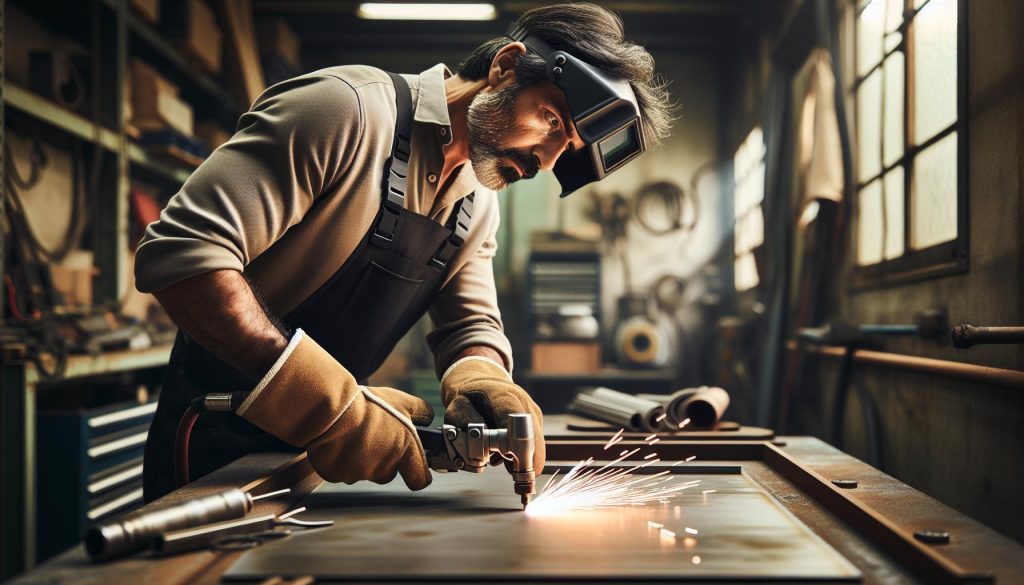
When you’re ready to start cutting, hold the plasma torch at a comfortable angle, usually around 90 degrees to the surface of the material. Begin the arc and move the torch along the marked lines steadily. Aim for a consistent speed to avoid excessive heat input, which can warp or damage the material. For thicker sections, you may need to make multiple passes, progressively working through the material instead of attempting to cut through it all at once. Maintain a smooth motion; if there’s hesitation, it can lead to rough edges or inconsistent cuts.
After the cutting is complete, turn off the plasma cutter and allow the stainless steel to cool before handling. Inspect the edges of the cut; any rough spots can be smoothed using a grinder or a flap disc. Finally, clean the cut edges to remove any slag or residues, preparing the material for further processing or assembly.
This step-by-step approach not only enhances the quality of cuts made in stainless steel but also ensures operator safety and equipment longevity, making plasma cutting a reliable choice in metal fabrication.
Common Techniques for Precision Plasma Cutting
Precision in plasma cutting is crucial, especially when working with stainless steel, which requires a deft touch and solid understanding of various techniques to achieve optimal results. Whether you’re a beginner or a seasoned fabricator, utilizing the right methods can enhance the quality of your cuts, improve efficiency, and minimize waste. In plasma cutting, it’s not just about creating a cut; it’s about mastering the process to deliver clean and precise edges that meet professional standards.
One effective technique is to maintain a steady hand and consistent speed throughout the cutting process. This involves practicing a smooth motion along the marked lines without abrupt stops or starts. Inconsistent movement can lead to poor cut quality, such as ragged edges or excessive dross buildup. When cutting thicker materials, consider using a technique known as “piercing.” This approach involves making a small hole at the start of the cut before moving along the line. This allows for a controlled start to cuts, reducing the likelihood of warping around the entry point.
Another key aspect is the choice of cutting gas. For stainless steel, using an argon-hydrogen mixture can significantly enhance cut quality compared to using compressed air. This gas combination improves arc stability and helps in achieving a cleaner cut, particularly on thicker stainless materials. Additionally, adjusting the plasma cutter’s settings, such as amperage and cutting speed, based on the material thickness will yield better results. Lighter materials may require higher speeds but lower amperage, while thicker pieces might need the opposite.
Finally, proper nozzle selection and maintenance play a vital role in precision plasma cutting. Using the right nozzle size for the thickness of the material ensures that the plume of plasma is concentrated enough to penetrate effectively. Regularly inspecting and replacing worn nozzles can prevent inconsistent cuts and prolong the life of the plasma cutter. Remember, successful plasma cutting is as much about the preparation and technique as it is about the equipment you use. By integrating these common techniques into your workflow, you can achieve professional-level results consistently.
Troubleshooting Common Plasma Cutting Issues
When working with plasma cutters to cut stainless steel, encountering issues is not uncommon. Understanding how to troubleshoot these problems can dramatically improve your results and boost your confidence in the process. A few common symptoms include excessive dross, uneven cut quality, and difficulty maintaining a steady arc.
To tackle excessive dross-a common issue often seen when cutting stainless steel-it is essential to verify your settings. Dross can be minimized by adjusting the cutting speed and amperage. A faster cutting speed typically reduces heat, resulting in less molten material sticking to the cut edges. Additionally, consider the quality of your plasma cutter’s consumables; worn-out nozzles can result in poor arc stability, leading to increased dross formation. Regularly checking and replacing worn parts is critical for maintaining optimal performance.
Another frequent problem is achieving a clean and precise cut. If the cuts appear rough or uneven, assess several factors: the cutting technique, the state of the gas mixture, and the cleanliness of the stainless steel. For stainless steel, using an argon-hydrogen mixture can significantly enhance cut quality by providing better arc stability than compressed air. Furthermore, ensure the material is free of contaminants; any oils, dirt, or rust can adversely affect the cut quality. Cleaning the cutting area prior to starting will ensure that nothing interferes with your operation.
Finally, if you’re experiencing difficulty maintaining a stable arc, check the airflow and ensure that the torch is held at the correct angle. The ideal distance between the nozzle and the workpiece-typically referred to as ‘standoff’-should be consistent. A good rule of thumb is to keep the nozzle approximately 1/8 inch away from the workpiece. Additionally, an inconsistent hand motion can cause fluctuations in the arc; practicing a steady, smooth pace will significantly improve your cutting effectiveness.
In summary, addressing these common plasma cutting issues through careful adjustment of settings, maintaining equipment, and ensuring clean materials can lead to superior results when working with stainless steel. Regular practice and attention to detail will build your skills and confidence in plasma cutting.
Post-Cutting Finishing Techniques for Stainless Steel
After cutting stainless steel with a plasma cutter, the resulting edges often exhibit heat-affected zones, dross, and rough surfaces that require attention for both aesthetic and functional purposes. To achieve a finished product that meets quality standards, it’s important to implement effective post-cutting techniques. These finishing processes not only enhance the appearance of the cut but also help in preventing corrosion and increasing the durability of the stainless steel components.
One of the first steps in post-cutting finishing is to remove dross, which is the molten material that can stick to the edges of the cut. A wire brush, grinder, or pneumatic sander can effectively knock off this unwanted material. Using a combination of mechanical and chemical methods could yield even better results; for instance, applying a pickling paste can help dissolve any oxidized layers, restoring the stainless steel’s shine.
Precision Edging Techniques
For precision cuts, particularly in visible applications, consider utilizing a process such as TIG welding to smooth out and refine the edges. This method not only improves the cut’s visual quality but also reinforces the material structure, ensuring it can withstand operational stresses. Other methods such as polishing using rotary tools fitted with appropriate abrasive pads can also enhance both aesthetics and corrosion resistance, making the parts suitable for more demanding environments.
Surface Treatment and Coating
Additionally, applying surface treatments can significantly prolong the lifespan of stainless steel parts. After finishing, consider options like passivation, which involves treating the stainless steel with an acid rinse to increase its corrosion resistance by removing free iron and enhancing the protective chromium oxide layer.
Another recommended procedure is sandblasting, which can create a uniform matte finish on large surfaces and is effective at enhancing adhesion for subsequent coatings or paints used for additional protection against wear and environmental factors.
By investing time in post-cutting finishes, not only is the aesthetic appeal of the stainless steel improved, but its longevity and performance are significantly enhanced, making these processes crucial for anyone working with stainless steel in any capacity.
Comparing Plasma Cutting to Other Methods
Plasma cutting stands out as a preferred method for slicing through stainless steel due to its speed and precision. In comparison to traditional cutting methods, plasma cutting offers several advantages that can significantly benefit both hobbyists and professionals. Unlike mechanical cutting methods, such as saws or shears, which often require a considerable amount of effort and can lead to burrs and a rough finish, plasma cutting provides a clean edge and minimal distortion. The high-velocity jet of ionized gas not only cuts through the material but also helps to quickly disperse the heat, reducing the heat-affected zone (HAZ) that can compromise the integrity of the steel.
When evaluating plasma cutting against other techniques like TIG (Tungsten Inert Gas) welding or MIG (Metal Inert Gas) welding, it’s essential to recognize the specific applications each method suits. TIG welding, while excellent for thin materials requiring a high level of precision, is a slower process that may not be optimal for larger cuts. Conversely, MIG welding excels in speed and is favorable for thicker materials but generally lacks the finesse that plasma cutting can achieve in detail-oriented tasks. Below is a comparison of these techniques:
| Method | Speed | Precision | Material Thickness | Heat Affected Zone |
|---|---|---|---|---|
| Plasma Cutting | Fast | High | Up to 1 inch | Low |
| TIG Welding | Slow | Very High | Thin to Medium | Medium |
| MIG Welding | Medium | Medium | Medium to Thick | High |
Additionally, safety is a paramount concern in any cutting or welding process. Plasma cutters are relatively easy to use, but operators must ensure they take necessary precautions such as wearing protective gear and maintaining a safe distance from the cut. In contrast, methods like oxy-fuel cutting may require additional considerations, including managing flammable gases.
Ultimately, the choice of cutting method largely depends on the specific requirements of the job. Whether it’s the speed and efficiency of plasma cutting or the precision of TIG welding, understanding the strengths and weaknesses of each approach allows for informed decisions, catering to both the needs of the task and personal proficiency levels.
Costs Involved in Plasma Cutting Stainless Steel
Understanding the financial implications of using plasma cutting for stainless steel is essential for both hobbyists and professionals alike. The costs associated with plasma cutting extend beyond just the initial purchase of equipment; they encompass consumables, maintenance, and operational expenses that can add up over time. While the initial investment in a plasma cutter can range from a few hundred to several thousand dollars depending on features and power capabilities, it’s crucial to factor in the ongoing costs for a realistic budget.
One of the significant recurring expenses involves consumables, which include the plasma cutter’s nozzle, electrode, and possibly the cutting tips. These components can wear out with frequent use, requiring replacement every few hours of cutting. For example, on average, a set of consumables for a mid-range plasma cutter may cost around $30 to $100, and depending on the workload, users might need multiple sets in a week. Additionally, the cost of compressed air or nitrogen, which is used as the plasma gas, also contributes to operational expenses.
In terms of electricity consumption, plasma cutters are relatively efficient, but they do require significant power to operate. The cost of electricity can vary significantly based on regional rates, but operators should anticipate that their energy consumption could lead to higher utility bills, especially in commercial settings where cutting is performed regularly. Furthermore, fabricators might need to invest in ventilation systems or fume extraction units, particularly when working in confined spaces, which can add several hundred dollars to the overall setup costs.
Ultimately, while the initial costs of purchasing a plasma cutter for stainless steel work can be substantial, understanding and preparing for the additional expenses related to consumables, electricity, and safety measures will ensure a more accurate assessment of the total investment in plasma cutting technology.
Applications of Plasma Cut Stainless Steel in Industry
The versatility of plasma cutting technology has made it a preferred method for many industries looking to work with stainless steel. Plasma cutters are capable of creating clean, precise cuts in various thicknesses of stainless steel, making them indispensable in sectors such as manufacturing, construction, and shipbuilding. For instance, in the automotive industry, plasma cutting is employed to fabricate parts that require high levels of precision and strength; stainless steel is often used for exhaust systems, structural components, and interior trim elements due to its durability and resistance to corrosion.
Applications extend beyond fabrication; in the construction sector, plasma cutting is used for creating architectural features like railings and sheet metal facades, not only for their aesthetic appeal but also for the longevity that stainless steel provides. Plasma cutting simplifies the process by allowing complex shapes to be cut quickly, minimizing waste material and reducing the need for extensive post-cutting finishing work. This efficiency results in both time and cost savings during production.
In addition, the food processing industry heavily relies on plasma cutting for fabricating equipment like fermentation tanks and conveyors that are made from stainless materials, ensuring hygiene and ease of cleaning. The ability to achieve smooth cuts reduces the risk of bacterial growth, which is crucial in food safety regulations. Similarly, in the art and design field, plasma cutting enables artists to create intricate metal sculptures, showcasing the material’s beauty while demonstrating the artist’s skill.
Overall, as industries continue to seek innovative solutions to enhance production efficiency and product quality, the applications of plasma-cut stainless steel will expand, solidifying its role as a crucial material in modern manufacturing and construction practices. Understanding these applications can help welders and fabricators leverage plasma cutting technology more effectively in their respective fields.
Enhancing Your Skills: Tips for Better Plasma Cutting
Mastering plasma cutting requires not just the right equipment but also a strategic approach to technique and practice. A critical aspect of enhancing your skills is understanding how different settings on your plasma cutter affect the cut quality and speed. For instance, adjusting the air pressure can significantly influence the arc stability and the thickness of the stainless steel being cut. It’s essential to experiment with these settings on scrap material before tackling your main project to find the ideal configuration that works for your specific situation.
Practice makes perfect, and nothing beats hands-on experience. Regularly dedicating time to practice various cutting techniques, such as straight cuts, circles, and intricate designs, will sharpen your abilities and build muscle memory. Utilizing templates can help beginners replicate precise cuts, boosting confidence. As you progress, challenge yourself with more complex cuts and limited materials, adjusting the speed and angle to refine your approach. Keeping a well-organized workspace and familiarizing yourself with the properties of different stainless steel grades can also enhance your cutting efficiency.
Safety remains paramount, particularly when plasma cutting stainless steel, which can pose unique hazards due to the high temperatures involved. Always ensure you wear adequate protective gear, including gloves, helmets, and appropriate clothing, to guard against sparks and metal splatter. Verify that your workspace is well-ventilated to mitigate the risks associated with fumes. Implementing proper grounding procedures helps prevent electrical hazards, further ensuring a safe working environment.
Lastly, continual learning should be part of your development as a plasma cutter technician. Online courses, workshops, and community forums can offer fresh insights and new techniques to explore. Sharing experiences with fellow welders not only widens your knowledge base but can also inspire innovative approaches to your projects. Staying informed about the latest tools and technology in plasma cutting will keep you competitive and elevate your craftsmanship significantly.
Q&A
Q: Can I use a plasma cutter on all types of stainless steel?
A: Yes, plasma cutters can be used on various grades of stainless steel, including austenitic, ferritic, and martensitic types. However, the required settings may vary depending on the thickness and composition of the material. For optimal results, consult your machine’s guidelines and adjust amperage accordingly.
Q: What thickness of stainless steel can a plasma cutter cut?
A: A plasma cutter can effectively cut stainless steel up to 1 inch thick depending on the power rating of the machine. Higher amperage units will perform better on thicker materials, allowing for cleaner cuts and reduced dross. Always verify the specifications of your plasma cutter.
Q: How do I improve the quality of my plasma cuts on stainless steel?
A: To enhance cut quality, maintain a steady cutting speed and proper distance between the torch and material. Ensure your plasma cutter is equipped with a suitable nozzle for stainless steel and consider using an external air supply to improve the cut quality and reduce oxidation.
Q: Is it necessary to clean stainless steel before plasma cutting?
A: Yes, it’s advisable to clean stainless steel before cutting. Remove any rust, paint, or coatings to reduce impurities that can affect the cut quality and lead to contamination. A clean surface allows for smoother cuts and less post-processing work.
Q: What safety gear should I wear when plasma cutting stainless steel?
A: Proper safety gear is essential when plasma cutting stainless steel. Wear a welding helmet with the appropriate shade, flame-resistant gloves, and protective clothing. Additionally, use respiratory protection to avoid inhaling harmful fumes generated during cutting.
Q: Can I cut curved shapes in stainless steel with a plasma cutter?
A: Yes, plasma cutters are capable of cutting curved shapes in stainless steel. Use a steady hand and consistent speed while following a template or guide. For more complex shapes, consider using a CNC plasma cutter for precision cutting.
Q: What are the advantages of using a plasma cutter over other methods for stainless steel?
A: Plasma cutting offers several advantages, including faster cutting speeds, the ability to cut thicker materials, and cleaner edges compared to methods like oxy-fuel cutting. Plasma cutting also generates less heat, minimizing distortion in stainless steel parts.
Q: How can I troubleshoot issues when cutting stainless steel with a plasma cutter?
A: Common issues when plasma cutting stainless steel include excessive dross and uneven cuts. To troubleshoot, check for the correct nozzle size, ensure the air supply is clean and dry, and adjust the cutting speed and height to maintain optimal arc stability.
For more detailed guidance on plasma cutting techniques and tips, refer to the sections on troubleshooting common plasma cutting issues and enhancing your skills in your main article.
Key Takeaways
Cutting stainless steel with a plasma cutter is not just feasible; it’s a great way to achieve precise results in your projects. Remember, choosing the right settings and technique makes all the difference. If you’re eager to dive deeper into welding methods, check out our articles on MIG and TIG welding techniques, and don’t miss our guide on selecting the best plasma cutter for your needs.
Have questions or want to share your own experiences? We encourage you to leave a comment below! Don’t forget to sign up for our newsletter for expert tips and exclusive resources, or explore our product pages for the latest equipment that can make your cutting tasks shine. Stay informed, safe, and productive in all your welding endeavors!