

In welding, an undecut is a serious flaw that can compromise the integrity of your work. This issue arises when the welded joint experiences an incomplete fusion, leading to a loss of strength and durability. Understanding how to identify and rectify this problem is crucial for both novice and seasoned welders, as it can significantly impact the quality of your finished product and safety on the job. By mastering the causes and solutions for undercutting, you can elevate your skills and ensure optimal results with every weld. Stay with us as we explore what undercutting is, how to fix it, and preventive measures to enhance your welding practices.
Understanding Undercut: What You Need to Know
Understanding the nuances of undercut in welding is crucial for anyone involved in the fabrication or repair industries. Undercut refers to a defect in the weld that creates a groove or depression in the base metal adjacent to the weld bead, often compromising the integrity of the joint. This flaw can occur in various welding processes, such as MIG, TIG, stick, and flux core, and may manifest due to improper technique, incorrect settings, or unsuitable materials. Realizing the importance of recognizing and addressing undercut will help welders maintain high-quality standards and ensure their projects are successful and safe.
The formation of undercut not only affects the aesthetic appeal of the weld but significantly impacts the overall strength and durability of the joint. When a weld is undercut, it creates stress concentrations that can lead to cracking under load. Additionally, the reduction in thickness at the weld joint can diminish the load-bearing capacity, increasing the risk of failure in structural applications. Thus, understanding undercut is essential for maintaining the mechanical properties and reliability of welded structures, especially in critical applications like construction, automotive, and aerospace industries.
Effective prevention and repair strategies are necessary to combat undercut issues in welding. Filleting the weld, adjusting the travel speed, ensuring proper fit-up, and using the correct electrode angle can help minimize the likelihood of undercuts. Furthermore, proper training and adherence to industry standards can significantly enhance a welder’s skill and awareness regarding potential defects. By investing in quality equipment and maintaining a clean working environment, welders can further ensure that their techniques yield strong, defect-free joints. Recognizing undercut and implementing effective solutions will not only improve the quality of welds but also promote safety and longevity in welded structures.
Common Causes of Undercut in Welding
Undercut in welding often has a variety of identifiable causes that can impact the quality and integrity of the weld. Understanding these factors is essential for welders aiming to enhance their skills and produce reliable joints in their projects. Commonly, undercut arises from issues related to welding techniques, equipment settings, and material properties.
One primary reason for undercut is incorrect welding speed. When a welder moves too quickly, the heat may not penetrate the base metal adequately, leading to insufficient fusion and resulting in a groove or depression adjacent to the weld bead. Conversely, moving too slowly allows excessive heat to accumulate, which can burn away the edges of the weld and cause the dreaded undercut. Maintaining the appropriate travel speed, tailored to the specific welding process being used (MIG, TIG, stick, etc.), is critical.
Another significant contributor to undercut is improper electrode angle or positioning. For instance, in TIG welding, holding the torch at an incorrect angle can lead to inconsistent heat distribution, potentially causing undercuts on one side of the weld. Similarly, using the wrong type of filler material for the welding work can also result in compatibility issues with the base metal, increasing the likelihood of undercutting.
Welders must also be aware of the impact of base metal contamination. Oils, rust, or dirt on the surface can create barriers that hinder proper fusion, leading to areas where the weld metal does not bond effectively with the base material. Ensuring a clean surface before welding, along with proper preprocessing of aluminum versus steel, can help prevent undercuts related to poor adhesion.
To sum up, recognizing the common causes of undercut can help welders avoid this defect. Proper training, consistent technique, and strict adherence to safety protocols are indispensable for preventing these welding flaws. By analyzing these contributing factors, welders can enhance their craftsmanship, ensuring stronger and more durable welds in every application.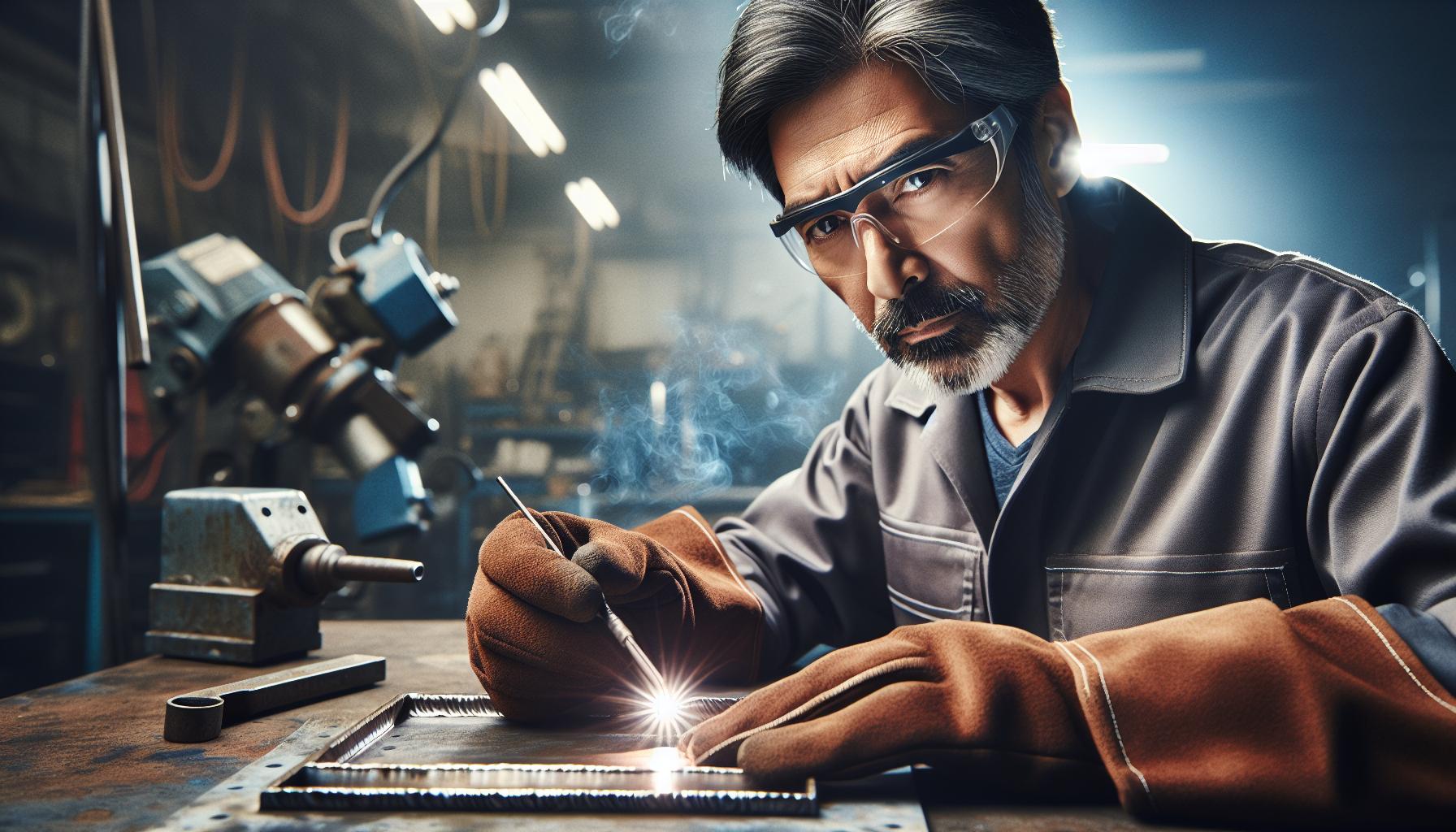
Impact of Undercut on Weld Strength
Undercut is not merely a cosmetic defect; it poses significant risks to the overall strength and durability of a weld. When undercut occurs, it creates a groove or depression at the base of the weld bead, which can become a point of weakness. Under the stresses of load or impact, these areas are susceptible to failure, ultimately compromising the structural integrity of the welded joint. In critical applications, such as bridges or pressure vessels, the consequences of undetected undercut can be catastrophic, leading to equipment failure or even catastrophic accidents.
The extent to which undercut affects weld strength can vary significantly depending on several factors including the type of material, welding process, and application requirements. For instance, high-strength steels may exhibit reduced fatigue resistance at the undercut areas, while softer materials like aluminum could experience even harsher consequences due to their lower ductility. It is paramount that welders understand these nuances to make informed decisions during the welding process.
To mitigate the , focus on maintaining optimal welding parameters. Key adjustments may include fine-tuning travel speed, welding angle, and heat input, particularly when using methods such as MIG, TIG, or stick welding. Implementing a pre-weld clean-up to address surface contaminants can also significantly reduce the likelihood of undercut defects forming. By taking a proactive approach to these factors, welders can ensure that the integrity of their welds is upheld, safeguarding not only the projects they work on but also the safety of the end users.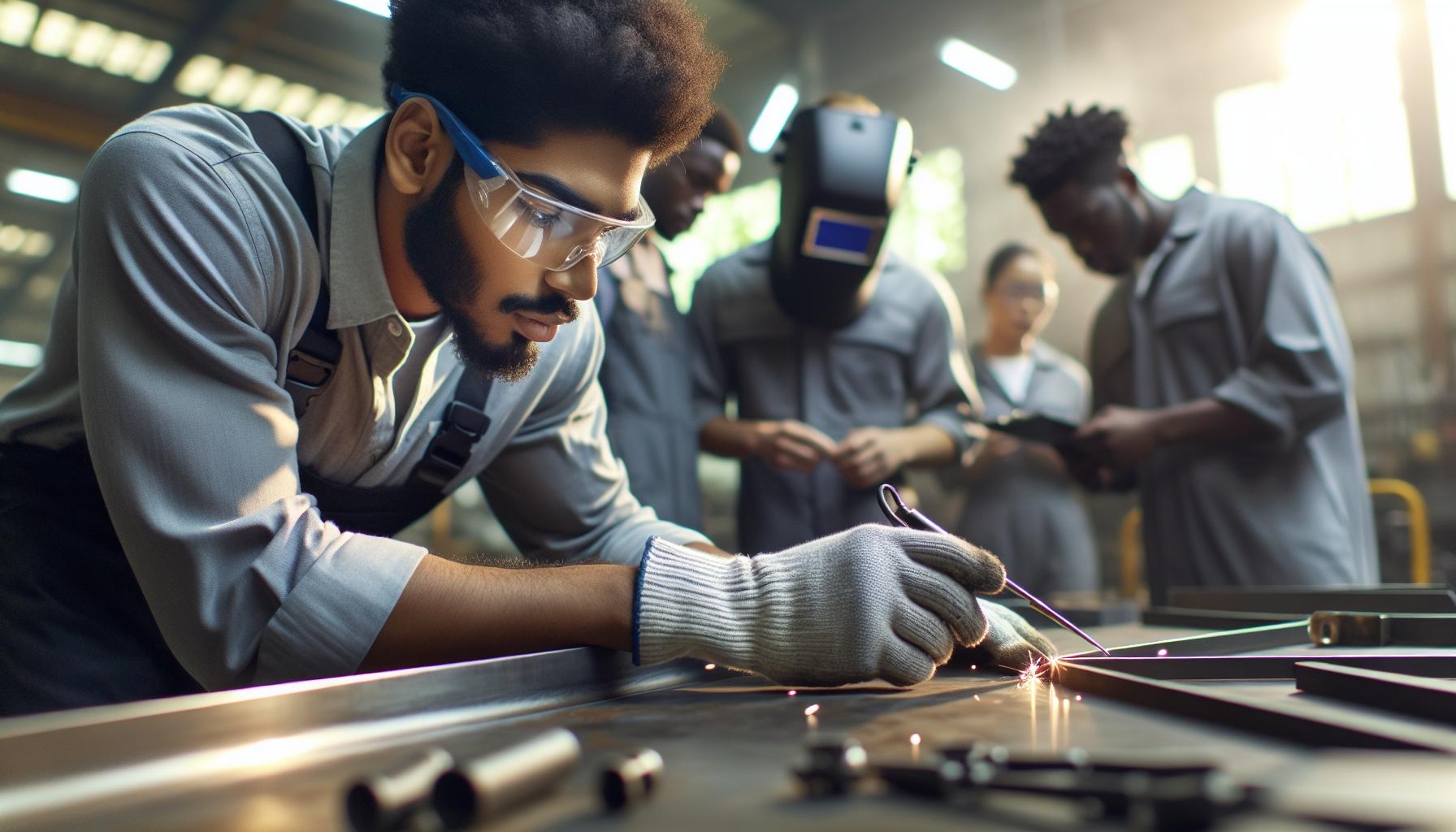
How to Identify Undercut Defects
Identifying undercut defects is crucial for ensuring the integrity and safety of welded structures. Undercutting manifests as a groove or depression at the base of the weld bead, typically resulting from incorrect welding techniques or improper settings. A significant point to note is that undercuts can be difficult to spot visually, especially in larger fabrications, which underscores the importance of thorough inspection during and after the welding process.
One of the most effective methods for detecting undercut is through visual inspection. Welders should examine the weld bead closely for any irregularities, such as a diminished weld profile or inconsistencies in bead thickness. Using a flashlight or a magnifying glass can enhance visibility, revealing subtle undercut formations that might otherwise go unnoticed. Additionally, utilizing tools like calipers or gauges can help measure the depth of any grooves, providing quantitative data to assess the presence and severity of the defect.
Another sophisticated method involves non-destructive testing (NDT) techniques. Techniques such as ultrasonic testing or radiographic inspection can reveal undercut that is not visible to the naked eye. These methods are particularly advantageous in critical applications, where the structural integrity of the joint is paramount. Ultrasonic testing, for example, sends sound waves through the material; any changes in reflection can indicate the presence of undercut.
It’s also essential for welders to be familiar with their welding parameters and the materials being used. Knowing the properties of the base metal, including its tolerance to undercutting, can guide the detection and evaluation process. Regular training and staying updated on the latest welding technologies and inspection methods further elevate a welder’s ability to identify and correct undercut defects efficiently. Adopting a proactive approach toward weld inspection not only enhances the quality of work but also contributes to the overall safety of the welding process.
Welding Techniques to Avoid Undercutting
To produce high-quality welds that stand the test of time, it is essential to implement effective techniques that help mitigate the risk of undercutting. Undercut occurs when a groove is created at the base of the weld bead, compromising its strength and structural integrity. This defect can often stem from improper welding parameters, inadequate techniques, or unsuitable filler materials.
A crucial step in avoiding undercut is adjusting the welding parameters appropriately. For instance, the travel speed, voltage, and amperage must be finely tuned to the specific material and its thickness. Too high a travel speed often results in insufficient heat input, leading to undercut. Therefore, using the right settings for the welding process-be it MIG, TIG, or stick-is vital. For example, when performing MIG welding on steel, a slightly increased voltage while maintaining a consistent travel speed can help ensure full penetration without producing an excessive undercut.
Practicing good welding technique also plays a significant part. Maintaining a consistent angle and distance from the workpiece allows for even heat distribution. For instance, welders should hold the torch at an angle of about 10-15 degrees from vertical and work at a constant distance from the base material. It is also beneficial to employ a weave pattern or oscillation technique to spread the heat more evenly along the weld joint, which minimizes the risk of undercut and improves the overall quality of the weld bead.
Moreover, the choice of filler material is paramount. When welding materials like aluminum, ensure that the filler alloy is compatible with the base metal. Using incompatible fillers can lead to poor fusion and increase the chances of undercut. Additionally, proper cleaning of the base metals, such as removing contaminants or oxide layers from aluminum surfaces, creates a better bonding surface and further prevents undercuts.
In summary, welders should focus on precise welding parameters, refined techniques, and appropriate filler choices to effectively avoid undercut. Coupled with thorough inspections post-welding, these practices not only enhance weld integrity but also contribute to the safety and longevity of welded structures.
Repairing Undercut Flaws: Step-by-Step Guide
Repairing undercut flaws is essential for maintaining the structural integrity and aesthetic quality of welded joints. This defect can significantly compromise the strength and durability of the weld, making it imperative to address it effectively. The repair process involves several critical steps, which can vary depending on the welding method used-MIG, TIG, or stick welding. Understanding these steps will enable both novice and experienced welders to rectify undercutting with confidence.
To initiate the repair, conduct a thorough inspection of the affected area. Use visual examination and possibly ultrasonic testing to accurately assess the extent of the undercut. Once identified, prepare the surface for repair by removing any contaminants, such as rust, paint, or grease, using a wire brush or grinder. Ensure the area is clean and free from oxide layers, especially when working with aluminum, as this will promote better adhesion of the new weld material.
Next, select the appropriate filler material that matches or closely resembles the base metals being welded. This is crucial, particularly if you are fixing aluminum or high-strength steel, where metallurgical compatibility can affect the final outcome. After selecting the filler, set up your welding equipment appropriately. Adjust the parameters based on the material being repaired-this includes travel speed, voltage, and amperage settings. For example, when using MIG welding to repair an undercut in steel, ensure adequate heat input to promote fusion without excessive penetration.
Once your equipment is set, begin the welding process. Employ a weaving technique or oscillate the torch slightly to ensure even heat distribution along the joint. This will help avoid creating a new undercut while filling the defect. After applying the weld, allow it to cool gradually to prevent stress risers that could lead to cracking. Finally, inspect the repair visually and if necessary, conduct further testing to confirm the integrity of the weld. Completing finishing processes, such as grinding or polishing, can enhance the appearance of the repair and ensure that it meets the desired standards.
In summary, repairing undercut flaws not only restores the strength of the weld but also improves the overall quality of the project. By following these straightforward steps-inspecting, preparing, selecting the right materials, and employing effective welding techniques-you can ensure that your welds remain reliable and safe for their intended applications.
Best Practices for Preventing Undercut
Preventing undercut in welding requires an understanding of the factors that contribute to this defect and the application of best practices across various welding techniques. One of the most effective methods is to maintain proper heat control throughout the welding process. Excessive heat can lead to melting and erosion of the base material, resulting in undercut. Therefore, it’s crucial to adjust welding speed and amperage according to the material being used. For instance, when working with thin materials, such as aluminum, a faster travel speed may help mitigate the risk of undercutting by reducing heat input.
In addition to controlling heat, the choice of welding technique plays a significant role in preventing undercut. Techniques such as weaving or oscillating the torch can promote even distribution of heat, minimizing the potential for undercut. It is also essential to select the appropriate filler material that is compatible with the base metal. When the filler metal matches the properties of the base materials, it enhances the overall weld quality and reduces the chances of defects. Additionally, ensuring proper joint design can facilitate better penetration and fusion, which are critical in preventing undercut.
Furthermore, pre-weld preparation cannot be overlooked. Cleanliness of the weld area is vital; any contaminants such as rust, oil, or paint can interfere with the welding process and lead to undercut. Before welding, thoroughly clean the area to be welded and inspect for any defects in the base material. In terms of equipment, using a quality welding machine equipped with the right settings tailored for the specific welding method (MIG, TIG, or stick) can help maintain consistent heat and technique. Regular maintenance of machinery can also prevent equipment-related issues that may contribute to improper welding.
Finally, engaging in continuous learning and practical training is crucial for welders at all skill levels. Understanding the nuances of welding techniques and keeping abreast of advancements in welding technology can drastically reduce the incidence of undercut and improve overall weld quality. Adopting these best practices not only enhances the integrity of welded joints but also contributes to a safer workspace, as sound welding practices minimize the likelihood of future repairs and defects.
Equipment Selection for Optimal Welding
Selecting the right equipment for welding is crucial in preventing defects such as undercut, which can compromise the integrity of welded joints. Optimizing your setup can mean the difference between a successful application and one that leads to costly repairs. The type of welding process you choose-MIG, TIG, stick, or flux core-nonetheless dictates the required equipment, yet a few universal principles can guide your selection.
For instance, the welding machine itself must match the material and thickness you’ll be working with. MIG welding, which is excellent for steel and aluminum, requires a machine capable of delivering smooth arc characteristics and adjustable voltage settings. A welder with a solid state inverter can offer better control over the welding parameters, facilitating adjustments that can help mitigate undercut. Conversely, when working with thicker metals or outdoor conditions, consider stick welding equipment that can provide the necessary power and penetration while maintaining a low risk of defects.
An often-overlooked component in equipment selection is the type of filler material used, which should be compatible with the base metals. If welding aluminum, for example, choose aluminum filler rods that match the specific alloy to ensure proper bonding and strength. On the other hand, when working with steels of various grades, selecting fillers with matching mechanical properties can greatly enhance weld performance.
Furthermore, ensure that your torch and nozzle settings are tailored to the specific welding technique. Adjusting nozzle size and angle can significantly affect heat distribution and prevent undercutting, especially in processes like TIG welding, where accuracy is paramount. For enhanced gas flow and shielding, consider using a gas mixture like argon with hydrogen for aluminum applications or 100% CO2 for certain steels, depending on the desired penetration and arc stability.
Finally, always prioritize safety by incorporating a thorough maintenance regimen for your equipment. Regular cleaning and inspection of leads, gas lines, and nozzles can eliminate potential issues that could lead to ineffective welding practices. By equipping yourself with the right tools and maintaining them properly, you not only enhance your welding performance but also significantly reduce the likelihood of incurring defects such as undercut.
Undercut in Different Welding Methods: MIG, TIG, and More
Undercut can manifest distinctly across various welding methods, each with specific tendencies and challenges. MIG (Metal Inert Gas) welding is known for its speed and ease of use, making it popular for many applications. However, it also has a propensity for undercut, especially if the travel speed is too fast or the arc length is improperly managed. To minimize undercut in MIG, ensure appropriate voltage and wire feed speed settings, and maintain a steady travel speed tailored to the material thickness. Using a smaller contact tip can enhance arc focus and reduce base metal melting at the weld edges.
TIG (Tungsten Inert Gas) welding, praised for its control and cleanliness, can also produce undercut if not executed meticulously. Welders must monitor the heat input closely, as excessive heat can easily carve grooves into the base metal. Employing a proper torch angle is critical; it should typically be inclined between 5 to 15 degrees towards the direction of travel. Additionally, using a filler rod correctly is essential to fill any recesses created during welding, preventing undercut formation.
Stick welding, or SMAW (Shielded Metal Arc Welding), also faces challenges with undercut, particularly related to electrode type and current settings. Using an electrode that is too fast-burning can lead to insufficient filler in the weld joint. Pay attention to maintaining an appropriate distance between the electrode and the workpiece, as this affects the arc’s stability and heat distribution. As with any method, adaptations to technique based on the specific project conditions can substantially reduce undercut risks.
Lastly, in flux-cored arc welding (FCAW), the potential for undercut is influenced by the welding position and operational parameters. As with MIG, ensure that correct wire speed, voltage, and travel speed are consistently calibrated. Using the appropriate flux-cored wire that fits the joint configuration can also mitigate undercut without sacrificing weld integrity. Continual practice and skill refinement are essential across all welding methods to minimize undercut while achieving high-quality welds.
In summary, understanding the nuances of each welding technique is critical for effective undercut management. By adjusting the technique and equipment according to the material and joint configurations, welders can strive for flawless, strong welds.
Materials Affected by Undercut: Steel vs. Aluminum
Different materials exhibit unique behaviors when subjected to the undercutting phenomenon in welding, notably steel and aluminum. Understanding how these materials respond to various welding techniques is crucial for mitigating undercut and producing high-quality, reliable welds.
Steel, being a ferrous material, can be prone to undercut primarily due to improper heat management and travel speed. When using techniques such as MIG or stick welding, excessive heat can lead to deeper grooves forming along the weld edge, compromising both strength and aesthetics. For example, a common cause of undercut in steel occurs when the travel speed is too fast, or the welding current is set too high, resulting in insufficient filler material being deposited into the joint. To prevent undercut in steel, welders should ensure the heat settings are adapted to suit the thickness of the material and consider using multiple passes in thicker sections to allow adequate filler metal distribution.
In contrast, welding aluminum introduces its own set of challenges concerning undercut. Aluminum has a lower melting point compared to steel and is more susceptible to overheating, which can accentuate undercutting issues. Particularly when using TIG welding, if excessive heat is applied, the base metal can quickly erode, creating unwanted grooves. To mitigate this, welders should control their heat input meticulously, often opting for a lower amperage and faster travel speed to maintain a consistent bead that adequately fills the joint without excessive melting. The use of a clean, properly sized filler rod also helps to avoid recess formation that can contribute to undercutting.
While both materials can experience undercut, the strategies to mitigate it require a keen understanding of their respective properties and behavior. Employing the right techniques for each material type is essential, along with regular practice and skill assessment, to enhance overall welding quality. Understanding these distinctions not only helps improve weld appearance but also plays a critical role in ensuring the integrity and strength of the finished product.
The Importance of Proper Welding Techniques
Proper welding techniques are the backbone of any successful welding operation, intricately tied to the integrity and durability of the final weld. Mastery over the welding process not only ensures the strength of the bond but also minimizes defects such as undercut, which can compromise structural integrity. For welders, understanding and executing the right techniques with precision can be the difference between a job well done and a catastrophic failure.
In the realm of welding, whether you are using MIG, TIG, stick, or flux-cored welding, each technique requires specific skills and knowledge. These methods vary in their heat application, travel speed, and the type of filler material used, all of which influence the likelihood of undercutting occurring. For instance, in MIG welding, controlling the voltage and wire feed speed is crucial; a high voltage can cause excess heat, leading to melted base material that may not properly adhere, creating an undercut. Conversely, using too low a voltage may result in a weld that’s too weak to fuse effectively.
To effectively prevent undercut, welders must also consider the material being worked with. Each material, be it aluminum or steel, has its unique characteristics that affect how heat and filler material behave during welding. Aluminum, with its lower melting point, is particularly sensitive to overheating. Utilizing lower amperage settings and adjusting travel speeds can help maintain the integrity of the joint. Proper preparation, such as cleaning the surfaces to be welded and selecting the appropriate filler material, further reduces the risk of defects.
Ultimately, a proactive approach to proper welding techniques not only enhances the appearance of the weld but significantly boosts its functional performance. Regular training and staying updated with advancements in welding technology can equip welders with the skills needed to address challenges like undercut effectively, ensuring compliance with safety standards and prolonging the lifespan of the welded structures. This commitment to precision and technique not only fosters a safer working environment but instills confidence in the welder’s capabilities and the quality of their work.
Safety Protocols to Prevent Weld Defects
To ensure the integrity of welded structures, implementing effective safety protocols is essential in preventing defects such as undercut. An undercut not only weakens welds but can lead to catastrophic failures, making it paramount for welders to adhere to strict safety practices. Proper training and regular workshops on welding techniques not only bolster skill but also raise awareness about the consequences of poor practices, laying the groundwork for safer operations.
One of the most significant protocols is the establishment of a controlled welding environment. This includes ensuring that the workspace is free from contaminants such as oil, grease, or rust, which can adversely affect the quality of the weld. Maintaining optimal temperature conditions can also prevent excessive heat that contributes to undercut issues. Welders should be trained to clean the surface materials properly, employing techniques like grinding or using solvents to create a suitable surface for welding. Utilizing the correct protective gear, such as gloves, helmets, and fire-resistant clothing, cannot be overlooked, as these protect against injuries while enhancing focus on the task at hand.
Furthermore, welders need to be vigilant about their equipment and techniques. Regular inspections of welding machines and tools must be conducted to ensure they are functioning correctly. Calibration of equipment should also be standard practice, as incorrect settings for voltage or amperage are common contributors to weld defects. During actual welding, maintaining proper travel speed and angle not only enhances finish quality but minimizes the risk of undercut. Implementing checklists for each project can help maintain consistency and ensure that safety and quality measures are adhered to in the welding process.
In addition, a culture of openness and communication among the welding team can significantly reduce the risk of defects. Establishing regular review sessions where welders can discuss challenges and share solutions fosters an environment of continuous improvement. Promoting mentorship among experienced and novice welders encourages knowledge transfer about the best practices while emphasizing the importance of safety protocols. Ultimately, when safety becomes a cornerstone of the welding culture, the occurrence of defects like undercut is drastically reduced, leading to stronger, more reliable welds.
FAQ
Q: What causes undercut in welding?
A: Undercut in welding is primarily caused by excessive heat input, incorrect travel speed, and poor welding technique. These factors can lead to a groove along the weld’s base, weakening the joint. To prevent this, maintain proper heat settings and optimal movement speed during welding.
Q: How can undercutting affect welding quality?
A: Undercutting significantly impacts weld quality by reducing the strength and integrity of the joint. Affected areas are more prone to fatigue and failure due to stress concentration. Understanding the consequences is essential for ensuring durable welds [3[3].
Q: What are the best techniques to avoid undercut?
A: To avoid undercut, welders should utilize appropriate travel speed, maintain a consistent arc length, and choose the right electrode or filler material. Techniques such as oscillation can also be beneficial. Always refer to your specific welding method for tailored guidance [1[1].
Q: Can undercut issues be repaired?
A: Yes, undercut flaws can be repaired by grinding out the defect and re-welding the area to fill the groove. Following a step-by-step guide for repairs ensures that the integrity of the weld is restored and the joint is strong [2[2].
Q: What materials are most affected by undercut?
A: Undercut is most commonly seen in metals like steel and aluminum, as their melting points necessitate careful control of heat during welding. Different materials may exhibit varied susceptibility to undercut, so it’s crucial to understand their properties [1[1].
Q: Why is undercut monitoring critical during welding?
A: Monitoring for undercut is crucial because it directly affects the long-term durability and performance of welded joints. Early identification of undercut can prevent costly repairs and structural failures, ensuring safer outcomes in critical applications [2[2].
Q: How does undercut differ between welding methods like MIG and TIG?
A: Each welding method-MIG or TIG-has unique tendencies for causing undercut due to differences in heat distribution and control. MIG may produce more undercut due to faster travel speeds, while TIG allows for finer control, potentially reducing undercut risk. Understanding these nuances is vital for optimal outcomes [1[1].
Q: What safety protocols can help reduce undercut during welding?
A: Implementing safety protocols such as proper ventilation, using appropriate personal protective equipment (PPE), and adhering to equipment guidelines can help minimize the risks of undercut. Ensuring that the workspace is optimal also contributes to more controlled welding processes [2[2].
Future Outlook
Understanding what undercut in welding means and how to fix this common flaw is crucial for any welder looking to ensure the strength and integrity of their projects. Now that you’re equipped with knowledge on this topic, don’t let undercuts compromise your work. Dive deeper into our resources on MIG and TIG welding techniques or explore our guide on common welding mistakes to further sharpen your skills.
Ready to take the next step in your welding journey? Subscribe to our newsletter for expert tips, product reviews, and safety protocols delivered straight to your inbox. Remember, every welding project is a chance to improve – don’t hesitate to share your experiences or questions in the comments below. Your journey to becoming a master welder starts now!


