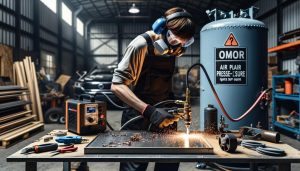
When using a plasma cutter, safety should always be a priority, yet many operators overlook the risk of flash burn. This painful condition occurs from exposure to high-intensity light and heat generated during the cutting process. Understanding the potential hazards associated with plasma cutting is crucial for anyone involved in metal fabrication, whether you’re a seasoned professional or a novice enthusiast. In this article, we delve into the mechanics of flash burn, examining its symptoms, prevention techniques, and the importance of protective gear. By staying informed, you can enhance your safety practices and ensure a productive, injury-free working environment.
Understanding Flash Burn: What Is It?
Flash burn is a term that refers to a specific type of burn injury caused by intense radiant energy, often from sources such as the sun, welding torches, or plasma cutters. Unlike traditional burns that result from direct contact with hot surfaces or flames, flash burns occur due to the sudden exposure to high-intensity light and heat. For those working with plasma cutters, understanding this form of burn is crucial for proper safety precautions and minimizing the risk of injury.
When plasma cutting, the arc produces an intense light that can severely damage unprotected skin and eyes within just seconds. The radiant energy is capable of causing inflammation, redness, and pain to the skin, similar to a sunburn, but with potentially more severe outcomes. In addition to skin burns, flash burns can damage the corneas of the eyes, leading to conditions such as flash blindness or welding goggles burn, which can cause long-term vision problems if not treated promptly.
To protect oneself from flash burns during plasma cutting operations, it’s essential to wear appropriate safety gear, including protective clothing that covers all skin and high-quality welding helmets or goggles designed to filter out harmful UV and infrared radiation. Ongoing education about the risks associated with plasma cutting and the importance of proper safety protocols can further enhance safety in the workplace. Maintaining a well-trained workforce that understands and respects the threats posed by flash burns is pivotal to promoting a culture of safety in environments using plasma cutting equipment.
How Plasma Cutters Cause Flash Burns
The intense power of plasma cutters lies not only in their efficiency but also in the dangers they pose, particularly in the form of flash burns. When utilizing a plasma cutter, a high-voltage electric arc generates extreme heat and a highly concentrated beam of light that can instantly vaporize metal, making it an essential tool for metalworking. However, this very process creates significant risks if adequate precautions are not taken. The arc emits intense ultraviolet (UV) and infrared (IR) radiation capable of inflicting rapid damage to unprotected skin and eyes.
The flash burns incurred through plasma cutting typically arise from two main factors: radiant energy and high temperatures. The radiant energy produced during the cutting process, akin to that from the sun or welding activities, can cause severe skin irritation similar to a sunburn. Even indirect exposure can lead to skin issues-especially on unprotected areas-and the severity of the burn can escalate quickly, often in mere seconds. Furthermore, the incredibly high temperatures associated with the plasma arc can exacerbate these injuries, leading to blistering or even deeper tissue damage depending on exposure duration.
In addition to the potential harm to skin, flash burns can severely affect the eyes. The light emitted is intense enough to cause temporary blindness or photokeratitis, a painful eye condition comparable to sunburn of the cornea. Symptoms of these eye injuries may not manifest immediately and can lead to complications if proper eye protection is not employed during operations.
To minimize these risks, welders must be vigilant in implementing safety measures. Using specialized protective equipment such as UV-filtering helmets or goggles, covering exposed skin, and ensuring the work area is adequately shielded from stray arc reflections are critical actions that can significantly reduce the likelihood of suffering from flash burns while using plasma cutting tools.
Symptoms and Effects of Flash Burn
Plasma cutting is a powerful and efficient technique used in metalworking, but it comes with a significant risk of flash burns that can affect both skin and eyes. Understanding the symptoms and effects of a flash burn is crucial for anyone operating plasma cutting equipment. Skin affected by flash burn typically presents with redness, swelling, and blistering, much like a severe sunburn. The sensation can range from mild irritation to intense pain that often leads to itching or peeling as the burn heals. In the most severe cases, deeper tissue damage can occur, resulting in extended recovery times and potential scarring.
The eyes are particularly vulnerable during plasma cutting operations, given the intense light and radiation emitted. Symptoms of eye flash burns may include redness, a gritty feeling, excessive tearing, and sensitivity to light. More severe cases can lead to photokeratitis, which mimics the effects of sunburn on the cornea and causes temporary vision impairment. Interestingly, the symptoms of eye damage might not surface immediately, sometimes arising hours after exposure, making it imperative to recognize the importance of protective eyewear.
To effectively cope with the aftermath of a flash burn, early intervention is key. For mild skin burns, immediate care involves cooling the affected area with running cool water and applying soothing lotions or aloe vera. However, more severe burns or eye injuries may necessitate professional medical treatment to prevent lasting damage. Understanding these symptoms not only promotes quicker response times but also emphasizes the importance of proper safety measures during plasma cutting activities-because prevention is always better than cure.
Immediate First Aid for Flash Burns
In the world of plasma cutting, the risk of flash burns to the skin and eyes is ever-present, making it essential to know how to respond promptly when such incidents occur. Immediate first aid can significantly minimize damage and promote healing, emphasizing the importance of being prepared. For skin burns, the first and best response is to cool the affected area as quickly as possible. Running cool (not cold) water over the burn for at least 10 to 20 minutes can help bring down the temperature of the skin and provide relief from pain. Avoid using ice or very cold water as these can further damage the skin.
Once the area has been cooled, gently pat it dry, and if needed, apply a sterile, non-stick dressing to protect it from infection and friction. Over-the-counter pain relievers, such as ibuprofen or acetaminophen, may also be taken to help manage discomfort. If blisters form, resist the urge to pop them, as broken skin increases the risk of infection. Instead, keep the area clean and covered, allowing the blisters to heal naturally. Should the burn show signs of infection-such as increased redness, swelling, or pus-seek professional medical help immediately.
When it comes to flash burns affecting the eyes, quick action is critical to prevent lasting damage. For any eye exposure, immediately flush the eyes with clean, lukewarm water for at least 15 minutes, ensuring that water runs over the eyes while keeping the eyelids open. It’s crucial to do this even if symptoms like redness or grit sensation are mild, as they might escalate into more serious conditions like photokeratitis over time. After thorough rinsing, avoid rubbing the eyes; instead, seek medical evaluation to assess any potential damage caused by the intense light exposure.
In all cases of flash burns, whether to the skin or eyes, recognizing when to seek professional medical attention is vital. For severe cases, such as burns covering a large area, exhibiting deep tissue damage, or if there are significant difficulties with vision, do not hesitate-prompt medical intervention can make a substantial difference in outcomes. By prioritizing immediate care and knowing the right steps to take, operators can manage the risks associated with plasma cutting more effectively.
Long-Term Implications of Flash Burns
Flash burns, caused by the intense ultraviolet (UV) and visible light emitted from plasma cutting, can lead to not only immediate discomfort but also long-term implications that operators should not overlook. Many individuals may underestimate the potential consequences of such injuries, but skin and eye damage can result in chronic conditions that affect quality of life. Understanding these long-term effects is crucial for anyone involved in plasma cutting, as well as for implementing preventive measures effectively.
For the skin, repeated exposure to the bright arc of a plasma cutter can contribute to cumulative damage over time, leading to conditions such as dermatoses or premature aging. Users might experience sunburn-like symptoms combined with pigmentation changes, which can affect skin texture and tone. Furthermore, chronic exposure can increase the risk of skin cancer, as the UV rays can initiate mutations in skin cells. Wearing appropriate protective gear, such as high-quality welding jackets and arm protectors, is essential to mitigate these risks.
The eyes are particularly vulnerable to flash burns, with both immediate pain and long-term consequences like photokeratitis and potential corneal scarring, which can lead to permanent vision impairment. Symptoms may include a persistent feeling of grit in the eyes, sensitivity to light, and even headaches due to the eyes’ efforts to compensate for the damage. In extreme cases, individuals may develop ongoing vision issues, including diminished brightness perception and distorted vision. Seeking prompt medical evaluation following a flash burn incident is crucial, as timely treatment can prevent lasting damage.
To avert these serious long-term implications, it is vital to adopt comprehensive safety practices. Implementing a mandatory protective equipment (PPE) protocol, along with regular safety training sessions can cultivate a culture of awareness and precaution. It is also advisable to establish clear operational guidelines that prioritize personal safety, as consistent adherence to safe practices not only protects individual operators but also enhances the overall safety environment on job sites. Awareness and education are pivotal in ensuring that operators are equipped to handle their equipment safely while minimizing risks associated with flash burns.
Safety Gear: Protecting Yourself While Cutting
To effectively protect yourself while using a plasma cutter, it’s crucial to invest in specialized safety gear designed to combat the unique risks associated with flash burns and other hazards. Plasma cutting produces intense ultraviolet (UV) radiation and bright visible light, which can lead to serious skin and eye damage if proper precautions aren’t taken. Wearing the right protective equipment greatly reduces these risks, ensuring safer operation and peace of mind.
First and foremost, always use a high-quality welding helmet equipped with an appropriate shade to shield your eyes from harmful radiation. Look for helmets with automatic darkening filters (ADF) that adjust to the brightness of the arc, providing optimal visibility while maintaining necessary protection. Complement the helmet with UV-blocking safety goggles, especially when working in environments with reflective surfaces that can exacerbate exposure.
When it comes to clothing, select flame-resistant (FR) apparel that covers your arms and legs. Long-sleeved shirts and full-length pants made from materials like Nomex or Kevlar can shield your skin from both flash burns and sparks generated during cutting. Additionally, don’t overlook gloves; insulated, heat-resistant gloves provide not only burn protection but also facilitate dexterity while operating the equipment.
Finally, it’s essential to consider protective footwear. Steel-toed boots with non-slip soles can prevent injuries from falling objects and provide stability on potentially slippery surfaces. Ensuring that your workspace is free from hazards, alongside wearing proper protective gear, creates a comprehensive safety strategy. Investing in quality safety gear is not just a precaution; it is a necessity for anyone involved in plasma cutting activities. The right equipment can save you from significant injuries and long-term complications associated with flash burns. Engaging in safe practices and staying aware of your surroundings is equally important for a risk-free cutting experience.
Safe Operating Procedures for Plasma Cutting
Operating a plasma cutter safely is not just about wearing the right gear-it’s also about adhering to established procedures that minimize risk and enhance efficiency. Understanding the fundamentals of safe operation can significantly reduce the risk of flash burns and other injuries while ensuring high-quality cuts.
Before initiating any plasma cutting process, ensure that your workspace is organized and free from flammable materials. Hazardous environments can increase the potential for accidents. Clear away any obstructions and ensure that fire extinguishing equipment is nearby and easily accessible. Familiarize yourself with the machine’s controls and settings to avoid unexpected operational errors.
When setting up the plasma cutter, verify that all components, including electrical connections, are functioning properly. Regular maintenance checks on the equipment are essential to ensure that it operates safely and effectively. Always pay close attention to the metal thickness and type you are cutting, as this will dictate the power settings and cutting technique required. Incorrect settings can lead to excessive heat generation, increasing the risk of flash burns.
Throughout the cutting process, maintain a safe distance from the cutting arc and avoid direct exposure to the intense light produced. Utilize barriers or shields when working in a group setting to protect others from incidental exposure. Also, consider employing a “cutting buddy” system where two operators work together to monitor conditions and assist each other, ensuring that any potential hazards are caught early.
Finally, always complete a thorough inspection of the area once the cutting has concluded. This includes checking that the machine is powered down, and any smoldering materials are properly extinguished. Taking these precautionary steps not only safeguards your health but also enhances the overall efficiency and effectiveness of your plasma cutting work, leading to better results and a safer working environment.
Common Mistakes to Avoid in Plasma Cutting
Operating a plasma cutter may seem straightforward, but many operators unknowingly fall into common pitfalls that can lead to accidents or equipment damage. These mistakes not only compromise safety but also hinder efficiency, potentially resulting in costly errors. One of the most critical aspects to remember is that every setup requires a comprehensive review of all parameters before starting. Skipping routine inspections can lead to catastrophic failures, such as electrical shorts or improper gas flow, elevating the risk of fires or flash burns.
Another frequent misstep is neglecting to wear appropriate protective gear. Operators sometimes underestimate the intensity of UV radiation emitted during cutting, leading to serious eye injuries or skin burns. Utilizing suitable eyewear and protective clothing is essential; these are more than mere recommendations-they are mandatory for safeguarding your health. Moreover, it’s vital to ensure that protective equipment is maintained and replaced regularly to preserve its effectiveness.
Operators may also fail to account for the material type and thickness being cut. Each metal requires specific plasma cutter settings to achieve optimal performance. Using incorrect settings not only risks damaging the material but also generates excessive heat, significantly increasing the likelihood of flash burns. Before starting, conduct a proper assessment to determine the appropriate amperage and gas flow rates based on the cutting material.
Additionally, maintaining a clutter-free work environment is essential. A disorganized workspace can lead to accidental contact with equipment, further increasing accident risk. Always keep your cutting area tidy, ensuring that all tools and materials are neatly stored away when not in use. By understanding these common mistakes and taking proactive measures to avoid them, operators can significantly enhance their safety and efficiency while using plasma cutters.
Expert Tips for Reducing Flash Burn Risk
Operating a plasma cutter without proper precautions can expose you to flash burns, which are not just painful but can have long-lasting effects on your skin and eyes. To mitigate this risk, consider implementing these expert strategies.
First, ensuring that you wear the right safety gear is crucial. Invest in high-quality UV protection goggles and face shields specifically designed for plasma cutting. These should provide adequate coverage and fit comfortably, allowing you to stay focused on your work without distraction. Additionally, wearing flame-resistant clothing that covers all exposed skin can provide an extra layer of protection against accidental sparks and intense UV rays.
Another essential tip is to manage your workspace effectively. Keeping a clean and organized area minimizes the chances of accidental contact with hot surfaces or sparks. Use barriers or shields to restrict flying debris and maintain a safe zone around your cutting area. Implementing a system to keep non-essential personnel at a safe distance while you work can also significantly reduce risks associated with flash burns.
Proper equipment maintenance plays a vital role in safety. Always check your plasma cutter for wear and tear before use; faulty equipment can lead to uncontrolled sparks or inadequate shielding. Ensuring that settings for amperage and gas flow are appropriate for the material you are cutting not only optimizes performance but also reduces the risk of generating excessive heat, which can lead to flash burn incidents.
Lastly, ongoing education regarding plasma cutter safety and flash burn prevention is invaluable. Attend workshops or training sessions to learn about the latest techniques and technologies that enhance safety. Encourage open dialogue with colleagues about safety practices and share experiences regarding flash burn incidents to foster a culture of safety within your work environment.
Educating Others: Promoting Plasma Cutter Safety
Operating a plasma cutter can expose users to serious risks if not approached with caution, one of the most notable being flash burns. These painful injuries, caused by intense ultraviolet light and heat, can lead to long-term damage to the skin and eyes. Therefore, fostering a culture of safety and awareness among plasma cutter users is not only beneficial but essential for promoting a safe working environment.
Educating others about plasma cutter safety begins with open communication. Sharing experiences related to flash burns can highlight the dangers and encourage adherence to safety protocols. For instance, organizing regular safety meetings where employees discuss best practices and potential hazards can strengthen collective understanding and vigilance. Visual aids, such as posters detailing flash burn symptoms and prevention strategies, can serve as constant reminders in the workspace.
Moreover, implementing hands-on training workshops offers practical insights into the safe operation of plasma cutters. These sessions can cover essential topics such as proper equipment handling, maintenance checks, and the use of safety gear. By engaging users through demonstrations, they learn firsthand the importance of precautions. This interactive form of education can effectively instill safer habits in both novice and experienced welders, fostering a proactive rather than reactive approach to safety.
In addition, utilizing a mentorship program can greatly enhance safety education. Pairing inexperienced operators with seasoned professionals allows for the transfer of knowledge and best practices in real-time. This personal guidance can help newcomers understand the crucial elements of using plasma cutters safely, reinforcing the need for protective gear and meticulous operational procedures. Through such initiatives, the importance of safeguarding against flash burns becomes ingrained in the work culture, ensuring a safer environment for all.
When to Seek Professional Medical Help
A flash burn from a plasma cutter can occur not only due to direct exposure to the intense light but also because the ultraviolet radiation generated can reach beyond immediate welding areas. This unique risk necessitates a clear understanding of when to seek professional medical assistance. If you experience symptoms following an incident involving plasma cutting, it’s crucial to be vigilant about your health.
Recognizing the severity of your symptoms is paramount. If your skin shows signs of extreme redness, blistering, or any open wounds where the flash burn occurred, you should consult a medical professional immediately. Hasty self-diagnosis can lead to complications, as untreated burns can infect or worsen. Additionally, symptoms such as persistent eye pain, blurred vision, or sensitivity to light after exposure are serious and warrant an urgent visit to an ophthalmologist, as these may indicate more profound damage, such as corneal flash burns.
Here are key instances when professional help is essential:
- Severe Skin Reactions: Consult a doctor if you develop significant burns that cover large areas or locations prone to complications, such as the face or hands.
- Eye Injuries: If you experience any vision changes, especially following direct exposure to the plasma arc, seek professional evaluation.
- Signs of Infection: If the burn area becomes excessively red, swollen, or produces pus, this could indicate infection and requires medical intervention.
- Changing Symptoms: If your symptoms worsen or do not improve within a few days, seeking further medical advice is prudent.
Prompt professional care can mitigate long-term effects from flash burns, emphasizing that well-being must never be compromised for safety. Remember, safety gear and protocol adherence are crucial; however, understanding when to seek medical help is an equally important aspect of safety culture in plasma cutting environments.
Faq
Q: What is flash burn and how does it relate to plasma cutters?
A: Flash burn is a type of eye injury caused by intense light, such as ultraviolet radiation emitted from plasma cutting. While primarily affecting the eyes, proper safety precautions are essential to prevent this and other injuries during plasma cutting operations.
Q: Can wearing safety goggles prevent flash burn from plasma cutting?
A: Yes, wearing safety goggles designed for high-intensity light can effectively prevent flash burn during plasma cutting. Ensure the goggles meet ANSI safety standards and provide adequate UV protection for optimal safety.
Q: How can one identify the signs of flash burn after plasma cutting?
A: Signs of flash burn include redness, pain, tearing, and a sensation similar to having sand in the eyes. If these symptoms occur, it’s critical to stop working and seek medical attention if symptoms persist.
Q: What first aid actions should be taken for flash burn from a plasma cutter?
A: For flash burn, rinse the eyes with clean water for at least 15 minutes and seek medical assistance immediately. Avoid rubbing the eyes, as this can worsen the irritation.
Q: Are there specific settings on a plasma cutter to minimize flash burn risk?
A: Adjusting the plasma cutter to lower power settings and minimizing exposure time can help reduce the risk of flash burn. Always work in a well-ventilated area and avoid direct eye contact with the arc.
Q: What safety gear is essential when using a plasma cutter?
A: Essential safety gear includes flame-resistant clothing, safety goggles with UV protection, a face shield, and gloves. This gear can significantly reduce the risk and severity of potential injuries.
Q: How does distance from the plasma cutter affect flash burn risk?
A: The risk of flash burn increases with proximity to the plasma cutter. Keeping a safe distance and using barriers or shields can help protect eyes and skin from harmful light exposure.
Q: What long-term effects can flash burn from plasma cutting have?
A: Long-term effects of flash burn can include persistent eye discomfort, sensitivity to light, and potential vision problems. Seeking prompt treatment can reduce the risk of these complications.
To Wrap It Up
In conclusion, understanding the risks of flash burns from plasma cutting is crucial for your safety and performance. Always prioritize protective gear and proper techniques to minimize exposure. If you found this information valuable, explore our detailed guides on essential safety protocols and equipment maintenance for welding processes like MIG, TIG, and stick welding. Don’t hesitate to comment below with your experiences or questions-your insights foster a community of learning!
For more tips and resources that enhance your welding expertise, consider signing up for our newsletter or browsing our latest articles. Remember, a safe welder is a successful welder; stay informed, stay safe!