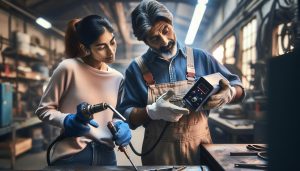
Welding galvanized steel can be a rewarding process, but it comes with specific safety risks that every welder should understand. Galvanization protects steel from rust and corrosion, yet the fumes released during welding can pose serious health hazards if not managed properly. As you prepare for your next project, it’s essential to grasp the potential dangers associated with welding galvanized materials, such as zinc poisoning and fire hazards. This knowledge is crucial not just for your safety, but also for achieving the best results in your welding endeavors. In this article, we’ll explore how to weld galvanized steel safely and effectively, equipping you with the information you need to proceed confidently. Whether you’re a seasoned professional or just starting out, understanding these risks ensures better health and successful welding outcomes.
Can You Weld to Galvanized Steel? Understanding the Risks and Techniques
Welding galvanized steel presents both potential rewards and significant challenges. A fundamental understanding of the risks involved is essential for any welder looking to successfully join this coated material. Galvanized steel, known for its protective zinc coating, is favored in constructions that require resistance to corrosion. However, this very coating poses a challenge when it comes time to weld. The heat generated during welding can cause the zinc to vaporize, leading to toxic fumes that can affect the welder’s health and compromise the integrity of the weld.
To mitigate these risks, it is crucial to select appropriate welding techniques. For instance, methods like MIG (Metal Inert Gas) and TIG (Tungsten Inert Gas) welding can provide cleaner edges and reduced spatter, allowing for better control over the heat applied to the base material. On the other hand, Stick welding can also be effective; however, it often produces more spatter and can burn through the zinc coating if not managed carefully. Transitioning from any welding method to one that minimizes heat input can be a practical approach to prevent excessive zinc fume emissions.
Additionally, adequate safety precautions are paramount. Before beginning the welding process, proper ventilation must be established to help clear out harmful fumes. It is also advisable to utilize respiratory protection to shield against potential inhalation of zinc oxide fumes. Understanding the unique challenges associated with welding galvanized steel expands beyond just technical skill; it extends into maintaining a safe working environment where both the welder and the integrity of the weld are prioritized.
Understanding Galvanized Steel and Its Coating
Welding galvanized steel requires an understanding of its unique properties, primarily its protective zinc coating. This coating is applied to prevent corrosion, making galvanized steel a popular choice in constructions exposed to harsh environments. However, the very zinc that enhances longevity also introduces significant challenges during welding. When heated, zinc vapors are released, creating harmful fumes that can compromise both health and weld integrity. Recognizing this dual nature is essential for welders to make informed decisions regarding their approach to fabrication and safety.
The coating on galvanized steel typically varies in thickness, which can influence the welding method chosen. For instance, thinner galvanized sheets may require milder techniques that minimize heating to prevent excessive fume generation and potential degradation of the underlying metal. Conversely, thicker materials might tolerate more robust welding practices but still necessitate precautions against fumes. To effectively weld galvanized steel, a welder must assess not only the type of joint and position but also the expected exposure to heat and resultant fume emission.
Before beginning the welding process, proper surface preparation is key. This involves removing as much of the zinc coating as possible from the welding area, ideally using methods such as grinding, sanding, or chemical stripping. This not only reduces fume production but also enhances the quality of the weld bead by improving the base metal’s cleanliness. Additionally, understanding the characteristics of the base material will aid in selecting appropriate filler metals and techniques, ensuring a strong and reliable weld while minimizing the adverse effects associated with the zinc coating.
As you engage with galvanized steel, remember that the optimal welding technique may vary based on project specifics, including joint design and service conditions. Balancing these elements will help maintain safety while achieving effective, durable welds.
The Safety Concerns of Welding Galvanized Steel
Welding galvanized steel presents a unique set of safety concerns that every welder must be aware of. The primary issue stems from the material’s zinc coating, designed to provide corrosion resistance, but which becomes hazardous when subjected to the high temperatures of welding. When galvanized steel is heated, the zinc coating vaporizes, releasing toxic fumes that can lead to severe health issues, including metal fume fever. This respiratory condition, resembling flu symptoms, can occur when inhaled zinc oxide particles enter the lungs. Therefore, recognizing the risks associated with zinc vapors is paramount to ensuring a safe working environment.
To mitigate these dangers, comprehensive safety measures must be implemented. First, always work in a well-ventilated area, as sufficient airflow helps disperse harmful fumes. Utilizing local exhaust ventilation or fume extraction systems can further protect against toxic exposure. Additionally, wearing appropriate personal protective equipment (PPE)-such as respirators, safety goggles, gloves, and flame-resistant clothing-provides an extra layer of safety. When selecting a respirator, choose one that is rated for welding fumes, ideally with a high-efficiency particulate air (HEPA) filter to safeguard against fine particulate matter.
Another consideration is to properly prepare the welding surfaces to minimize the amount of zinc that is vaporized during the process. This can be achieved by mechanically removing the zinc coating-through grinding or sanding-around the weld area. Not only does this reduction in zinc help limit fume production, but it also creates a cleaner surface for improved weld quality. Following these precautions helps ensure that welders can perform their tasks effectively while minimizing health risks associated with welding galvanized steel.
Maintaining vigilance about safety concerns during welding operations not only protects individual welders but also fosters a culture of awareness within the broader workforce. By prioritizing safety and adhering to proper practices, welders can effectively manage the risks inherent in working with galvanized steel, resulting in healthier working conditions and higher quality welds.
Essential Techniques for Welding Galvanized Steel
Welding galvanized steel requires precision and adherence to specialized techniques designed to mitigate the inherent risks associated with its zinc coating. Firstly, preparation of the base metal is critical; technicians should either grind or sand away the zinc coating at the weld site to reduce the amount of zinc vaporized during welding. This not only minimizes fume generation but also prepares a clean surface for better adhesion, which can significantly enhance the weld quality and integrity.
When selecting a welding technique, it’s essential to consider the specific requirements of your project. For instance, MIG (Metal Inert Gas) welding is often favored for its speed and efficiency, especially when working with thinner galvanized materials. It allows for a cleaner process with less spatter and offers good penetration if the appropriate setup and technique are used. Conversely, TIG (Tungsten Inert Gas) welding provides more control and can produce highly aesthetic welds, making it suitable for projects where finishes are important, but it tends to be slower and more complex. Stick welding can also be employed for heavier sections, although it may produce more spatter, requiring additional clean-up work post-weld.
Additionally, employing flux-core arc welding (FCAW) can be advantageous, especially in outdoor conditions. Flux-core welding uses a tubular wire filled with flux, which produces its shielding gas when heated. This technique can be particularly beneficial when working in windy environments, helping to protect the weld from contamination.
This attention to detail extends to ensuring that the welding environment is adequately ventilated. Proper airflow is not merely a suggestion but a necessity to disperse harmful zinc fumes effectively. Also, having a robust fume extraction system in place can significantly enhance safety. Use of PPE, including a welding helmet with appropriate filters, gloves, and respirators equipped to handle welding fumes, is crucial to protect the welder’s health.
In summary, welding galvanized steel is a process that requires careful planning and execution. By employing correct surface preparation, choosing the right welding technique, ensuring proper ventilation, and utilizing personal protective equipment, welders can successfully complete projects while minimizing health risks and ensuring a high-quality finish.
Choosing the Right Welding Method: MIG vs. TIG vs. Stick
When it comes to welding galvanized steel, the choice of welding method can significantly impact both the quality of the weld and the safety of the process. Each method offers distinct advantages that cater to different project needs. Understanding these differences can help you make an informed decision that aligns with your project requirements and environmental conditions.
MIG (Metal Inert Gas) welding is often the go-to choice for those working with thinner sheets of galvanized steel. This method is praised for its speed and ability to produce clean, smooth welds with minimal spatter, especially when using appropriate shielding gases. By optimizing parameters such as voltage and wire feed speed, welders can achieve good penetration while minimizing the effects of zinc vaporization. However, careful surface preparation remains crucial to maximize adhesion and reduce toxic fume exposure.
On the other hand, TIG (Tungsten Inert Gas) welding offers precision that is unmatched, making it an optimal choice for applications requiring a high aesthetic finish. While TIG welding generally operates more slowly than MIG, it allows for careful control of heat input, which is essential when dealing with the potentially hazardous zinc coating on galvanized steel. This method’s ability to produce high-quality welds is particularly beneficial in structural applications, where joint integrity is paramount. Welders employing this technique should be prepared for more extensive surface cleaning to ensure optimal results.
For heavy sections or thicker galvanized steel, Stick welding can be a viable option, despite its shortcomings with spatter and potential for contaminated welds. This method is particularly effective in outdoor conditions where wind could disrupt shielding and cause issues with other welding methods. Utilizing the right electrodes and maintaining proper technique can substantially reduce the challenges often associated with this method.
In addition, Flux-Cored Arc Welding (FCAW), which uses a tubular wire filled with flux that generates its shielding gas, is an excellent alternative for windy or outdoor environments. FCAW protects the weld from contamination effectively, making it well-suited for less-than-ideal conditions while providing good adaptability for different material thicknesses.
Ultimately, the right welding method will depend on factors such as material thickness, position, environmental conditions, and specific project requirements. By analyzing these elements and understanding the nuances of each welding technique, you can execute successful projects that not only meet or exceed quality standards but also prioritize safety during the process.
Preventing Toxic Fumes During the Welding Process
Welding galvanized steel poses unique challenges, particularly regarding the emission of toxic fumes. During the welding process, the heat applied can vaporize the zinc coating, releasing harmful zinc oxide fumes into the air. This not only compromises the safety of the welder but can also pose health risks to those nearby. Understanding how to effectively manage and minimize these fumes is essential for a safe and successful welding operation.
To mitigate the risks of exposure to toxic fumes, several safety precautions should be adhered to. First and foremost, ensuring proper ventilation in the welding area is critical. Adequate airflow can help disperse harmful fumes, minimizing inhalation risks. Whether working indoors or outdoors, using exhaust fans or portable fume extractors can significantly enhance air quality. Additionally, establishing a welding booth with a local exhaust ventilation system is ideal for larger projects.
Preparation is Key
Prior to beginning any welding work, preparing the galvanized surface is crucial. Removing the zinc coating from the areas to be welded not only reduces the generation of toxic fumes but also improves the quality of the weld. This can be achieved through mechanical means such as grinding or blasting, or by using chemical treatments specifically designed for this purpose. It’s also paramount to use personal protective equipment (PPE), including respirators equipped with appropriate filters, to further reduce inhalation risks.
Ongoing Monitoring and Safety Practices
Maintaining good safety practices during the welding process directly influences fume generation. For instance, adjusting welding parameters to produce lower heat can help reduce the vaporization of the zinc. Utilizing welding methods that generate fewer fumes, such as TIG or MIG using proper shielding gases, can also be beneficial. Regularly monitoring the environment for the presence of harmful fumes using detection devices adds an additional layer of safety.
In summary, preventing toxic fume exposure while welding galvanized steel involves a combination of proper preparation, efficient ventilation, appropriate PPE, and mindful welding practices. By implementing these strategies, welders can protect themselves and their surroundings, ensuring a safer working environment.
Preparing Galvanized Steel for a Safe Weld
Welding galvanized steel requires meticulous preparation to ensure a safe and effective process. The zinc coating that protects the steel can be detrimental during welding, primarily due to the generation of toxic fumes and poor adhesion of the weld. To achieve optimal results, it’s essential to remove the zinc coating from the areas where the weld will be made, a step often overlooked by novice welders.
One effective method for removing the zinc coating is mechanical abrasion. This can be accomplished through grinding, sanding, or using a wire brush. When employing mechanical methods, it’s crucial to wear appropriate personal protective equipment (PPE) such as gloves and respiratory protection to shield against harmful dust and fumes. Alternatively, chemical removal can be done using solutions specifically designed to strip zinc. These options can save time and ensure a cleaner surface, leading to better weld quality.
Additional Preparation Steps
In addition to removing the zinc, cleaning the surface thoroughly to eliminate any contaminants-such as oil, grease, or dirt-is also vital. A clean surface allows for stronger weld penetration and ensures the integrity of the weld. After mechanically or chemically preparing the surface, it’s good practice to inspect the area to confirm that all zinc has been adequately removed.
Furthermore, setting up a suitable workspace can enhance both safety and efficiency. Ensuring proper ventilation will help manage any residual fumes emitted during the welding process. Many professionals recommend using a local exhaust ventilation system to capture harmful fumes at the source.
By following these preparation guidelines, welders can significantly reduce safety risks and improve the overall quality of their welds on galvanized steel. Proper preparation lays the groundwork for a successful welding operation, ensuring that both the welder and their work environment remain safe and compliant.
Post-Weld Treatment and Inspection of Galvanized Steel
Welding galvanized steel presents unique post-weld challenges that are essential to address for ensuring durability and safety. Once the welding process is complete, it is crucial to assess the welded area to verify the integrity of the joint and the effectiveness of any preparatory measures taken prior to welding. The galvanized coating plays a significant role in the treatment and inspection phases. Exposure to excessive heat during welding can lead to zinc vaporization and potential porosity in the weld, which can compromise strength.
To effectively inspect the weld, begin by visually examining the joint for any obvious defects, such as cracks or gaps. Non-destructive testing methods, like ultrasonic testing or dye penetrant testing, may be employed to identify subsurface defects that are not visible to the eye. Furthermore, checking for proper adhesion is vital; any signs of poor bonding can indicate the need for repair or re-welding.
Post-Weld Treatment Options
Once inspection is complete, it’s time to consider post-weld treatment strategies that can mitigate corrosion risk and restore protective properties to the welded area. There are several options available:
- Reapplication of Zinc Coating: If the weld area has been affected, consider using a cold galvanizing spray or a zinc-rich paint to reestablish the protective coating.
- Passivation: Subjecting the weld to a passivation process can help in restoring corrosion resistance by enhancing the protective oxide layer.
- Touch-Up Painting: For aesthetic purposes and additional protection, applying a suitable primer followed by paint compatible with galvanized surfaces can provide a surface-level defense.
Proper preparation for post-weld inspection and treatment minimizes long-term issues while optimizing the structural integrity of the weld. Always wear appropriate personal protective equipment (PPE) during inspection and treatment to safeguard against any leftover fumes or particulate matter. By adhering to these practices, welders can ensure that their projects not only meet safety standards but also enjoy extended service life.
Essential Safety Gear for Welding Projects
When tackling projects that involve welding, especially with challenging materials like galvanized steel, the right safety gear is not just a precaution-it’s a necessity. Welding operations expose you to a myriad of hazards, including intense heat, harmful fumes, and even the risk of electric shock. Therefore, equipping yourself with essential personal protective equipment (PPE) can make all the difference in ensuring both safety and the quality of your work.
A comprehensive welding helmet is paramount for protecting your eyes and face from harmful rays and sparks, particularly when welding galvanized steel, which can produce toxic fumes. Choose helmets that are adjustable to the shade level appropriate for the welding process, ensuring they meet recognized safety standards. Alongside this, flame-resistant gloves are crucial; they should provide a solid grip and the necessary dexterity for handling materials while protecting your hands from burns. Consider heavy-duty leather gloves for stick and MIG welding, whereas lighter gloves may suffice for TIG welding tasks.
Additionally, wearing long-sleeved, flame-resistant clothing helps shield your skin from both heat and sparks. Fabrics should not only resist ignition but also be durable enough to withstand wear and tear. Foot protection is another vital aspect; steel-toed boots offer necessary protection against heavy materials and reduce slip risks in the welding environment. Furthermore, consider using a respirator designed for welding applications to filter harmful fumes, especially when working with galvanized components known to release hazardous zinc oxide fumes.
Key Safety Gear for Welding Projects
- Welding Helmet: Adjustable shade for eye and face protection.
- Flame-Resistant Gloves: Durable with a good grip, tailored for the type of welding.
- Protective Clothing: Long-sleeved and flame-resistant garments covering all skin surfaces.
- Steel-Toe Boots: Protect against heavy materials and provide slip resistance.
- Respirator: Filters hazardous fumes generated during welding.
By ensuring you have the right safety gear, you not only protect yourself but also enhance your overall welding experience, allowing you to focus on producing quality work without the distraction of safety concerns. Remember, taking time to equip yourself properly before facing the welding torch can save you from serious injury and long-term health issues.
Common Challenges When Welding Galvanized Steel
Welding galvanized steel presents unique challenges that can significantly impact the quality and integrity of the final product. One of the most critical issues is the presence of the zinc coating, which, while providing excellent corrosion resistance, can create considerable complications during the welding process. When heated, zinc oxidizes and releases toxic fumes that pose serious inhalation risks to welders. This necessitates stringent ventilation and the use of appropriate personal protective equipment (PPE) to mitigate health hazards.
Another challenge arises from the difference in melting points between the base steel and the zinc coating. The zinc has a lower melting point, which can lead to excess spatter and instability during the welding process. This dilution can affect joint penetration and strength, potentially leading to weak welds. Moreover, it’s essential to thoroughly prepare the galvanized surface before welding, typically by mechanically removing the zinc in the welding area, to ensure optimal fusion between the welding filler material and the steel substrate.
Welders must also be aware of potential distortion and warping caused by the heat of welding. Galvanized steels can be more prone to distortion than plain carbon steels due to the added coatings. This can be particularly problematic in situations where dimensional accuracy is critical. Proper clamping techniques, preheating, and controlled heat input can help minimize these issues.
Lastly, post-weld treatment becomes a significant concern when working with galvanized steel. After welding, the area must be inspected for cleanliness and coated to restore the protective properties of the galvanized surface. Failing to adequately address these concerns can lead to corrosion and premature failure of welded structures. Thus, understanding these challenges is vital for ensuring safe and effective welding practices with galvanized materials.
Expert Tips for Successful Welding Projects
Welding galvanized steel can be a daunting task, but with the right strategies, you can achieve successful results while minimizing risks. One crucial tip is to always remove the zinc coating from the weld area before beginning your project. This can be accomplished through mechanical methods such as grinding or sanding. By eliminating the coating, you prevent the release of toxic zinc fumes during welding, which are hazardous to your health. Additionally, this preparation enhances the bonding between the filler material and the base metal, ensuring better penetration and a stronger joint.
Choosing the right welding method is equally important. For welding galvanized steel, MIG (Metal Inert Gas) welding is often preferred for its speed and efficiency. It produces a cleaner weld with less spatter compared to other methods, such as stick welding. On the other hand, TIG (Tungsten Inert Gas) welding can provide greater control and a more refined finish, though it may be slower. Whichever method you select, always be mindful of your settings – adjust the voltage, amperage, and feed speed according to the thickness of the steel to prevent overheating, which can result in distortion or burn-through.
To further safeguard against issues during your welding process, ensure your workspace is well-ventilated. Toxic fumes can accumulate quickly, especially when welding galvanized materials, so working outdoors or using exhaust fans can greatly improve air quality. Donning the proper personal protective equipment (PPE) is also non-negotiable; wear respirators equipped with appropriate filters, gloves, and protective clothing to shield yourself from spatter and fumes.
After welding, the work doesn’t end. Implementing a thorough post-weld treatment is essential for preserving the integrity of the galvanized coating. Inspect the weld area for any deterioration, and consider re-coating or painting the weld to restore corrosion resistance. This preventive measure is vital to prolonging the lifespan of your project and preventing rust or structural failure down the line. By following these tips, you can significantly enhance the quality of your welds and ensure both safety and durability in your galvanized steel projects.
Alternatives to Welding Galvanized Steel
Exploring can provide viable solutions for joining and repairing projects while minimizing health risks associated with toxic fumes. In many situations, such as when dealing with light-gauge materials or specific applications, other methods can yield strong and durable results without the complications that welding introduces.
One effective alternative is brazing, which involves joining metals using a filler material that has a lower melting point than that of the workpieces. This method can be particularly advantageous when working with galvanized steel because it avoids the issues related to the zinc coating. Brazing provides strong joints and maintains the integrity of the base materials, making it suitable for both structural and decorative projects.
Another option is mechanical fastening, such as using screws, bolts, or rivets. This technique is straightforward and requires no special training or equipment, making it accessible for DIY enthusiasts. Mechanical fastening preserves the galvanized coating, thereby maintaining corrosion resistance and preventing the release of harmful fumes. It’s also a great choice when disassembly may be required later, offering an advantage over permanent welding joints.
Adhesive Bonding
Adhesive bonding, such as using epoxies or specialized metal adhesives, is increasingly popular for joining materials like galvanized steel. Modern adhesives can provide impressive shear and tensile strengths, supporting structural applications without the challenges associated with heat and fumes. When selecting adhesives, ensure they are compatible with galvanized surfaces, and proper surface preparation, such as cleaning and priming, may be necessary to achieve optimal bonding.
In sum, while welding galvanized steel is a common method, alternatives such as brazing, mechanical fastening, and adhesive bonding can offer practical and safe solutions depending on the project’s demands. Using these methods not only mitigates health risks but also enhances the durability and longevity of the joints in your projects.
Q&A
Q: Can you weld galvanized steel without damaging the coating?
A: Yes, you can weld galvanized steel, but it’s essential to minimize damage to the zinc coating. Use techniques such as MIG welding with minimal heat input and avoid prolonged exposure to avoid burning off the zinc layer, which provides corrosion resistance.
Q: What safety risks are associated with welding galvanized steel?
A: The primary risks include the release of toxic fumes from the zinc coating, which can cause metal fume fever. Always work in well-ventilated spaces and utilize appropriate respiratory protection and safety gear to mitigate these risks.
Q: How should you prepare galvanized steel for welding?
A: Preparation includes cleaning the surface to remove oils and contaminants. Lightly grinding or brushing the area where the weld will occur can also help, ensuring better adhesion and reducing the risk of weld defects.
Q: What is the best welding method for galvanized steel?
A: MIG welding is often preferred due to its speed and ease of use. However, TIG welding is also effective for thinner sections where precision is crucial. Assess the thickness and application to choose the best method.
Q: Can you weld galvanized steel using stick welding?
A: Yes, stick welding can be done on galvanized steel, but it’s less common due to the difficulty in controlling the heat input. Ensure proper settings and technique to avoid excessive fume generation and coating damage.
Q: What protective gear is necessary when welding galvanized steel?
A: Essential gear includes a well-fitted welding helmet, flame-resistant gloves, protective clothing, and a respirator to protect against harmful fumes. Proper gear helps ensure safety throughout the welding process.
Q: Are there any alternatives to welding galvanized steel?
A: Yes, mechanical fastening methods such as bolting or rivets can be effective alternatives. Additionally, using adhesive bonding techniques is gaining popularity for joining galvanized components without the associated welding risks.
Q: How can you reduce post-weld corrosion on galvanized steel?
A: To reduce corrosion, clean the welded area thoroughly and apply a zinc-rich primer or a suitable corrosion-resistant coating. This not only helps restore the protective layer but also enhances the lifespan of the weld.
Concluding Remarks
Welding galvanized steel can be a rewarding challenge, but safety should always be your top priority. By understanding the risks involved, such as harmful fumes and the importance of proper ventilation, you can ensure a successful and safe welding experience. If you’re eager to dive deeper into the intricacies of welding techniques like MIG, TIG, or stick welding, check out our guides on those methods or learn about the specifics of working with different materials like stainless steel and aluminum.
Don’t let safety concerns hold you back-arm yourself with knowledge and get started on your next welding project today. For expert tips, tools, and resources, explore our comprehensive library, or consider signing up for our newsletter for the latest insights and updates in welding. Remember, being well-informed not only enhances your skills but also ensures you work safely and efficiently. Share your experiences in the comments or connect with fellow welders; your insights could inspire others in the community!