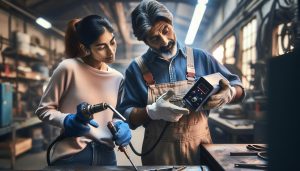
Welding is a critical skill in various industries, but it comes with inherent risks that demand careful attention. Did you know that over 500,000 American workers are employed in welding, yet accidents remain common due to hazards like electrical shock, exposure to harmful fumes, and intense ultraviolet radiation? Understanding these dangers is essential not only for professionals but also for hobbyists aiming to create safe, effective environments. This guide explores the real risks associated with welding techniques, from MIG and TIG to stick and flux core welding, as well as the protective measures you can implement to ensure your safety. Whether you’re an experienced welder seeking to refine your practices or a beginner eager to start on the right foot, navigating the complexities of welding safety is crucial for a successful career and personal well-being. Dive in to learn how to stay 100% safe while mastering this indispensable craft.
Understanding the Hazards of Welding
Welding is an essential skill in various industries, from automotive to construction, yet it poses several hazards that both novice and experienced welders must understand. The intense heat generated during welding processes such as MIG, TIG, and stick welding creates conditions ripe for accidents, including burns and electrical shocks. Furthermore, the fume and gas emissions produced can lead to respiratory issues if proper ventilation measures are not taken, making the environmental conditions of the workspace as critical as the welding technique itself.
The hazards associated with welding extend beyond the immediate physical dangers. Welders are often exposed to ultraviolet (UV) and infrared radiation, which can cause severe skin burns and eye damage, commonly known as “welder’s flash.” To mitigate these risks, it’s vital to adhere to strict safety protocols, including the use of appropriate personal protective equipment (PPE) such as helmets with suitable filters, gloves, and flame-resistant clothing. Additionally, knowing the materials being welded-such as aluminum or steel-can provide insights into specific risks, like the presence of toxic fumes from certain coatings or impurities within the metal.
While the risks can seem daunting, understanding and respecting them is the first step in ensuring safety on the job. Implementing best practices like regular safety inspections, training for new employees on hazards specific to various welding techniques, and creating a culture of safety within the workplace can significantly reduce the chances of accidents. More importantly, maintaining a clean workspace and adhering to fire safety protocols can prevent injuries associated with flammable materials and equipment.
To truly excel in welding safely, continuous education on both equipment and methods is essential. Engaging in training programs and certifications can provide invaluable knowledge of the latest safety technologies and practices, ultimately empowering welders to perform their jobs with confidence and care.
Common Welding Risks and Safety Concerns
Welding is not just a skill; it’s a craft that involves significant hazards. From the intense heat that comes with processes like MIG and TIG welding to the toxic fumes that can permeate the workspace, understanding the risks is crucial for anyone involved in the field. One of the most immediate concerns is the potential for burns and electrical shocks, which can be life-threatening or result in severe injuries. In fact, reports indicate that approximately 50% of serious accidents in welding are associated with electrical hazards, emphasizing the need for vigilance and adherence to safety protocols.
Beyond the physical dangers, welders must also consider the long-term health effects that can arise from exposure to harmful fumes and gases. These emissions often contain a complex mixture of metallic oxides and silicates, which can lead to respiratory issues if adequate ventilation is not in place [[2]](https://www.ccohs.ca/oshanswers/safety_haz/welding/fumes.html). Additionally, ultraviolet and infrared radiation emitted during the welding process can cause debilitating eye injuries and skin burns, commonly referred to as “welder’s flash.” Using proper personal protective equipment (PPE), such as helmets with appropriate filters and flame-resistant clothing, is essential to mitigate these risks.
Maintaining a safe working environment is equally important. Implementing measures such as clear labeling of hazardous areas, regular safety inspections, and proper storage of flammable materials can drastically reduce the risk of accidents and injuries on the job site. It’s also vital for employers to establish a culture of safety where workers are encouraged to report hazards and participate in safety training programs. This proactive approach not only educates welders about the specific risks associated with different materials-whether it’s aluminum or coated steel-but also fosters a sense of responsibility and teamwork in ensuring a safe work environment.
In summary, while welding can be a rewarding profession, it carries inherent dangers that require diligence and commitment to safe practices. By understanding the risks and implementing effective safety measures, welders can significantly reduce their chances of accidents and maintain their health over the long term.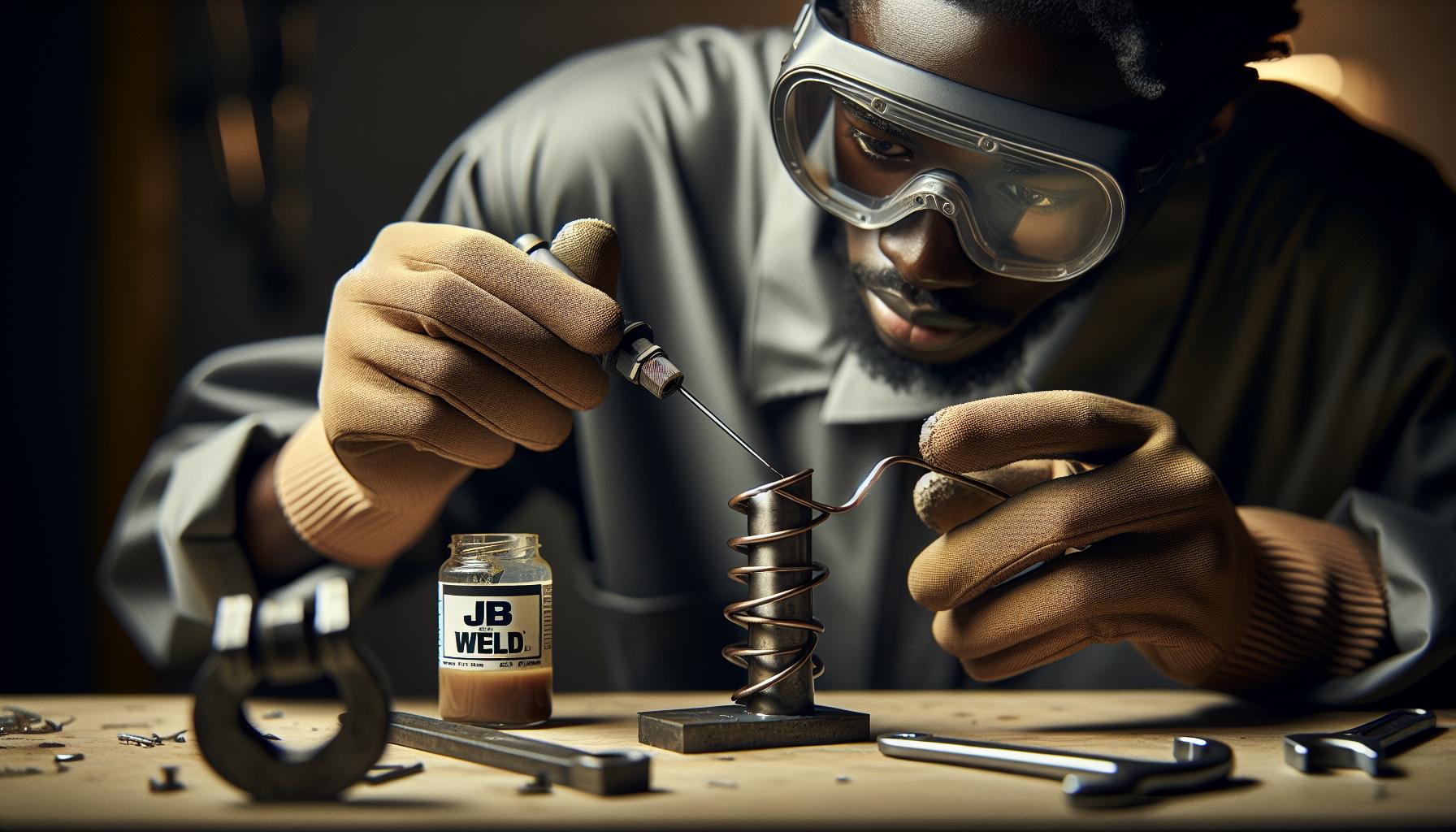
Essential Protective Gear: Stay Safe While Welding
Welding poses significant risks, making protective gear not just a recommendation but an absolute necessity. Each welding technique-whether MIG, TIG, or stick-produces unique hazards that require specialized equipment to ensure safety and maintain optimal health in the workplace. For instance, the intense light and heat generated during welding can cause severe eye damage, while molten metal splatter and high voltage can lead to burns or electric shocks. Therefore, understanding the essential protective gear is crucial for anyone working in this field to minimize these dangers effectively.
To safeguard against the potential hazards of welding, the following essential protective gear is recommended:
Personal Protective Equipment (PPE)
- Welding Helmet: A quality helmet with a proper filter shade (usually between 10-14) is critical to protect the eyes from harmful UV and IR radiation. Auto-darkening helmets are particularly beneficial as they adjust the lens shade automatically during welding.
- Face Shield: In addition to a helmet, a face shield provides extra coverage, protecting the neck and face from sparks and spatter.
- Protective Clothing: Flame-resistant jackets and pants made from materials like leather or heavy cotton should be worn to shield against heat and sparks. Avoid synthetic materials, as they can melt onto the skin.
- Gloves: Heavy-duty leather or gauntlet-style gloves are essential for protecting hands from burns, sparks, and cuts. Ensure that gloves fit well, allowing for dexterity while providing adequate protection.
- Welders’ Boots: Steel-toed boots with heat-resistant soles are crucial for foot protection. Look for boots that provide ankle support and are non-slip to ensure steadiness in the potentially hazardous work environment.
- Respiratory Protection: Depending on the materials being welded, a respirator may be necessary to prevent inhalation of toxic fumes. Ensure that the respirator is rated for the specific contaminants you might encounter.
Maintaining the integrity of this gear is also vital. Regularly inspect PPE for signs of wear or damage, as compromised equipment can lead to severe safety risks. Furthermore, employees should be trained in the correct use of each item of personal protective equipment, reinforcing safe practices that mitigate risk on the job site.
Incorporating the right protective gear into daily welding operations is not merely about compliance; it’s about ensuring a culture of safety where workers feel empowered to prioritize their health and well-being. Ultimately, the combination of proper equipment and safety habits can dramatically reduce the frequency and severity of welding-related injuries, creating a safer and more productive work environment.
Best Practices for Safe Welding Environments
Creating a safe welding environment is paramount to the protection of welders and the integrity of the materials being worked on. One of the most critical factors in minimizing risks is ensuring optimal ventilation. A well-ventilated workspace mitigates the presence of toxic fumes and gases, particularly when working with materials that release harmful substances, such as galvanized steel or chromium-containing alloys. Implementing local exhaust ventilation can effectively capture fumes at the source, while general ventilation should be adequate to maintain air quality in larger areas.
Another key practice involves maintaining organized workspaces free from clutter and other hazards. This includes ensuring all equipment is properly stored and that walkways and emergency exits are clear. Materials should be organized, with flammable substances like gas cylinders stored according to safety guidelines to prevent fires and explosions. Using fire-retardant barriers between welding operations and other processes can further enhance safety by containing potential hazards.
Regular safety training and drills for all personnel in the workspace cannot be overstated. Understanding the specific risks associated with various welding techniques, such as MIG, TIG, and stick welding, empowers workers to implement best practices and respond effectively in emergencies. This training should encompass the identification of hazards, the use of personal protective equipment, and protocols for dealing with accidents or equipment failures.
Finally, incorporating technology into welding practices can significantly improve workplace safety. Modern welding machines often come equipped with features like automatic shutoff in case of overheating or failure. Utilizing smart technology that monitors air quality can alert workers to hazardous conditions before they become problematic. By blending traditional safety practices with innovative approaches, welders can create a work environment that prioritizes safety, efficiency, and well-being.
Welding Techniques: Evaluating Safety for MIG, TIG, and Stick
Welding is a complex process that provides the backbone for many industries, yet each technique-MIG, TIG, and stick-brings distinct safety considerations that welders must navigate. Understanding these nuances is critical not just for successful welding but also for maintaining a safe working environment. For instance, MIG (Metal Inert Gas) welding, known for its speed and ease of use, often involves the use of shielding gases like argon or CO2, which can displace oxygen and create asphyxiation hazards in confined spaces. Therefore, ensuring proper ventilation during MIG operations is vital.
In contrast, TIG (Tungsten Inert Gas) welding typically consumes less material and generates a cleaner weld but requires a higher level of skill. The hazards associated with TIG include exposure to harmful ultraviolet (UV) radiation and potentially dangerous fumes, especially when welding chromium or nickel alloyed materials. It is imperative for welders to utilize appropriate filters in their helmet visors and keep their work area well-ventilated to mitigate these risks. Additionally, the precision required for TIG welding necessitates steady hands and good body positioning, which can lead to ergonomic strain if not properly managed.
Stick welding, or SMAW (Shielded Metal Arc Welding), presents its own unique challenges, primarily from the use of electrode rods that can release hazardous smoke and fumes. Inadequate shielding can lead to exposure to toxic gases, particularly when welding materials like galvanized steel. To safeguard against these hazards, it is essential to maintain adequate distance from the weld pool and ensure that proper PPE, such as respirators, is worn at all times. Moreover, understanding that stick welding generates significant sparks and spatter is crucial, necessitating the use of protective barriers and flame-resistant materials in the workspace.
In summary, recognizing the specific safety concerns associated with MIG, TIG, and stick welding can significantly reduce accident risks. Welders should prioritize ventilation, wear proper safety gear, and be aware of the materials they are working with to create a safe work environment. By adopting these best practices and remaining vigilant about evolving technology and techniques, welders can enhance their safety and efficiency on the job.
Material-Specific Risks: Aluminum, Steel, and Beyond
Welding various materials presents unique challenges and hazards that require careful consideration and specific safety measures. For example, aluminum is known for its lightweight and corrosion-resistant properties, but it also poses risks during the welding process. When welding aluminum, it’s essential to manage the high thermal conductivity of the material, which can lead to burn-through if not handled properly. Furthermore, the presence of oxides on aluminum surfaces can produce harmful fumes, making adequate ventilation critical. Using techniques such as TIG welding can minimize these risks, as it generates less heat and offers greater control over the weld pool.
Steel, one of the most common materials in welding, has its own set of precautions. When working with galvanized steel, for instance, welders must be aware of the toxic zinc fumes released during the welding process. The exposure to these fumes can lead to metal fume fever, characterized by symptoms such as fever, chills, and muscle aches. To mitigate this risk, wearing a proper respirator is crucial, along with ensuring a well-ventilated workspace. Additionally, understanding the type of steel being used is important; different alloys may require varying welding techniques and filler materials to maintain structural integrity.
When considering materials beyond aluminum and steel, such as nickel alloys or titanium, welders face different safety challenges. Nickel, often used in high-temperature applications, can release harmful fumes when welded improperly. For titanium, the concern shifts towards ensuring minimal contamination since it is prone to embrittlement when exposed to certain elements like oxygen. Practicing strict cleanliness protocols and using the correct shielding gases can alleviate some of these concerns.
In conclusion, each material presents specific risks that require tailored approaches to ensure safety during the welding process. By understanding the nuanced properties of these materials, employing appropriate welding techniques, and adhering to strict safety protocols, welders can effectively navigate the hazards associated with various metal types and maintain a safe working environment.
Understanding Toxic Fumes and Air Quality
Welding generates a variety of toxic fumes that can pose serious health risks to workers if not properly managed. These fumes are produced from the melting of metals, the heating of coatings, and the use of filler materials. Inhalation of these particles can lead to respiratory issues and other health complications. For instance, welding aluminum produces aluminum oxide fumes, while welding galvanized steel releases zinc oxide fumes, both of which can lead to significant health issues if inhaled over time. Understanding the composition of these fumes and their health effects is crucial for maintaining a safe working environment.
To mitigate the risks associated with toxic fumes, adequate ventilation is essential. This can be achieved through effective local exhaust ventilation systems that capture fumes at the source before they enter the welder’s breathing zone. Additionally, personal protective equipment (PPE), such as respirators fitted with appropriate filters, should be used when working in areas where ventilation cannot be guaranteed. Regular air quality assessments can help monitor the levels of harmful substances, ensuring that they remain within safe limits.
Managing Fume Exposure
It’s vital for welders to be aware of the specific materials being welded and the associated fume exposure risks. Here are some best practices to minimize fume inhalation:
- Understand Materials: Different metals can produce various toxic fumes. Familiarize yourself with the potential hazards of materials like stainless steel, aluminum, and coated metals.
- Use Appropriate Welding Techniques: Techniques such as MIG and TIG welding may produce fewer fumes compared to stick welding, especially when aluminum is involved.
- Implement Effective Ventilation: Ensure that workspaces are equipped with proper ventilation systems that can adequately handle the fume load produced during welding.
- Regular Training: Participate in safety training programs that emphasize awareness of fume hazards and the importance of air quality control.
Employers also play a crucial role in ensuring a safe working environment by providing training on fume hazards, investing in effective ventilation systems, and ensuring that all safety protocols are followed diligently. By fostering a culture of safety and awareness, both employers and workers can significantly reduce the risks posed by welding fumes, leading to a healthier workplace and a more informed workforce.
Electrical Safety: Preventing Shocks and Injuries
Welding involves the use of high voltage to create intense heat, making electrical safety one of the paramount concerns in this profession. With the risk of electrical shock presenting a serious danger to welders, understanding safety protocols can be a lifesaver. For instance, did you know that improperly ground equipment can lead to current leakage, drastically increasing the risk of shock and injury? Knowledge of electrical systems and adherence to safety standards are critical for preventing accidents in the welding environment.
A foundational step in ensuring electrical safety is verifying that all equipment is grounded correctly. An ungrounded system can result in shock if a welder accidentally touches a conductive surface while welding. Therefore, always check your equipment, including your welding machine and any other tools used in the process. Regular inspection of welding cables for insulation damage is essential, as frayed or damaged wires can expose welders to hazardous electrical currents. Using rubber mats in work areas can also provide an additional layer of protection against shocks.
Additional practices to enhance electrical safety include the following:
- Use Insulated Tools: Employ tools with insulated handles to reduce the risk of electrical contact while working.
- Wear Appropriate Personal Protective Equipment (PPE): Always wear rubber-soled shoes and insulating gloves, which can minimize electric shock risks.
- Be Aware of Your Environment: Keep the welding area dry and free from wet surfaces, as moisture can significantly increase the likelihood of electrical shock.
- Follow Lockout/Tagout Procedures: When performing maintenance on equipment, always follow proper lockout/tagout procedures to ensure machines are powered down and cannot be inadvertently started.
In addition to these precautions, training and certification play an important role in fostering a culture of safety. Welders should participate in programs that cover electrical safety specifically tailored for their welding techniques, whether it be MIG, TIG, or stick welding. Continuous education and practice can help to instill safe habits and keep everyone aligned with the latest safety protocols. By prioritizing electrical safety measures, welders not only protect themselves but also their colleagues, contributing to a safer workplace overall.
Fire Hazards: Maintaining a Safe Work Area
Welding operations create intense heat and sparks, which are primary contributors to fire hazards in the workplace. Whether you are performing MIG, TIG, stick, or flux core welding, ensuring a safe work area is paramount to prevent catastrophic incidents. Each welding technique involves varying degrees of heat and potential ignition sources, making the environment crucial to maintaining safety standards. In fact, the National Fire Protection Association (NFPA) highlights that over 4,000 fires are attributed annually to welding activities, underscoring the importance of proactive measures in fire safety.
To maintain a fire-safe environment, start by conducting a thorough risk assessment of your work area. Remove any flammable materials, such as oil-soaked rags, paper, and combustible liquids, from the vicinity of your welding operations. Utilize fire-retardant curtains or screens to isolate the welding zone from other areas, thereby minimizing the risk of sparks igniting surrounding materials. Ensure that fire extinguishers are readily available, easily accessible, and appropriate for the types of fires that may occur, such as Class A, B, C, or D fires.
Best Practices for Fire Safety During Welding
- Establish a Fire Watch: Assign a competent individual to monitor the welding area for at least 30 minutes after completing the welding work. This person should be trained in fire response to act quickly if a fire breaks out.
- Use Fire-Resistant PPE: Wear flame-resistant clothing and gear to protect against accidental sparks and heat exposure during welding.
- Conduct Pre-Welding Inspections: Routinely check welding equipment for leaks or defects that could cause overheating or fires.
- Implement Safe Work Practices: Follow standard operating procedures and manufacturer guidelines for equipment to avoid situations that increase fire risks.
In addition to these practices, consider utilizing innovative fire suppression technologies, such as automatic fire suppression systems or specialized welding blankets. These systems can detect ignition early and suppress fires before they escalate. By adhering to stringent safety protocols and fostering a culture of awareness, welders can significantly mitigate fire hazards in their workspace, ensuring a safer environment for themselves and their colleagues.
Training and Certification for Safe Welding Practices
Investing in comprehensive training and certification programs is essential for anyone engaged in welding. The potential dangers associated with this profession-ranging from exposure to toxic fumes to electric shock-underscore the need for a well-trained workforce that is well-versed in safety protocols. Welders can enhance their skills and safety competence through structured training that focuses on both practical techniques and safety regulations.
Certification programs typically require participants to learn about various welding processes such as MIG, TIG, Stick, and flux-cored welding. Each technique has unique safety considerations, making it vital for welders to understand the specific risks associated with the materials they are working on, including aluminum and steel. For instance, the handling of aluminum necessitates knowledge about its properties and the safe use of specific filler materials to prevent chemical reactions. The curriculum often includes hands-on training, allowing welders to practice in controlled environments, simulating real-world scenarios while under the supervision of experienced instructors.
In addition to technical skills, training programs emphasize the importance of protective gear and proper use of equipment. Welders learn about personal protective equipment (PPE) such as helmets with appropriate lenses, flame-resistant clothing, gloves, and respiratory protection to mitigate health risks. Furthermore, these programs often incorporate safety drills and emergency response practices to prepare welders for potential hazards on the job site, ensuring they are ready to act swiftly in the event of an incident.
Beyond initial training, continuing education and refresher courses are crucial for maintaining current knowledge of safety regulations and technological advancements in welding. Organizations such as the American Welding Society (AWS) provide resources and certification renewals to support welders’ ongoing professional development. By prioritizing robust training and certification, welders not only improve their safety on the job but also enhance their employability and expertise in a competitive industry.
Emergency Response: Dealing with Welding Accidents
In the fast-paced world of welding, accidents can occur despite the best precautions. Recognizing how to effectively respond to incidents can mean the difference between minor incidents and life-threatening situations. Quick and efficient emergency response is crucial for safeguarding both the welder and nearby personnel. Whether dealing with burns from welding arcs, fume inhalation, or electric shock, being prepared can significantly mitigate the consequences of these hazards.
Preparation is the foundation of effective emergency response. Every welding workspace should be equipped with basic first aid supplies, including burn ointments, sterile dressings, and eye wash stations. Regular safety drills are essential, as they familiarize all personnel with proper procedures during emergencies. For instance, if a fire breaks out due to flammable materials igniting from welding sparks, having designated fire extinguishers accessible and knowing how to use them can prevent extensive damage. Employers should ensure that all employees are trained in using fire extinguishers as part of their safety procedures.
Additionally, immediate assistance is vital when dealing with electric shock. If an electric shock occurs, it is imperative to first turn off the power source before approaching the affected individual. Administering CPR or calling emergency services should follow if the person is unresponsive. Knowledge of essential first aid procedures can save lives, underscoring the importance of training.
Equally important is the need for proper communication during an emergency. Establishing a clear chain of command can streamline response efforts. This structure may include designated emergency coordinators trained to assess the situation, provide guidance, and retain updated contacts for local emergency services.
In summary, fostering a culture of safety and preparedness in welding environments not only enhances individual safety but also strengthens team resilience. By prioritizing regular training, maintaining emergency supplies, and establishing clear communication protocols, the risks associated with welding can be effectively managed, ensuring a safe working environment for all.
Innovative Safety Technologies in Welding
Welding has evolved significantly over the years, not only in technique but also in the safety technologies employed to ensure the well-being of welders. A strong focus on innovative safety solutions helps mitigate the inherent dangers associated with welding practices, addressing risks ranging from burns and eye injuries to toxic fume exposure and electric shocks. As new technologies emerge, welders are better equipped to perform their tasks safely while maintaining high standards of quality.
One of the most notable advancements is the development of intelligent welding helmets. These helmets are equipped with auto-darkening filters that adjust the lens shade in response to the brightness of the welding arc, allowing for increased visibility before and after welding. Additionally, modern helmets often come with built-in respiratory protection and communication systems, ensuring that welders can engage with their teams without compromising safety. The integration of augmented reality displays in helmets also allows for real-time data streaming, helping welders monitor environmental conditions, such as gas levels, which is essential when working with materials like aluminum and steel.
Enhanced personal protective equipment (PPE) forms another cornerstone of innovation in welding safety. Today’s PPE includes high-tech fabrics that not only protect against sparks and heat but also offer features like moisture-wicking and breathability. Furthermore, advancements in glove technology have led to gloves that provide better dexterity and grip while maintaining their protective qualities against heat and chemicals. These innovations significantly improve a welder’s ability to handle materials securely while minimizing the risk of accidents caused by overheating or improper handling.
In the realm of equipment, the introduction of automatic welding machines and process controls has transformed how welding tasks are performed. For instance, robotic welding systems are commonly used in manufacturing environments, which not only boost productivity but also greatly enhance safety by reducing human exposure to hazardous conditions. These robots can operate in environments that are too dangerous for human workers, effectively minimizing risks associated with electrical shock and fumes. Furthermore, the implementation of monitoring systems that utilize sensors can detect unsafe conditions, allowing for immediate corrective actions to be taken before an accident occurs.
To stay at the forefront of welding safety, it is vital for professionals in the industry to remain educated about emerging technologies. Regular training sessions on the use of new safety equipment, adherence to updated safety protocols, and awareness of best practices can empower welders to leverage these innovations effectively. Emphasizing a proactive safety culture that embraces technology can lead to significant reductions in workplace incidents and injuries, ultimately fostering a safer environment for all involved in the welding process.
Frequently asked questions
Q: What are the main dangers associated with welding?
A: The main dangers of welding include exposure to toxic fumes, risk of fire and explosions from flammable materials, electrical hazards leading to shocks, and potential injuries from equipment. To mitigate these risks, proper ventilation, protective gear, and adherence to safety protocols are essential.
Q: How can I protect myself from welding fumes?
A: To protect against welding fumes, use adequate ventilation systems, such as fume extraction units or operate in well-ventilated areas. Always wear a suitable respirator designed for welding fumes to minimize inhalation exposure.
Q: Why is electrical safety critical in welding?
A: Electrical safety is crucial in welding due to the high currents used, which can cause severe shocks. Ensure proper grounding of equipment, use insulated tools, and regularly check cables for wear. Following these practices can significantly reduce the risk of electrical accidents.
Q: What should I do in case of a welding fire?
A: In case of a welding fire, immediately cease work and activate the nearest fire extinguisher. If the fire spreads, evacuate the area and call emergency services. Ensure that you have a fire blanket or extinguisher accessible in your workspace to respond promptly.
Q: How important is protective gear for welders?
A: Protective gear is vital for welders as it shields against burns, eye injuries from sparks, and respiratory issues from fumes. Essential gear includes welding helmets, gloves, aprons, and respirators, which should always be worn during welding activities to ensure personal safety.
Q: What are the best practices for maintaining a safe welding environment?
A: Best practices for a safe welding environment include keeping the workspace clean and free of flammable materials, ensuring proper ventilation, conducting regular equipment maintenance, and implementing safety training for all personnel involved in welding operations.
Q: How do I train for safe welding practices?
A: To train for safe welding practices, enroll in certified welding safety courses that cover equipment use, hazard recognition, and emergency response protocols. Regularly participate in safety drills and stay updated on industry standards to enhance your knowledge and skills.
Q: What materials should I be cautious of when welding?
A: Caution is needed when welding materials like aluminum and galvanized steel, as they can produce harmful fumes. Always ensure adequate ventilation and check for specific material safety data sheets to understand the risks associated with the materials you’re working with.
To Conclude
Understanding the risks of welding is crucial to ensuring a safe and productive environment-whether you’re a beginner or an experienced welder. By implementing essential safety protocols and choosing the right techniques, like MIG, TIG, or stick welding, you can significantly reduce the dangers associated with this craft. Don’t wait-prioritize your safety today and explore more on welding techniques and equipment reviews in our related articles.
For those eager to deepen their knowledge, consider signing up for our newsletter to receive insights on advanced welding practices and safety tips straight to your inbox. Share your thoughts or ask any lingering questions in the comments below-your experience matters! And if you’re ready to enhance your skills further, check out our guides on repair solutions and career pathways in welding. Keep your passion for welding alive while staying informed and safe!