

In welding, slag is a crucial topic that often gets overlooked, yet it plays a significant role in the quality of your welds. Essentially, slag is the byproduct formed during welding processes like MIG, TIG, and stick welding, which can create a barrier to achieving strong, clean welds if not properly managed. Understanding how to effectively remove slag is not just about aesthetics; it’s about ensuring the structural integrity of your project and minimizing defects. Whether you’re a beginner looking to improve your technique or an experienced welder seeking to refine your practice, mastering the removal of slag will elevate your skills and results. Dive deeper to discover the best methods and tools for slag removal, and learn how to tackle this common welding challenge like a pro.
What is Slag and Why It Matters in Welding
Welding is an intricate process that transforms metallic materials into durable structures, but it’s not without its challenges. One critical byproduct encountered during welding is slag. This non-metallic residue forms during the welding process and can significantly influence the quality of the finished weld. Slag acts as a protective layer over the molten weld pool, shielding it from atmospheric contamination and oxidation. However, its presence also requires careful management, as it can lead to a host of issues if not adequately addressed.
Understanding the composition of slag is vital for welders. It is primarily composed of flux materials that are introduced during welding, such as lime and silica. Different welding techniques, including MIG (Metal Inert Gas), TIG (Tungsten Inert Gas), and stick welding, each produce unique types of slag that can impact the weld in various ways. In MIG welding, for instance, minimal slag is produced because of the shielding gas used. Conversely, stick welding generates more slag, which can encase the weld, making it essential to remove for inspection and to ensure structural integrity.
Proper management of slag is crucial for several reasons. First, slag can interfere with the bond between the weld and the base metal if left in place, potentially creating weaknesses that could compromise the joint. Second, an accumulation of slag can also mask defects in the weld, leading to undiscovered flaws that could result in catastrophic failures in structural applications. Therefore, understanding the properties of slag and implementing effective removal techniques is paramount for achieving high-quality, reliable welds. Taking the time to carefully monitor and manage slag will not only enhance the aesthetics of the weld but will also ensure the safety and durability of the welded structure.
Types of Welding Slag: A Comprehensive Overview
Welding processes yield different types of slag, each with unique characteristics that can influence not only the appearance of the weld but also its structural integrity. Understanding these variations is crucial for any welder-whether you’re a novice or have years of experience. In general, weld slag can be classified based on the welding method used: Shielded Metal Arc Welding (SMAW, commonly known as stick welding), Gas Metal Arc Welding (GMAW, or MIG welding), Flux-Cored Arc Welding (FCAW), and Gas Tungsten Arc Welding (GTAW, or TIG welding).
Stick Welding Slag (SMAW) is prominent among the various methods due to its significant slag production. The coating on the electrode used in stick welding melts during the process, forming a slag layer that protects the weld pool. This type of slag can vary widely depending on the type of electrode; some produce thicker, more viscous slag, while others create a lighter residue. The primary role of this slag is to shield the molten weld from contaminants and oxidation while it cools. However, if not removed properly, it can cause defects in the final weld, such as porosity or inclusions.
MIG Welding Slag (GMAW) generally produces much less slag compared to stick welding. The process relies on a continuous wire feed and an external shielding gas to prevent contamination instead of a flux coating. Some welders using MIG may notice small amounts of slag, typically heavier or more noticeable when welding using a flux-cored wire. This slag is usually much thinner and easier to remove but can still hinder inspection and quality if left on the weld.
Flux-Cored Welding Slag (FCAW) behaves somewhat in between the two previously mentioned methods. This process includes a tubular wire filled with flux that melts during welding, producing a significant quantity of slag similar to stick welding. The slag generated by FCAW contains more iron and is effectively dense, requiring diligent cleanup but also imparting beneficial qualities to the weld, such as increased penetration and improved heat retention.
TIG Welding (GTAW) produces very little to no slag since it does not utilize a coated filler rod or flux. The process is highly controlled, using an inert gas to protect the weld area. However, sometimes a small amount of oxidized material may form at the bead’s surface. While this is not classified as slag in the traditional sense, it can still affect the weld’s appearance and integrity, thus requiring additional attention.
Understanding the different types of welding slag allows welders to tailor their approach to cleaning and inspection based on the technique employed. Recognizing the importance of slag management in welding will not only help ensure quality and safety but also elevate a welder’s craftsmanship in producing strong, durable joints.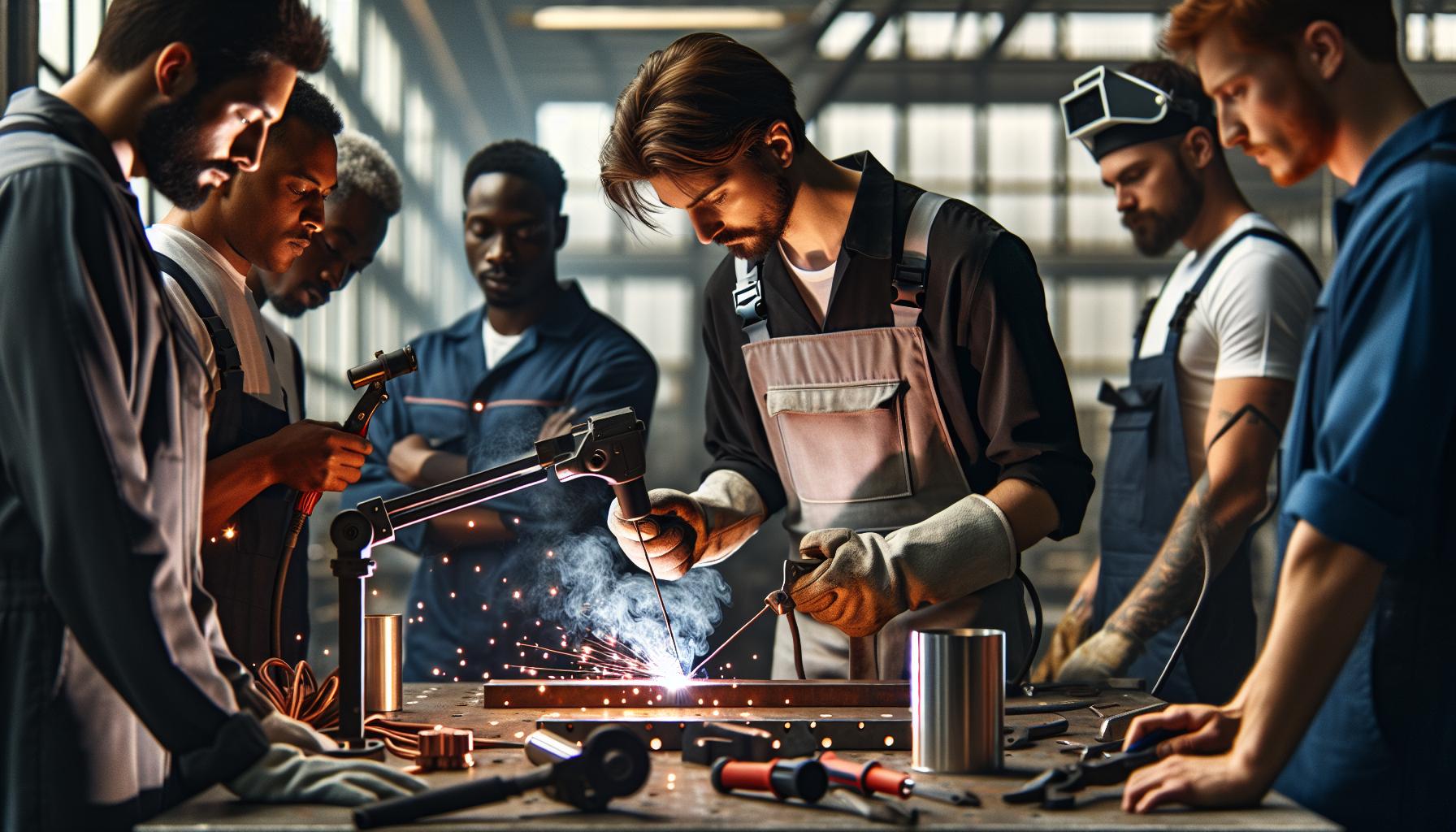
How to Identify Slag in Your Welds
Identifying slag in your welds is essential to ensuring the quality and performance of your finished projects. Slag can manifest as a hard, glass-like coating that forms on the surface of a weld bead after the metal has cooled. If not removed properly, this residual material can lead to problems such as reduced weld strength, compromised aesthetics, and increased susceptibility to corrosion. The first step in identifying slag is to observe the weld bead’s surface for any signs of irregularity; a well-executed weld should appear smooth and shiny, while excessive slag often results in a rough or dull texture.
In different welding processes, the appearance and characteristics of slag can vary significantly. For instance, in stick welding (SMAW), slag usually accumulates on top of the weld due to the melting flux coating of the electrode. This type of slag can appear lighter or thicker, depending on the electrode used. In contrast, MIG welding typically produces little to no slag, though those using flux-cored wire may notice some residue. It’s essential to differentiate this from other materials, such as spatter, which may emerge from the welding process but does not serve the same protective function as slag. Inspecting the color of the slag can also assist in identification; for example, many flux-cored wires produce a black or dark grey slag that is more visible against the weld’s metallic sheen.
Once you’ve identified the presence of slag, you’ll want to assess how deeply it’s embedded in the weld. Slag can sometimes become fused with the weld metal, making removal more challenging. Inspecting the edges of the weld bead can provide clues; if slag appears to flow over the edges or create a “fuzzy” look on the weld surface, it’s a sign that thorough cleaning is needed. Tools such as wire brushes, chisels, or even specialized grinders can be used to remove slag, but caution is necessary to avoid damaging the underlying weld. In critical applications where weld quality is paramount, a visual inspection coupled with dye penetrant testing may be employed to ensure integrity and detect any concealed defects.
Ultimately, being adept at identifying slag not only enhances your craftsmanship in welding but also plays a crucial role in achieving strong, reliable joints. Regular training, practice, and attention to detail can elevate your ability to recognize and manage slag effectively, thus ensuring the durability and safety of your welded constructs.
Techniques for Effectively Removing Slag
Effectively removing slag from your welds is crucial for ensuring strong and reliable joints. Various techniques are employed, depending on the type of welding process used and the specific characteristics of the slag. The removal process is not just a matter of aesthetics; improper removal can lead to compromised weld integrity and reduced longevity.
One highly effective technique is the use of slag hammers. This tool is particularly useful in stick welding (SMAW) where slag tends to accumulate on the weld surface. By tapping the hardened slag with the hammer, you can break it away from the weld bead. For slag that is more stubborn or embedded within the weld, a chipping tool can be more effective. These tools allow for targeted removal without risking damage to the underlying metal.
Another method involves utilizing wire brushes. These are particularly effective for cleaning up the surfaces of completed welds and can vary in terms of bristle type to match the material being worked on. For carbon steel weldments, carbon steel wire brushes work best, while stainless steel brushes should be used on stainless steel welds. Additionally, angle grinders equipped with flap discs or grinding wheels can help manage tougher slag residues, especially on larger or more intricate projects where manual cleaning may prove inefficient.
Safety is paramount when removing slag, so it is imperative to wear protective gear, including gloves, safety glasses, and welding helmets, while working with tools that create flying debris or sparks.
Moreover, regularly inspecting the weld during the process can prevent excessive slag buildup in the first place. By maintaining a clean work environment and utilizing proper welding techniques, such as maintaining the correct angle and speed, you can reduce the amount of slag that needs to be removed post-welding. The combination of the right techniques and tools not only ensures a cleaner, more efficient welding process but also significantly enhances the overall quality of your work.
The Best Tools for Slag Removal: A Guide
When tackling the issue of slag removal in welding, choosing the right tools is crucial for ensuring not only aesthetic appeal but also the integrity of the weld. Various tools cater to different types of slag and welding processes, making it imperative for welders to have a comprehensive toolkit at their disposal. Below is a detailed guide on the best tools available for effectively removing slag.
Key Tools for Slag Removal
- Slag Hammers: Essential for stick welding (SMAW), slag hammers are designed to strike and break away hardened slag from welds. They come in various weights and designs, allowing for customization based on the specific job. Despite their simplicity, when used correctly, they can significantly enhance productivity during the cleaning process.
- Chipping Tools: For more stubborn slag, chipping tools are invaluable. These tools allow welders to target specific areas of slag accumulation without damaging the underlying weld. They are particularly useful in situations where slag forms a tight bond with the weld material, ensuring thorough cleaning.
- Wire Brushes: Perfect for finishing touches, wire brushes effectively clean up surfaces post-welding. The choice of bristle type is important, as the material (such as carbon steel or stainless steel) should match the welding material to prevent contamination.
- Angle Grinders: For more extensive cleanup tasks, angle grinders fitted with grinding wheels or flap discs can manage tougher slag residues effectively. They’re especially useful in larger projects or when dealing with intricate welds where manual cleaning becomes impractical.
Safety Considerations
When using any of these tools, safety should be a primary concern. Ensuring the use of appropriate personal protective equipment (PPE) including gloves, safety glasses, and helmets is critical. This is particularly important when using electric tools like angle grinders, which can generate flying debris and sparks.
Recognizing the type of slag you are dealing with, be it from MIG, TIG, or stick welding, can also assist in selecting the most effective removal tool. Regular cleaning and inspecting of your welds can prevent excessive slag buildup, making future projects easier and improving overall work quality. By investing in a combination of these tools, welders can streamline their workflows, ensure cleaner welds, and uphold high standards of craftsmanship.
Preventing Slag Formation During Welding
To achieve high-quality welds with minimal slag formation, understanding the factors that contribute to slag production is crucial. Slag, a byproduct that forms during the welding process, can significantly impact both the strength and appearance of a weld if not managed properly. By implementing a few strategies, welders can greatly reduce the likelihood of slag formation, leading to cleaner, more durable welds.
One of the primary methods for preventing slag buildup is to ensure optimal settings on your welding equipment. For example, when using MIG welding, adjusting voltage and wire feed speed to the appropriate levels for the material thickness and type is essential. Higher amperage settings can cause excessive heat, leading to increased slag. Conversely, if the settings are too low, the weld may not fuse adequately, also causing slag. Balancing these parameters allows for smoother and cleaner welds.
Choosing the right electrode or filler material is another critical factor. Each welding process has specific electrodes tailored to minimize slag. For instance, using low-slag flux-cored wires can help reduce buildup during flux-cored arc welding (FCAW). In TIG welding, using pure tungsten or thoriated electrodes enables cleaner arcs with less contamination, therefore producing less slag.
Additionally, maintaining a clean surface before welding cannot be understated. Any contaminants like oil, rust, or paint can lead to increased slag formation when melted into the weld pool. Prior to starting a project, cleaning the base materials thoroughly with a wire brush or grinder ensures a better bond during welding. Finally, proper technique plays a role in minimizing slag; maintaining a steady hand and consistent travel speed will help produce a more uniform weld and reduce the chances of slag entrapment.
By focusing on equipment settings, material choice, surface cleanliness, and welding technique, welders can effectively prevent slag formation. These proactive measures not only enhance the integrity of the weld but also reduce the time and effort spent on post-weld cleaning. Each of these considerations contributes to creating a more efficient and professional welding environment.
Slag vs. Spatter: Key Differences Explained
While welding, two common byproducts can lead to significant confusion: slag and spatter. Understanding the differences between these two phenomena is crucial for weld quality and process efficiency. While both arise during the welding process, they differ fundamentally in their composition, appearance, and implications for weld integrity.
Slag is primarily associated with arc welding processes such as Shielded Metal Arc Welding (SMAW) and Flux-Cored Arc Welding (FCAW). It forms when flux materials used in the welding electrodes or filler metals melt and solidify upon cooling, resulting in a crusty residue over the weld. This layer serves as a protective barrier, shielding the molten weld pool from atmospheric contamination while also helping to control cooling rates. Slag is often thick, opaque, and may require thorough removal post-welding to ensure proper bonding in subsequent passes or to achieve a clean finish.
On the other hand, spatter arises during processes like MIG welding and is defined as tiny droplets of molten metal that are expelled from the weld pool during the arc process. Spatter can occur due to improper voltage settings, excessive wire feed speed, or inadequate shielding gas coverage. These droplets can land on the surrounding areas and solidify quickly, creating unsightly marks that can detract from the visual appeal of the project. While spatter doesn’t typically compromise the weld integrity in the same way slag can, it still requires cleanup to achieve a professional finish.
### Key Differences in Appearance and Implications
- Composition: Slag is formed from melted flux, whereas spatter consists of molten metal droplets.
- Appearance: Slag appears as a thick, crusty layer that can vary in color and texture, whereas spatter consists of small, often shiny droplets scattered around the weld area.
- Impact on Weld Quality: While slag needs to be removed to prevent porosity or bonding issues in the weld, spatter mainly concerns aesthetics and surface preparation.
In practical terms, understanding these differences helps welders employ the right techniques to manage each byproduct. For example, effective slag removal techniques-including chipping, grinding, and wire brushing-are essential for maintaining weld integrity. Conversely, minimizing spatter can involve tweaking welding settings or selecting appropriate shielding gases. By addressing both slag and spatter appropriately, welders can achieve cleaner, stronger, and more visually appealing welds.
Impact of Slag on Weld Integrity and Strength
The presence of slag on a weld not only influences the appearance but also has significant implications for the weld’s integrity and strength. When slag is not adequately removed, it can lead to various defects that undermine the bond between the base materials. For example, if slag is left on the surface, it can cause porosity-tiny gas pockets trapped within the weld-which weakens the overall structural integrity. This is particularly critical in applications requiring high strength or in industries such as aerospace and construction, where safety hinges on the reliability of welded joints.
Slag also plays a protective role during the cooling phase of the weld. While it helps shield the molten metal from atmospheric contaminants, any remnants left on the weld can impede solidification or lead to inclusions, whereby bits of slag become trapped within the weld metal itself. This compromises the mechanical properties of the weld, making it susceptible to cracking and failure under stress. In processes like Shielded Metal Arc Welding (SMAW) or Flux-Cored Arc Welding (FCAW), improper management of slag can result in a brittle weld, which is detrimental when considering the metal’s load-bearing capacity.
To ensure a robust and reliable weld, it is paramount to develop effective techniques for slag removal. Chipping, grinding, and wire brushing are commonly employed methods that help achieve a clean surface before any further welding passes. Integrating these techniques into the workflow not only enhances the aesthetic quality of the final product but also fortifies the durability of the weld. Beyond just mechanical removal, understanding the cooling rate and timing during the welding process can significantly reduce the amount of slag formed, emphasizing the importance of technique and quality control in welding practices.
Ultimately, the impact of slag on weld integrity is multifaceted, influencing both the mechanical properties and the aesthetic finish of the weld. Welding professionals must remain vigilant regarding slag removal to ensure the longevity and safety of their welded structures. Regular training and an understanding of the welding process, including its byproducts, bolster the effectiveness of welders in maintaining high standards in their work.
Safety Protocols for Working with Slag
The presence of slag in welding operations necessitates strict adherence to safety protocols. Slag can be hazardous, not just as a byproduct of the welding process but due to the conditions surrounding its removal. When working with various types of welding, including MIG, TIG, stick, and flux core, there are essential practices every welder should follow to minimize risks and ensure a safe working environment.
First and foremost, personal protective equipment (PPE) is a must. This includes heavy-duty gloves, helmets with appropriate shading, safety glasses, and flame-resistant clothing. Always ensure that your work area is well-ventilated to reduce the inhalation of harmful fumes and gases that can be released during the melting and cooling of slag. A good ventilation system or the use of fume extractors can significantly mitigate these dangers.
When it comes to the physical handling of slag, proper tool usage is critical. Chipping hammers, wire brushes, and grinders should be used with caution. Ensure that these tools are in good working condition and appropriate for the material being worked on. Always check the manufacturer’s guidelines for specific safety instructions related to equipment. Additionally, a proper disposal method for slag residues must be established. Slag can remain hot for a significant period after welding; thus, it should be placed in designated, non-combustible containers to prevent fire hazards.
Another important consideration is the work environment. Maintain a clean and organized workspace to avoid accidents. Keep flammable materials away from welding areas, and ensure all tools are easily accessible. Regularly inspect the work area for hazards-such as trip hazards or improperly stored materials-and address these issues promptly. Awareness of your surroundings can prevent injuries from unexpected hazards, including falling slag or misplaced tools.
In summary, vigilant safety protocols when working with slag not only protect the welder but also contribute to a more efficient and productive welding operation. By implementing these practices-proper PPE, tool maintenance, safe handling of slag, and maintaining a clean work environment-welders can minimize risks and focus on producing high-quality work.
Common Mistakes in Slag Handling and Removal
In the world of welding, poor slag management can lead to serious issues, not only affecting the final quality of your work but also impacting safety. One of the most common mistakes welders make is underestimating the importance of timely slag removal. Waiting too long to remove slag can result in it becoming fused to the weld bead, making it significantly harder to clean off and potentially compromising the integrity of the weld. Additionally, applying excessive force when chipping away at slag can lead to damage to the underlying weld, which is counterproductive to achieving a strong bond.
Another frequent oversight involves ignoring the compatibility of tools and techniques with the type of welding being performed. For instance, some welding processes like flux-cored arc welding produce different types of slag compared to MIG or TIG welding. Using an inappropriate tool-such as a wire brush meant for steel on aluminum welding-can yield poor results and may even scratch the weld surface, negatively affecting its appearance and tapering the joint strength. Welders should strive to use specialized tools designed for the specific materials and processes they are working with to ensure effective slag removal.
Moreover, personal protective equipment (PPE) is often neglected during the cleanup process. Many welders remove their gloves or goggles after welding is complete, putting themselves at risk while handling hot slag fragments. Proper PPE should always be worn, as hot slag can cause severe burns and other injuries. A proactive approach involves integrating safety checks into every step of the welding and cleanup process, thereby ensuring that the welder remains protected from hazards associated with slag handling.
Finally, fostering a clean and organized workspace is a crucial yet frequently overlooked factor. Many welders find themselves working in cluttered environments, which can lead to accidents involving hot slag or equipment. Regularly tidying up the workspace and creating designated areas for tools can vastly improve efficiency and safety, allowing for a smoother workflow and reducing the likelihood of errors associated with mishandling tools or slag itself. Adopting these best practices not only enhances the quality of your welds but also cultivates a safer working environment.
Advanced Tips for Pro-Level Slag Management
Managing slag in welding is not merely an afterthought; it’s a critical component that can determine the quality and integrity of your welds. Advanced welders understand that mastering slag management goes beyond basic removal techniques. By employing strategies tailored to specific welding processes and materials, you can enhance your efficiency and the overall performance of your welds.
One of the most effective practices is to anticipate slag behavior based on the welding technique used. For example, in flux-cored arc welding (FCAW), slag can vary greatly in thickness and composition compared to metal inert gas (MIG) or tungsten inert gas (TIG) welding. Recognizing these differences allows welders to select the appropriate tools and removal techniques. A low-hydrogen stick electrode in shielded metal arc welding (SMAW) produces a heavy slag layer that requires a specialized chipping hammer and wire brush designed specifically for that electrode type. Having an arsenal of tools tailored to the process and materials will streamline your processes.
Maintaining optimal heat settings can significantly affect slag formation. During welding, excessively high temperatures can create more slag than necessary, complicating cleanup efforts. Adjusting your heat settings based on the thickness and type of metal can help minimize slag buildup. For instance, when working with aluminum, a cooler weld can result in finer control and less slag, thus preserving more of the material’s integrity.
Routine Inspection and Adjustment
After each welding project, conduct a thorough inspection of your equipment and materials. Over time, nozzle wear, improper gas flow, or contaminated electrodes can lead to increased slag production. Regularly replace or clean your equipment-such as checking torch nozzles for buildup or ensuring gas flow meters are adjusted correctly. Additionally, consider implementing scheduled clean-up intervals during larger projects to manage slag removal proactively.
Finally, maintaining a clean workspace is paramount. A tidy environment minimizes the risk of accidents caused by hot slag and promotes efficiency. Keep a close watch on your work area and set up designated zones for tools and materials. This habit not only protects you from potential hazards but also streamlines access to tools when it’s time to manage slag.
Through these advanced slag management techniques, welders can elevate their craft. Understanding specific slag behaviors, tooling up accordingly, managing heat settings, committing to regular inspections, and maintaining a clean workspace are some of the best practices that will pay dividends in quality and safety for any welding operation.
Understanding Slag’s Role in Different Welding Processes
In the diverse landscape of welding processes, the formation and management of slag play a crucial role in achieving optimal weld quality. Slag is a byproduct of various welding techniques, serving both protective and structural purposes. Understanding how slag behaves in different welding applications-such as Metal Inert Gas (MIG), Tungsten Inert Gas (TIG), Shielded Metal Arc Welding (SMAW), and Flux-Cored Arc Welding (FCAW)-is essential for ensuring successful welds.
In MIG welding, slag is generally minimal as the process utilizes a continuously fed wire electrode shielded by an inert gas, producing a clean weld with limited slag production. However, when using flux-cored wires, slag can be more pronounced. The flux embedded in the wire creates a layer of slag that protects the molten weld pool from contamination, although it adds to the cleanup process post-welding. Effective management strategies include adjusting the welding speed and angle, which can influence the amount and behavior of slag.
In contrast, TIG welding is characterized by its use of a non-consumable tungsten electrode, and as a result, slag production is minimal. The process relies heavily on a shielding gas that keeps the weld zone free from oxidation. However, when using filler rods, particularly those with coatings, some minimal slag can still occur, requiring diligence in weld cleanliness. Maintaining a consistent arc length and adjusting the heat input can help control any incidental slag in TIG applications.
SMAW, often referred to as stick welding, significantly showcases the complexities of slag. The flux coating on the electrode burns off during welding, creating a layer of slag that provides a protective barrier but also requires thorough removal. Properly adjusting the welding currents and angle will facilitate better slag management, ensuring that the weld is clean and strong. Use of suitable tools, such as dedicated chipping hammers and wire brushes, becomes indispensable here to ensure that the underlying weld is fully exposed and free from contaminants.
FCAW presents a unique challenge as it involves both the benefits and drawbacks of slag in its operation. Depending on the type of flux core used, slag can vary in thickness and composition, which can significantly affect weld integrity. Understanding the specific characteristics of the flux core being used enables welders to tailor their cleanup techniques effectively. Regular inspection and maintenance of equipment, including nozzle cleanliness and gas flow rates, will help mitigate excessive slag production.
By tailoring the approach to slag management according to the specific welding process, welders can enhance the quality of their work, minimize cleanup time, and ensure structural integrity. As techniques evolve and materials vary, continuous learning and adaptation become key to professional success in the field of welding.
Frequently asked questions
Q: What causes slag in welding?
A: Slag is formed during welding due to the reaction of flux with the molten metal and impurities. It acts as a protective layer over the weld pool but can lead to defects if not properly managed. Understanding this process is crucial for maintaining weld integrity.
Q: How do you know if slag has affected your weld?
A: Signs that slag has negatively impacted your weld include a rough surface finish, weak or brittle areas, and lack of penetration. Inspecting the weld visually and using non-destructive testing methods can help identify these issues effectively.
Q: Can slag be reused after removal?
A: Generally, slag should not be reused as it can contain impurities and incorporate unwanted characteristics into new welds. It’s essential to dispose of it properly and maintain clean working conditions for best results.
Q: What safety measures should I take when removing slag?
A: Always wear appropriate personal protective equipment (PPE) such as gloves, goggles, and a face shield when removing slag. Ensure proper ventilation in the workspace to avoid inhaling fumes and consider using tools designed for safe slag removal.
Q: How often should slag removal be performed during welding?
A: Slag removal should be done after each weld pass to ensure proper fusion and quality in multi-pass welds. Regular removal helps maintain a clean working area and prevents contamination of subsequent layers.
Q: What is the best time to remove slag from a weld?
A: Slag should ideally be removed when the weld cools to a manageable temperature but is still warm enough to allow for easier removal. This typically happens within a few minutes after welding, depending on the material and environment.
Q: How can you prevent slag from forming during welding?
A: To minimize slag formation, ensure good cleaning of the base metal, use proper welding techniques, and choose the right type of flux for the welding process. Adjusting welding parameters like speed and temperature also helps reduce slag creation.
Q: What tools are essential for effective slag removal?
A: Essential tools for slag removal include wire brushes, chisels, and grinders. For larger projects, consider using power tools like angle grinders or dedicated slag removal devices. Always choose tools suited for the specific welding material and process.
Insights and Conclusions
Understanding slag in welding is vital for achieving high-quality results, and removing it effectively is crucial for both your safety and the integrity of your welds. By mastering techniques to tackle slag, you can enhance the finish of your work and reduce the need for rework. Don’t wait-apply these insights to your next project and see the difference it makes!
For further learning, check out our articles on MIG and TIG welding techniques, as well as safety protocols to keep in mind while working. If you’re ready to take your skills to the next level, consider subscribing to our newsletter for expert tips and updates. Join our community of welders by sharing your experiences or questions in the comments below, and let’s continue the conversation!


