

Welding brass can be both a challenging and rewarding skill for any metalworker. Known for its exceptional corrosion resistance and aesthetic appeal, brass is used in everything from musical instruments to decorative fixtures. However, its unique properties require specialized techniques for effective joining. Whether you’re looking to create intricate designs or repair brass components, understanding the right approach to weld this alloy is crucial. With methods like TIG and MIG welding tailored to brass’s distinct melting points and characteristics, mastering this metal opens new doors for creativity and functionality in your projects. Dive in as we explore essential tips, techniques, and safety protocols to help you confidently weld brass like a pro.
Understanding Brass: Properties and Challenges
Brass, a versatile alloy primarily made of copper and zinc, presents unique properties and challenges for welders. Known for its excellent corrosion resistance, acoustic properties, and aesthetic appeal, brass is widely used in various applications ranging from musical instruments to plumbing fixtures. However, the distinct characteristics of brass also complicate the welding process. For instance, brass has a relatively low melting point, which makes it susceptible to overheating and burn-through during welding. This can lead to weak joints and even warping of the material, necessitating careful temperature control.
When welding brass, the alloy’s composition plays a crucial role in determining the appropriate technique and filler materials. Different brass grades exhibit varied mechanical properties, which can affect how they respond to welding. For example, high-zinc brass with more than 35% zinc tends to develop zinc vapor during welding, leading to porosity and poor weld quality. To overcome these challenges, welders must select the right approach-MIG and TIG are the most commonly used methods for this metal, each with its advantages depending on the application and desired finish.
Successful welding of brass also demands attention to surface preparation. Oils, oxides, and contaminants can hinder the welding process, so thorough cleaning with solvents or mechanical methods is essential. Additionally, preheating the brass components can help reduce stress and minimize the risk of cracking, further emphasizing the need for careful preparation and execution. By understanding the properties and challenges of brass, welders can enhance their skills and produce durable, high-quality welds that stand the test of time.
Essential Tools and Equipment for Brass Welding
To successfully weld brass, having the right tools and equipment is essential for achieving strong, high-quality joints. Brass, an alloy of copper and zinc, requires specific parameters and setups during the welding process because of its unique properties, such as low melting point and susceptibility to cracking. Here’s an overview of essential tools and equipment that will enhance your brass welding capabilities.
A reliable welding machine is the cornerstone of any brass welding workshop. For brass welding, TIG (Tungsten Inert Gas) welding is often recommended due to its precise control of heat input, making it ideal for thinner materials and detailed work. The TIG welder should be equipped with a high-frequency arc start feature, which minimizes contamination during the welding process. If you opt for MIG (Metal Inert Gas) welding, ensure your machine is capable of handling the specific settings and wire feed speeds suitable for brass.
Also critical to your setup is the filler metal used in conjunction with your welding method. ER CuZn (copper-zinc) filler rods are particularly effective for TIG welding brass; consult with your supplier to choose a filler that matches the specific type of brass you’re working with. Proper where the stinger or torch is adapted for the electrode size to ensure a stable arc can prevent overheating and maintain joint integrity.
In terms of safety and preparation, strong personal protective equipment (PPE) is vital. This includes gloves resistant to heat and chemicals, safety goggles or a face shield to protect against UV light and sparks, and appropriate clothing to shield against high temperatures. Ensure your workspace is an organized environment, with appropriate ventilation to mitigate exposure to harmful fumes produced during welding, especially from zinc vapor.
Lastly, consider investing in cleaning tools. Effective surface preparation is critical for brass welding success; contaminants like oil and oxidation can compromise your weld. Using solvents, wire brushes, and steel wool can help prepare brass surfaces before you weld. Additionally, a high-quality tack welder can help hold pieces together accurately before final welding, ensuring alignment and minimizing distortion.
In conclusion, equipping your workspace with the appropriate tools and equipment will not only facilitate a smoother brass welding process but also improve the quality and durability of your welds, enabling successful and fruitful projects.
MIG vs. TIG: Which Welding Technique to Use for Brass?
When it comes to welding brass, you are typically faced with a choice between MIG (Metal Inert Gas) and TIG (Tungsten Inert Gas) techniques. Each method has its distinct advantages, but when soldering brass, the specific characteristics of the metal can heavily influence the outcome. Brass, known for its lower melting point and the potential for cracking, calls for techniques that manage heat and control.
TIG welding excels in situations where precision is paramount. It allows for meticulous heat control and works best with thin materials, making it a top choice for intricate brass components. The ability to maintain a stable arc reduces the risk of warping or damage, which is vital given brass’s susceptibility to distortion at elevated temperatures. In many professional applications, TIG’s cleaner welds are prized for not requiring additional filler metals, particularly when using rods that are compatible with specific brass alloys.
On the other hand, MIG welding provides its own set of advantages, especially for larger or thicker sections of brass where speed and efficiency are key. MIG machines are generally easier to operate and may boost productivity due to faster travel speeds. However, welders must be cautious with heat output; too much can lead to burn-through or poor weld quality. The selection of suitable filling material, like ER CuZn rods for compatibility with different brass types, is essential to avoid compromising strength.
In practice, the choice between MIG and TIG may boil down to the specific requirements of your project-delicate or detailed work leans towards TIG for its finesse, while larger-scale applications may benefit from the rapid execution that MIG offers. Ultimately, understanding the inherent properties of brass and the capabilities of each welding technique will guide you toward achieving the best results for your welding endeavor.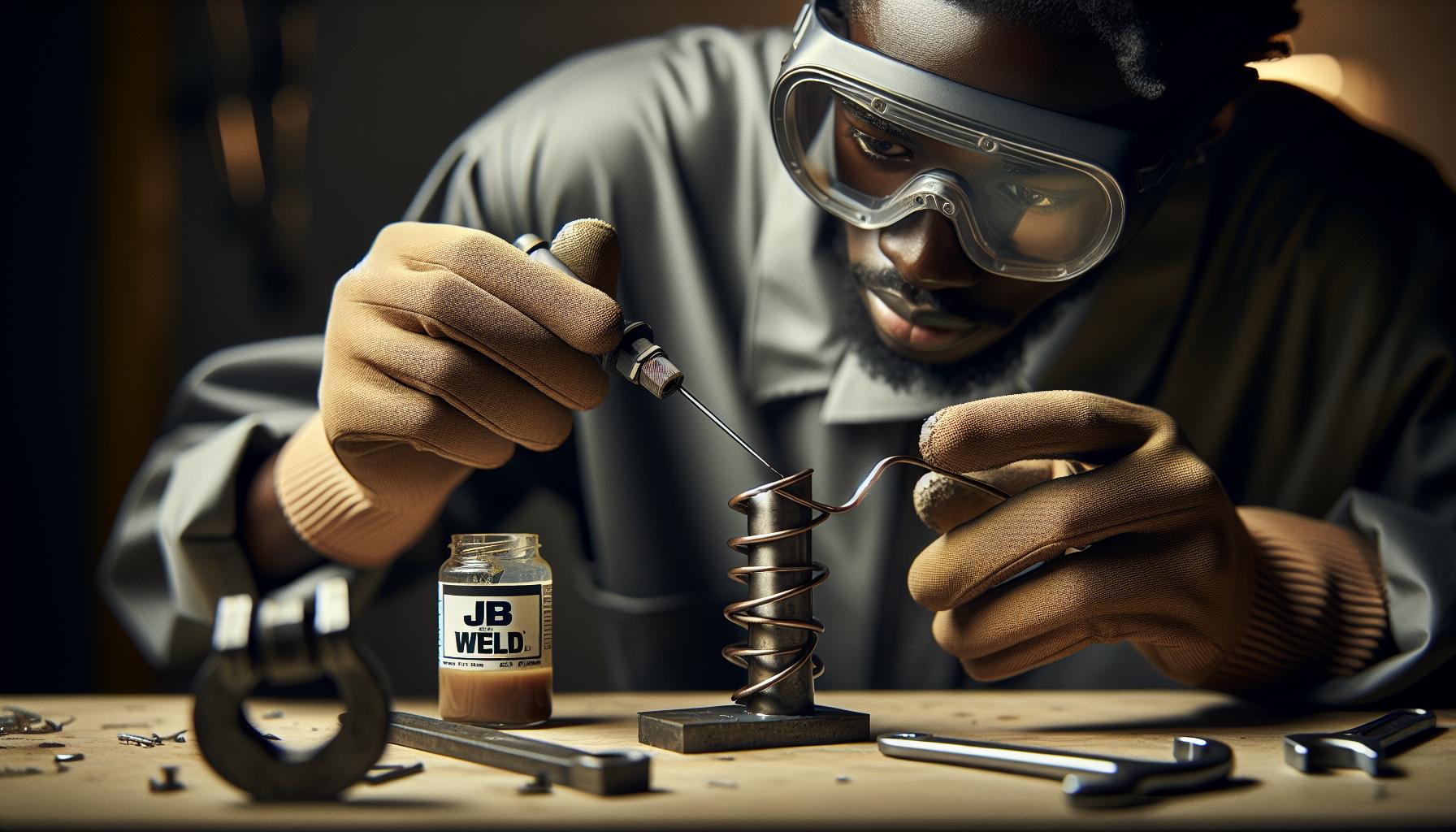
Step-by-Step Guide: Preparing Brass for Welding
When preparing brass for welding, meticulous attention to detail can significantly affect the effectiveness and quality of the final weld. Brass, a metal with a relatively low melting point, requires specific handling to ensure structural integrity and prevent cracking during the welding process. An essential first step in preparation involves cleaning the brass components thoroughly. Any contaminants, such as grease, dirt, or oxidation, can impair the welding process and lead to weak joints. Utilize a suitable solvent, like acetone or alcohol, to wipe down the areas to be welded. Additionally, using a wire brush or dedicated brass cleaner can help eliminate oxidation and prepare a clean surface.
Once the surface is clean, it’s crucial to check for proper fit-up. Ensure that the edges of the brass components align correctly and maintain consistent spacing. This is particularly important when welding fillet joints, where the weld needs to penetrate properly between the pieces. In many cases, clamps can be used to secure the pieces in place, preventing movement during welding. A proper fit not only aids in achieving a solid weld but also reduces the risk of distortion during heating.
Next, consider the heat management aspect of the welding process. Given brass’s tendency to expand and contract with temperature fluctuations, pre-heating the material can help minimize issues related to warping or cracking. Pre-heating the joint area to around 300°F can facilitate a more controlled fusion. Be cautious not to overheat or melt the brass, as this could lead to undesirable changes in material properties.
Lastly, selecting the right filler material is paramount. Depending on the specific alloy of brass being welded, choose a filler rod that complements it for optimal compatibility. Filler rods such as ER CuZn or CuZn alloy rods may provide strength and durability in the weld. Prior to welding, ensure you have your equipment prepared and tested, including checking gas flow rates and ensuring all connections are secure. By meticulously following these preparation steps, you’ll set a strong foundation for a successful welding operation, addressing potential problems before they arise and leading to superior results.
Welding Brass: Techniques for Successful Joints
Welding brass is a unique challenge that requires understanding the specific characteristics of this versatile alloy. To achieve successful joints, it’s crucial to adopt techniques that cater to brass’s particular melting point and thermal expansion properties. Whether you’re working on intricate musical instruments or robust industrial components, mastering these techniques will ensure strong and durable welds.
Understand the Welding Method
Choosing the right welding method is fundamental when working with brass. While TIG (Tungsten Inert Gas) welding is often preferred due to its ability to produce clean, precise welds without excessive heat build-up, MIG (Metal Inert Gas) welding can also be effective, especially for thicker sections of brass. Ensure that you adjust the parameters; for instance, use a lower voltage on your machine to prevent burn-through and distortion, typical with brass due to its high thermal conductivity.
Heat Management
One of the critical aspects of welding brass is managing heat effectively. Because brass can easily warp or crack if overheated, it’s essential to apply a general rule: short bursts of heat followed by cooling periods. This tactic helps in maintaining the integrity of the metal while allowing sufficient fusion. In situations where heat can cause distortion, using proper heat sinks or preheating small sections of the brass can promote better results.
Choosing the Right Filler Material
Another vital technique is the selection of the appropriate filler material. Using a filler rod that matches the base metal composition is crucial for ensuring compatibility. Common choices for brass include ER CuZn and other copper-zinc alloys, which create a seamless transition between the weld and the brass pieces. This decision affects not just the strength of the joint, but also the appearance and corrosion resistance of the final product.
Aiming for consistent and steady moves during the welding process will also prevent overheating and undercutting. Practice controlling the torch angle and manipulate the filler rod smoothly into the molten puddle to avoid introducing contamination or causing an uneven joint.
By incorporating these techniques-selecting the proper welding method, managing heat effectively, and using compatible filler materials-welders can ensure strong, high-quality joints in their brass projects. Understanding and mastering these elements transforms the challenge of welding brass into an achievable skill.
Troubleshooting Common Brass Welding Issues
Welding brass can be a rewarding yet challenging endeavor, as this metal is prone to various issues during the welding process. Understanding these common problems-and their solutions-can make a significant difference in achieving strong and aesthetically pleasing welds.
One common issue faced during brass welding is porosity, characterized by small holes or voids in the weld. This problem often arises from contamination, such as the presence of old paint, oil, or even moisture on the surface of the brass. To combat porosity, it’s critical to thoroughly clean the brass beforehand using a solvent or a wire brush. Additionally, ensuring that your shielding gas is correctly set and free from impurities can help maintain a clean weld. Using a filler rod that closely matches the base metal can also minimize the risk of contamination.
Another frequent challenge is inconsistent penetration, which can result in weak weld joints. This can occur if the heat source is insufficient or if there are issues with travel speed. When using TIG welding, adjusting the amperage settings is vital; a higher amperage can facilitate deeper penetration but may also lead to burning through the material. Conversely, for MIG welding, ensure that the wire feed speed and voltage settings are optimized for the thickness of the brass.
Warpage is another issue that welders often encounter, especially when working with thinner sections of brass. This can be mitigated by using stitch welding or short bursts of heat rather than a continuous bead, allowing the material to cool and reduce the risk of deformation. Utilizing heat sinks or clamps during the process may also help control movement caused by thermal expansion.
Lastly, cracking can occur if the brass is overheated or if the stress distribution is uneven once the weld cools. To avoid this, it is important to manage heat effectively, using controlled bursts and allowing adequate cooling periods. Hot cracking can also be prevented by ensuring proper joint design and alignment, which helps in distributing stress evenly across the weld.
Addressing these common welding issues will not only enhance the quality of your brass work but will also contribute to developing a deeper understanding of how to effectively manipulate this unique metal. With practice and attention to detail, achieving exceptional results in brass welding can become a gratifying reality.
Safety Best Practices for Welding Brass
Welding brass presents unique challenges that come with specific safety risks. Understanding the importance of safety protocols in this process cannot be overstated. The high temperatures associated with welding can lead to the release of harmful fumes, and if not carefully navigated, the process can result in injuries related to burns or gas exposure. Therefore, implementing safety measures not only protects the welder but also ensures a quality finished product.
Before starting any welding project, ensure you’re wearing appropriate personal protective equipment (PPE). This includes a heavy-duty welding helmet with a suitable shade lens to protect your eyes from harmful radiant energy, gloves made of fire-resistant material to shield your hands from heat, and flame-retardant clothing to safeguard your skin. It’s equally important to ensure adequate ventilation in your workspace. Fumes generated during brass welding may contain harmful zinc oxide, especially if you’re working with zinc-rich alloys. Use local exhaust ventilation or work outdoors to minimize inhalation risks.
Pre-Welding Preparation
Proper preparation is crucial for safety. Always inspect your equipment before use. This includes checking for leaks in gas lines, ensuring gas regulators are functioning, and verifying that your welding machine settings match the materials being welded. Be wary of flammable materials nearby; keep your workspace tidy and clear of any debris that could ignite.
Maintaining a safe distance from other workers during your welding operations is essential. If possible, use barriers or curtains to shield other workers from welding arcs and sparks.
During the Welding Process
When welding brass, controlling your heat application is critical. Brass is prone to cracking if it’s overheated. Use short weld bursts and allow for adequate cooling times, which helps manage heat and reduces risks associated with thermal stress. If you notice any sparks or debris accumulating, stop the process immediately to clear the area rather than risk an ignition if flammable materials are present.
Lastly, be aware of the signs of fatigue, dizziness, or any respiratory distress while welding. These may indicate poor ventilation or overexposure to fumes. Always prioritize your well-being, and take regular breaks in a fresh air environment to ensure you remain alert and safe throughout your welding tasks.
By adhering to these safety best practices while welding brass, you not only protect yourself but also contribute to a safer working environment for everyone involved. Engaging in proper preparatory actions, maintaining adequate safety gear, and prioritizing ventilation can significantly mitigate the risks associated with this rewarding but challenging metal.
Post-Weld Finishing: Cleaning and Polishing Brass
Successfully welding brass isn’t just about making strong joints; it also involves ensuring that the finished product looks its best and performs well. Post-weld finishing-cleaning and polishing-is critical for removing oxidation, slag, and any impurities, significantly enhancing the overall appearance and durability of the brass. Proper finishing not only improves aesthetics but can also prevent corrosion and extend the life of the component.
To begin the cleaning process, it’s essential to use a suitable solvent and method tailored to brass. Typically, a mixture of warm water and mild detergent is effective. Gently scrub the welded area with a soft brush or cloth to remove any residual flux, oils, or grime. For tougher spots, a non-abrasive cleaner specifically designed for brass can be employed. Avoid using harsh chemicals or abrasive materials that can scratch or chemically react with the brass, damaging the surface finish.
Once cleaned, polishing the brass is the next vital step to restore its natural luster. Polishing can be achieved using various techniques, including the use of a rotary tool with a suitable buffing wheel. You can apply a brass polish or a dedicated metal polishing compound to the surface before buffing. This process not only brightens the metal but also aids in protecting it from oxidation and tarnishing. For intricate designs or tight corners, a soft cloth can be utilized to gently buff those areas by hand, ensuring that all surfaces are equally polished.
Key Considerations in Post-Weld Finishing
- Ventilation: Ensure that the workspace is well-ventilated when using solvents and polishes to avoid inhaling harmful fumes.
- Personal Protective Equipment (PPE): Always wear appropriate PPE, such as gloves and safety goggles, to protect against chemicals and debris during the cleaning process.
- Final Inspection: After polishing, inspect the weld for any imperfections or flaws that may require additional treatment. A final polish or touch-up can make a substantial difference in the appearance and integrity of the work.
Emphasizing proper post-weld finishing techniques not only ensures a visually appealing result but also enhances the function and longevity of the welded brass components. With meticulous attention to detail in cleaning and polishing, even beginner welders can achieve professional-looking outcomes that stand the test of time.
Advanced Techniques: Filler Materials and Heat Control
Achieving successful welds in brass requires not only the right technique but also an understanding of how to control heat and select appropriate filler materials. Due to brass’s unique properties and its tendency to become brittle at high temperatures, meticulously managing heat input is crucial for preventing defects such as cracks or distortion in the final weld. This is where the expertise in controlling both the welding process and the selection of filler materials comes into play.
When welding brass, utilizing the correct filler material can significantly influence the quality and strength of the weld. Common choices include ER70S-2 for TIG welding and various copper-zinc alloys specially formulated for use with brass. These fillers are designed to bond well with the base metal while providing ductility and strength. For example, using a filler material with a zinc percentage similar to that of the base material can help ensure compatibility and minimize issues such as zinc loss during the welding process, which can lead to weakened joints.
Heat control is just as important as the filler material selection. For brass, it’s often recommended to keep the heat input lower than that used for welding steel to avoid excessive overheating. Techniques such as short weaving movements or using a pulse setting in TIG welding can distribute heat more evenly and minimize the risk of warping. Additionally, preheating the workpieces to a range between 250°F to 350°F can help reduce thermal shock when the weld is introduced, improving the overall integrity of the joint.
In summary, mastering how to effectively combine the right filler materials with precise heat control techniques is essential for welding brass. Adopting these advanced techniques not only enhances the quality of the weld but also optimizes the performance and longevity of the brass components being joined. Each project will present unique challenges, but with careful consideration and practice, welders can achieve robust and aesthetically pleasing results in their brass welding endeavors.
Real-World Applications of Brass Welding
Brass welding finds its place in a variety of industries, showcasing its versatility and unique properties. This copper-zinc alloy is known for its favorable thermal and electrical conductivity, resistance to corrosion, and aesthetically pleasing golden hue. These characteristics make brass an ideal material for a multitude of applications where both strength and visual appeal matter.
One of the primary is in the manufacturing of musical instruments, such as trumpets, trombones, and saxophones. The excellent acoustic properties of brass enhance sound quality, making it a preferred choice among instrument makers. Here, welders must employ precision techniques to join intricate parts while maintaining the integrity of the alloy’s sound characteristics.
In the automotive industry, brass is commonly used for components like fittings, radiators, and heat exchangers, where its corrosion resistance and thermal conductivity are crucial. Brass welds provide strong joints that can withstand the stresses of high-temperature environments, ensuring longevity and durability. Properly executed welding techniques minimize heat distortion, which is vital in parts subject to frequent temperature changes.
Brass is also prevalent in plumbing applications, particularly for fixtures such as faucets and valves. These components require reliable seals and joints to prevent leaks and withstand pressure. Welding is often used to repair or reinforce brass fittings, allowing for easy maintenance and replacement without the need for complete unit replacement.
Moreover, the decorative arts rely heavily on brass for items like lighting fixtures, picture frames, and antiques. The aesthetic appeal of polished brass often necessitates welding for assembling various shapes and designs. Welders working on these projects must pay close attention to both structural integrity and visual finish, using methods like TIG welding to ensure clean, smooth seams that enhance the piece’s overall beauty.
In summary, the applications of brass welding are diverse and abundant, spanning music production, automotive manufacturing, plumbing, and decorative arts. Mastery of welding techniques not only ensures functional strength and durability in these products but also enhances their visual appeal, making skilled brass welding an invaluable asset in many sectors.
Expert Tips from Professional Welders on Brass Projects
Welding brass, while rewarding, presents its unique challenges due to the metal’s heat sensitivity and propensity for cracking. Experienced welders emphasize the significance of proper pre-weld preparation. Cleaning brass components thoroughly to remove oils, oxidation, and dirt is essential. This not only ensures good penetration of the weld but also minimizes the risk of impurities causing defects. A wire brush or dedicated brass cleaner can be effective, but avoid abrasive materials that might scratch the surface, as these can affect the finished appearance.
When it comes to technique selection, TIG welding stands out as the preferred method for joining brass. It allows for precise control over heat input, critical for minimizing distortion and preventing overheating. Welds should be performed with a low amperage to avoid burning through the material. A common practice is to use a filler rod that matches the composition of the brass being welded; this ensures compatibility and strength in the joint. For thicker sections, welders often recommend using a gas lens on the TIG torch, which improves gas coverage and reduces turbulence, creating a better quality weld.
In addition to equipment, the choice of filler material is paramount. Solid brass filler rods are ideal for achieving strong bonds, but when working with high-Zn brass, zinc-rich filler rods can prevent voids and enhance the weld’s integrity. Keep in mind that managing the heat throughout the welding process is crucial; maintaining a steady travel speed and allowing the piece to cool naturally helps prevent distortion and cracks.
Lastly, it is vital to adhere to safety best practices. Always wear appropriate personal protective equipment, including gloves, goggles, and a respirator if necessary. Brass welding can produce harmful fumes, so ensure adequate ventilation is in place. Regularly check your equipment for any signs of wear, as reliable machinery is essential to achieving the best results. By following these tips, welders can enhance their skill and efficiency in tackling brass projects, producing both strong and aesthetically pleasing results.
Exploring Alternatives: When to Choose Other Metals Over Brass
Choosing the right material for a welding project goes beyond just personal preference; it often hinges on the specific demands of the application, environmental conditions, and mechanical properties required. While brass welding offers its own set of advantages, there are scenarios where other metals may be more suitable. For instance, aluminum is favored in applications where lightweight structures are critical, such as in the aerospace and automotive industries. Its excellent strength-to-weight ratio, corrosion resistance, and good electrical conductivity make it a prime candidate over brass when weight savings are paramount.
Copper is another metal that can sometimes replace brass due to its superior thermal and electrical conductivity. In electronics and plumbing, copper is often preferred since it is less prone to corrosion and offers better performance in applications involving heat dissipation. Unlike brass, which can oxidize, copper maintains its properties under extreme conditions, making it ideal for high-temperature environments.
In situations where the strength and durability of welded joints are crucial, steel, particularly carbon steel or stainless steel, may be the ideal choice. These metals possess higher tensile strength and yield strength compared to brass, making them appropriate for structural applications like building frameworks and machinery. Steel welding techniques also benefit from established practices and more accessible filler materials, allowing welders to achieve consistent results and an extensive range of joint configurations.
Finally, cost considerations can influence the decision to use alternative metals. Aluminum and steel tend to be more readily available and often less expensive than brass, making them attractive options for budget-sensitive projects. For welders, this means balancing the material cost with the overall performance requirements of the application to ensure both efficiency and effectiveness without compromising quality.
Ultimately, understanding when to opt for other metals instead of brass requires careful consideration of the project’s objectives, environment, and mechanical expectations. Engaging with the versatile characteristics of each metal ensures the right choice is made, promoting structural integrity and reliability in the final product.
Q&A
Q: What are the key properties of brass that affect welding?
A: Brass is a copper-zinc alloy known for its low melting point and high thermal conductivity. These properties can lead to issues such as warping and burn-through during welding. Understand these characteristics to select appropriate techniques and avoid defects.
Q: Why is brass welding considered challenging?
A: Brass welding is challenging due to its susceptibility to cracking and porosity, which can arise from the rapid heating and cooling cycles. Proper heat control and filler material selection are crucial to overcoming these challenges effectively.
Q: What safety precautions should I take when welding brass?
A: When welding brass, always wear appropriate personal protective equipment (PPE), such as welding helmets and gloves. Ensure proper ventilation to avoid zinc fumes, which can be hazardous. Familiarize yourself with safety protocols outlined in the Safety Best Practices for Welding Brass section of the article.
Q: Can I weld brass with a MIG welder?
A: Yes, you can weld brass using a MIG welder. However, it’s essential to use the right filler material and settings. Consider using a stainless steel or copper-based filler for stronger joints, as detailed in the MIG vs. TIG section of the article.
Q: What is the best filler material for welding brass?
A: The best filler material for welding brass typically includes copper-zinc alloy or a specialized silicon-bronze filler. These materials are designed to enhance the joint’s strength and reduce the risk of cracking.
Q: How do I prevent porosity in brass welds?
A: To prevent porosity, maintain a clean surface before welding, ensure proper shielding gas coverage, and use the correct heat settings. Avoid overheating the brass, which can exacerbate porosity issues during welding.
Q: When is it better to choose other metals over brass for welding?
A: Opt for other metals over brass when high strength, heat resistance, or corrosion resistance are required. Applications such as structural components may benefit from using steel or aluminum instead, as discussed in the Exploring Alternatives section of the article.
Q: What is the recommended technique for welding thin brass sheets?
A: For thin brass sheets, TIG welding is often preferred due to its precision and control over heat input. This minimizes warping and burn-through, ensuring clean and strong seams. Refer to the Welding Brass: Techniques for Successful Joints section for detailed guidance.
Key Takeaways
Mastering the art of welding brass opens up a world of possibilities for your projects. By applying the techniques outlined in this guide, you can confidently tackle brass fabrications, whether for intricate jewelry pieces or robust industrial components. Don’t hesitate to dive deeper into welding with our resources on MIG and TIG techniques, essential safety protocols, and equipment reviews to enhance your skills even further.
Ready to take your welding expertise to the next level? Explore our detailed articles on aluminum welding and repair solutions, or sign up for our newsletter to receive the latest tips and tricks right in your inbox. Your journey in mastering metal doesn’t stop here-join our community, share your experiences, and ask any lingering questions. Together, we can elevate your welding game and achieve amazing results!


