

Welding is an essential skill in various industries, and knowing how to communicate it effectively across languages can enhance collaboration and safety. In this professional translation guide, we’ll explore how to say “welding” in Spanish, addressing the needs of both beginners and experienced welders. Understanding these terms not only facilitates better communication but also ensures that safety protocols are followed correctly in multi-lingual environments. Whether you’re working on MIG, TIG, or stick welding, grasping the language around your craft opens up opportunities for networking, learning, and career advancement. Dive into this guide to discover key translations, expert insights, and practical tips that will bolster your proficiency in welding – because every detail counts in achieving quality results and maintaining safety in the workshop.
How to Say Welding in Spanish: Vocabulary Essentials
Welding is an essential skill that transcends language barriers, but understanding the terminology in Spanish can significantly enhance communication and collaboration in bilingual environments. The term for welding in Spanish is “soldadura,” which encompasses various techniques and practices used in the trade. Grasping the basic vocabulary and specific terms related to welding can facilitate smoother interactions with Spanish-speaking professionals and customers.
To begin, it’s critical to familiarize yourself with foundational vocabulary associated with welding. Here are a few key terms:
- Soldadura – Welding
- Soldador – Welder
- Electrodo – Electrode
- Máquina de soldar – Welding machine
- Protección – Protection (referring to gear or safety measures)
By mastering these terms, you can enhance your welding projects and ensure that safety protocols are communicated effectively. Additionally, knowing how to express different techniques such as MIG, TIG, and Stick welding is crucial. For instance, MIG welding translates to “soldadura MIG,” while TIG welding is referred to as “soldadura TIG.” Each technique has its specific terminology which is vital for discussing procedures and instructions accurately.
Lastly, developing proficiency in Spanish welding vocabulary not only bolsters day-to-day communication but also opens opportunities for networking within diverse working environments. Incorporating these terms into your daily conversations can enhance both your professional relationships and your overall work efficiency. Embracing bilingual welding terminology is an investment not only in your career but also in the collaborative spirit of the welding community.
Understanding Spanish Welding Terminology
Welding, a skill that plays a crucial role across countless industries, requires not only technical proficiency but also a solid grasp of specific terminology to ensure safety and accuracy in communication. In Spanish, the term “soldadura” is used to denote the art and practice of welding-this simple term embodies a complex array of techniques, materials, and safety protocols essential in the trade. Understanding this vocabulary is invaluable for professionals working in bilingual environments, where clarity in communication can significantly impact project outcomes.
To effectively bridge communication gaps, it’s essential for welders and apprentices to familiarize themselves with key terminologies related to welding techniques, equipment, and materials. Beyond basic terms like “soldador” (welder) and “máquina de soldar“ (welding machine), grasping specific processes is vitally important. For instance, “soldadura por arco“ (arc welding) and “soldadura MIG” (MIG welding) each have their distinct terminologies and applications. Each type of welding method entails unique procedures; thus, knowing precise language facilitates better instruction and safer practices on the job.
Furthermore, isn’t limited to just techniques; it also encompasses materials commonly used in welding, such as “aluminio” (aluminum) and “acero” (steel), as well as safety equipment like “máscara de soldar” (welding mask) and “guantes de protección” (protective gloves). A comprehensive grasp of these terms can enhance not only communication but also comprehension of safety protocols and regulations that are crucial for preventing workplace accidents.
Incorporating these terms into daily interactions, whether in training environments or on job sites, fosters a culture of safety and collaboration. By proactively engaging with Spanish-speaking colleagues and utilizing accurate terminology, welders can build stronger professional relationships and, ultimately, improve the overall efficiency of welding operations.
Common Spanish Welding Phrases for Professionals
In the bustling environment of welding shops, clear communication is vital for ensuring both productivity and safety. Understanding and utilizing common Spanish phrases can greatly enhance interactions among diverse teams. Here are essential phrases that every welder should know, which will help bridge the language gap in a professional setting.
- ¿Dónde está la máquina de soldar? – Where is the welding machine?
- Necesito más electrodo. – I need more electrode.
- ¿Qué tipo de soldadura estamos usando? – What type of welding are we using?
- Por favor, asegúrese de llevar su equipo de protección. – Please make sure to wear your safety gear.
- ¿Puede ayudarme con esta pieza? – Can you help me with this piece?
- Tenemos que revisar la unión de soldadura. – We need to inspect the weld joint.
- ¿Qué presión de gas utilizamos? – What gas pressure do we use?
- El trabajo está terminado. – The job is finished.
Using these phrases can significantly improve efficiency and compliance with safety protocols. It’s important to not just memorize these phrases but to also practice them in context. For instance, during training sessions or when collaborating on projects, try to embed these expressions into daily communication to reinforce learning and build a comfortable working environment.
Moreover, incorporating Spanish terminology into everyday dialogue can foster a sense of inclusivity and engagement among all team members. By actively participating in this bilingual exchange, professionals not only enhance their own skills but also contribute to a more cohesive team dynamic, essential for successful operations in welding and fabrication settings.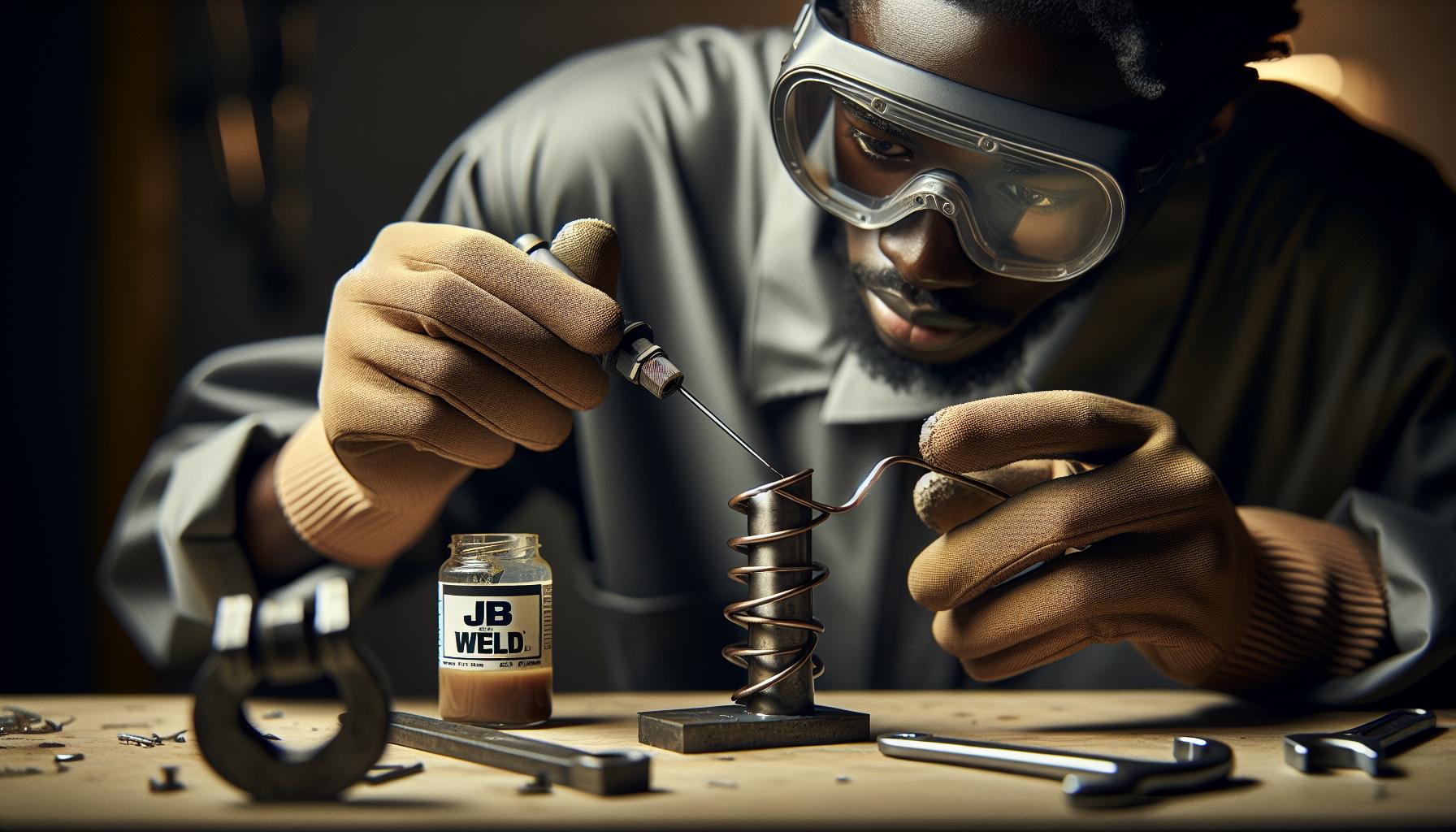
Translating Welding Techniques: MIG, TIG, Stick
In the world of welding, mastering the language surrounding techniques is as crucial as mastering the techniques themselves. Understanding the translations of prominent welding methods such as MIG (Metal Inert Gas), TIG (Tungsten Inert Gas), and Stick welding can significantly enhance communication and efficiency in bilingual work environments. Not only do these translations help in conveying technical information accurately, but they can also instill confidence in operators who are new to the trade or those who are non-native speakers.
MIG welding, known as soldadura MIG in Spanish, is particularly favored for its speed and efficiency, especially when working with thinner materials like aluminum and mild steel. The process involves feeding a continuous solid wire electrode through a welding gun into the weld pool, requiring a shielding gas to protect the molten weld and prevent contamination. Understanding this technique’s fundamental concept and terminology allows welder teams to discuss specifics like wire gauge and gas mixtures, essential for producing quality welds.
TIG welding, or soldadura TIG, offers precision welding with greater control over the weld pool. It employs a non-consumable tungsten electrode and can be used on a variety of metals, including stainless steel and copper. For safety and optimal weld quality, the discussion of cooling systems and filler materials used in TIG welding becomes crucial, especially for welders who might be learning these techniques in a Spanish-speaking environment. Recognizing terminology related to the settings and adjustments of TIG welding equipment opens doors for collaboration and knowledge-sharing.
Stick welding, or soldadura por arco (arc welding), is one of the oldest techniques but remains a staple for its versatility and ability to produce strong welds even in outdoor conditions. This process requires a consumable electrode that also provides its own shielding gas. Clear communication about electrode types, rod diameter, and surface conditions is essential for effective teamwork. Here, translators should focus on terminology that relates to specific welder settings and maintenance practices, ensuring that even those new to the method can participate in safety and operational discussions.
Translating welding techniques accurately fosters a conducive learning environment while respecting the depth of expertise required in the welding profession. Engaging in bilingual conversations about these methods not only builds competency but also enhances team cohesion and safety. As welding techniques evolve, being fluent in the terminology surrounding them in both English and Spanish ensures that all welders can contribute to high industry standards and practices.
Essential Tools and Equipment in Spanish
To be successful in welding, understanding the essential tools and equipment, as well as their terminology in Spanish, is a vital part of any welder’s education. Each piece of equipment plays a significant role in the welding process, ensuring the quality and safety of the work being performed. Knowing their names in both English and Spanish enhances communication on job sites, particularly in bilingual environments, providing clarity and improving safety protocols.
A fundamental tool for any welder is the welding machine, commonly referred to as “máquina de soldar” in Spanish. This device may vary depending on the welding technique being used, such as MIG, TIG, or Stick welding. For MIG welding, you’ll need an “alambre” (wire) and “gas de protección” (shielding gas). Conversely, for TIG welding, it’s essential to have a “electrodo de tungsteno“ (tungsten electrode) and “material de aporte“ (filler material).
In addition to the welding machines, safety accessories are equally important. Items like “mascara de soldar” (welding helmet) and “guantes de soldador” (welding gloves) are indispensable for protecting the welder from harmful sparks, UV rays, and heat. A well-structured safety plan also includes tools for cleaning and cutting, such as a “cortador” (cutter) and “cepillo de alambre“ (wire brush), which help maintain the quality of the weld and prep the material effectively.
As welders encounter different materials like aluminum and steel, they must be familiar with various tools suited for these metals. For instance, “esmeriladora” (grinder) is frequently employed to shape metal pieces, and “pinzas de sujeción” (clamps) are essential for holding materials securely during the welding process. Mastering the vocabulary of welding tools in both languages not only aids in efficient communication but promotes a safer and more effective work environment for all team members, fostering collaboration and teamwork in diverse settings.
Safety Protocols and Regulations: Bilingual Guide
To maintain a safe work environment in welding, understanding protocols and regulations is crucial. Welding operations expose workers to various hazards, including exposure to harmful fumes, intense heat, and potential physical injuries from equipment. Therefore, implementing safety measures not only protects individuals but also enhances productivity on the job site. Ensuring that every team member, regardless of their primary language, understands these safety protocols can significantly minimize risks.
A comprehensive safety plan should include the following key components:
- PPE (Personal Protective Equipment): Each welder must wear appropriate PPE, such as casco de soldadura (welding helmet), guantes de soldadura (welding gloves), and ropa de protección (protective clothing). This equipment is essential to shield against burns, electrical shocks, and harmful UV radiation.
- Ventilation: Proper ventilation, referred to as ventilación in Spanish, is vital to prevent the accumulation of toxic fumes. Tools such as exhaust fans or local exhaust systems should be in place to maintain a healthy work atmosphere.
- Fire Safety: Welding produces sparks that can ignite flammable materials. It is critical to keep a fire extinguisher, known as extintor de incendios, on hand and ensure that all personnel are trained in its use.
- Emergency Procedures: Familiarize all workers with emergency procedures, including how to deal with accidents, equipment failures, or fire outbreaks. This ensures a quick and effective response during critical situations.
Additionally, conducting regular safety training sessions in both English and Spanish can help reinforce these protocols. Bilingual instruction not only ensures clarity but also fosters a collaborative environment where all workers feel empowered to engage in safety discussions. Incorporating visual aids and clear signage can further enhance understanding and compliance with safety regulations.
Emergency contact information and safety data sheets (SDS) for materials used should also be readily available in both languages. This dual-language approach supports seamless communication during emergency scenarios, promoting a culture of safety that transcends language barriers. By prioritizing safety protocols and clear communication, welding professionals can operate confidently and efficiently, ensuring the well-being of everyone involved in the welding process.
Career Opportunities in Welding: Spanish Terminology
Career opportunities in welding are on the rise, making it an attractive field for those looking to combine technical skills with rewarding work. With the increasing demand for skilled welders, understanding welding terminology in Spanish can broaden your career prospects and enhance your ability to communicate effectively in diverse workplaces. As industries such as construction, manufacturing, and automotive continue to evolve, the importance of bilingual welders who can engage with both English and Spanish-speaking teams cannot be overstated.
Many employers value the ability to navigate bilingual environments and communicate with a wider range of clients and colleagues. For candidates seeking to enter the field, knowledge of specific Spanish terms related to welding processes and equipment can provide a competitive edge. Here are some key terms and concepts to consider:
- Soldador: Welder
- Soldadura: Welding
- Electrodo: Electrode
- Maquinista: Metalworker or machinist
- Equipo de soldadura: Welding equipment
- Procedimiento de soldadura: Welding procedure
Familiarizing yourself with these terms can facilitate smoother interactions in training programs, workshops, and on the job site. Whether you’re specializing in MIG (metal inert gas), TIG (tungsten inert gas), or stick welding, understanding the specific vocabulary associated with each technique is crucial for effective communication. For example, knowing the difference between “soldadura MIG” and “soldadura TIG” can help you discuss techniques and preferences with colleagues or supervisors.
Moreover, as you pursue career opportunities, consider seeking Bilingual Welding Certifications. Many vocational schools and community colleges offer programs that teach welding skills along with Spanish language technical courses. This can significantly boost your employability in industries that serve a Spanish-speaking clientele. Networking within Spanish-speaking communities or professional welding organizations can also provide leads on job opportunities and establish valuable industry contacts. Embracing both the technical and linguistic aspects of welding not only enhances your skill set but positions you as a versatile professional in a highly competitive field.
Cultural Insights: Welding in Spanish-Speaking Countries
Welding holds a significant cultural and economic position in many Spanish-speaking countries, influencing both traditional craftsmanship and modern industry practices. Countries such as Mexico, Spain, and Argentina boast rich histories in metalwork, where welding techniques are not only vital to construction and manufacturing but are also integral to artistic expression. For instance, the use of welded sculptures in public spaces reflects both a cultural appreciation for craftsmanship and the technological advancements that facilitate modern art forms.
In the construction sector, the demand for skilled welders continues to rise, driven by infrastructure development and housing projects across Latin America. Knowing local Spanish terms related to welding can enhance communication within multicultural work environments. Terms like “soldadura de arco” (arc welding), “soldadura MIG” (MIG welding), and “soldadura TIG” (TIG welding) are precisely the jargon needed in workshops and job sites to ensure safety and efficiency. Understanding these terms helps welders navigate job specifications, safety protocols, and equipment usage-crucial components in industries with robust bilingual interactions.
Furthermore, national regulations around safety standards often reflect local historical practices and industrial evolution. For example, in Spain, welding practices must adhere to EU standards, while in Mexico, regulations can vary significantly based on local contexts and industries. Familiarizing oneself with these regulations-both in English and Spanish-can provide a strategic advantage, ensuring compliance and enhancing workplace safety.
Collaboration with Spanish-speaking teams and learning about their cultural approaches to welding can also inspire innovation and improvement. This engagement fosters a deeper understanding of diverse welding techniques and creative problem-solving, essential for tackling modern challenges in fabrication and construction. As globalization continues to influence the workforce, welders who can adapt to both linguistic and cultural nuances will find themselves at the forefront of the profession, equipped with the skills and insights needed to thrive.
Glossary of Key Welding Terms in Spanish
Understanding key welding terms in Spanish is essential for both communication and safety in a multicultural work environment. By being familiar with the vocabulary, you can enhance your effectiveness on the job and ensure clearer interactions across language barriers. Here’s a concise glossary that includes fundamental welding terminology translated into Spanish, supporting your professional endeavors whether you’re a beginner welder or a seasoned professional.
- Welding – Soldadura
- Arc Welding – Soldadura de arco
- MIG Welding – Soldadura MIG
- TIG Welding – Soldadura TIG
- Stick Welding – Soldadura con electrodo revestido
- Flux-Cored Welding – Soldadura con alambre tubular
- Aluminum – Aluminio
- Steel – Acero
- Welding Machine – Máquina de soldadura
- Electrode – Electrodo
- Welding Torch – Antorcha de soldadura
- Filler Material – Material de aporte
- Safety Gear – Equipo de protección
- Welding Rod – Varilla de soldadura
- Metal Preparation – Preparación del metal
- Weld Bead – Cordón de soldadura
Understanding these terms can significantly improve your safety and efficiency on the job. For example, when discussing safety protocols, terms like equipo de protección are essential for ensuring all workers are equipped adequately. Moreover, knowing the nuances of the different welding techniques, such as soldadura MIG and soldadura TIG, not only enhances procedural knowledge but also aids in troubleshooting and technique refinement.
A practical approach to mastering these terms is to engage in conversations with Spanish-speaking colleagues, allowing for real-world application and reinforcement of the vocabulary. Continuously integrating these terms into daily use will facilitate an immersive learning experience, enhancing both your linguistic skills and your welding expertise.
Resources for Professional Translators in Welding
The world of welding is not just about mastering various techniques like MIG, TIG, and stick welding; it also encompasses effective communication across diverse linguistic backgrounds. This necessity makes resources for translators specializing in welding vital. Engaging with accurate resources ensures that technical terminology is translated correctly, thereby maintaining clarity and safety on job sites.
Translators focusing on the welding field should seek out comprehensive glossaries that include both common terms and specific jargon related to different welding disciplines. These glossaries should cover essential equipment, materials, and safety protocols relevant to welding. Utilizing bilingual industry publications and online resources, such as welding forums and professional associations, can provide insight into contemporary practices and terminologies used in Spanish-speaking regions.
Collaboration with specialized professionals is another effective way to enhance translation quality. Partnering with experienced welders or instructors who are fluent in both languages can bridge gaps in technical knowledge and practical application. Additionally, participating in professional workshops and forums tailored to industrial translation may offer invaluable networking opportunities, aiding translators in understanding regional variations in welding terminology.
Investing time in learning cultural insights related to welding practices in Spanish-speaking countries is equally important. Understanding how local customs and regulations influence welding operations can lead to more nuanced translations. Furthermore, engaging with Spanish-speaking communities through social media platforms or local welding associations can provide translators with context and practical experience, enriching their understanding and enhancing their translation work.
Practicing Spanish Language Skills for Welders
Practicing Spanish language skills is essential for welders aiming to thrive in diverse work environments. Engaging with Spanish-speaking clients, colleagues, and communities not only enhances communication but also opens doors to new opportunities in the welding industry. One effective method to improve language skills is to immerse oneself in the terminology specific to welding techniques, tools, and safety practices commonly used in Spanish. By consistently practicing these terms, welders can build confidence and fluency, facilitating better teamwork and project execution.
Consider creating a bilingual glossary that includes vital welding terms in both English and Spanish. Here are some essential categories to include:
- Welding Techniques: MIG (Metal Inert Gas) – MIG (Gas Inerte de Metal), TIG (Tungsten Inert Gas) – TIG (Gas Inerte de Tungsteno), Stick Welding – Soldadura por Electrodos Revestidos.
- Common Tools: Welding Machine – Máquina de Soldadura, Welder – Soldador, Electrode – Electrodo.
- Materials: Steel – Acero, Aluminum – Aluminio.
- Safety Gear: Welding Helmet – Casco de Soldadura, Gloves – Guantes.
Serving as a bridge between technical expertise and language proficiency, practicing with bilingual welding resources such as manuals, tutorials, or videos can greatly enhance understanding. These materials often contain both visuals and text, providing an engaging way to learn. Additionally, enrolling in Spanish language courses geared toward technical fields can further sharpen communication skills, focusing on industry-specific vocabulary.
Engaging in conversations with Spanish-speaking professionals can provide real-world experience. Joining local welding associations or community groups that offer Spanish-speaking members creates opportunities for practice. Regularly attending industry events or workshops conducted in Spanish also fosters an environment where language skills can develop alongside technical knowledge. Over time, these practices not only cultivate fluency but also contribute to safer and more productive work environments, reinforcing the importance of clear communication in achieving quality welding results.
Engaging with Spanish-Speaking Welding Communities
Building connections within Spanish-speaking welding communities can be an enriching experience for welders looking to enhance their professional prospects and language skills. Engaging with these communities not only facilitates effective communication but also fosters cultural exchange, critical for creating a collaborative work environment. Establishing relationships with Spanish-speaking peers allows for the exchange of knowledge, techniques, and best practices, which can significantly elevate a welder’s expertise.
Participating in local workshops, networking events, and trade shows where Spanish is spoken provides invaluable opportunities to practice language skills in a real-world context. Many communities offer specialized training sessions or hands-on workshops where industry professionals gather to share insights into advanced welding techniques-like MIG, TIG, and stick welding-while discussing materials such as aluminum and steel. Learning and practicing welding terminology while working alongside Spanish-speaking welders can accelerate language acquisition and increase competency in technical discussions.
To further immerse oneself in these communities, consider joining professional organizations or online forums that cater to Spanish-speaking welders. These platforms often host discussions, share job opportunities, and provide resources that are helpful for enhancing language skills and technical understanding. Engaging with these groups allows for direct contact with experienced professionals who can offer mentorship, advice, and cultural insights, ultimately enriching the learning experience and paving the way for career development.
Additionally, creating or joining study groups that focus on bilingual welding resources can help solidify understanding of key terminology and concepts. These group collaborations can lead to shared projects where members can practice various welding techniques while reinforcing their language proficiency. Engaging actively in Spanish-speaking welding communities not only equips welders with essential skills but also strengthens their professional networks, resulting in a more successful and fulfilling career in welding.
Q&A
Q: What is the Spanish term for welding?
A: The Spanish term for welding is “soldadura.” This term is used universally in Spanish-speaking countries and is essential for understanding welding-related discussions and documentation in a professional setting.
Q: How do you say welder in Spanish?
A: The word for “welder” in Spanish is “soldador” for male welders and “soldadora” for female welders. Knowing these terms can improve communication in bilingual work environments and enhance professional interactions.
Q: What are common welding phrases used in Spanish-speaking countries?
A: Common phrases include “hacer una soldadura” (to do a weld), “uniones de soldadura” (weld joints), and “proceso de soldadura” (welding process). Familiarity with these terms can improve practical communication on the job site.
Q: Why is learning Spanish welding terminology important?
A: Learning Spanish welding terminology is crucial for effective communication in diverse workplaces. It enhances collaboration with Spanish-speaking colleagues and ensures compliance with safety protocols and equipment use in various settings.
Q: Where can I find professional translation resources for welding documents?
A: Professional translation resources for welding documents can be found through industry-specific translation services or organizations dedicated to technical translation. Additionally, using glossaries of welding terms in both languages can be beneficial, as mentioned in the article’s glossary section.
Q: When should I use bilingual welding safety protocols?
A: Bilingual welding safety protocols should be used whenever working in environments with diverse teams or when conducting training for Spanish-speaking employees. This approach ensures that safety information is clearly understood by all workers, preventing accidents.
Q: What cultural aspects should be considered when welding in Spanish-speaking countries?
A: Understanding cultural aspects such as local practices, community values, and work etiquette can significantly impact professional relationships. Engaging with local welding communities, as noted in the article, can foster better collaboration and understanding.
Q: How can I improve my Spanish language skills as a welder?
A: To improve Spanish language skills, consider enrolling in specialized language courses focusing on technical vocabulary. Engaging with Spanish-speaking colleagues, using language apps, and practicing welding terminology in context can also enhance your proficiency.
To Conclude
Understanding how to say welding in Spanish enhances your communication in diverse workplaces and broadens your professional opportunities. As you explore this guide, remember that mastering terms like “soldadura” can open doors in various welding techniques, whether you’re working with MIG, TIG, or flux core processes. Don’t stop here-delve deeper into our resources on welding safety protocols and equipment reviews to further elevate your skills.
Ready to take your welding knowledge to the next level? Check out our articles on welding materials, including aluminum and steel, and gain insights into career guidance for aspiring welders. Join our community by signing up for our newsletter to receive the latest tips and expert advice straight to your inbox. Your journey in the world of welding is just beginning-let’s forge ahead together!


