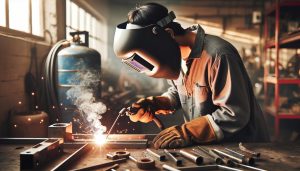
When considering plasma cutting, preparation is key to ensuring safety and efficiency. Did you know that a plasma cutter can slice through metal like butter? However, without the proper setup, you could encounter a host of challenges that may lead to unsatisfactory results or even accidents. Understanding what you need for your plasma cutter is essential, whether you’re a novice welder or a seasoned professional. This guide provides a comprehensive setup checklist, addressing common concerns such as safety protocols, equipment specifics, and essential materials. By equipping yourself with the right tools and knowledge, you’ll be ready to tackle any project with confidence. Dive into this checklist to discover everything you need for a successful plasma cutting experience and unlock the potential of this powerful tool!
What is a Plasma Cutter and How Does it Work?
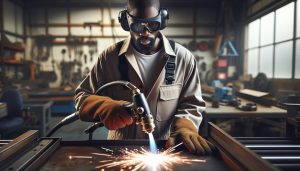
A plasma cutter is an invaluable tool in metal fabrication and repair, enabling users to cut through various types of metals with remarkable precision and speed. At its core, the device operates by creating a jet of ionized gas, or plasma, which is hot enough to melt metal. This process requires a combination of compressed air and electrical energy to convert the air into plasma. The user directs this plasma jet onto the metal surface, effectively melting and expelling the molten material, resulting in a clean and efficient cut.
The operation of a plasma cutter revolves around several critical components. First, the power supply generates high voltage to create an electric arc between an electrode and the workpiece. The air or gas used (often air) is then injected through a nozzle, where it is heated by the arc to form plasma. The plasma can reach temperatures exceeding 20,000 degrees Fahrenheit, which is sufficient for cutting through thick steel or aluminum. The ability to move the nozzle in a controlled manner allows for intricate or straight cuts in various materials.
When considering plasma cutting, potential users should understand its versatility; it’s suitable for cutting metals ranging from mild steel to aluminum and stainless steel, making it a go-to choice for both professionals and hobbyists. However, the experience also warrants knowledge of essential equipment and setup requirements, so proper planning can ensure optimal results and safety during the cutting process. This includes everything from the correct selection of power supply and accessories to ensuring a safe working environment.
Essential Plasma Cutter Accessories for Your Setup
When setting up a plasma cutter, having the right accessories not only enhances your cutting efficiency but also ensures safety and precision. These accessories can significantly impact your cutting quality and longevity of your equipment, making it essential to consider them carefully. Here’s a rundown of some essential plasma cutter accessories that every user should have to optimize their setup.
Essential Accessories
- Plasma Cutter Nozzles: Different nozzles allow for varying cuts and thicknesses. Fine-cut nozzles provide precision for thinner materials, while larger nozzles are better for thicker metals.
- Electrodes: These are crucial for creating the arc required for cutting. Replace them regularly to maintain quality and performance.
- Drag Shields: These accessories protect the nozzle and ensure better stability, allowing for smoother cuts by maintaining a consistent distance from the workpiece.
- Ground Clamps: A good grounding clamp ensures a stable electrical connection, which is vital for achieving consistent cuts and avoiding issues like arc blow.
- Consumable Kits: These typically include a variety of nozzles, electrodes, and shields, ensuring you have replacements on hand when you need them.
By investing in these accessories, you not only improve the quality of your cuts but also extend the lifespan of your plasma cutter. Selecting high-quality parts from reputable manufacturers can reduce the frequency of replacements and improve the overall safety of your cutting operations. Ensure that you are familiar with your specific model’s requirements, as using incompatible components can lead to equipment damage or subpar cutting results.
In addition to these core accessories, consider investing in optional items such as torch extensions or cooling systems that may further enhance your cutting experience. Each accessory plays a role in achieving clean, efficient cuts while maintaining the safe operation of your plasma cutting equipment.
Important Safety Gear for Plasma Cutting
To ensure a safe and successful plasma cutting experience, wearing the appropriate safety gear is paramount. Plasma cutting produces intense heat and high-velocity particles that can pose various risks, from burns to respiratory issues. Selecting the right personal protective equipment (PPE) is not just a guideline; it’s a necessity that protects you from potential injuries and enhances your cutting efficiency.
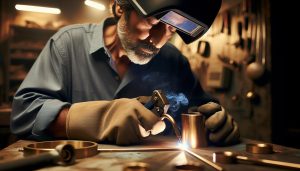
One of the most critical pieces of equipment is the welding helmet or face shield designed specifically for plasma cutting. These helmets should have a suitable filter lens that provides adequate shade to protect your eyes from the bright arc and harmful ultraviolet and infrared radiation. Additionally, they should feature an auto-darkening function for convenience and safety. Alongside your helmet, fire-resistant clothing made from durable materials like leather or heavy cotton is essential. Long sleeves and pants protect your skin from sparks and heat. Opt for gloves crafted from heat-resistant materials that offer both dexterity and protection, allowing you to handle your plasma cutter safely.
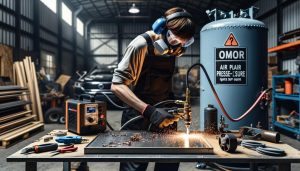
Furthermore, it’s advisable to wear heavy-duty, closed-toe shoes to safeguard your feet from falling objects or hot metal splatter. When working in an environment where metal dust is generated, using a dust mask or respirator is crucial to prevent inhalation of harmful particles. Lastly, consider ear protection if working with plasma cutters in loud environments, as prolonged exposure to high noise levels can lead to hearing loss.
By equipping yourself with the proper safety gear, you can significantly reduce the potential hazards associated with plasma cutting. Always remember that safety should be your top priority; investing in high-quality protective equipment is a small price to pay for your well-being. Prioritize safety in every cutting task to ensure you can work confidently and competently.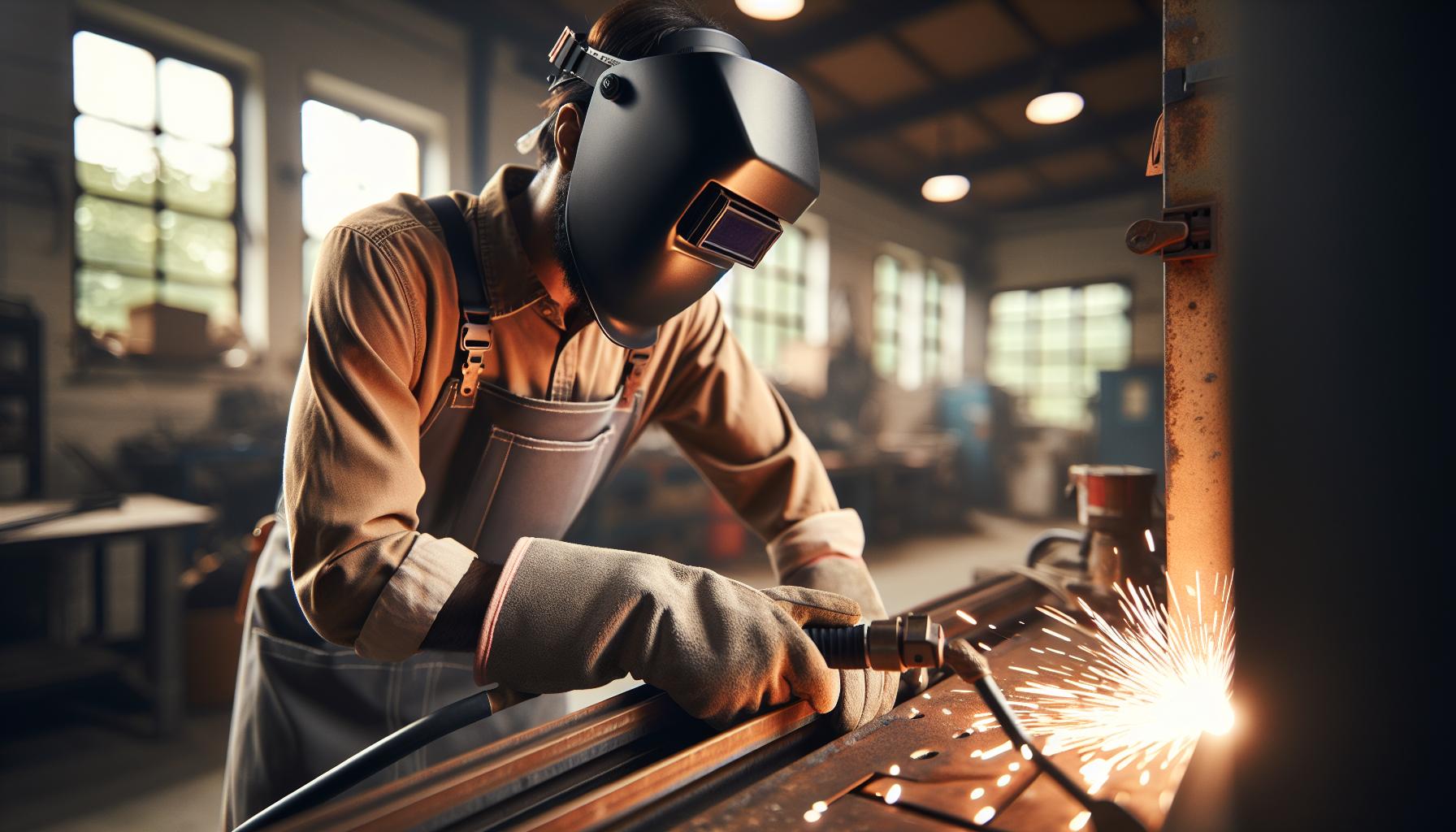
Choosing the Right Power Supply for Your Plasma Cutter
Choosing the right power supply for a plasma cutter is crucial to ensure effective cutting performance and equipment longevity. A plasma cutter requires a robust power supply capable of delivering the necessary voltage and amperage to create a stable and sustained arc. Often, plasma cutters are available in 110/120V and 220/230V configurations; the choice between these options depends on the material thickness you intend to cut and the specific requirements of your projects.
For lighter projects, such as cutting thin sheet metal, a 110V plasma cutter is usually sufficient. However, if you plan to work with thicker materials-often anything over a quarter-inch-a 220V supply is recommended. This higher voltage allows for better arc stability and deeper cuts, enhancing overall efficiency. When selecting a power supply, also consider the amperage rating of your plasma cutter, as many models require at least 30 amps for effective operation at 220V.
Types of Power Supplies
There are primarily two types of power supplies used for plasma cutting: inverter-based and transformer-based systems.
- Inverter-based power supplies: These are lightweight, compact, and versatile, capable of adjusting their output based on the cutting demands. They are often more energy-efficient and have a faster response time, making them ideal for hobbyists and professionals alike.
- Transformer-based power supplies: While heavier and bulkier, these systems generally provide a more robust performance for heavy-duty applications. They are less expensive overall but can be less efficient compared to inverter systems.
Regardless of which type you choose, ensure the power supply features built-in protections, such as over-current and over-voltage safeguards, to prevent damage during operation.
When setting up your plasma cutter, it is essential to verify that the power supply is compatible with the cutting machine specifications. Always consult the manufacturer’s guidelines for recommendations on power input and the compatible range of operating voltages and amperages. By carefully selecting the right power supply, along with proper grounds and circuit protection, you can enhance your cutting capabilities and ensure safety in your plasma cutting operations.
Understanding Plasma Cutter Consumables: Tips and Tricks
Understanding the consumables involved in plasma cutting is essential for achieving optimal performance and efficiency. The primary components you will deal with include the electrode, nozzle, and shield cap, each playing a crucial role in the cutting process. The electrode generates the arc, while the nozzle directs the plasma flow, and the shield cap protects both the nozzle and the operator from the high temperatures and sparks generated during cutting. Choosing high-quality consumables can significantly impact the quality of your cuts and the longevity of your equipment.
To maximize cutting performance, regularly inspect these consumables and replace them as needed. For instance, nozzles can wear out quickly, especially under heavy use or when cutting thicker materials. A worn nozzle can lead to inconsistent cuts and increased dross buildup. Staying proactive by replacing these parts not only ensures clean cuts but also reduces overall operational costs by preventing potential damage to the plasma cutter itself.
Another key tip is to match the consumable parts to the specific plasma cutting application. Different materials may require different nozzles and electrode types to perform effectively. For example, when cutting aluminum, a nozzle designed for non-ferrous materials can improve the cutting speed and accuracy. Additionally, using the manufacturer’s recommended consumables will typically yield the best results, as these components are specifically designed to work harmoniously with the machine.
Finally, consider keeping a stocked inventory of essential consumables on hand to minimize downtime during projects. Planning for replacement parts, such as electrodes and nozzles, ensures that you can maintain productivity, especially during larger jobs where every minute counts. By understanding the role and maintenance needs of these consumables, you can enhance both safety and efficacy when utilizing your plasma cutter.
Proper Work Environment Setup for Plasma Cutting
Creating an optimal environment for plasma cutting is crucial not just for enhancing performance but also for ensuring safety. Plasma cutting is a process that generates high temperatures and sparks, making the workspace setup a vital aspect of your operations. An ideal area should be well-ventilated, allowing for the dispersal of potentially harmful fumes and gases produced during cutting. Positioning your plasma cutter in a clean, dry space free from excessive dust and moisture is essential, as contaminants can affect both the cutting quality and the longevity of the equipment.
Consider the layout of your workspace carefully. Arrange your plasma cutter and associated equipment, like compressors and power supplies, for easy access. Create a dedicated cutting zone that is large enough to accommodate the materials you intend to work with. This area should be clear of any flammable materials or obstacles that could impede workflow or pose safety risks. Implementing a fire-safe zone equipped with fire extinguishers and first aid kits further enhances safety in your cutting environment.
Strong lighting is another important element of a proper workspace. Adequate illumination helps you see your work clearly, reducing the risk of errors and improving precision. Using adjustable lighting can effectively highlight working surfaces while minimizing shadows caused by the plasma cutter and its operations.
Finally, ensuring that you have a grounding setup is essential. Proper grounding not only protects your electrical equipment but also ensures that you are shielded from potential electrical hazards. Overall, establishing a well-organized and maintained workspace is key to maximizing efficiency, safety, and the quality of your plasma cutting tasks.
Maintenance Tips for Plasma Cutting Equipment
Maintaining your plasma cutting equipment is essential for achieving optimal performance and longevity. Regular maintenance not only ensures that your machine operates efficiently but also enhances safety, reducing the risks associated with cuts and sparks. Ignoring maintenance can lead to operational failures and more costly repairs down the line.
To keep your plasma cutter in top shape, establish a routine for cleaning and inspection. After each use, make it a point to wipe down the equipment to remove any slag, dust, or debris that may accumulate. This simple step helps prevent materials from interfering with the cutter’s operation. Regularly inspect consumables such as nozzles, electrodes, and swirl rings. Worn or damaged components can negatively affect cutting quality and should be replaced promptly.
Check Connections and Settings
It’s also important to routinely check all electrical connections and settings. Loose connections can cause faulty operations or even electrical hazards. Ensure that the ground clamp is tightly secured to prevent unwanted electrical discharge. Furthermore, calibrate your plasma cutter settings according to the thickness and type of metal being cut. Incorrect settings can result in poor cuts and unnecessary wear on the equipment.
- Monthly Maintenance: Perform a more thorough inspection of the unit and its components. Check for any signs of wear or damage.
- Component Replacement: Keep spare parts on hand to allow for quick replacements of worn components.
- Consult the Manual: Always refer to the manufacturer’s manual for specific maintenance instructions and intervals.
By establishing a solid maintenance routine and proactively addressing wear and tear, you can significantly extend the lifespan of your plasma cutting equipment while ensuring smooth, efficient operations on every job.
Budgeting for Your Plasma Cutting Setup
Budgeting for a plasma cutting setup requires a careful assessment of equipment needs, consumables, and ongoing operational costs. Investing wisely upfront can enhance your efficiency and effectiveness, ensuring that you achieve high-quality cuts without overspending. Plasma cutting equipment varies widely in price, from basic models suited for hobbyists to advanced systems designed for heavy industrial use. Consider your intended applications and choose a plasma cutter that balances power output and duty cycle with your budgetary constraints.
When formulating your budget, account for additional components necessary for a complete setup. This includes accessories such as a reliable air compressor, cutting tables, and protective gear. Some essential items to include are:
- Plasma Cutter: Prices range from $300 for entry-level machines to over $3,000 for professional-grade options.
- Air Compressor: A good quality air compressor can range from $100 to $500, depending on the CFM (Cubic Feet per Minute) rating needed.
- Consumables: Budget for electrodes and nozzles, which may need replacement every few hours of operation. Expect to spend around $20-$50 per kit.
- Safety Gear: High-quality PPE such as gloves, helmets with auto-darkening filters, and flame-resistant clothing should total about $100-$300.
- Cutting Table: Depending on your workspace, a cutting table can range from $100 to $1,000 or more.
Furthermore, it’s essential to consider the ongoing operational costs, such as electrical consumption and maintenance expenses. Keeping a reserve fund for unexpected repairs or replacements will also ensure that your operations remain uninterrupted. For example, regularly replacing worn consumables and performing routine maintenance can prevent costly downtime associated with equipment failures.
Using a spreadsheet to track expected costs versus actual expenditures can provide clarity on where adjustments may be required, enhancing overall financial management. By carefully budgeting and selecting quality components, you can set up a plasma cutting system that not only meets your immediate needs but also grows with your skills and projects.
Common Plasma Cutting Issues and Solutions
Common challenges in plasma cutting can often impede efficiency and quality, but understanding these common issues allows welders to troubleshoot effectively. One frequent problem is inconsistent cut quality, which manifests as rough edges, excessive dross, or uneven cuts. This can typically be traced back to improper settings, such as incorrect amperage or travel speed. Adjusting these parameters to suit the material thickness is crucial. For instance, if you notice excessive dross formation, consider increasing the cutting speed or adjusting the amperage to better match the material type and thickness.
Another prevalent issue is the premature wearing of consumables, such as electrodes and nozzles, which can lead to erratic arc stability and poor cutting performance. To mitigate this, maintaining a clean workspace and ensuring the proper alignment of the plasma torch can make a significant difference. Implementing a regular maintenance schedule for your equipment, including cleaning the air filters and checking for leaks, will extend the life of these critical components and enhance overall performance.
Plasma cutting can also face operational challenges, such as high operating costs, particularly due to electricity consumption and the frequent replacement of consumables. This can be primarily managed through the careful selection of a machine that fits the intended workload and material types. Energy-efficient models and choosing the right plasma cutting system can yield substantial savings over time.
Lastly, environmental factors, such as moisture in the air supply, can negatively impact cutting quality. Using a high-quality air compressor with proper filtration can prevent moisture from affecting the cutting process. Regularly checking the moisture levels in the air supply and ensuring proper temperature control in the work environment can help maintain optimal cutting conditions.
By proactively addressing these common plasma cutting issues, welders can achieve superior results, reduce downtime, and improve their overall cutting efficacy.
Upgrading Your Plasma Cutter: What to Consider
Upgrading your plasma cutter can significantly enhance your performance and efficiency on the job, allowing you to tackle more complex projects with precision. When considering an upgrade, one must evaluate the machine’s capabilities in terms of cutting thickness, speed, and overall technology. Modern plasma cutters often feature advanced technologies such as inverter circuitry, which can provide better arc stability and energy efficiency. This is especially beneficial when working with thicker materials or when greater portability is required.
Aside from the core cutter, exploring complementary technologies is crucial. For instance, opting for a model with built-in CNC capabilities can greatly enhance accuracy and repeatability, especially in industrial applications. Additionally, the ability to connect to software for design and cutting path optimization can streamline workflow, reducing waste and improving throughput. Thus, it’s essential to consider how your upgraded cutter can integrate with existing equipment and technologies in your workshop.
Consumables and Accessories also play a pivotal role in the performance of a plasma cutter. When upgrading, it is advisable to look for a machine that offers easy availability of high-quality consumables like nozzles and electrodes. Some brands may offer longer-lasting, more efficient consumables that can lower operating costs in the long run. Furthermore, investing in quality accessories, such as an upgraded torch or better airflow systems, can significantly improve cut quality and operational stability.
Workload is another essential factor. If your projects have scaled up in size or material complexity, this may indicate a need for a higher amperage machine. For instance, a 40-amp cutter might be sufficient for thin metals, but if you’re increasingly working with aluminum sheets or thicker steel plates, upgrading to a 60 or 80-amp unit can ensure clean cuts and faster processing times. Keeping these factors in mind will help ensure that your upgraded plasma cutter meets both current and future demands of your work.
Advanced Techniques for Plasma Cutting Efficiency
Advanced techniques in plasma cutting can greatly enhance not only the efficiency of the process but also the quality of the finished work. One essential technique is the adjustment of cutting speed and height. Maintaining the correct standoff distance-typically around 1/16 to 1/8 inch above the workpiece-is crucial. Too much distance can result in an unstable arc and a blown-out cut, while too little can cause excessive wear on the nozzle and poor cut quality. Experimenting with speed while observing the results can help identify the optimal settings for different materials and thicknesses.
Another vital technique involves mastering the angle of the torch during cutting. A slight angle can help in achieving better penetration and can minimize the heat-affected zone, reducing warping on thinner materials. For intricate cuts, such as tight curves and corners, employing a slow, steady hand while maintaining a consistent feed rate can significantly improve the clarity and precision of the cut. Additionally, utilizing a guide or a template can facilitate cleaner and more accurate cuts.
Using proper piercing techniques is essential, especially when starting a cut in the middle of a material. Establishing a strong steady arc and ensuring that the plasma flows correctly can help avoid blowouts and material distortion. Pre-drilling holes for intricate designs can also aid in achieving clean starts and ends of cuts. Moreover, incorporating a back-purge technique on thicker materials may prevent slag formation and improve the overall finish.
Maintaining the machinery and consumables used in the cutting process is another important aspect of ensuring efficiency. Regularly checking the air supply for moisture and ensuring filters are clean can prevent issues that may arise from contaminants during the cutting process. Frequent replacement and proper selection of consumables based on your specific cutting needs can enhance not just performance but longevity and cost-effectiveness as well. Implementing these advanced techniques can lead to more precise cuts, less downtime, and a better overall experience in plasma cutting.
Frequently asked questions
Q: What are the essential tools needed to set up a plasma cutter?
A: Essential tools for setting up a plasma cutter include the cutter itself, a suitable power supply, air compressor, grounding clamp, protective gear, and various cutting consumables such as nozzles and electrodes. Ensure that you also have a suitable workbench and holding fixtures for metal pieces.
Q: How do I choose the right size plasma cutter for my needs?
A: To choose the right size plasma cutter, consider the thickness and type of material you will cut most frequently. A machine with higher amperage typically handles thicker materials better. Ensure to also check the duty cycle, which indicates how long the cutter can operate before needing a break.
Q: What should I consider when selecting a working area for plasma cutting?
A: When selecting a working area for plasma cutting, ensure it is spacious and well-ventilated. A flat surface and appropriate fixtures will help stabilize materials. It’s also important to keep flammable materials away and use fire-resistant curtains to protect surrounding areas.
Q: What safety equipment is necessary for plasma cutting?
A: Necessary safety equipment includes a welding helmet with appropriate shade, gloves, an apron, and safety glasses. Flame-resistant clothing is also recommended to protect against sparks and heat. Make sure to have first aid supplies readily available as well.
Q: How do I ensure my plasma cutter is properly maintained?
A: To maintain your plasma cutter, regularly check and replace consumables like nozzles and electrodes, keep the air filter clean, and inspect electrical components for wear. Regular cleaning of the machine is essential to avoid contamination and ensure optimal performance.
Q: Can I use a plasma cutter indoors?
A: Yes, you can use a plasma cutter indoors, but it is vital to ensure proper ventilation to avoid inhaling fumes and gases. Consider using an exhaust fan or dedicated ventilation system to maintain air quality and provide a safe working environment.
Q: Do I need special electrical requirements for my plasma cutter?
A: Yes, most plasma cutters require specific voltage and amperage supply. Ensure your workspace has compatible electrical specifications, and consult the cutter’s manual to determine whether a dedicated circuit is necessary for optimal performance.
Q: How often should I replace consumables in my plasma cutter?
A: The frequency of consumable replacement depends on usage. Generally, if you notice reduced cutting quality, irregular cutting speeds, or increased blowback, it’s time to replace nozzles and electrodes. Regular inspection, especially after intensive use, will help maintain efficiency.
In Conclusion
With the right setup for your plasma cutter, you’re already on your way to achieving precision and quality in your welding projects. Don’t wait to dive deeper-explore our comprehensive guides on MIG welding techniques and safety protocols to enhance your skills further. If you have any lingering questions about equipment or materials, feel free to reach out or leave a comment below. Remember, the craftsmanship in welding is honed through practice and the right knowledge; take action now to elevate your series of projects from good to exceptional.
For more tips on cutting both aluminum and steel, check out our resource list and consider signing up for our newsletter for regular updates. Your journey to mastering plasma cutting is just beginning, so gear up for success-explore our product reviews and discover tools that will meet your needs. Keep forging ahead, and turn your welding aspirations into reality!