Welding cast iron can seem daunting, especially given its unique properties and the risks of cracking. However, mastering this skill can open doors to repairing prized antiques or modifying heavy machinery, saving you time and money. In this article, we’ll explore a lesser-known method that allows for successful welding of cast iron without the common pitfalls. Whether you’re a seasoned welder or just starting, understanding this technique is crucial for achieving durable results. Read on to uncover the secrets of safely and effectively welding cast iron, enhancing your expertise and expanding your project possibilities.
Can Cast Iron Be Welded? Understanding the Basics of Welding Cast Iron
Welding cast iron is often viewed as a daunting task, but understanding the unique properties of this material can turn a seemingly challenging endeavor into a successful project. Cast iron, known for its durability and versatility, has a high carbon content that contributes to its brittleness, making it susceptible to cracking during traditional welding processes. This intrinsic characteristic prompts the question: can cast iron be welded at all? The answer is a resounding yes, provided that the right methods and precautions are taken.
When welding cast iron, it is crucial to employ techniques specifically designed to address its properties. Standard welding methods like MIG or TIG may not work effectively due to cast iron’s composition, which can lead to welds that are weak or compromised. Instead, specialized processes such as preheating, controlled cooling, and the use of particular filler materials must be implemented. This ensures that the weld joint maintains integrity and resists the stress that can otherwise lead to failures.
Another fundamental aspect to consider is the potential need for post-weld treatment. Cast iron parts often require a thorough examination after welding to check for any signs of cracking or warping. Stress relief through processes like annealing can enhance the durability of the weld, thereby extending the lifespan of the repaired component. Moreover, understanding the right context for welding cast iron-whether for repairs or fabrications-can enhance results. By recognizing its limitations and advantages, welders can proficiently make use of cast iron’s unique properties, ensuring a high-quality outcome that stands the test of time.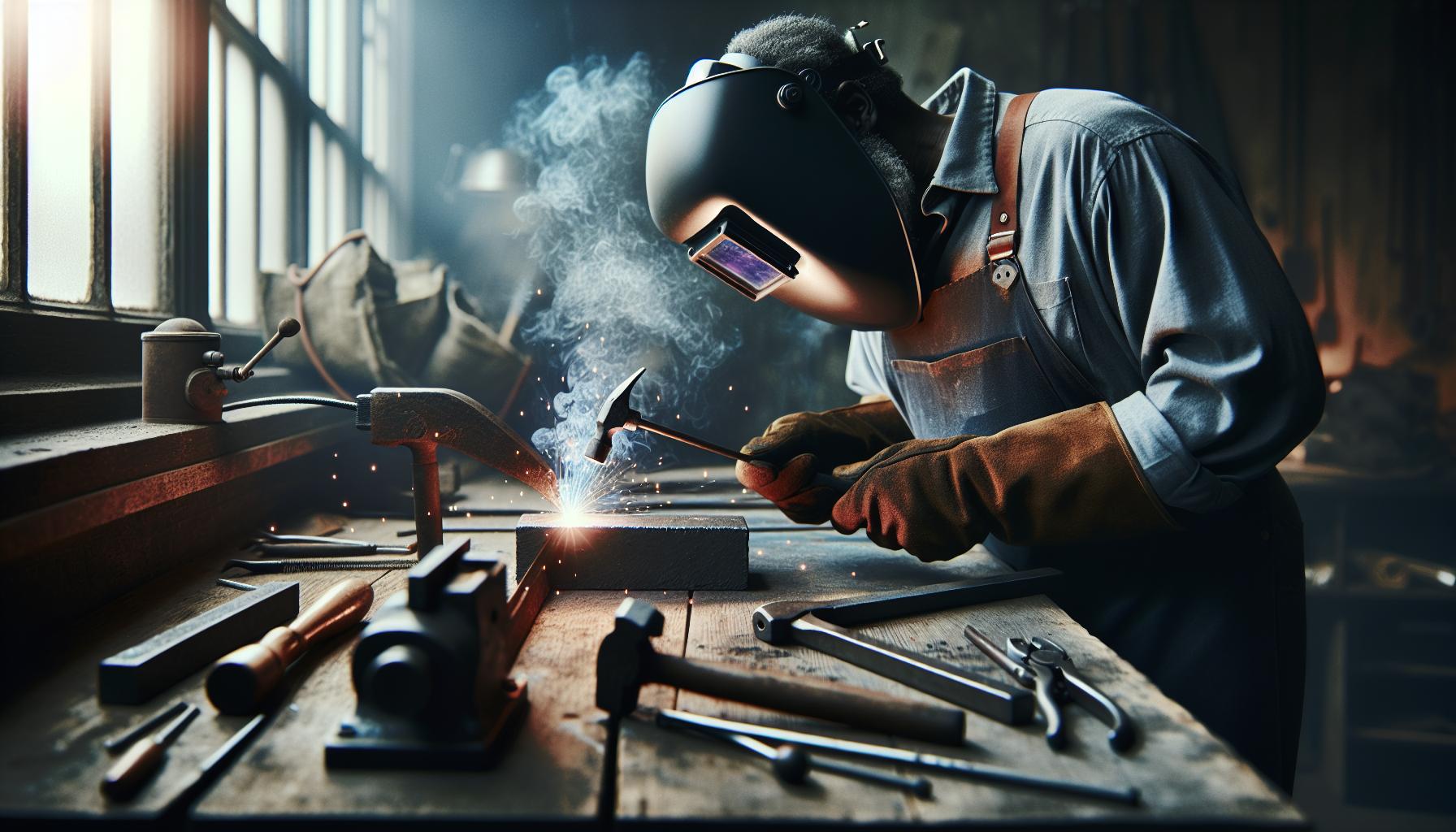
Why Standard Welding Methods Fail on Cast Iron
Welding cast iron presents unique challenges that often deter even seasoned welders. Its high carbon content and complex microstructure make it susceptible to brittle fractures, especially when using traditional welding techniques. Welding methods such as MIG (Metal Inert Gas) and TIG (Tungsten Inert Gas) are generally ineffective for cast iron due to their reliance on rapid heating and cooling cycles. These processes can exacerbate internal stress within the material, leading to cracks in the weld zones and potentially compromising the structural integrity of the entire component.
The properties of cast iron necessitate careful consideration of several factors that standard welding methods often overlook. For one, the heat input in MIG and TIG processes is concentrated, which can cause excessive thermal expansion followed by contraction. This thermal shock can induce stress and result in the formation of heat-affected zones that are weak and prone to failure. Furthermore, the cooling rate after welding is crucial; cast iron must cool slowly to avoid hardening in a brittle form. Conventional techniques can lead to rapid cooling, which is detrimental to cast iron’s durability.
To successfully weld cast iron, a method that accommodates its characteristics is essential. Preheating the material is a common and effective strategy that reduces the temperature differential during welding, thereby minimizing stress concentrations. Alternatively, stick welding with an appropriate filler rod designed for cast iron can create a more ductile weld that better absorbs the stresses during thermal cycles. Understanding these nuances enables welders to adapt their approach depending on the specific cast iron alloy and its intended application, ultimately improving the likelihood of a successful and lasting weld.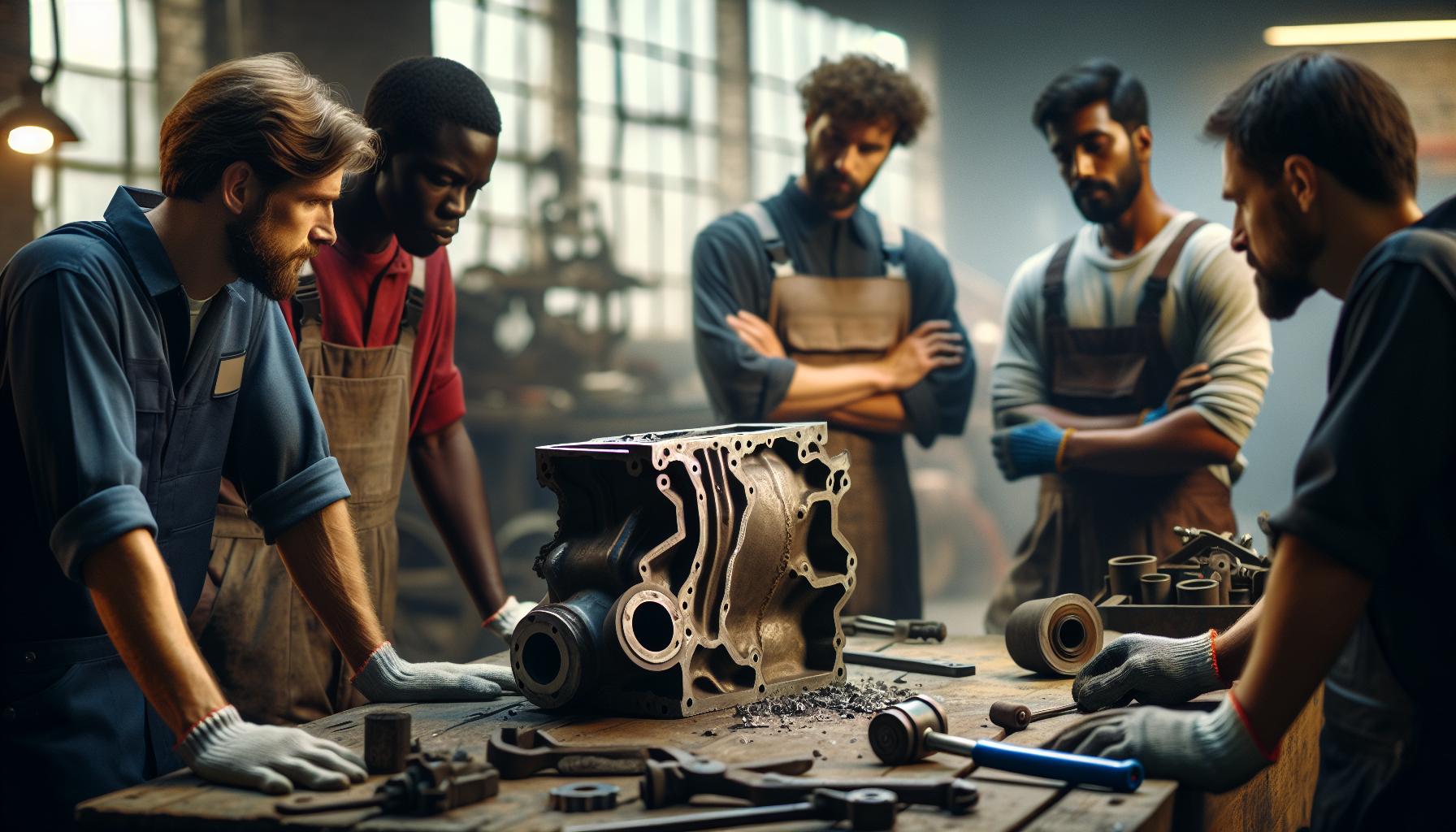
The Secret Method: Step-by-Step Guide to Welding Cast Iron
Welding cast iron is an art that requires understanding its unique properties and challenges. Unlike mild steel, cast iron’s high carbon content and complex microstructure can make traditional welding techniques prone to failure. However, with the right approach, effective welds can be achieved, enabling repair and restoration of valuable cast iron components. A well-defined procedure is crucial, and following these steps can lead to successful outcomes when welding cast iron.
Start by preheating the cast iron piece to a temperature of about 400°F (200°C). This process is essential for reducing the thermal gradient and minimizing the risk of cracking. A propane or acetylene torch can be used for this purpose, carefully heating the entire area where the weld will occur. Once preheated, you can move on to the welding process itself.
Utilizing stick welding with a specific filler rod designed for cast iron (such as a nickel-based rod) is the preferred method. This type of rod creates a more ductile weld and adheres better to the unique composition of cast iron. When welding, it’s important to maintain a steady travel speed and avoid excessive heat input, which could lead to further expansion and contraction stresses. Keep the arc length short to ensure better control over the weld pool.
After welding, allow the joint to cool slowly. This can be aided by covering the welded area with an insulating blanket or sand to further slow down the cooling process. Rapid cooling can lead to brittleness in the weld area, which compromises its integrity. Once fully cooled, perform a visual inspection to check for any defects or cracks, and consider a post-weld treatment, such as grinding or surface finishing, to ensure that the weld meets the required standards.
Proper planning and technique can yield strong, durable welds in cast iron, preserving both the function and value of the material. Remember to always prioritize safety by wearing appropriate personal protective equipment and ensuring proper ventilation during the welding process. With practice and patience, even the most challenging cast iron repairs can be successfully executed.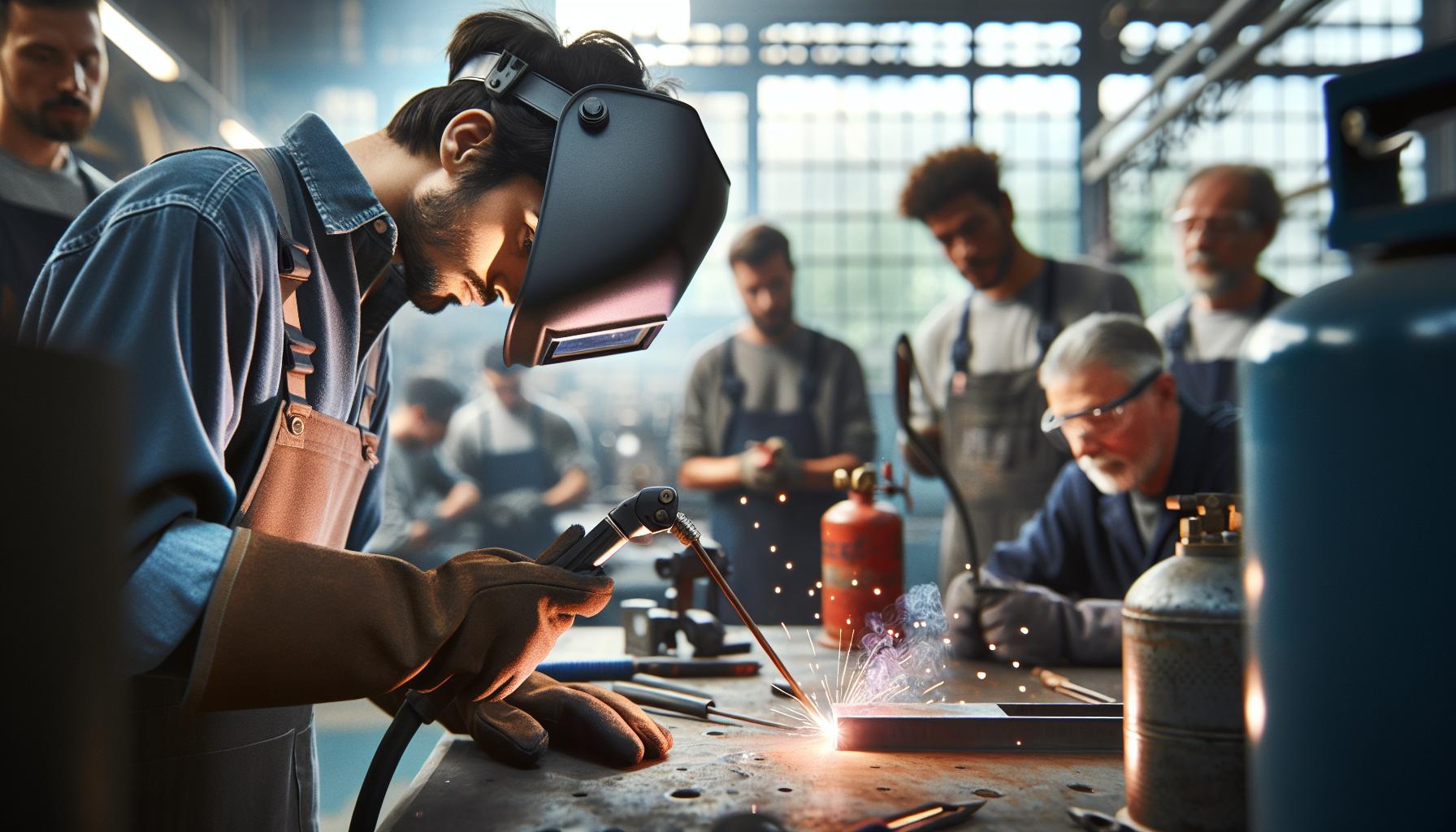
Choosing the Right Electrode for Cast Iron Welding
When it comes to welding cast iron, selecting the appropriate electrode is crucial for achieving successful, durable joints. The high carbon content and the brittle nature of cast iron require specific materials that can create a bond capable of enduring stress without cracking. Typically, nickel-based electrodes are considered the gold standard for cast iron welding due to their ability to produce a strong, ductile weld that accommodates the unique properties of the metal.
Different types of electrodes can be used depending on the welding method employed. For stick welding, nickel rods such as Ni-55 or Ni-99 are often recommended, as they provide excellent compatibility with cast iron and maintain weld integrity under thermal stress. If you’re using MIG welding, consider a solid wire with a higher nickel content or a flux-cored wire designed for non-ferrous metals to ensure robust results. When utilizing TIG welding, a pure tungsten electrode (such as 2% thoriated tungsten) paired with a nickel filler rod can yield impressive outcomes, especially for thinner sections requiring precise control.
Key Considerations
When choosing an electrode, keep the following points in mind:
- Compatibility: Ensure the electrode is specifically designed for cast iron. Avoid general-purpose electrodes that may not bond well with the material.
- Carbon Content: High carbon content in the electrode can lead to brittleness in the weld; therefore, opt for low-carbon or nickel-coated options which enhance ductility.
- Welding Technique: Adapt your electrode choice depending on your welding method. For example, stick welding tends to perform better with specific nickel rods, while MIG and TIG may open up more material options.
Selecting the right electrode is not just about material compatibility; it’s also essential to match the welding process and the specific characteristics of the cast iron being joined. By taking the time to choose appropriately, welders can significantly reduce the risk of cracking and improve the overall strength and durability of their welds. Proper electrode selection, combined with preheating and slow cooling techniques, effectively transforms cast iron from a challenging material into a more manageable one during the welding process.
Prepping Cast Iron for Welding: Essential Tips
Proper preparation is crucial for achieving successful welds in cast iron, a material known for its brittleness and high carbon content. The importance of meticulously prepping cast iron cannot be overstated, as it sets the foundation for a strong, lasting joint. The first step involves thoroughly cleaning the surface to remove any contaminants such as dirt, grease, and rust. A clean surface facilitates better adhesion between the weld and the base metal, minimizing the risk of defects such as porosity and cracking.
After cleaning, consider assessing the specific type of cast iron you’re working with. Different grades of cast iron can have varying properties, which may impact your approach to welding. For example, malleable iron can be more forgiving than gray iron. Knowledge of these differences allows for tailored strategies-such as adjusting the preheat temperature based on the thickness and carbon content-to optimize the welding process. Preheating the cast iron before welding is essential; it helps reduce thermal shock and stress during the cooling phase, significantly lowering the chances of cracking. A good rule of thumb is to preheat to a minimum of 300°F (150°C), escalating this temperature for thicker sections.
Additionally, make use of proper fixtures and clamps to stabilize the assembly. This can help maintain alignment during the welding process and reduce warping. If you anticipate significant heat distortion, consider welding in smaller sections or using a stitch welding technique to distribute heat more evenly, further preventing cracks. Utilizing these preparatory methods not only enhances the overall weld strength but also facilitates a smoother welding experience, making it a key phase in working with cast iron.
In summary, effective preparation of cast iron for welding involves cleaning, understanding the properties of the specific cast iron type, preheating to mitigate thermal stress, and ensuring structural stability during the welding process. By implementing these essential tips, welders can achieve stronger and more reliable joints while addressing the unique challenges that cast iron presents.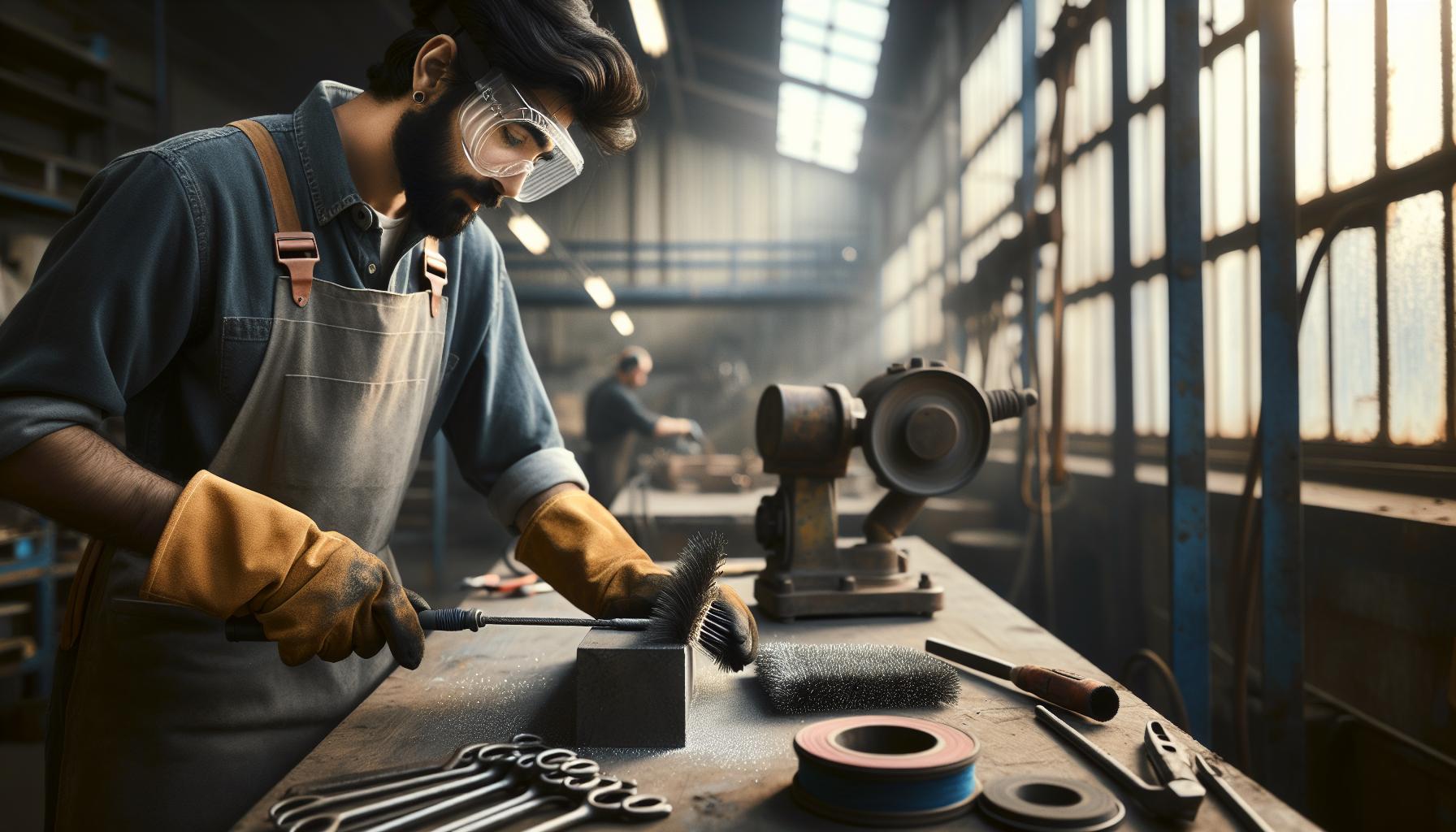
Post-Weld Treatment: How to Ensure Durability
To ensure the longevity and durability of welded cast iron, post-weld treatment is an essential final step that cannot be overlooked. After completing the welding process, the material undergoes significant thermal changes, which can lead to stress and potential cracking if not managed properly. Implementing effective post-weld treatments helps in mitigating these issues, enhancing the joint’s strength and overall performance.
One of the primary post-weld treatments involves slow cooling of the welded area. Rapid cooling can induce thermal stresses that lead to cracking. A commonly recommended method is to wrap the welded item in insulated materials, such as blankets or fiberglass, allowing it to cool at a gradual pace. This technique helps to reduce stress concentrations typically resulting from uneven temperature gradients. The cooling rate can also be controlled by placing the assembly in a controlled environment such as an oven set to a low temperature. This gradual transition aids in relieving internal stresses, ensuring a stronger finished product.
Another critical aspect of post-weld treatment is the stress-relieving process. Depending on the thickness of the material and the type of cast iron, heating the entire welded area to approximately 1000°F (540°C) and then allowing it to cool slowly can effectively relieve residual stresses that may arise from the welding process. This heat treatment not only enhances the structural integrity but also improves the metallurgical properties of the joint, making it less susceptible to future failures.
Lastly, it’s beneficial to inspect the weld thoroughly for any flaws such as cracks or porosity. Utilizing dye penetrant inspection can effectively reveal surface defects that may compromise weld integrity. Additionally, applying a protective coating or paint after the weld has cooled can prevent oxidation and further damage from environmental factors. These measures contribute to the long-term success of any cast iron welding project, ensuring that the repair or fabrication is as durable as possible.
In summary, post-weld treatments such as controlled cooling, stress relief heating, thorough inspection, and protective coatings are vital for ensuring the durability of welded cast iron. By adopting these strategies, welders can significantly enhance the lifecycle of their projects, aligning with both safety standards and performance expectations.
Common Mistakes to Avoid When Welding Cast Iron
Welding cast iron presents unique challenges that, if not approached with care, can lead to common pitfalls and failures in the final product. One significant mistake is neglecting proper pre-welding preparation. Cast iron often contains impurities and variations in composition, which can lead to poor weld penetration if the surface isn’t thoroughly cleaned. Removing paint, rust, and contaminants using a grinder or wire brush not only improves the weld quality but also reduces the risk of cracking, ensuring a more robust bond.
Another frequent error arises from using inappropriate welding parameters. Cast iron requires specific welding techniques-like the secret method that often includes preheating to avoid thermal shock and stress during the welding process. Failing to correctly gauge the amperage and travel speed can result in defects such as incomplete fusion or excessive spatter. Adjusting parameters based on the thickness of the cast iron and the welding process (MIG, TIG, or stick) is crucial to achieving a successful joint.
It’s also critical to avoid rushing through the cooling and post-weld treatment stages. Quick cooling can induce cracking due to residual stresses. Instead, welders should implement the gradual cooling methods discussed previously, such as enwrapping the welded piece in insulating materials to promote even temperatures. Following this, applying stress-relieving heat treatment can further enhance durability and prevent future failures.
Finally, overlooking the importance of using the right welding rod or electrode can hugely impact the quality of the weld. Choosing an unsuitable material can lead to brittleness or poor adhesion, especially in cast iron, which often requires specialized electrodes designed to compensate for its unique properties. Familiarizing oneself with the options available, such as cast iron rods or nickel-based electrodes, will ultimately lead to stronger, more reliable welds.
By recognizing and addressing these common mistakes, welders can significantly improve the quality of their cast iron welds, creating stronger, more durable bonds that withstand the test of time.
Safety Protocols for Welding Cast Iron
Welding cast iron demands not only technical skill but also a strong commitment to safety protocols. The unique characteristics of cast iron can pose serious risks if proper precautions are not taken. For instance, the emission of harmful fumes, the risk of fire, and the potential for electrical hazards are all critical concerns that welders must address in their workspace.
To maintain a safe environment, it’s essential to equip yourself with appropriate personal protective equipment (PPE). This includes:
- Welding helmet: A helmet with an adequate shade to protect against UV and infrared radiation.
- Protective clothing: Fire-resistant jackets and aprons made from materials like leather or treated cotton to shield your skin from sparks and heat.
- Gloves: Heavy-duty welding gloves to prevent burns and improve grip.
- Respiratory protection: Fume extraction systems or respirators to mitigate inhalation of harmful fumes.
- Safety boots: Steel-toed boots to protect feet from heavy objects and molten metal.
Aside from PPE, it’s vital to ensure proper ventilation in your work area. Welding fume extraction systems should be utilized to draw away potentially dangerous gases generated during the process, especially when working with certain welding rods that can emit toxic materials when heated. The welding workspace itself should be free from flammable materials, with a fire extinguisher readily accessible should an emergency arise.
In addition to physical safety measures, understanding the electrical hazards associated with welding is crucial. Ensure that equipment is regularly inspected for signs of wear or damage, and use equipment that complies with safety standards. Grounding practices should be employed effectively to prevent electrical shocks, particularly with stick and MIG welding processes, where high currents can pose a significant risk.
Lastly, maintaining a clear communication protocol among welders is essential, especially in a busy workshop. Establish signals or a buddy system for checking in during complex or high-risk operations, ensuring that help is available immediately if needed. These proactive steps ensure not only a safer working environment but also promote a culture of safety that can significantly reduce accidents related to welding cast iron.
Repair vs. Replacement: When to Consider Welding Cast Iron
When faced with a cracked or damaged cast iron piece, the decision between repairing it through welding or opting for replacement can often be daunting. While cast iron is a material known for its durability, its brittle nature poses unique challenges that may make repair not just feasible, but also a cost-effective solution. Understanding when to pursue welding versus replacement is crucial for maintaining both the integrity of your projects and your budget.
Welding offers significant advantages when attempting to restore cast iron components, particularly for items integral to machinery or historical structures where authenticity is essential. Successful repair can extend the life of cast iron objects without the need for costly replacements. However, it’s important to evaluate the extent of the damage: small cracks or surface fractures can often be welded effectively. In contrast, extensive breakage or wear may compromise the integrity of the material to a degree where replacement is more prudent.
Beyond cost considerations, the potential for successful outcomes also hinges on the welding method selected and the skill of the welder. Implementing specialized techniques, such as pre-heating and post-weld heat treatment, is critical in minimizing the risk of further cracking or weakening the material post-repair. For example, the method used for welding cast iron, such as the selected electrode type and the exact welding procedure, plays an essential role in ensuring a solid repair that will endure. If the process is executed correctly, welded cast iron can show strength that rivals new components.
Ultimately, the decision between repairing and replacing should also factor in future usability. Elements that will see heavy use or environmental stress may best be replaced outright to avoid future repair costs. However, items of sentimental value, vintage machinery, or components where replacement risks losing historical integrity are often more worthwhile to repair. In practice, carrying out thorough inspections and evaluations with experienced welding professionals can aid in making informed decisions that best serve the project and its long-term viability.
Real-World Applications: Successful Cast Iron Welding Projects
Repairing cast iron through welding not only preserves its functionality but also contributes to the revival of historical artifacts and the maintenance of essential machinery. Among notable real-world applications, the restoration of vintage farm equipment stands out, as these items often carry significant sentimental value. For instance, a cracked engine block on a classic tractor can be meticulously welded using the specialized method described earlier, ensuring that the machinery remains operational while retaining its historical character.
Another remarkable application includes the repair of antique cast iron furniture. Pieces such as Victorian garden benches or ornate tables often require attention to cracks or breaks that, if left unattended, could lead to further degradation. Skilled welders can utilize techniques like TIG welding with low heat inputs, allowing for precise control and minimizing the risk of warping, thus extending the life of these cherished items.
Benefits of Cast Iron Welding in Real-World Applications:
- Cultural preservation: Restoring cast iron structures, like lampposts or railings in historical districts, helps maintain the uniqueness of architectural heritage.
- Cost-efficiency: Welding is often more economical compared to sourcing and purchasing replacement parts, particularly for hard-to-find vintage cast iron components.
- Functional restoration: Equipment like foundry molds or heavy machinery can be brought back to working condition, thereby supporting industries that rely on older equipment.
In industries such as automotive repair, cast iron welding becomes crucial when dealing with engine components. Using specialized rods for cast iron, welders are able to redefine the structural integrity of components like cylinder heads and manifolds. These successful welding projects showcase not just the practicality but the artistry involved in melding old with new, proving that with the right techniques and materials, cast iron is far from being obsolete.
Ultimately, casting aside the notion that cast iron is beyond repair fosters a culture of sustainability. By harnessing the power of specialized welding methods, professionals are able to revive not just objects, but also the stories they tell, contributing to both functional restoration and historical legacy.
Expert Tips for Maintaining Welded Cast Iron
Maintaining welded cast iron is pivotal to preserving its structural integrity and functionality over time. Unlike other metals, cast iron is prone to cracking due to its brittle nature, especially if subjected to thermal stress. Understanding a few best practices for care and maintenance can make a significant difference in extending the lifespan of your welded cast iron items.
One critical aspect is the treatment of the welded area post-repair. Always allow the weld to cool slowly to prevent thermal shock, which can lead to cracking. For added protection, consider applying a suitable primer to the welded section before repainting. High-temperature resistant paints are often recommended, especially for items subjected to heat, such as stoves or engine components. This step not only enhances aesthetic appeal but also protects against environmental factors that may lead to corrosion.
Regular inspections are essential. Look for early signs of wear, such as hairline cracks or surface flaking. Implement a maintenance schedule that includes cleaning to remove any debris, dust, and moisture that could accelerate deterioration. When cleaning, avoid harsh chemicals; instead, opt for mild soap and water followed by thorough drying to eliminate moisture traps. If rust appears, address it promptly with a wire brush or sandpaper and apply rust-inhibiting products to prevent further damage.
Additionally, consider the conditions where the cast iron items are stored or used. For outdoor pieces, using weatherproof covers can offer protection against moisture and extreme temperatures. For machinery, ensure that they are kept in a stable environment with regulated humidity levels. Implementing these proactive measures can significantly enhance the durability and longevity of welded cast iron products, ensuring they remain viable and functional for years to come.
Resources and Equipment for Welding Cast Iron Successfully
When embarking on the journey of welding cast iron, having the right resources and equipment can make a significant difference in the outcome of your project. The unique composition of cast iron, known for its brittleness and susceptibility to cracking, necessitates a specialized approach. Selecting proper tools and materials can lead to stronger, more durable welds that can withstand the rigors of use.
To begin with, the choice of welding process is crucial. For cast iron, MIG welding (Metal Inert Gas) is often favored for its ease of use and clean finish. Utilizing solid or flux-cored wires, you can achieve effective penetration and fusion. On the other hand, TIG welding (Tungsten Inert Gas) is another viable option, particularly for intricate repairs requiring precision. This method allows for better control over the heat input, minimizing the risk of cracking.
In terms of electrodes, selecting the right ones is essential. Nickel-based electrodes are highly recommended for welding cast iron, as they improve ductility in the weld. Using stick welding with a nickel rod provides excellent results, particularly for thicker materials, as the nickel helps to reduce brittleness. It’s also crucial to have a high-quality welding machine with adjustable settings to control temperature and feed speed effectively.
Essential Tools and Materials
- Welding Machine: Ensure your machine is compatible with the method you choose (MIG or TIG).
- Electrodes: Nickel-based or specialized cast iron rods.
- Protective Gear: Goggles, gloves, and flame-resistant clothing to ensure safety.
- Welding Jig: For holding pieces together, especially crucial for complex repairs.
- Heat Source: A torch or preheating equipment to reduce thermal shock during welding.
Preparation is as vital as execution. Before you begin welding, ensure that the cast iron is free of any contaminants such as oil, rust, or dirt. Using a wire brush or grinder to clean the surface can promote better adhesion and prevent weld failures. It’s also advisable to preheat the cast iron before welding to reduce the risk of cracking due to thermal stresses.
By investing in the right tools, materials, and preparation techniques, you can master the art of welding cast iron, yielding projects that are not only visually appealing but also structurally sound and long-lasting.
Q&A
Q: Why is welding cast iron more challenging than other metals?
A: Welding cast iron is more challenging due to its high carbon content, which makes it prone to cracking during the welding process. Additionally, the material has a low melting point and can be brittle, requiring special techniques to prevent damage.
Q: What are the common mistakes to avoid when welding cast iron?
A: Common mistakes include using the wrong electrode, not preheating the material, and failing to maintain proper heat control. These errors can lead to poor weld quality and increased chances of cracking.
Q: Can cast iron be welded without special equipment?
A: While it is possible to weld cast iron without specialized equipment, using the right tools and techniques, such as a preheating method or specific electrodes, significantly improves the weld quality and reduces the risk of failure.
Q: What type of electrode is best for welding cast iron?
A: The best electrodes for welding cast iron are those that contain nickel or have a high carbon content. Nickel electrodes offer better ductility and are less prone to cracking, making them ideal for this material.
Q: How do you prepare cast iron before welding?
A: Preparing cast iron for welding involves cleaning the surface to remove rust, oil, or paint. Additionally, preheating the cast iron helps to reduce the thermal shock during welding, minimizing the risk of cracking.
Q: Is post-weld treatment necessary for welded cast iron?
A: Yes, post-weld treatment is crucial for welded cast iron. It helps relieve stresses, reduces brittleness, and enhances overall durability. Processes may include slow cooling or the application of specific treatments to stabilize the weld.
Q: What are the signs that cast iron has been successfully welded?
A: Signs of successful welding on cast iron include a smooth bead appearance, absence of cracking or porosity, and a strong joint. Testing the weld with appropriate methods, such as visual inspection or ultrasonic testing, can also confirm integrity.
Q: When should you consider welding cast iron versus replacing it?
A: Consider welding cast iron when the piece is of significant value or has historical importance, and repairs are feasible. If the damage is extensive or the cost of repair exceeds replacement, opting for a new piece may be more practical.
To Wrap It Up
Now that you understand how cast iron can be expertly welded using the right techniques, such as preheating and proper filler materials, you’re well on your way to tackling those challenging repairs or projects. Don’t let uncertainty hold you back-start exploring your welding options today! For more on welding materials and techniques, check out our articles on MIG welding essentials and safety protocols for beginners.
We invite you to dive deeper into the world of welding; consider signing up for our newsletter for updates on the latest techniques and tips to enhance your skills. If you have questions or want to share your experiences with cast iron welding, leave a comment below. Remember, mastering welding doesn’t just build your skillset; it opens doors to a range of creative projects and career opportunities!