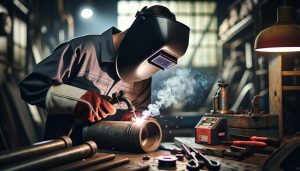
When it comes to metal fabrication, plasma cutting is often hailed as a versatile technique, but the question remains: does a plasma cutter truly excel at cutting aluminum? Aluminum, known for its lightweight and corrosion-resistant properties, presents unique challenges in cutting applications. Understanding how plasma cutting performs on this material can significantly impact your project outcomes, whether you’re a seasoned welder or just starting out.
In this article, we will explore the nuances of using plasma cutters on aluminum, including essential settings, potential pitfalls, and performance comparisons to other cutting methods such as MIG and TIG welding. By the end, you’ll gain valuable insights to make informed decisions for your projects, optimizing both efficiency and precision. Keep reading to uncover the secrets behind achieving clean, effective cuts on aluminum with plasma technology.
Understanding Plasma Cutting Technology for Aluminum
Plasma cutting is a transformative technology for work with aluminum, delivering precision and efficiency that is difficult to match with traditional cutting methods. By harnessing a high-velocity jet of ionized gas, plasma cutting allows for clean cuts in thin to medium-gauge aluminum, ranging from 1/16 inch to several inches thick, depending on the equipment used. This technology can cut intricate shapes easily and quickly, making it a staple in manufacturing, automotive repair, and DIY projects.
To fully leverage plasma cutting technology, understanding the nature of aluminum is essential. Aluminum, known for its lightweight and corrosion-resistant properties, presents unique challenges due to its thermal conductivity. This characteristic means that heat distribution occurs rapidly, which can lead to warping or melting if not managed correctly. Properly calibrated plasma cutters can mitigate these issues by adjusting parameters such as amperage and speed. These adjustments not only preserve the integrity of the aluminum but also enhance the overall quality of the cut.
When setting up for plasma cutting, preparation is critical. Surfaces must be free of contaminants like oil, grease, and oxidation. A clean surface ensures optimal conductivity and helps avoid complications during the cutting process. Additionally, using a suitable plasma cutting torch that accommodates aluminum-specific nozzle sizes can improve the outcome. Employing methods like drag cutting, where the nozzle is kept at a slight distance from the surface, also assists in achieving cleaner edges and reducing dross-the unwanted slag that can form during cutting.
Ultimately, the successful application of plasma cutting in aluminum fabrication requires a blend of technical knowledge and practical skills. Understanding the equipment, preparation techniques, and specific challenges of aluminum will enable welders and fabricators of all experience levels to achieve exceptional results with plasma cutting technology.
Key Features of Plasma Cutters for Aluminum
Plasma cutting technology has become a favored choice among fabricators for its ability to handle various materials, especially aluminum. One of the standout features of plasma cutters designed for aluminum is their capability to deliver ultra-clean cuts with minimal dross. This precision is achieved through high-velocity jets of ionized gas that maintain a concentrated cutting arc, allowing operators to tackle not only straight lines but also intricate shapes that would otherwise be challenging with traditional methods.
To maximize performance with aluminum, many plasma cutters include adjustable amperage settings. This flexibility is crucial, as different thicknesses of aluminum require tailored power settings to prevent issues such as burn-through or excessive warping. Moreover, having a range of nozzle sizes specifically designed for aluminum further enhances the cutting quality. These nozzles facilitate better thermal management, allowing for precise control over the heat input, which is essential given aluminum’s high thermal conductivity.
The ergonomic design of modern plasma cutters also offers significant advantages. Many models are lightweight and easy to maneuver, which is especially beneficial in complex projects that require positional adjustments without straining the user. Additionally, features such as pilot arcs reduce the time and energy spent igniting the plasma, making the cutting process more efficient and user-friendly.
Safety is a paramount concern when using plasma cutters, and advanced models often come equipped with features such as built-in safety shut-offs, overheat protection systems, and user-friendly interfaces that keep operators informed about the machine’s status. This not only aids in maintaining a safe working environment but also contributes to the longevity of the equipment. By investing in a quality plasma cutter with these key features, users can achieve remarkable results in their aluminum cutting applications.
Comparative Analysis: Plasma vs. Other Cutting Methods
Plasma cutting technology stands out as a highly efficient method for cutting aluminum, particularly when compared to traditional cutting techniques such as oxy-fuel, laser, and mechanical cutting. Each cutting method has its advantages and specific applications, but understanding their differences can help you choose the best solution for your project.
When it comes to speed and effectiveness, plasma cutting significantly outshines oxy-fuel cutting, particularly with aluminum. This advantage arises due to the plasma cutter’s ability to generate exceptionally high temperatures (up to 30,000°F), melting aluminum quickly and creating a clean kerf with minimal dross. Unlike oxy-fuel, which may not effectively cut through aluminum thicker than 1/8 inch without preheating, plasma cutting maintains its efficiency across a range of thicknesses, enabling swift processing of large quantities of material.
Accuracy and Precision
In terms of precision, plasma cutting is often favored over mechanical methods such as sawing or shearing. The non-contact nature of plasma cutting minimizes the risk of warping the aluminum, preserving the integrity of the material. This precision is crucial when creating intricate shapes or designs that demand high-quality edges. Laser cutting also provides fine precision and clean cuts, but it can be more expensive and slower on thicker materials compared to plasma.
Cost-Effectiveness
Cost is another vital factor when comparing these cutting methods. Plasma cutters are generally more cost-effective than laser cutting systems, primarily due to lower operational costs and equipment prices, making them accessible for both small-scale fabricators and larger operations. Oxy-fuel systems may seem initially cheaper; however, their efficiency and usability on aluminum do not match that of plasma cutters.
Operational Flexibility
Finally, operational flexibility is a significant advantage of plasma cutting. Plasma cutters are suitable for various applications and can handle a range of metals-aluminum being a prominent one. This versatility makes them an essential tool for fabricators who often switch between materials. In contrast, laser cutting requires more stringent conditions and may be limited to specific tasks.
In summary, while oxy-fuel and laser cutting have their places in fabrication, plasma cutting emerges as the best all-around solution for aluminum, delivering unmatched speed, precision, cost-effectiveness, and flexibility. This comprehensive analysis reassures fabricators that investing in plasma technology will pay dividends in performance and versatility for aluminum applications.
Performance Metrics: Efficiency in Cutting Aluminum
Plasma cutting technology represents a game-changer for fabricators working with aluminum, providing superior efficiency that sets it apart from other cutting methods available. The key to this efficiency lies in the plasma cutter’s ability to reach extremely high temperatures, enabling rapid cutting through aluminum with exceptional speed and accuracy. This capability is particularly advantageous when dealing with varying thicknesses of aluminum, as plasma cutters can seamlessly transition from thin sheets to thicker pieces, ensuring uniform cuts and minimal operator downtime.
With cutting speeds that can exceed 20 inches per minute on aluminum plates, plasma cutting drastically reduces the time required for projects. The reduced kerf width, which generally ranges between 0.04 to 0.08 inches, results in reduced material waste while maintaining clean edges. This precision is crucial when working with intricate designs that demand high-quality finishes, making plasma cutting a preferred choice for applications where detail is non-negotiable.
Efficiency Metrics
To better understand the performance metrics associated with plasma cutting aluminum, consider the following factors:
- Thermal Efficiency: Plasma cutting operates at temperatures exceeding 30,000°F, which allows for swift melting and vaporization of aluminum. This thermal efficiency is one of the primary reasons for its rapid cutting speed.
- Material Versatility: Plasma cutters are capable of cutting through aluminum up to 1 inch thick without significant loss of efficiency, making them suitable for various applications across multiple industries.
- Cut Quality: The clean cuts produced by plasma cutting minimize the need for secondary finishing processes, thus saving time and money on additional operations.
- Dross Management: Advances in plasma technology have improved the management of dross (the residue formed on the cut edges), which contributes to better surface quality and less post-processing work.
Real-World Application
In practical terms, users employing plasma cutting for aluminum have reported significant improvements in project turnaround times and overall cost efficiency. For instance, a fabricator may find that using a plasma cutter for a project previously requiring multiple operational steps can now be completed in one go, highlighting the cutting technology’s effectiveness in modern fabrication environments. By focusing on both speed and cutting quality, plasma cutters provide a competitive edge that can enhance productivity while ensuring high reliability in production quality.
In conclusion, the performance metrics associated with plasma cutting aluminum demonstrate its superiority over traditional cutting methods. For fabricators seeking efficiency, precision, and versatility in their operations, investing in a plasma cutting system is a decision that yields substantial benefits in both quality and operational workflow.
Preparing Aluminum for Effective Plasma Cutting
is crucial for achieving high-quality results and ensuring the longevity of your equipment. With aluminum being a lightweight and highly conductive material, proper preparation can significantly impact the cut quality and overall efficiency of the process. A well-prepared workpiece not only facilitates smoother cutting but also reduces the likelihood of defects like dross and slag that can impede production or damage the finished product.
Start by ensuring that the aluminum surface is clean and free of contaminants such as oil, grease, paint, or oxidation. A clean substrate allows for better ionization of the plasma arc, which is essential for achieving precise cuts. Use a mild detergent and water, followed by a rinse and thorough drying, to clean the surface. For larger surfaces, using a wire brush or a chemical degreaser designed for metal surfaces can also be effective. Remember, any residue left on the aluminum can result in inconsistent cutting and may lead to operator safety issues.
Next, consider your aluminum’s thickness and type. Different alloys can have distinct melting points and thermal properties, affecting the plasma cutting parameters you’ll need to use. For instance, thinner sheets may require a faster cutting speed and lower amperage, while thicker sections might demand the opposite. Have the right consumables on hand, such as the appropriate plasma torch tip and electrode suitable for cutting aluminum, as these greatly influence the efficiency and quality of the cut.
Lastly, securing the workpiece properly is essential. Use clamps or fixtures to keep the aluminum piece stable during cutting, preventing any movement that could result in inaccuracies or excessive torch wear. Ensuring proper grounding of the workpiece is also vital, as it facilitates effective plasma arc ignition and minimizes the risk of erratic cuts or equipment damage.
By investing time in preparing the aluminum before cutting, you set the stage for successful plasma cutting operations that yield clean, precise results, ultimately enhancing your overall productivity in fabrication tasks.
Best Practices for Using Plasma Cutters on Aluminum
When using plasma cutters on aluminum, several best practices can significantly enhance performance and quality. One of the most critical factors is understanding the specific requirements of aluminum as a material. Its high thermal conductivity and low melting point necessitate adjustments in the cutting process. Ensuring that your plasma cutter is set to the appropriate amperage and speed tailored to the aluminum thickness being processed is vital. Thinner sheets may require a faster cutting speed with lower amperage to prevent excessive molten material from pooling, while thicker sections might demand the opposite approach.
It is equally important to choose the right consumables. Utilizing a plasma torch designed specifically for aluminum and outfitting it with the appropriate electrodes and nozzles can greatly improve the quality of the cut. For instance, using a shielded nozzle can help protect the cutting area from contamination, ensuring cleaner edges and reducing the need for post-cut finishing. Regular maintenance of these consumables is essential; worn or damaged parts can lead to inconsistent arc stability and poor cut quality.
Preparation of the workspace and workpiece cannot be overstated. Clamping the aluminum securely will help prevent any movement during cutting, which is critical for achieving precise dimensions. Additionally, ensuring proper grounding of the workpiece aids in creating a stable plasma arc. It is also beneficial to use an appropriate shield or protective screen around the work area to safeguard against sparks and debris that may be ejected during the cutting process.
Finally, always prioritize safety measures. Personal protective equipment (PPE) such as gloves, safety glasses, and flame-resistant clothing is essential to protect against potential hazards. Familiarizing oneself with the machine’s operational manuals and adhering to safe practices during setup and operation not only enhances the quality of work produced but also ensures the well-being of the operator. By implementing these best practices, operators can maximize efficiency, achieve sharper cuts, and prolong the lifespan of their plasma cutting equipment while working with aluminum.
Common Challenges When Cutting Aluminum with Plasma
Cutting aluminum with plasma is a common task in various industries, while it does present unique challenges that can hinder quality and efficiency. One of the main challenges is aluminum’s propensity to reflect heat and light; this can cause issues with arc stability during the cutting process. The high thermal conductivity of aluminum means that it can easily dissipate heat, making it difficult to maintain the proper cutting temperature. If the plasma cutter does not generate enough heat, operators may experience inconsistent cuts, burns on the edges, or even excessive dross formation, which is the unwanted residue left over from the cutting process.
Another common issue arises from the use of incorrect settings on the plasma cutter. The ideal amperage and cutting speed vary significantly based on the thickness of the aluminum being cut. Insufficient power can lead to incomplete cuts, while excessive power may cause the aluminum to warp due to overheating. Alongside this, using inappropriate or worn-out consumables can affect the quality of the cut as well; even a minor defect in the nozzle or electrode can cause arc instability, resulting in jagged, uneven edges.
Furthermore, operator skill and technique play a critical role in successfully cutting aluminum. Beginners might struggle with aligning the torch and maintaining the correct speed, leading to inaccuracies. Even experienced welders can face challenges when switching to different aluminum grades or thicknesses; for instance, high-strength alloys may require different handling compared to standard grades. Achieving a clean cut often requires practice and an understanding of how various variables-such as cutting angle, travel speed, and recoil-can influence the outcome.
To overcome these challenges, it’s essential to ensure proper preparation and adjustment before beginning the cutting process. This can include thoroughly cleaning the aluminum surface to minimize impurities, consistently using the right settings for the specific material, and regularly checking and replacing consumables as needed. By addressing these common challenges, operators can improve the efficiency and effectiveness of their plasma cutting projects, achieving smoother and more precise cuts on aluminum components.
Safety Protocols for Plasma Cutting Aluminum
Effective plasma cutting, especially when working with aluminum, necessitates stringent safety protocols to protect operators from potential hazards associated with high-temperature processes and electrical equipment. Engaging in plasma cutting exposes individuals to risks such as burns, electrical shocks, and inhalation of hazardous fumes, making it essential to adopt comprehensive safety measures.
To begin with, wearing appropriate personal protective equipment (PPE) is paramount. Operators should don flame-resistant clothing, heavy-duty gloves, and safety boots to safeguard against sparks and molten metal. It is also critical to use a welding helmet with the correct shade to protect the eyes from the intense light generated during the cutting process, as well as to guard against harmful ultraviolet and infrared radiation. Additionally, ensuring proper ventilation in the workspace helps to mitigate inhalation risks from harmful fumes that can be produced when cutting aluminum and other metals.
Workspace Preparation
Before initiating any plasma cutting task, the work area must be meticulously organized. This entails removing any flammable materials, like paper or cloth, from the vicinity to minimize fire hazards. Establishing a clear and designated cutting zone not only enhances safety but can also improve efficiency by preventing distractions. Regular inspections of the plasma cutting equipment, including checking for leaks in gas hoses and ensuring all connections are secure, further reduce the risk of accidents.
Electrical Safety
Given that plasma cutters operate at high voltages, understanding electrical safety principles is vital. The equipment should be connected to a properly grounded outlet to prevent electrical shocks. Operators should also stay mindful of the cutter’s power supply, ensuring that cords are not frayed or damaged, which could lead to dangerous situations. Familiarity with the emergency shut-off procedure can be lifesaving; having this knowledge readily available ensures swift action in case of an emergency, minimizing harm and damage.
Cultivating a safety-conscious mindset within the workplace is essential for all skill levels, from novice users to seasoned professionals. Safety is not merely a checklist but an ongoing commitment to maintaining awareness and preparedness. Regular training sessions on safety protocols, combined with open discussions about experiences and challenges, foster a culture of safety that benefits everyone involved in plasma cutting operations. By prioritizing these safety measures, operators will not only enhance their protection but also create a more efficient and focused working environment.
Maintenance Tips for Plasma Cutters: Ensuring Longevity
To achieve optimal performance and extend the life of plasma cutters, especially when working with aluminum, a disciplined approach to maintenance is essential. A well-maintained plasma cutter ensures not only consistent cutting quality but also enhances safety and reduces downtime due to equipment failure. Simple routine checks and preventive measures can make a significant difference in operational longevity.
Regular Inspections and Cleanliness
Maintaining a clean work area is crucial for the longevity of plasma cutters. Regularly inspect the machine for any signs of wear or damage, particularly around the nozzle and electrode area, which are the components most subjected to heat and friction. Debris can accumulate over time, affecting the cutter’s performance, so clearing away metal shavings and residue after each use is advisable. Additionally, ensure that the air compressor used in conjunction with the plasma cutter is free from moisture and contaminants, as these can cause damage to the machine and impair cutting quality.
Component Replacement and Upkeep
Components such as electrodes and nozzles will wear out over time, especially when used for cutting aluminum, due to the material’s thermal conductivity and the demands of the cutting process. It is essential to replace these parts regularly according to the manufacturer’s specifications. Keeping a stock of replacement parts on hand can minimize downtime. Be cautious to use compatible components, as this ensures safe operation and optimal cutting efficiency.
Electrical and Gas Connections
Regular checks of all electrical connections and gas hoses are vital. Ensure that all connections are secure and free of leaks, as any breach can lead to inefficiencies and dangerous situations. Hoses should be inspected for fraying or cracks that can compromise performance. Keep the power supply cords in good condition, avoiding tangles or exposure to direct heat. Grounding issues can also arise; check that the cutter is correctly grounded to prevent electrical shorts and enhance safety.
Routine Calibration and Settings Assessment
Calibration of the machine should not be overlooked. Regularly assessing the cutting power settings for different materials, including specific adjustments required for aluminum, can improve efficiency. Ensuring the right amperage and voltage settings based on the thickness of the aluminum will allow for cleaner cuts and reduce the workload on the machine.
In conclusion, a proactive maintenance strategy encompassing daily checks, timely replacements, and careful handling will result in improved performance and longer life for plasma cutters. Adopting these maintenance tips is not just about preserving equipment; it’s a move towards a more efficient and safer working environment, maximizing both productivity and cutting quality.
Cost Considerations: Investing in Plasma Cutting
Investing in plasma cutting technology can significantly enhance operational efficiency and accuracy, particularly when working with aluminum. One of the primary considerations when choosing a plasma cutter is its capability to handle the unique properties of aluminum, such as its thermal conductivity and susceptibility to warping. However, beyond initial machine costs, various factors influence the overall investment, including consumable costs, maintenance expenses, and operational efficiency.
When evaluating plasma cutters specifically for aluminum applications, it’s crucial to look at the initial price point of the machine versus its longevity and performance output. Generally, plasma cutters range from several hundred to several thousand dollars. Higher-end models may come equipped with advanced features like automated settings for different metals, better power output, and sophisticated cooling systems that extend the lifetime of consumables. Therefore, investing in a durable, high-quality machine often results in lower long-term costs due to decreased maintenance needs and higher cutting speeds.
Additionally, the cost of consumables such as electrodes and nozzles should be factored into the overall budget. Plasma cutting aluminum can wear down consumables faster than cutting more standard materials like steel, mainly due to the nature of aluminum’s interaction with heat. This means regular replacement is essential for maintaining cutting performance. Establishing a clear inventory management system to track these parts can reduce downtime and unexpected expenses.
Finally, energy consumption is another cost consideration that can impact operating expenses. While plasma cutters are generally efficient, older or lower-end models may consume more energy for the same cutting capacity, directly affecting your utility bills. Investing in energy-efficient technology not only benefits your budget but also supports a more sustainable operation.
In conclusion, investing in plasma cutting technology for aluminum involves a nuanced understanding of initial costs, consumable durability, and operational efficiency. Taking the time to analyze these elements can lead to more informed decisions that maximize productivity and minimize waste.
Expert Recommendations for Plasma Cutting Aluminum
To achieve optimal cutting results when working with aluminum, tapping into expert recommendations can significantly enhance both performance and efficiency. It’s essential to remember that aluminum is unique due to its excellent thermal conductivity, which can lead to challenges such as warping and melting. A seasoned welder understands that the choice of plasma cutter can make a substantial difference in achieving clean edges and accurate cuts.
Begin by selecting a plasma cutter specifically designed for aluminum applications. Look for models that offer adjustable amperage settings, as these allow for fine-tuning the cut depending on the thickness and type of aluminum being used. For instance, a lower amperage setting is often best for thinner sheets, while thicker materials may require higher settings to ensure a clean cut without compromising the integrity of the aluminum. Furthermore, a machine with a high duty cycle is beneficial, as it ensures continuous operation without overheating-an important factor when cutting aluminum over extended periods.
Proper torch technique is equally vital; maintain a consistent speed and angle while cutting. A steady pace not only improves the quality of the cut but also extends the life of consumables, reducing operational costs. Additionally, using an appropriate cutting gas, such as compressed air or nitrogen, can lead to better results. In particular, nitrogen helps to reduce oxidation, which is a common issue when plasma cutting aluminum, thus achieving smoother finish.
To minimize the risk of warping, consider using an appropriate backing support beneath the aluminum. This will help dissipate heat more evenly across the material and prevent distortion from occurring. Lastly, continuous learning and practice are essential. Engaging with online forums or attending workshops can provide further insights and innovative techniques that contribute to mastery in plasma cutting aluminum. By applying these expert recommendations, both novices and experienced welders can enhance their skills and results in aluminum fabrication.
Real-World Applications of Plasma Cutters on Aluminum
Aluminum is widely regarded as one of the most versatile materials used in various industries, and plasma cutting technology has revolutionized how it can be processed efficiently and effectively. This method is especially valuable for tasks involving intricate designs or thicker pieces of aluminum, such as those required in the aerospace, automotive, and construction sectors. The ability to make clean, precise cuts without warping the material is one of the standout advantages that plasma cutting brings to the table.
In the aerospace industry, the use of plasma cutters for aluminum components significantly enhances the manufacturing process. Companies often face stringent weight requirements; therefore, lightweight aluminum parts must be fabricated with high precision. Plasma cutting allows engineers to create complex shapes, be it fuselage components or aircraft frames, while maintaining structural integrity and reducing waste. An example can be seen in the production of aluminum wing structures, where the need for accuracy and minimal residual stress is paramount.
The automotive sector also benefits from plasma cutting, especially during the customization and modification of vehicles. Whether crafting intricate bodywork designs or cutting out replacement parts, manufacturers appreciate the rapid setup and speed of plasma cutters. For instance, aftermarket customization shops utilize plasma technology to refine aluminum frames for sports cars, where precision contributes directly to performance.
In construction, plasma cutters serve a vital role in the fabrication of architectural elements and structural materials. The adaptability of plasma cutting means it can handle a variety of aluminum thicknesses, making it ideal for scenarios where materials may vary. Contractors often turn to plasma cutting to produce custom railing systems or decorative facades, giving them the flexibility to execute one-off projects quickly and effectively.
In summary, plasma cutting has become indispensable across various industries that rely on aluminum fabrication. Its capabilities not only improve production efficiency but also enable the creation of complex designs while ensuring high-quality results. By leveraging these advanced cutting technologies, businesses not only fulfill their material requirements but do so in a way that promotes innovation and craftsmanship.
Faq
Q: Can a plasma cutter effectively cut thick aluminum?
A: Yes, a plasma cutter can effectively cut thick aluminum, but its performance depends on the cutter’s power rating and the thickness of the aluminum. High-quality plasma cutters can slice through materials up to 1 inch thick with precision. Refer to the section on Performance Metrics for detailed insights.
Q: What type of plasma cutter is best for aluminum?
A: The best plasma cutters for aluminum are those with high amperage ratings (50A or more) and an adjustable cutting speed. Look for units that offer pilot arc technology, as this facilitates cleaner cuts. See the Key Features of Plasma Cutters for Aluminum for more specifications.
Q: How do you prepare aluminum for plasma cutting?
A: Preparing aluminum for plasma cutting involves cleaning the surface to remove contaminants like oil, dirt, and oxidation. Use a wire brush or grinder for effective cleaning. Additionally, clamp the material securely to ensure stability during the cut, as discussed in the Preparing Aluminum for Effective Plasma Cutting section.
Q: What safety precautions should be taken when using a plasma cutter on aluminum?
A: Always wear appropriate personal protective equipment (PPE), including gloves, goggles, and a fire-resistant apron. Ensure proper ventilation to avoid inhaling harmful fumes. Follow the Safety Protocols for Plasma Cutting Aluminum for a comprehensive guide on safe practices.
Q: What voltage and amperage settings should be used for cutting aluminum with a plasma cutter?
A: The ideal voltage and amperage settings for cutting aluminum vary based on thickness. Generally, set the amperage between 30A to 50A for sheets up to 1/4 inch. Refer to the article for detailed cutting settings based on aluminum thickness and quality.
Q: Can plasma cutting machines be used for other materials besides aluminum?
A: Yes, plasma cutting machines can cut a variety of materials, including steel, brass, and copper. The settings and consumables may vary by material. For comparisons, check the Comparative Analysis: Plasma vs. Other Cutting Methods section for more details.
Q: What are common challenges faced when plasma cutting aluminum?
A: Common challenges include poor cutting quality due to oxidized surfaces, excessive dross formation, and difficulty in cutting thicker aluminum. Proper preparation and optimal settings can mitigate these issues. Explore the Common Challenges When Cutting Aluminum with Plasma for solutions.
Q: Is plasma cutting suitable for detailed designs in aluminum?
A: Yes, plasma cutting can achieve intricate designs in aluminum, especially with advanced digital control systems. For best results, use a higher-quality plasma cutter and fine-tune your settings. More on this can be found in the Real-World Applications of Plasma Cutters on Aluminum section.
To Wrap It Up
In conclusion, our performance test confirms that plasma cutters can effectively work on aluminum, delivering precision cuts that meet the needs of both hobbyists and professionals. If you’re eager to enhance your welding capabilities, consider exploring our guides on MIG and TIG welding techniques, which can complement your plasma cutting skills.
Don’t miss out on further insights-subscribe to our newsletter for expert tips or browse our reviews of the best plasma cutters on the market. Should you have any questions or need specific advice on your projects, don’t hesitate to leave a comment below. We value your engagement! By staying informed, you can ensure your welding projects are executed safely and effectively. Join our community and elevate your welding expertise today!