Plastic welding is a crucial skill for anyone looking to repair or repurpose plastic items, providing a quick and effective solution to common issues. Did you know that many household items, like toys, appliances, and even automotive components, can be rejuvenated through simple welding techniques? Whether you’re a DIY enthusiast or a seasoned professional, understanding how to use a plastic welder not only saves you money but also reduces waste by extending the lifespan of your belongings. In this guide, we’ll explore various plastic welding methods, safety tips, and expert insights to help you tackle repairs with confidence. Dive in to discover how easy it is to transform broken plastic into functional, durable goods.
Understanding Plastic Welding: The Basics You Need
Plastic welding is a fascinating and essential technique that enables the strong bonding of thermoplastic materials through melting and fusing. With applications spanning industries such as automotive, aerospace, and household goods, understanding the fundamentals of plastic welding is crucial for anyone looking to repair or fabricate plastic components effectively. Unlike traditional methods that rely on adhesives or mechanical fasteners, plastic welding harnesses heat and pressure to create a seamless bond. This results in joints that often surpass the strength of the original materials, offering durability and reliability for various applications.
To begin your journey with plastic welding, it is vital to recognize that several methods exist, each suited for different types of plastic and specific project requirements. For instance, techniques such as hot air welding and extrusion welding cater to distinct needs and involve varying approaches in applying heat and pressure to achieve the desired fusing effects. Understanding these methods not only enhances the quality of your welding but also ensures successful repairs without the risk of damaging the plastic parts.
Moreover, plastic welding is not just about combining two pieces; it involves a thoughtful assessment of materials and conditions. Selecting the appropriate welding method and pre-welding preparation-like cleaning the surfaces to be welded-can significantly influence the outcome. Emphasizing preparation, technique, and post-weld treatment can help lay the groundwork for robust and aesthetically pleasing results. Whether you are tackling DIY projects or professional repairs, grasping the principles of plastic welding empowers you to execute high-quality work with confidence.
Essential Tools for Plastic Welding Success
An effective plastic welding project hinges on having the right tools at your disposal. The essential tools not only streamline the process but also enhance the quality and durability of the welds performed. At the heart of plastic welding equipment is the plastic welding gun, which employs heat to melt and fuse thermoplastic materials. When selecting a gun, consider a model that offers adjustable temperature settings for versatility across different types of plastics.
Another critical tool is the welder’s rod. These rods act as filler material to augment the strength of your welds. It’s important to choose rods that are compatible with the plastic types you are working with, such as polypropylene, polyethylene, or PVC. Additionally, having a temperature control device can help maintain consistent heating, ensuring that the welding process isn’t compromised by sudden fluctuations in heat.
Preparing the surfaces to be welded is as important as the welding itself. A cleaning brush or solvent can aid in removing dirt and grease, which are common culprits that lead to weak welds. Moreover, clamps or fixtures could be valuable for holding the pieces in place during the welding process, which ensures alignment and offers a steady hand to minimize the risk of deformation from the heat.
Finally, to ensure safety while working, it’s essential to have protective gear such as gloves, goggles, and a face mask. These not only shield you from harmful fumes released during the process but also protect against burns from the hot materials and tools. By equipping yourself with these essential tools, you substantially increase your chances of achieving strong, reliable plastic joints every time you weld.
Step-by-Step Guide to Using a Plastic Welder
Using a plastic welder can seem daunting at first, but with the right approach, it becomes a straightforward task that can save time and resources. Plastic welding involves applying heat to fuse two plastic parts together, creating a durable bond that can withstand stress and pressure in various applications-from repairing household items to automotive components. To embark on this journey successfully, it’s essential to follow a structured process.
Start by ensuring you have all your tools ready and in good working condition. This includes your plastic welder, compatible welding rods, clamps, a cleaning brush or solvent, and essential safety gear like gloves, goggles, and a face mask. Once you’re set up, begin with surface preparation. Clean the plastic surfaces to remove any dirt, grease, or contaminants that could prevent a strong bond. Use a cleaning brush or solvent for thoroughness, and allow the surfaces to dry completely before moving forward.
Next, position the pieces you intend to weld using clamps to secure them in place. Proper alignment is crucial, as any misalignment can weaken the weld and compromise the quality of the repair. Once the plastic is firmly held in place, power on your plastic welder and set it to the appropriate temperature for the materials you are working with. Most welding processes will require you to gradually heat the edges of the pieces, melting them slightly to allow for fusion.
After the materials are adequately heated, introduce the welding rod into the weld joint. As you apply pressure on the rod, it will melt and fill the joint gap, ensuring a solid and uniform bond. Maintain even pressure and use smooth, controlled motions to avoid creating air pockets or excessively molten areas. Once the welding is complete, allow it to cool undisturbed for several minutes. This cooling period is essential for achieving a strong mend, as it enables the materials to solidify together. Finally, inspect the weld to ensure integrity and strength before utilizing the repaired item.
By following this step-by-step guide, you can effectively use a plastic welder for various tasks, ensuring that you achieve high-quality, lasting repairs with confidence. Always remember that practice is key-refining your technique over time will further enhance your proficiency and results in plastic welding.
Common Plastic Welding Techniques Explained
Plastic welding is a versatile technique that can be particularly helpful for those looking to repair a variety of items in their daily lives. Understanding the common techniques associated with plastic welding can significantly enhance your ability to create durable, lasting repairs, whether for consumer items, industrial applications, or artistic projects.
One widely used method is hot air welding. This technique involves using a hot air gun to melt the surfaces of the two plastic components being joined. Once heated, a filler rod is introduced into the joint, which also gets melted and, as a result, fills any gaps while bonding with the two base materials. This method is especially effective for repairing thin plastics and can be used in various applications, from automotive components to plastic piping.
Another prevalent technique is ultrasonic welding, which utilizes high-frequency vibrations to create rapid heat at the joint interface. This method allows for instantaneous welding of thermoplastics, offering a high degree of precision and minimal distortion of the welded materials, making it ideal for complex or intricate parts often found in electronics or medical devices.
Vibration welding, similar to ultrasonic welding, employs mechanical vibrations to create heat through friction at the joint. This technique is particularly effective for large or thick parts, where traditional methods may fall short. It provides strong seals without the use of adhesives or fillers, making it suitable for heavy-duty applications like automotive parts or containers.
Finally, laser welding represents a more advanced technique where a focused laser beam melts the plastic at the joint, providing an extremely precise and efficient method of joining plastics. This method is particularly advantageous in applications requiring high precision and control, such as intricate assemblies or delicate components.
Ultimately, understanding these plastic welding techniques not only expands your toolkit for repairs but also enhances the quality and durability of your results. Each method has its own strengths and intended applications, so choosing the right one for your project is crucial for achieving effective and lasting repairs.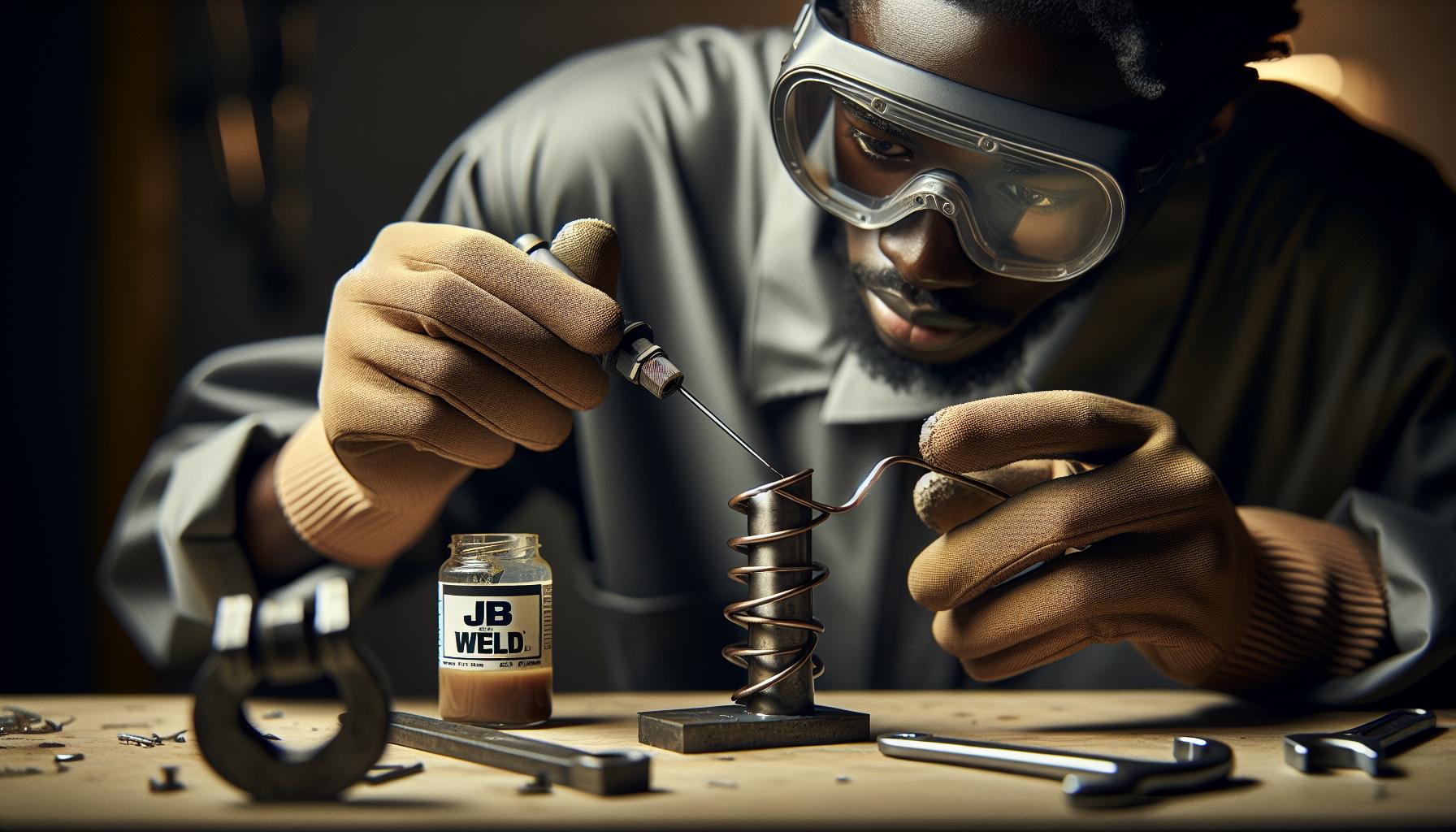
Identifying Different Types of Plastics for Welding
In the world of plastic welding, understanding the various types of plastics is crucial for achieving durable and effective repairs. Different plastics exhibit distinct characteristics, which influence their behavior during the welding process. Recognizing these differences can save time and ensure successful bonding, whether you are working on consumer products or specialized components in industrial settings.
The most commonly welded plastics include thermoplastics and thermosets. Thermoplastics, such as polyethylene (PE), polypropylene (PP), and polyvinyl chloride (PVC), are the go-to materials for many welding applications due to their ability to become pliable upon heating. This property allows them to be melted and reshaped multiple times. In contrast, thermoset plastics, like epoxy resins and phenolics, undergo a chemical change when cured, leaving them rigid and less suitable for traditional welding techniques. Identifying whether a plastic is a thermoplastic or thermoset is essential before selecting a welding method.
To better assist in , consider utilizing a simple test approach. Here are a few characteristics to observe:
- Flame Test: Burning a small piece of plastic can help differentiate types. For example, polyethylene burns with a blue flame and produces a paraffin-like smell, while PVC burns with a green flame and produces black soot.
- Solvent Test: Some plastics dissolve in specific solvents. For instance, acetone can dissolve polystyrene, but it won’t affect polyethylene.
- Density Test: Placing plastic samples in water can indicate their density. For example, PVC sinks, while PP floats.
Additionally, labeling or markings on the plastic can provide valuable information. Most plastics are stamped with recycling codes ranging from 1 to 7, indicating the type of material, which can aid in identification. By familiarizing yourself with these codes and their corresponding materials, you can make informed decisions on the best welding techniques to employ.
Engaging with these identification methods allows for more precise and controlled welding processes, leading to stronger and more reliable repairs. As a welder, ensuring compatibility between your welding technique and the type of plastic not only enhances the quality of your work but also reflects a professional standard that is crucial in any repair solution.
Troubleshooting Common Plastic Welding Problems
Effective plastic welding requires not only skill but also an understanding of common issues that can arise during the process. Many welders, whether beginners or seasoned professionals, encounter challenges such as inconsistent join quality, warping, and improper melting temperatures. Identifying and addressing these problems quickly can mean the difference between a solid repair and a failed one, so being proactive in troubleshooting is essential.
One prevalent issue is incomplete fusion, where the plastic pieces do not bond adequately. This may result from insufficient heating or incorrect settings on the welding machine. If you notice that the edges of the weld are not merging completely, adjusting the welder’s temperature and speed settings can often help. It’s crucial to ensure that the welding temperature matches the material specifications because each type of plastic, such as polyethylene or PVC, has its own optimal melting point. Always refer to a welding guide for the specific plastic you are working with.
Another issue welders might face is warping of the plastic during the welding process. This typically occurs due to uneven heating or excessive thermal stress. To mitigate this, consider employing a backing plate to distribute heat evenly or reducing the speed of the welder. Additionally, preheating the parts before welding can alleviate some of the stress by reducing the temperature differential when the welder is applied.
Lastly, if you encounter the problem of bubbles or voids in the weld, this could indicate contamination or moisture in the plastic. Ensuring the surfaces are clean and dry before starting the welding process is paramount. Additionally, using a hot air tool to gently dry the plastic prior to welding can help prevent moisture-related issues. By keeping these troubleshooting tips in mind, welders can enhance their proficiency and achieve consistent, high-quality repairs.
Safety Precautions When Using a Plastic Welder
When engaging in plastic welding, understanding and implementing safety precautions is crucial for the well-being of the welder and the integrity of the materials involved. The process often involves high temperatures and specialized equipment, which can pose various risks. By adhering to a structured approach to safety, welders can minimize hazards and enhance their working efficiency.
First and foremost, a proper safety gear is essential. Always wear appropriate personal protective equipment (PPE), including heat-resistant gloves, safety goggles, and a face shield, to protect against both thermal burns and eye injuries from sparks or flying debris. Long-sleeved clothing made of natural fibers can provide additional protection against heat, while steel-toed boots are advisable to safeguard feet from heavy equipment or materials accidentally dropped.
Workspace Safety
Creating a clean and organized workspace plays a vital role in safety. Ensure that the area is free of flammable materials, such as paper, cloth, or residual chemicals, that could ignite due to the heat generated during welding. Adequate ventilation is also essential; working in a well-ventilated area helps dissipate any fumes and harmful gases produced during the melting of plastics. If working indoors, consider using exhaust fans or fume extractors to maintain air quality.
Tool Handling and Equipment Checks
Before starting any welding project, conduct a thorough inspection of the tools and equipment. Make sure all connections are secure, and check for any signs of damage or wear that could lead to malfunction. Familiarize yourself with the operation manual of the plastic welder, since each model may have specific safety features and operational guidelines. When using hot tools or materials, always remember to keep the welder’s hot end at a safe distance from body parts and other equipment to avoid accidental contact.
In addition to these measures, being aware of the type of plastic being welded is critical, as some materials may emit toxic fumes when heated. Always consult Material Safety Data Sheets (MSDS) and follow recommended guidelines for handling each specific type of plastic. By proactively adopting these safety precautions, you not only protect yourself and others but also contribute to a more efficient and effective welding process.
Maintenance Tips for Your Plastic Welder
Proper maintenance of your plastic welder is crucial to ensure optimal performance and longevity. Regular upkeep not only enhances the quality of your welds but also minimizes the risk of equipment failure at critical moments. One effective strategy is to implement a routine inspection schedule. This involves checking the welder for any signs of wear or damage, particularly in areas that experience high heat or friction. For instance, the welding tip should be free of debris and wear, as any buildup can interfere with the quality of the weld.
Cleaning Protocols
A clean welder is essential to achieving consistent results. After each use, make it a practice to clean the welding tip and surrounding areas with a soft cloth or a dedicated cleaning solution designed for plastic welding equipment. Pay attention to the heating element; any residue left unaddressed can not only affect weld quality but may also lead to overheating. Using a wire brush can be beneficial for removing stubborn residue, but be cautious not to damage any sensitive components.
Calibrating Temperature Settings
Maintaining the correct temperature is vital for effective plastic welding. Regularly calibrate your welder to ensure that it reaches and maintains the optimal temperatures needed for the specific types of plastics you are working with. If your model allows, keep a thermometer handy to confirm that the settings align with the manufacturer’s recommendations. Keeping a log of the typical temperatures used for various materials can help streamline this process and improve your efficiency over time.
Storage Conditions
Finally, the storage of your welder significantly impacts its lifespan. Always store your plastic welder in a dry, temperature-controlled environment to prevent moisture damage or corrosion. If possible, use a dedicated case or cover to keep it safe from dust and debris. Additionally, disconnect the welder from any power sources when not in use to prevent electrical damage and to ensure safety.
By following these maintenance tips, you not only enhance the longevity of your equipment but also ensure safety and efficiency in your plastic welding projects. Regular attention to these details will yield a better overall welding experience, allowing you to tackle repairs and projects with confidence.
Innovative Repair Solutions with Plastic Welding
Plastic welding has emerged as a transformative solution for a variety of repair challenges, offering not only durability but also versatility across different applications. Whether you are fixing a plastic automobile dashboard, mending a cracked kayak, or restoring a damaged appliance casing, the ability to successfully weld plastic can save both time and resources. This method stands out as a favorable alternative to traditional adhesives or mechanical fasteners, providing a seamless bond that often exceeds the original strength of the material.
Effective Techniques for Plastic Repair
One of the most innovative approaches in plastic welding is the use of specialized welding rods that match the base material. This match enhances not just the aesthetic but the mechanical integrity of the repair. For instance, when repairing polyethylene plastic, using a polyethylene filler rod during the welding process can lead to a superior bond. Additionally, techniques such as hot air welding and ultrasonic welding have gained popularity for their effectiveness in various settings, including industrial manufacturing and DIY repairs at home.
Practically speaking, the choice of welding technique often depends on the type of plastic involved. For thermoplastics, methods like solvent welding can also be effective, as it chemically melts the surfaces to create a bond. In contrast, thermosetting plastics usually require more sophisticated approaches, such as laser welding. Understanding the unique properties of different plastics is fundamental to selecting the right method, ultimately impacting the success and longevity of the repairs.
Real-Life Applications
The real-world applications of plastic welding are extensive. Automotive industries frequently utilize plastic welding to repair dashboard components damaged in accidents. In environmental initiatives, plastic welding is employed in securing water tanks and water filtration systems, ensuring both safety and sustainability. Furthermore, the ability to weld plastics in the field means repairs can be conducted onsite, reducing downtime for vehicles or equipment.
Beyond these examples, plastic welding also shines in the realm of art and design. Artists and craftspeople often use welding techniques to assemble custom sculptures or installations, showcasing the material’s versatility. As plastic continues to evolve, so too will the methods and techniques, paving the way for innovative solutions to repair and repurpose materials that might otherwise be discarded.
With the right knowledge, tools, and techniques, plastic welding can serve as a powerful repair solution across an array of situations, promoting sustainability while providing users with effective means to extend the lifecycle of plastic products.
Advanced Plastic Welding Techniques for Professionals
In the realm of advanced plastic welding, professionals are continually exploring innovative techniques that not only enhance repair quality but also improve efficiency and sustainability in their workflows. Understanding the diverse methods available is essential for achieving a robust bond, especially when dealing with varying plastic types and structures. More than just knowing how to weld, mastering advanced techniques requires a combination of technical knowledge, practice, and an eye for detail.
One prominent method is ultrasonic welding, perfect for small, intricate parts or thermoplastic materials. Utilizing high-frequency vibrations, ultrasonic welding creates localized melting at the joint surfaces without the need for additional adhesives or heat sources. This technique is especially useful in applications like electronics, automotive components, and medical devices, where precision is crucial. When implementing ultrasonic welding, ensure that surfaces are clean and properly aligned to avoid defects.
Another advanced technique is laser welding, which uses concentrated light to achieve a precise and effective weld. This method is highly favored for its ability to produce minimally invasive welds with excellent aesthetic results, making it suitable for applications in consumer products and aesthetic components. Laser welding allows for the joining of different types of plastics, provided they have compatible absorption characteristics with the laser wavelength. However, the initial setup costs can be high, making it essential for professionals to weigh the benefits against expenses based on their operational needs.
For professionals looking to diversify their skill set, integrating hot gas welding and pressured air welding presents innovative solutions for large assemblies and parts requiring significant strength. These methods adapt well to both thermoplastics and composite materials, offering versatile options across different industries. Proper training is vital to mastering these techniques, as the specific temperature and speed settings can vary based on material thickness and type.
Key Considerations for Advanced Techniques
Adopting advanced welding techniques requires an understanding of the materials involved and the specific challenges they present. Here are several key considerations:
- Material Compatibility: Always check that the base materials are compatible with the chosen welding technique to avoid failures.
- Equipment Calibration: Regularly calibrate equipment to ensure optimal performance, particularly for methods like laser and ultrasonic welding.
- Thermal Control: Implement thermal management practices to control the heat input and avoid warping or degradation of surrounding areas.
- Environment: Maintain a clean and controlled environment to prevent contamination and ensure consistent results.
Mastering these advanced plastic welding techniques empowers professionals to tackle complex repairs efficiently while delivering durable, high-quality results. As the demand for sustainable and effective plastic repairs increases, continuous learning and adaptation to new technologies will position welders at the forefront of their industry, enabling them to meet evolving client needs and environmental standards.
Real-Life Applications of Plastic Welding in Repairs
Plastic welding has found its place in a diverse range of repair applications, from industrial machinery to everyday consumer products. Its versatility makes it an ideal solution for a variety of plastic types and scenarios, significantly extending the lifespan of components that might otherwise be discarded. One compelling example is in the automotive industry, where plastic welding is frequently used to repair damaged bumpers, dashboards, and other components. By using techniques like ultrasonic or hot gas welding, professionals can restore damaged plastic parts to their original strength, reducing waste and saving on replacement costs.
In the world of consumer electronics, plastic welding plays a crucial role in repairing intricate parts such as casings, connectors, and components that individuals often overlook. Consumer electronic devices, which are composed of numerous plastic components soldered together, can benefit from techniques like laser welding, which offers precision and minimal disruption. This not only ensures the device remains functional but also preserves the aesthetic integrity of the product, allowing for a seamless repair that is often unnoticed by users.
Moreover, plastic welding has a vital application in the agricultural sector, particularly in the repair of plastic tanks, pipes, and protective equipment. Utilizing hot gas welding or standard extrusion welding techniques allows farmers to effectively mend equipment, minimizing downtime and reducing the need for costly new purchases. This approach not only enhances equipment longevity but also supports sustainable farming practices by reducing waste.
Another notable application involves the marine industry, where plastic welding is employed to repair boats and kayaks made from high-density polyethylene (HDPE) or other thermoplastics. The process ensures that the integrity of the vessel is maintained, enhancing safety and performance on the water. Professionals in this field often use specific welding rods that are compatible with the boat’s material, ensuring a strong, watertight seal.
As businesses and individuals increasingly seek sustainable practices, the adoption of plastic welding for repair solutions offers a win-win scenario-making it a sought-after skill across various sectors. By embracing this technology, users can achieve effective, lasting fixes that not only save money but also promote environmental responsibility.
Q&A
Q: What types of plastics can be repaired using a plastic welder?
A: A plastic welder can repair various types of plastics, including PVC, ABS, polyethylene, and polypropylene. Identifying the plastic type is crucial for selecting the right welding technique and ensuring a strong bond. For more on identification, see the section on “Identifying Different Types of Plastics for Welding.”
Q: How can I ensure a strong bond when using a plastic welder?
A: To ensure a strong bond, clean the surfaces thoroughly and align them properly before welding. Preheating the area may also help improve adhesion. Following the guidelines in the “Step-by-Step Guide to Using a Plastic Welder” section can further enhance results.
Q: What should I do if my plastic welder is not heating up?
A: If your plastic welder is not heating up, check the power connection and ensure that the settings are correct. If it still does not heat, inspect the heating element for damage or malfunction. Refer to “Troubleshooting Common Plastic Welding Problems” for detailed solutions.
Q: How can I speed up the cooling process of welded plastics?
A: To speed up cooling, you can use a fan or move the welded piece to a cooler environment. However, avoid disturbing the weld joint during the cooling process as this can weaken the bond. For more tips, check “Maintenance Tips for Your Plastic Welder.”
Q: Why is safety important when using a plastic welder?
A: Safety is crucial to prevent burns and inhalation of harmful fumes. Always wear protective gear, including gloves and eye protection, and ensure proper ventilation. Refer to the “Safety Precautions When Using a Plastic Welder” section for comprehensive safety measures.
Q: Can I use a plastic welder for automotive repairs?
A: Yes, a plastic welder is effective for automotive repairs, particularly for bumper and trim repairs. Ensure compatibility with the specific plastic used in the vehicle. For practical applications, see “Real-Life Applications of Plastic Welding in Repairs” for more context.
Q: How do I maintain my plastic welder for long-lasting performance?
A: Regular maintenance includes cleaning the nozzle, checking electrical connections, and storing the welder properly. Following the guidelines in the “Maintenance Tips for Your Plastic Welder” section can extend the lifespan of your equipment.
Q: What innovative solutions can a plastic welder provide?
A: A plastic welder can offer innovative repair solutions, such as crafting custom parts or reinforcing weak joints. Its versatility makes it ideal for both repairs and DIY projects. Explore further in the “Innovative Repair Solutions with Plastic Welding” section for more ideas.
In Conclusion
Now that you’ve discovered the ins and outs of using a plastic welder for quick repair solutions, it’s time to put your newfound knowledge into action. Ensuring that you have the right materials and safety equipment on hand can make all the difference in achieving a professional finish. Don’t hesitate to explore our detailed guides on MIG, TIG, and stick welding techniques, where you can learn about equipment reviews and safety protocols that enhance your welding skills even further.
Ready to tackle your next welding project? Head over to our resources page for essential tools and tips that can elevate your results. If you have any questions or want to share your own repair success stories, feel free to leave a comment below. Your insights not only help others but also foster a vibrant community of passionate welders. Remember, each project is a stepping stone to mastering your craft-dive deeper, and keep enhancing your skills!