When tackling repairs that involve water exposure, the durability of your adhesive or sealant becomes paramount. JB Weld, renowned for its strong bonding capabilities, raises an important question: is it truly waterproof? This exploration delves into rigorous underwater test results that reveal how JB Weld performs in submerged conditions. Understanding whether JB Weld can withstand prolonged exposure to water is critical for DIY enthusiasts and professionals alike, ensuring confidence in your repairs. As we uncover the effectiveness of JB Weld in aquatic settings, you’ll gain insights into its potential applications and limitations, empowering you to make informed decisions for your projects. Continue reading to discover the results of our testing and what they mean for your next repair job.
Is JB Weld Waterproof? Understanding the Basics of Waterproof Adhesives
Understanding the properties of waterproof adhesives is essential for anyone seeking reliable solutions for their projects, especially in wet environments. JB Weld, a popular epoxy adhesive, claims to provide a robust, waterproof bond that withstands various conditions, including exposure to water. This capability makes it appealing for repairs in plumbing, automotive, and even marine applications, where water resistance is crucial.
When evaluating JB Weld’s waterproof capabilities, it is important to consider its formulation. Made from a blend of resin and hardener, JB Weld cures to form a strong, cohesive bond that is resistant to moisture. This resin structure enhances its integrity under wet conditions, making it suitable for sealing leaks and bonding materials exposed to water. However, like all adhesives, its effectiveness can depend on surface preparation and application techniques; for optimal results, surfaces should be clean and free from contaminants before adhesive application.
To maximize the benefits of JB Weld in waterproof scenarios, users should be aware of certain factors. The curing time can vary depending on environmental conditions, and products may behave differently under pressure or temperature changes. Observing the recommended curing time and ensuring a proper application can significantly enhance the waterproof properties, ensuring longevity and durability in repairs exposed to water.
The Science Behind JB Weld’s Waterproof Claims

The remarkable efficacy of JB Weld as a waterproof adhesive can be attributed to its unique chemical composition and the curing process that transforms it from a liquid to a solid bond. Comprised of a proprietary blend of epoxy resin and hardener, JB Weld cures to form a dense, chemically resistant structure that not only binds materials together but also obstructs moisture infiltration. This characteristic makes it particularly appealing for applications ranging from plumbing repairs to automotive fixes and even marine environments.
Understanding the resin-hardener relationship is critical when evaluating its performance under wet conditions. The curing process involves an exothermic reaction, generating heat that aids in achieving maximum bond strength. JB Weld’s robust nature allows it to withstand fluctuating temperatures and pressures, crucial for areas prone to water exposure. Moreover, its ability to withstand harsh chemicals further adds to its appeal in diverse applications where moisture is a significant concern. By providing a strong seal that does not easily degrade over time, JB Weld establishes itself as a reliable choice among waterproof adhesives.
However, proper surface preparation remains paramount. For JB Weld to exhibit its full waterproof potential, surfaces must be clean, dry, and free from oils or debris. When applied correctly, it can maintain integrity even when subjected to underwater conditions. While JB Weld claims to be waterproof upon curing, its performance can still be influenced by several factors, including the specific materials being bonded and the environmental conditions during application.
Ultimately, anecdotes and test results from various users highlight the versatility of JB Weld in moist environments. Whether sealing a crack in a water pipe or repairing an underwater light fixture, its application showcases the science behind its waterproof claims, making it an indispensable tool in many DIY and professional projects.
Real-Life Applications: When to Use JB Weld Underwater
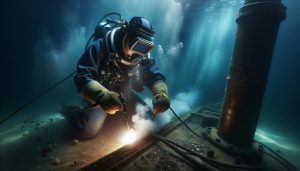
When dealing with the challenges of underwater applications, JB Weld emerges as a practical solution trusted by countless DIY enthusiasts and professionals alike. Its highly effective waterproof properties make it an ideal choice for tasks such as repairing leaks in pipes, fixing cracks in swimming pool structures, and even sealing underwater electrical fittings. For example, a common scenario involves plumbing repairs, where a leak presents not only a nuisance but a potential for significant damage. JB Weld can swiftly seal the crack, preventing further water loss and damage.
Common Applications for JB Weld Underwater
Materials submerged in water or exposed to high moisture levels can present unique challenges. Here are some typical applications where JB Weld proves invaluable:
- Pipe Repairs: JB Weld can repair cracks in PVC, metal, or copper pipes, providing a durable seal that holds up under pressure.
- Pool Maintenance: For those with swimming pools, JB Weld can mend hairline cracks in the pool structure, ensuring water remains contained and clean.
- Marine Repairs: Boat owners frequently utilize JB Weld to fix leaks in hulls or repair fittings, as it adheres well to fiberglass and metal – essential for marine conditions.
- Electrical Applications: Seal electrical enclosures exposed to moisture to prevent short-circuiting while maintaining a waterproof barrier.
Understanding the specific conditions of your application is crucial. Ensure that surfaces are properly prepared and free from contaminants like oils and dirt to maximize JB Weld’s effectiveness. While the product boasts impressive waterproof capabilities, these depend on correct application and curing – factors that are paramount when operating below water or in consistently damp environments. By leveraging JB Weld’s strengths in various underwater situations, not only can you achieve lasting repairs, but also build confidence in tackling similar tasks in the future.
Comparing JB Weld with Other Waterproof Adhesives
When evaluating waterproof adhesives, JB Weld stands out due to its robust formulations, but it’s essential to compare it against other leading products in the market to make an informed decision for specific projects. Different adhesives excel in various applications based on their composition, curing times, and adhesion capabilities under various conditions.
One of the main competitors to JB Weld is Epoxy resin, which is often used in heavy-duty applications. Epoxy offers exceptional bonding strength and versatility, allowing it to adhere to a wide range of materials from metals to plastics. For underwater applications, epoxies can also provide a strong, waterproof seal, but they typically require a longer curing time than JB Weld. This can be a limiting factor in scenarios where immediate bonding is necessary.
Another popular option is polyurethane-based adhesives, such as Gorilla Glue. These adhesives expand as they cure, which can be beneficial for filling gaps, making them a good choice for uneven surfaces or porous materials. While they bond strongly and are water-resistant, they may not perform as well as JB Weld in high-pressure environments like plumbing repairs. In applications where consistent exposure to water or submersion is a factor, JB Weld’s formulation remains the preferred choice due to its ability to hold up under extreme conditions.
Comparison Overview
| Adhesive Type | Strength | Water Resistance | Curing Time | Materials |
|---|---|---|---|---|
| JB Weld | High | Excellent | 4-6 hours | Metals, plastics, ceramics |
| Epoxy Resin | Very High | Good | 6+ hours | Metals, plastics, wood |
| Polyurethane (Gorilla Glue) | Medium to High | Good | 1-2 hours | Wood, ceramics, some plastics |
Ultimately, the selection of an adhesive should correspond to the specific requirements of your project. For immediate repairs in high-pressure or submerged conditions, JB Weld’s quick-drying, waterproof properties often make it the superior choice, while other adhesives may be better suited for different settings or material combinations. Understanding these distinctions empowers users to effectively address their unique bonding challenges while ensuring long-lasting, reliable results.
Testing JB Weld: Underwater Performance Insights
JB Weld’s reputation as a reliable waterproof adhesive is supported by extensive testing, making it a go-to choice for various applications where moisture exposure is a concern. Users often share accounts of its performance under submerged conditions, which reveal crucial insights into its underwater adhesive properties. When evaluating JB Weld for tasks like repairing boat leaks or providing waterproof seals for fountains, the ability to resist water penetration without compromising bond strength becomes paramount.
In various practical tests, JB Weld has demonstrated its capacity to maintain a solid bond in environments dominated by moisture. For instance, users have achieved significant success using JB Weld in marine applications, where high buoyancy and movement lead to potential stress on adhesives. The adhesion capabilities in these scenarios highlight the critical factors that contribute to JB Weld’s underwater performance:
- Quick Cure Time: JB Weld typically requires 4-6 hours to reach initial set strength and can withstand water exposure shortly thereafter, making it more user-friendly for immediate repairs compared to competitors that need extended curing periods.
- High Strength: After fully curing, JB Weld exhibits remarkable tensile and shear strength, ensuring that it can withstand the forces often encountered in wet environments.
- Water Seal Properties: The reaction that occurs during curing facilitates a thick, resilient bond, creating an effective seal that prevents water ingress.
However, understanding the limits of JB Weld is essential for ensuring success in underwater applications. Factors such as temperature fluctuations, pressure variations, and surface preparation significantly impact its performance. For optimal results, surfaces must be cleaned thoroughly, free from grease and contaminants, and roughened if necessary to promote adhesion.
In summary, testing results suggest that JB Weld is indeed waterproof and performs admirably under water, but diligent preparation and appropriate application are key to achieving the best outcomes. Whether it’s fixing a cracked water pump or securing fixtures in a moist environment, JB Weld remains an effective solution for a variety of demanding projects.
User Experiences: Success Stories and Common Issues

Many users have reported impressive success stories when utilizing JB Weld in various underwater applications, highlighting its reputation as a trustworthy adhesive. One of the most notable examples is a boat owner who used JB Weld to seal a leaking transom. By thoroughly preparing the surface and applying the adhesive in the late afternoon, the owner was able to take the vessel out for a test ride just a few hours later, confident that the seal would hold. Feedback revealed that not only did the bond withstand the rigors of water pressure and movement, but it also remained watertight, allowing for worry-free boating throughout the season.
Another common success narrative comes from homeowners using JB Weld for repairs around pools and fountains. One user recounted how JB Weld effectively fixed a cracked skimmer box, a task other adhesives had failed at during initial attempts. It’s noteworthy that the application was conducted during mild weather, which is ideal for achieving optimal curing conditions. This scenario underscores the importance of both surface prep and environmental factors in ensuring a successful bond. Users have praised JB Weld for maintaining its strength and sealing ability in underwater applications, which is reassuring for anyone considering it for similar repairs.
However, some users have encountered issues when expectations don’t align with the adhesive’s capabilities. For instance, there are accounts of failed bonds in areas subjected to extreme temperatures or where the adhesive was applied to improperly cleaned surfaces, leading to moisture ingress or adhesion failure. Feedback often emphasizes the necessity of proper adhesion techniques, such as ensuring that surfaces are not only clean but also roughed up to help JB Weld latch onto them effectively.
To prevent complications, users should carefully follow application guidelines and pay attention to environmental conditions during application. While JB Weld presents a formidable solution for many waterproof challenges, its performance can be compromised if safe practices are overlooked. By sharing these experiences, it becomes clear that while JB Weld has numerous success stories, achieving the best outcomes largely depends on following best practices and understanding the specific properties of the product.
Troubleshooting: JB Weld Failures in Wet Conditions
When JB Weld is hailed for its waterproof capabilities, it’s easy to overlook that, like any adhesive, it has its limitations. Users encountering issues in wet conditions often find themselves in frustrating situations; understanding these can be instrumental in troubleshooting. One common reason for JB Weld failures is the improper preparation of surfaces before application. It is critical that surfaces are not only clean but also roughened to enhance adhesion. Smooth or glossy surfaces can prevent JB Weld from bonding effectively, leading to weakness under water pressure.
Another factor that can lead to failures is the environmental conditions at the time of application. Ideal temperatures for curing usually range between 50°F and 90°F (10°C to 32°C). If applied in too cold or too hot conditions, the curing process can be adversely affected, leading to an inadequate bond. Furthermore, any exposure to moisture before curing can also compromise the adhesive’s effectiveness; even a light mist of water can create a barrier that prevents JB Weld from properly adhering to the surfaces.
In cases where users report bond failures, it’s essential to consider the specific application. JB Weld is not designed for every underwater situation, especially those subjected to constant moving water or significant pressure, such as high-flow plumbing systems. For such applications, alternative solutions like marine-grade epoxy or specialized pipe sealants may be more suitable. Users should also heed environmental stressors; exposure to extreme temperature fluctuations or continuous moisture can result in adhesive degradation over time.
To mitigate issues, users are advised to adhere strictly to the manufacturer’s guidelines, paying close attention to surface conditions and environmental factors during application. Utilizing tools such as sandpaper to roughen surfaces and ensuring they are completely dry before application will significantly enhance the chances of achieving a successful bond. Recognizing the limits and optimal conditions for JB Weld will empower users to make informed decisions and optimize their underwater repairs.
Expert Tips for Optimal JB Weld Application and Longevity
Achieving a durable and waterproof bond with JB Weld requires careful attention to preparation and application techniques. The key to a successful project lies in understanding and mastering the nuances of this powerful adhesive. Whether you’re working with metal, plastic, or ceramics, a few best practices can significantly enhance the longevity and effectiveness of your JB Weld applications.
To start, surface preparation is paramount. Always ensure that the surfaces you plan to bond are clean, dry, and free from any contaminants like oil, grease, or dust. A thorough cleaning can be achieved using isopropyl alcohol or a degreasing agent. For smoother surfaces, consider using sandpaper to create a rough texture, which helps the adhesive grip better. This step is crucial, as JB Weld relies on mechanical interlocking to form a strong bond.
Optimal Application Conditions
Temperature plays a crucial role in the curing process of JB Weld. The ideal temperature range for application and curing is between 50°F and 90°F (10°C to 32°C). Ensure the surrounding conditions are stable-avoid applying JB Weld in extreme cold or heat. Additionally, be mindful of humidity levels; excessive moisture can hinder the curing process, so aim to work in a dry environment.
Once you’ve prepared your surfaces and ensured favorable conditions, it’s important to mix JB Weld components thoroughly and apply the mixture evenly. For optimal adhesion, use a spatula or a similar tool to spread the epoxy, ensuring it fills any gaps between the surfaces. After application, allow it to cure undisturbed for at least 4-6 hours before introducing any stress to the bond, and ideally allow it to cure for 24 hours for maximum strength.
In situations where the bond will be exposed to water, such as plumbing repairs or underwater applications, consider applying a second layer of JB Weld over the first after it has partially cured. This not only reinforces the bond but also ensures a waterproof seal. Properly executed, these techniques ensure that your projects withstand the rigors of underwater conditions and provide long-lasting durability.
Safety Considerations When Using JB Weld in Moist Environments
When working with JB Weld in moist environments, understanding safety considerations is paramount to ensuring not only effective bonding but also personal safety. Moisture can significantly impact the performance of JB Weld adhesives if not handled properly. For instance, when applying JB Weld in high humidity or wet conditions, there is a risk of the adhesive not curing fully or adhering poorly to substrates due to moisture interference. This can result in a compromised bond, potentially leading to failure at critical junctures.
To mitigate risks, always prepare your workspace adequately. Ensure that the area is well-ventilated to disperse any fumes safely. It is advisable to wear appropriate protective gear such as gloves and eye protection. JB Weld can contain chemicals that are harmful if they come into contact with skin or eyes, so precautions are essential. If spills occur, clean them immediately with a suitable solvent to prevent slips or further contamination.
While JB Weld can achieve a waterproof bond, it is crucial to consider the in-service conditions that the repair will face. If the application is to take place underwater or in consistently moist environments, performing a thorough cleaning and drying of surfaces is essential prior to application. Additionally, testing the environment for temperature fluctuations is important; as temperature affects the curing process, be sure to keep both application and curing temperatures within the recommended range for optimal results.
In summary, while JB Weld is celebrated for its robust bonding capabilities, especially in damp conditions, following proper safety protocols and application techniques is vital. A firm grasp of these principles will yield successful repairs that stand the test of time, maintaining both efficacy and safety.
Maintenance Tips for JB Weld Sealed Projects
Ensuring the durability and integrity of JB Weld sealed projects requires a proactive maintenance approach. Proper care not only extends the life of your repairs but also helps maintain the waterproof qualities that JB Weld is known for. Regular inspections can identify potential weaknesses or signs of degradation before they become problematic. Always examine the repaired area for any cracks, separation, or peeling, especially if it’s exposed to constant moisture or pressure. Promptly addressing minor issues can prevent more extensive failures down the line.
To maintain a JB Weld seal effectively, keep the repaired area clean and free from contaminants. Use gentle cleaning agents that won’t compromise the adhesive bond. Avoid abrasive materials that can scratch or wear down the surface, as this can weaken the hold. Additionally, consider applying a protective coating over the JB Weld seal, particularly in environments prone to exposure to chemicals or harsh weather conditions. This can enhance the adhesive’s resilience and contribute to its longevity.
When working on projects that require JB Weld, remain attuned to environmental factors that may affect the bond. Sudden temperature changes can cause materials to expand and contract, which might stress the adhesive. For underwater applications, it’s essential to ensure that the bond remains intact and does not develop leaks over time. Periodic checks in such conditions are vital, as prolonged exposure to water can cause wear. Keeping a log of maintenance checks can help track any changes and facilitate timely interventions.
In the event that a JB Weld seal does show signs of wear or failure, consider reapplying or reinforcing the bond by following the best practices for preparation and application. Clean the old adhesive carefully and ensure the surfaces are fully dry before applying a fresh layer of JB Weld. This proactive approach will not only reinforce the original bond but also uphold the waterproof integrity crucial to your project’s success. Prioritizing maintenance today can prevent more significant issues tomorrow, ensuring that your JB Weld applications remain effective and reliable.
Exploring Alternative Waterproof Solutions for Various Applications
When it comes to repairing materials in wet or submerged conditions, the market offers a variety of alternative waterproof adhesives that can provide effective solutions. While JB Weld is well-regarded for its strong bond and waterproof qualities, exploring other options can be beneficial depending on the specifics of your project.
One compelling option is epoxy resin, known for its exceptional bonding capabilities and resistance to moisture. Epoxy can be used effectively on a wide range of materials including wood, metal, glass, and even some plastics. It cures solid and is highly waterproof, making it suitable for applications exposed to water, like plumbing repairs and marine projects. The flexibility of epoxy formulations allows users to choose those specifically designed for underwater use, ensuring they maintain adhesive strength when submerged.
Another noteworthy alternative is polyurethane glue. This type of adhesive expands as it cures, allowing it to fill gaps effectively, which can be particularly advantageous in uneven surfaces. Polyurethane adhesives bond well to a variety of materials and cure to form a waterproof seal. Their versatility makes them suitable for projects requiring flexibility and durability, such as bonding wood in outdoor furniture or crafts subjected to moisture.
For projects involving flexible materials or surfaces that require movement, silicone sealants are an excellent choice. These are often used in aquariums, bathrooms, and kitchens due to their waterproof properties and flexibility once cured. Silicone adheres well to glass, ceramic, and most plastics, but it may not bond effectively with all metals without proper surface preparation.
Choosing the right waterproof adhesive requires considering several factors, including the materials involved, the environmental conditions, and the specific demands of the project. By understanding the unique characteristics of each adhesive type, users can select the most suitable option to ensure longevity and effectiveness in their applications. Whether opting for epoxy resin, polyurethane glue, silicone sealants, or another specialized adhesive, careful selection and application are key to achieving durable, waterproof results.
Faq
Q: Is JB Weld effective for underwater repairs?
A: Yes, JB Weld is effective for underwater repairs. It cures in the presence of water, making it ideal for fixing leaks in pipes, tanks, and various aquatic environments. For best results, ensure the surface is clean and free of debris before application, as covered in the article’s section on real-life applications.
Q: How long does JB Weld take to cure underwater?
A: JB Weld typically takes about 4-6 hours to set and 15-24 hours to fully cure when applied underwater. It’s crucial to allow ample time for it to harden for maximum adhesion strength, as detailed in the testing insights section of the main article.
Q: Can JB Weld withstand high pressure underwater?
A: JB Weld can withstand moderate pressure underwater, but its performance can vary based on application thickness and water pressure conditions. For critical underwater projects, consider testing under specific conditions or using alternative adhesives designed for high-pressure environments.
Q: What are the limitations of using JB Weld in wet environments?
A: While JB Weld is waterproof, it is not resistant to extreme heat or long-term submersion in harsh chemicals. Users should be cautious of environments that combine these factors. More on potential failures and troubleshooting can be found in the dedicated section of the article.
Q: How can I improve the adhesion of JB Weld when used underwater?
A: To improve adhesion, clean the surface thoroughly to remove oils and contaminants. Using a coarse sandpaper to roughen the surface can also help. Detailed expert tips for optimal application are discussed in the article’s final sections.
Q: Is there a difference between JB Weld and other waterproof adhesives?
A: Yes, JB Weld offers unique features, such as high-temperature resistance and structural strength, unlike many other waterproof adhesives. Comparing these characteristics against others can be beneficial, as explored in the article’s comparison section.
Q: What safety precautions should I take when using JB Weld underwater?
A: Always use gloves and work in a well-ventilated area to avoid inhaling fumes. Ensure that the water is free of contaminants, and allow the adhesive to cure properly, as emphasized in the safety considerations section of the article.
Q: Can JB Weld be removed once cured?
A: Removing JB Weld once cured can be challenging, as it creates a strong bond. Mechanical removal methods, like scraping or sanding, are most effective. Tips for maintenance and removal methods are elaborated in the article’s maintenance section.
Concluding Remarks
Now that you know the truth about JB Weld’s waterproof capabilities, don’t hesitate to take action! Whether you’re planning a repair project or simply curious about adhesives, understanding which products can withstand moisture is crucial. Explore our detailed guide on the best ratings for waterproof adhesives and discover more about welding techniques, including MIG and TIG, to enhance your skills [[related link 1]].
If you found this information helpful, consider signing up for our newsletter for expert tips and exclusive content that dives deeper into welding techniques, safety protocols, and materials [[related link 2]]. Have questions or comments? We’d love to hear from you! Share your thoughts below and join our community of DIY enthusiasts and professionals who are just as passionate about reliable repairs as you are.
Remember, being informed empowers you to make decisions that lead to successful projects. For your next welding adventure, check our reviews on essential tools and safety gear [[related link 3]]. Stay engaged, and keep exploring!