Welding is a critical skill in various industries, and understanding the tools available is essential for both safety and effectiveness. A flux welder, specifically the self-shielded variety, simplifies the welding process by combining both welding wire and a protective flux in one consumable feed. This innovation allows for easier use, especially in outdoor settings where wind can complicate traditional welding methods. Whether you’re a beginner looking to start your welding journey or an experienced welder seeking to expand your skill set, mastering flux welding can enhance your capabilities and open up new project possibilities. As you read on, you’ll find insights into the benefits, techniques, and applications of flux welding that are sure to elevate your craftsmanship and efficiency.
What is Flux Welding and How Does It Work?
Flux welding is a unique and effective method of joining metals, particularly in environments where traditional shielding gas methods may fall short. By utilizing a flux-cored wire, this process not only protects the weld pool from contamination but also actively improves the quality of the weld. The flux acts as a fluxing agent, which helps to remove impurities from the base metals and produces a protective layer that prevents oxidation during the welding operation. This makes flux welding particularly advantageous in outdoor welding jobs or on dirty surfaces, where maintaining a clean weld environment can be challenging.
The fundamental working principle of flux welding lies in the combination of heat generated by the welding arc and the chemical properties of the flux material itself. When the welding wire is melted by the arc, the flux coating melts as well, releasing gases that form a shielding atmosphere around the molten weld. This process not only creates a strong joint but also minimizes defects that could compromise the integrity of the weld. The versatility of this method allows it to be used across various welding positions, making it suitable for a wide range of applications.
Furthermore, flux welding is particularly beneficial for joining ferrous and non-ferrous metals such as steel and aluminum. The process is often favored in construction, shipbuilding, and heavy equipment repair due to its speed and efficiency. Understanding the mechanics of flux welding is essential for welders looking to refine their techniques and deliver high-quality results, especially in less-than-ideal conditions where other welding methods may struggle. By mastering flux welding, practitioners can expand their capabilities, opening doors to diverse industrial applications.
Key Components of a Flux Welder

The efficiency and versatility of a flux welder stem from its key components, which work in unison to facilitate a robust welding process. At the core of flux welding is the flux-cored wire, which plays a dual role: it provides a source of filler material while also acting as a shielding agent. This wire is typically designed with a hollow core filled with flux material that activates during the welding process, producing gases and a slag that protect the weld pool from atmospheric contamination.
Another essential component is the welding machine or power source, which supplies the electrical energy required to create the arc needed for melting the wire. These machines can vary from portable models ideal for light fabrication to heavy-duty units capable of handling larger tasks in industrial settings. The choice of the welding machine directly impacts the welder’s ability to control parameters such as voltage and amperage, key factors that influence the weld quality.
Welding Gun: The welding gun is where the flux-cored wire is fed into the arc zone. It combines several features, including a wire feed mechanism that maintains a steady supply of wire, a nozzle that directs the shielding gases, and a trigger to start and stop the arc as needed. Proper maintenance of the gun and careful selection based on project requirements are paramount to achieving optimal performance.
Protective Equipment: Safety is of utmost importance in flux welding. Essential protective gear includes welding helmets with appropriate filters, gloves, and flame-resistant clothing. These components not only ensure the welder’s safety from UV light and heat but also maintain comfort during the welding process, allowing for better focus on technique and weld quality.
By understanding and optimizing the use of these components, welders can enhance their skills and improve the quality of their flux welds, making it an invaluable method in various applications ranging from home repairs to large-scale manufacturing.
Advantages of Self-Shielded Flux Welding
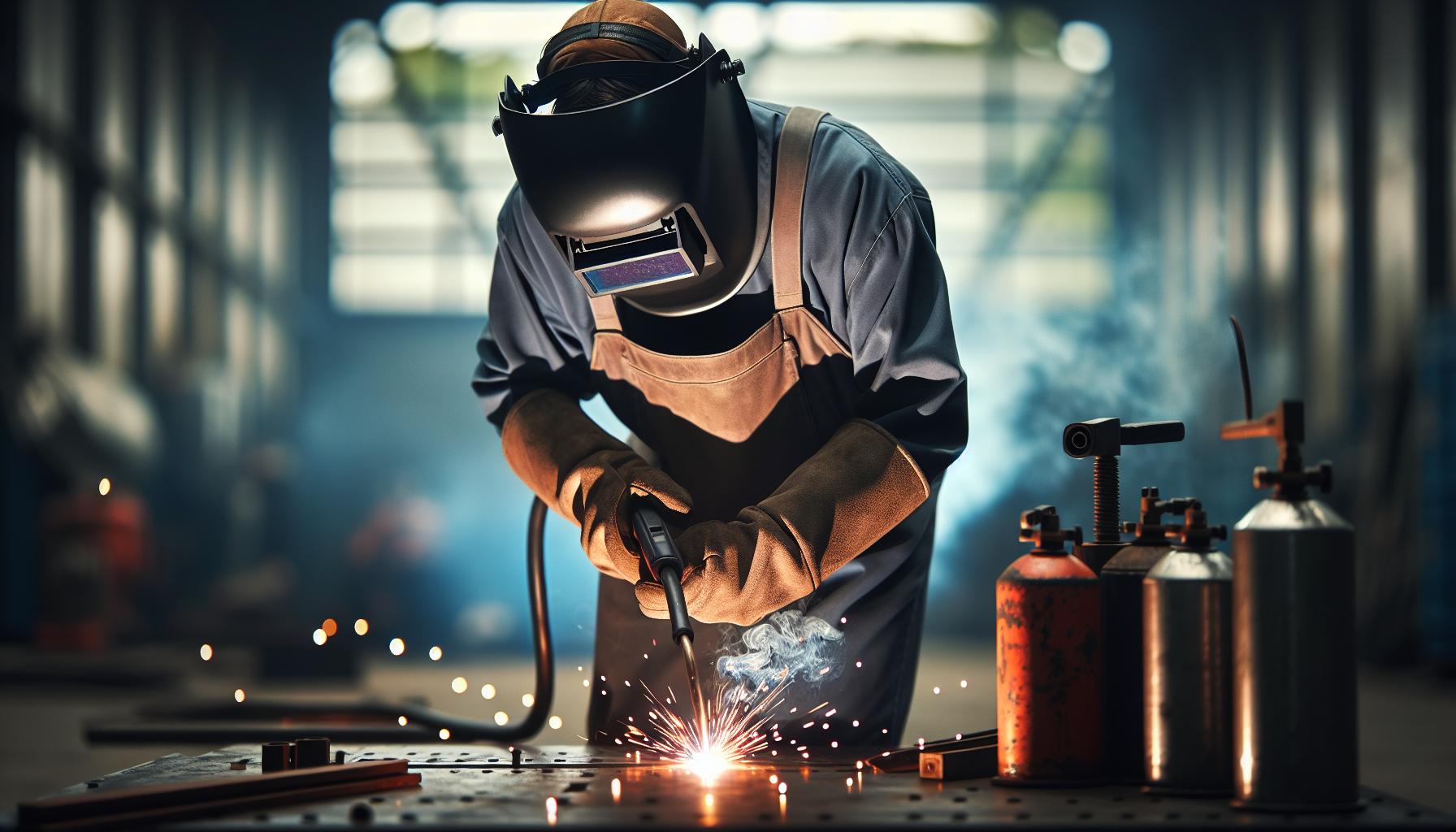
Self-shielded flux welding, often referred to simply as flux core welding, offers distinct advantages that make it a popular choice among welders in various environments and applications. One of the primary benefits of this method is its capability to perform well outdoors or in windy conditions, where traditional shielding gases would be blown away. The flux-cored wire, which releases protective gases and slag as it melts, effectively shields the weld pool from contamination, making it an ideal option for welding in less-than-ideal conditions.
Another significant advantage is the ability to weld thicker materials more efficiently. Self-shielded flux welding is particularly suited for heavy-duty applications, such as construction and pipeline work, where robust joints are essential. The higher deposition rate of flux-cored wires allows for faster welds without compromising the strength and quality of the joint. This means that projects can be completed more rapidly, facilitating increased productivity while maintaining structural integrity.
Furthermore, the versatility of self-shielded flux welding makes it accessible for both beginners and experienced professionals. The equipment involved is generally more straightforward than that of other welding methods, and the learning curve for mastering the technique is relatively gentle. Welders can focus on their skills without needing to manage intricate gas setups, allowing them to concentrate on achieving precise welds. This ease of use is complemented by reduced equipment costs, as less specialized gear is necessary compared to methods requiring external shielding gas.
Safety is another crucial aspect, as self-shielded flux welding minimizes exposure to potentially harmful fumes from shielding gases. By using a process that generates its own protective atmosphere, welders are less likely to experience adverse health effects associated with welding fume exposure. This allows for a more comfortable working environment, enabling welders to maintain focus on their craft with less distraction.
In summary, the -its efficiency in outdoor settings, capability to handle thicker materials, user-friendly nature, and enhanced safety-make it a valuable option in the welding toolkit for both novice and seasoned welders alike.
Common Applications of Flux Welding
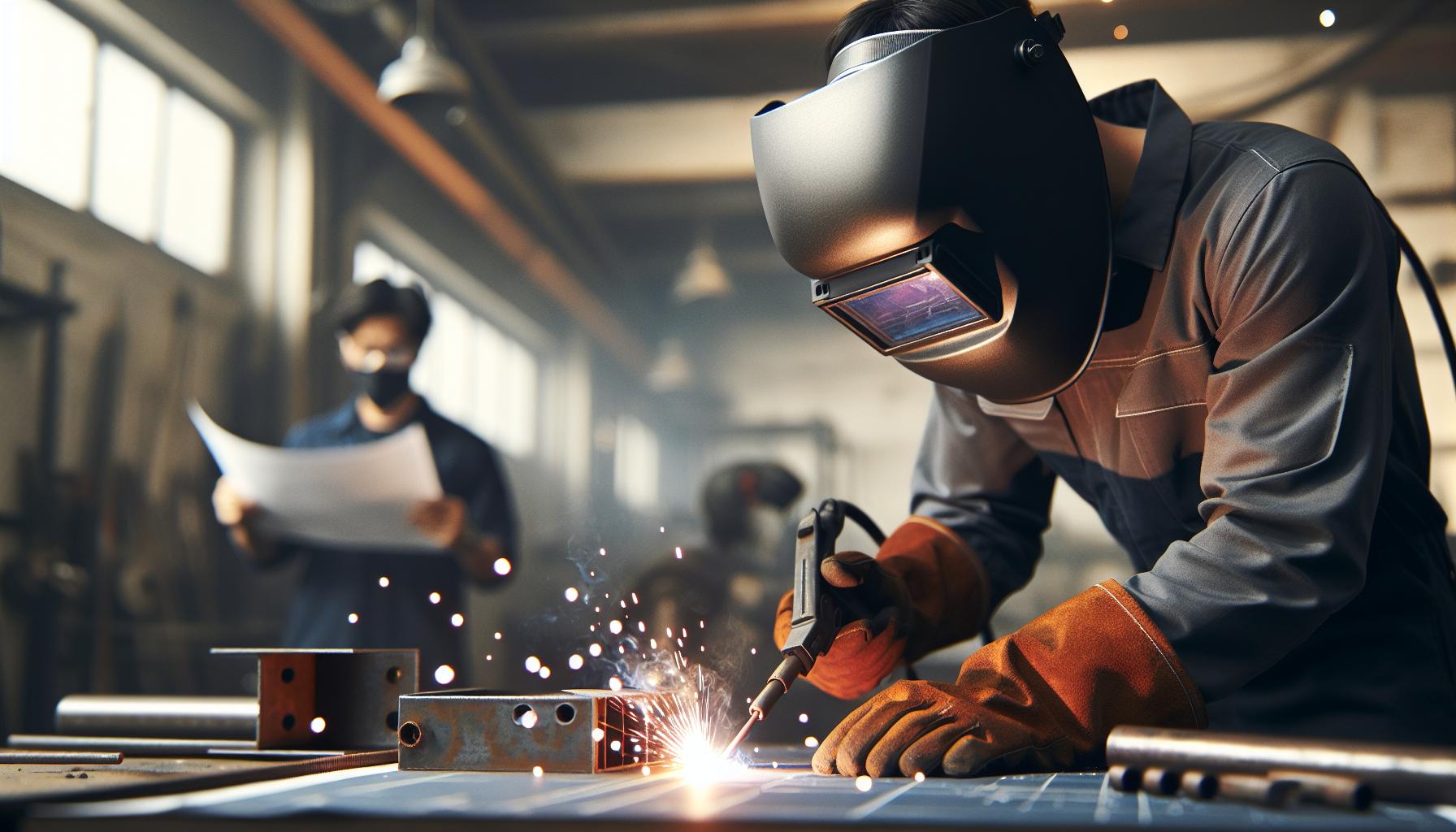
Self-shielded flux welding is an adaptable technique widely used across various industries due to its efficiency and effectiveness in a range of conditions. One of the most significant applications of flux welding is in the construction sector. From structural steel frames for buildings to heavy machinery components, the ability to weld thick materials quickly and reliably makes this method indispensable. Its robustness allows welders to create strong joints that can withstand heavy loads and harsh environmental conditions.
Another prevalent use of flux welding is in pipeline construction and maintenance. The ability to work effectively outdoors, even in windy conditions, allows professionals to complete critical pipeline installations and repairs without the alteration of typical shielding gas setups. This flexibility is vital in the oil and gas industries, where durable and reliable connections are crucial for operational integrity. Furthermore, the high deposition rates obtainable through this welding method means that projects can be completed faster, which is a significant advantage when working on tight schedules or in remote locations.
Additionally, the automotive repair industry leverages the capabilities of flux welding for repairing frames and bodywork. Its effectiveness in welding thicker metals makes it an ideal choice for structural repairs, enhancing the longevity and safety of vehicles. Small workshops, as well as large-scale manufacturing plants, benefit from its ease of use and the reduced need for complex gas-handling equipment, which can cut costs and streamline processes.
In summary, the versatility of self-shielded flux welding enables its application in various high-demand environments, including construction, pipelines, and automotive repairs. By choosing this method, welders can ensure they meet the rigorous standards required in these industries, delivering strong, reliable welds with efficiency and safety.
Comparison: Flux Welding vs. MIG and TIG
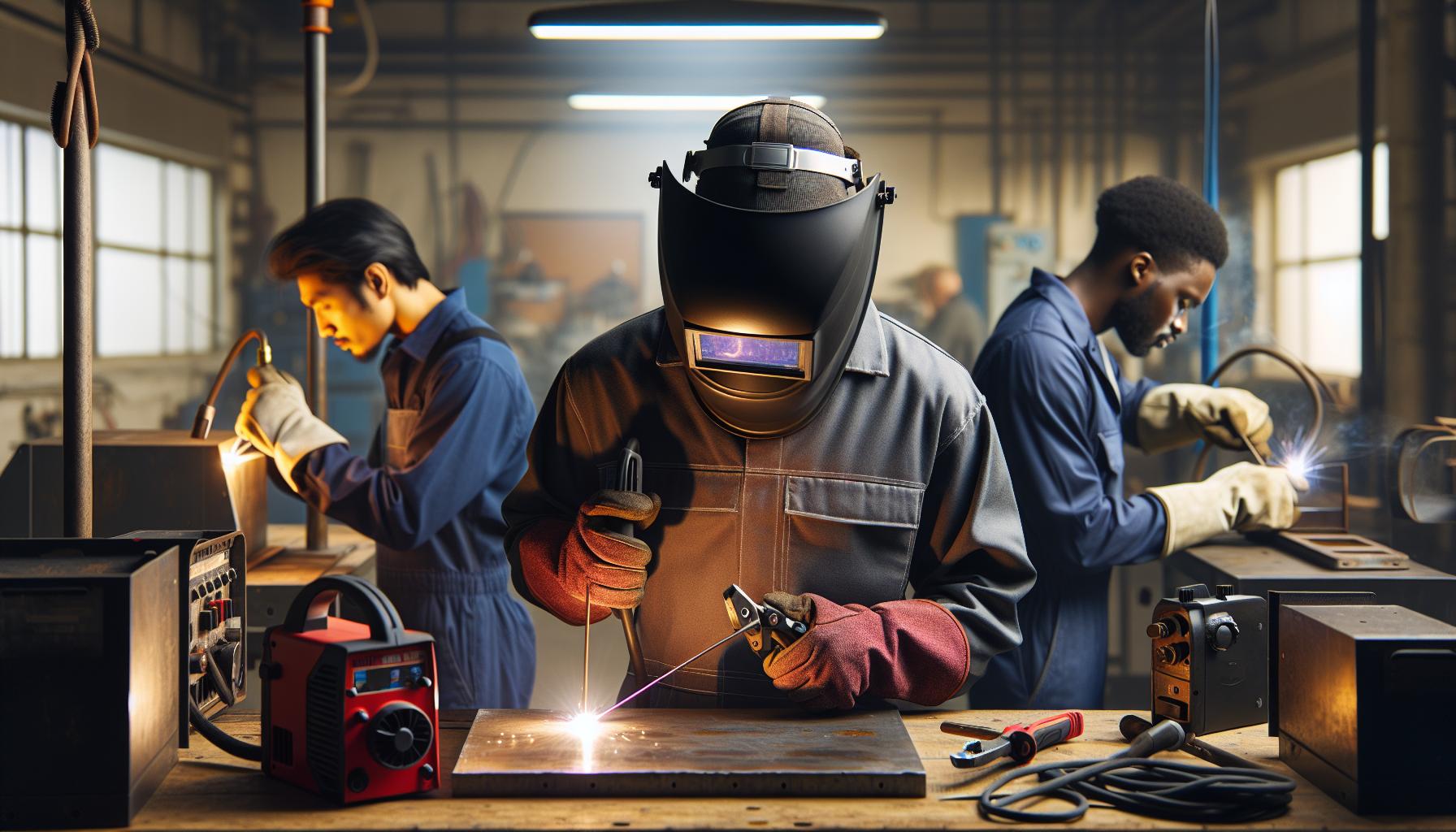
When it comes to welding, choosing the right technique can significantly impact the quality, efficiency, and cost of any project. Among the popular methods, flux welding holds its own against Metal Inert Gas (MIG) and Tungsten Inert Gas (TIG) welding. Each of these methods carries distinct advantages and limitations that can influence the decision-making process for welders of all skill levels.
Flux welding utilizes a tubular electrode filled with flux, which provides a shielding gas when heated. This allows welders to create robust joints in a variety of environments, particularly outdoors where wind could disrupt shielding gas flows. In contrast, MIG welding employs a continuous solid wire fed through a welding gun and requires an external shielding gas. This makes MIG welding more suitable for indoor applications or controlled outdoor conditions. TIG welding, known for producing high-quality welds, uses a non-consumable tungsten electrode and requires a filler rod; it excels with thin materials and is favored for intricate work.
When considering material compatibility, flux welding is particularly adept at handling thick metals, making it ideal for construction and pipeline work. MIG welding also offers flexibility with various materials, including aluminum and stainless steel, but may not perform as well with thicker sections. TIG welding shines when precision is paramount, especially with thin materials like aluminum, though it requires more skill and time to produce consistent results.
In terms of cost-effectiveness, flux welding can be more economical due to its reduced setup and equipment requirements. MIG welding’s need for gas tanks and additional equipment can add to overall costs, while TIG welding often involves higher investment due to its complexity and the cost of consumables like tungsten electrodes. Ultimately, the choice between these welding methods should be guided by the specific project requirements, including material type, thickness, and environmental conditions, as well as the welder’s experience level.
Considering these variables holistically allows welders to select the most appropriate technique, optimizing their time and resources while achieving high-quality results across various applications.
Choosing the Right Flux Welding Equipment
Selecting the appropriate equipment for flux welding can significantly enhance not only the quality of your welds but also your overall efficiency and safety during the process. A well-chosen flux welder can make the difference between struggling with inconsistent welds and producing strong, durable joints with ease. To make an informed decision, it’s essential to understand the key components, types of flux welders, and specifications that matter most in your specific applications.
One of the primary types of equipment used for flux welding is the flux-cored arc welder (FCAW). These machines specialize in using tubular electrodes that contain flux, which, when heated, forms a protective gas shield over the weld area. When choosing a flux welder, consider the following key factors:
- Welder Type: Look for a self-shielded flux-cored welder for outdoor use, particularly in windy conditions. These do not require external shielding gas, making them convenient for various environments.
- Voltage Options: Ensure the welder offers multiple voltage settings to accommodate different material thicknesses. A welder with adjustable voltage is more versatile for diverse projects.
- Feed Mechanism: Opt for machines with smooth, reliable wire feed systems. A consistent feed rate prevents issues such as burnback or inconsistent weld beads.
- Weight and Portability: If you’ll be working in multiple locations, consider the weight and portability of the welder. More compact models offer easier transport without sacrificing performance.
- Duty Cycle: Pay attention to the duty cycle percentage, which indicates how long a welder can operate before needing to cool down. Higher duty cycles are beneficial for longer projects.
In addition, accessories such as high-quality welding helmets and protective gear are crucial for safety and effectiveness. A helmet equipped with an auto-darkening filter can enhance visibility and comfort, allowing for better control and accuracy while welding. Always prioritize safety gear that meets the ANSI standards to protect against harmful UV and IR radiation emitted during the welding process.
Finally, while investing in high-quality equipment is essential, regular maintenance is just as vital for ensuring longevity and optimal performance. Check and clean the nozzle and contact tip regularly, and ensure proper storage of welding wire to maintain its integrity. By selecting the right equipment and adhering to maintenance practices, you’ll enhance your capability and confidence as you navigate the world of flux welding.
Essential Safety Protocols for Flux Welding
A fundamental aspect of successful flux welding lies not only in mastering the technique but also in ensuring safety throughout the process. Understanding and adhering to essential safety protocols can significantly reduce the risk of accidents, injuries, and long-term health issues associated with welding activities.
To begin with, wearing the appropriate personal protective equipment (PPE) is non-negotiable. This includes a well-fitting welding helmet with an auto-darkening lens to protect the eyes from intense light and UV radiation. Gloves should be made from durable materials resistant to heat and sparks. Additionally, it’s advisable to wear flame-resistant clothing, such as long sleeves, and sturdy boots to shield against burns and falling debris. A full-face shield is recommended in flux welding to protect your face from spatter and harmful fumes.
Another crucial safety measure is ensuring proper ventilation in your workspace. Flux welding generates harmful fumes and gases that can be detrimental to your health. Working outdoors is ideal, but if you must operate indoors, ensure an adequate ventilation system is in place. This could include using exhaust fans or local exhaust ventilation systems to keep air circulation consistent and minimize exposure to toxic fumes.
Beyond personal safety measures, maintaining a clutter-free and organized workstation is vital. A safe welding area should be free of flammable materials and obstacles that hinder movement. Ensure that all tools and materials are easily accessible and properly stored to prevent accidents. Keeping a fire extinguisher readily available and familiarizing yourself with its use can also provide peace of mind as you work.
Lastly, regular training and awareness of emergency procedures can enhance your safety practices. Keeping abreast of the latest safety guidelines and standards in welding helps foster a culture of safety in the workplace. Encourage frequent communication among team members regarding hazards and best practices to ensure everyone is well-prepared to handle potential emergencies.
Incorporating these essential safety protocols not only protects the welder but also promotes a safe working environment that enhances productivity and overall job satisfaction.
Tips for Mastering Flux Welding Techniques
Mastering flux welding techniques can significantly enhance the quality and strength of your welds, making them crucial to ensuring structural integrity in various applications. One of the essential tips is to understand the importance of travel speed and angle. Maintaining a consistent travel speed helps produce a uniform bead, while the proper angle of the welding gun or electrode plays a critical role in ensuring adequate penetration and fusion of the base metals. For beginners, practicing on scrap pieces before working on actual projects can be invaluable for developing muscle memory and confidence.
Another critical aspect is adjusting the welder settings according to the specific requirements of your materials. Flux welding typically flows at a temperature higher than traditional welding methods. Ensuring that the voltage and wire feed speed are correctly set will prevent undercutting or excessive spatter. Experimenting with different settings on scrap metal will enable you to monitor the effects of adjustments, allowing you to dial in optimal parameters for the materials you are working with.
Moreover, being aware of the type of flux core wire being used is essential. There are different types of flux core wires available, some designed for specific applications, such as low-spatter or higher penetration. Knowledge of these wires helps in selecting the right one based on the task, whether you are working with thinner materials or tackling more robust industrial projects.
Finally, consider utilizing various welding techniques to improve your results. Techniques such as stringer beads or weaving can influence penetration and appearance. While stringer beads provide deeper penetration ideal for thicker materials, weaving can enhance appearance and cover wider joints. Experimenting with these techniques on practice pieces allows you to find the best approach for your welding projects. By focusing on these areas-travel speed and angle, welder settings, wire selection, and varied techniques-you can develop proficiency in flux welding that translates into high-quality results and durable welds.
Best Materials for Flux Welding: Steel and Aluminum
When it comes to choosing materials for flux welding, steel and aluminum stand out as the most commonly welded metals, each presenting unique characteristics and challenges that affect the welding process. Understanding the properties of these materials will help welders select the appropriate techniques and equipment, ultimately leading to superior weld quality.
Steel is favored in flux welding due to its excellent strength and availability. Structural steel, often used in buildings and bridges, can be effectively welded using flux-core wires that are specially designed for different types of steel, such as mild steel and high-strength low-alloy steel. The use of self-shielded flux-cored wires allows for deep penetration and produces welds with good mechanical properties. When welding steel, maintaining the appropriate heat input is crucial to prevent warping or hardening, especially in thicker sections. Manufacturers often recommend using pre-heating techniques for thicker steel components to ensure uniform welding and mitigate stress.
Aluminum, known for its lightweight and corrosion-resistant properties, poses distinct challenges in the flux welding process. The oxide layer on aluminum surfaces must be adequately removed to ensure proper weld penetration and bonding. Flux-cored wires for aluminum are specifically formulated, often using a softer filler metal that accommodates aluminum’s thermal expansion. Welders must also consider the heat control more meticulously, as aluminum can warp easily under high temperatures. A good practice is to weld at lower speeds to reduce heat input while ensuring thorough penetration. This subtly balances the immediate thermal response of aluminum, reducing distortion and enhancing the overall strength of the weld.
In summary, both steel and aluminum are excellent choices for flux welding, each requiring a nuanced understanding of their properties and behaviors during the welding process. By employing the right flux-cored wire and adhering to proper welding techniques, welders can achieve strong, durable connections suitable for a diverse range of applications. Always ensure that safety protocols are followed, particularly when working with aluminum, to prevent hazardous reactions and maintain a safe working environment.
Troubleshooting Common Flux Welding Issues
Troubleshooting common issues in flux welding can save both time and resources while ensuring that welds maintain their integrity and strength. Welders-both novices and experts-might encounter challenges such as inconsistent weld quality, excessive spatter, or difficulties with arc stability. Identifying the root cause of these problems is essential for successful welding operations.
One prevalent issue is poor penetration, which could result from insufficient voltage or an incorrect travel speed. If the arc is too short, it may produce a weld that lacks depth and strength, compromising the overall quality. To address this, review the welder’s settings-generally, a higher voltage can enhance penetration. Use a consistent travel speed that allows the flux to adequately melt and protect the weld pool. Conducting a few test welds on scrap material can help visualise the correct settings before tackling the actual project.
Excessive spatter is another common complaint, which can be particularly frustrating. This can often be exacerbated by incorrect wire feed speed or improper gas coverage. A common solution is to adjust the wire feed speed to match the amp settings; ideally, neither should be too high or too low. Additionally, ensure that the work area is clean and free from contaminants that can cause abnormal chemical reactions within the weld, leading to increased spatter.
Additionally, welders might face issues with slag inclusion-where slag is trapped within the weld. This often occurs due to improper welding technique or inadequate cleaning of the base metal prior to welding. Ensuring that the base material is free from rust, paint, and oil, combined with using the right flux-cored wire designed for the specific applications, can mitigate this issue.
In cases of arc instability, known as “snapping,” adjusting the electrode angle or distance from the work surface can often rectify the problem. A steady hand and appropriate technique are essential to maintaining a consistent arc length, which is crucial for optimal welding performance.
Finally, documentation of the settings and the outcomes of various welds can help create a reference for future projects. By tracking what works and what doesn’t, welders can build their expertise and adapt their techniques to mitigate problems proactively.
Maintaining Your Flux Welder for Longevity
Preventing wear and ensuring the longevity of your flux welder is key to maintaining both performance and productivity in welding operations. Regular maintenance not only extends the life of the equipment but also enhances the quality of your welds, resulting in less downtime and cost savings over time. By following some straightforward strategies, welders can achieve optimal functioning while minimizing the risk of significant repairs.
Start by keeping the welder clean from debris and contaminants. The welding process inherently produces fumes and residues that can accumulate on the machine. Use a damp cloth to routinely wipe down the exterior and ensure that air vents are unobstructed. For internal parts, consult manufacturer guidelines on cleaning procedures-often, compressed air can be effective to remove dust and dirt from sensitive components.
Next, check connections, cables, and hoses for any signs of wear or damage. Faulty or frayed wiring can affect performance and create safety hazards. Regular inspections should become a routine part of operating your welder. In case you notice any irregularities, replace damaged parts immediately to avoid further complications. Additionally, ensure that the gas and electrical connections are secure to prevent leaks and potential hazards.
Routine Maintenance Checklist:
- Clean the exterior of the welder weekly.
- Inspect cables and connections for wear before each use.
- Change out the welding nozzle and tip regularly to prevent clogging.
- Keep spare parts readily available for quick replacements.
Another crucial aspect of maintaining your flux welder lies in proper storage. When the welder is not in use, store it in a dry, cool place to avoid moisture-related issues, which can lead to rust and electrical problems. If your welder is portable, consider investing in a protective case. For those working in transient environments, like construction sites, ensure the welder is covered from elements that could impair its function.
Implementing these practices will not only keep your flux welder in top condition but also ensure a safer working environment. A well-maintained machine reduces the likelihood of faults during critical work and enhances your overall welding efficiency. Prioritize ongoing education on the specific model and its components, as manufacturer recommendations may provide additional insights into maintenance specific to your equipment, further promoting longevity and reliability.
Career Opportunities in Flux Welding
The demand for skilled welding professionals continues to rise, particularly in flux welding, which has become a cornerstone in various industries due to its versatility and effectiveness in challenging environments. Companies across construction, manufacturing, shipbuilding, and automotive sectors rely heavily on trained welders who can utilize flux welding techniques to deliver strong, reliable joints even on thicker materials. As a result, pursuing a career in this area offers numerous opportunities, highlighting the importance of specialized training and experience in flux welding.
Many welders start their careers as apprentices, whereby they gain hands-on experience under the guidance of seasoned professionals. This learning path not only enriches their skill set but also enhances their understanding of safety protocols, equipment maintenance, and the nuances of various welding methods. With time and elevated expertise, opportunities open up for roles such as welding inspector, fabrication supervisor, or quality control technician, which often come with increased responsibility and higher pay.
For those with entrepreneurial aspirations, skilled welders can also establish their own businesses, offering services for projects that require customized welding solutions. Additionally, the shift towards advanced manufacturing technologies has created a need for welders with expertise in robotic welding systems, a growing field driven by automation and efficiency.
Investing in certifications such as the American Welding Society (AWS) credentials can significantly enhance a welder’s marketability, showcasing their competency and commitment to the profession. As industries continue to evolve, staying current with technological advancements and refining skills through continuous education will ensure that remain abundant and rewarding.
In summary, a career in flux welding not only promises job security but also provides various pathways for professional growth, making it a compelling choice for anyone interested in this field. With the right training and dedication, individuals can thrive in an industry that values skilled tradespeople and innovative practices.
Faq
Q: What are the main advantages of using a flux welder?
A: The primary advantages of using a flux welder include improved portability, as they do not require external shielding gas, and the ability to weld in windy conditions. This self-shielding capability also allows for quicker setup and use in various outdoor environments.
Q: How does a flux welder differ from other welding methods?
A: Flux welding primarily uses a tubular wire filled with flux that generates shielding gas during the welding process. In contrast, MIG welding utilizes a solid wire and external gas, while TIG welding employs a non-consumable tungsten electrode and requires filler material, differentiating the techniques in application and setup.
Q: Can flux welding be used for aluminum?
A: Yes, flux welding can be used for aluminum; however, specific flux-cored wires designed for aluminum must be employed. This allows for effective penetration and bonding while accounting for aluminum’s specific welding characteristics.
Q: What types of materials are best suited for flux welding?
A: Flux welding is best suited for ferrous metals, particularly mild and carbon steels. It is effective for thicker materials and outdoor applications due to its ability to handle contaminants often found in outdoor environments.
Q: How do I maintain my flux welder for optimal performance?
A: To maintain your flux welder, regularly inspect and clean the nozzle, check the wire feed system for clogs, and store the equipment in a dry environment to prevent rust. Periodic professional servicing can also enhance longevity and performance.
Q: What troubleshooting steps should I take if my flux welder is not functioning properly?
A: If your flux welder malfunctions, first check the wire feed settings and ensure there are no blockages. Inspect the connections and the power supply. Ensure the right flux-cored wire is being used, and clean the welding tip for optimal performance.
Q: Are there specific safety protocols to follow while using a flux welder?
A: Yes, essential safety protocols include wearing appropriate personal protective equipment (PPE) such as a welding helmet, gloves, and flame-resistant clothing. Ensure proper ventilation in the workspace to avoid inhaling harmful fumes.
Q: What career opportunities are available for skilled flux welders?
A: Skilled flux welders can pursue a variety of career pathways, including roles in manufacturing, construction, and automotive industries. Additional certifications can enhance job prospects and opportunities for advancement in specialized welding techniques.
In Conclusion
Understanding flux welding opens doors to versatile applications and enhances your welding skills, whether you’re working with steel or aluminum. By mastering self-shielded welding techniques, you’ll not only improve your efficiency but also ensure safety on every project. Ready to elevate your welding expertise? Explore our in-depth articles on MIG welding, TIG welding, and essential safety protocols to deepen your knowledge.
Don’t miss out on future insights! Subscribe to our newsletter for expert tips and product reviews tailored to both novice and seasoned welders. Have questions or experiences with flux welding? Share your thoughts in the comments below, and connect with fellow welding enthusiasts. With the right tools and resources, your welding journey is just beginning-let’s tackle it together!