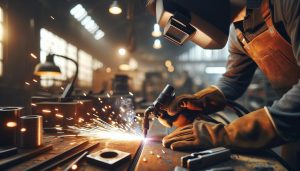
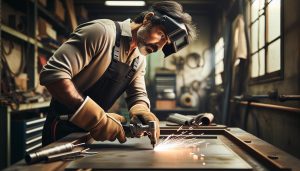
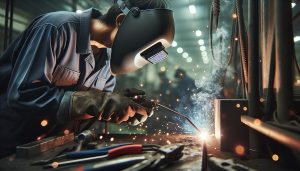
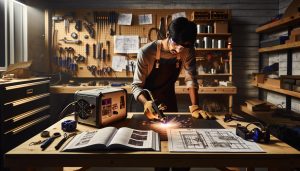
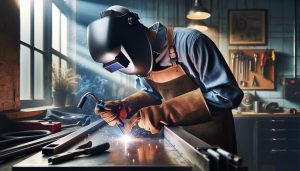
In the world of welding, Shielded Metal Arc Welding (SMAW) stands out as a time-tested technique that has remained indispensable over the years. Often referred to as stick welding, this method utilizes an electric arc to join metals by melting a consumable electrode, reaching temperatures that can exceed 3,000 °C (5,432 °F). Despite the advancement of modern welding technologies like MIG and TIG, many professionals still prefer SMAW for its versatility and reliability in various applications, from heavy industry to intricate repairs. Understanding SMAW not only enhances your welding skills but also empowers you to tackle diverse projects with confidence. Whether you’re a beginner seeking to master a foundational technique or an experienced welder aiming to refine your craft, exploring SMAW can open up a world of opportunities. Dive into this article to discover why this classic method continues to capture the attention of welders everywhere.
What is SMAW Welding and Its Origins?
Shielded Metal Arc Welding (SMAW), widely recognized as stick welding, has earned its reputation as a foundational technique in the welding industry, dating back to the early 20th century. This manual welding process employs a consumable electrode coated in flux, which generates shielding gas and slag during the welding operation, thus protecting the molten weld pool from atmospheric contamination. This characteristic not only makes SMAW a versatile and accessible method but also highlights its significance in various applications, including construction, maintenance, and industrial fabrication.
The origins of SMAW trace back to the 1920s, when it was developed as a response to the demand for more portable and efficient welding techniques. While gas welding dominated the early years, the emergence of SMAW provided a solution that enabled welders to perform tasks in diverse environments, including remote locations without access to gas supplies. The simplicity of the equipment – often just a welding machine, electrodes, and a power source – made it a popular choice for both professionals and hobbyists. Over the decades, SMAW has become a staple in welding education and training programs, offering a robust skill set that can be translated into more advanced welding processes.
Today, SMAW remains relevant in modern welding practices due to its ease of use, cost-effectiveness, and adaptability to various materials, primarily steel, but also aluminum and other metals when proper techniques are applied. Welders appreciate its ability to create strong joints in challenging conditions, further solidifying its place as a reliable option in the industry. With ongoing innovations and a constant emphasis on safety, SMAW continues to evolve, proving that this “old-school” technique still holds a critical position in the welding landscape.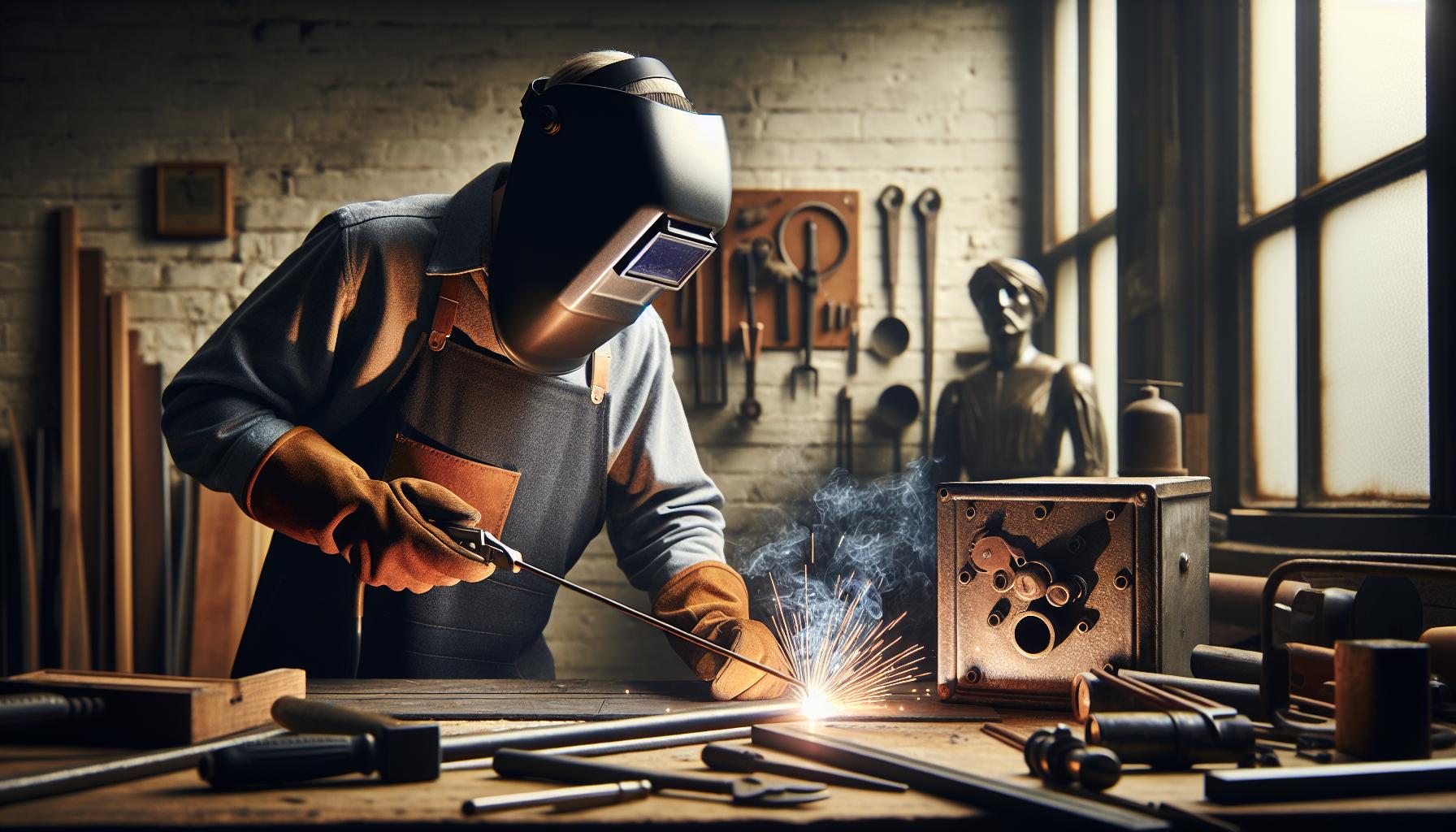
Understanding the Fundamentals of SMAW Techniques
A profound understanding of the fundamentals of Shielded Metal Arc Welding (SMAW) reveals why this age-old technique continues to be a go-to method for many welding professionals. At its core, SMAW operates through the creation of an electrical arc between a consumable electrode and the workpiece, where the heat generated not only melts the electrode but also the base metal to form a puddle. This puddle solidifies to create a robust joint once the process is complete. One of the defining characteristics of SMAW is its use of a flux-coated electrode, which produces a shielding gas that encapsulates the weld area, protecting it from atmospheric contaminants. This ensures cleaner welds with minimal impurities, making SMAW particularly effective for outdoor applications where wind and environmental factors could otherwise compromise the quality of the weld.
Mastering SMAW techniques requires an understanding of several key aspects. First, selecting the right electrode type is crucial, as various coatings (like rutile, cellulosic, and basic) impart different qualities to the arc quality and puddle behavior. Each electrode serves specific materials and situations, such as high-strength steel or low-alloy steels. Additionally, parameters such as voltage, amperage, and travel speed significantly impact the quality of the weld. Optimizing these variables is essential for achieving strong and aesthetically pleasing welds. Welders should also pay attention to their posture and the angle of the electrode; both play a pivotal role in controlling the weld bead. Proper arc length, usually between 1/8 to 1/4 inch, is also a critical factor that must be maintained to ensure optimal fusion.
Safety is a paramount consideration when using SMAW. The process generates significant heat and emits harmful ultraviolet and infrared radiation. Proper personal protective equipment (PPE)-including gloves, welding jackets, and particularly a suitable helmet with a tinted lens-must be worn to protect against burns and eye damage. Moreover, keeping a well-ventilated workspace and using appropriate fume extraction methods are essential to mitigate health risks related to exposure to welding fumes.
In practical applications, the versatility of SMAW allows it to be employed in various industries such as construction, repair, and even pipeline welding. Whether tackling structural welding on bridges or performing maintenance on heavy machinery, the foundational skills gained through SMAW training carry forward into more complex welding techniques. This adaptability helps explain why SMAW remains relevant and widely used, even with the advent of more advanced methods like MIG and TIG welding. As the industry evolves, so do the techniques and equipment associated with SMAW, offering new innovations that enhance its effectiveness and usability.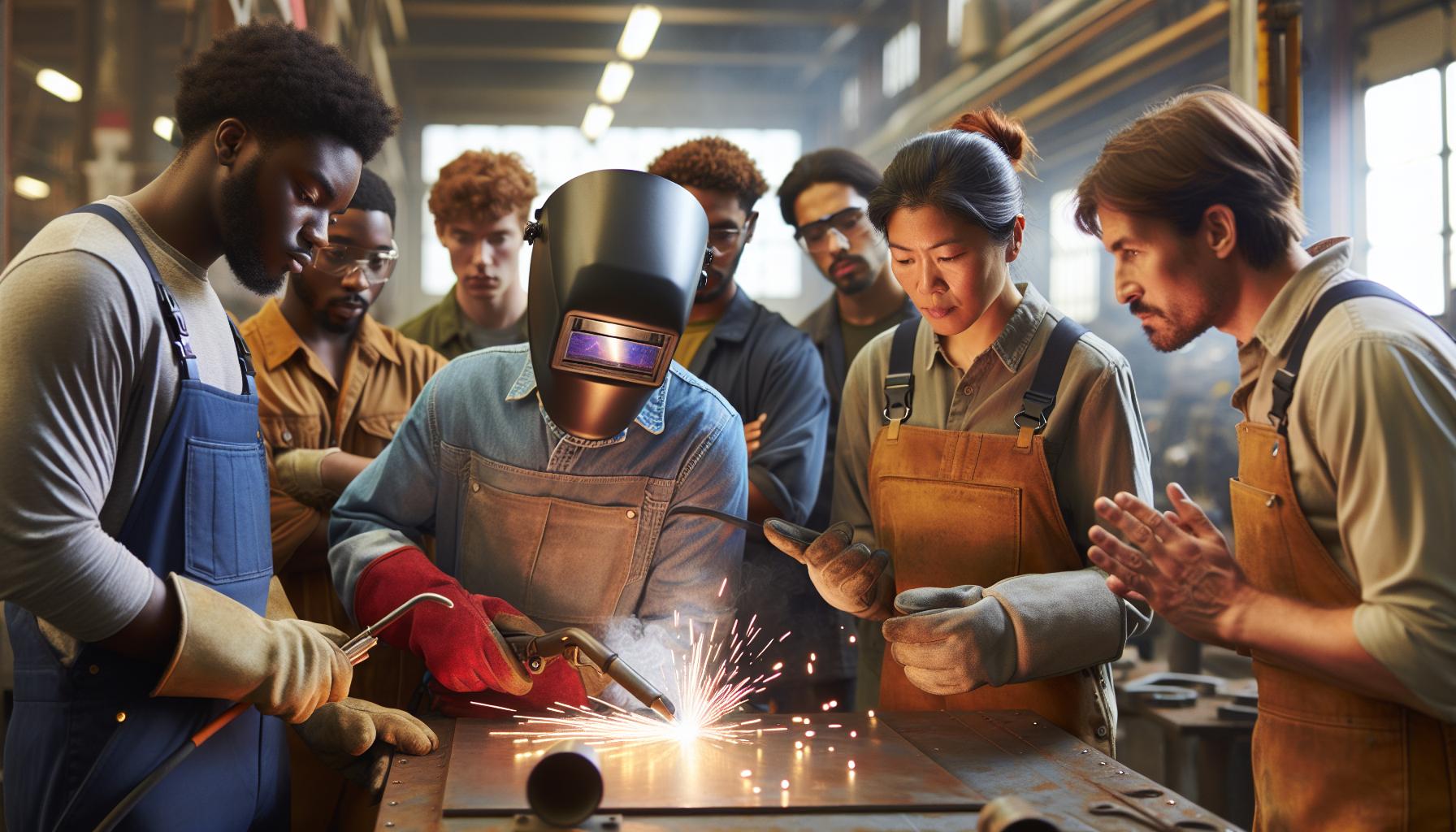
Key Advantages of SMAW Over Other Welding Methods
SMAW, or Shielded Metal Arc Welding, stands out in a field filled with advanced welding technologies due to its unique advantages that continue to make it a preferred choice among professionals. One of the most significant benefits is its simplicity and versatility. Unlike MIG (Metal Inert Gas) or TIG (Tungsten Inert Gas) welding, which require more complex equipment and setups, SMAW only needs a power source, electrode holder, and ground clamp. This straightforward approach allows for on-site repairs and field work where conditions may not accommodate more elaborate setups.
Another compelling reason SMAW remains a go-to method is its effectiveness in welding thick materials with a high degree of penetration. The robust nature of the process allows it to create strong joints in metals such as carbon steel and low-alloy steel, making it ideal for heavy industrial applications like construction and shipbuilding. When properly executed, SMAW welds exhibit excellent strength and durability, often surpassing the performance of welded joints created by other methods under similar conditions.
Cost-Effectiveness and Portability
The cost-effectiveness of SMAW is yet another significant advantage. The equipment involved is generally less expensive than that required for MIG or TIG welding, making it an appealing choice for small businesses and independent welders. Additionally, the consumable electrodes are widely available and come in various coatings that can adapt to different applications. This accessibility reduces overhead costs and allows welders to be more flexible in their material choices.
Portability also plays a crucial role in SMAW’s appeal. As a manual welding process, it can be performed virtually anywhere, without the need for gas supply or an external shielding atmosphere. This makes SMAW particularly useful in remote locations, repair jobs, and outdoor construction environments where access to electricity and gas would be challenging.
Overall, the combination of simplicity, effectiveness, cost benefits, and portability ensures that Shielded Metal Arc Welding remains relevant and highly utilized in various welding applications today, proving that sometimes the old-school techniques perfectly meet modern demands.
Essential Equipment for SMAW Welding Success
To achieve success in Shielded Metal Arc Welding (SMAW), having the right equipment is crucial. This method, often referred to as stick welding, excels because of its simplicity and the minimal set of tools required. However, the effectiveness of the process can be significantly impacted by the quality and appropriateness of your equipment.
The core component of an SMAW setup is the welding machine, which provides the necessary electric power to maintain the arc between the coated electrode and the workpiece. These machines vary in size and capability; thus, selecting one with the appropriate amperage output-typically between 20 to 300 amps-is essential for the materials you will be welding. For portability, inverter-based machines are often favored, as they are lightweight and efficient, enabling easy transportation to job sites.
Another critical piece of equipment is the electrode holder, which secures the electrode during welding. When choosing an electrode holder, ensure it is compatible with the electrodes you plan to use and can handle the required amperage. A quality ground clamp is equally important, as it establishes a complete electrical circuit and helps prevent potential hazards.
To enhance your welding experience further, consider investing in protective gear, including a welding helmet with an auto-darkening feature to shield your eyes from sparks and UV rays. Welding gloves should also be durable and heat-resistant to protect your hands from intense heat and spatter. For those focused on precision and safety, a welding jacket or apron can provide an extra layer of protection against burns.
Lastly, maintaining an organized workspace with essential tools like brushes for slag removal, a chipping hammer for cleaning welds, and clamps for holding materials in place can streamline the welding process. As with any welding technique, proper equipment isn’t just about effectiveness; it’s about ensuring safety and enhancing overall productivity.
SMAW Welding Materials: Steel, Aluminum, and Beyond
Steel is the most commonly welded material in Shielded Metal Arc Welding (SMAW), and for good reason-it is versatile, readily available, and supports a variety of welding processes. The strength and toughness of steel make it suitable for everything from structural applications to machinery parts. Depending on the specific steel grade being welded, the choice of electrode becomes crucial. Low hydrogen electrodes are most often recommended for carbon steels, as they minimize the risk of hydrogen-induced cracking, especially in critical structures.
Aluminum, while not as traditional in SMAW as steel, is gaining traction for certain applications. The process can be more challenging due to aluminum’s higher thermal conductivity and lower melting point. The selection of the right filler metal, often ER4043 or ER5356, is essential for ensuring a strong weld. Proper preheating and post-weld heat treatment can also significantly impact the quality of aluminum welds, helping to mitigate issues related to distortion and residual stress.
Other materials, such as nickel alloys and cast iron, can also be welded using SMAW. Each material presents unique challenges. For instance, cast iron requires careful temperature control to avoid cracking during welding. The use of specific electrodes, such as nickel-based rods for welding cast iron, is necessary to achieve a durable bond and overcome issues with moisture and contamination.
When planning an SMAW project, it is critical to consider the base material’s mechanical properties, environmental exposure, and intended application. Each of these factors influences not only the choice of electrode but also the welding technique, ensuring that the integrity and performance of the welded joint meet industry standards. Properly understanding and selecting SMAW materials elevates the quality of the weld and the longevity of the project, proving that this old-school technique remains a reliable choice in modern applications.
Safety Protocols You Must Follow in SMAW Welding
The art of Shielded Metal Arc Welding (SMAW) comes with its share of risks, making adherence to safety protocols not just necessary but crucial. Welding involves intense heat, electric arcs, and potentially harmful fumes, which all pose significant dangers if proper precautions are not taken. Statistically, approximately 40,000 injuries related to welding occur each year, underscoring the need for rigorous safety measures. Thus, understanding and implementing effective safety protocols can significantly minimize these risks, ensuring a safer working environment.
To begin with, personal protective equipment (PPE) is essential for safeguarding against the hazards associated with welding. Welders should wear flame-resistant clothing to protect against sparks and molten metal, along with leather gloves and steel-toed boots to shield extremities from potential injuries. A quality welding helmet with the appropriate shade lens is vital for protecting the face and eyes from harmful ultraviolet (UV) and infrared (IR) radiation. Additionally, a respirator or proper ventilation is necessary when working in confined spaces, as welding generates harmful fumes that can lead to long-term respiratory issues.
Establishing a Safe Workspace
Creating an organized and hazard-free workspace is equally important. Ensure that the area is well-ventilated, and keep flammable materials away from the welding site to prevent fires. Using protective barriers like welding curtains can shield other workers from sparks and UV light, promoting a safer environment for everyone. Always double-check equipment, including cables and regulators, for wear or damage before starting work. Regular maintenance helps avoid electrical hazards and equipment failure, which can lead to accidents.
Understanding Electrical Safety
Electrical safety is another critical area that cannot be overlooked. Ensure that all equipment is properly grounded to prevent electric shock. If any equipment malfunctions, it should be removed from service immediately until repaired. It’s also essential to be aware of your surroundings; maintain a safe distance from other personnel and equipment, and ensure no one is qualified to operate machines that could be inadvertently energized. Using insulated tools and maintaining a clean workspace can further reduce electrical hazards.
By prioritizing these safety protocols, welders can significantly mitigate risks associated with SMAW. Committing to safety not only protects the individual welder but also enhances overall workplace efficiency and morale. An active approach to safety fosters a culture where everyone is vigilant and accountable, ultimately leading to a more productive and secure work environment.
Common Applications for SMAW in Industry
Shielded Metal Arc Welding (SMAW) is not merely a relic of the past; it continues to thrive in multiple industries due to its versatility and robustness. Often referred to as stick welding, this technique is renowned for its ability to perform reliably in diverse environments, from construction sites to shipbuilding. The applications of SMAW span a wide spectrum, highlighting its enduring relevance and effectiveness in meeting the demands of modern welding tasks.
One of the most prominent applications of SMAW is in the construction industry. Given the heavy-duty nature of structural steelwork, SMAW excels in joining thick steel plates and beams, providing the strength required for building frames, bridges, and residential structures. Its adaptability allows welders to work on-site with portable equipment, making it ideal for remote or outdoor locations. Moreover, SMAW can produce high-quality welds in various positions-flat, horizontal, vertical, and overhead-which is crucial in complicated construction scenarios.
In the shipbuilding sector, the resilience and penetration capabilities of SMAW make it particularly valuable. Ships often require welding in challenging conditions, including high moisture environments and tight spaces. Here, SMAW’s ability to produce strong, ductile welds helps ensure the structural integrity and longevity of vessels, making it a preferred choice for both new constructions and repairs. Additionally, SMAW is instrumental in the repair and maintenance of existing ships, where accessibility can be limited.
SMAW is also utilized in the manufacturing of pipelines. Its robust nature allows for effective welding of various metals, including carbon steel, which is prevalent in pipe fabrication. The ability to create strong joints quickly and efficiently ensures the safe transport of gases and liquids, serving industries ranging from oil and gas to water supply.
Another area where SMAW shines is in metal fabrication shops, where various components are assembled for different applications. Here, the technique provides flexibility in working with different metal types and thicknesses, enabling fabricators to create custom parts tailored to specific needs.
In conclusion, SMAW’s broad array of applications across different industries underscores its importance as a welding method. Whether in construction, shipbuilding, pipeline installations, or metal fabrication, its effectiveness and adaptability continue to make it a vital skill for welders, creating a solid link between traditional techniques and modern technological demands.
Troubleshooting SMAW Welding Issues
The ability to swiftly identify and rectify issues during Shielded Metal Arc Welding (SMAW) is crucial for maintaining production efficiency and ensuring the integrity of the welds. Common challenges such as improper arc lengths, inconsistent weld pools, or slag inclusions can compromise the quality of the final product. By being aware of these potential issues and how to address them, welders can optimize performance and improve their skillset.
One prevalent issue is porosity, which manifests as small holes in the weld bead caused by trapped gases. This can occur due to using contaminated electrodes or insufficient shielding. To mitigate this problem, ensure that the base materials are clean and dry, and inspect electrodes for any signs of moisture or defects. Proper oscillation techniques and maintaining an even travel speed can also minimize gas entrapment.
Another frequent concern is incomplete fusion, where the weld metal fails to fully integrate with the base material. This may arise from incorrect electrode angle, insufficient heat, or inadequate pre-cleaning of the work surface. To resolve this, adjust the electrode angle to approximately 15 degrees and ensure that the welding current is set correctly for the material thickness. Additionally, preheating thicker materials can promote better fusion.
Welders may also encounter cracking, which can be attributed to rapid cooling rates or excessive stress during solidification. It’s vital to control the cooling rate by using a suitable welding technique, such as moving at a consistent speed and applying a backstep technique. Furthermore, ensuring that the material has not been heavily stressed before welding can significantly reduce the chances of cracking.
Lastly, issues such as overheating can lead to distortion and warping of the workpiece. Monitoring the heat input and practicing proper heat management techniques, such as intermittent welding, can prevent excessive heat buildup. Using the right electrode for the material type and thickness will also contribute to improved results and decreased risk of deformation.
To streamline troubleshooting, consider maintaining a checklist of common defects and their corresponding treatments. Regularly reviewing best practices and engaging in peer discussions can enhance problem-solving skills and refine techniques, contributing to overall proficiency in SMAW. By fostering a proactive approach to troubleshooting, welders enhance their craftsmanship and uphold the quality standards vital to the industry.
Best Practices for Mastering SMAW Techniques
Mastering Shielded Metal Arc Welding (SMAW) requires not only technical skills but also a commitment to best practices that enhance both safety and quality. Engaging with this process means understanding the nuances of the technique and continuously refining your approach. One pivotal aspect is maintaining the right arc length-too short can create excessive spatter, while too long may lead to weak and inconsistent welds. Ideally, the arc should be about the diameter of the electrode, ensuring optimal penetration and a smooth, stable bead.
Additionally, ensuring the workpieces are clean and free of contaminants such as rust, oil, or paint will significantly improve weld quality. Pre-cleaning can be achieved through methods like grinding or using chemical cleaners. Once you’ve prepared your materials, choose the appropriate electrode. The type and size of electrode selected should match the base material and thickness, which greatly impacts the effectiveness of the weld. For most common applications, E6011 or E7018 electrodes are popular choices due to their versatility and ease of use.
Safety protocols cannot be underestimated in SMAW. Always wear appropriate personal protective equipment (PPE), including welding helmets with the correct shade filter, gloves, and flame-resistant clothing. Proper ventilation is crucial as well, to avoid inhaling harmful fumes. Creating a dedicated and organized workspace also aids in maintaining focus and safety, reducing the risk of accidents and ensuring that tools and materials are readily available.
Finally, practice keeps skills sharp. Set aside time to refine specific techniques-such as travel speed and manipulation of the electrode angle. Consider joining a welding community or enrolling in workshops, where experienced welders can share insights and feedback, fostering a culture of continuous improvement. Emphasizing these best practices will not only enhance proficiency in SMAW but also instill confidence in tackling a diversity of welding challenges.
The Future of SMAW: Innovations and Trends
Innovations in Shielded Metal Arc Welding (SMAW) continue to evolve despite its longstanding history as a foundational welding technique. One significant trend is the integration of advanced digital technologies that enhance precision and control. For example, new electrode designs and coatings are being developed to perform better across a wider range of applications and environmental conditions. These innovations help to minimize defects and improve the quality of welds, making SMAW even more competitive with alternative welding methods like MIG and TIG.
Moreover, the increasing focus on automation within manufacturing processes is influencing the use and application of SMAW. Automated welding systems, equipped with advanced sensors and feedback mechanisms, allow for higher productivity while maintaining the quality of the weld. As industries seek to reduce labor costs and enhance output, the combination of automated equipment and SMAW can offer significant advantages, particularly in heavy fabrication sectors such as shipbuilding and structural steel.
Safety advancements also mark the future of SMAW. Wearable technologies, including smart helmets that monitor environmental conditions and air quality, are becoming essential. These devices not only enhance the safety of welders by providing real-time feedback but also promote adherence to safety protocols, reducing workplace injuries. Embracing such technologies reflects a growing commitment to worker safety and well-being within the industry.
In summary, while SMAW is often viewed as an “old-school” technique, its adaptability through innovation is a testament to its enduring relevance. As new materials emerge and manufacturing demands shift, the continual evolution of SMAW ensures it remains a vital tool, meeting the needs of both current and future markets. The blend of traditional skills with modern technology positions SMAW welding for ongoing success, encouraging both new and experienced welders to enhance their technique and embrace these advancements for better efficiency and safety in their work.
How to Transition from SMAW to Other Welding Methods
Transitioning from Shielded Metal Arc Welding (SMAW) to other welding methods can be a strategic move for welders looking to expand their skill set and enhance their versatility. The skills acquired through SMAW, such as hand-eye coordination, material manipulation, and an understanding of welding principles, provide a strong foundation for mastering other techniques.
One of the first steps in this transition is familiarization with the alternative welding processes, such as Metal Inert Gas (MIG) and Tungsten Inert Gas (TIG) welding. Each method has unique characteristics. For example, MIG welding is praised for its speed and adaptability to various materials, making it an excellent choice for production work. TIG welding, on the other hand, offers precision and control, especially over thin materials like aluminum and stainless steel, ideal for delicate tasks. Understanding these distinctions can help in selecting the right method for specific projects.
Practicing technique is crucial. Start by enrolling in formal training courses or workshops focused on MIG or TIG welding, as these can provide valuable hands-on experience. Given the differences in equipment and techniques, it’s essential to become comfortable with the specific welding machines, wires, and shielding gases involved in these processes. For instance, MIG welding uses a continuous feed of wire, while TIG welding requires the welder to manually add filler metal, highlighting the need for a different approach to control and speed.
Safety protocols should remain a top priority during this transition. While SMAW has its own set of safety measures, each welding method introduces unique hazards and considerations. Always review safety guidelines associated with the new techniques, ensuring proper protective equipment is worn and that ventilation is adequate, especially when working with materials that release fumes.
As experience builds, it may be advantageous to explore other niche welding techniques such as Flux-Cored Arc Welding (FCAW) or Submerged Arc Welding (SAW), which can further enhance employability and project capabilities. Leveraging the foundational skills gained from SMAW while adapting to new methods will not only broaden the welding skill set but also prepare for diverse opportunities across various industrial applications.
Career Pathways in SMAW Welding: Opportunities and Skills
The versatility of Shielded Metal Arc Welding (SMAW) extends far beyond its traditional roots; welders who are skilled in this technique can find themselves with numerous career opportunities across various industries. As skills in SMAW are foundational, they serve well for those wishing to venture into advanced techniques like Metal Inert Gas (MIG) or Tungsten Inert Gas (TIG) welding. This adaptability is crucial in a competitive job market where many employers seek personnel with a flexible skill set.
In terms of job opportunities, welders proficient in SMAW are in demand in fields such as construction, manufacturing, repair, and maintenance. Many industries rely on the strength and reliability offered by SMAW, especially when working with metals like steel and cast iron. This demand creates openings not only for entry-level welders but also for seasoned professionals who can take on supervisory or technical roles. For instance, a welder in the mining industry often uses SMAW for site fabrication and repair of heavy machinery, leading to lucrative salary prospects due to the specialized nature of the work.
Moreover, hands-on experience with SMAW opens doors to various positions in welding inspection and certification roles. These professionals need a profound understanding of welding techniques and standards, which SMAW training provides. For those looking to advance their careers, pursuing certifications such as the American Welding Society (AWS) Certified Welder can further enhance employability and potentially lead to supervisory or management positions.
Beyond technical skills, effective communication and problem-solving abilities are key assets for a successful career in welding. Working collaboratively with teams on complex projects requires not just welding expertise but also the ability to adapt and innovate in challenging environments. Therefore, investing in soft skills alongside technical welding proficiencies can significantly impact career trajectory and job satisfaction.
In conclusion, a career in SMAW welding not only promises stability and growth but also allows professionals to explore an array of specialized options within a dynamic industry. Embracing continuous education and evolving one’s skill set can lead to fulfilling opportunities that keep welders at the forefront of technological advancements in the field.
Frequently Asked Questions
Q: What are the key advantages of SMAW welding compared to other methods?
A: The key advantages of SMAW welding include its versatility, simplicity, and low cost. It can be used in various environments and on different metal types. SMAW is also effective for outdoor applications since it is less sensitive to wind and contamination compared to processes like MIG or TIG welding.
Q: How does SMAW welding work?
A: SMAW welding works by using a consumable electrode coated with flux. An electric arc forms between the electrode and the workpiece, melting both to create a weld pool. As the electrode burns, the flux coating produces a protective gas and slag, which shields the weld from contaminants.
Q: What safety equipment is necessary for SMAW welding?
A: Essential safety equipment for SMAW welding includes a welding helmet with appropriate shade lenses, gloves, flame-resistant clothing, and safety boots. Additionally, using proper ventilation and personal protective equipment (PPE) is crucial to prevent exposure to harmful fumes and UV radiation.
Q: Where is SMAW welding commonly used?
A: SMAW welding is commonly used in construction, manufacturing, and maintenance industries. It’s ideal for joining structural steel, repairing heavy machinery, and fabricating pipelines due to its adaptability and effectiveness in various environments.
Q: Why is SMAW considered an old-school technique?
A: SMAW is considered an old-school technique because it has been used since the early 20th century and relies on fundamental principles of welding that have remained unchanged. Despite advances in other welding technologies, its reliability and effectiveness keep it relevant in many applications today.
Q: What challenges might welders face with SMAW?
A: Welders may face challenges with SMAW, including managing slag removal, controlling the heat input, and maintaining a steady arc length. Additionally, achieving good penetration and avoiding burn-through on thinner materials can be problematic, especially for inexperienced welders.
Q: How can someone improve their SMAW welding skills?
A: To improve SMAW welding skills, practice regularly on various metal types and thicknesses. Focus on maintaining a consistent travel speed and angle, and study the weld bead’s appearance. Additionally, watching instructional videos and seeking feedback from experienced welders can enhance technique.
Q: When should a welder consider transitioning from SMAW to another welding method?
A: A welder should consider transitioning from SMAW to another method when seeking greater efficiency, speed, or quality, especially for large-scale projects or where precision is crucial. Methods like MIG or TIG welding might offer advantages for thin materials or positions requiring intricate work.
Insights and Conclusions
SMAW welding remains a foundational technique that blends reliability with versatility, making it a preferred choice for various applications in today’s industries. Whether you’re new to welding or seeking to enhance your skills, understanding SMAW can open doors to career opportunities and improve project outcomes. Don’t let uncertainty hold you back-explore our related guides on MIG welding techniques and safety protocols that can bolster your craftsmanship.
Ready to take your skills to the next level? Consider signing up for our newsletter to receive the latest insights on welding practices and equipment reviews, helping you stay ahead in your welding journey. Share your experiences with SMAW in the comments below, and don’t forget to check back for more expert resources designed to support your growth in this essential trade. Your welding mastery starts here!