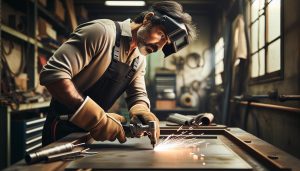
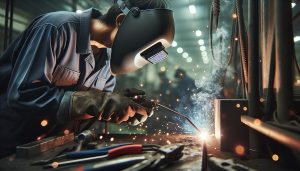
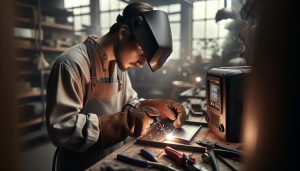
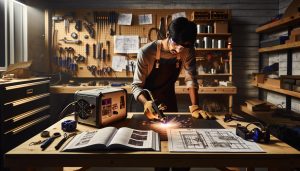
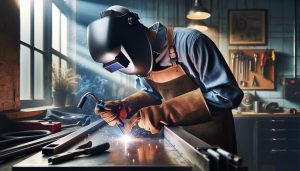
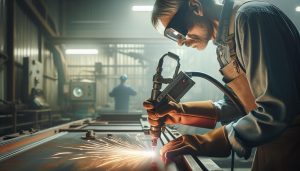
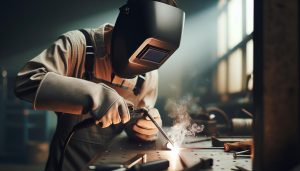
When it comes to welding technology, many enthusiasts wonder about the versatility of their equipment. Can a MIG welder also function as a plasma cutter? This intriguing question addresses not only practical applications but also the efficiency of our tools. For those seeking to maximize their investment and simplify their workspace, understanding this relationship is crucial.
While MIG welding excels in joining metals through an electric arc with a continuous wire feed, plasma cutting offers a way to slice through various materials with precision. By exploring whether these two processes can share equipment, welders can potentially enhance their capabilities without the need for multiple machines. Dive into the details of this surprising compatibility, where efficiency, cost-effectiveness, and workspace organization come into play. Your next project might just benefit from a creative twist on traditional welding techniques!
Can a MIG Welder Cut Through Metal? Understanding Its Limitations
Using a MIG welder for cutting metal is a topic that sparks much interest among both novices and experienced welders. Although MIG welding is primarily designed for joining metal pieces, there are scenarios where it can effectively cut through material, albeit with significant limitations. Unlike specialized cutting tools such as plasma cutters or oxy-fuel torches, MIG welders lack the focused heat and speed required for optimal cutting. Instead, the arc produced by a MIG welder can last longer and penetrate metal, but this approach can lead to increased material distortion and undesirable results.
To better understand these limitations, it’s crucial to consider the mechanism of MIG welding. The process involves feeding filler wire through a welding gun while shielding gases protect the arc and material from contamination. This means that the heat is distributed across a broader area than in cutting processes that concentrate heat in a small spot. Consequently, when attempting to cut metal with a MIG welder, one can expect a rougher edge and a higher risk of burn-through, particularly on thinner materials. A technique sometimes employed to utilize the MIG welder for cutting is to manipulate the gun’s angle and distance, allowing a more controlled application of heat, but this requires significant skill and experience.
In summary, while it is technically possible to cut through metal using a MIG welder, the results may not meet professional standards and the method is not recommended for precision tasks. For anyone considering this approach, it’s essential to weigh the risks and benefits, understanding that investing in the appropriate cutting equipment will yield far superior and safer results. This strategic choice not only enhances the quality of your work but can also improve efficiency in your projects.
Plasma Cutting Basics: Key Differences from MIG Welding
The effectiveness of metal cutting largely depends on the technology employed, and understanding the fundamental differences between plasma cutting and MIG welding is essential for any metalworker wanting optimal results. Plasma cutting utilizes a concentrated stream of ionized gas-plasma-to achieve high temperatures, allowing it to slice through metals quickly and cleanly. The process produces a focused arc that can reach temperatures exceeding 20,000 degrees Fahrenheit, enabling it to cut through materials such as steel, aluminum, and stainless steel with exceptional efficiency and precision.
In contrast, MIG welding operates on a fundamentally different principle. It involves feeding a continuous wire electrode into the weld pool, melting both the filler material and the workpieces to create a strong bond. While MIG welding can somewhat achieve cutting, it doesn’t generate the concentrated heat necessary for clean edges or quick severing of materials. The heat from a MIG welder is distributed over a larger area, which can lead to greater thermal distortion and potentially rough edges. This difference in heat concentration not only impacts cutting speed but also the overall quality of the cut, making plasma cutting far superior for tasks requiring precision.
Additionally, the range of materials each method can handle also varies. Plasma cutters excel at slicing through various thicknesses of metals and can also accommodate non-ferrous materials with ease, while MIG welding is primarily focused on joining metals and may struggle with precision in cutting operations. The operational setup for plasma cutting involves a separate power supply and typically requires specific setups for gas flow and nozzle size, while MIG welding requires strict gas flow settings but does not necessitate the same level of complexity for cutting.
In summary, while there are scenarios where MIG welding can function as a cutting tool, opting for plasma cutting is advisable when precise and clean cuts are required. For metalworkers, understanding these differences not only improves cutting quality but also enhances overall efficiency in metalworking projects.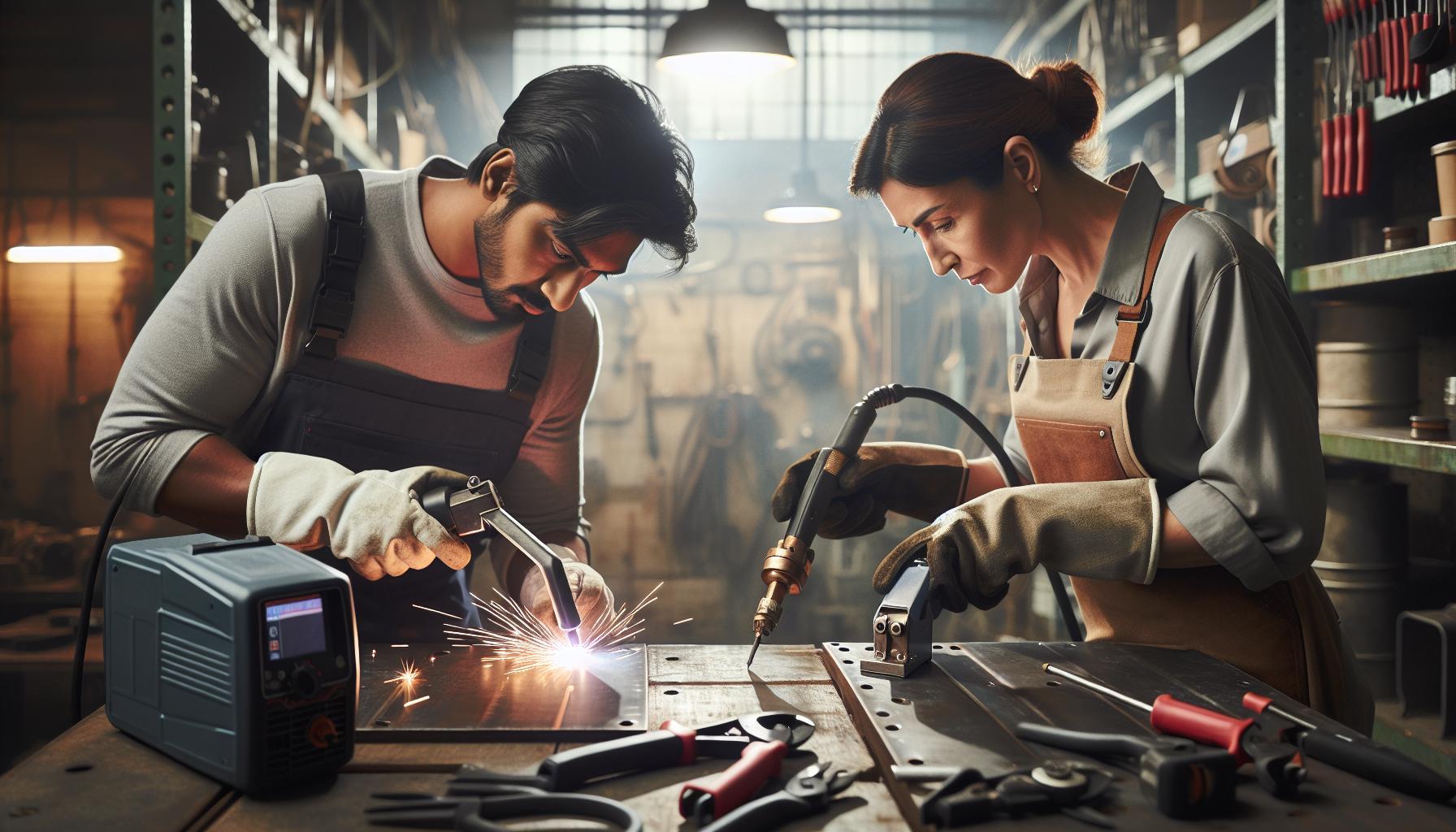
When to Use a MIG Welder Versus a Plasma Cutter
Using a MIG welder to cut metal might seem like a tempting shortcut for those looking to save time or equipment costs, but the reality is more nuanced. While MIG welding is primarily designed for joining metals, there are specific scenarios where leveraging its capabilities for cutting can be practical-though often not ideal. This technique may be suitable for rough cuts or situations where precision is not paramount. For example, if you find yourself without a plasma cutter and need to slice through thin gauge material quickly, a MIG welder can effectively melt through the metal. However, be prepared for the rough edges and potential warping that may result.
When deciding whether to use a MIG welder or a plasma cutter, consider the project’s requirements. Plasma cutting is preferred for clean, precise cuts, particularly on a variety of materials, including aluminum and stainless steel, where speed and accuracy are crucial. On the other hand, if you’re working with thicker materials or performing weld preparation where precision isn’t as critical, a MIG welder can handle basic cutting functions. The versatility of a MIG welder allows it to excel in tasks like tack welding and joint preparation, making it a valuable tool in various projects.
Furthermore, operational setup differences play a significant role in this decision. Plasma cutters require a unique assembly that often includes specific power and gas flow setups, while using a MIG welder for cutting simply involves adjusting the wire feed speed and amperage settings. If you’re already familiar with MIG welding techniques, utilizing this setup can offer a level of convenience, provided you accept the trade-offs in cut quality and thermal control.
In summary, while MIG welders can perform limited cutting duties, choosing the right tool for the job when metalworking is key. For fine, professional results and efficiency, a plasma cutter is superior; however, in certain rush scenarios, a MIG welder can fill the gap. Ultimately, understanding the distinct capabilities and limitations of each method will help metalworkers maximize their efficiency and craft quality projects.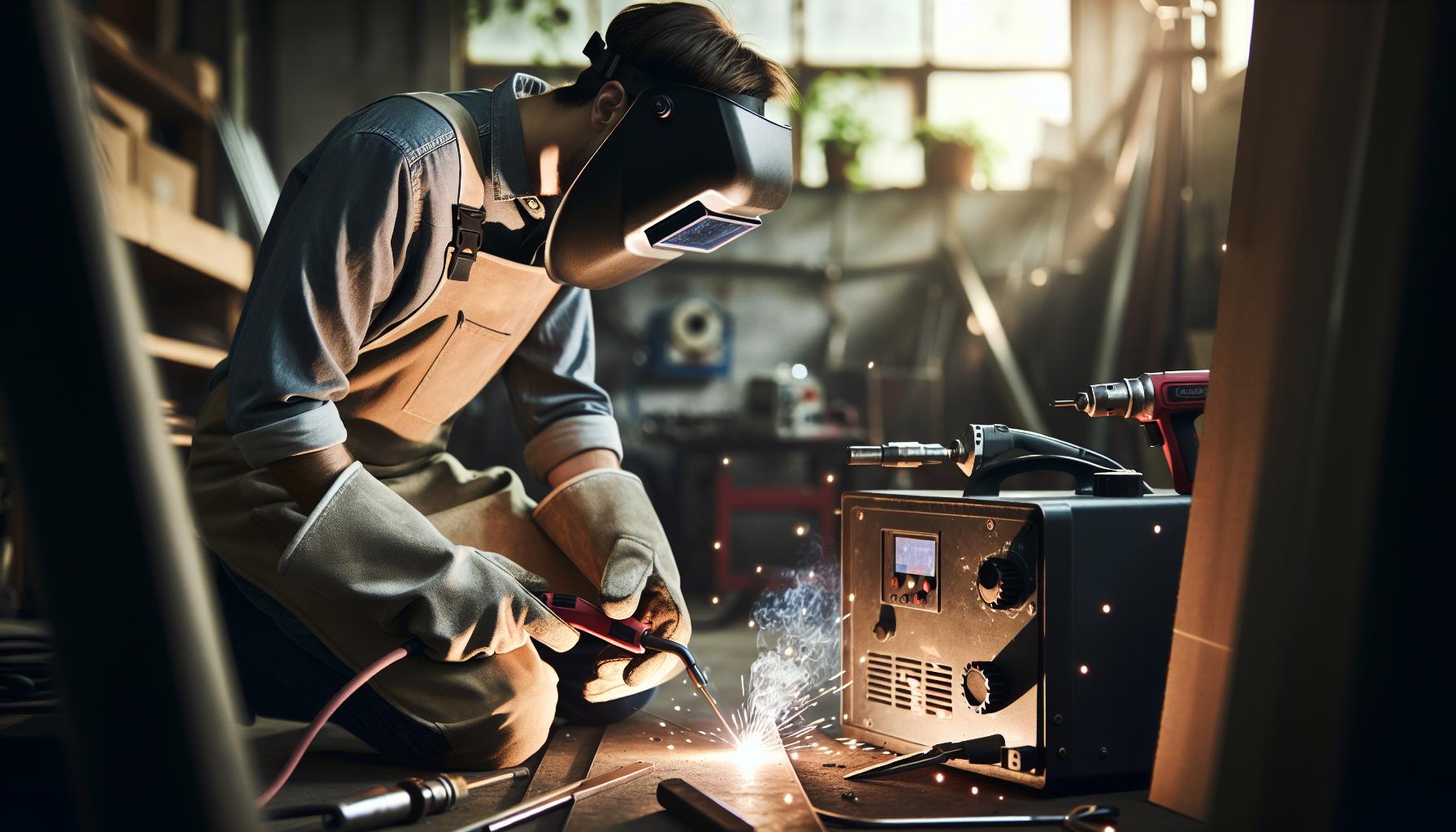
Safety Considerations: MIG Welding and Plasma Cutting
Engaging in MIG welding or plasma cutting requires a thorough understanding of the safety precautions necessary to protect yourself and those around you. One significant aspect is the exposure to intense light emitted from the welding arc, which can cause serious eye injuries, including burns and long-term vision impairment. Always wear appropriate personal protective equipment (PPE), including a welding helmet with the correct filter shade, gloves, and flame-resistant clothing. Not only does this gear safeguard against UV and infrared radiation, but it also protects against sparks and molten metal splatter, common hazards in both MIG welding and plasma cutting.
Another critical safety consideration involves the handling of gases and materials used during the welding process. MIG welding typically requires a shielding gas, often argon or carbon dioxide, which can displace oxygen in confined spaces. Ensuring proper ventilation is paramount to prevent asphyxiation and reduce the risk of associated health hazards. Similarly, when plasma cutting, the heat and potential release of fumes from the material being cut can introduce respiratory risks. Utilizing fume extraction systems or ventilated workspaces is advisable to mitigate inhalation hazards.
Consideration must also be given to fire safety. Both welding and cutting processes generate sparks and high heat, posing a fire risk, especially when combustible materials are present. Always maintain a clear work area free of flammable substances, and keep a fire extinguisher rated for metal fires readily accessible. It’s prudent to establish a safety zone around your working area, marked clearly to keep untrained personnel at a safe distance.
Finally, be aware of electrical safety protocols. Both MIG welding machines and plasma cutters operate at high voltages and can pose electrocution risks if proper precautions are not taken, such as ensuring that equipment is grounded and regularly inspected for damage. Always follow the manufacturer’s guidelines for operating equipment and engage in regular training in safety practices to maintain awareness of updated procedures and techniques. By prioritizing these safety considerations, welders and cutters can significantly reduce the risks involved in their work, ensuring a safer environment for themselves and their colleagues.
Techniques for Effective Metal Cutting with MIG Welders
MIG welding, while primarily designed for joining metal materials, possesses capabilities that can be creatively utilized for cutting under specific conditions. By adapting MIG welding techniques, one can achieve effective cutting results, particularly with thinner materials. The key lies in understanding the setup and operation of the equipment, as well as the properties of the materials being worked on.
To start, the essential technique for cutting with a MIG welder involves manipulating the wire feed speed and voltage settings. A higher wire feed speed can increase the heat concentration in one area, which is essential for cutting through thicker sections of metal. It’s advisable to set the voltage to a higher level, but during the operation, maintain a consistent movement speed to prevent excessive melting. Techniques such as weaving-where the nozzle is moved side to side as you cut-can help distribute the heat and achieve a smoother edge.
Proper preparation and setup are also crucial. Ensure the metal surface is clean and free of contaminants like rust or oil, as these can hinder cutting efficiency and produce unwanted slag. When cutting, angle the torch slightly to improve access to the molten puddle and maintain an optimal distance from the surface, usually around 1/4 inch, to avoid excessive spatter. Additionally, using appropriate nozzles designed to handle high heat can significantly enhance the cutting process.
Safety is paramount when employing milling techniques for cutting purposes. Always wear appropriate protective gear, as the process generates intense light and sparks. Moreover, be aware of the potential for harmful fumes and ensure proper ventilation in the workspace. While using a MIG welder for cutting is possible, staying informed about its limitations and enhancing your skills through practice can lead to satisfactory results.
By employing these techniques, welders can expand their toolkit, enabling them to handle various projects effectively while maximizing the capabilities of their MIG welding equipment. This adaptability is particularly useful in environments where dedicated plasma cutters may not be available.
Materials Suitable for MIG Welding and Plasma Cutting
The versatility of MIG welding allows for a broad range of materials to be effectively joined, making it a popular choice among welders. Understanding which materials are best suited for MIG welding-and how they compare to materials suitable for plasma cutting-can significantly enhance project outcomes.
MIG welding excels with materials like mild steel, stainless steel, and aluminum. The clean, low-spatter operation of MIG welding makes it ideal for thin to moderate thicknesses of these metals. Mild steel, commonly used in construction and manufacturing, offers good weldability and is often the first choice for projects requiring strength and durability. Stainless steel’s resistance to corrosion makes it suitable for applications in environments where moisture is a concern, while aluminum’s lightweight properties are advantageous in aerospace and automotive designs.
In contrast, plasma cutting is better suited for thicker materials that may be more challenging to MIG weld. It is effective on steel, stainless steel, aluminum, and copper, enabling precise cuts with minimal heat-affected zones. Plasma cutting can handle a wider range of material thicknesses than MIG welding and is particularly efficient on materials up to several inches thick, depending on the plasma cutter’s specifications.
When choosing between MIG welding and plasma cutting, consider the project’s specific requirements. For tasks involving thin sheet metals where welding speed and ease of use are paramount, MIG may be preferable. Conversely, for larger aluminum or stainless steel parts, particularly in industrial applications where precise cuts are necessary, plasma cutting is often the better option.
Adapting processes according to material types ensures not only the integrity of the welds or cuts but also the efficiency of the work being performed. By selecting the right technique for the materials at hand, welders can achieve optimal results tailored to the demands of their projects.
Cost-Effectiveness: MIG Welding vs. Plasma Cutting
Welding and cutting processes not only vary in application but also in cost-effectiveness, making it critical for professionals to understand the financial implications of each method. MIG welding, known for its speed and versatility, often comes with lower operating costs compared to plasma cutting. For example, MIG welding utilizes a continuous wire feed as the electrode and requires only shielding gas, which tends to be less expensive than the consumables needed for plasma cutting. The initial investment in a MIG welder can also be lower than that for a plasma cutter, particularly for hobbyists or small fabrication shops.
However, it’s essential to consider the operational costs in conjunction with productivity rates. MIG welding is usually faster for joining thin materials, making it ideal for high-volume production environments where time and labor efficiency translate into cost savings. In contrast, plasma cutting, while generally pricier in terms of consumables and equipment, provides precision and versatility that are invaluable in complex cuts or thicker materials. For instance, while a MIG welder may struggle with thicker metals, a plasma cutter excels, providing clean and seamless cuts that reduce post-processing time, ultimately leading to operational savings in specific contexts.
When evaluating which process to choose, assessing the costs associated with the types of projects being undertaken is vital. If the workload primarily involves thinner gauge metals and a faster turnaround is required, MIG welding could prove more economically viable. On the other hand, if projects demand high precision or involve thick materials, the higher initial and consumable costs of plasma cutting can be justified. Thus, a detailed cost-benefit analysis, which includes factors such as material types, production volumes, and specific project requirements, will help determine the most cost-effective option for a given situation.
Overall, weighing the day-to-day operational expenses against the specific advantages each technique offers will guide welders and fabricators in making informed decisions that align financial performance with project needs. As the landscape of welding technologies evolves, keeping abreast of the latest equipment advancements can also offer additional avenues for enhancing both performance and cost efficiency.
Common Myths About MIG Welders as Plasma Cutters
MIG welders enjoy a reputation for versatility and ease of use in various metalworking applications. However, a common misconception is that MIG welders can effectively function as plasma cutters, allowing users to achieve precision cuts similar to those made by specialized plasma cutting equipment. In reality, while both processes involve high heat and can manipulate metal, they operate on fundamentally different principles and technologies. Understanding these differences is crucial for anyone seeking to optimize their welding and metal cutting strategies.
One prevalent myth is that MIG welders can simply be adapted to slice through metal, especially for those who prioritize cost-efficiency. This belief often stems from the fact that MIG welding uses a similar power source. However, MIG welding relies on a continuous wire feed that melts into the metal to create a weld, whereas plasma cutting employs a high-velocity stream of plasma capable of cutting through materials at various thicknesses with high precision. Attempting to use a MIG welder for cutting can lead to unsatisfactory results, including burn-through, excessive spatter, and poor edge quality.
Moreover, there is a misconception that MIG welders are just as effective at cutting as they are at welding. In practice, MIG welders produce a weld pool that is designed for joining metals rather than severing them. The heat generated is often not concentrated enough to cut through thicker materials, leading to frustrations on the job site. For instance, while a plasma cutter can cleanly slice through metals like steel or aluminum, a MIG welder might struggle, especially when dealing with thicker sheets.
Key Takeaways
- MIG welding and plasma cutting serve different purposes: MIG is primarily for welding, while plasma cutting specializes in precision cuts.
- Heat intensity and speed differ: MIG welders do not generate the focused heat and high-speed plasma necessary for effective cutting.
- Technical limitations can cause problems: Using a MIG welder for cutting can result in poor-quality cuts and potential damage to materials.
By debunking these myths, welders can make informed decisions about the equipment they choose to achieve their specific project goals. Understanding the strengths and limitations of each method will ensure that both welding and cutting applications are executed with the best possible outcomes, leading to higher quality, safer results, and improved efficiency in metal fabrication.
Expert Tips for Cross-Training with MIG and Plasma Equipment
Cross-training with MIG and plasma equipment can significantly enhance a welder’s versatility and efficiency on various projects. Understanding the unique characteristics of each method is essential for anyone looking to switch between these techniques effectively. For instance, MIG welding is great for creating strong joints and applying filler material, while plasma cutting excels in making clean, precise cuts. Grasping the fundamental differences allows welders to leverage the strengths of both tools without compromising quality.
To achieve mastery across these technologies, start with the basics of each process. Spend time familiarizing yourself with the equipment, from the power settings of a MIG welder to the gas flow and pressure requirements for a plasma cutter. Regularly practice adjusting parameters based on the thickness and type of metal being worked on; this will cultivate an intuitive understanding of when to use each method.
Safety should always be a top priority when cross-training. Ensure that you fully understand the Personal Protective Equipment (PPE) required for both MIG and plasma operations. For MIG welding, standard gear (helmet, gloves, and protective clothing) is necessary, while plasma cutting may require additional precautions due to the exposure to UV light and high-temperature sparks. Always keep the workspace clear and maintain proper ventilation, especially when using equipment that generates fumes.
Lastly, consider keeping a dedicated log of your experiences and observations. Documenting the settings used, techniques applied, and outcomes achieved for various metals can be an invaluable resource as you refine your skills. This reflective practice not only aids in skill development but also helps identify problematic areas that may need further focus. By making it a point to routinely engage with both MIG and plasma technologies, welders can enhance their craftsmanship and reduce project completion times, ultimately leading to higher-quality work in the metal fabrication industry.
Making the Best Choice for Your Welding Projects
Making an informed choice between MIG welding and other cutting processes can significantly influence the quality and efficiency of your projects. Each method has distinct advantages that cater to different needs. Understanding the characteristics of MIG welding and plasma cutting is essential to making the best selection for your specific applications.
MIG welding excels in creating strong, durable joints, making it an ideal choice for projects involving the assembly of metal components, such as in automotive or construction work. When you need to join metals like steel, aluminum, or stainless steel, MIG welding’s ability to provide consistent weld quality and speed is invaluable. In contrast, plasma cutting stands out for its precision and capability to cut through thick materials effortlessly, making it suitable for applications where clean edges and detailed cuts are paramount. For instance, fabricators often prefer plasma cutting when they require intricate shapes or thicker materials that are harder to weld.
Another critical factor is the scope of work involved. If your project involves significant welding and joining tasks, a MIG welder is your go-to tool, maximizing productivity due to its speed and efficiency. However, if the project centers around metal sculpture or detailed fabrication where cutting and shaping are primary, a plasma cutter might be the more appropriate choice. A balanced approach might even involve utilizing both technologies; many fabricators have found success by incorporating both MIG welding for their welding needs and plasma cutting for initial material preparation or detailed layout work.
Finally, consider the cost implications. While MIG welders are often less expensive upfront than plasma cutters, the overall investment should factor in consumables, maintenance, and the range of tasks each tool can perform. For projects that may require both functions, investing in both may be more cost-effective in the long run, enhancing your workflow efficiency and enabling a broader range of capabilities.
In summary, selecting the right tool for your welding projects involves a careful assessment of your needs, the tasks at hand, and the materials involved. By understanding the specific strengths and weaknesses of MIG welding and plasma cutting, you can make informed decisions that enhance both the quality of your work and the efficiency of your processes.
Alternatives to Using a MIG Welder as a Cutter
Using a MIG welder to cut through metal can be tempting due to its availability and the versatility it offers. However, there are notable limitations and consequences to this approach that don’t typically yield the desired results. While a MIG welder is primarily designed for welding applications, considering alternatives can significantly enhance efficiency and effectiveness when cutting metal.
Plasma cutting systems are often the best counterparts for those needing to cut metal with precision. These tools utilize a high-velocity jet of ionized gas to melt and blow away the material, producing clean edges and intricate designs. Plasma cutting is particularly effective on thicker materials and can achieve better cut quality than a MIG welder, especially when dealing with stainless steel or aluminum, where smooth finishes are crucial. The initial investment in a plasma cutter may be higher, but it pays off in quality and speed.
Another alternative is using an oxy-fuel cutting torch. This method works by heating the metal with a flame before applying pure oxygen to create a quick oxidation reaction, resulting in efficient cutting. Oxy-fuel systems are well-suited for thicker steel and can be adjusted to different flame settings for various cutting needs. While not as portable as some MIG setups, oxy-fuel cutting equipment can be a cost-effective solution for those already familiar with gas welding techniques.
Lastly, considering conventional saws, such as bandsaws or circular saws, can be beneficial for specific applications. These tools excel in producing straight cuts without generating the heat that could warp or distort metal, unlike MIG welding. Although slower than plasma or oxy-fuel cutting, they provide a clean finish and are advantageous for projects that prioritize accuracy over speed.
In summary, while using a MIG welder might seem like a convenient shortcut for cutting metal, the results are often subpar compared to dedicated cutting tools. Investing in the correct equipment, such as plasma cutters or oxy-fuel torches, not only enhances precision and efficiency but also leads to a higher quality of work. For professionals and hobbyists alike, understanding when to use these alternatives can make all the difference in achieving the desired outcomes in metal fabrication.
Future Trends: Innovations in Welding and Cutting Technologies
The landscape of welding and cutting technologies is rapidly evolving, with innovations that enhance efficiency, precision, and safety. As industries continue to push the boundaries of metal fabrication, the integration of advanced technologies is transforming conventional methods such as MIG welding and plasma cutting. One exciting trend is the development of multi-function welding machines that combine MIG, TIG, and plasma capabilities into a single unit, allowing welders to switch seamlessly between processes. This versatility not only saves space and reduces equipment costs, but it also enables users to handle a wider range of projects without the need for multiple tools.
The rise of automation in welding and cutting is another significant trend reshaping the industry. Automated systems equipped with robotics are increasingly being utilized to perform repetitive welding and cutting tasks with consistent quality and speed. These systems can be programmed to execute complex patterns that would be challenging for manual operators, thus improving efficiency and reducing the risk of human error. As this technology becomes more accessible, even small to medium-sized businesses can take advantage of automation to enhance productivity while minimizing labor costs.
Moreover, advancements in materials science are leading to the development of new welding consumables and processes. For example, innovations in filler materials that can withstand extreme temperatures and pressures are opening doors for industries such as aerospace and automotive. Additionally, the introduction of hybrid welding techniques combines processes like MIG and laser welding, resulting in enhanced penetration and reduced heat-affected zones, which ultimately improve the mechanical properties of the weld joints.
Future Considerations
As these innovations unfold, welders are encouraged to stay informed about the latest equipment and technological advancements that can improve their work. Embracing these developments can provide a competitive edge in the rapidly changing landscape, ensuring that professionals and hobbyists alike can adapt to the demands of modern fabrication projects. Prioritizing safety and efficiency will guide users in integrating new technologies, leading to improved outcomes across various applications.
FAQ
Q: Can a MIG welder effectively cut metal like a plasma cutter?
A: A MIG welder can cut metal, but it’s not as effective or efficient as a plasma cutter. While MIG welding can create a cut through metal using the wire feed, it doesn’t achieve the same precision and speed as plasma cutting methods. Consider section “Can a MIG Welder Cut Through Metal? Understanding Its Limitations” for more details.
Q: What are the main differences between MIG welding and plasma cutting?
A: MIG welding uses a continuous wire feed to fuse pieces of metal together, while plasma cutting employs a high-velocity jet of ionized gas to cut through metal. For detailed distinctions, look into “Plasma Cutting Basics: Key Differences from MIG Welding.”
Q: Is it safe to use a MIG welder for cutting metal?
A: While using a MIG welder for cutting can be done safely, it requires precaution. Unlike plasma cutters, MIG welders generate considerable heat and spatter. Always follow safety protocols discussed in “Safety Considerations: MIG Welding and Plasma Cutting.”
Q: When should I choose a MIG welder over a plasma cutter for metal cutting?
A: Opt for a MIG welder when working on thicker materials or in situations where precise cuts are less critical. Additionally, the versatility of MIG welding makes it suitable for various projects. Check out “When to Use a MIG Welder Versus a Plasma Cutter” for more guidance.
Q: What materials can I effectively cut using a MIG welder?
A: A MIG welder is best suited for cutting mild steel and aluminum, although it can struggle with thicker or denser materials. Refer to the section “Materials Suitable for MIG Welding and Plasma Cutting” for a comprehensive list.
Q: Are there cost advantages of using a MIG welder for cutting instead of a plasma cutter?
A: Yes, using a MIG welder can be more cost-effective if you already own one since plasma cutters can be an additional expense. However, the efficiency and quality of cuts offered by plasma cutters may justify the investment for some projects. See “Cost-Effectiveness: MIG Welding vs. Plasma Cutting” for a deeper analysis.
Q: Can cross-training with both MIG and plasma equipment improve my metalworking skills?
A: Absolutely, cross-training can enhance your flexibility and improve skill sets in both welding and cutting processes. Understanding the strengths and weaknesses of each tool allows for more effective application in various projects. Refer to “Expert Tips for Cross-Training with MIG and Plasma Equipment” for tips.
Q: What alternatives can I consider instead of using a MIG welder as a plasma cutter?
A: Alternatives include oxy-fuel cutting torches and handheld plasma cutters, both offering effective metal cutting capabilities. For a full overview of options, check the section “Alternatives to Using a MIG Welder as a Cutter.”
In Conclusion
While the idea of using a MIG welder as a plasma cutter might seem appealing, it’s essential to understand the limitations and specific applications of each tool. Remember, MIG welding excels in joining metals using gas metal arc welding techniques, while plasma cutting offers precise cuts in various materials. So, if you’re contemplating on how to elevate your welding projects, consider investing in dedicated equipment for the best results.
Feeling inspired? Dive deeper into our articles on MIG welding techniques or explore the nuances of plasma cutting safety to enhance your skill set further. Don’t miss out on exclusive tips and tricks-sign up for our newsletter to stay updated on the latest in welding technology and techniques. Join the conversation by sharing your experiences in the comments below, and keep exploring our site for valuable resources tailored to both novice and seasoned welders. Your next project starts here!