Welding is not just a skill; it’s an essential trade that powers diverse industries by joining metals and creating durable structures. As a beginner, starting your journey in welding requires understanding various techniques like MIG, TIG, stick, and flux core, each suited to specific materials such as steel and aluminum. The right guidance can demystify the process, empowering you to tackle projects with confidence. Whether you’re looking to enhance your DIY skills, pursue a welding career, or simply learn a new hobby, safety protocols and proper techniques are crucial for success. This roadmap will equip you with practical knowledge, insights on equipment, and strategies to turn your welding aspirations into reality, ensuring you’re well on your way to becoming a skilled welder. Join us as we explore everything from foundational skills to advanced techniques, setting you on a path to welding mastery.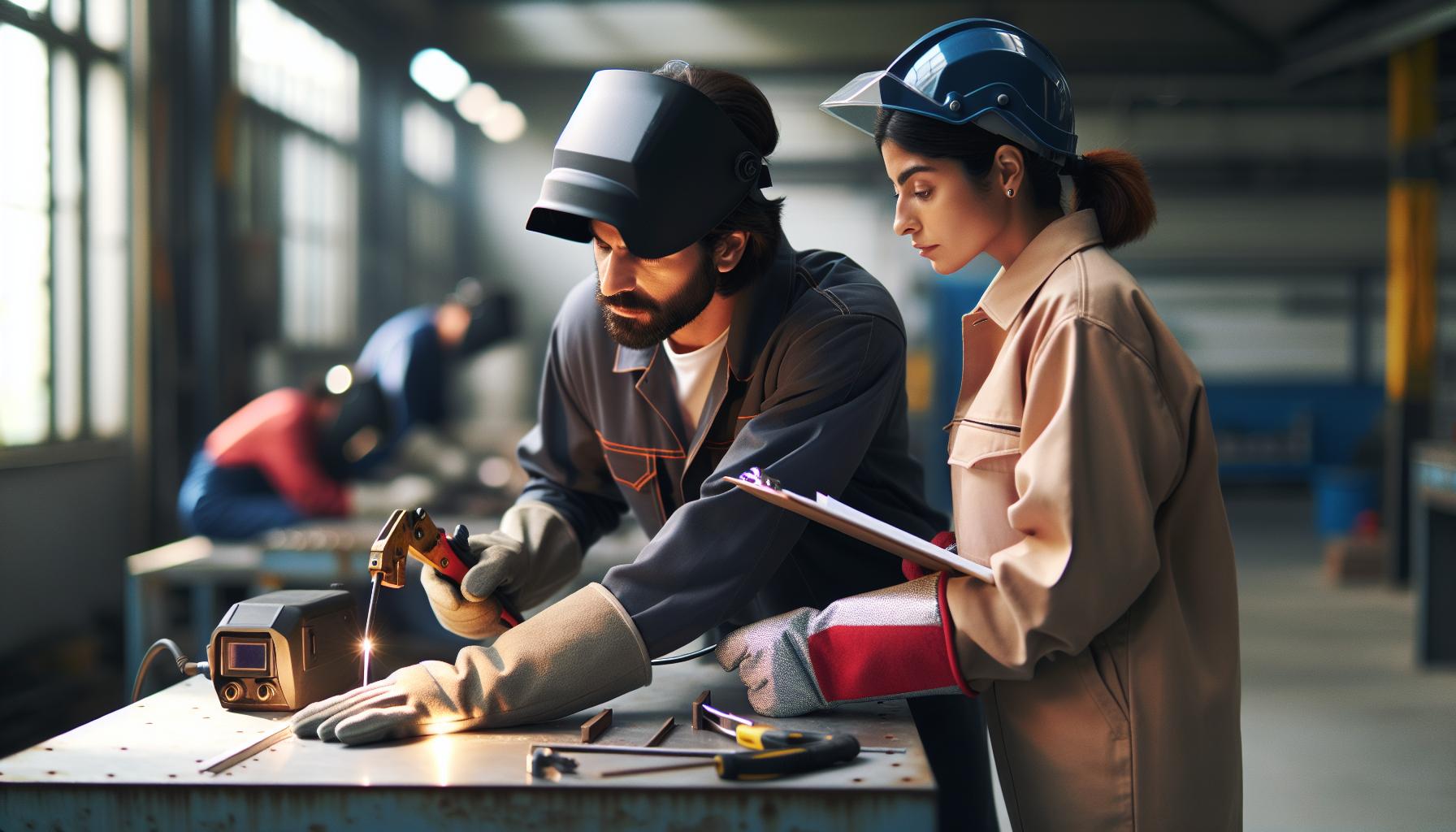
Understanding the Basics of Welding Techniques
Welding forms the backbone of modern manufacturing, construction, and repair, uniting materials in a strong bond that can withstand significant stress. Understanding the fundamentals of various welding techniques is essential for any beginner looking to enter this versatile field. Each method has its unique applications and advantages that cater to different material types, project requirements, and skill levels.
MIG Welding
MIG (Metal Inert Gas) welding is often recommended for beginners due to its simplicity and speed. It uses a continuous wire feed as an electrode and inert gas to shield the weld from contamination. MIG welding is ideal for thin materials and is commonly used in automotive and light structural applications. The main advantages include a clean finish, minimal cleanup, and the ability to weld in any position.
TIG Welding
TIG (Tungsten Inert Gas) welding, while more complex than MIG, offers unparalleled control and is best suited for thin materials like aluminum and stainless steel. It utilizes a non-consumable tungsten electrode and requires both hands for operation: one to control the torch and the other to feed the filler rod. This method is favored for high-precision jobs and is often seen in aerospace and artistic applications due to the superior finish it produces.
Stick Welding
Stick welding, or SMAW (Shielded Metal Arc Welding), utilizes a coated electrode that provides both the filler material and the shielding gas. This technique is robust and effective for outdoor applications and in conditions where wind might blow away shielding gases. While stick welding can produce cleaner welds on thicker materials, it requires a learned technique to maintain the right arc length and angle.
Flux-Cored Welding
Flux-cored arc welding (FCAW) is somewhat similar to MIG but uses a tubular wire filled with flux. This method allows for welding without external shielding gas, making it suitable for outdoor work. The flux releases a protective gas when heated, protecting the weld pool from contamination. This technique is versatile and provides a strong weld, making it popular in construction projects.
Each of these techniques serves different purposes, and knowing the basics can significantly enhance your welding proficiency and project outcomes. In addition, adjusting the welding parameters like voltage, speed, and travel angle is crucial for achieving the desired weld quality, which reflects the importance of practice and attention to detail in mastering these techniques.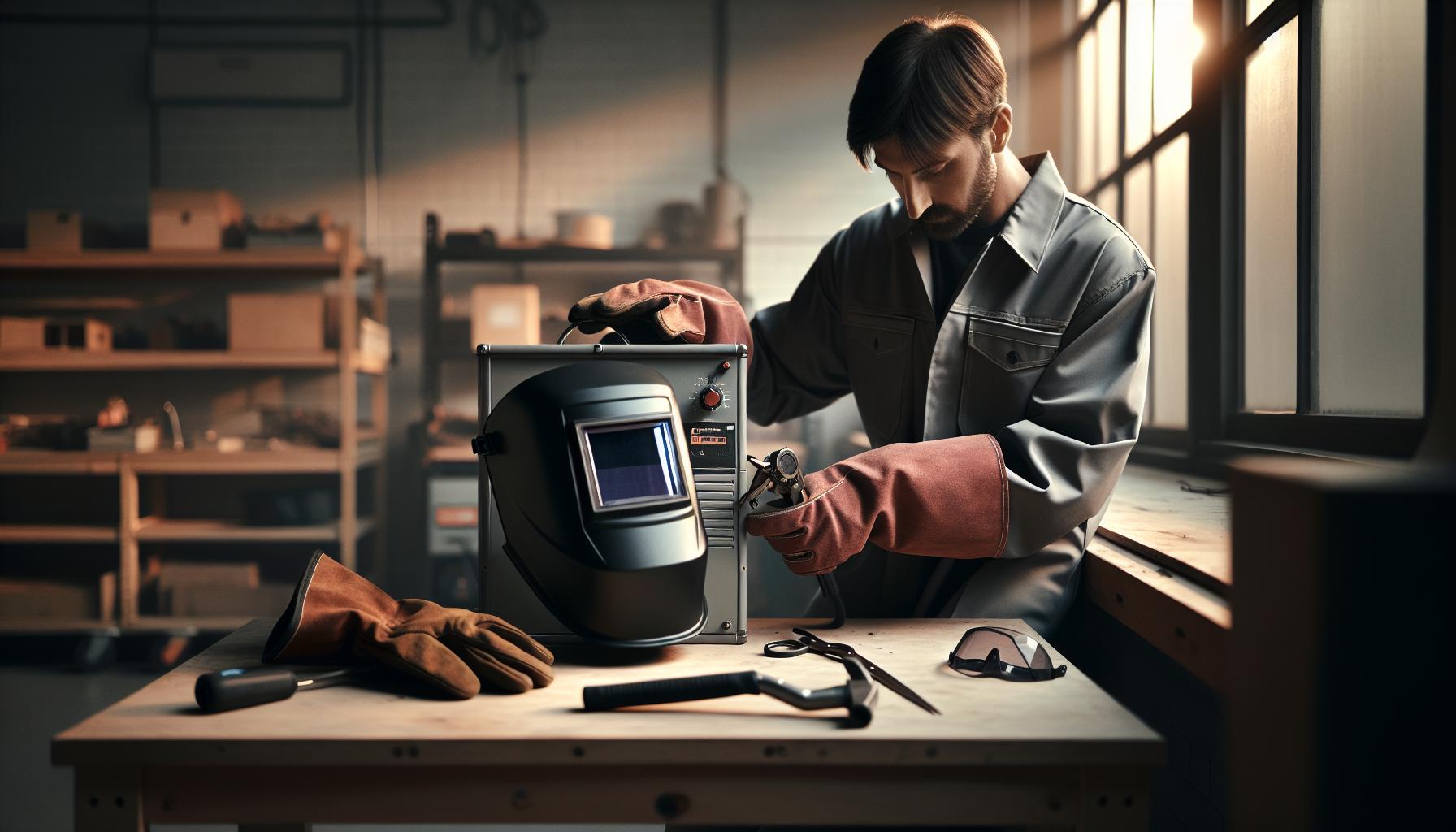
Essential Equipment for Beginners in Welding
To embark on your welding journey, having the right equipment is paramount. The world of welding offers a variety of tools and machines, and understanding which ones are essential for beginners can make all the difference in your learning curve and the quality of your work. Investing in appropriate equipment not only enhances your safety but also improves effectiveness, allowing you to engage in multiple projects with confidence.
Essential Tools for Beginners
Every welding beginner should equip themselves with a set of basic tools that cater to various techniques:
- Welding Machine: Consider starting with a MIG welder due to its user-friendly interface and versatility. Look for models with adjustable settings to ensure they meet your project’s requirements.
- Protective Gear: Safety is non-negotiable in welding. A good welding helmet with auto-darkening features, gloves, long-sleeved shirts, and steel-toed boots are essential to protect against sparks and intense light.
- Welding Electrode and Wire: Depending on your chosen technique (MIG, TIG, Stick, or Flux-Cored), you’ll need the appropriate electrodes or wires suited for your material-generally aluminum or steel.
- Clamping Tools: C-clamps and vice grips hold your materials in place during welding, ensuring accurate joints and preventing movement.
- Angle Grinder: Useful for preparing materials by cleaning and smoothing edges before welding and for finishing welds post-project.
Additional Equipment Considerations
As your skills develop, you might want to invest in advanced equipment. Consider essential accessories and enhancements like a portable workbench for improved stability, a welding cart for mobility, and a shielding gas regulator if your method necessitates inert gas. Always pay attention to the materials you plan to work with; for instance, specific alloys require particular settings and equipment.
Maintaining your tools and following safety protocols will not only extend the life of your gear but also promote a safer work environment. Ensure you have a clean and organized workspace to minimize hazards and enhance workflow efficiency. Remember, a well-equipped beginner is on the path to becoming a skilled welder, ready to tackle various projects with precision and ease.
Safety First: Welding Precautions You Must Know
Welding, while a rewarding skill, also presents a variety of hazards, making safety precautions indispensable for anyone stepping into the craft. New welders often underestimate the potential risks, but understanding and implementing safety measures can significantly reduce the likelihood of accidents. For instance, the intense light produced during welding can lead to severe eye damage, known as “welder’s flash,” if appropriate eye protection isn’t used. Investing in a high-quality welding helmet with UV protection is not just advisable-it’s essential.
Moreover, the process of welding generates not only intense heat but also sparks and fumes that can be harmful. Wearing appropriate protective clothing-like flame-resistant jackets, gloves, and steel-toed boots-forms the first line of defense against burns and injuries. A properly ventilated workspace is also crucial; inadequate airflow can lead to inhaling toxic fumes, particularly when working with certain metals, such as galvanized steel. Many welders opt for additional ventilation systems, such as exhaust fans, to ensure the area remains safe and breathable during their projects.
It’s equally important for beginners to familiarize themselves with their equipment and work environment. Before starting any welding job, assess the work area for flammable materials and remove them if necessary. Keeping a fire extinguisher within reach and knowing how to use it can be lifesaving. Additionally, establishing a clear understanding of welding techniques-whether MIG, TIG, Stick, or Flux-Cored-can help manage risks specific to each method. For instance, practicing proper grounding techniques when using electrical welders minimizes the risk of electric shock.
Ultimately, adhering to these safety precautions not only protects the welder but also contributes to a productive work environment. Developing good safety habits from the outset will foster not just a safer workspace but also enhance confidence and focus, paving the way for skill development and successful welding projects.
MIG Welding: The Perfect Starting Point
MIG welding is often considered the ideal entry point for those new to the welding world due to its versatility and ease of use. This process, also known as Gas Metal Arc Welding (GMAW), employs a continuously fed wire electrode and a shielding gas to protect the weld from contamination, resulting in clean and strong welds across various materials, primarily steel and aluminum. For beginners, the simplicity of adjusting the voltage and wire feed speed, combined with the minimal setup required, makes MIG welding an appealing option for a wide array of projects ranging from automotive repairs to household furniture creation.
To get started with MIG welding, it’s essential to understand a few key components of the process. The welding machine is the heart of any MIG setup. A quality MIG welder should have adjustable settings to accommodate different material thicknesses and types. Additionally, understanding the various gases used for shielding-commonly a mix of argon and carbon dioxide-can enhance the quality of your welds. Practicing proper feed rates and keeping the nozzle clean will also prevent common issues such as spatter and poor arc stability.
Safety precautions specific to MIG welding cannot be overstated. The use of shielding gas necessitates a well-ventilated space to prevent harmful inhalation of fumes. Always wear appropriate personal protective equipment, including a welding helmet with a suitable shade, gloves, and flame-resistant clothing. Beginners should take the time to set up their workspace thoughtfully, ensuring that all materials are organized and that there’s a clear area free of flammable substances.
Ultimately, mastering MIG welding opens doors to various creative and practical applications. New welders should take advantage of local workshops and online tutorials to enhance their skills. Engaging in small, manageable projects initially will build confidence and proficiency, ensuring that as one progresses, they can tackle more complex tasks with ease. Whether repairing a lawnmower or constructing a metal art piece, MIG welding serves as an excellent foundation upon which further welding techniques can be developed.
TIG Welding: A Deeper Dive for New Learners
TIG welding, also known as Gas Tungsten Arc Welding (GTAW), offers a precise and controlled way of fusing metals, making it a beloved choice among welders who seek clean and aesthetically pleasing results. Unlike its MIG counterpart, TIG welding involves a non-consumable tungsten electrode that produces the arc to melt the base materials along with a filler rod that is fed separately into the puddle. This method is particularly effective for thinner materials and is widely used in industries where weld appearance and integrity are paramount, such as aerospace and automotive manufacturing.
One of the distinctive features of TIG welding is its versatility with various metals. It excels on materials such as aluminum and stainless steel, which are vital in modern manufacturing. When welding aluminum, for instance, the technique minimizes contamination and ensures strong, quality welds due to the absence of spatter. To get started, welders should consider investing in a quality TIG welder equipped with an adjustable current control. This allows for better management of heat input, which is crucial when working with materials prone to warping and distortion.
Safety remains a top priority while learning TIG welding. As with all forms of welding, proper personal protective equipment (PPE) is essential. A high-quality welding helmet with a darkened lens, gloves made from heat-resistant materials, and flame-resistant clothing should be standard gear. Furthermore, ensuring adequate ventilation is vital to mitigate the risk of inhaling hazardous fumes produced during the welding process.
For newcomers, hands-on practice is key to mastering TIG welding. Start with simple projects, such as fabricating small metal brackets or art pieces, to develop a feel for the equipment and process. Watching instructional videos and attending local workshops can further accelerate the learning curve. By gradually increasing the complexity of projects and challenges, beginners can build confidence and refine their skills, setting the stage for more advanced creations and applications in welding.
Stick Welding: Pros and Cons for Beginners
For those stepping into the world of welding, stick welding-also known as Shielded Metal Arc Welding (SMAW)-offers a robust introduction that comes with its unique set of advantages and challenges. This method, renowned for its simplicity and versatility, employs an electrode coated in a flux material that melts during the welding process, creating a protective gas shield that enhances the quality of the weld. Despite its straightforward approach, beginners must be equipped with a clear understanding of its pros and cons to maximize their learning experience.
One of the notable benefits of stick welding is its adaptability to various materials and environmental conditions. Unlike MIG or TIG welding, which may require clean and precise settings, stick welding excels in less-than-ideal conditions, making it suitable for outdoor work or on dirty and rusty surfaces. This makes it a favored choice for repairs and construction tasks. Moreover, the equipment needed is relatively affordable and portable, allowing novices to start welding without a significant financial investment.
However, stick welding does come with some drawbacks. The process tends to produce more spatter than other welding techniques, which can necessitate additional cleanup after the weld is completed. Furthermore, achieving a clean and aesthetically pleasing weld can be challenging, especially for beginners. The learning curve can be steep, as proper technique is crucial to avoid issues like inclusions or porosity within the weld joint. Beginners will need to practice their hand movements and electrode angles to produce consistent results over time.
Incorporating stick welding into your skill set is an excellent choice for those aiming to build a solid foundation in welding. As you begin, prioritize safety by investing in appropriate personal protective equipment (PPE), such as a well-ventilated helmet and heat-resistant gloves. With consistent practice on different materials and thorough understanding of the technique, stick welding can significantly enhance your capabilities and confidence within the broader welding landscape.
Exploring Flux-Cored Welding for Beginners
Flux-cored welding has emerged as a popular choice among newcomers to the welding field, and for good reason. This technique employs a tubular wire filled with flux, allowing the welder to create strong, high-quality welds without the need for external shielding gas. This characteristic makes flux-cored welding especially appealing for manufacturing and construction environments, where portability and adaptability are crucial. It’s a skill set worth mastering for those looking to engage in projects ranging from general repairs to more advanced metalworking.
One of the key advantages of flux-cored welding is its impressive penetration capabilities, making it ideal for welding thicker materials. This process can be performed in a variety of positions-flat, horizontal, vertical, and overhead-making it versatile for different projects. While the welder will still need to focus on controlling the speed and angle of the weld, the forgiving nature of the process allows for quicker learning compared to methods like TIG welding, which requires precise control and cleaner surfaces.
Nonetheless, beginners should be aware of some challenges associated with this technique. Due to the protective characteristics of the flux, welders might face increased spatter and smoke production, making cleanliness an important factor pre- and post-welding. Here are some essential points for those venturing into flux-cored welding:
- Equipment Needs: A dedicated flux-cored welding machine is crucial. Ensure you choose the right type to match the thickness of the material you’re working on.
- Wire Selection: Flux-cored wires come in two types: self-shielded and gas-shielded. Beginners might find self-shielded wires easier as they do not require any additional gas setup.
- Practice Techniques: Start with practice runs on scrap materials to develop a steady hand and gain confidence.
- Safety Precautions: Always wear protective gear, including gloves, a welding helmet, and safety glasses, as the spatter and fumes can pose health risks.
For those dedicated to honing their craft, flux-cored welding offers an accessible entry point in the welding world, leading the way to more advanced techniques. The hands-on experience gained from practicing this method not only builds foundational skills but also opens the door to greater projects, making it a valuable addition to any welder’s repertoire.
Common Welding Materials: Aluminum vs. Steel
When diving into the world of welding, one of the primary decisions you’ll face is choosing between aluminum and steel as your base material. Each comes with its own set of properties, advantages, and challenges that can greatly influence your projects. Understanding these materials not only aids in making informed choices but also enhances your welding proficiency.
Aluminum is renowned for its lightweight and corrosion-resistant properties, making it an ideal choice for applications in the aerospace and automotive industries. It conducts heat and electricity well, which makes it useful for both MIG and TIG welding techniques. That being said, aluminum has a lower melting point than steel, requiring careful temperature management to avoid burn-through. Moreover, due to its oxide layer, proper cleaning and pre-welding techniques are paramount to achieve high-quality welds. Here are some key points about aluminum:
- Weight: Significantly lighter than steel, which is advantageous for projects requiring portability.
- Corrosion Resistance: Ideal for outdoor applications and environments where rust may be a concern.
- Welding Techniques: Both MIG and TIG welding are effective for aluminum, with a preference for TIG in applications demanding precision.
Steel, on the other hand, is valued for its strength and versatility, coming in various grades tailored to different applications-from structural to ornamental use. It is generally easier to weld than aluminum due to its higher melting point and greater tolerance to heat. Steel is an excellent choice for fabrication and construction projects, as it can withstand significant stress and strain. However, welders must be cautious of issues like warping or distortion when working with thicker sections. Key characteristics of steel include:
- Strength: Far stronger than aluminum, making it suitable for heavy-duty applications.
- Welding Techniques: Commonly welded using MIG, stick, or flux-cored techniques, offering versatility for different skill levels and project requirements.
- Heat Management: Greater need for heat control when working with thicker materials to prevent warping and cracking.
Deciding between aluminum and steel will largely depend on the specific requirements of your project. A welder’s familiarity with the characteristics of each material can lead to better technique selection, improved results, and overall project success. So whether you’re aiming for lightweight constructs with aluminum or robust builds with steel, understanding these materials is a crucial step on your welding journey.
How to Set Up Your Welding Workspace
Setting up an effective welding workspace is a vital step in ensuring successful and safe operations. Whether you’re working in a professional shop or in your home garage, having the right environment enhances productivity and reduces the risk of accidents. A well-organized space allows for efficient workflow and keeps essential tools and materials readily accessible.
To begin, choose a location that is well-ventilated and away from flammable materials. Good airflow is crucial when welding, as fumes and gases can accumulate quickly, posing health risks. Use fans to circulate air, or consider investing in an exhaust system if you’re working with more substantial gas emissions. Additionally, ensure your workspace is equipped with a fire extinguisher, and establish a clear escape route in case of emergencies.
Next, organize your tools and equipment. A table dedicated to your welding tasks should be sturdy and large enough to accommodate your projects. Equip it with essential tools such as clamps, grinders, and handheld cutting tools for easy access. It’s beneficial to have separate storage for different welding supplies, including welding rods, filler metals, and protective gear, to keep everything in order. The following are key components to consider setting up in your workspace:
- Welding Machine: Ensure it is positioned securely and has adequate power supply connections.
- Work Surface: A fire-resistant table is ideal for placing your work and tools.
- Lighting: Bright, focused lighting is critical for visibility while welding.
- Safety Equipment: Always have personal protective gear (PPE) like helmets, gloves, and aprons within arm’s reach.
- Waste Disposal: Designate an area for waste disposal to keep the workspace tidy and minimize hazards.
Don’t overlook the importance of safety clearances around your work area. Create a perimeter where others cannot access while you are welding, and keep a first aid kit nearby. This simple measure can vastly improve your safety posture. By establishing clear organization and safety protocols within your welding workspace, you’ll not only protect yourself but also enhance your ability to produce high-quality work efficiently.
Basic Welding Projects for Practice and Skill-Building
Starting with hands-on projects is an excellent approach for beginners eager to hone their welding skills. Practical experience not only builds confidence but also reinforces understanding of various techniques and materials. One of the best ways to advance your capabilities is to engage in simple yet educational welding projects that can gradually increase in complexity as you become more comfortable.
One classic project for beginners is creating a welding cart for your equipment. This project helps develop your MIG or stick welding skills while teaching you about assembly and stability. Plus, a well-made cart can keep your workspace organized and make it easier to transport your tools. To get started, use scrap materials such as steel tubing or angle iron, which are inexpensive and readily available. The design can be as simple as a rectangular frame with wheels, allowing you to practice straight and continuous welds.
Another beneficial project is crafting a simple metal shelf or a small table. This not only allows you to practice various weld joints but also results in a functional item for your workspace. As you build the frame, you’ll learn how to execute proper alignment and maintain consistent welding speed. For this, you can work with mild steel, which is ideal for beginners due to its forgiving nature when welded.
If you’re looking to explore more intricate designs, consider making a decorative piece like a metal flower or a small sculpture. It’s a fantastic way to experiment with TIG or flux-cored welding, and it allows for creative expression. Select thin metals such as aluminum or sheet steel for these artistic projects, and practice the finesse involved in manipulating different shapes and sizes. As your skills grow, you can offer to take on more challenging projects, such as fence or railing fabrication, that require a combination of techniques and precise measurements.
In summary, practical welding projects can serve as stepping stones in your skill development. By selecting tasks that gradually increase in complexity and tapping into your creativity, you can strengthen your technique, familiarize yourself with materials, and prepare for more advanced welding endeavors. The key is to enjoy the process and learn from each project, ensuring continuous improvement in your skills and thus paving the way for more professional opportunities in the field.
Getting Certified: Career Pathways in Welding
In the welding industry, certification is not merely a formality; it serves as a badge of proficiency that can significantly influence a welder’s career trajectory. As industries increasingly focus on quality and safety, obtaining a welding certification can enhance job prospects, increase earning potential, and open doors to specialized positions. Welder certifications, such as those from the American Welding Society (AWS), not only verify a welder’s skills but also demonstrate commitment to continuous improvement and adherence to industry standards.
Pursuing certification typically involves rigorous testing that evaluates practical abilities and theoretical knowledge across various welding processes, including MIG, TIG, stick, and flux-cored welding. Each certification may focus on different materials, such as aluminum and steel, or specific techniques suitable for various applications. For example, a welder might choose to focus on structural welding to work in construction or pipe welding for the oil and gas industry.
Certification Process
The path to certification generally includes the following steps:
- Training: Complete a welding program or apprenticeship that provides foundational skills.
- Experience: Gain hands-on experience in different welding techniques and materials.
- Testing: Pass written and practical exams that assess competencies.
- Continuing Education: Stay updated on industry standards and technologies through workshops and refresher courses.
Once obtained, certifications can enhance a welder’s employability, allowing for entry into higher-paying positions that may require specific expertise. Additionally, many companies actively seek certified welders as they are often involved in high-stakes environments where quality assurance is paramount.
In summary, obtaining a welding certification can be a transformative step for anyone looking to establish a long-lasting and rewarding career in the welding industry. Not only does it validate skills and knowledge, but it also provides a competitive edge in a field characterized by a diverse array of opportunities and advancements. Engaging in the certification process not only sharpens technical abilities but also reinforces a safety-focused mindset that is essential for professional welding success.
Troubleshooting Common Welding Issues
Welding can be both a rewarding and challenging skill to master, with common pitfalls that can frustrate even the most eager beginners. Understanding and effectively troubleshooting these common welding issues can significantly enhance the quality of your work and help you progress more rapidly in your skills. From inadequate penetration to excessive spatter, recognizing the symptoms of these common problems is essential for improvement.
One frequent issue is inadequate penetration, which occurs when the weld bead does not effectively fuse with the base materials. This can result from several factors, including insufficient heat, incorrect travel speed, or improper electrode angle. To resolve this, ensure that your settings on the welder are appropriate for the material thickness. For MIG welding, for instance, the wire speed should be adjusted in correlation with the current to achieve the necessary heat. Experimenting with different settings can help you find the optimal configuration.
Another common issue welders face is excessive spatter, which not only affects the appearance of the weld but can also indicate problems with your technique or equipment. High spatter might arise from using too high of a voltage setting or an incorrect gas flow rate with MIG welding. Inspecting your equipment for cleanliness is equally important, as dirty or worn tips can lead to inconsistent results. Keeping your workspace tidy and regularly checking your equipment will contribute to achieving cleaner welds.
Furthermore, undercutting-a groove that forms at the edge of the weld-can weaken the joint and is usually caused by too high of a heat input or incorrect travel speed. To mitigate this, practice maintaining a consistent speed and angle when welding, which will facilitate a smoother metal fusion. It’s also useful to regularly assess the quality of your welds and seek feedback from experienced welders. By paying close attention to these issues and adapting your techniques accordingly, you’ll enhance not only the aesthetic quality of your work but also its structural integrity.
Familiarizing yourself with these challenges and learning how to troubleshoot them will ultimately help you grow as a welder. Engaging in regular practice and experimenting with different materials and techniques will further refine your skills and solidify your understanding of the welding process.
Frequently asked questions
Q: What are the best beginner welding projects?
A: For beginners, great welding projects include making a simple metal stool, crafting a garden trellis, or building a small fire pit. These projects help develop essential skills while allowing you to practice techniques like MIG and stick welding. Check out the “Basic Welding Projects for Practice” section for detailed ideas.
Q: How much does it cost to start welding as a beginner?
A: Starting welding can cost between $300 to $1,500, depending on the equipment you choose. Budget for a welder, safety gear, and materials. Investing in quality tools will significantly enhance your learning experience. Refer to the “Essential Equipment for Beginners in Welding” section for guidance on equipment selection.
Q: What safety gear is essential for welding?
A: Essential safety gear for welding includes a helmet with the correct shade, safety goggles, gloves, and flame-resistant clothing. Proper equipment is critical to protect against harmful UV rays and burns, ensuring a safe working environment. Review the “Safety First: Welding Precautions You Must Know” section for more details.
Q: Where can I find welding classes for beginners?
A: Welding classes for beginners can typically be found at community colleges, trade schools, or local vocational centers. Additionally, online platforms offer courses that can be taken at your pace. For more information, explore the “Getting Certified: Career Pathways in Welding” section.
Q: How can I improve my welding skills at home?
A: To improve your welding skills at home, practice with scrap metal, watch tutorial videos, and seek feedback from experienced welders. Joining local welding forums can also provide valuable tips and support. Explore the “Troubleshooting Common Welding Issues” section for common improvement strategies.
Q: What is the difference between MIG and TIG welding?
A: MIG welding uses a consumable wire electrode and is easier for beginners, while TIG welding uses a non-consumable tungsten electrode and requires more skill. MIG is more versatile for various projects, while TIG offers precision for delicate tasks. Learn more in the “MIG Welding: The Perfect Starting Point” and “TIG Welding: A Deeper Dive for New Learners” sections.
Q: Can I start welding without prior experience?
A: Yes, you can start welding without prior experience. Many beginners successfully learn through hands-on practice and instruction. Start with simple projects and gradually tackle more complex tasks. The “Understanding the Basics of Welding Techniques” section can provide a solid foundation for your learning journey.
Q: What materials are best for beginners to weld?
A: Steel and aluminum are ideal for beginners due to their common usage and availability. Steel is more forgiving and easier to weld, making it a good choice for practice. Refer to the “Common Welding Materials: Aluminum vs. Steel” section for insights into material selection.
In Conclusion
Congratulations on taking the first step towards mastering welding with our “How to Start Welding: Complete Beginner’s Roadmap.” By understanding essential techniques such as MIG, TIG, stick, and flux core welding, as well as working with materials like aluminum and steel, you’ve empowered yourself with knowledge that paves the way for success. Now is the time to put that knowledge into action; don’t wait to start your welding journey!
For those looking to deepen their skills, check out our articles on safety protocols and equipment reviews to ensure you’re fully equipped and prepared. Don’t hesitate to explore our career guidance section, where you’ll find insights that can help elevate your welding career. Have any questions or want to share your experiences? We’re eager to hear from you-leave a comment below.
As you continue on this path, remember that practice and the right resources are key. Join our newsletter for the latest tips and tutorials, and keep building your welding expertise today!